The Pink-footed Goose is a medium-sized Arctic bird that breeds in two distinct populations: one in eastern Greenland and Iceland, and the other in Svalbard. Each population migrates to different wintering grounds, with the western group heading to the UK and Ireland, while the eastern group winters in the Netherlands and Denmark.
Physical Characteristics
Pink-footed Geese grow up to 75 cm (30 inches) in length with a wingspan of 1.8 meters (6 feet). They can weigh more than 3 kg (7 lbs). Their name comes from their distinctive pink legs and feet. They are known for their loud honking, which can often be heard when they gather in large flocks.
Nesting and Breeding
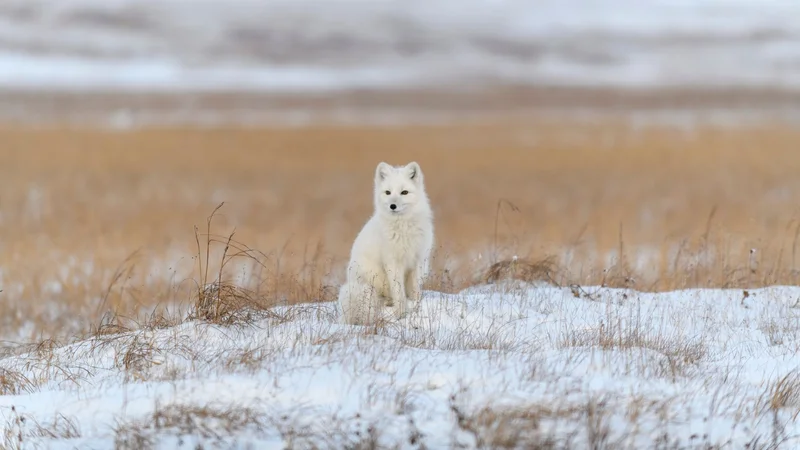
These geese are highly territorial and aggressive when nesting, even attacking predators like Arctic foxes or humans that venture too close. They prefer to nest in remote, predator-free locations such as cliffs near glaciers or islands in lakes. Pink-footed geese lay between 3 and 6 eggs in May, and their chicks fledge by September before the birds begin their migration southward. They return to their breeding grounds in April or May.
Migration and Population Growth
Thanks to protections against hunting, Pink-footed Goose populations have grown by over 200% in recent decades. Flocks of up to 60,000 individuals can be seen in their wintering grounds, making them easy targets for hunters in the past. Current estimates suggest these populations are now thriving due to conservation efforts.
Diet and Winter Grazing
In summer, Pink-footed Geese graze on tundra plants and aquatic vegetation in their Arctic breeding grounds. During winter, they shift to feeding on the remains of harvested crops such as potatoes, oilseed rape, and sugar beet. This winter grazing has led to conflict with farmers, as large flocks can cause significant crop damage, which is why they were heavily hunted in the past.
Interesting Facts
- Aggressive Defenders: Pink-footed Geese aggressively defend their nests, even attacking foxes or humans that come too close.
- Thriving Populations: Their numbers have increased by up to 200% in the past half-century due to hunting protections.
- Large Winter Flocks: Flocks of up to 60,000 geese can be seen in winter, making a spectacular sight and sound.