Top Antarctica Expedition Cruises: Compare 5 Operators
Choosing an Antarctica expedition cruise is not just about comparing trip schedules and duration. The cruise operator also affects landing logistics, activities, onboard atmosphere, and the overall expedition experience.
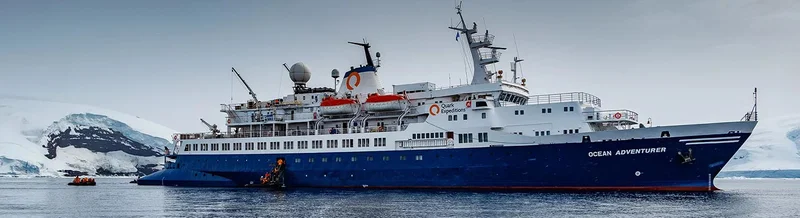
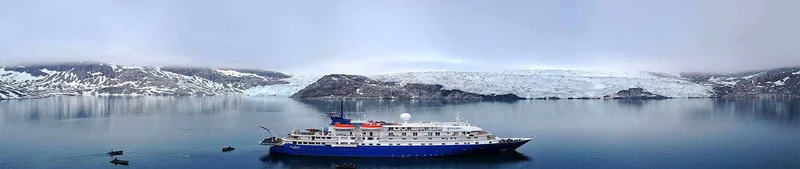
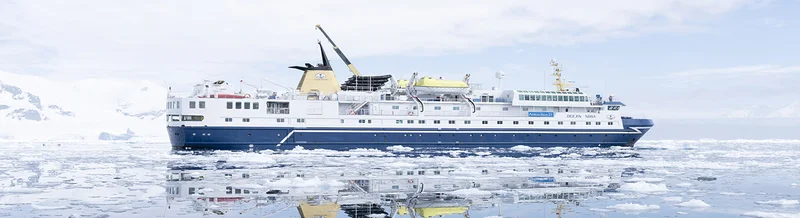
At Voyagers Travel, we work with established polar cruise companies, notably Poseidon Expeditions, Quark Expeditions, Lindblad Expeditions–National Geographic, HX Expeditions, and Oceanwide Expeditions. They each have a different approach to Antarctica expeditions, from small-ship exploration to activity- or science-focused voyages.
When comparing options, focus on ship capacity, landing operations, expedition staff, activities, itinerary, onboard facilities, and travel dates. Ultimately, the best choice depends on the operator, ship, and itinerary that match how you want to explore Antarctica.
|
Operator |
Ship / Fleet |
Best For |
Key Difference |
|
Poseidon Expeditions |
Sea Spirit – 114 guests |
Small-ship exploration |
Focused expedition experience aboard one main vessel |
|
Quark Expeditions |
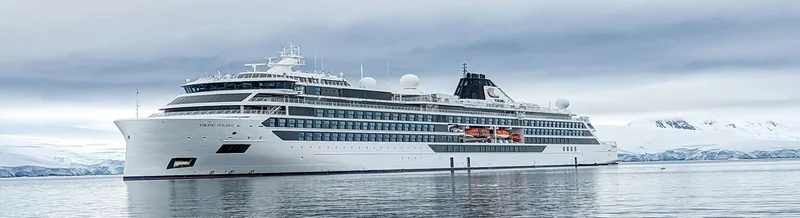
Ultramarine |
Adventure activities |
Helicopter-supported experiences on applicable voyages |
|
Lindblad Expeditions–National Geographic |
Small expedition fleet |
Photography & interpretation |
Natural history and storytelling at the core of every voyage |
|
HX Expeditions |
Multi-ship fleet |
Science & learning |
Educational programming integrated throughout the voyage |
|
Oceanwide Expeditions |
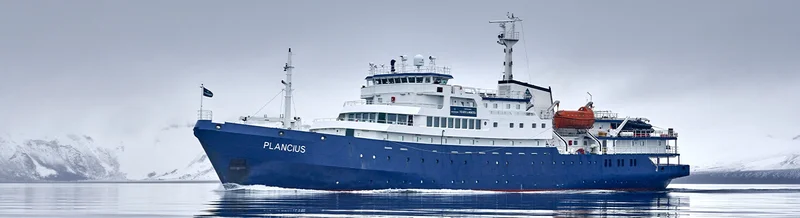
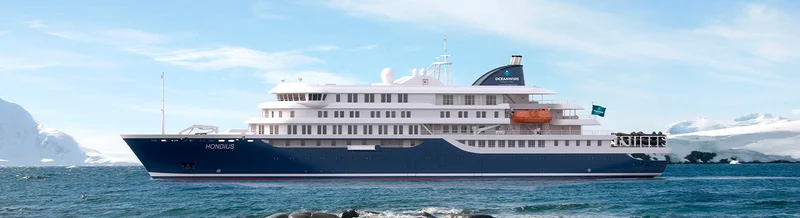
Plancius – 108 guests; Hondius – 170 guests; Rembrandt van Rijn |
Active exploration |
Variety of expedition vessels and outdoor activities |
1. Poseidon Expeditions
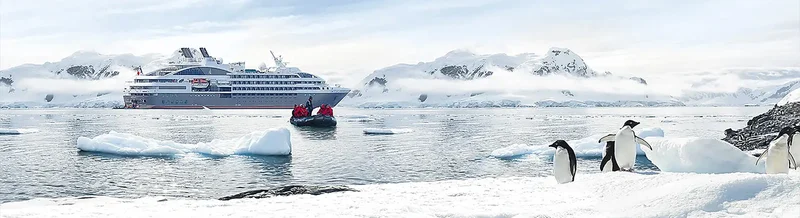
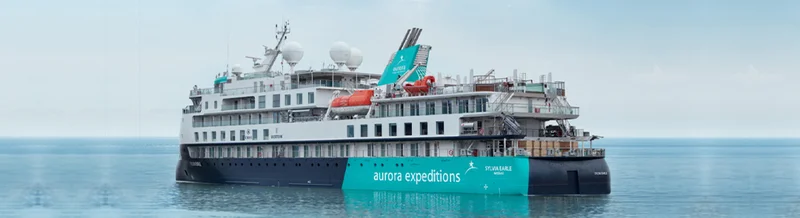
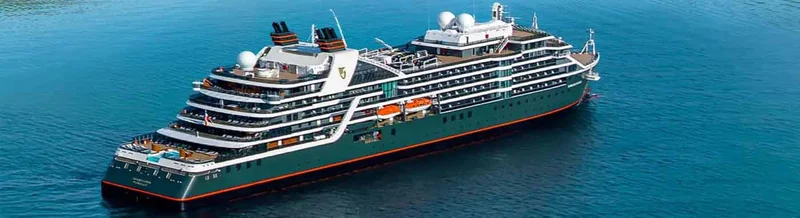
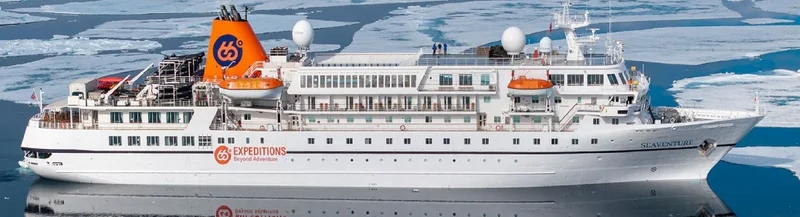
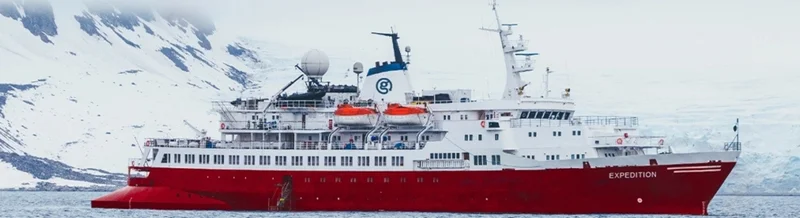
Poseidon Expedition operates the 114-passenger M/V Sea Spirit, an ice-strengthened small expedition ship that is designed to reach landing sites that larger vessels cannot access.
Founded in 1999 and an IAATO member since 2011, the company offers up to three landings a day. Each landing lasts around two and a half hours. All guests can go ashore by Zodiac or kayak without having to wait for their turn.
Voyages are led by naturalists, wildlife biologists, geologists, and historians.
Poseidon Expeditions has also received the International Travel Awards' Best Polar Expedition Cruise Operator title from 2022 through 2025.
Travelers who are looking for an Antarctica expedition with smaller groups and consistent opportunities to go ashore can check Poseidon’s current Antarctic Peninsula and South Georgia departures.
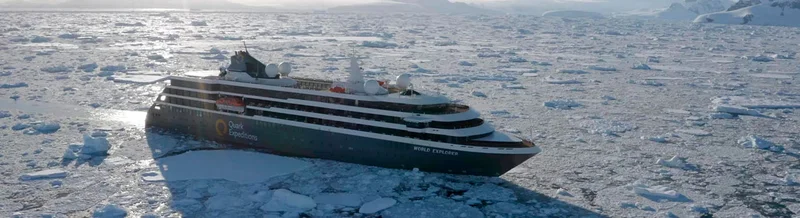
2. Quark Expeditions
Quark Expeditions, now part of the UK-based travel group Travelopia, was founded in 1991 by Mike McDowell and Lars Wikander.
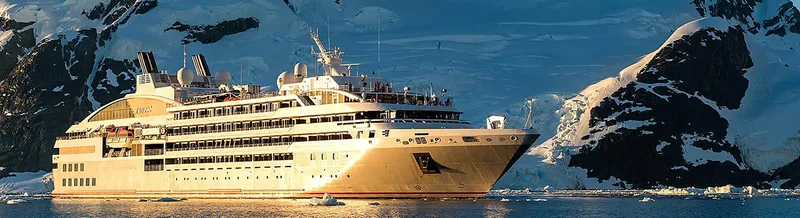
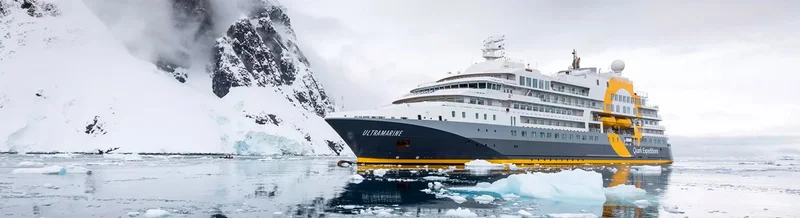
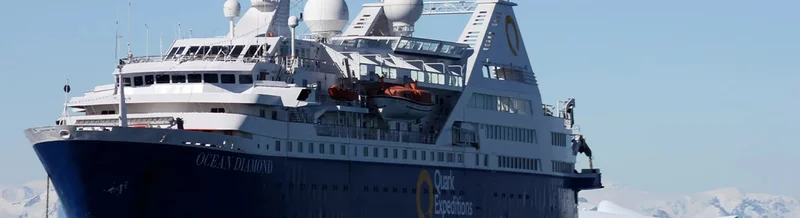
The company’s fleet includes the Ultramarine, a ship equipped with its own helicopter. They operate itineraries in Antarctica, the Arctic, and the North Pole.
Quark was among the early operators of commercial icebreaker voyages to the North Pole in the 1990s. In 2003, it also became the first operator to run a dedicated Antarctic total solar eclipse cruise.
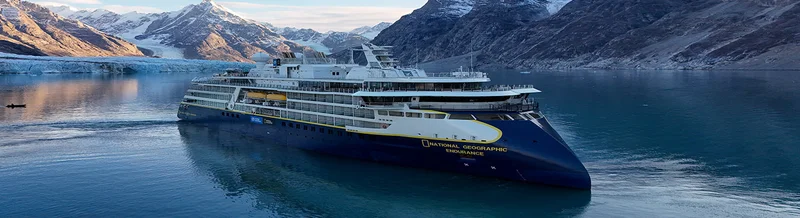
3. Lindblad Expeditions–National Geographic
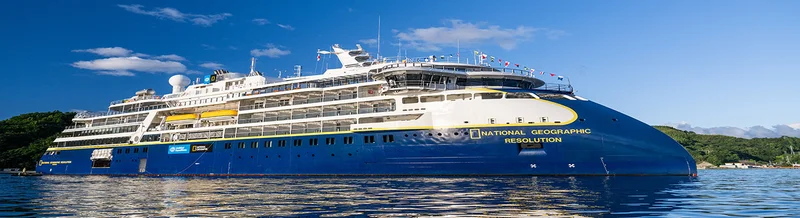
Lindblad Expeditions traces its roots to 1979, when Sven-Olof Lindblad founded Special Expeditions, building on the work of his father Lars-Eric Lindblad's original travel company.
Lars-Eric Lindblad’s voyage in 1966 is widely cited as the first tourist expedition to Antarctica.
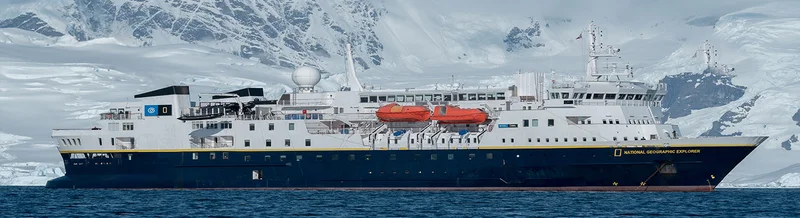
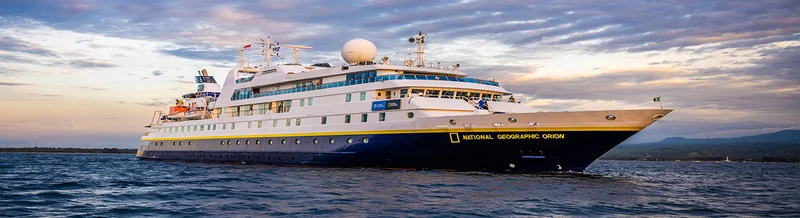
The company has publicly traded on Nasdaq since 2015 and has partnered with the National Geographic Society since 2004. Its ships carry National Geographic scientists and photographers alongside a team of naturalists.
Its expedition program includes Antarctica and the sub-Antarctic islands as part of a broader portfolio that spans all seven continents.
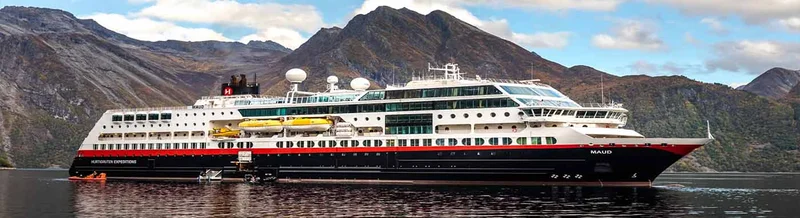
4. HX Expeditions
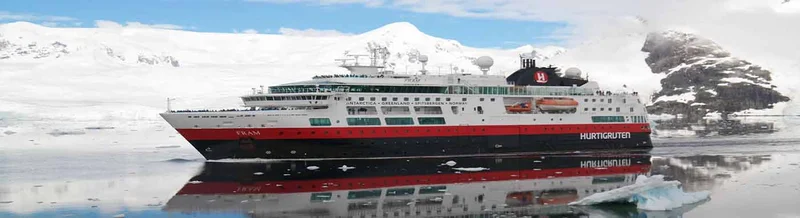
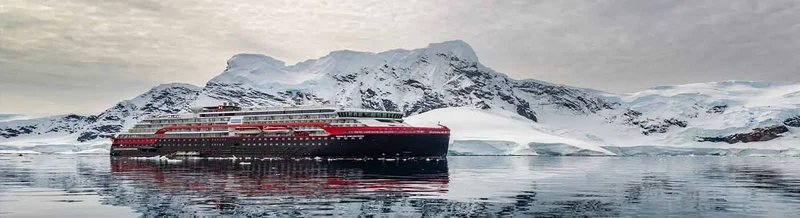
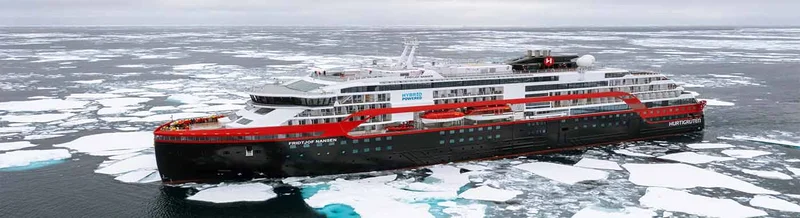
HX Expeditions was rebranded from Hurtigruten Expeditions in December 2023. It is now headquartered in London following a 2024 ownership split from its Norwegian sister company, Hurtigruten.
The brand’s history can be traced back to Norwegian coastal shipping in the 1890s. Today, its expedition fleet operates in Antarctica, Arctic Norway and Svalbard, Iceland, and Greenland.
See the Voyagers’ Arctic travel hub.
5. Oceanwide Expeditions
Oceanwide Expeditions began as a University of Groningen Arctic whaling research program in the early 1990s. It is headquartered in the Dutch port town of Vlissingen.
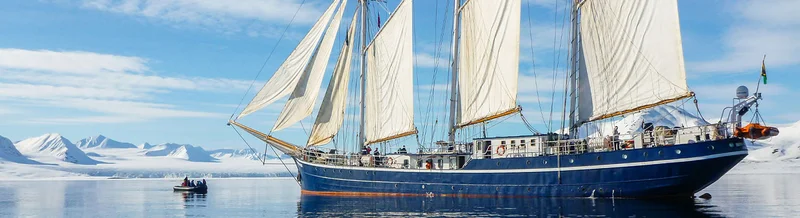
The company operates its own fleet, including the 108-passenger Plancius, the 170-passenger Hondius, and the smaller sailing vessel Rembrandt van Rijn.
Its voyages operate in Antarctica, South Georgia, and Spitsbergen.
Landing Rules and Environmental Standards
Antarctica expedition cruises operate under guidelines that are set by industry associations rather than a single governing body. The International Association of Antarctica Tour Operators (IAATO) limits the number of passengers who can be ashore at a landing site at one time. They also set the guidelines for waste management, biosecurity, and wildlife distance.
Arctic voyages follow a similar framework through the Association of Arctic Expedition Cruise Operators (AECO). Operators that offer Arctic itineraries are expected to hold the appropriate memberships for their Arctic operations.
For a broader overview of polar expedition travel, see the Voyagers’ Polar travel hub.

Choosing an Antarctica Expedition Cruise
Choosing among these five operators comes down to ship size, season dates, itinerary, and how much shore time matters to your group on a particular voyage. Smaller vessels such as Poseidon Expeditions’ Sea Spirit or Oceanwide’s Plancius may offer great flexibility with landings and Zodiac operations. Larger ships, meanwhile, often provide more extensive onboard programming and a wider range of cabin categories.
Rather than comparing operators only by voyage length, travelers should also consider these factors side by side:
- Ship capacity
- Landing frequency
- Group rotation requirements
- Shore time
- Expedition staff
- Biosecurity procedures
- Travel dates
- Itinerary
These factors provide a more useful way to shortlist an Antarctica expedition cruise rather than relying on the operator’s name alone.