
17D/16N Where Modern Natural Science Was Born: From the Ecuadorian Andes to the Galapagos - Tour
The 17-day academic trip through the Ecuadorian Andes and Galapagos Islands follows the scientific discoveries of Alexander von Humboldt and Edward Whymper and Charles Darwin. The program takes passengers from high-altitude Andean ecosystems to the volcanic archipelago which revolutionized biological research through direct fieldwork and altitudinal studies and comparative analyses in the same environments where scientists made their initial discoveries. The program exists to show curious travelers how Ecuadorian systematic exploration work led to new human insights about Earth which operates as an active system that links all its parts.
17 Day Ecuador Itinerary
Day 1: Arrival in Quito: The Andean Scientific Gateway
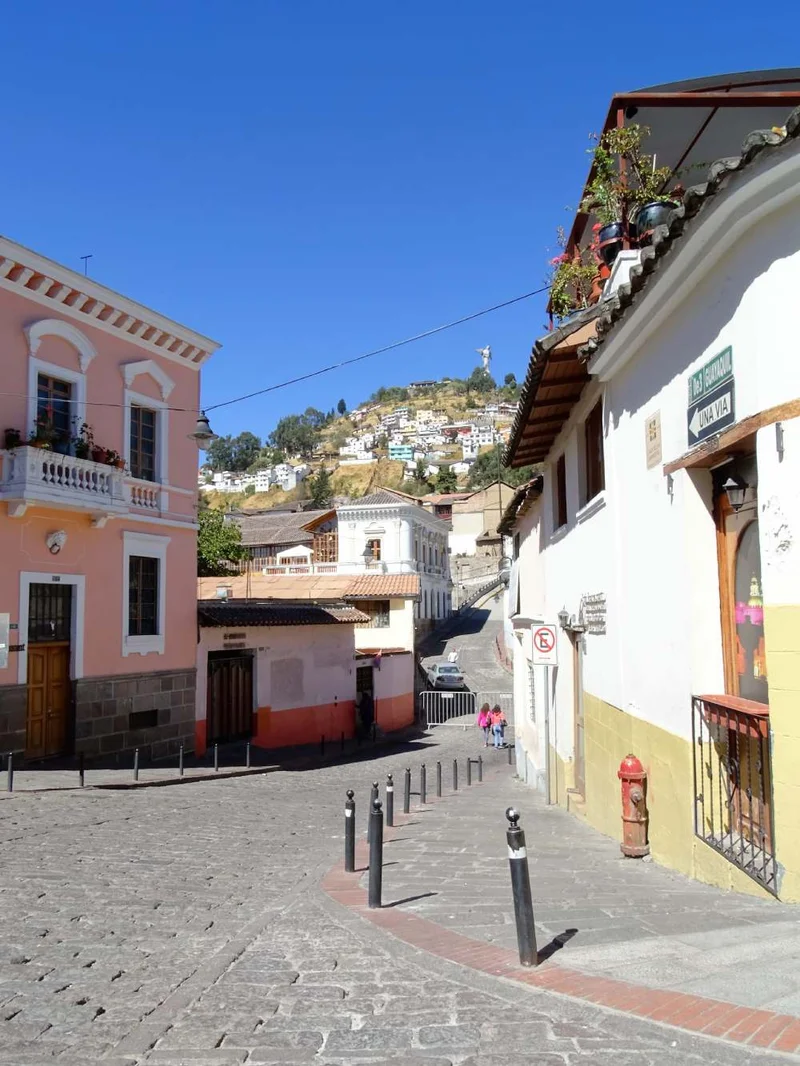
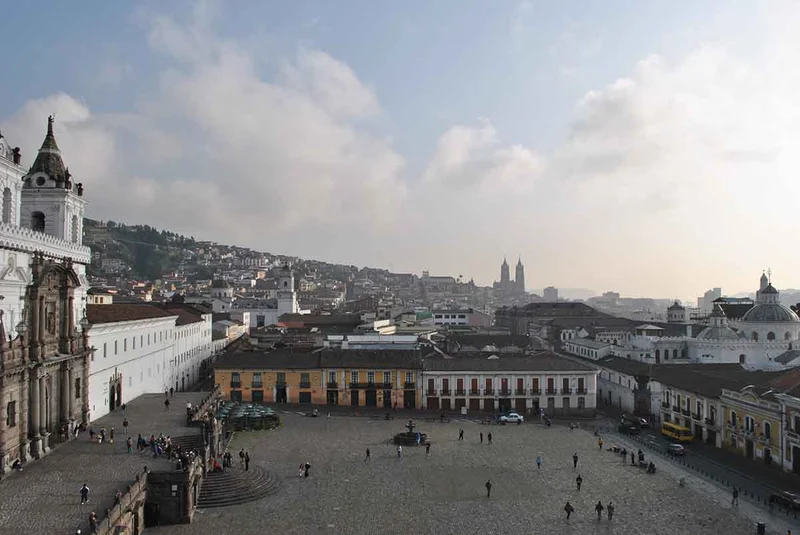
Arriving in Quito means stepping into one of the highest capital cities in the world, perched at about 9,000 feet above sea level and surrounded by dramatic volcanic peaks. The crisp mountain air and breathtaking Andean scenery immediately set the tone for a journey rooted in exploration. This city has long been a center of scientific curiosity, most notably for Alexander von Humboldt, who used Quito as a base for his groundbreaking studies. Beyond science, Quito’s rich past, shaped by the Quitu people, the Inca Empire, and Spanish colonial rule, adds layers of cultural depth. As you walk its historic streets, you begin to see how geography, exploration, and history all intertwine. Accommodation in Illa Experience Hotel or similar.
Meals Included: Dinner
Day 2: Quito: Science, Art, and Cultural Systems
After breakfast, the day begins in Quito’s historic center, walking along Calle de las Siete Cruces toward Plaza de la Independencia. Along the way, ornate colonial churches, especially La Compañía de Jesús, reveal a fascinating blend of European and Indigenous artistry and knowledge. In the afternoon, visits to La Ronda and San Marcos bring the city’s creative traditions to life through music, art, and local workshops that preserve the legacy of La Escuela Quiteña. It’s a day that highlights how culture and scientific curiosity have evolved side by side in the Andes. Accommodation in Illa Experience Hotel or similar.
Meals Included: Breakfast / Lunch / Dinner
Day 3: Quito to the Cotopaxi National Park: Landscape as Scientific Text
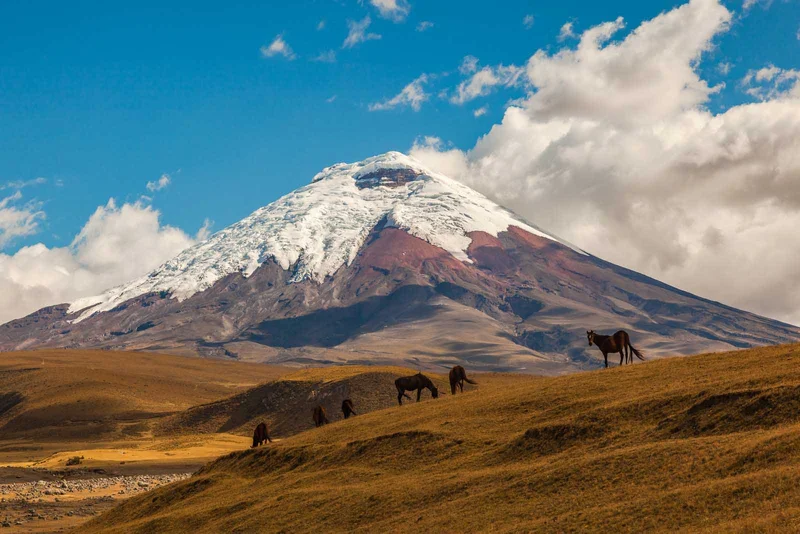
After breakfast, the journey heads into the famous Avenue of the Volcanoes, where snow-capped peaks rise above vast highland plains. Cotopaxi, one of the tallest active volcanoes on Earth, dominates the scenery. This region becomes a living classroom for geology and ecology. Inspired by explorer Edward Whymper, you’ll observe how exploration shifted from poetic descriptions to precise scientific study. At Limpiopungo Lake, reflections of the volcano and unique páramo plants like chuquiragua offer perfect observation opportunities. Wildlife, thin air, and open landscapes deepen your awareness of altitude and its effects. The day ends at Hacienda El Porvenir, a place once visited by Humboldt himself. Lunch at Hacienda La Ciénega where Alexander von Humboldt arrived in 1802 to study the Cotopaxi volcano. Accommodation in Hacienda El Porvenir or similar.
Meals Included: Breakfast / Lunch / Dinner
Day 4: Cotopaxi Highlands: Altitude, Ecology, and Human Perception
Another day in the Cotopaxi region allows for deeper exploration of the high-altitude páramo ecosystem. Activities such as horseback riding reveal how altitude shapes plant life, soil, and climate. The focus isn’t on conquering nature, but on understanding it, just as early scientific explorers did. Discussions connect glaciers, volcanic formations, and atmospheric changes, showing how the Andes function as a living scientific archive. Accommodation in Hacienda El Porvenir or similar.
Meals Included: Breakfast / Lunch / Dinner
Day 5: Cotopaxi to Chimborazo: Reconstructing Humboldt’s Experiment
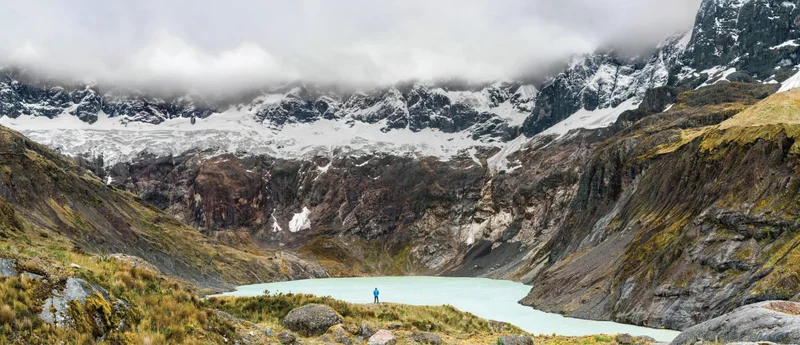
An early departure leads to Chimborazo, Ecuador’s highest peak and a key site in Humboldt’s research. The experience mirrors his scientific approach, focusing on observation rather than reaching the summit. Along the way, you’ll examine changes in temperature, vegetation, and altitude. Hiking toward the refuge, surrounded by vast plains, grazing llamas, and glaciers, offers a powerful sense of scale and isolation. This day highlights how Humboldt transformed exploration into a global understanding of nature. Accommodation in Chimborazo Lodge or similar.
Meals Included: Breakfast / Lunch / Dinner
Day 6: Chimborazo to Quito: Limits of Life and Scientific Perspective
Exploration continues around Chimborazo’s foothills, where you’ll encounter hardy plants like chuquiragua and wildlife adapted to extreme conditions. The contrast between icy peaks and resilient life forms reveals the delicate balance between climate, geology, and biology. Reflecting on Humboldt’s ideas, you’ll see how his work laid the foundation for fields like biogeography and climatology. Later, return to Quito to rest and reflect before the next phase of the journey. Accommodation in Illa Experience Hotel or similar.
Meals Included: Breakfast / Lunch / Dinner
Day 7: Quito to San Cristobal Island: Darwin’s First Observation
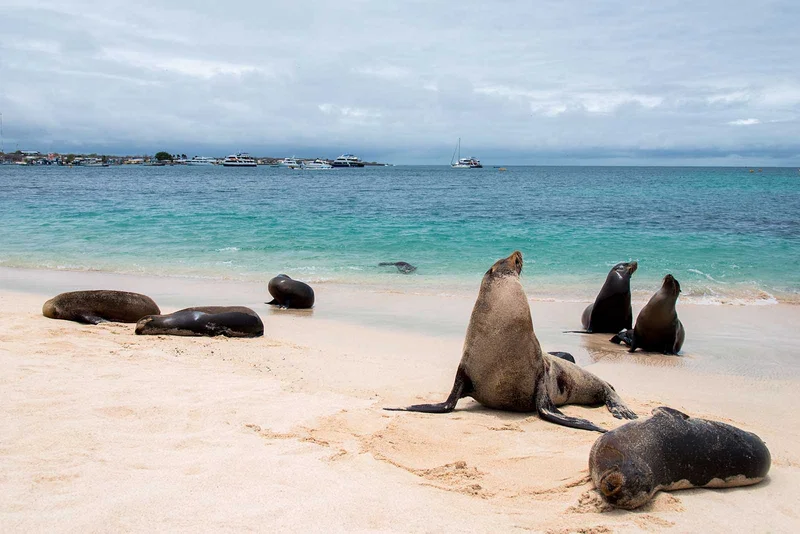
After breakfast, a flight takes you to San Cristobal in the Galapagos Islands, where Charles Darwin first arrived in 1835. With a naturalist guide, you’ll explore coastal trails and Cerro Tijeretas, landscapes that remain remarkably similar to Darwin’s original observations. Snorkeling adds a new dimension, connecting you directly with the marine world. The focus is on careful observation, just as Darwin practiced, laying the groundwork for revolutionary ideas. Accommodation in Hotel Indigo Galapagos or similar.
Meals Included: Breakfast / Lunch / Dinner
Day 8: San Cristobal: Marine Ecosystems and Geological Isolation
Today’s exploration includes El Junco, a rare freshwater crater lake surrounded by birdlife such as frigatebirds and ducks. This unique setting illustrates how species adapt in isolation. From this high vantage point, you’ll also enjoy sweeping views of the island’s volcanic landscape. Accommodation in Hotel Indigo Galapagos or similar.
Meals Included: Breakfast / Lunch / Dinner
Day 9: San Cristobal: Life Between Lava and Sea
A boat excursion leads to Kicker Rock, a dramatic volcanic formation rising from the sea. Beneath the surface lies a vibrant marine ecosystem. Snorkeling offers close encounters with fish, sea turtles, and even sharks. Along nearby mangrove-lined shores, you’ll see how life adapts to shifting tides and salinity, connecting land and sea ecosystems. Accommodation in Hotel Indigo Galapagos or similar.
Meals Included: Breakfast / Lunch / Dinner
Day 10: San Cristobal to Isabela Island: Evidence of a Living Earth
After an early start, travel by light aircraft to Isabela Island. Here, volcanic landscapes reveal the Earth in motion. At Tintoreras Islet, recent lava flows and coastal formations tell the story of ongoing geological change. Darwin once relied only on observation to interpret such features, and today you’ll do the same while exploring and snorkeling among rich marine life. Accommodation in Iguana Crossing Hotel or similar.
Meals Included: Breakfast / Lunch / Dinner
Day 11: Isabela Island: Sierra Negra and Volcanic Processes
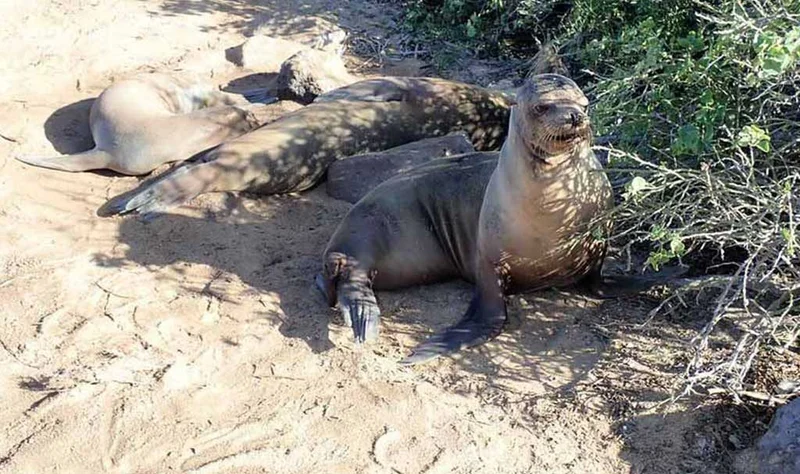
A morning hike to Sierra Negra introduces one of the world’s largest volcanic craters. Along the way, you’ll observe lava fields, sulfur deposits, and layered geological formations. Later, at Concha Perla lagoon, snorkeling brings you face-to-face with sea lions, marine iguanas, turtles, and colorful fish. This blend of land and sea exploration shows how volcanic forces shape thriving ecosystems. Accommodation in Iguana Crossing Hotel or similar.
Meals Included: Breakfast / Lunch / Dinner
Day 12: Isabela to Santa Cruz Island: Evolution in Motion
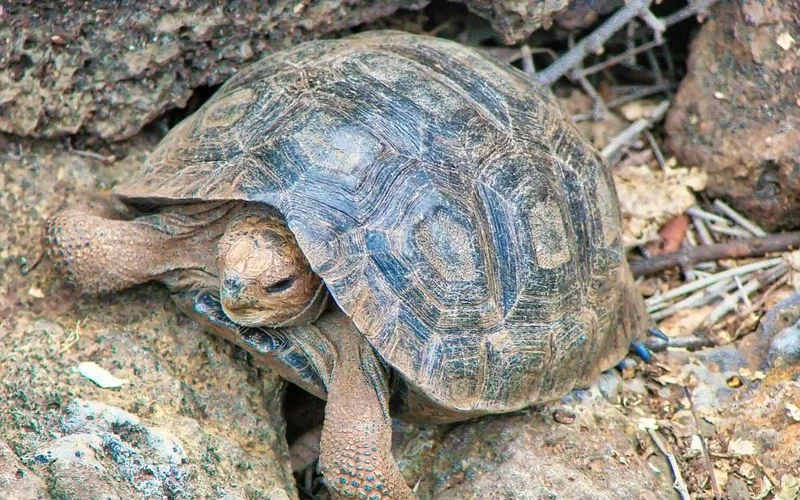
The day begins at Flamingo Lagoon, where feeding behaviors highlight ecological specialization. At the Giant Tortoise Breeding Center, differences between tortoise populations demonstrate evolution in action. In the afternoon, travel by speedboat to Santa Cruz, continuing your journey through Darwin’s living laboratory. Accommodation in Finch Bay Galapagos Hotel or similar.
Meals Included: Breakfast / Lunch / Dinner
Day 13: Santa Cruz: Conservation and Continuity of Research
A visit to the Charles Darwin Research Station connects past discoveries with modern conservation efforts. Here, you’ll learn about protecting biodiversity, restoring habitats, and managing fragile ecosystems. Giant tortoises symbolize both scientific discovery and the responsibility to preserve it. Accommodation in Finch Bay Galapagos Hotel or similar.
Meals Included: Breakfast / Lunch / Dinner
Day 14: Santa Cruz: Avian Diversity and Coastal Ecology
Exploration continues at Tortuga Bay and Bahía Academia. Kayaking along mangroves and white-sand beaches offers opportunities to observe a variety of bird species, from finches to pelicans. Watching how birds feed and adapt reinforces key ideas behind evolutionary theory. Marine iguanas and coastal wildlife highlight the connection between land and sea. Accommodation in Finch Bay Galapagos Hotel or similar.
Meals Included: Breakfast / Lunch / Dinner
Day 15: A Final Voyage Through Enchanted Waters
Today is a full-day navigation experience through the islands, visiting iconic sites such as Bartolome, North Seymour, or Santa Fe (depending on availability). Each location offers unique insights, from volcanic landscapes to thriving bird colonies and endemic species. It’s a fitting conclusion to your exploration of one of the world’s greatest natural laboratories. After this, we will return to Santa Cruz to rest and finish our program. Accommodation in Finch Bay Galapagos Hotel or similar.
Meals Included: Breakfast / Lunch / Dinner
Day 16: Return to Mainland Ecuador - Quito
After breakfast, return to mainland Ecuador via Baltra Airport. The journey from the Galapagos back to Quito brings together the two regions that shaped modern scientific understanding of the natural world. Accommodation in Wyndham Quito Airport or similar.
Meals Included: Breakfast / Lunch / Dinner
Day 17: Departure and farewell
After an early breakfast, transfer to the airport for your international flight home, concluding an unforgettable journey filled with discovery, science, and adventure.
Meals Included: Breakfast
+7
17 Day Ecuador Itinerary Includes
- Transfer in/out
- Galapagos Islands fees
- Indicated Meals
- Transportation
- Bilingual naturalist guide
- Scheduled Visits
- Domestic Flights
- Overnights in suggested hotels or similar (subject to confirmation), fullboard.
17 Day Ecuador Itinerary Does not Include
- Soft drinks and alcoholic beverages
- Personal expenses
- Tips
- Meals not described in the program
- Items not described in the program
- Extras and personal expenses
- International flights
17 Day Ecuador Itinerary Highlights
- Revisit Alexander von Humboldt’s groundbreaking altitude studies on Chimborazo.
- Discover the dramatic volcanic scenery of Cotopaxi along the famous Avenue of the Volcanoes.
- Relive Charles Darwin’s earliest observations in the Galapagos Islands on San Cristobal Island.
- Take a closer look at active volcanic landscapes on Isabela Island.
- Learn about early human influence on ecosystems at Floreana Island.
- Observe evolution in action by studying finches and giant tortoises on Santa Cruz Island.
Travel Tips
Plan to arrive well-rested so your body can adjust more easily to Quito’s high altitude. Drink plenty of water during Andean outings to help your body acclimate. Choose reef-safe sunscreen to help protect fragile marine life. Bring a notebook or journal to record your observations, just like Humboldt and Darwin did. Keep cameras and electronics protected from humidity and salt, especially near the coast.
Fitness Requirements
This trip includes a mix of moderate to fairly active days. You’ll spend time walking at high altitude in the Andes and hiking across uneven volcanic terrain in the Galapagos. You should be comfortable walking for several hours a day on different surfaces like cobblestone streets, grassy highlands, rocky paths, and lava fields. No technical climbing is involved, but a good level of fitness will make the experience much more enjoyable.
Weather Preparedness
Weather in the Andes can change quickly. Expect strong sun, cool winds, and sudden temperature drops, especially at higher elevations. Dressing in layers, using sun protection, and having a windproof jacket will keep you comfortable. In contrast, the Galapagos has a warm, coastal climate with bright sunshine and ocean breezes. Lightweight clothing, breathable fabrics, a hat, and a light rain layer are ideal for staying comfortable across different environments.
Accomodation
Illa Experience Hotel or similar
Hacienda El Porvenir or similar
Chimborazo Lodge or similar
Hotel Indigo Galapagos or similar
Iguana Crossing Hotel or similar
Finch Bay Galapagos Hotel or similar
Wyndham Quito Airport or similar
17D/16N Where Modern Natural Science Was Born: From the Ecuadorian Andes to the Galapagos
From USD 9485,00
Why travel with us?
 Over 22 years of experience
%20--%3e%3csvg%20version='1.1'%20id='Layer_1'%20xmlns='http://www.w3.org/2000/svg'%20xmlns:xlink='http://www.w3.org/1999/xlink'%20x='0px'%20y='0px'%20viewBox='0%200%20512%20512'%20style='enable-background:new%200%200%20512%20512;'%20xml:space='preserve'%3e%3cg%3e%3cg%3e%3cpath%20d='M424.18,200.763c-1.558,0-3.124,0.043-4.685,0.125c-20.129-42.954-56.688-76.736-101.546-93.182V64%20c0-34.157-27.79-61.947-61.947-61.947c-34.157,0-61.947,27.79-61.947,61.947v43.707c-44.86,16.447-81.419,50.231-101.548,93.186%20c-1.56-0.083-3.125-0.129-4.685-0.129C39.396,200.763,0,240.16,0,288.583c0,5.633,4.566,10.199,10.199,10.199h66.648%20c4.678,39.071,21.888,74.34,47.486,101.669c-9.018,15.386-13.176,33.319-11.773,51.284c1.626,20.824,10.666,40.436,25.454,55.225%20c1.992,1.992,4.602,2.987,7.212,2.987s5.221-0.995,7.212-2.987l55.753-55.753c15.234,4.19,31.263,6.441,47.809,6.441%20c17.145,0,33.738-2.405,49.461-6.893l56.205,56.205c1.992,1.992,4.602,2.987,7.212,2.987c2.61,0,5.221-0.995,7.212-2.987%20c14.789-14.789,23.828-34.403,25.454-55.229c1.444-18.5-3.024-36.957-12.609-52.643c24.899-27.134,41.617-61.883,46.218-100.306%20h66.649c5.633,0,10.199-4.566,10.199-10.199C512,240.16,472.604,200.763,424.18,200.763z%20M75.551,277.199%20c0,0.397,0.012,0.789,0.015,1.185H21.168c4.765-31.266,31.086-55.537,63.273-57.134C78.68,238.873,75.551,257.677,75.551,277.199z%20M214.452,64c0-22.909,18.638-41.549,41.548-41.549S297.549,41.09,297.549,64v37.587c-13.345-3.157-27.253-4.835-41.549-4.835%20c-14.295,0-28.204,1.679-41.548,4.835V64z%20M120.411,362.142c-15.487-24.634-24.462-53.757-24.462-84.942%20c0.001-31.989,9.439-61.81,25.669-86.84l22.637,22.637c1.992,1.992,4.602,2.987,7.212,2.987s5.221-0.995,7.212-2.987%20c3.983-3.983,3.983-10.441,0-14.425l-24.755-24.756c29.381-34.641,73.201-56.669,122.075-56.669%20c48.875,0,92.694,22.028,122.075,56.669l-42.909,42.909l-68.966-39.817v-11.484c0-5.633-4.566-10.199-10.199-10.199%20c-5.633,0-10.199,4.566-10.199,10.199v11.484l-76.655,44.257c-3.156,1.822-5.1,5.188-5.1,8.833v88.508L120.411,362.142z%20M145.763,484.786c-15.009-20.324-17.359-47.248-6.136-69.797c14.036,11.873,29.899,21.646,47.107,28.826L145.763,484.786z%20M246.835,436.98c-45.946-2.606-86.773-24.675-114.332-58.082l42.362-42.362l71.97,41.552V436.98z%20M184.444,318.512v-82.625%20L256,194.574l71.556,41.313v82.625L256,359.825L184.444,318.512z%20M267.234,436.849v-59.957l69.244-39.979l42.545,42.545%20C351.888,412.049,312.077,433.724,267.234,436.849z%20M368.341,484.788l-41.594-41.594c17.233-7.373,33.095-17.35,47.087-29.439%20C385.773,436.55,383.627,464.09,368.341,484.788z%20M391.19,362.777l-43.236-43.236v-86.753l42.428-42.428%20c16.23,25.029,25.668,54.851,25.668,86.839C416.05,308.652,406.925,338.011,391.19,362.777z%20M436.434,278.384%20c0.003-0.396,0.015-0.789,0.015-1.185c0-19.522-3.129-38.326-8.891-55.949c32.187,1.597,58.508,25.869,63.273,57.134H436.434z'/%3e%3c/g%3e%3c/g%3e%3cg%3e%3cg%3e%3cpath%20d='M256,125.212c-5.633,0-10.199,4.566-10.199,10.199v2.07c0,5.633,4.566,10.199,10.199,10.199%20c5.633,0,10.199-4.566,10.199-10.199v-2.07C266.199,129.778,261.633,125.212,256,125.212z'/%3e%3c/g%3e%3c/g%3e%3cg%3e%3c/g%3e%3cg%3e%3c/g%3e%3cg%3e%3c/g%3e%3cg%3e%3c/g%3e%3cg%3e%3c/g%3e%3cg%3e%3c/g%3e%3cg%3e%3c/g%3e%3cg%3e%3c/g%3e%3cg%3e%3c/g%3e%3cg%3e%3c/g%3e%3cg%3e%3c/g%3e%3cg%3e%3c/g%3e%3cg%3e%3c/g%3e%3cg%3e%3c/g%3e%3cg%3e%3c/g%3e%3c/svg%3e "South America & Antarctica Specialists") South America & Antarctica Specialists
South America & Antarctica Specialists Set and Tailor-made packages
 The best last-minute cruise deals
%20--%3e%3csvg%20version='1.1'%20id='Capa_1'%20xmlns='http://www.w3.org/2000/svg'%20xmlns:xlink='http://www.w3.org/1999/xlink'%20x='0px'%20y='0px'%20viewBox='0%200%20489.679%20489.679'%20style='enable-background:new%200%200%20489.679%20489.679;'%20xml:space='preserve'%3e%3cg%3e%3cg%3e%3cg%3e%3cpath%20d='M487.768,218.844c-14.5-134.2-135.2-232-269.4-217.4c-72.9,8.3-137.4,47.8-179,109.2c-6.2,9.4-3.1,21.8,6.2,28.1%20s21.8,3.1,28.1-6.2c34.3-51,88.4-84.3,148.8-90.5c112.4-11.5,213.3,69.6,224.7,182c11.4,111.3-69.7,212.2-181,223.7%20c-74.7,7.9-147.5-26-189.5-86.8l39.7,8.7c10.4,2.1,21.8-4.2,23.9-15.6c2.1-10.4-4.2-21.8-15.6-23.9l-81.1-17.7%20c-17.3-2.2-23.9,10.4-25,15.6l-17.7,82.2c-2.1,10.4,4.2,21.8,15.6,23.9c13.6,1.1,21.8-7.3,25-16.6l6-27.1%20c89.3,115.2,214.6,98.9,222.9,97.9C404.568,473.744,502.368,353.044,487.768,218.844z'/%3e%3c/g%3e%3cg%3e%3cpath%20d='M171.168,268.944h-38l30.6-31.1c0.4-0.4,0.8-0.8,1.1-1.3c5.7-7.5,8.8-16.5,8.8-26c0-23.7-19.3-43-43-43s-43,19.3-43,43%20c0,7.4,6,13.4,13.4,13.4s13.4-6,13.4-13.4c0-8.9,7.2-16.1,16.1-16.1c8.9,0,16.1,7.2,16.1,16.1c0,3.3-1,6.5-2.9,9.2l-52.4,53.3%20c-3.8,3.9-4.9,9.6-2.8,14.6s7,8.2,12.4,8.2h70.1c7.4,0,13.4-6,13.4-13.4S178.568,268.944,171.168,268.944z'/%3e%3cpath%20d='M271.668,240.144h-6.1v-59.2c0-5.7-3.5-10.7-8.9-12.6c-5.3-1.9-11.3-0.3-14.9,4l-60.4,72.6c-3.3,4-4,9.6-1.8,14.3%20c2.2,4.7,6.9,7.7,12.2,7.7h47v15.4c0,7.4,6,13.4,13.4,13.4c7.4,0,13.4-6,13.4-13.4v-15.4h6.1c7.4,0,13.4-6,13.4-13.4%20C285.068,246.144,279.068,240.144,271.668,240.144z%20M238.668,240.144h-18.4l18.4-22.1V240.144z'/%3e%3cpath%20d='M344.068,212.044c-6.6,0-12.9,1.4-18.5,4v-35.1c0-7.4-6-13.4-13.4-13.4s-13.4,6-13.4,13.4v101.4c0,7.4,6,13.4,13.4,13.4%20s13.4-6,13.4-13.4v-24.9c0-10.2,8.3-18.5,18.5-18.5s18.5,8.3,18.5,18.5v24.9c0,7.4,6,13.4,13.4,13.4s13.4-6,13.4-13.4v-24.9%20C389.468,232.444,369.068,212.044,344.068,212.044z'/%3e%3c/g%3e%3c/g%3e%3c/g%3e%3cg%3e%3c/g%3e%3cg%3e%3c/g%3e%3cg%3e%3c/g%3e%3cg%3e%3c/g%3e%3cg%3e%3c/g%3e%3cg%3e%3c/g%3e%3cg%3e%3c/g%3e%3cg%3e%3c/g%3e%3cg%3e%3c/g%3e%3cg%3e%3c/g%3e%3cg%3e%3c/g%3e%3cg%3e%3c/g%3e%3cg%3e%3c/g%3e%3cg%3e%3c/g%3e%3cg%3e%3c/g%3e%3c/svg%3e "Galapagos trips") 24/7 Customer service during your trip
24/7 Customer service during your trip Multi-Destination packages