6 Day Galapagos Itinerary
Day 1: Santa Cruz Island
The group should meet during afternoon hours to explore Santa Cruz Island's lush highlands which serve as home to giant Galápagos tortoises. The afternoon meeting with the group will lead to an exploration of Santa Cruz Island's highland region which hosts giant Galápagos tortoises in their native environment.
Santa Cruz Highlands Excursion
Visitors can explore the highlands to watch giant tortoises along with all species
Day 2: Floreana Island: Post Office Bay Visit & Punta Cormorant
Explore Floreana Island through a visit to historic Post Office Bay and Punta Cormorant, followed by a snorkelling experience at Corona del Diablo.
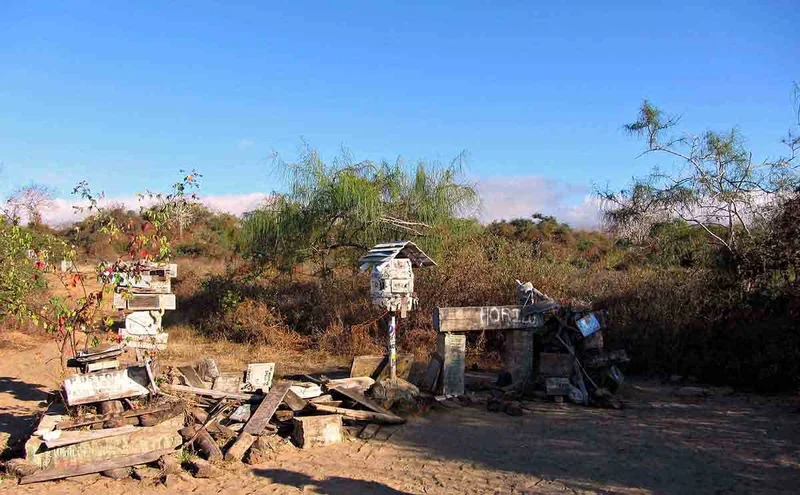
Post Office Bay Visit
The island's traditional mailbox which whalers established during the eighteenth century contains a fascinating history. The practice of sending and receiving postcards continues through your participation in this tradition.
Punta Cormorant Visit
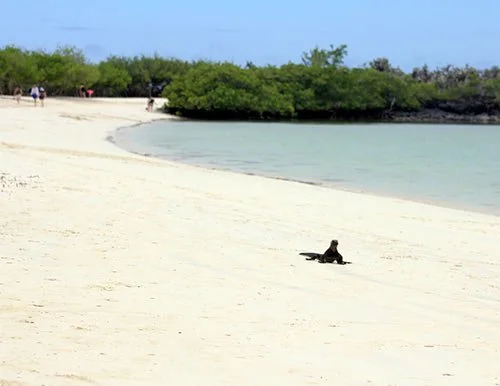
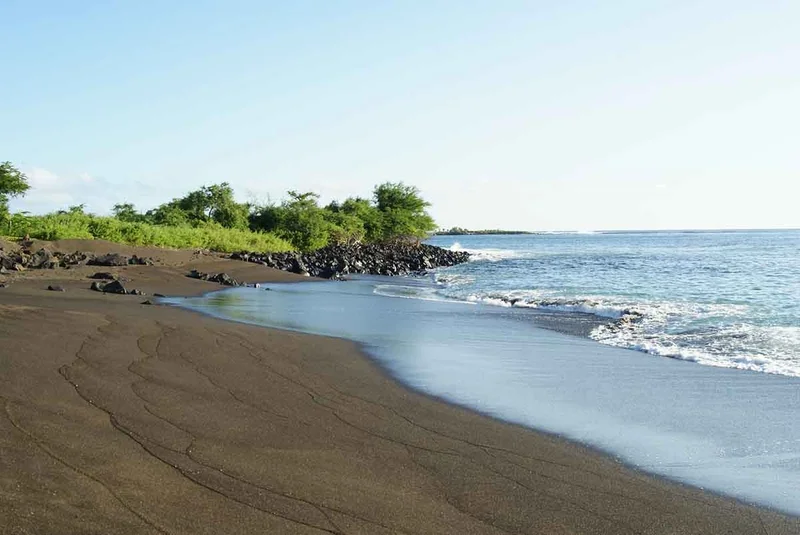
The green and white beaches of Punta Cormorant stretch along the shorelines where visitors can also explore the lagoon habitat which hosts flamingos together with various shorebird species.
Snorkelling at Corona del Diablo
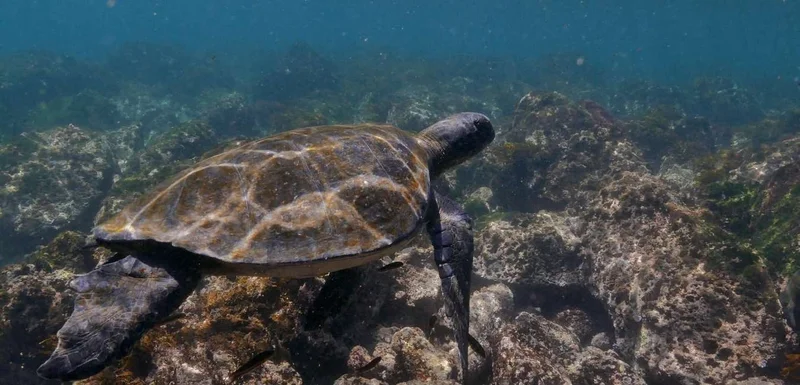
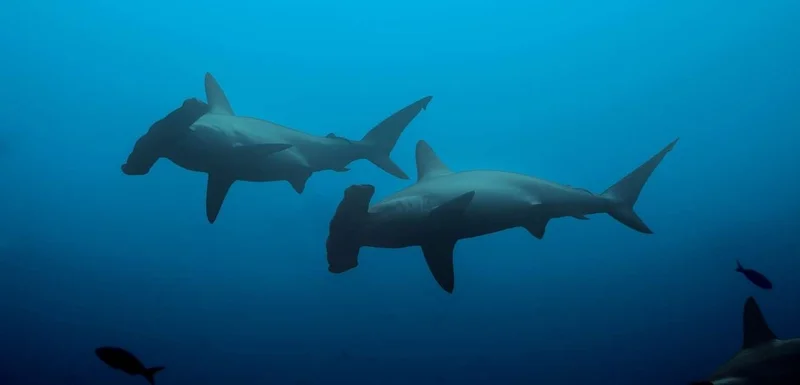
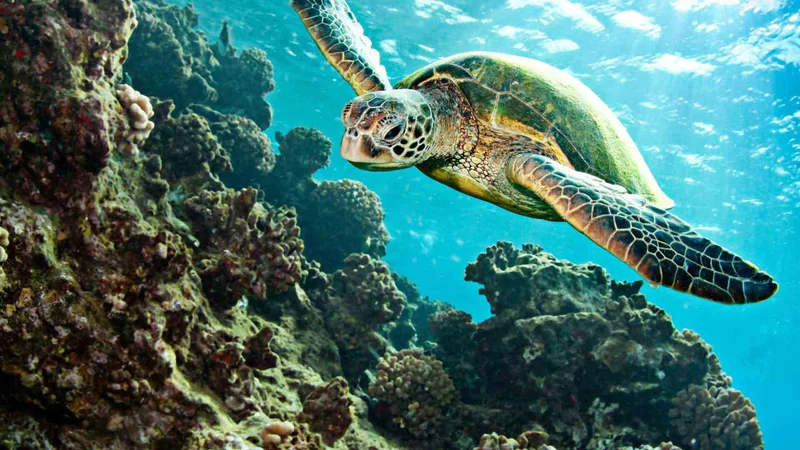
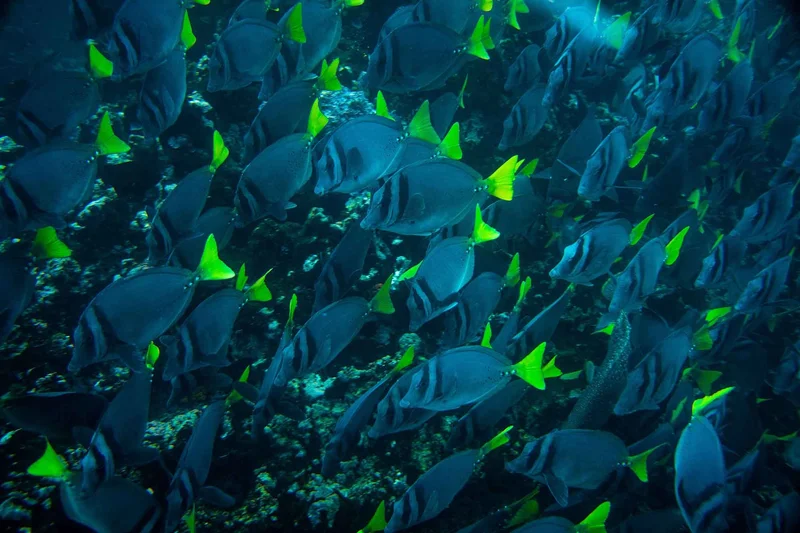
The waters surrounding this underwater volcanic structure need exploration for discovering tropical fish and rays and reef sharks and sea turtles.
Day 3: Española Island: Punta Suarez & Gardner Bay
Explore Española Island which stands as one of the earliest formed islands within the Galápagos archipelago. The wildlife at Punta Suárez offers visitors stunning viewing opportunities which they can follow by visiting Gardner Bay's sandy beach to experience its turquoise water snorkeling.
Punta Suárez Visit
The path leads visitors through the region which contains the highest concentration of wildlife in the archipelago. Visitors can watch sea lions and seabirds that build nests while they can also spot the waved albatross during its migration season between April and December from the cliffside vantage points.
Gardner Bay Visit
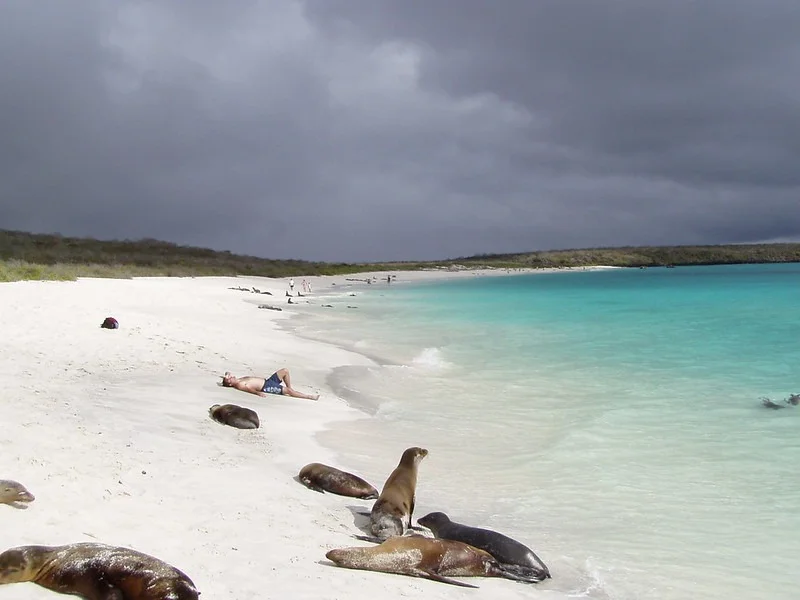
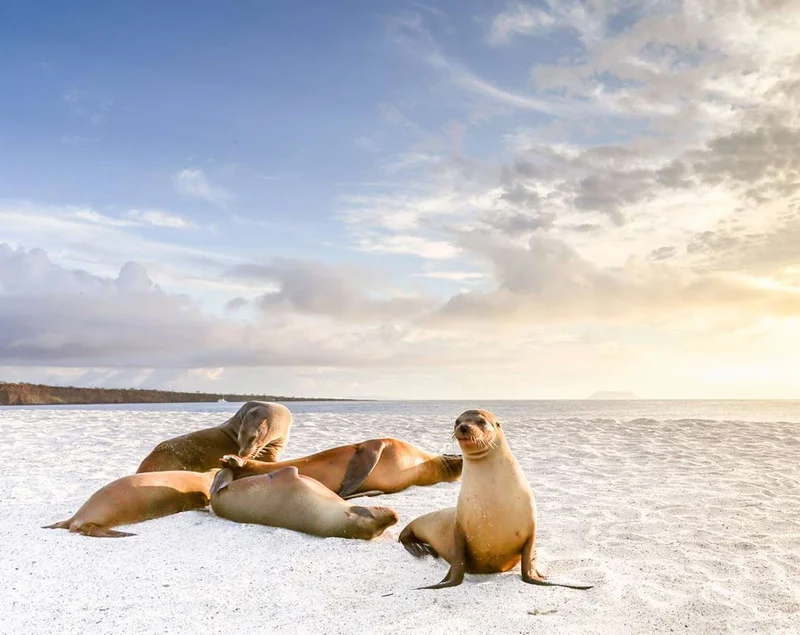
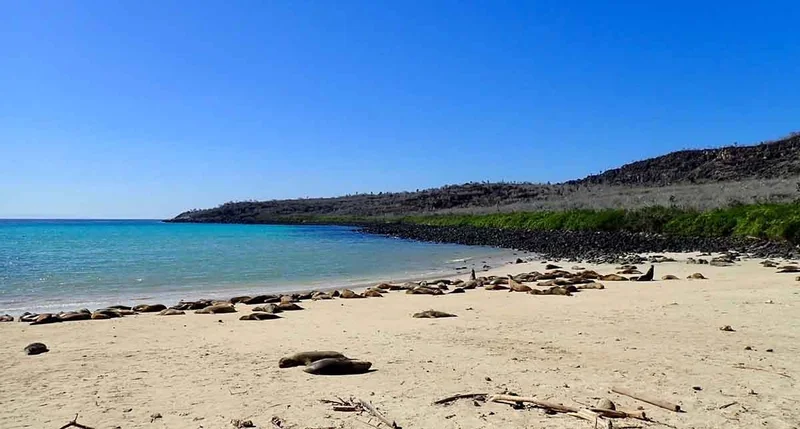
Explore Gardner Bay to find its stunning white beaches which serve as a habitat for sea lions and boobies and mockingbirds and various other Galápagos animals.
Snorkelling at Gardner Bay
Visitors can explore Gardner Bay and Tortuga Rock through snorkeling to find sea lions which play and watch tropical fish that display bright colors and encounter white tip reef sharks when they appear.
Day 4: San Cristóbal Island: Interpretation Center & Lobos Island
Visit the striking Kicker Rock in the morning before discovering the history and natural heritage of the Galápagos at the San Cristóbal Interpretation Centre. Later, explore Isla Lobos and encounter its friendly sea lions.
Kicker Rock Visit
The volcanic structure of Kicker Rock stands as a dramatic natural formation which emerges vertically from the sea to produce a stunning oceanic scenery.
San Cristóbal Interpretation Center Visit
The Galápagos Islands exist because of volcanic activity which also influenced their human settlement and wildlife distribution and their ongoing conservation work.
Isla Lobos Visit
Visitors can explore this small island through walking or panga rides while they watch seabirds and blue footed boobies and sea lion groups along the coastline.
Day 5: Santa Fe Island & South Plaza Island
Explore Santa Fe Island to encounter endemic land iguanas and its impressive giant cactus forest. The South Plaza area offers visitors the chance to observe various animal species while they can observe different bird species.
Santa Fe Island Visit
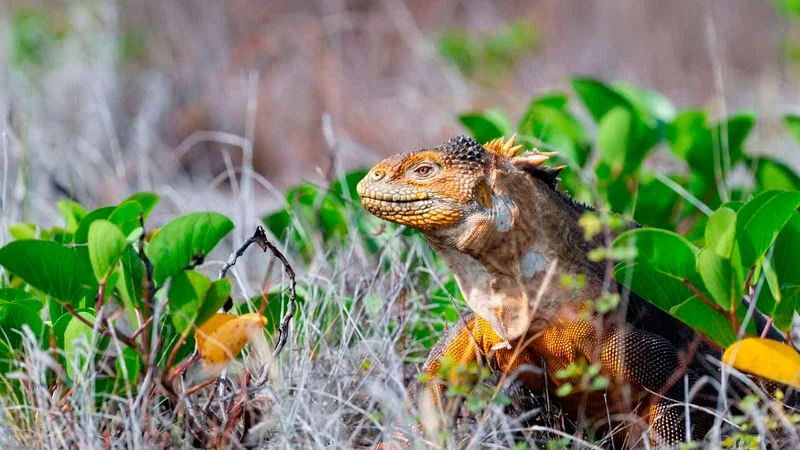
The northern coastline provides an opportunity to hike while you view giant prickly pear cacti and meet their native land iguana species. The panga trip lets you spot sea turtles and sea lions and you might also encounter white tip reef sharks.
South Plaza Island Visit
The path takes you through cactus forests together with coastal vegetation which allows you to watch land iguanas and different seabird species including red billed tropicbirds and swallow tailed gulls. The surrounding waters show sea lions as they engage in their playful activities.
Day 6: Santa Cruz Island: Charles Darwin Station & Transfer out
The Charles Darwin Research Station in Puerto Ayora serves as a hub for conservation activities which protect the entire Galápagos ecosystem.
Fausto Llerena Breeding Center and Charles Darwin Research Station Visit
The Fausto Llerena Breeding Center displays giant Galápagos tortoises which you can observe in both their adult home inside the corral and their nursery area for young turtles. The research and conservation initiatives which protect the islands have been made available for public learning.
6 Day Galapagos Itinerary Includes
- All programed visits as per itinerary with specialized naturalist bilingual guide.
- Accommodation in twin/double cabin with private facilities (surcharge for suite).
- All meals on board, drinking purified water, coffee and tea.
- Snorkeling equipment (fins, mask & snorkel) & sea-kayaks.
- Transfers within the islands on cruise dates as per itinerary.
- Personalized 24/7 assistance during tour.
6 Day Galapagos Itinerary Does not Include
- Airfare to/from Galapagos from/to Mainland Ecuador (to be added).
- Galapagos National Park Entrance Fee USD 200 per person (in cash only upon arrival).
- Galapagos Migration Card US$20 in cash per person (at Mainland’s Airport).
- Alcoholic/soft drinks, personal expenses, extras, and tips.
- All sizes wet-suits for rent on board (in cash).
- Travel, medical & cancelation Insurance and any services on Mainland.
- Other services not specified in the program.
6 Day Galapagos Itinerary Highlights
- Exciting bird watching opportunities in Cerro Dragón and Darwin Bay where you can see a variety of different species of feathered wildlife found in the Galápagos.
- Have snorkeling adventures with tropical fish, playful sea-lions, and other exciting creatures.
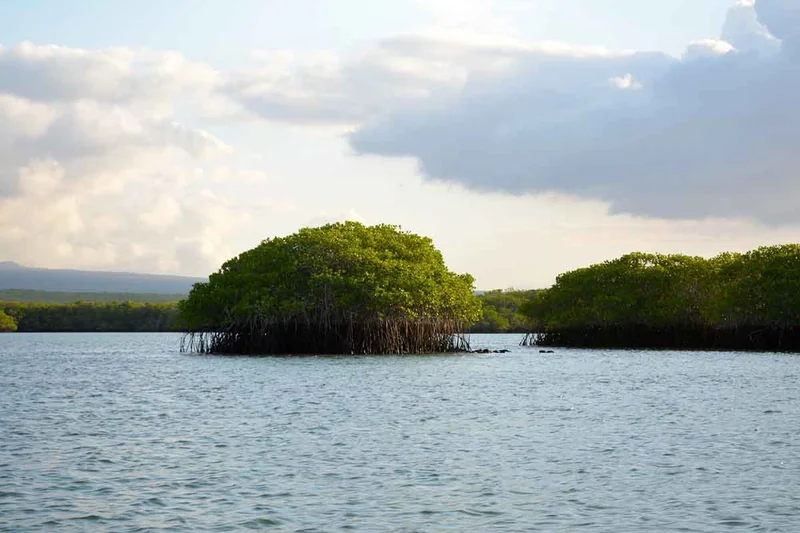
- Experience the peaceful tranquility of the majestic mangrove forest.
- Witness the magnificence of the waved Albatrosses at Española.
- Take in and enjoy the amazing views while sailing on board your Yacht from the sundeck
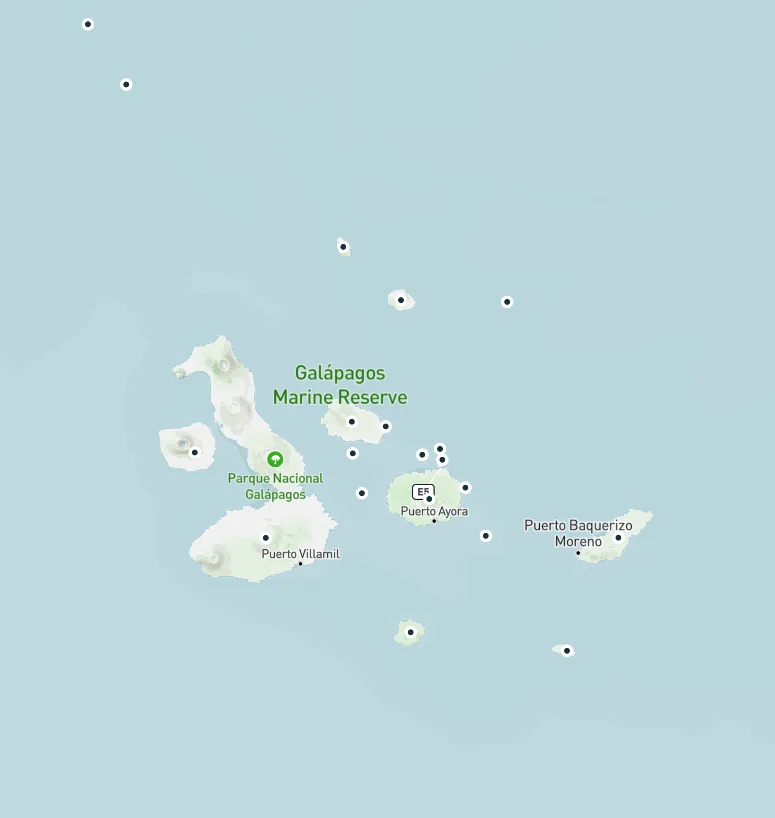
Itinerary Map
Reviews
Animals you might see on this itinerary:
More information about the Galapagos Islands you visit in this 6 day itinerary:
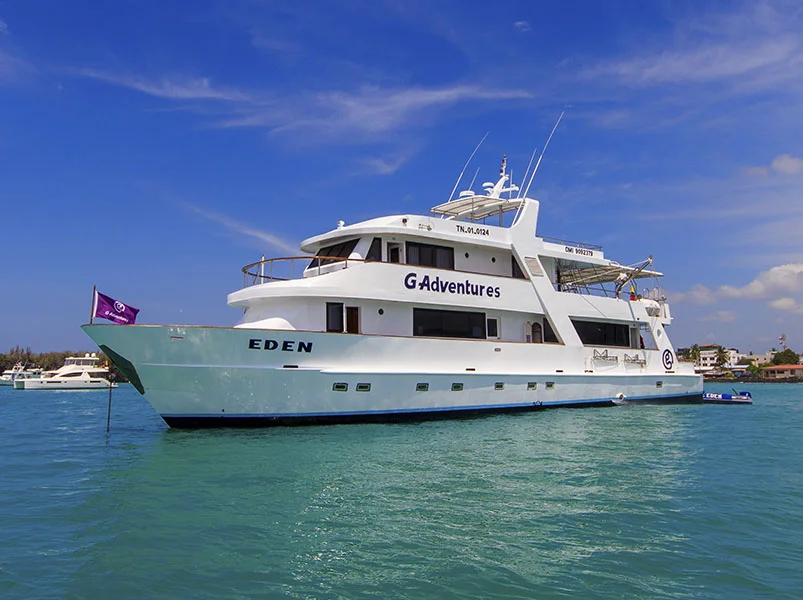
The Essential Galápagos: From Floreana's Devil's Crown to Española's Albatross - Eden Yacht
Why travel with us?
 Over 22 years of experience
%20--%3e%3csvg%20version='1.1'%20id='Layer_1'%20xmlns='http://www.w3.org/2000/svg'%20xmlns:xlink='http://www.w3.org/1999/xlink'%20x='0px'%20y='0px'%20viewBox='0%200%20512%20512'%20style='enable-background:new%200%200%20512%20512;'%20xml:space='preserve'%3e%3cg%3e%3cg%3e%3cpath%20d='M424.18,200.763c-1.558,0-3.124,0.043-4.685,0.125c-20.129-42.954-56.688-76.736-101.546-93.182V64%20c0-34.157-27.79-61.947-61.947-61.947c-34.157,0-61.947,27.79-61.947,61.947v43.707c-44.86,16.447-81.419,50.231-101.548,93.186%20c-1.56-0.083-3.125-0.129-4.685-0.129C39.396,200.763,0,240.16,0,288.583c0,5.633,4.566,10.199,10.199,10.199h66.648%20c4.678,39.071,21.888,74.34,47.486,101.669c-9.018,15.386-13.176,33.319-11.773,51.284c1.626,20.824,10.666,40.436,25.454,55.225%20c1.992,1.992,4.602,2.987,7.212,2.987s5.221-0.995,7.212-2.987l55.753-55.753c15.234,4.19,31.263,6.441,47.809,6.441%20c17.145,0,33.738-2.405,49.461-6.893l56.205,56.205c1.992,1.992,4.602,2.987,7.212,2.987c2.61,0,5.221-0.995,7.212-2.987%20c14.789-14.789,23.828-34.403,25.454-55.229c1.444-18.5-3.024-36.957-12.609-52.643c24.899-27.134,41.617-61.883,46.218-100.306%20h66.649c5.633,0,10.199-4.566,10.199-10.199C512,240.16,472.604,200.763,424.18,200.763z%20M75.551,277.199%20c0,0.397,0.012,0.789,0.015,1.185H21.168c4.765-31.266,31.086-55.537,63.273-57.134C78.68,238.873,75.551,257.677,75.551,277.199z%20M214.452,64c0-22.909,18.638-41.549,41.548-41.549S297.549,41.09,297.549,64v37.587c-13.345-3.157-27.253-4.835-41.549-4.835%20c-14.295,0-28.204,1.679-41.548,4.835V64z%20M120.411,362.142c-15.487-24.634-24.462-53.757-24.462-84.942%20c0.001-31.989,9.439-61.81,25.669-86.84l22.637,22.637c1.992,1.992,4.602,2.987,7.212,2.987s5.221-0.995,7.212-2.987%20c3.983-3.983,3.983-10.441,0-14.425l-24.755-24.756c29.381-34.641,73.201-56.669,122.075-56.669%20c48.875,0,92.694,22.028,122.075,56.669l-42.909,42.909l-68.966-39.817v-11.484c0-5.633-4.566-10.199-10.199-10.199%20c-5.633,0-10.199,4.566-10.199,10.199v11.484l-76.655,44.257c-3.156,1.822-5.1,5.188-5.1,8.833v88.508L120.411,362.142z%20M145.763,484.786c-15.009-20.324-17.359-47.248-6.136-69.797c14.036,11.873,29.899,21.646,47.107,28.826L145.763,484.786z%20M246.835,436.98c-45.946-2.606-86.773-24.675-114.332-58.082l42.362-42.362l71.97,41.552V436.98z%20M184.444,318.512v-82.625%20L256,194.574l71.556,41.313v82.625L256,359.825L184.444,318.512z%20M267.234,436.849v-59.957l69.244-39.979l42.545,42.545%20C351.888,412.049,312.077,433.724,267.234,436.849z%20M368.341,484.788l-41.594-41.594c17.233-7.373,33.095-17.35,47.087-29.439%20C385.773,436.55,383.627,464.09,368.341,484.788z%20M391.19,362.777l-43.236-43.236v-86.753l42.428-42.428%20c16.23,25.029,25.668,54.851,25.668,86.839C416.05,308.652,406.925,338.011,391.19,362.777z%20M436.434,278.384%20c0.003-0.396,0.015-0.789,0.015-1.185c0-19.522-3.129-38.326-8.891-55.949c32.187,1.597,58.508,25.869,63.273,57.134H436.434z'/%3e%3c/g%3e%3c/g%3e%3cg%3e%3cg%3e%3cpath%20d='M256,125.212c-5.633,0-10.199,4.566-10.199,10.199v2.07c0,5.633,4.566,10.199,10.199,10.199%20c5.633,0,10.199-4.566,10.199-10.199v-2.07C266.199,129.778,261.633,125.212,256,125.212z'/%3e%3c/g%3e%3c/g%3e%3cg%3e%3c/g%3e%3cg%3e%3c/g%3e%3cg%3e%3c/g%3e%3cg%3e%3c/g%3e%3cg%3e%3c/g%3e%3cg%3e%3c/g%3e%3cg%3e%3c/g%3e%3cg%3e%3c/g%3e%3cg%3e%3c/g%3e%3cg%3e%3c/g%3e%3cg%3e%3c/g%3e%3cg%3e%3c/g%3e%3cg%3e%3c/g%3e%3cg%3e%3c/g%3e%3cg%3e%3c/g%3e%3c/svg%3e "South America & Antarctica Specialists") South America & Antarctica Specialists
South America & Antarctica Specialists Set and Tailor-made packages
 The best last-minute cruise deals
%20--%3e%3csvg%20version='1.1'%20id='Capa_1'%20xmlns='http://www.w3.org/2000/svg'%20xmlns:xlink='http://www.w3.org/1999/xlink'%20x='0px'%20y='0px'%20viewBox='0%200%20489.679%20489.679'%20style='enable-background:new%200%200%20489.679%20489.679;'%20xml:space='preserve'%3e%3cg%3e%3cg%3e%3cg%3e%3cpath%20d='M487.768,218.844c-14.5-134.2-135.2-232-269.4-217.4c-72.9,8.3-137.4,47.8-179,109.2c-6.2,9.4-3.1,21.8,6.2,28.1%20s21.8,3.1,28.1-6.2c34.3-51,88.4-84.3,148.8-90.5c112.4-11.5,213.3,69.6,224.7,182c11.4,111.3-69.7,212.2-181,223.7%20c-74.7,7.9-147.5-26-189.5-86.8l39.7,8.7c10.4,2.1,21.8-4.2,23.9-15.6c2.1-10.4-4.2-21.8-15.6-23.9l-81.1-17.7%20c-17.3-2.2-23.9,10.4-25,15.6l-17.7,82.2c-2.1,10.4,4.2,21.8,15.6,23.9c13.6,1.1,21.8-7.3,25-16.6l6-27.1%20c89.3,115.2,214.6,98.9,222.9,97.9C404.568,473.744,502.368,353.044,487.768,218.844z'/%3e%3c/g%3e%3cg%3e%3cpath%20d='M171.168,268.944h-38l30.6-31.1c0.4-0.4,0.8-0.8,1.1-1.3c5.7-7.5,8.8-16.5,8.8-26c0-23.7-19.3-43-43-43s-43,19.3-43,43%20c0,7.4,6,13.4,13.4,13.4s13.4-6,13.4-13.4c0-8.9,7.2-16.1,16.1-16.1c8.9,0,16.1,7.2,16.1,16.1c0,3.3-1,6.5-2.9,9.2l-52.4,53.3%20c-3.8,3.9-4.9,9.6-2.8,14.6s7,8.2,12.4,8.2h70.1c7.4,0,13.4-6,13.4-13.4S178.568,268.944,171.168,268.944z'/%3e%3cpath%20d='M271.668,240.144h-6.1v-59.2c0-5.7-3.5-10.7-8.9-12.6c-5.3-1.9-11.3-0.3-14.9,4l-60.4,72.6c-3.3,4-4,9.6-1.8,14.3%20c2.2,4.7,6.9,7.7,12.2,7.7h47v15.4c0,7.4,6,13.4,13.4,13.4c7.4,0,13.4-6,13.4-13.4v-15.4h6.1c7.4,0,13.4-6,13.4-13.4%20C285.068,246.144,279.068,240.144,271.668,240.144z%20M238.668,240.144h-18.4l18.4-22.1V240.144z'/%3e%3cpath%20d='M344.068,212.044c-6.6,0-12.9,1.4-18.5,4v-35.1c0-7.4-6-13.4-13.4-13.4s-13.4,6-13.4,13.4v101.4c0,7.4,6,13.4,13.4,13.4%20s13.4-6,13.4-13.4v-24.9c0-10.2,8.3-18.5,18.5-18.5s18.5,8.3,18.5,18.5v24.9c0,7.4,6,13.4,13.4,13.4s13.4-6,13.4-13.4v-24.9%20C389.468,232.444,369.068,212.044,344.068,212.044z'/%3e%3c/g%3e%3c/g%3e%3c/g%3e%3cg%3e%3c/g%3e%3cg%3e%3c/g%3e%3cg%3e%3c/g%3e%3cg%3e%3c/g%3e%3cg%3e%3c/g%3e%3cg%3e%3c/g%3e%3cg%3e%3c/g%3e%3cg%3e%3c/g%3e%3cg%3e%3c/g%3e%3cg%3e%3c/g%3e%3cg%3e%3c/g%3e%3cg%3e%3c/g%3e%3cg%3e%3c/g%3e%3cg%3e%3c/g%3e%3cg%3e%3c/g%3e%3c/svg%3e "Galapagos trips") 24/7 Customer service during your trip
24/7 Customer service during your trip Multi-Destination packages
Similar Itineraries