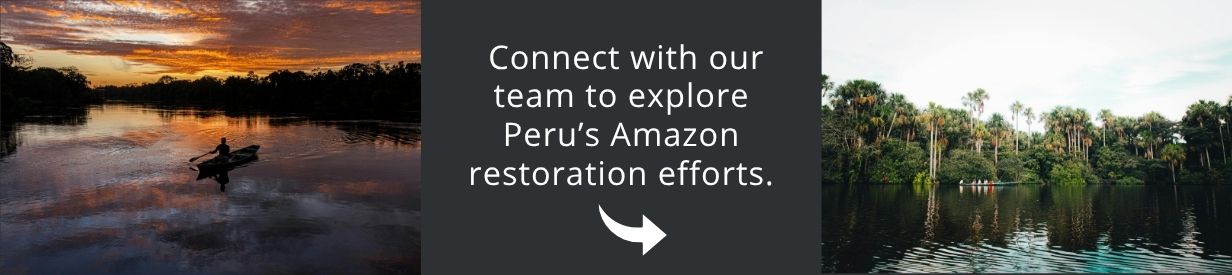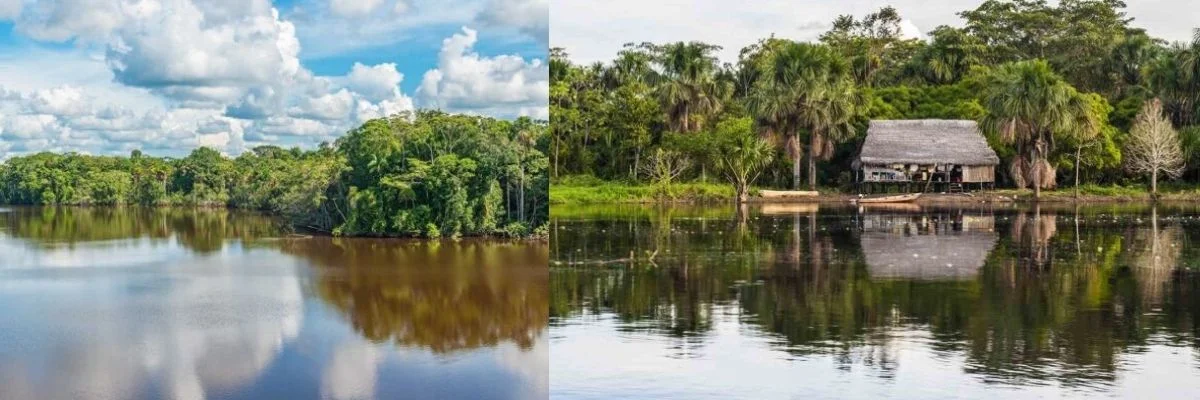
BioRest expands its restoration program in the Peruvian Amazon. | Travel News
The BioRest restoration program has planted 1,760 native plants during its first year, working with 18 families in three communities along Peru lower Marañón River.
The initiative covers a 172-hectare (425-acre) restoration corridor and includes 17 native species. Participating communities are located within thePacaya Samiria National Reserve, where the project focuses on abandoned agricultural plots and plants with ecological, cultural and economic uses.
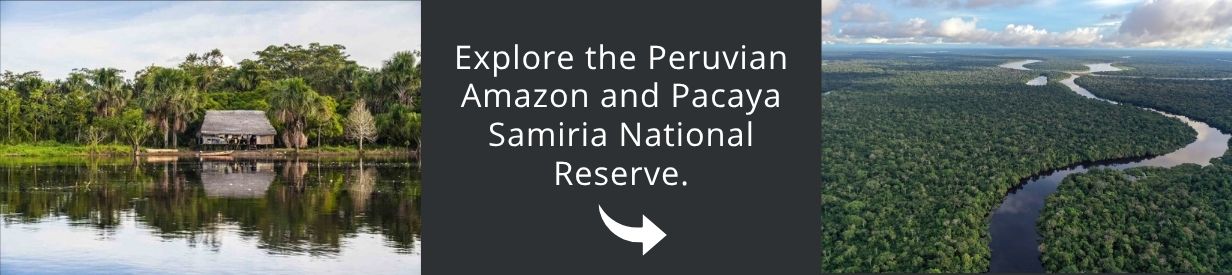
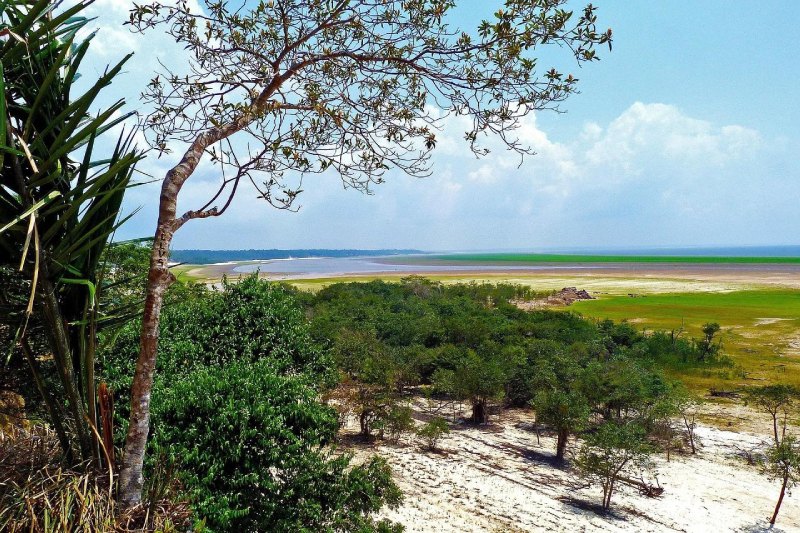
BioRest was launched to address several related changes along the Marañón: abandoned monoculture plots, declining availability of native species traditionally used by communities, and the loss of ecological knowledge between generations. The program combines habitat restoration with efforts to document and maintain knowledge about plants used for food, medicine, crafts and other purposes.
Community participation and research
Three riverside communities participate in the initiative, with participating families helping select native species according to local needs and conservation priorities. Families also take part in continuing Field Schools covering horticulture, conservation of wild species, restoration and seed banking.
-
1,760 native plants have been established during the program's first year.
-
The plantings represent 17 species across a 172-hectare corridor.
-
18 families in three riverside communities are participating.
-
BioRest is examining traditional seed banking and plans for ethnobotanical gardens.
-
The program's target is 3,000 native plants by the end of 2026.
One practice under consideration is Muju, described by the program as the Kukama concept of a traditional seed bank. BioRest is exploring its use to preserve native food plants and help communities maintain supplies during periods of scarcity.
Proposed ethnobotanical gardens would provide another place for families to cultivate useful species and maintain knowledge about their uses.
The initiative also has a research component focused on the restoration of habitat for Neotropical butterflies.
Beyond the number of plants established, the program also focuses on ensuring that knowledge surrounding native plants, their uses and their importance to local communities can continue into future generations.
Expansion planned through 2027
BioRest is also examining whether restored native species could eventually support income through food, medicine, artisanal products and biocommerce.
The next stated target for BioRest is to increase plantings from 1,760 to 3,000 native plants by the end of 2026, while expanding Field School participation in the three communities.
From 2027, plans include allowing visitors to explore portions of the restoration corridor alongside community members and visit ethnobotanical orchards connected to the project.