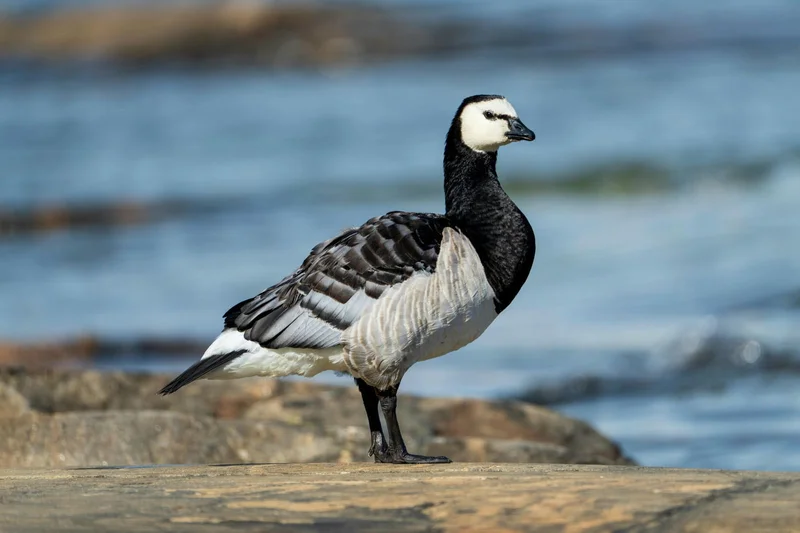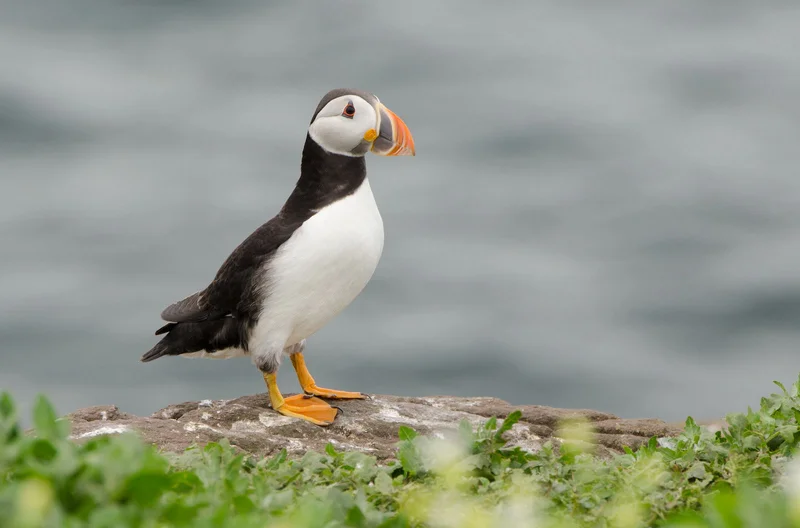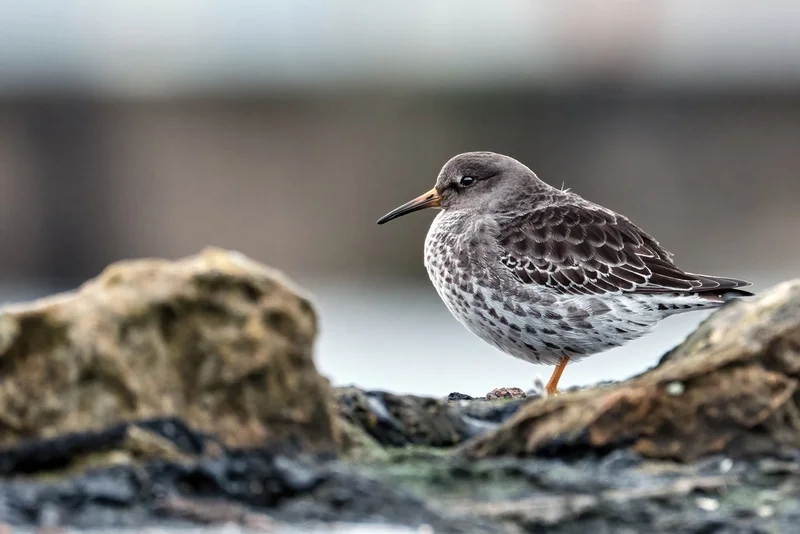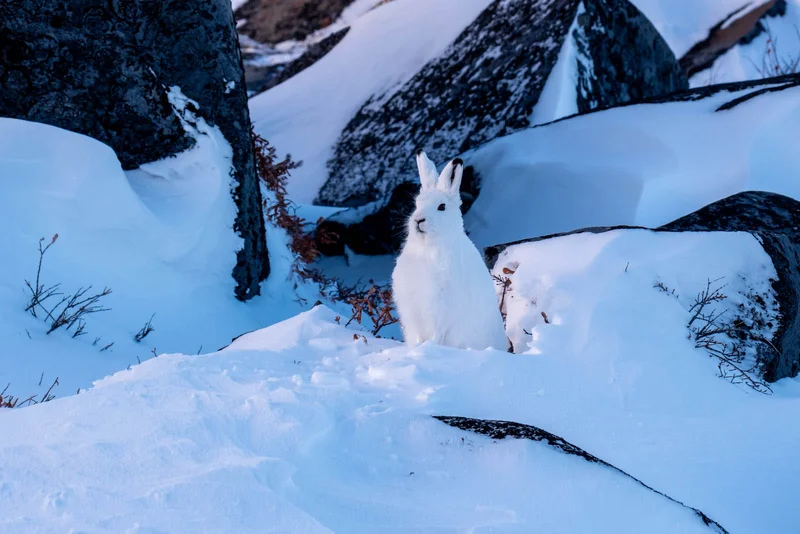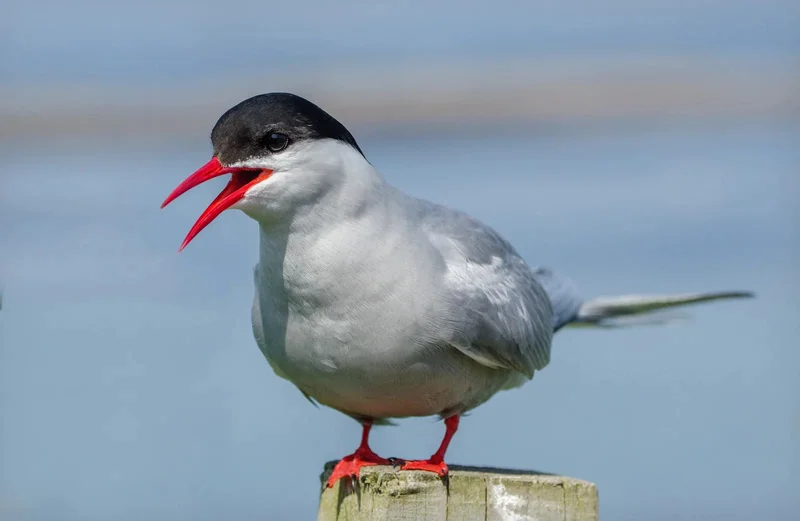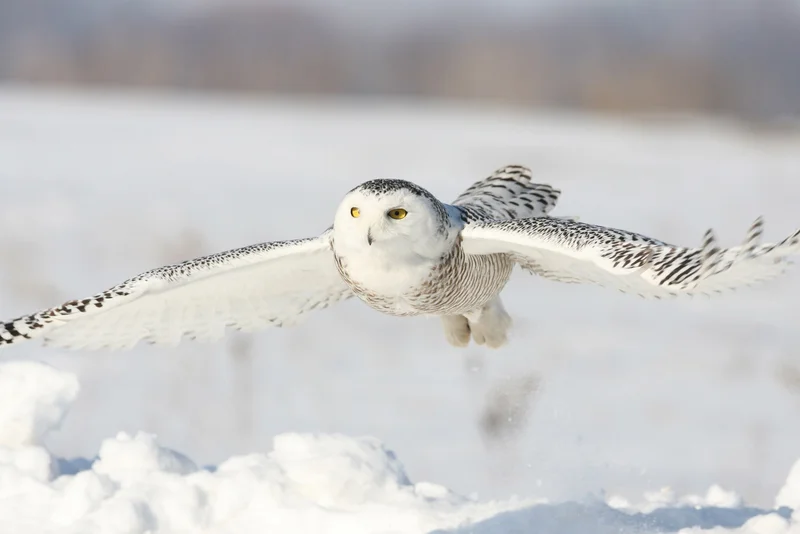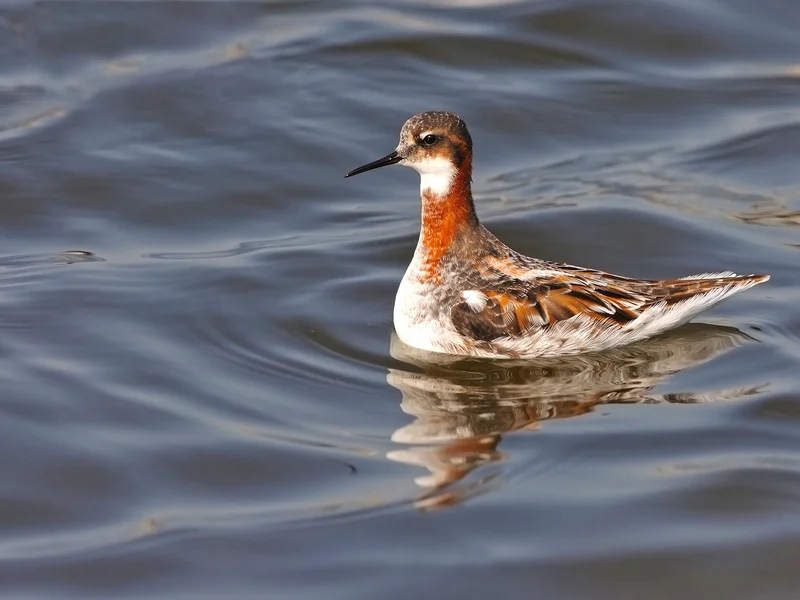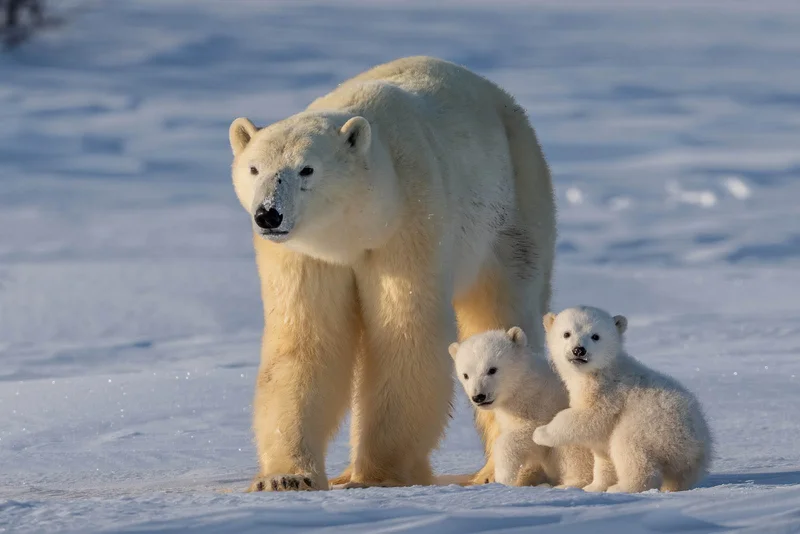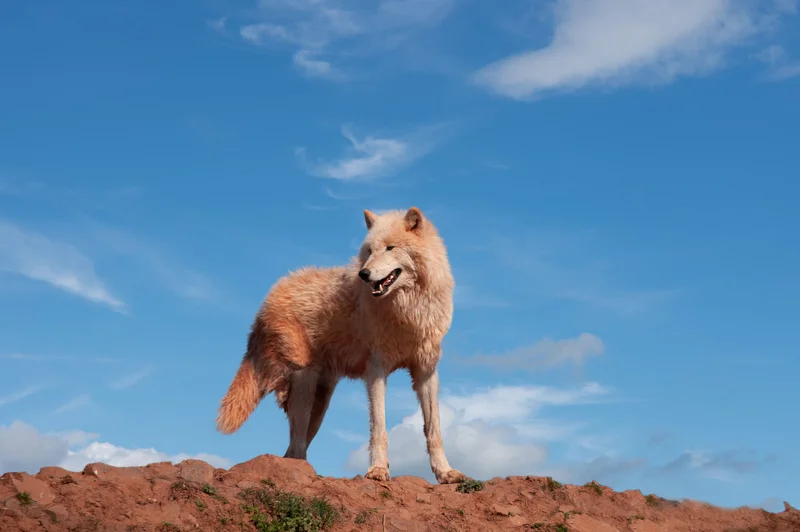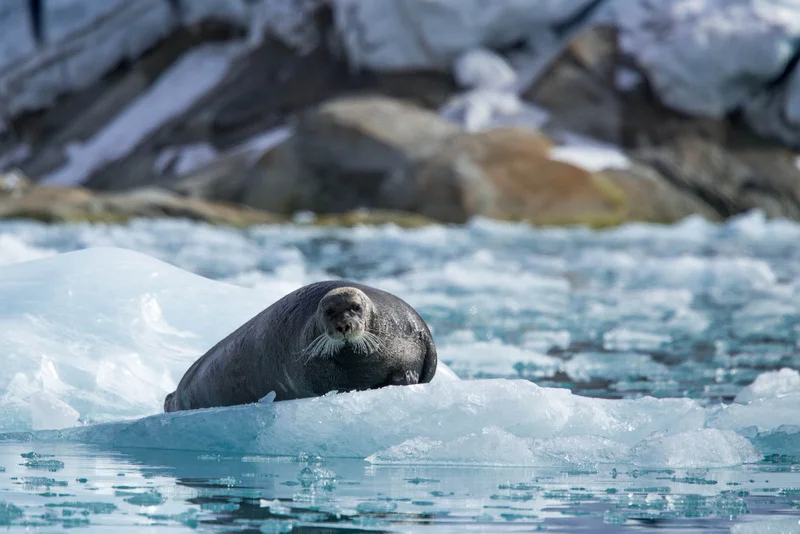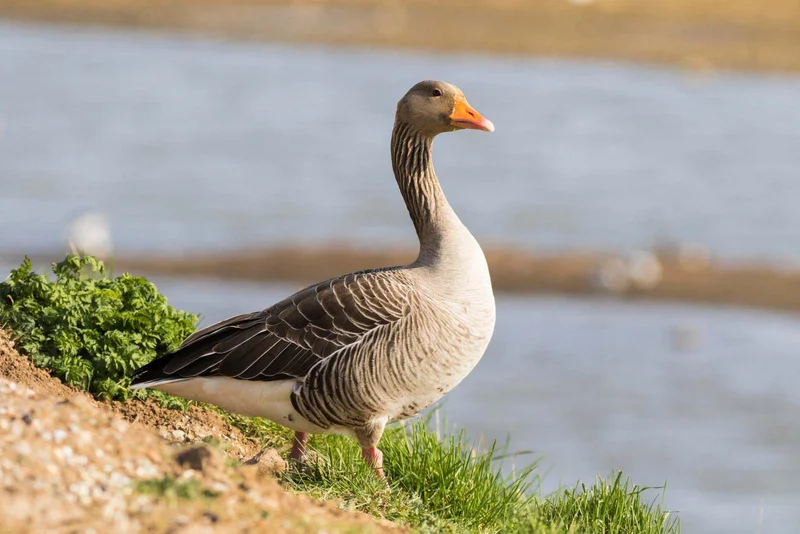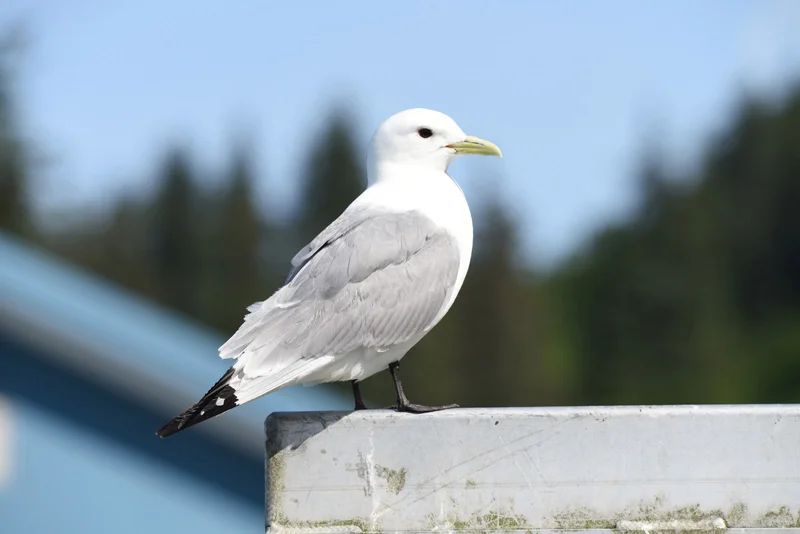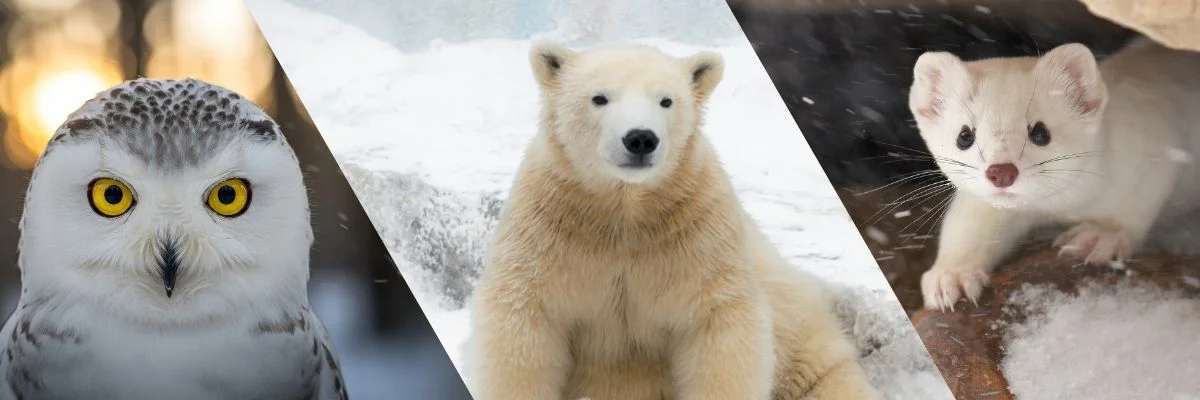
Arctic wildlife is uniquely adapted to survive in the northern polar regions
Discover the remarkable wildlife of the Arctic through your cameras and immerse yourself in one of the most pristine and remote regions on Earth. The Arctic provides travelers with unmatched experiences because they can view polar bears moving across sea ice and watch giant whales emerge from the freezing ocean.
The Arctic region spans across the North Pole area while including the Arctic Ocean and its adjacent seas and northern continental territories of North America and Europe and Asia. The Arctic region contains sea ice and tundra terrain and experiences extreme seasonal light changes which support an ecosystem that has evolved to survive in cold temperatures and extended winter periods.
People from all over the world travel to the Arctic because they want to see the pristine landscapes and observe the unique wildlife species that live there. The area functions as a crucial climate science hub because it monitors worldwide climate shifts and reveals essential data about Arctic ecosystems and marine water movement patterns.
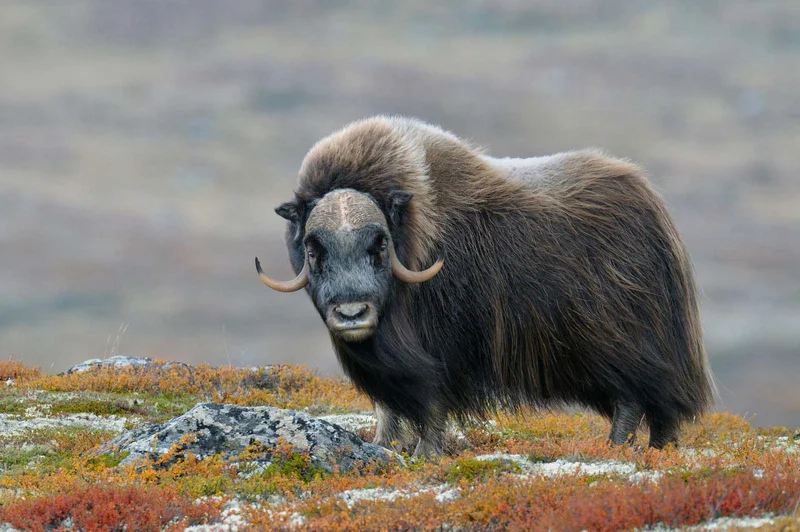
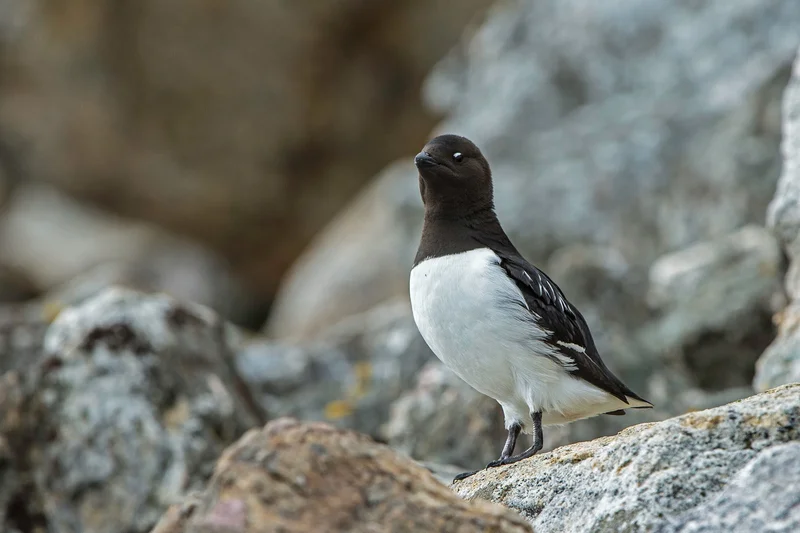
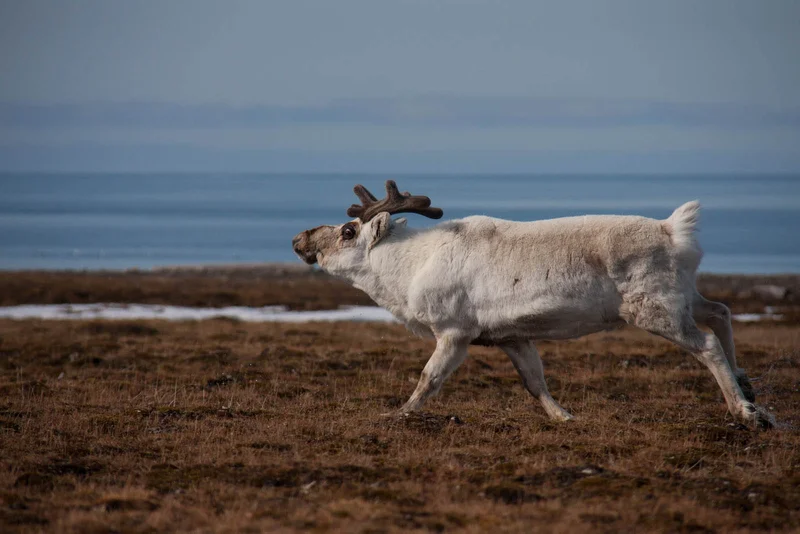
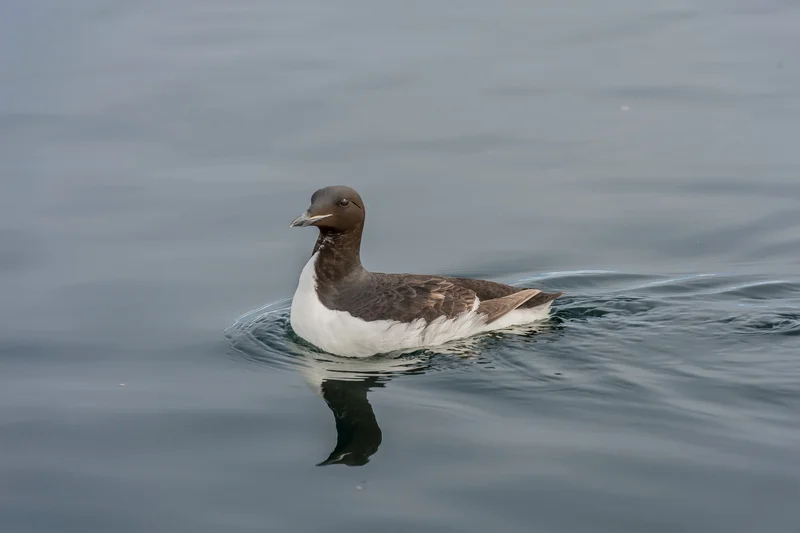
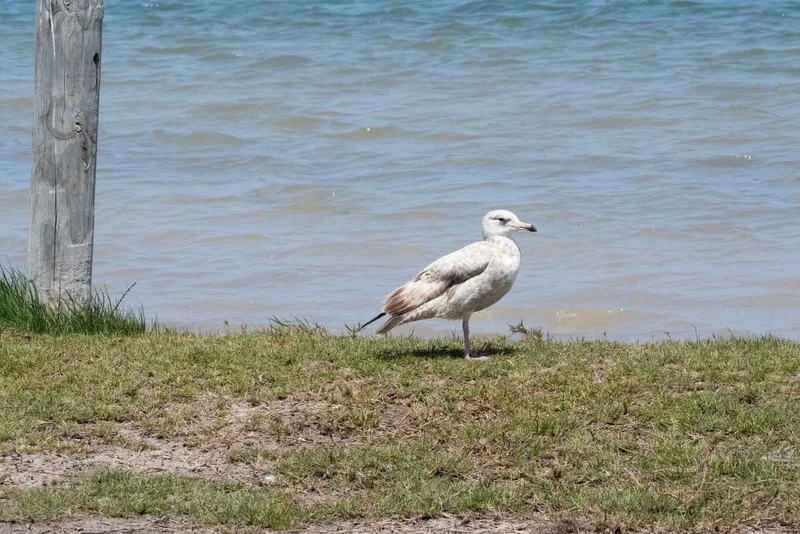
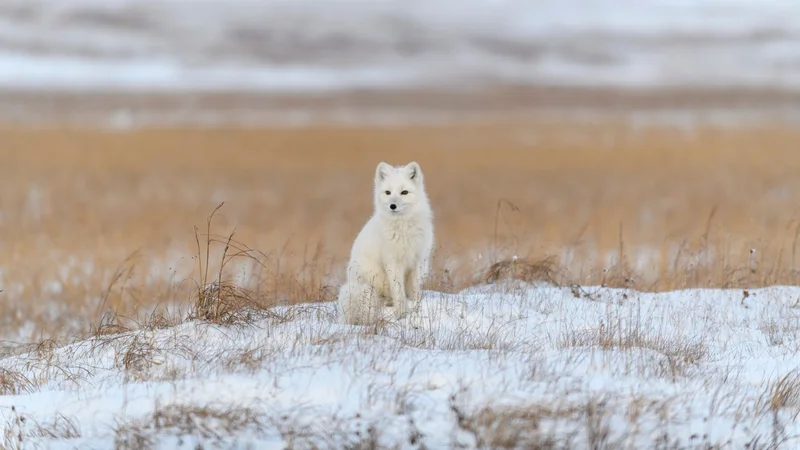
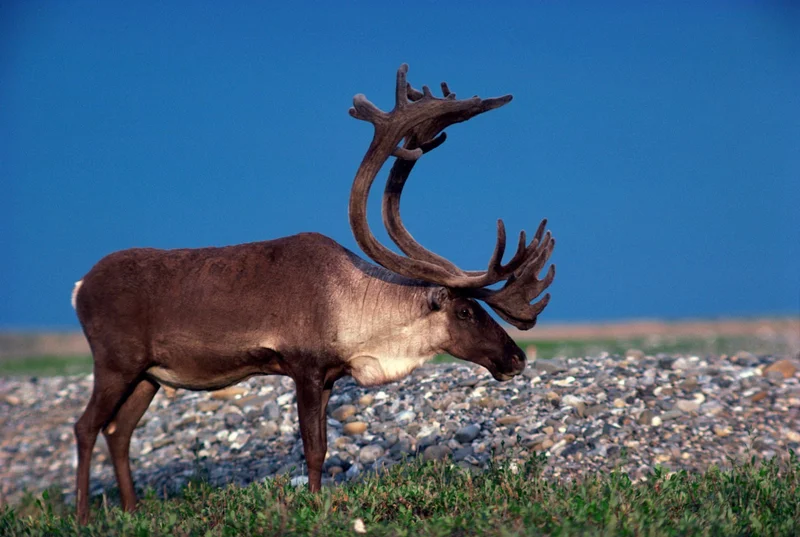
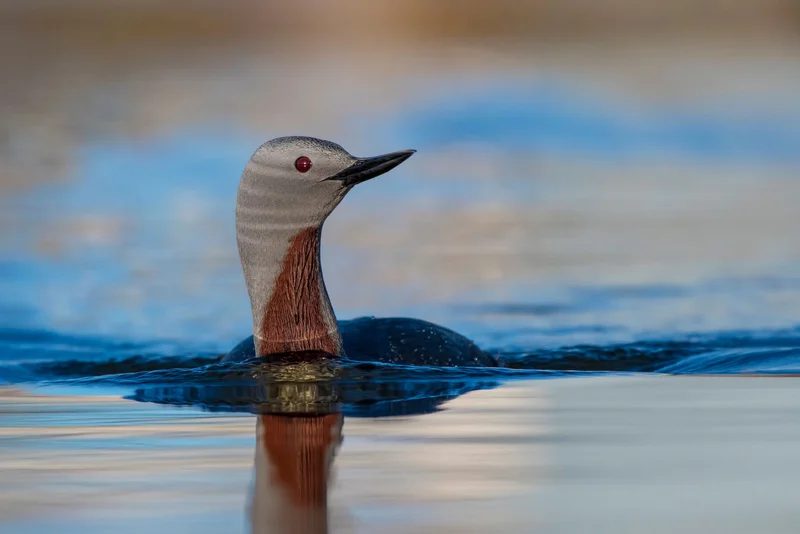
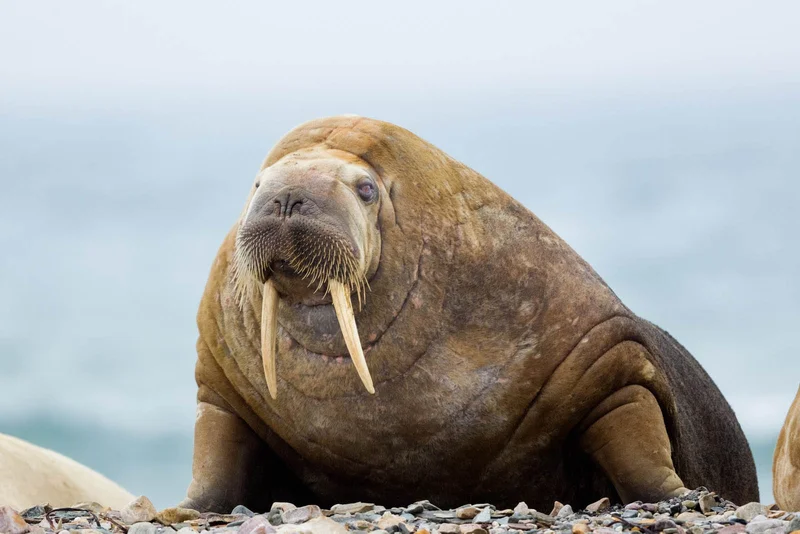
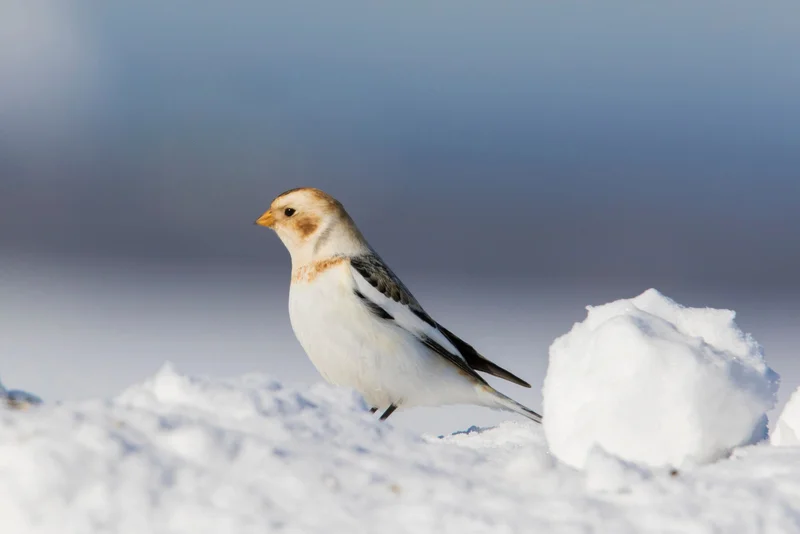
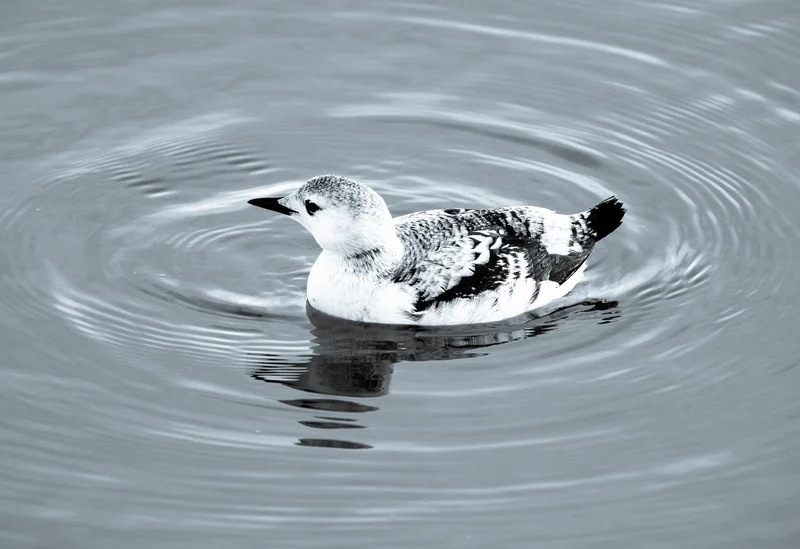
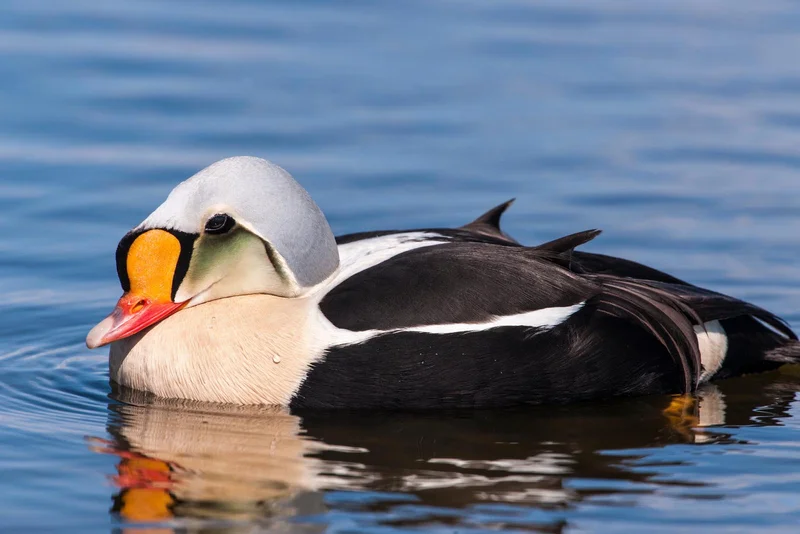
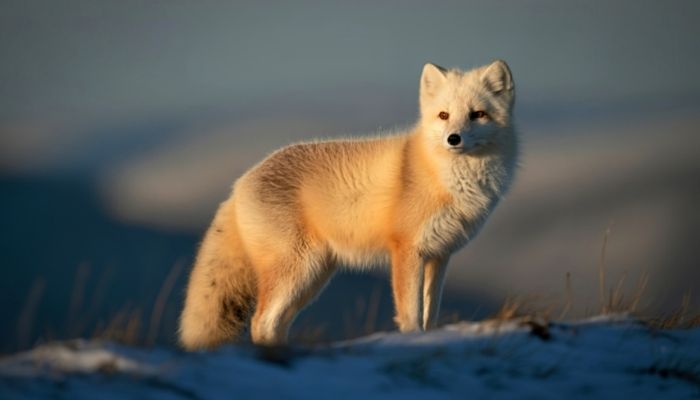
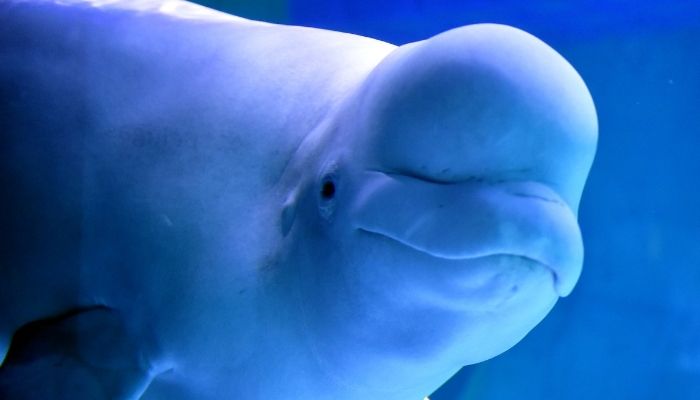
The Arctic region contains several famous animal species which include polar bears, Arctic foxes and reindeer as well as musk oxen and walruses and seals and many types of seabirds. The waters around the area serve as a home to whales which include belugas and narwhals and bowheads and orcas. The Arctic supports a diverse range of species because it contains both marine and terrestrial mammals which differs from Antarctica.
The northern polar area functions as a top travel spot for adventurers who also want to study the local animal species. The Arctic summer period stands out as the best time to visit because the ice melts enough to allow easy passage and animals become more visible during this season. The majority of expeditions start from Norway and Iceland and Greenland and northern Canada to explore breathtaking fjords and tundra and polar seas.