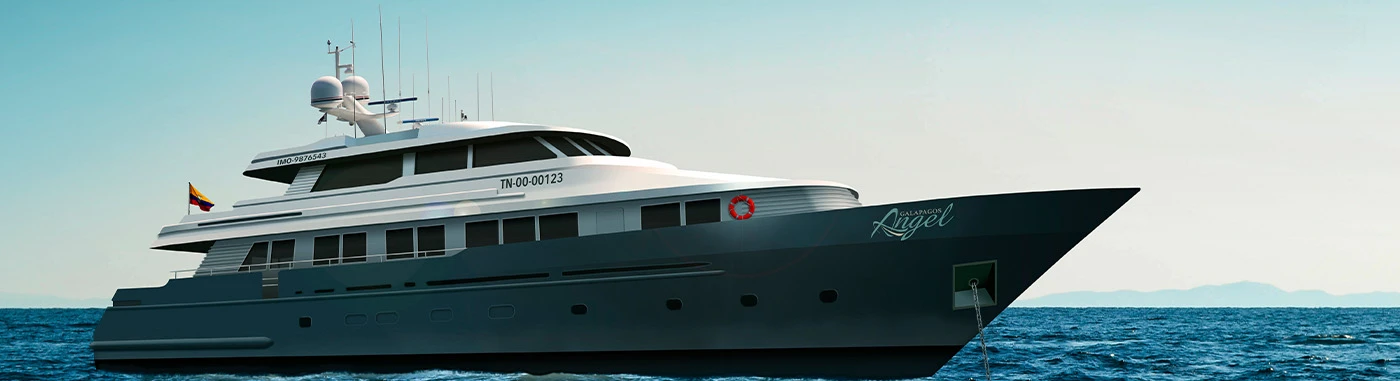
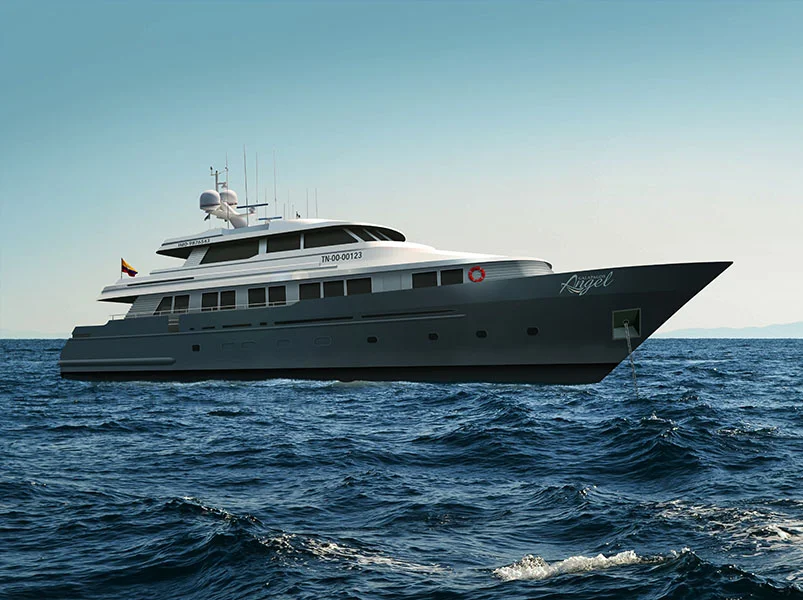
Explore the incredible biodiversity of the Galápagos Islands on this 8-day cruise, visiting a mix of iconic sites and more remote corners of the archipelago. The route passes through volcanic terrain which leads to pristine coastlines and vibrant ocean ecosystems.
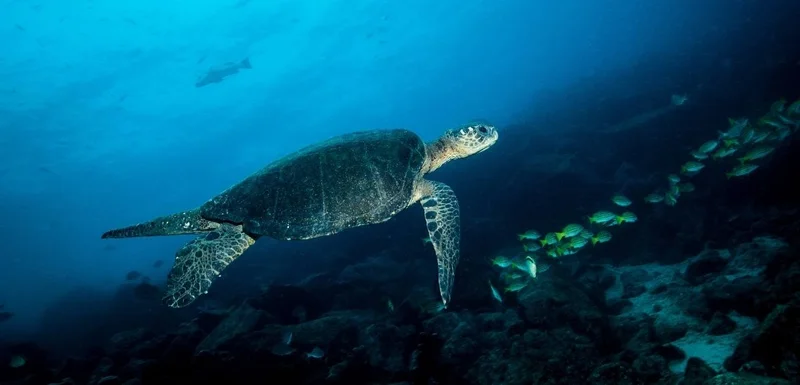
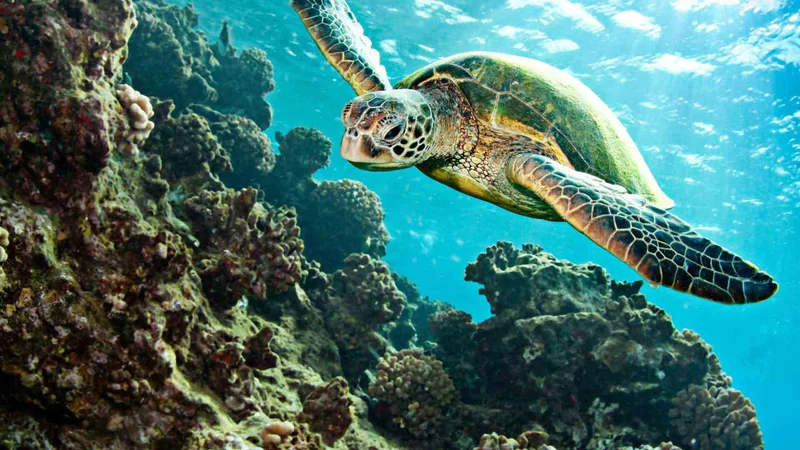
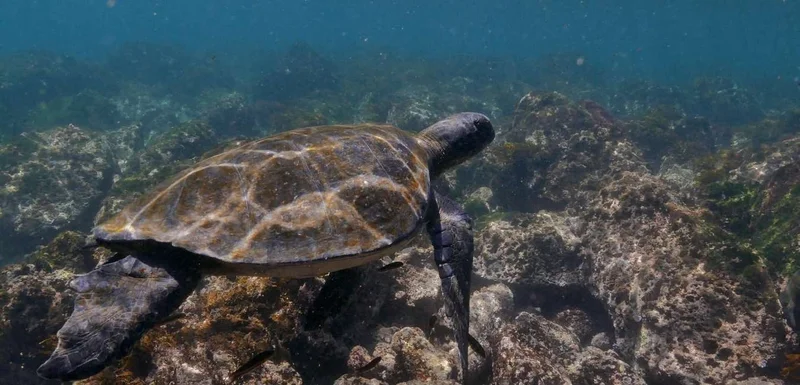
The trip allows visitors to swim with sea turtles while they discover different animal species and study the environment which Charles Darwin used for his research in this extraordinary global location.
8 Day Galapagos Itinerary
Day 1: Santa Cruz Island: Bachas Beach
AM: Baltra Airport Arrival
Early morning flight to Baltra from Quito, Guayaquil or Quito.
Arrive at Baltra island in the early morning. Galapagos Angel will meet you at immigration and luggage claim and transfer you to your yacht. After being shown your cabin, you'll have time to relax before the welcome briefing and lunch.
PM: Dragon Hill
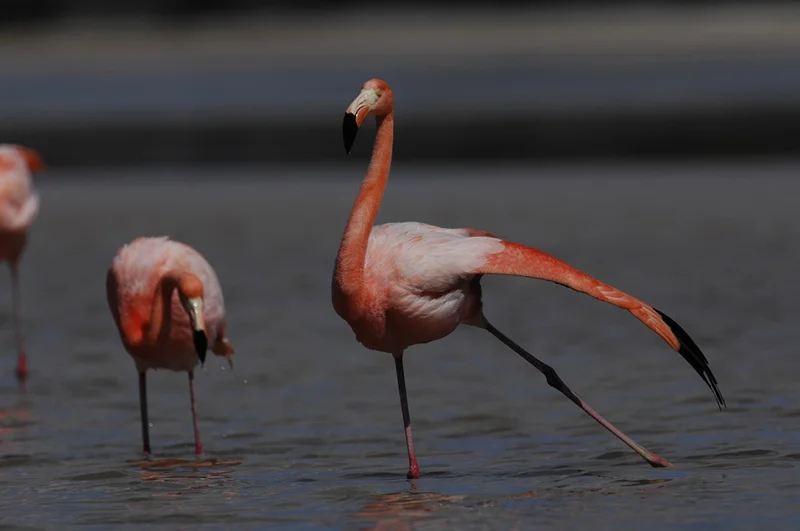
Dragon Hill stands on Santa Cruz Island, it serves as one of the latest tourist attractions in the Galapagos Islands. The extended Galapagos hiking path takes visitors through a coastal path before leading them to a viewing point at the lagoon where they can watch flamingos and pintail ducks and land iguanas.
Day 2: Santa Cruz Island: Bachas Beach
AM: Bachas Beach
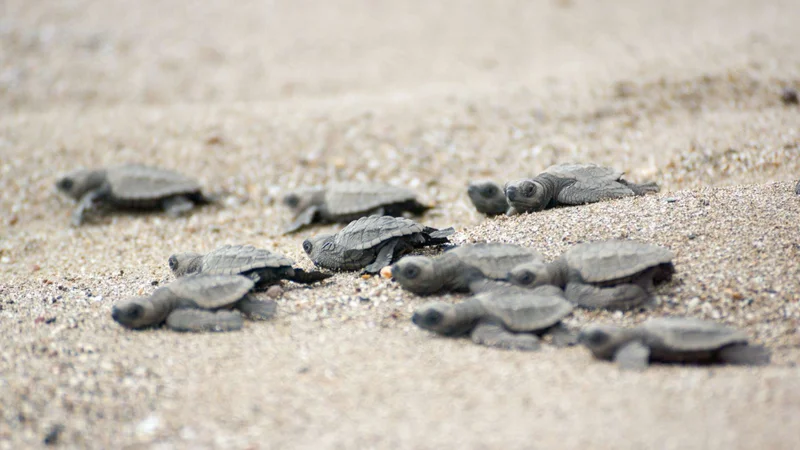
The northern coast of Santa Cruz hosts Bachas Beach, a swimming area for visitors. The floating pier stands as one of the few remaining physical traces which United States military forces left behind during World War II in the Galapagos. The area hosts flamingos together with Sally Lightfoot crabs and hermit crabs and black-necked stilts and whimbrels. The beach functions as a nesting area for sea turtles which use it as their breeding ground.
PM: Pinnacle Rock
You will head to Bartholomew Island where the famous Pinnacle Rock is found. The land of Bartholomew contains a dormant volcanic structure which displays volcanic rocks in red and orange and black and green colors. We will take a trail of stairs to the summit of the volcano where you will enjoy one of the best views of the islands! Snorkelers will find their perfect spot at this beach because it stands as the only natural habitat for Galapagos penguins to swim with them.
Day 3: Isabela Island: Vicente Roca Point & Fernandina Island: Espinoza Point
AM: Vicente Roca Point
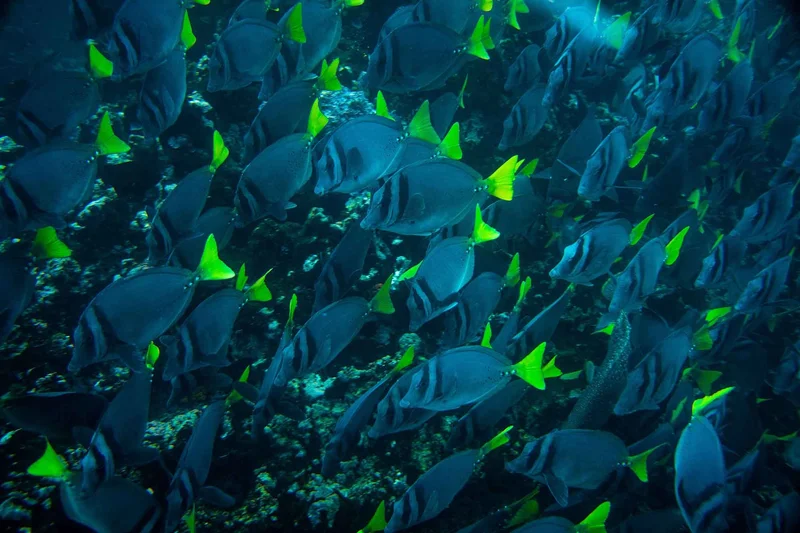
The bay of Vicente Roca Point exists as two distinct coves which together form a large coastal area that hosts an amazing variety of marine creatures. The snorkeling experience lets you discover seahorses and sea turtles and the unusual yet captivating Mola mola which people also call sun fish.
PM: Espinoza Point
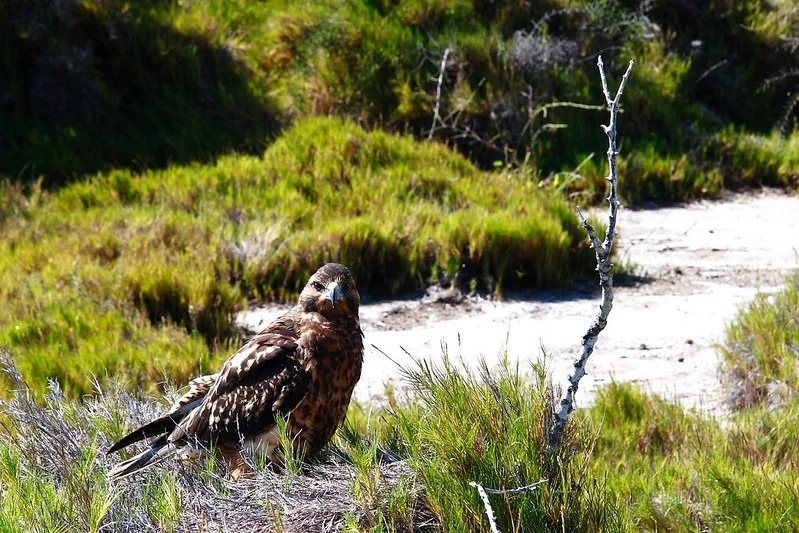
After crossing the Bolivar Channel, which separates Isabela from Fernandina Island, you'll land at Espinoza Point. You can then walk past sea lions and marine iguanas to reach the highlight of the island: the nesting site of the flightless Cormorant. The Galapagos Hawk can also be seen in this area.
Day 4: Isabela Island: Tagus Cove & Elizabeth Bay
AM: Tagus Cove
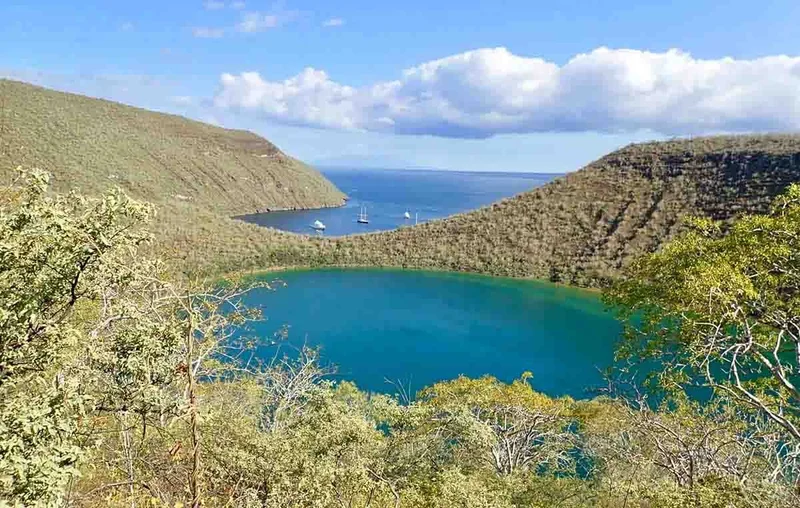
You will visit Tagus Cove on Isabela Island which is located across from Fernandina Island, near the Bolivar Channel dividing the two islands. The location functions as a permanent anchorage which has served as a waiting area for ships since the 1800s. The hiking paths which run beside Lake Darwin lead to a high point where visitors can see stunning panoramas.
PM: Elizabeth Bay
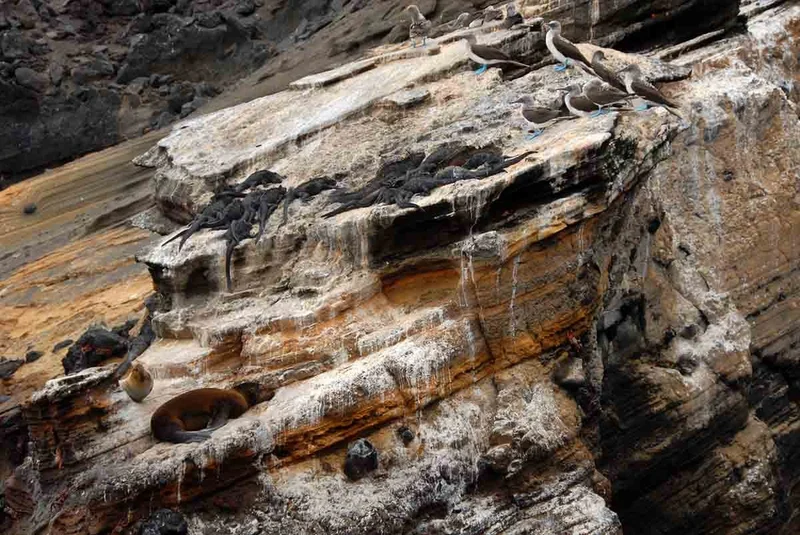
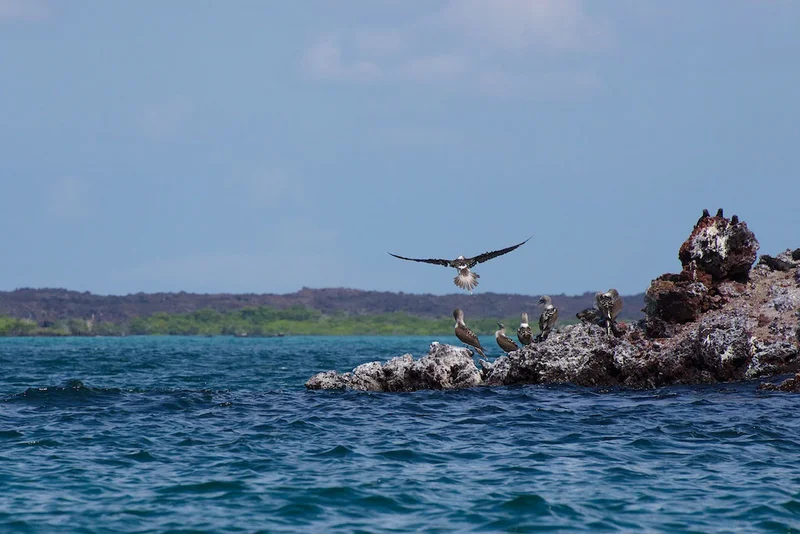
Elizabeth Bay can be found on the eastern coast of Isabela Island. Many islets can be accessed by boat. On the islets, you can see blue-footed boobies and penguins. The area has a lot of marine life, clear water and is ideal for snorkeling. You can see schools of fish and sea lions and maybe even sharks.
Day 5: Isabela Island: Urbina Bay & Moreno Point
AM: Urbina Bay
Urbina Bay sits beneath Alcedo Volcano which spans across the western shoreline between Tagus Cove and Elizabeth Bay. The region underwent a significant elevation change during 1954 which raised the terrain by more than 16 feet. The shoreline moved forward by 0.5 miles which forced ocean creatures to become trapped on the extended beach area. You will find this location perfect for snorkeling activities.
PM: Moreno Point
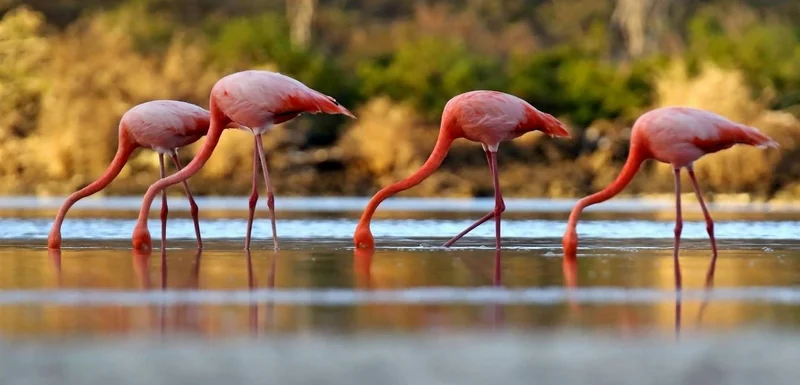
Moreno Point is located southwest of Elizabeth Bay. Here a dry landing onto what was once flowing lava is possible. The lava has left craters in its wake which formed crystal tide pools. The pools reveal an alternate reality when you watch through their water as marine creatures swim past your viewing area. The brackish pools in this location serve as habitats for pink flamingos and white-cheeked pintails and common gallinules. The pools reveal white-tip reef sharks together with sea turtles when you study them closely.
Day 6: Isabela Island: Sierra Negra Volcano & Arnaldo Tupiza Breeding Center
AM: Sierra Negra Volcano
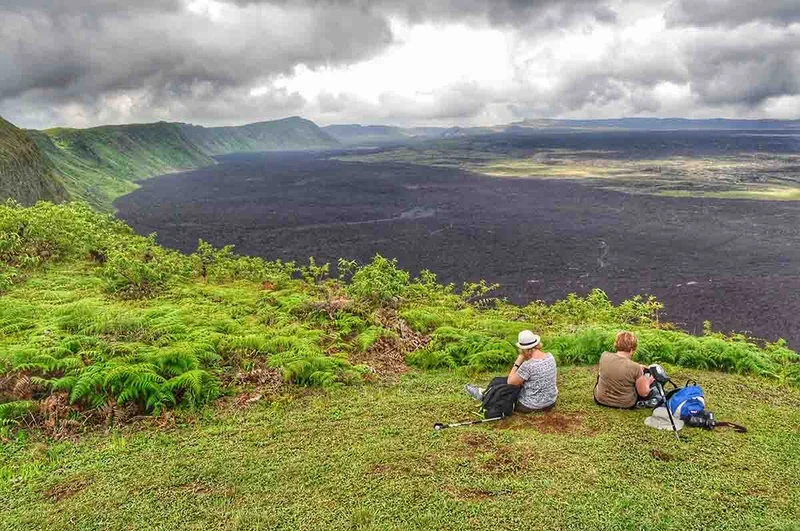
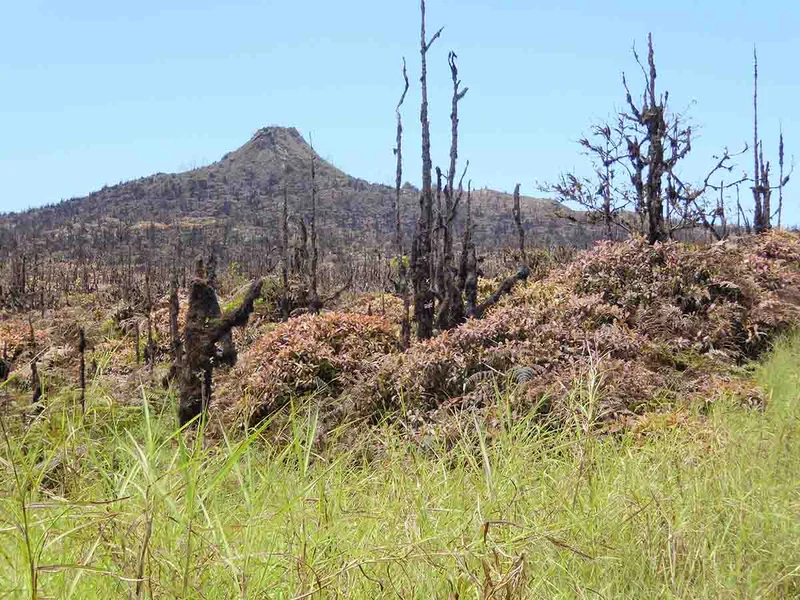
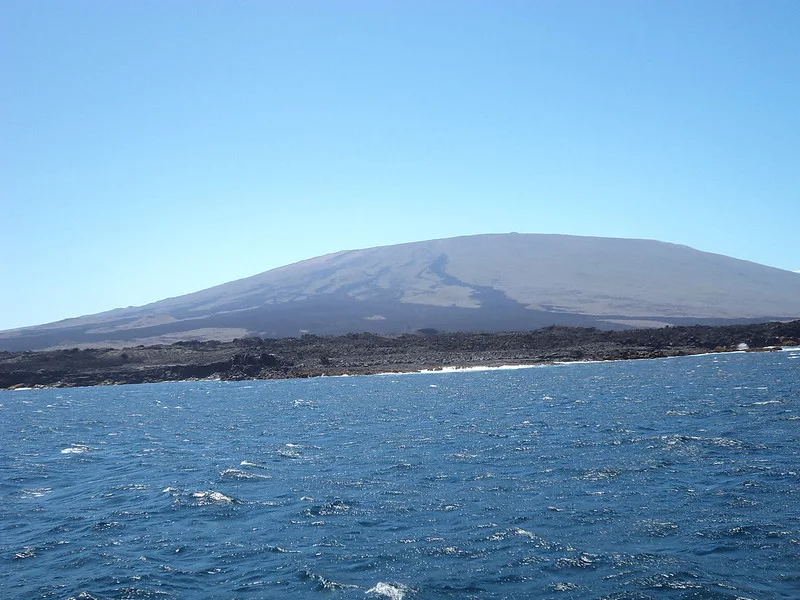
The Sierra Negra Volcano is the biggest basaltic caldera on the Galapagos Islands with a diameter measuring 6.2 miles (ten kilometers). This site is a great place to see the spectacular views, seven different species of finches as well as a variety of lush vegetation. North side of caldera shows evidence of 2005's most recent eruption.
PM: Arnaldo Tupiza breeding center
The Arnaldo Tupiza breeding center is about 1.5 km (1 mile) away from Puerto Villamil. Tortoise populations of South Isabela and Sierra Negra Volcano have been bred here in captivity. There are approximately 330 adult and juvenile tortoises.
Day 7: Floreana Island: Devil's Crown & Cormorant Point
AM: Devil's Crown
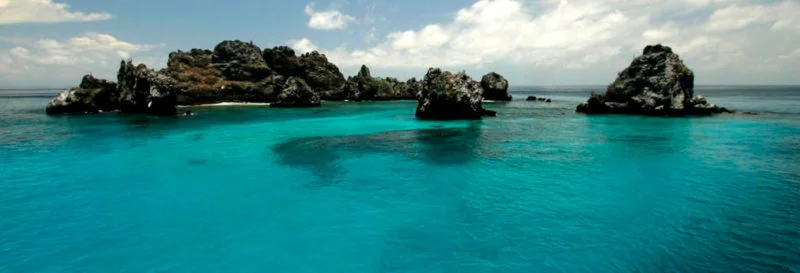
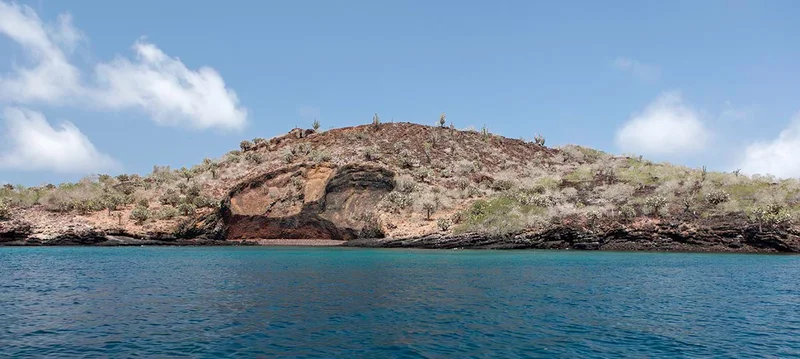
The Devil's Crown is the remains of a volcano that juts out into the sea.
It is an excellent place to see a variety of sea creatures.
Afterwards: Cormorant Point
Cormorant Point contains an extensive flamingo lagoon which supports various other bird species including common stilts and white-cheeked pintails. The island features two separate beach areas which display different environmental characteristics: The Green Beach received its name because of the green hue which stems from the olivine crystal content in the sand and the Flour Sand Beach consists of white coral fragments.
PM: Post Office Bay
You will reach the shore before you move toward the location where 18th century whalers positioned their wooden barrel which served as an informal postal container. The custom continues to this day with Galapagos visitors. Visitors should bring their postcards because the mail system operates so fast that their postcards will reach their destinations before they return from their vacation.
Day 8: Mosquera Islet
AM: Mosquera Islet
Mosquera Islet is located between the islands of Baltra and North Seymour. The coral and rock reef which emerged from a volcanic eruption extends across 160 meters at its most restricted point. The island supports a major sea lion population which reaches one of the highest numbers in the area while it also provides habitat for various shorebird species. The site has received sporadic reports about orcas which seem to hunt sea lions as their prey.
After: Baltra Airport departure
You will then be taken to the Baltra Airport in time to catch your return flight to the mainland.
8 Day Galapagos Itinerary Includes
- All meals and excursions
- Transfers in the islands
- Bilingual National Park Guide
8 Day Galapagos Itinerary Does not Include
- Roundtrip Airfare to / from Galapagos
- Alcoholic drinks
- USD 200 Galapagos National Park fee
- $20 Transit Control Card
- Travel / medical insurance
- Tips
- Personal Expenses
8 Day Galapagos Itinerary Highlights
- Snorkel with sea turtles, penguins, and possibly sharks in pristine waters
- Hike across volcanic landscapes with panoramic island views
- Observe rare wildlife including marine iguanas, flightless cormorants, and giant tortoises
- Visit iconic sites like Pinnacle Rock and Devil’s Crown
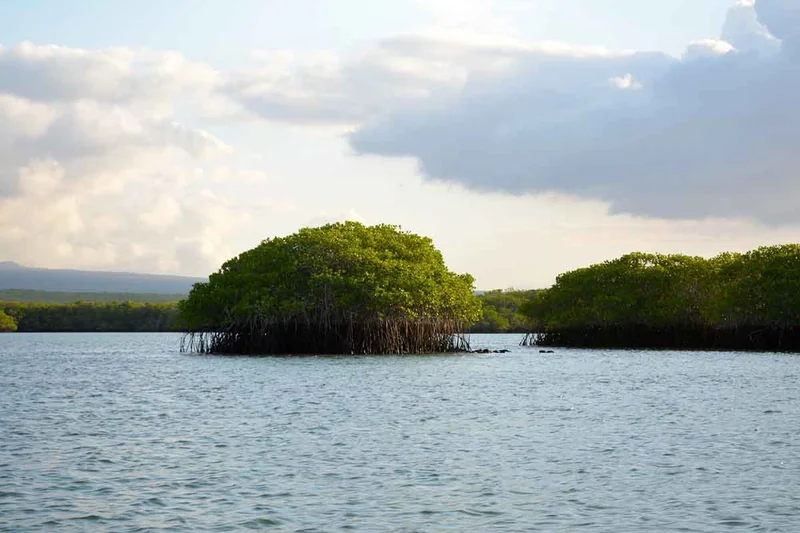
- Experience diverse ecosystems from lava fields to mangrove-lined bays
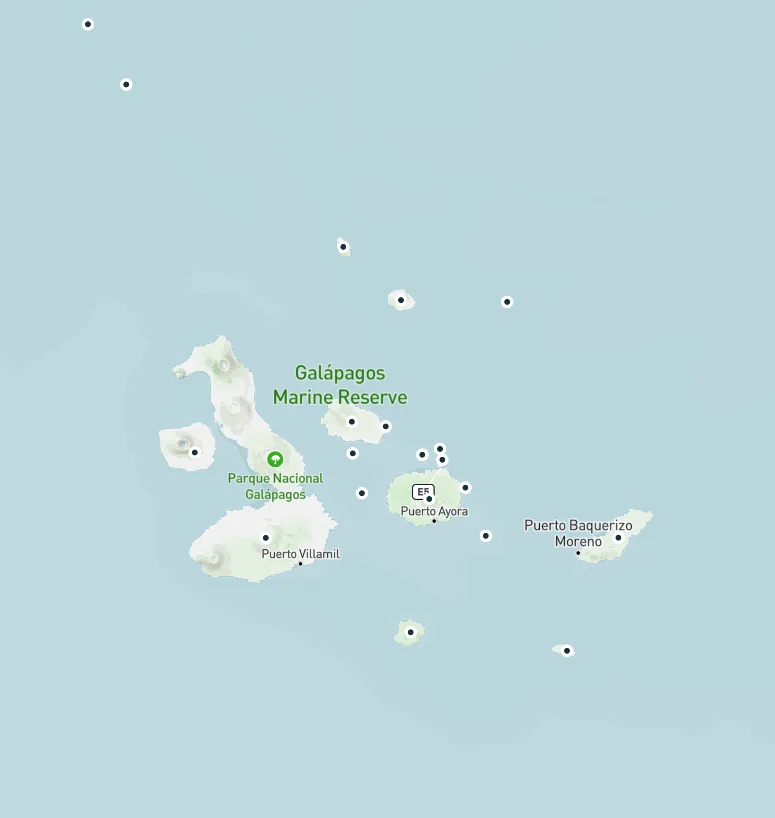
Itinerary Map
Dates & Promotions
Dates |
|---|
No data |
Animals you might see on this itinerary:
More information about the Galapagos Islands you visit in this 8 day itinerary:
Galapagos Angel 8-day Cruise "B"
Why travel with us?
 Over 22 years of experience
%20--%3e%3csvg%20version='1.1'%20id='Layer_1'%20xmlns='http://www.w3.org/2000/svg'%20xmlns:xlink='http://www.w3.org/1999/xlink'%20x='0px'%20y='0px'%20viewBox='0%200%20512%20512'%20style='enable-background:new%200%200%20512%20512;'%20xml:space='preserve'%3e%3cg%3e%3cg%3e%3cpath%20d='M424.18,200.763c-1.558,0-3.124,0.043-4.685,0.125c-20.129-42.954-56.688-76.736-101.546-93.182V64%20c0-34.157-27.79-61.947-61.947-61.947c-34.157,0-61.947,27.79-61.947,61.947v43.707c-44.86,16.447-81.419,50.231-101.548,93.186%20c-1.56-0.083-3.125-0.129-4.685-0.129C39.396,200.763,0,240.16,0,288.583c0,5.633,4.566,10.199,10.199,10.199h66.648%20c4.678,39.071,21.888,74.34,47.486,101.669c-9.018,15.386-13.176,33.319-11.773,51.284c1.626,20.824,10.666,40.436,25.454,55.225%20c1.992,1.992,4.602,2.987,7.212,2.987s5.221-0.995,7.212-2.987l55.753-55.753c15.234,4.19,31.263,6.441,47.809,6.441%20c17.145,0,33.738-2.405,49.461-6.893l56.205,56.205c1.992,1.992,4.602,2.987,7.212,2.987c2.61,0,5.221-0.995,7.212-2.987%20c14.789-14.789,23.828-34.403,25.454-55.229c1.444-18.5-3.024-36.957-12.609-52.643c24.899-27.134,41.617-61.883,46.218-100.306%20h66.649c5.633,0,10.199-4.566,10.199-10.199C512,240.16,472.604,200.763,424.18,200.763z%20M75.551,277.199%20c0,0.397,0.012,0.789,0.015,1.185H21.168c4.765-31.266,31.086-55.537,63.273-57.134C78.68,238.873,75.551,257.677,75.551,277.199z%20M214.452,64c0-22.909,18.638-41.549,41.548-41.549S297.549,41.09,297.549,64v37.587c-13.345-3.157-27.253-4.835-41.549-4.835%20c-14.295,0-28.204,1.679-41.548,4.835V64z%20M120.411,362.142c-15.487-24.634-24.462-53.757-24.462-84.942%20c0.001-31.989,9.439-61.81,25.669-86.84l22.637,22.637c1.992,1.992,4.602,2.987,7.212,2.987s5.221-0.995,7.212-2.987%20c3.983-3.983,3.983-10.441,0-14.425l-24.755-24.756c29.381-34.641,73.201-56.669,122.075-56.669%20c48.875,0,92.694,22.028,122.075,56.669l-42.909,42.909l-68.966-39.817v-11.484c0-5.633-4.566-10.199-10.199-10.199%20c-5.633,0-10.199,4.566-10.199,10.199v11.484l-76.655,44.257c-3.156,1.822-5.1,5.188-5.1,8.833v88.508L120.411,362.142z%20M145.763,484.786c-15.009-20.324-17.359-47.248-6.136-69.797c14.036,11.873,29.899,21.646,47.107,28.826L145.763,484.786z%20M246.835,436.98c-45.946-2.606-86.773-24.675-114.332-58.082l42.362-42.362l71.97,41.552V436.98z%20M184.444,318.512v-82.625%20L256,194.574l71.556,41.313v82.625L256,359.825L184.444,318.512z%20M267.234,436.849v-59.957l69.244-39.979l42.545,42.545%20C351.888,412.049,312.077,433.724,267.234,436.849z%20M368.341,484.788l-41.594-41.594c17.233-7.373,33.095-17.35,47.087-29.439%20C385.773,436.55,383.627,464.09,368.341,484.788z%20M391.19,362.777l-43.236-43.236v-86.753l42.428-42.428%20c16.23,25.029,25.668,54.851,25.668,86.839C416.05,308.652,406.925,338.011,391.19,362.777z%20M436.434,278.384%20c0.003-0.396,0.015-0.789,0.015-1.185c0-19.522-3.129-38.326-8.891-55.949c32.187,1.597,58.508,25.869,63.273,57.134H436.434z'/%3e%3c/g%3e%3c/g%3e%3cg%3e%3cg%3e%3cpath%20d='M256,125.212c-5.633,0-10.199,4.566-10.199,10.199v2.07c0,5.633,4.566,10.199,10.199,10.199%20c5.633,0,10.199-4.566,10.199-10.199v-2.07C266.199,129.778,261.633,125.212,256,125.212z'/%3e%3c/g%3e%3c/g%3e%3cg%3e%3c/g%3e%3cg%3e%3c/g%3e%3cg%3e%3c/g%3e%3cg%3e%3c/g%3e%3cg%3e%3c/g%3e%3cg%3e%3c/g%3e%3cg%3e%3c/g%3e%3cg%3e%3c/g%3e%3cg%3e%3c/g%3e%3cg%3e%3c/g%3e%3cg%3e%3c/g%3e%3cg%3e%3c/g%3e%3cg%3e%3c/g%3e%3cg%3e%3c/g%3e%3cg%3e%3c/g%3e%3c/svg%3e "South America & Antarctica Specialists") South America & Antarctica Specialists
South America & Antarctica Specialists Set and Tailor-made packages
 The best last-minute cruise deals
%20--%3e%3csvg%20version='1.1'%20id='Capa_1'%20xmlns='http://www.w3.org/2000/svg'%20xmlns:xlink='http://www.w3.org/1999/xlink'%20x='0px'%20y='0px'%20viewBox='0%200%20489.679%20489.679'%20style='enable-background:new%200%200%20489.679%20489.679;'%20xml:space='preserve'%3e%3cg%3e%3cg%3e%3cg%3e%3cpath%20d='M487.768,218.844c-14.5-134.2-135.2-232-269.4-217.4c-72.9,8.3-137.4,47.8-179,109.2c-6.2,9.4-3.1,21.8,6.2,28.1%20s21.8,3.1,28.1-6.2c34.3-51,88.4-84.3,148.8-90.5c112.4-11.5,213.3,69.6,224.7,182c11.4,111.3-69.7,212.2-181,223.7%20c-74.7,7.9-147.5-26-189.5-86.8l39.7,8.7c10.4,2.1,21.8-4.2,23.9-15.6c2.1-10.4-4.2-21.8-15.6-23.9l-81.1-17.7%20c-17.3-2.2-23.9,10.4-25,15.6l-17.7,82.2c-2.1,10.4,4.2,21.8,15.6,23.9c13.6,1.1,21.8-7.3,25-16.6l6-27.1%20c89.3,115.2,214.6,98.9,222.9,97.9C404.568,473.744,502.368,353.044,487.768,218.844z'/%3e%3c/g%3e%3cg%3e%3cpath%20d='M171.168,268.944h-38l30.6-31.1c0.4-0.4,0.8-0.8,1.1-1.3c5.7-7.5,8.8-16.5,8.8-26c0-23.7-19.3-43-43-43s-43,19.3-43,43%20c0,7.4,6,13.4,13.4,13.4s13.4-6,13.4-13.4c0-8.9,7.2-16.1,16.1-16.1c8.9,0,16.1,7.2,16.1,16.1c0,3.3-1,6.5-2.9,9.2l-52.4,53.3%20c-3.8,3.9-4.9,9.6-2.8,14.6s7,8.2,12.4,8.2h70.1c7.4,0,13.4-6,13.4-13.4S178.568,268.944,171.168,268.944z'/%3e%3cpath%20d='M271.668,240.144h-6.1v-59.2c0-5.7-3.5-10.7-8.9-12.6c-5.3-1.9-11.3-0.3-14.9,4l-60.4,72.6c-3.3,4-4,9.6-1.8,14.3%20c2.2,4.7,6.9,7.7,12.2,7.7h47v15.4c0,7.4,6,13.4,13.4,13.4c7.4,0,13.4-6,13.4-13.4v-15.4h6.1c7.4,0,13.4-6,13.4-13.4%20C285.068,246.144,279.068,240.144,271.668,240.144z%20M238.668,240.144h-18.4l18.4-22.1V240.144z'/%3e%3cpath%20d='M344.068,212.044c-6.6,0-12.9,1.4-18.5,4v-35.1c0-7.4-6-13.4-13.4-13.4s-13.4,6-13.4,13.4v101.4c0,7.4,6,13.4,13.4,13.4%20s13.4-6,13.4-13.4v-24.9c0-10.2,8.3-18.5,18.5-18.5s18.5,8.3,18.5,18.5v24.9c0,7.4,6,13.4,13.4,13.4s13.4-6,13.4-13.4v-24.9%20C389.468,232.444,369.068,212.044,344.068,212.044z'/%3e%3c/g%3e%3c/g%3e%3c/g%3e%3cg%3e%3c/g%3e%3cg%3e%3c/g%3e%3cg%3e%3c/g%3e%3cg%3e%3c/g%3e%3cg%3e%3c/g%3e%3cg%3e%3c/g%3e%3cg%3e%3c/g%3e%3cg%3e%3c/g%3e%3cg%3e%3c/g%3e%3cg%3e%3c/g%3e%3cg%3e%3c/g%3e%3cg%3e%3c/g%3e%3cg%3e%3c/g%3e%3cg%3e%3c/g%3e%3cg%3e%3c/g%3e%3c/svg%3e "Galapagos trips") 24/7 Customer service during your trip
24/7 Customer service during your trip Multi-Destination packages
Similar Itineraries