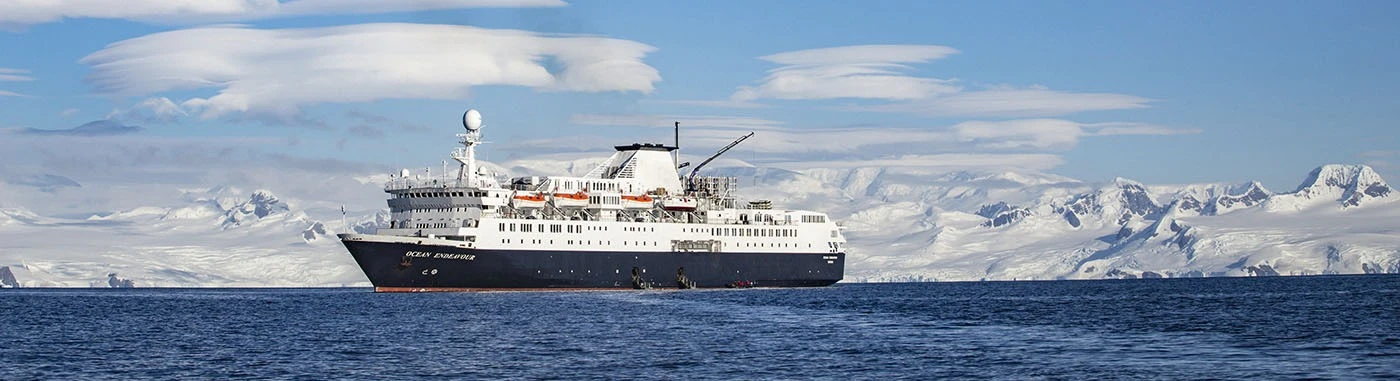
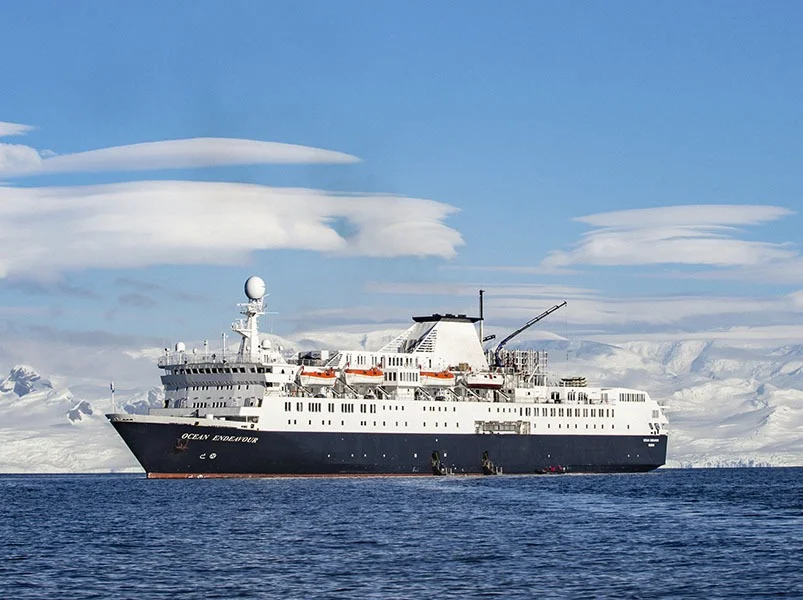
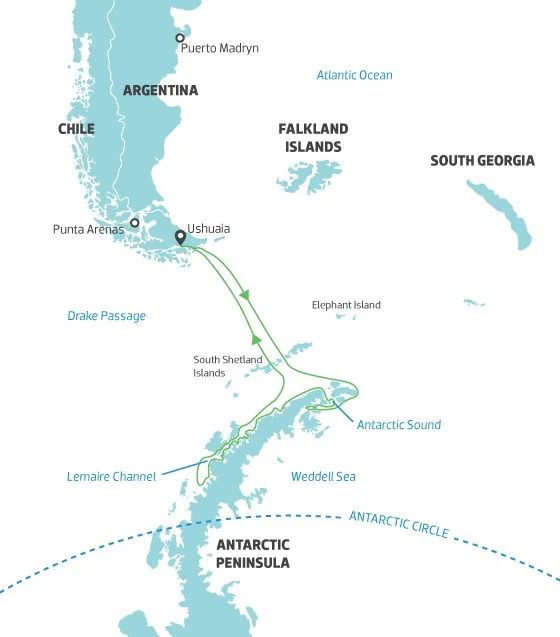
Journey from the eastern to the western Antarctic Peninsula on this 14-day cruise. Aboard the mighty Ocean Endeavour, travelers will depart from Ushuaia, take a route through the Drake Passage, and finally arrive in Antarctic Sound. Up-close explorations of Antarctica’s frozen landscapes await you, as this is one of the few tours that covers both sides of the Peninsula.
The east side has enormous tabular icebergs, basaltic beaches, and penguin colonies. It is much wilder and, as such, is less visited. To the west are the most iconic landmarks like the Lemaire Channel, Paradise Bay, and Port Lockroy.
14 Day Antarctica Itinerary
Day 1 & 2: Ushuaia, Argentina
Begin your 14 day Antarctica cruise journey to the White Continent in the world’s southernmost city – Ushuaia.
On arrival at Ushuaia Airport, please make your way through to the Arrivals Hall where our representative will be waiting for you to transfer you to your hotel. He/she will be holding a sign. Should you not be able to contact them, please refer to the emergency contact details of our representative office.
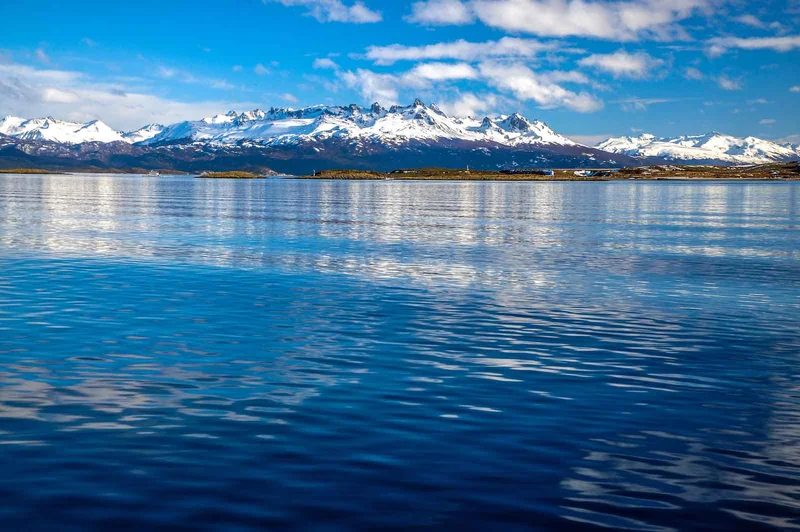
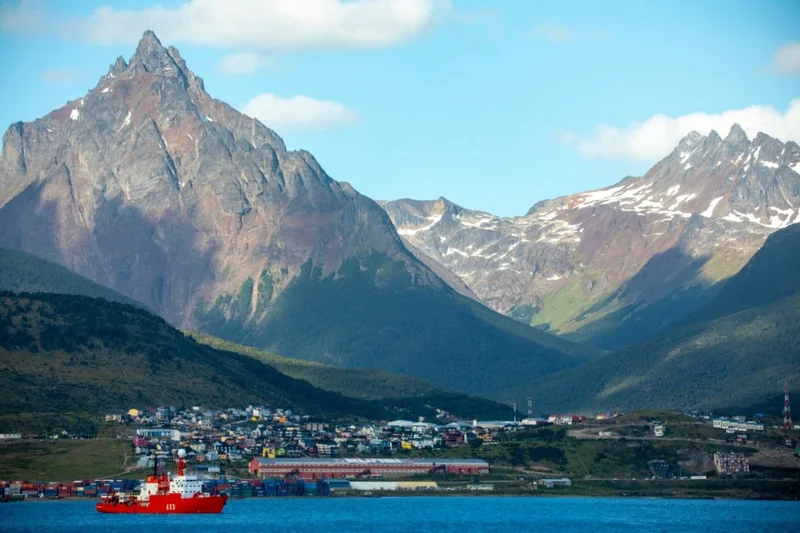
Backdropped by towering mountains and glaciers, the windswept town looks over the historic Beagle Channel where the Ocean Endeavour will begin its voyage south. Enjoy exploring the streets and local café scene or even hike among alpine conifers to the foot of the Martial Glacier before an Argentine dinner at one of the city’s many waterfront establishments.
After embarkation, we’ll farewell to Ushuaia from the decks of the Ocean Endeavour while spotting wildlife and enjoying a welcome toast on board.
Day 3 & 4 : At Sea, Drake Passage
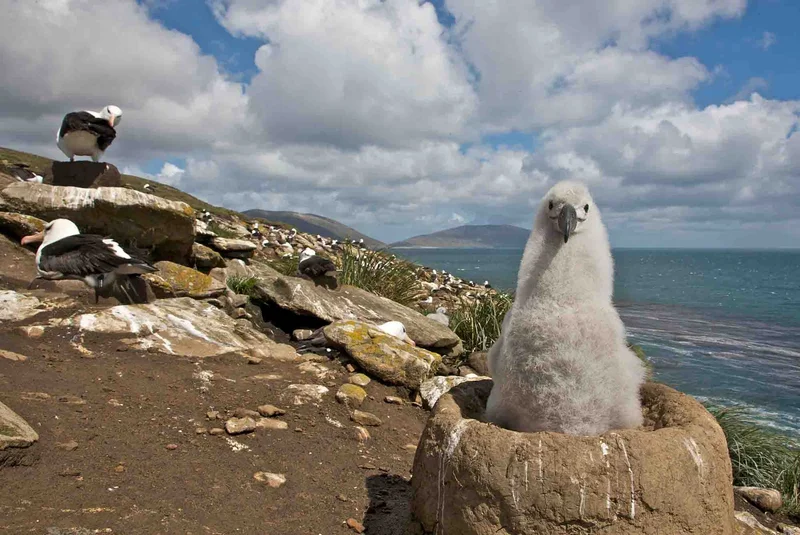
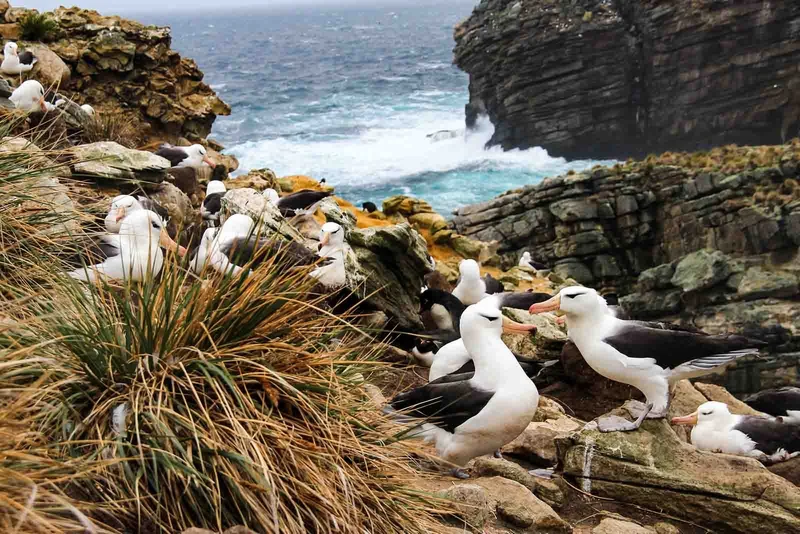
On day three of your voyage to the Antarctic, wake to the sights and sounds of the famous Drake Passage where albatross and other seabirds escort us south.
In preparation for the days to come, your on-board experts in biology, oceanography, history and photography will begin their presentations in the Nautilus Lounge. Whether out on the
Ocean Endeavour’s decks or from the warmth of the observation area on the ship’s bridge, keep your eyes peeled for the first sighting of an iceberg as the continent of Antarctica appears on our horizon.
Day 5, 6 & 7 : East Antarctic Peninsula
In the real spirit of exploration, day five will hope to see the bow of the Ocean Endeavour round the eastern end of Antarctic Sound and point south toward the truly wild coastlines of the Peninsula’s eastern side.
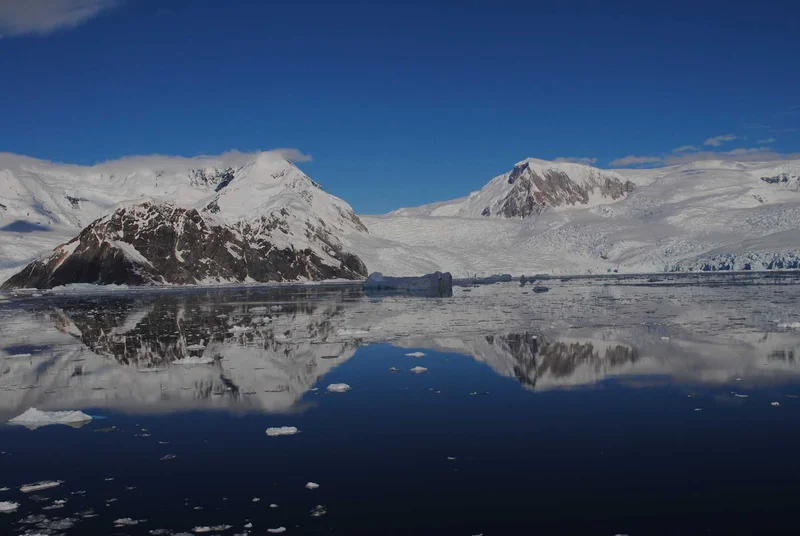
It’s within this ice-laden sea that Sir Ernest Shackleton and his men sledged and floated their way north from their crushed and sunken vessel and bordering this vast expanse is an endless coastline of dramatic basaltic beaches, towering islands that rise straight from the sea and a spattering of remote archipelagos barely seen by human eyes since the heroic era.
From here, the options for exploration are endless. From the secluded Danger Islands to the north, the historically important and penguin-covered Paulet Island, the sweeping Prince Gustav Channel to the south or the protected and glacier-lined coves of Duse Bay.
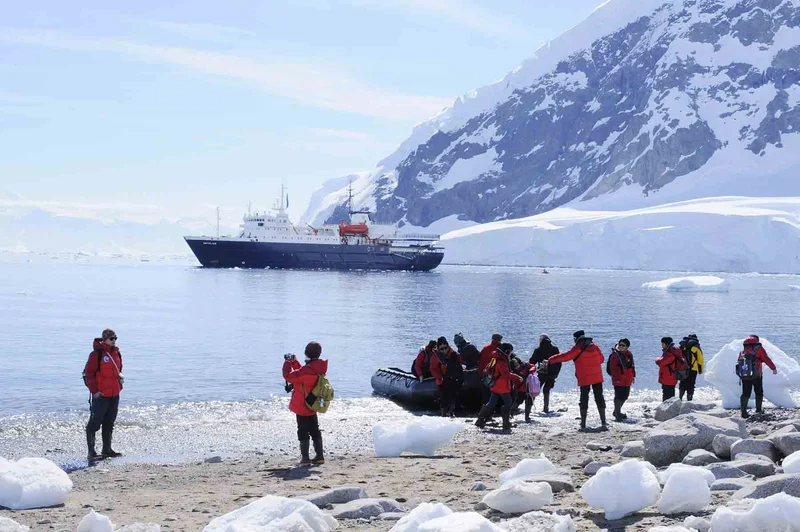
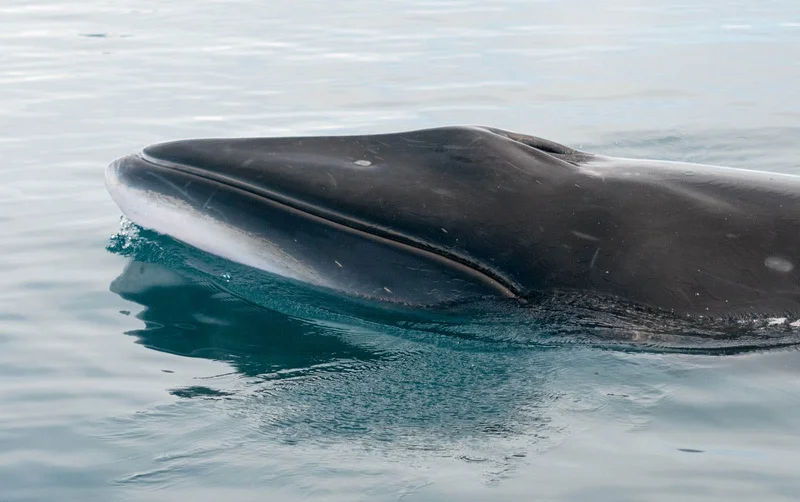
Over three days in this area, we will work with ice conditions to land and zodiac cruise around as many remote locations as possible. Keep an eye out for minke whales as captain and expedition leader navigate the scenic channels around the eagle island group and for the most intrepid: prepare for a polar plunge like none other or even a chance to step onto your very own piece of sea ice.
Whatever the weather delivers, what we are sure to find here is a rare Antarctic experience and the closest one is likely to get to a true sense of exploration on planet Earth.
Day 8, 9, 10 & 11: West Antarctic Peninsula
Following our three days of discovery on the Peninsula’s east side, the Ocean Endeavour will plot a course to transit Antarctic Sound and to visit the more welltrodden western shores.
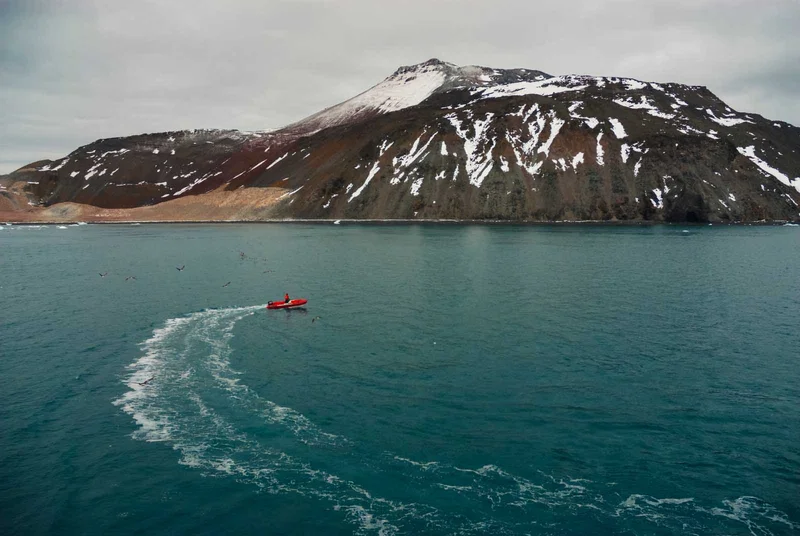
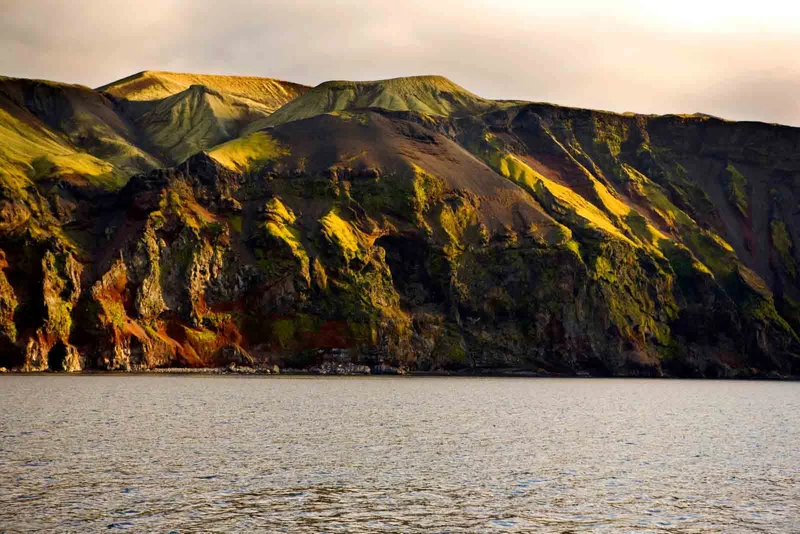
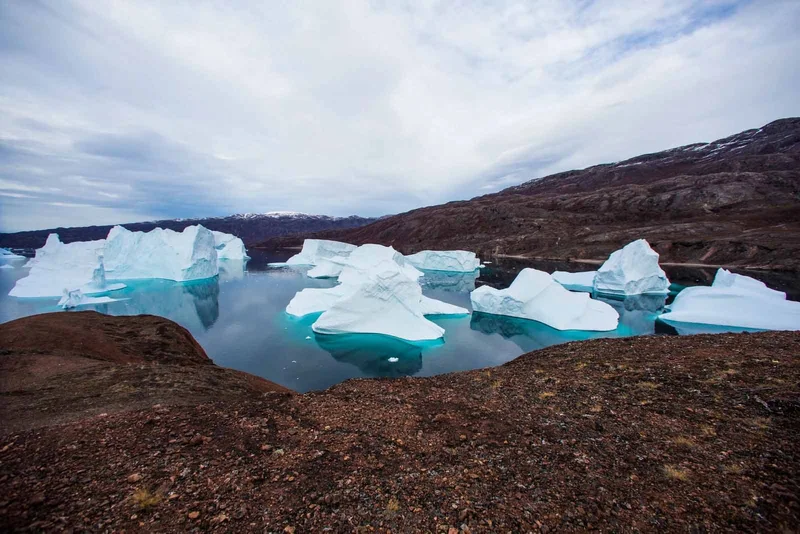
As we attempt to enter the sound, a collection of tabular icebergs typically serves as a gateway from east to west and locations like Esperanza Station and the volcanic cliffs of Brown Bluff are viable landing points along the way.
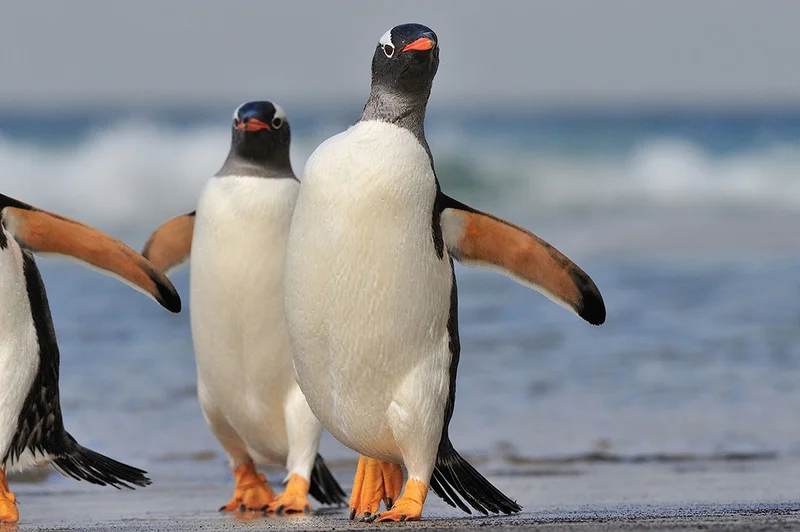
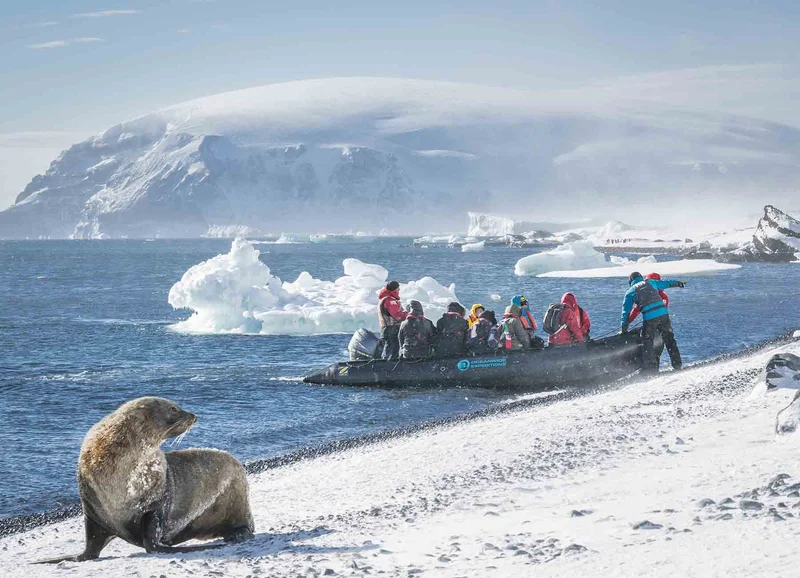
From here on out, we return to the more familiar sights and sounds of Gentoo penguin colonies, a collection of Argentine and Chilean bases observable on craggy points and we lower the zodiacs again to explore famous sites like Orne Harbour, Paradise Bay or Port Lockroy. While the east side afforded us the most true sense of isolation and wilderness observable on Earth, the contrast becomes apparent on the western side as no excursion lasts long without the presence of Gentoo or chinstrap penguins parading through the early-season snow and marine mammals hauling themselves onto ice-floes.
After our four days of excursions in this region, we will again turn north to cross the Bransfield Strait. As we thread the Ocean Endeavour through South Shetland Islands, we will take to the aft deck of the Ocean Endeavour once more for a final toast to the Antarctic, to discovery and to the new horizon ahead.
Day 12 & 13: Drake Passage
Over days 12 and 13 we will watch as the outline of the Antarctic continent disappears over the horizon and again the albatross and seabirds of the open ocean join us for the voyage north.
Whether enjoying some time out on deck to take in the sea air or making the most of our expert guides’ presentations, this is a great time to reflect on the journey behind us and all that we discovered on the Antarctic Peninsula over the previous days.
For those still looking to brush up on their Antarctic knowledge, our guides will be out on deck binoculars in hand to help identify the amazing sea life that abounds in this part of the world. At night, we will take the opportunity to celebrate together and to share stories about this once in a lifetime voyage.
Day 14: Disembarkation in Ushuaia, Argentina
This is the last day of the 14 day Antarctica cruise.
Following a steady night in the protection of the Beagle Channel, the early morning of our 14th day will see the Ocean Endeavour come alongside Ushuaia’s pier.
Followed by breakfast, an 8am disembarkation means plenty of time to wrap up your exploration of Ushuaia before a short drive to the airport for any afternoon flight departures.
Our guides will join you on the dock to say farewell and to wave goodbye to the ship’s team and crew who have shared the journey with you.
PLEASE NOTE: You are advised not to book a flight out of Ushuaia before midday on disembarkation day, in case of delays caused by unfavourable weather conditions.

14 Day Antarctica Itinerary Includes
- All meals onboard the Ocean Endeavour including snacks
- Onboard lecture program from expedition staff and naturalists
- All shore excursions and zodiac cruising (except optional activities with cost)
- Use of rubber boots on land and use of waterproof outer shell jacket
- Insulated inner jacket, yours to keep at the end of the Cruise
- Transfer from airport to hotel (Day 1) and pre-night hotel accommodation with breakfast
- Transfer from hotel accommodation to the Ocean Endeavour for embarkation
- Transfers to airport on return to port
- All port taxes
- Use of gym, sauna, pool and on-board jacuzzi and onboard yoga
14 Day Antarctica Itinerary Does not Include
- International or internal flights unless specified
- Airport transfers, taxes and excess baggage charges unless specified
- Meals other than those specified in the pre-departure information
- Visa and passport fees
- Travel insurance
- Optional activities and all personal expenses
- Tobacco, alcoholic or special beverages
- Miscellaneous extras
- Laundry and communication charges aboard
- Medical care
- Life jackets, waterproof outer shell jacket, insulated inner jacket and boots for minors under 16 years of age at time of travel
- Waterproof outer shell jacket and insulated inner jacket for guests who require sizing larger than 3XL
- Boots for guests who require sizing larger than men’s size 14 boots
- Gratuities for crew and expedition staf
14 Day Antarctica Itinerary Highlights
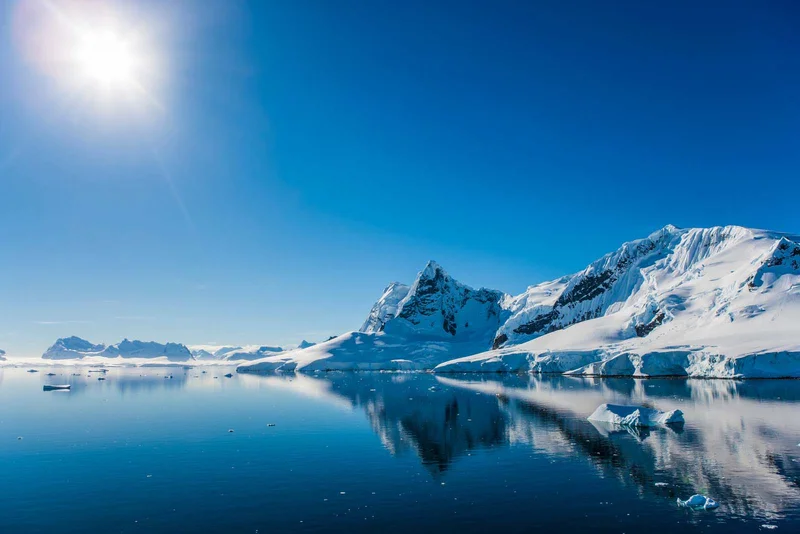
- Traverse Antarctic Sound – a body of water that links east with west and is usually home to large tabular icebergs and startling scenery.
- Explore the Antarctic Peninsula’s remote and rugged east side with its sweeping landscapes and enormous icebergs
- We will seek to visit Paulet Island, the Danger Islands and the Eagle Group – chains of islands famous for their enormous penguin colonies, exploration history and geological features.
- Visit the Peninsula’s western side where Antarctica’s more famous sites are found such as the Lemaire Channel, Port Lockroy and Paradise Harbour.
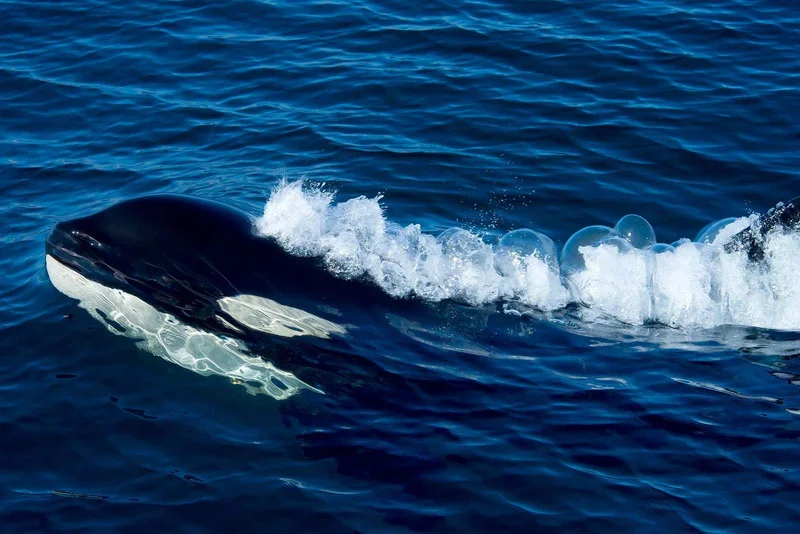
- After turning north, explore the dramatic shores of the South Shetland Islands or spot for albatross and orca while we cross the Bransfield Strait.
- After a final toast to Antarctica on the Ocean Endeavour’s aft deck, enjoy the fresh air and abundance of seabirds as we transit the Drake Passage one last time.
Itinerary Map
14 Day Antarctica cruise activities
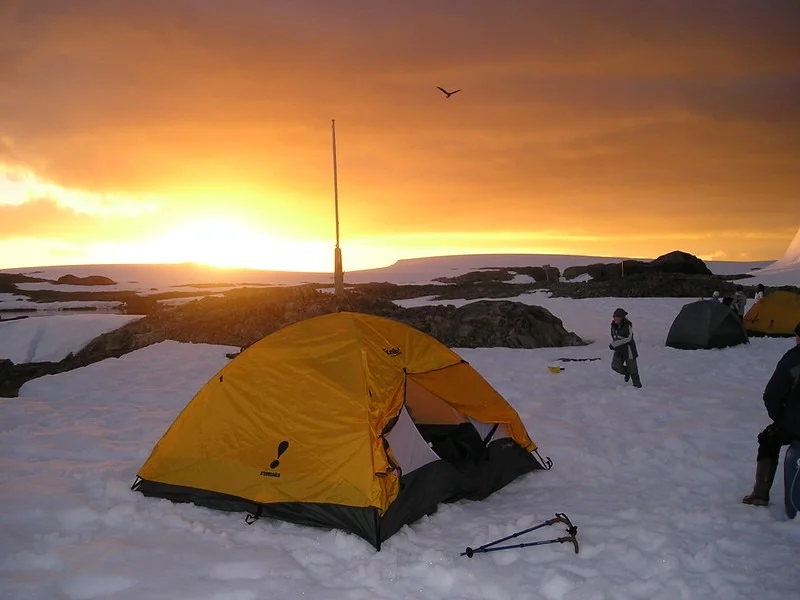
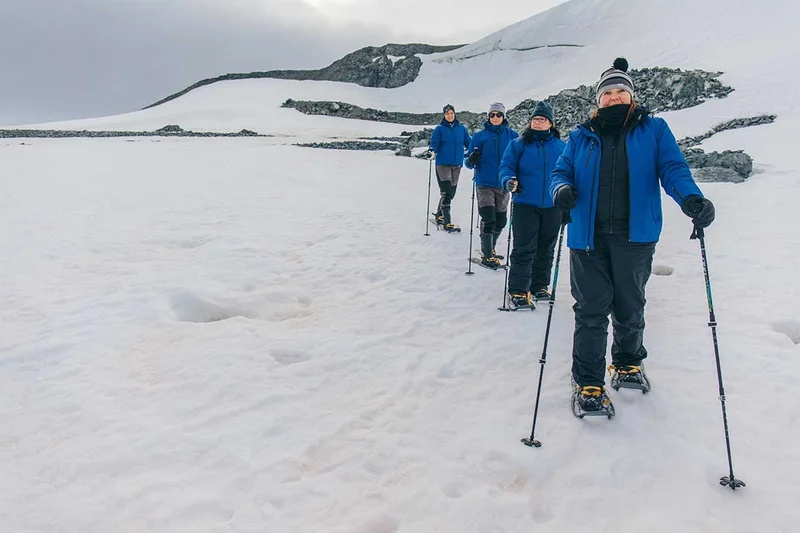
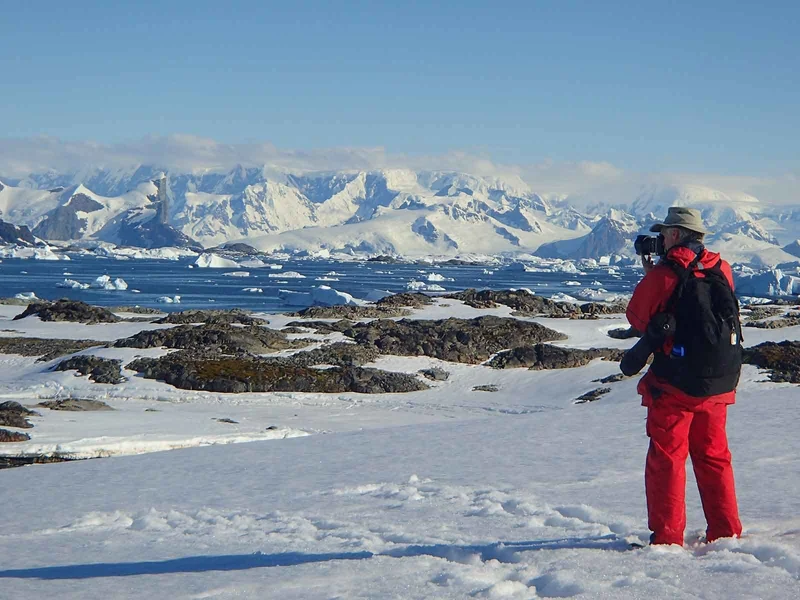
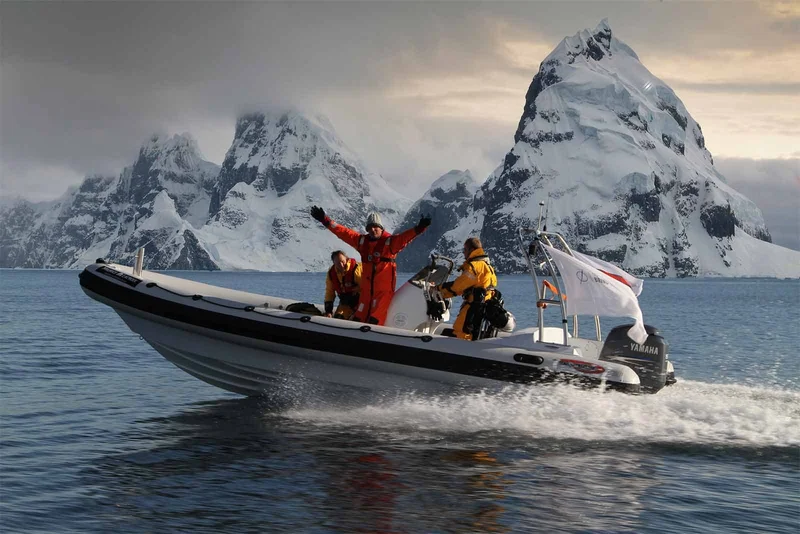

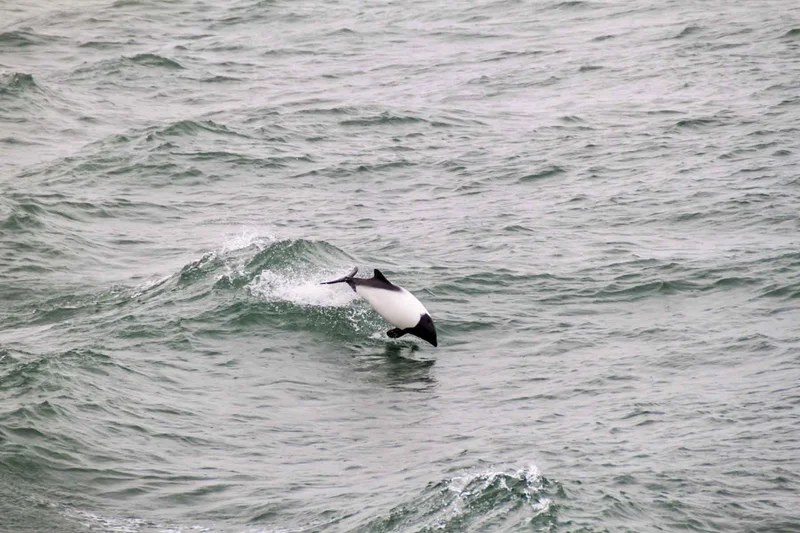
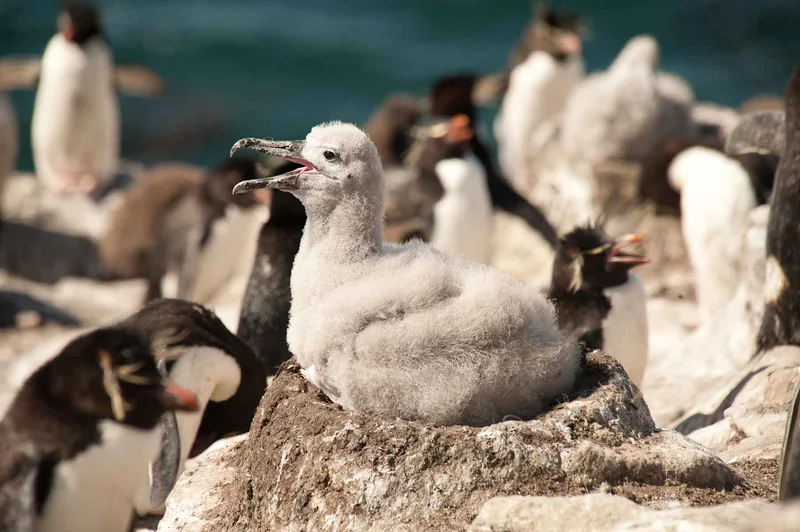
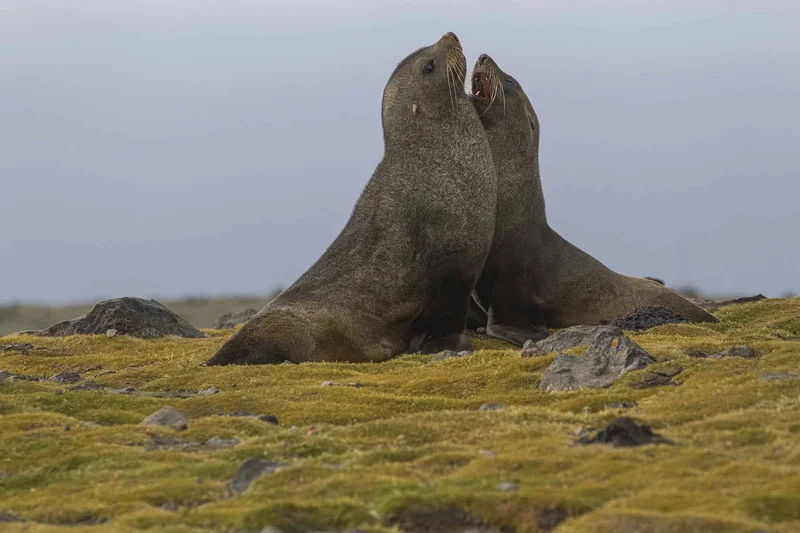
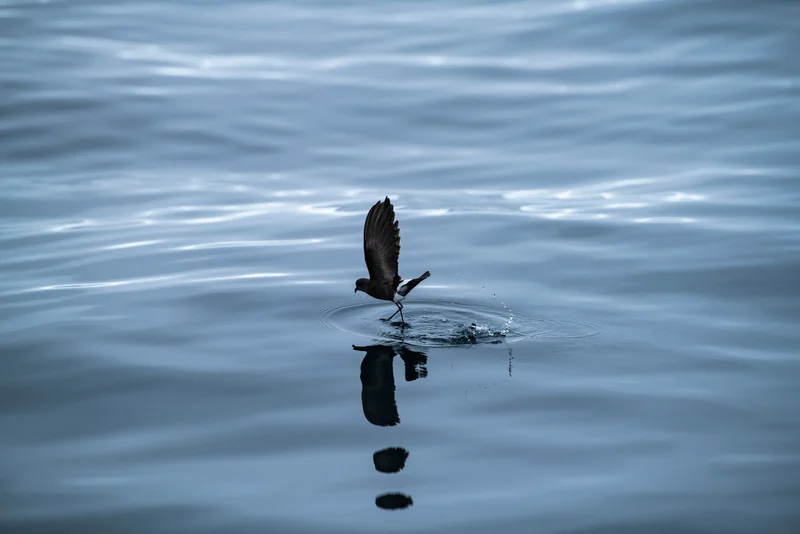
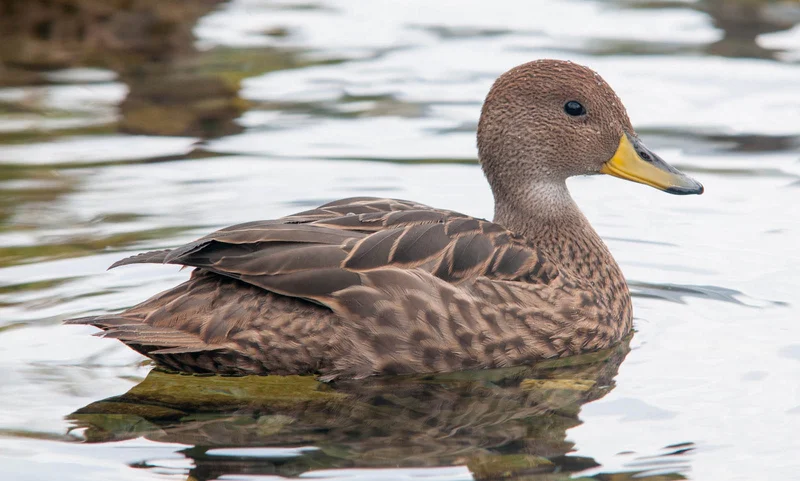
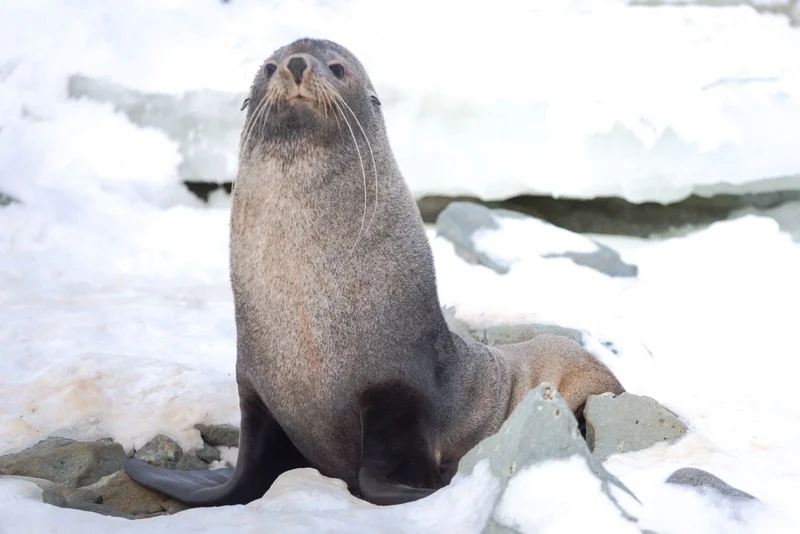
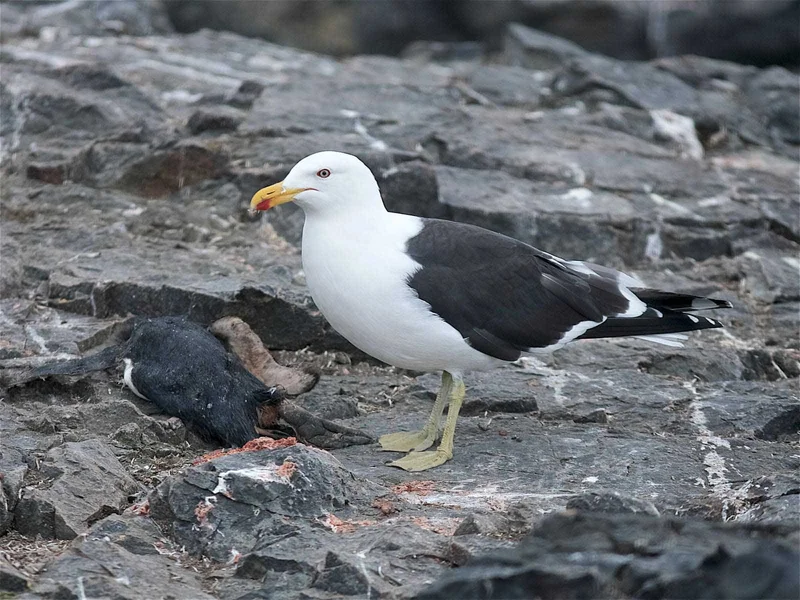
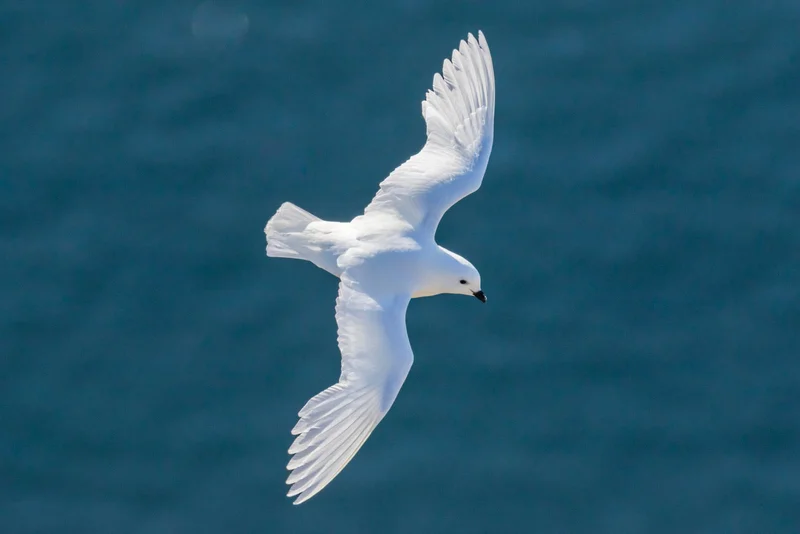
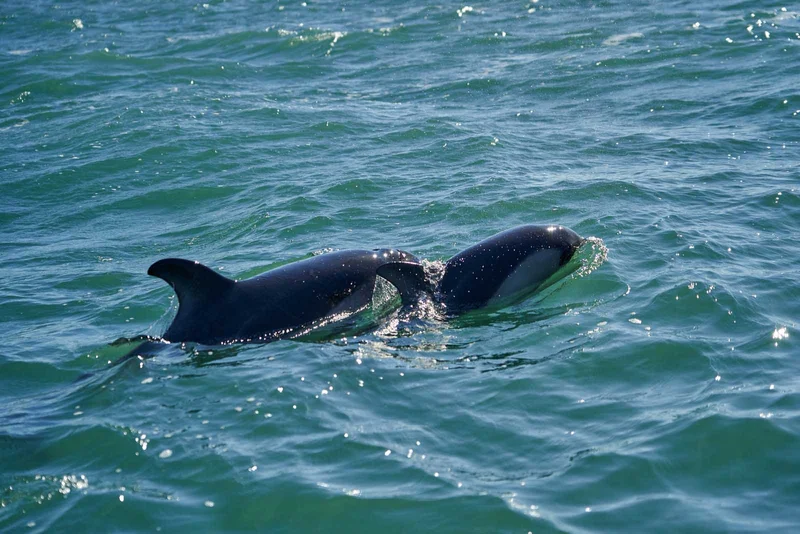
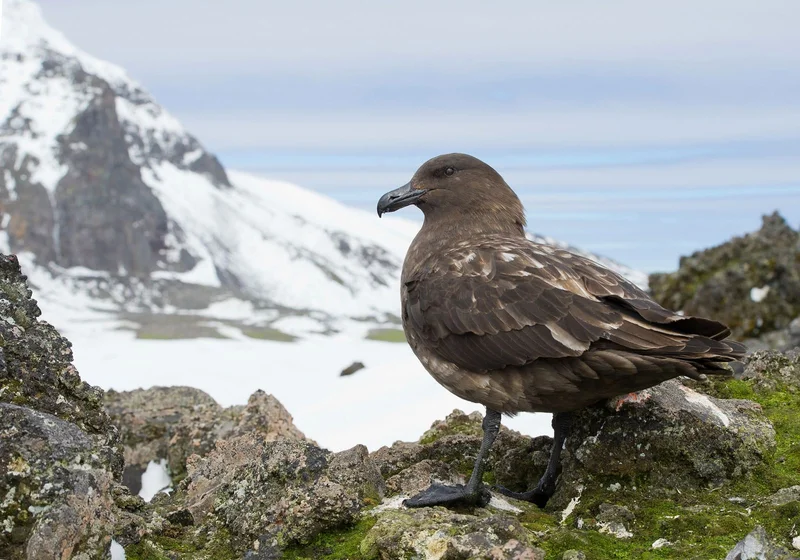
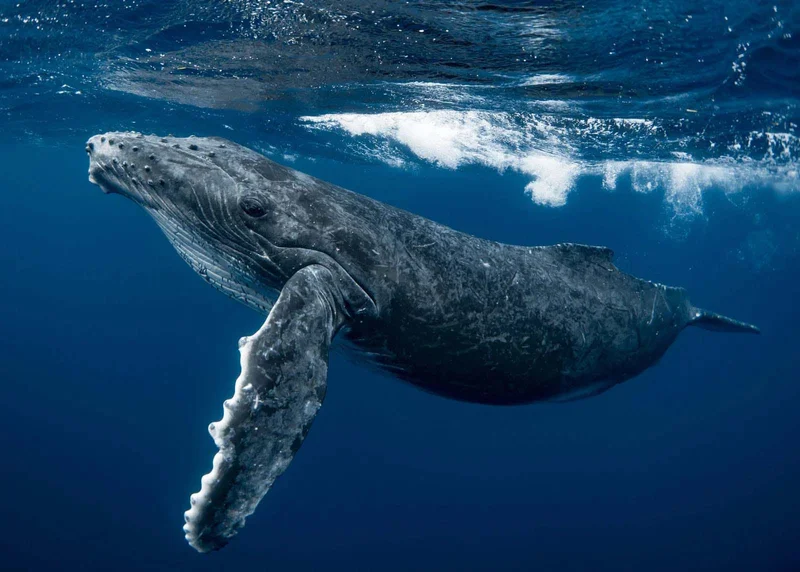
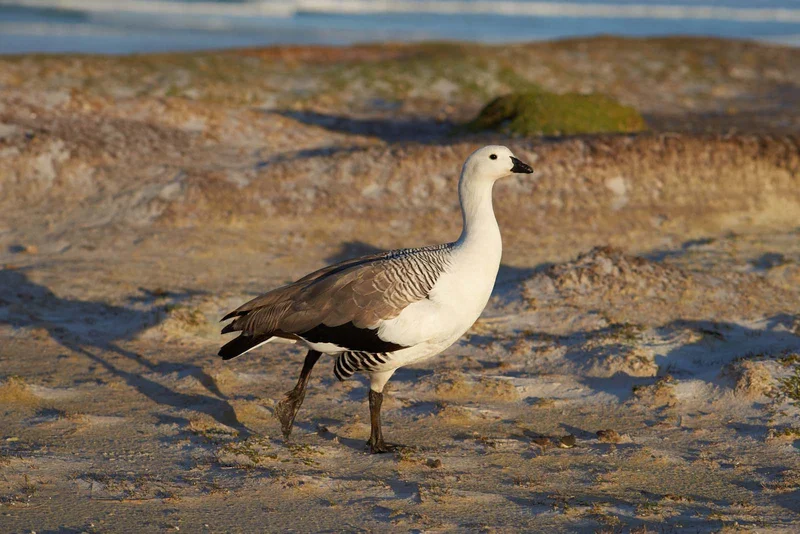
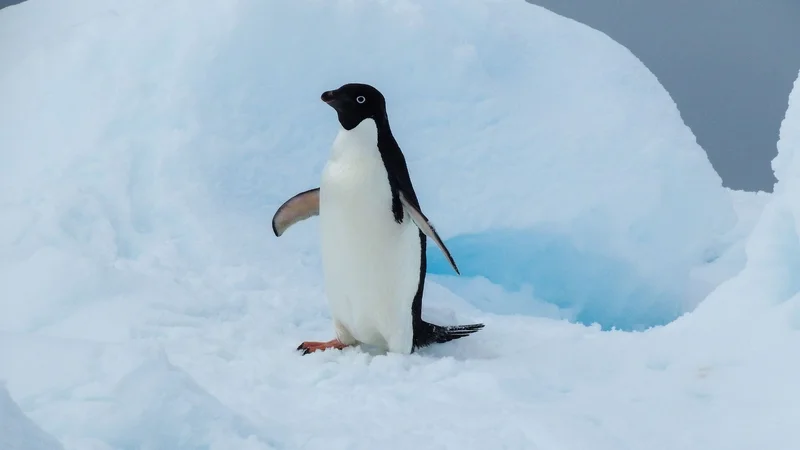
Animals you might see on this itinerary
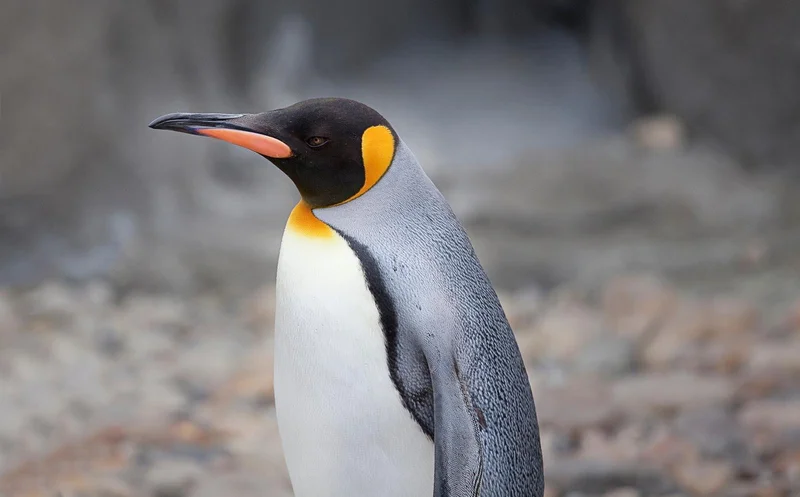
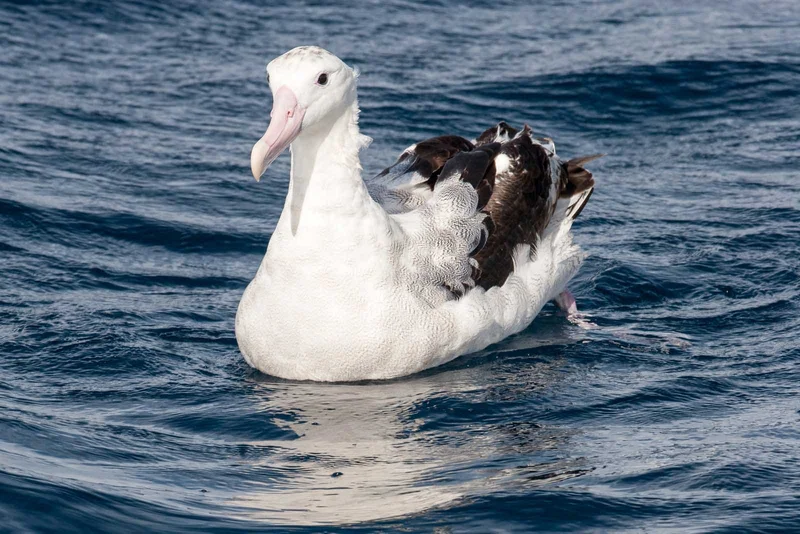

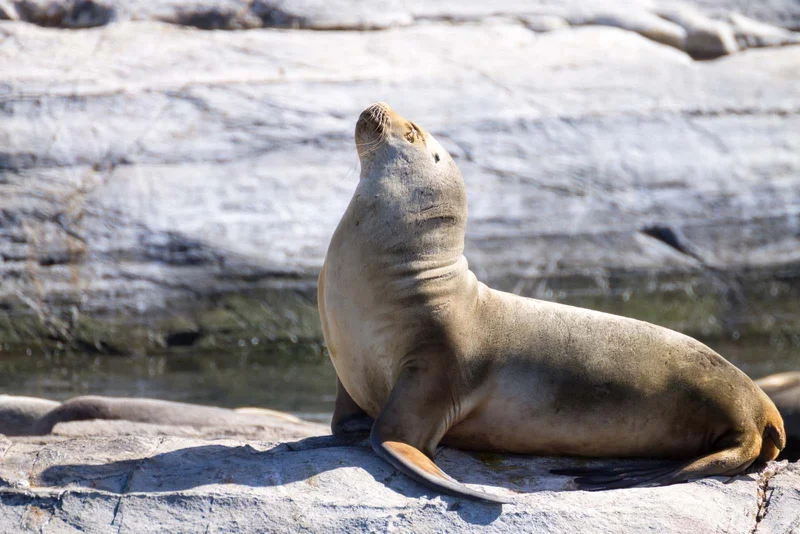
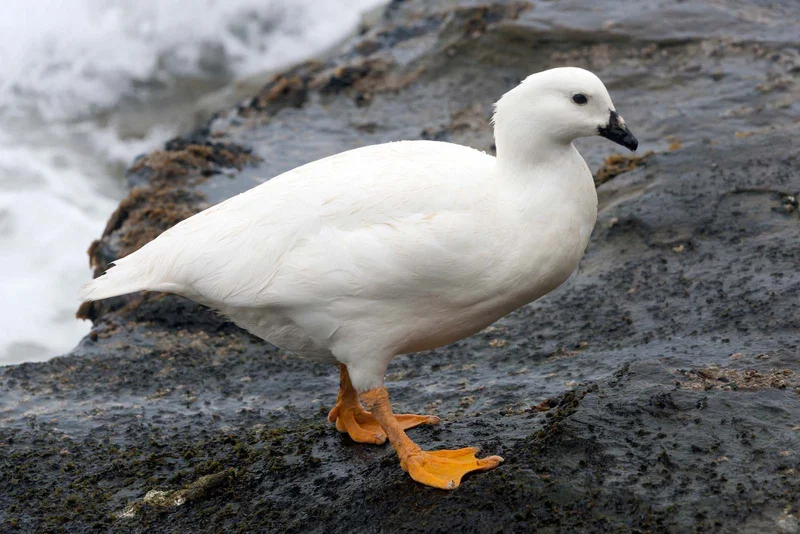
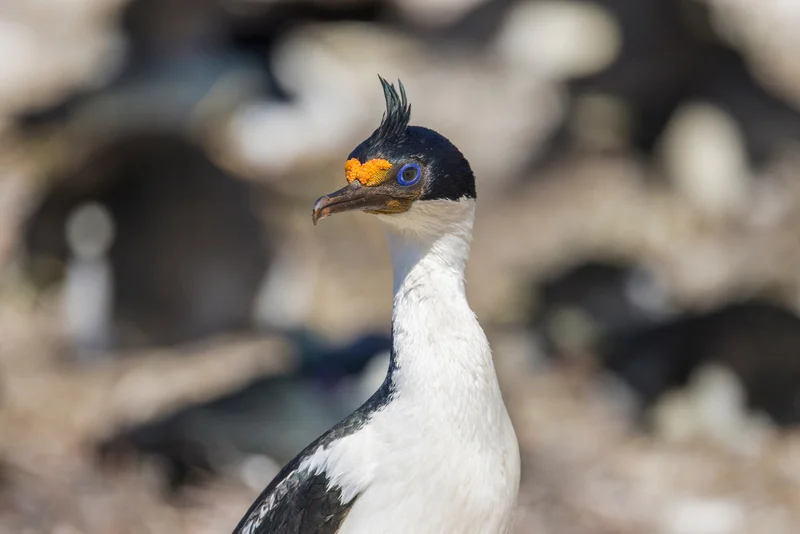
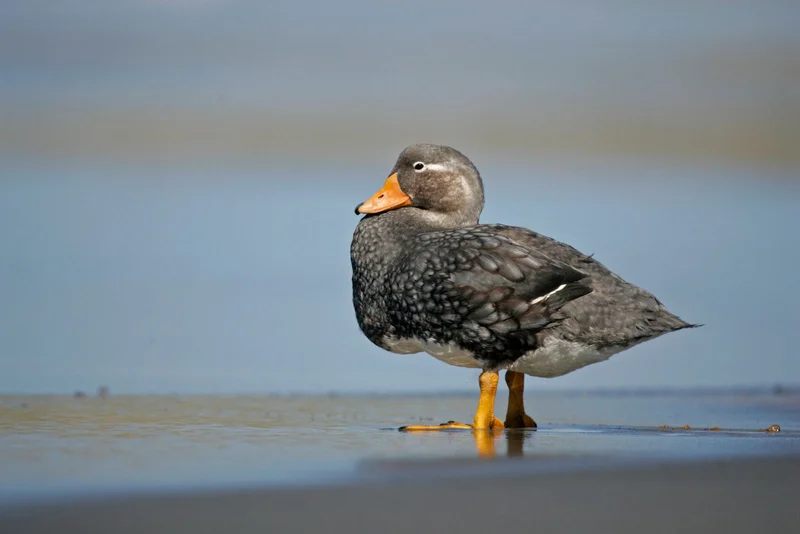
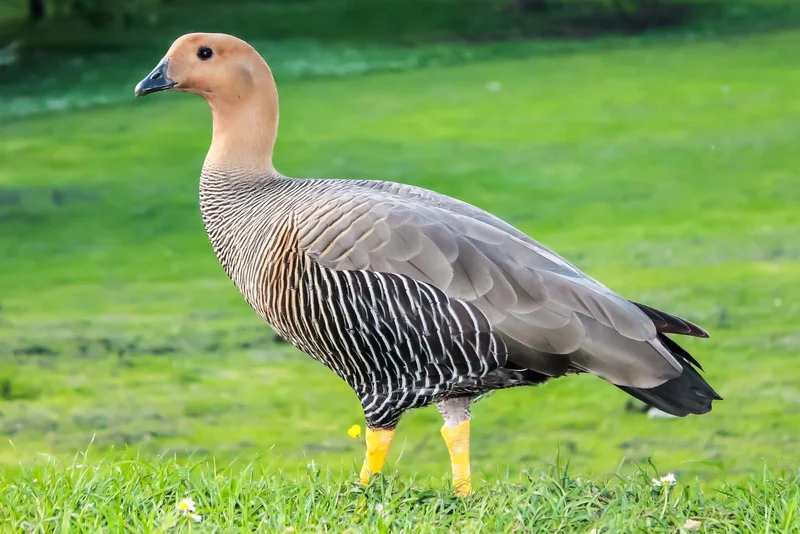
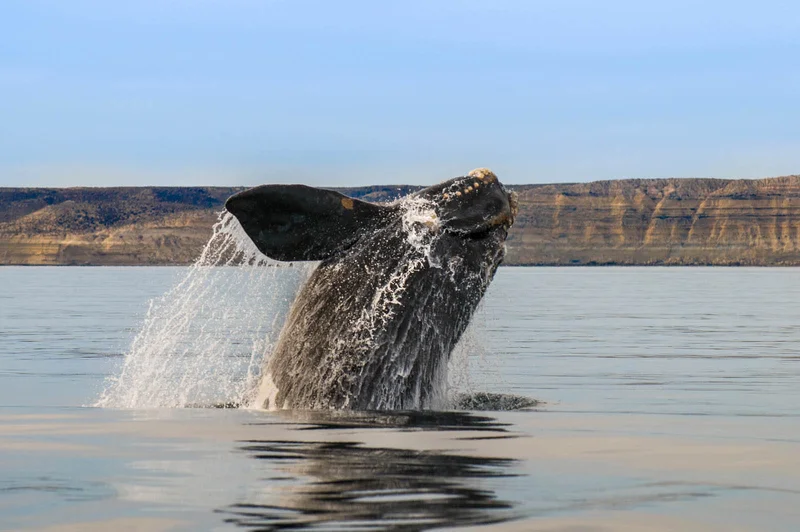
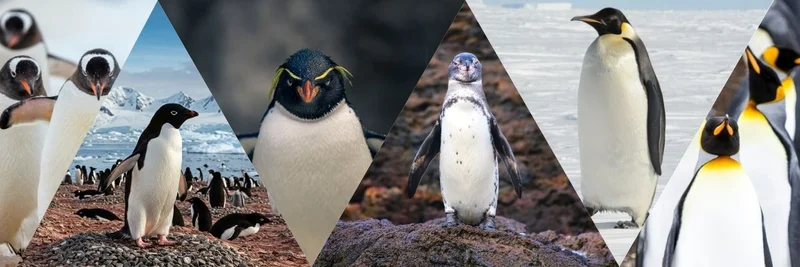
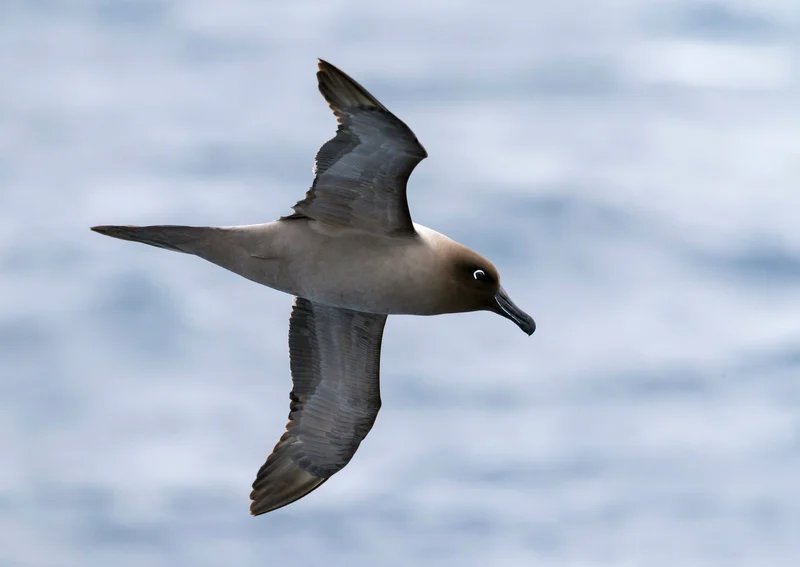
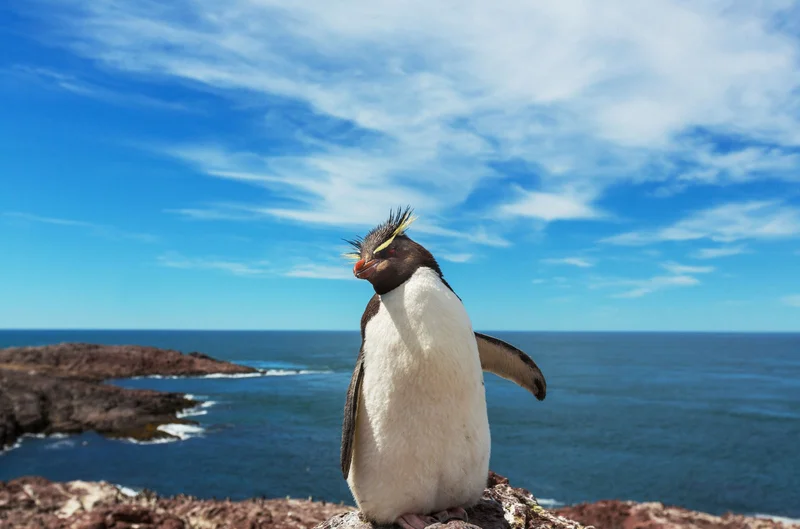
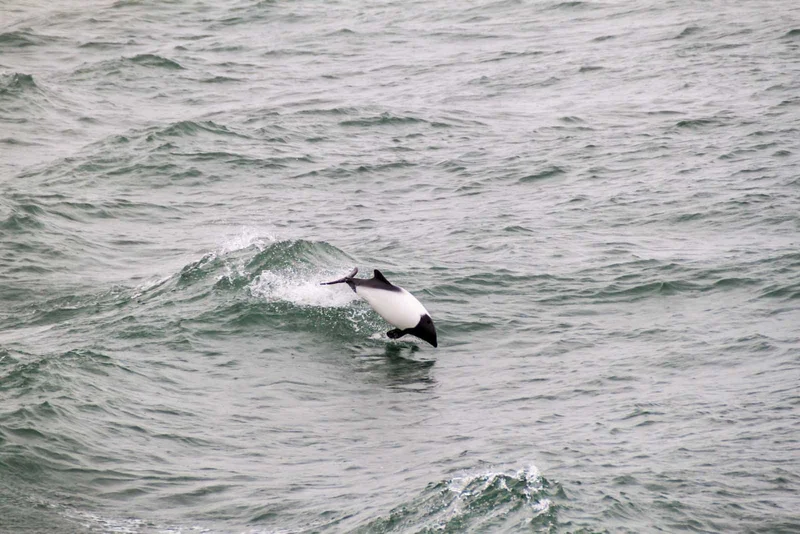
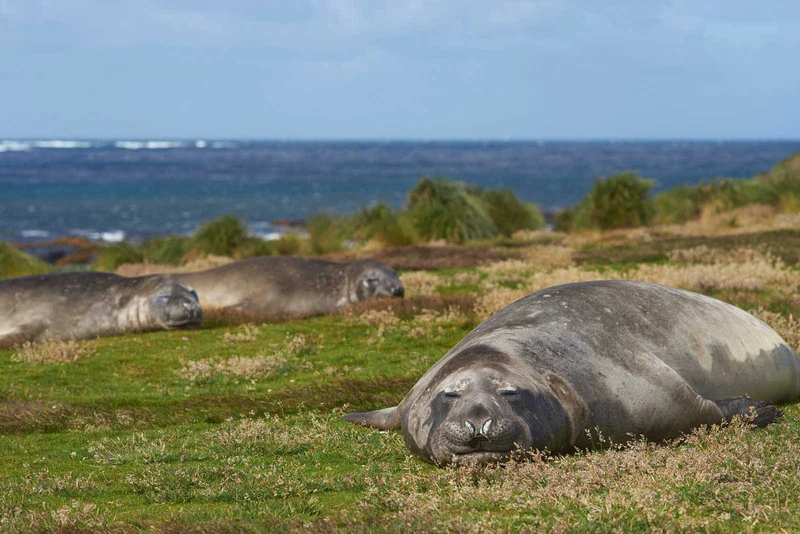
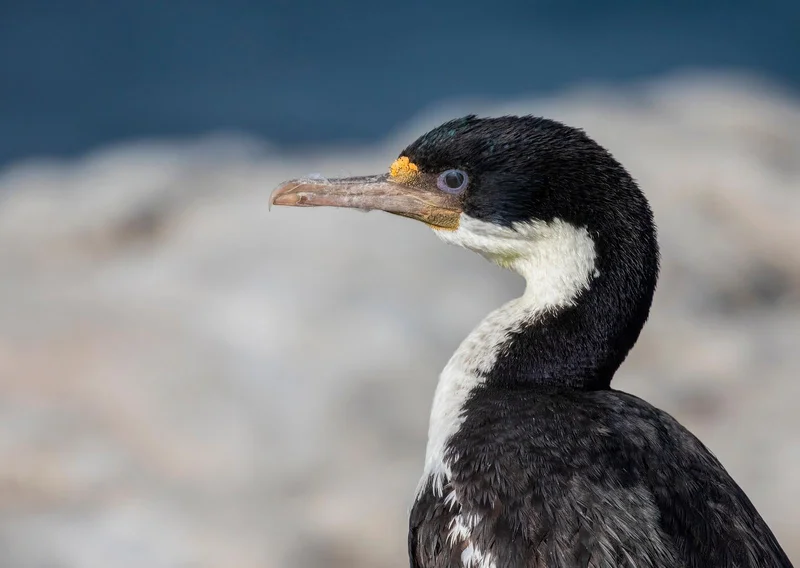
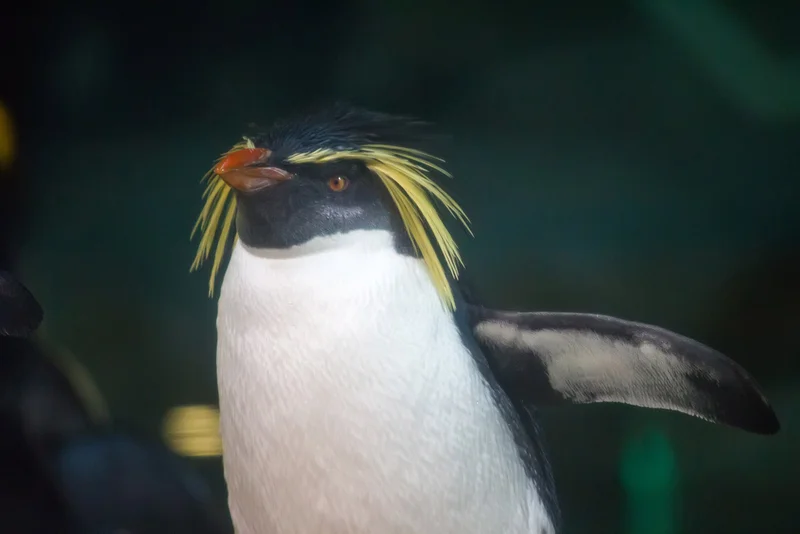
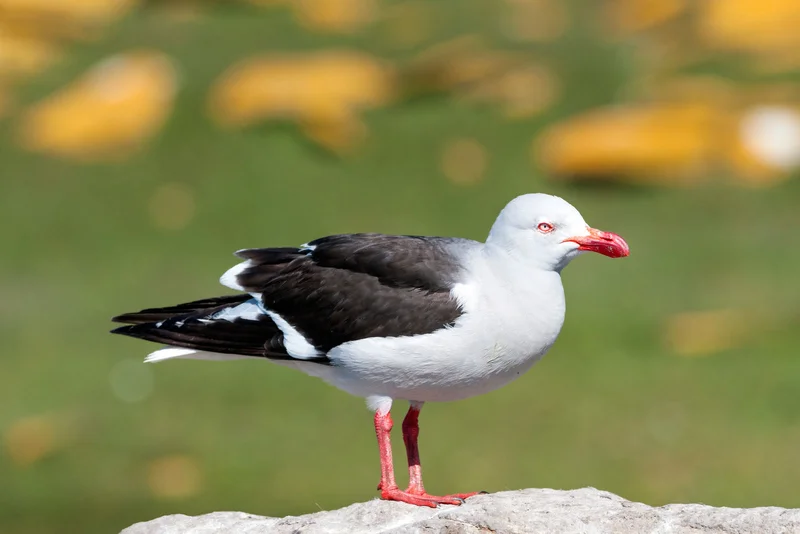
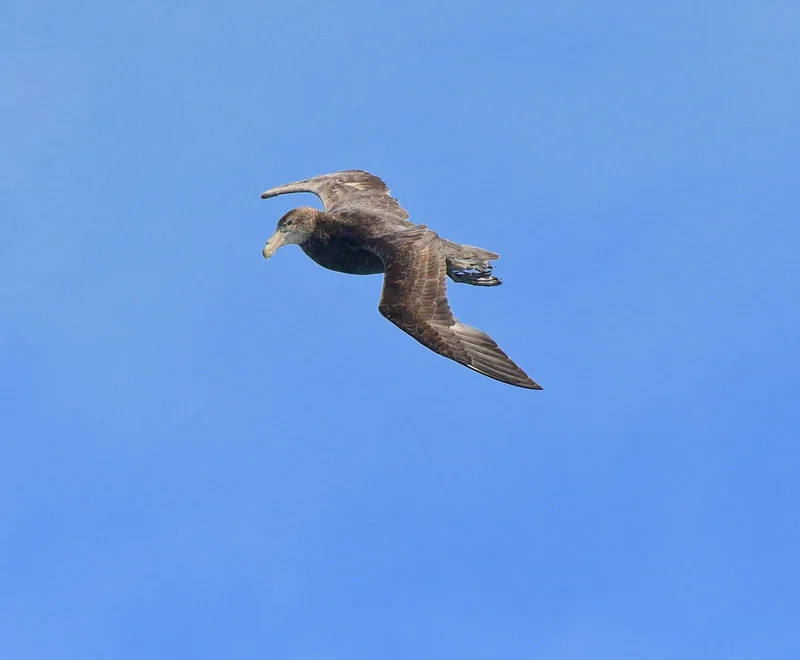
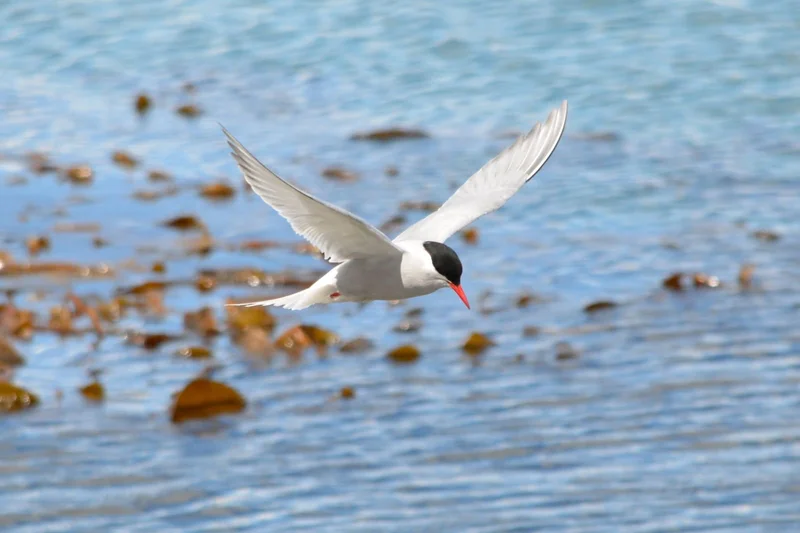
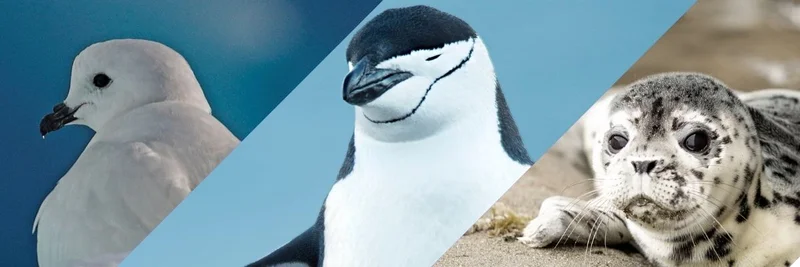
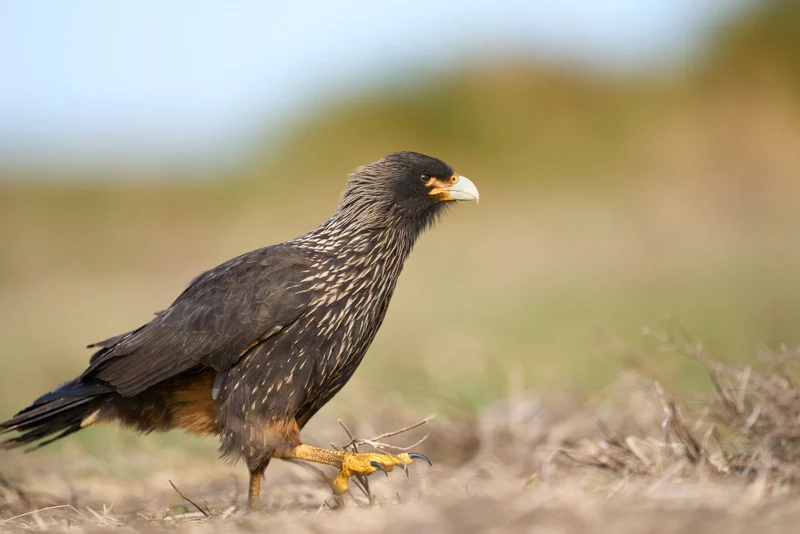
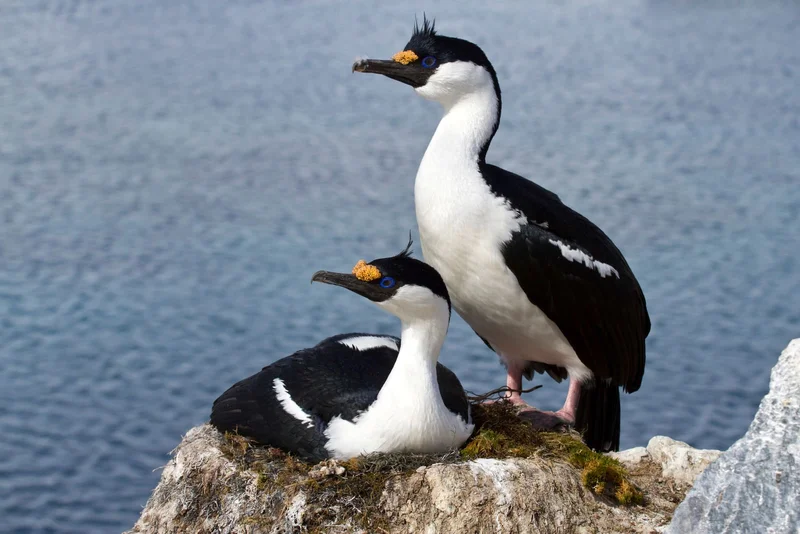
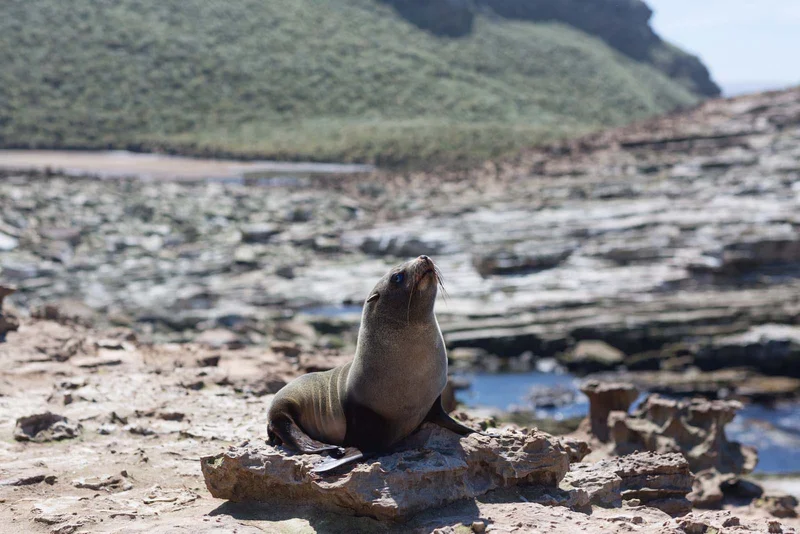
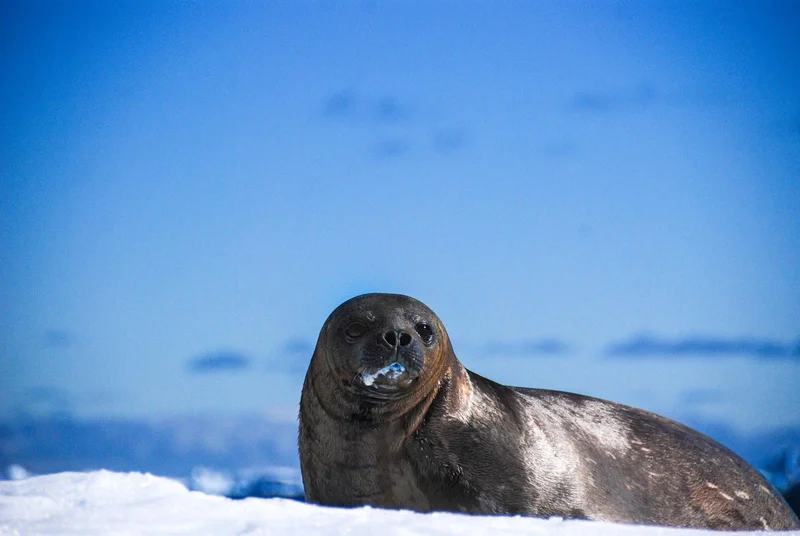
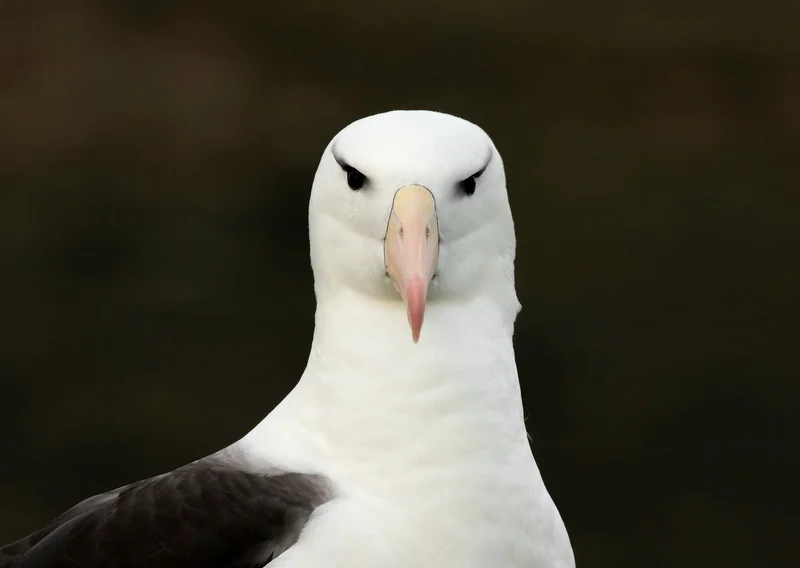
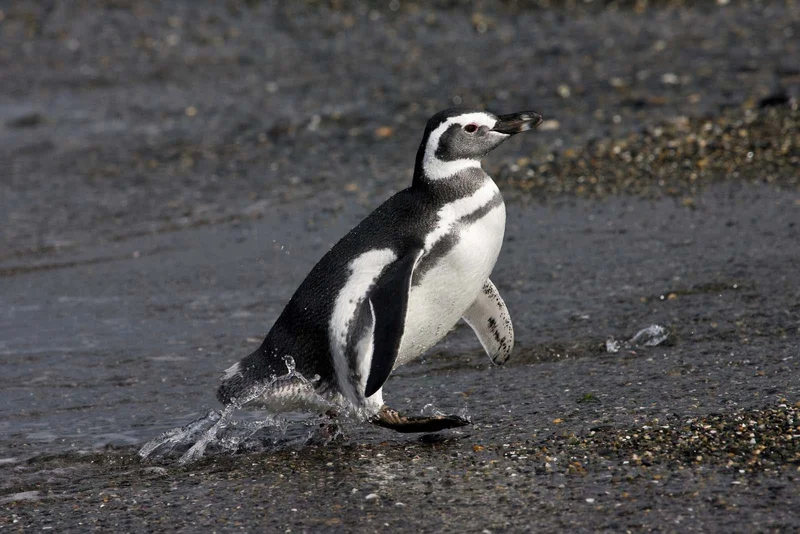
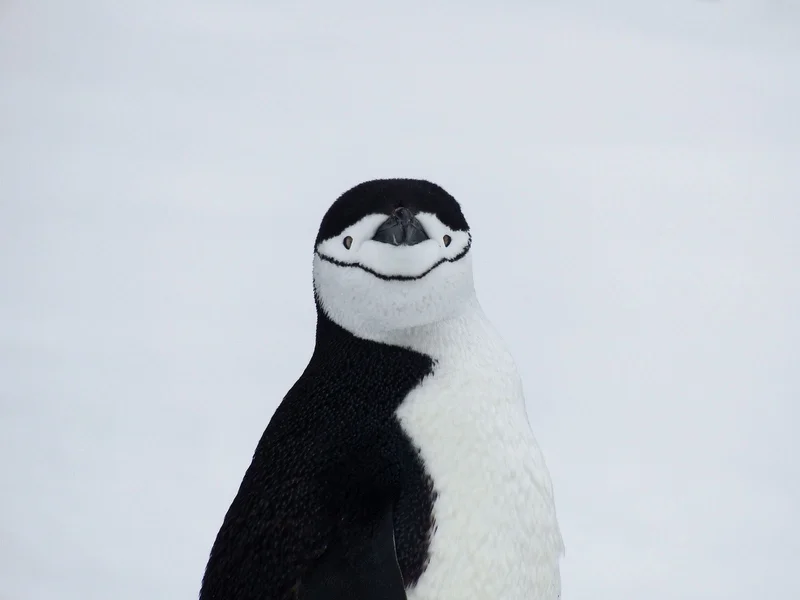
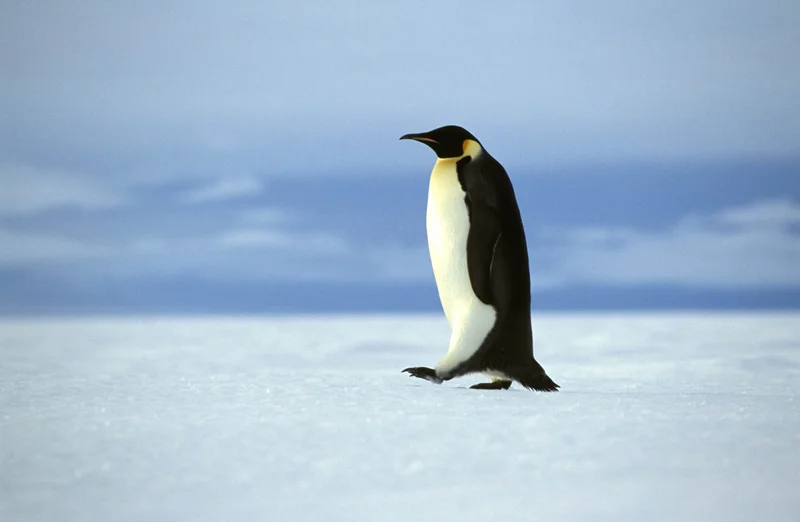
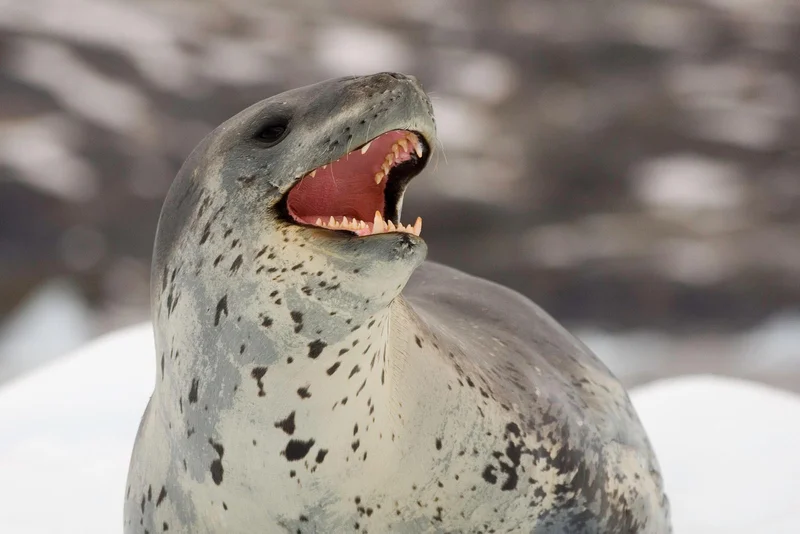
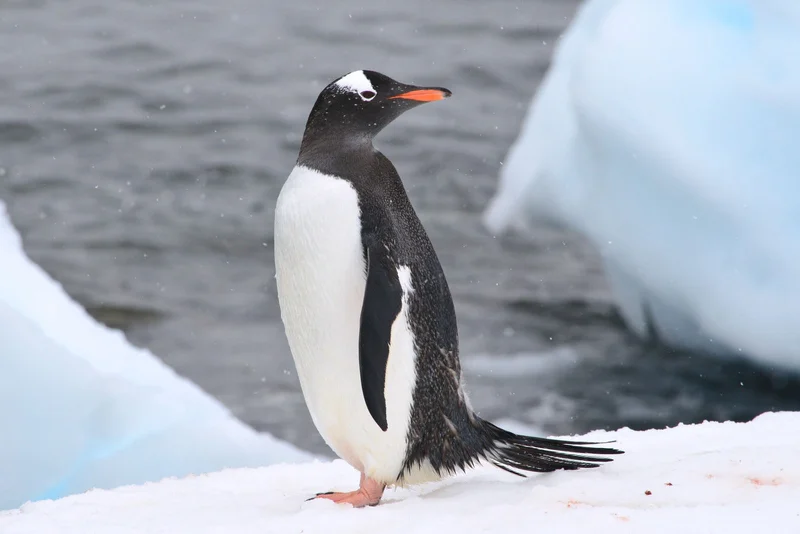
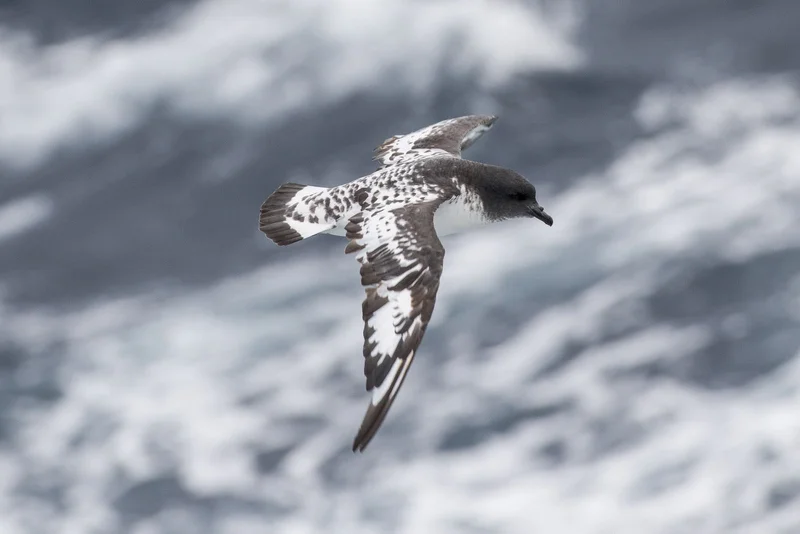
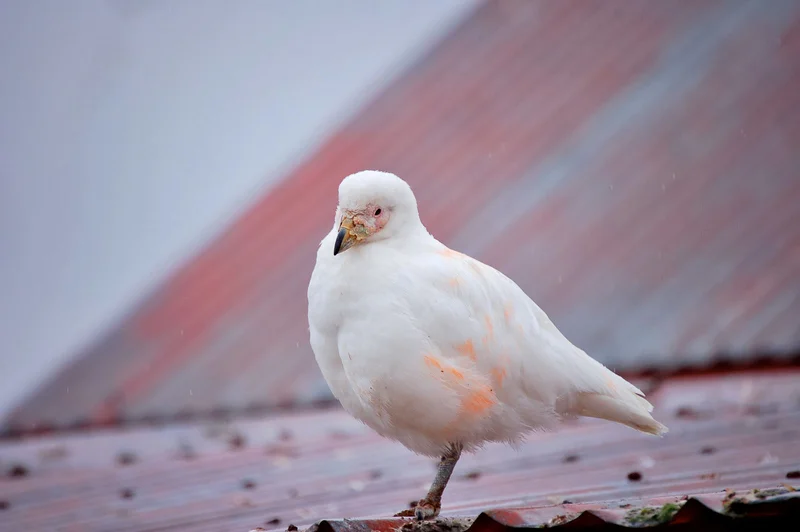
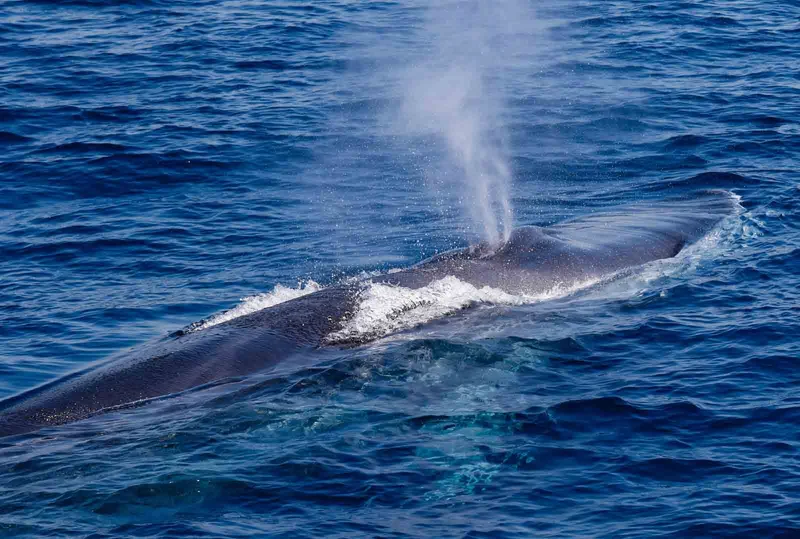
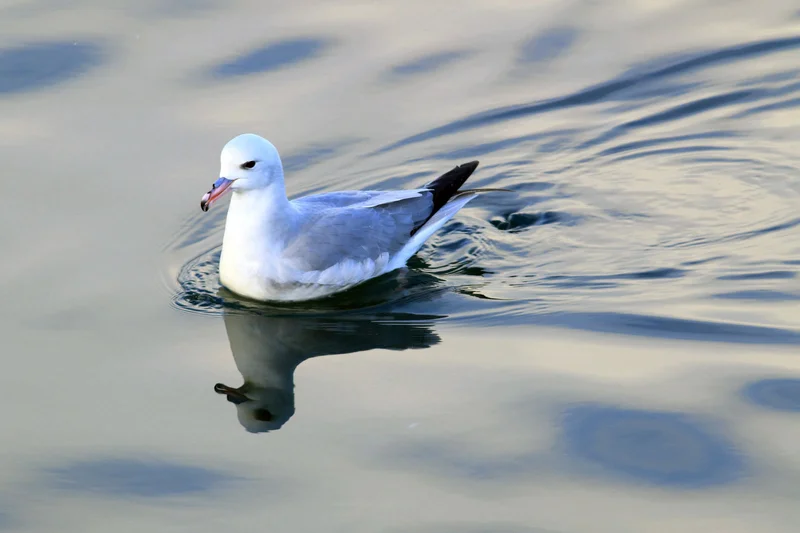
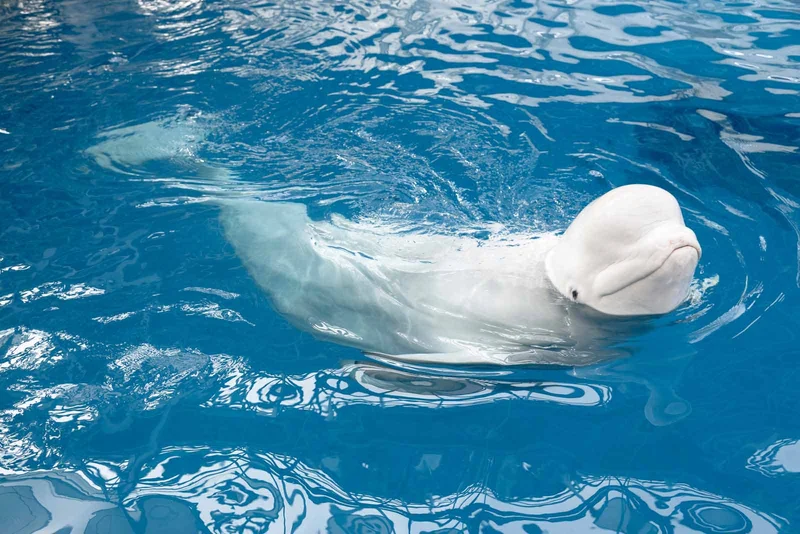
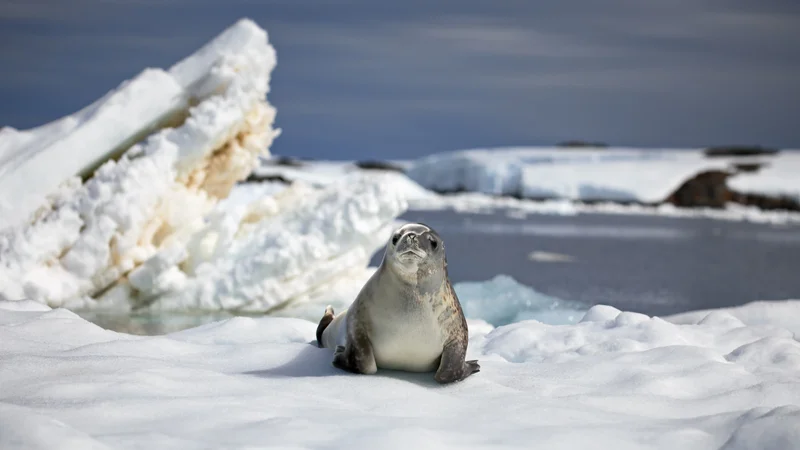
14 Day Antarctica Cruise: East & West Peninsula Expedition
How to Know if a 14-Day Antarctica Cruise Is for You
14 days on an itinerary is on the longer side. Spending more time than usual on the frigid ice is definitely not everyone’s cup of tea.
However, if you’d like to explore Antarctica on a deeper level, a 14-day itinerary might just be the right fit. The extra days mean there’s more time at each landing site and being able to access remote areas on the eastern side that many short voyages don’t visit.
Still weighing your options? A Voyagers specialist can help you work out which itinerary fits your schedule and budget.
FAQs
What does a 14-day Antarctica cruise cover that shorter cruises don't?
This itinerary covers both the east and west sides of the Antarctic Peninsula. Most 10–12 day cruises focus on the western shore, where the most visited sites are. The extra days on this itinerary allow the ship to transit Antarctic Sound and explore the eastern Peninsula, which is a remote, rarely visited stretch of coastline with larger icebergs and fewer expedition vessels.
What ship operates this 14-day Antarctica cruise?
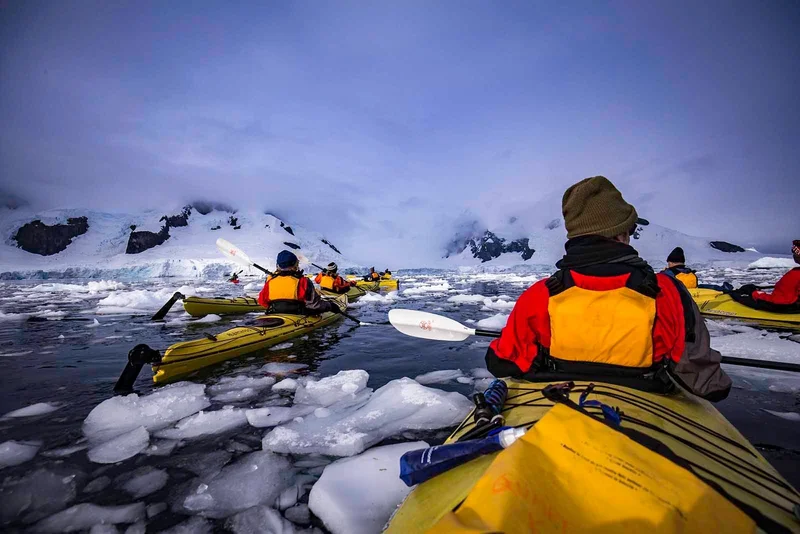
This itinerary operates aboard the Ocean Endeavour, an ice-strengthened expedition vessel with a dedicated onboard expedition team, lecture program, and a range of optional activities including sea kayaking, ice camping, snowshoeing, and photography workshops.
What is the Drake Passage crossing like on a 14-day cruise?
The Drake Passage crossing takes roughly two days each way. Conditions vary depending on the season and weather. The ship's expedition team runs lectures and activities during the crossing, and the deck is one of the best places in the world to spot albatross and other open-ocean seabirds.
What is included in the 14-day Antarctica cruise price?
All meals onboard, shore excursions, Zodiac cruising, use of rubber boots and outer shell jacket, an insulated inner jacket to keep, all port taxes, and access to onboard facilities including the gym, sauna, pool, and yoga classes. Flights, travel insurance, and optional activities are not included.
What is the best time of year for a 14-day Antarctica cruise?
November to early December offers the best chance of seeing penguin courtship and nesting behavior, along with good ice conditions for the eastern Peninsula. January and February bring penguin chicks and more open water. Late February and March offer potential whale sightings as humpbacks and minkes feed before winter.
Plan and Kickstart Your Antarctica Expedition With Us
Why travel with us?
 Over 22 years of experience
%20--%3e%3csvg%20version='1.1'%20id='Layer_1'%20xmlns='http://www.w3.org/2000/svg'%20xmlns:xlink='http://www.w3.org/1999/xlink'%20x='0px'%20y='0px'%20viewBox='0%200%20512%20512'%20style='enable-background:new%200%200%20512%20512;'%20xml:space='preserve'%3e%3cg%3e%3cg%3e%3cpath%20d='M424.18,200.763c-1.558,0-3.124,0.043-4.685,0.125c-20.129-42.954-56.688-76.736-101.546-93.182V64%20c0-34.157-27.79-61.947-61.947-61.947c-34.157,0-61.947,27.79-61.947,61.947v43.707c-44.86,16.447-81.419,50.231-101.548,93.186%20c-1.56-0.083-3.125-0.129-4.685-0.129C39.396,200.763,0,240.16,0,288.583c0,5.633,4.566,10.199,10.199,10.199h66.648%20c4.678,39.071,21.888,74.34,47.486,101.669c-9.018,15.386-13.176,33.319-11.773,51.284c1.626,20.824,10.666,40.436,25.454,55.225%20c1.992,1.992,4.602,2.987,7.212,2.987s5.221-0.995,7.212-2.987l55.753-55.753c15.234,4.19,31.263,6.441,47.809,6.441%20c17.145,0,33.738-2.405,49.461-6.893l56.205,56.205c1.992,1.992,4.602,2.987,7.212,2.987c2.61,0,5.221-0.995,7.212-2.987%20c14.789-14.789,23.828-34.403,25.454-55.229c1.444-18.5-3.024-36.957-12.609-52.643c24.899-27.134,41.617-61.883,46.218-100.306%20h66.649c5.633,0,10.199-4.566,10.199-10.199C512,240.16,472.604,200.763,424.18,200.763z%20M75.551,277.199%20c0,0.397,0.012,0.789,0.015,1.185H21.168c4.765-31.266,31.086-55.537,63.273-57.134C78.68,238.873,75.551,257.677,75.551,277.199z%20M214.452,64c0-22.909,18.638-41.549,41.548-41.549S297.549,41.09,297.549,64v37.587c-13.345-3.157-27.253-4.835-41.549-4.835%20c-14.295,0-28.204,1.679-41.548,4.835V64z%20M120.411,362.142c-15.487-24.634-24.462-53.757-24.462-84.942%20c0.001-31.989,9.439-61.81,25.669-86.84l22.637,22.637c1.992,1.992,4.602,2.987,7.212,2.987s5.221-0.995,7.212-2.987%20c3.983-3.983,3.983-10.441,0-14.425l-24.755-24.756c29.381-34.641,73.201-56.669,122.075-56.669%20c48.875,0,92.694,22.028,122.075,56.669l-42.909,42.909l-68.966-39.817v-11.484c0-5.633-4.566-10.199-10.199-10.199%20c-5.633,0-10.199,4.566-10.199,10.199v11.484l-76.655,44.257c-3.156,1.822-5.1,5.188-5.1,8.833v88.508L120.411,362.142z%20M145.763,484.786c-15.009-20.324-17.359-47.248-6.136-69.797c14.036,11.873,29.899,21.646,47.107,28.826L145.763,484.786z%20M246.835,436.98c-45.946-2.606-86.773-24.675-114.332-58.082l42.362-42.362l71.97,41.552V436.98z%20M184.444,318.512v-82.625%20L256,194.574l71.556,41.313v82.625L256,359.825L184.444,318.512z%20M267.234,436.849v-59.957l69.244-39.979l42.545,42.545%20C351.888,412.049,312.077,433.724,267.234,436.849z%20M368.341,484.788l-41.594-41.594c17.233-7.373,33.095-17.35,47.087-29.439%20C385.773,436.55,383.627,464.09,368.341,484.788z%20M391.19,362.777l-43.236-43.236v-86.753l42.428-42.428%20c16.23,25.029,25.668,54.851,25.668,86.839C416.05,308.652,406.925,338.011,391.19,362.777z%20M436.434,278.384%20c0.003-0.396,0.015-0.789,0.015-1.185c0-19.522-3.129-38.326-8.891-55.949c32.187,1.597,58.508,25.869,63.273,57.134H436.434z'/%3e%3c/g%3e%3c/g%3e%3cg%3e%3cg%3e%3cpath%20d='M256,125.212c-5.633,0-10.199,4.566-10.199,10.199v2.07c0,5.633,4.566,10.199,10.199,10.199%20c5.633,0,10.199-4.566,10.199-10.199v-2.07C266.199,129.778,261.633,125.212,256,125.212z'/%3e%3c/g%3e%3c/g%3e%3cg%3e%3c/g%3e%3cg%3e%3c/g%3e%3cg%3e%3c/g%3e%3cg%3e%3c/g%3e%3cg%3e%3c/g%3e%3cg%3e%3c/g%3e%3cg%3e%3c/g%3e%3cg%3e%3c/g%3e%3cg%3e%3c/g%3e%3cg%3e%3c/g%3e%3cg%3e%3c/g%3e%3cg%3e%3c/g%3e%3cg%3e%3c/g%3e%3cg%3e%3c/g%3e%3cg%3e%3c/g%3e%3c/svg%3e "South America & Antarctica Specialists") South America & Antarctica Specialists
South America & Antarctica Specialists Set and Tailor-made packages
 The best last-minute cruise deals
%20--%3e%3csvg%20version='1.1'%20id='Capa_1'%20xmlns='http://www.w3.org/2000/svg'%20xmlns:xlink='http://www.w3.org/1999/xlink'%20x='0px'%20y='0px'%20viewBox='0%200%20489.679%20489.679'%20style='enable-background:new%200%200%20489.679%20489.679;'%20xml:space='preserve'%3e%3cg%3e%3cg%3e%3cg%3e%3cpath%20d='M487.768,218.844c-14.5-134.2-135.2-232-269.4-217.4c-72.9,8.3-137.4,47.8-179,109.2c-6.2,9.4-3.1,21.8,6.2,28.1%20s21.8,3.1,28.1-6.2c34.3-51,88.4-84.3,148.8-90.5c112.4-11.5,213.3,69.6,224.7,182c11.4,111.3-69.7,212.2-181,223.7%20c-74.7,7.9-147.5-26-189.5-86.8l39.7,8.7c10.4,2.1,21.8-4.2,23.9-15.6c2.1-10.4-4.2-21.8-15.6-23.9l-81.1-17.7%20c-17.3-2.2-23.9,10.4-25,15.6l-17.7,82.2c-2.1,10.4,4.2,21.8,15.6,23.9c13.6,1.1,21.8-7.3,25-16.6l6-27.1%20c89.3,115.2,214.6,98.9,222.9,97.9C404.568,473.744,502.368,353.044,487.768,218.844z'/%3e%3c/g%3e%3cg%3e%3cpath%20d='M171.168,268.944h-38l30.6-31.1c0.4-0.4,0.8-0.8,1.1-1.3c5.7-7.5,8.8-16.5,8.8-26c0-23.7-19.3-43-43-43s-43,19.3-43,43%20c0,7.4,6,13.4,13.4,13.4s13.4-6,13.4-13.4c0-8.9,7.2-16.1,16.1-16.1c8.9,0,16.1,7.2,16.1,16.1c0,3.3-1,6.5-2.9,9.2l-52.4,53.3%20c-3.8,3.9-4.9,9.6-2.8,14.6s7,8.2,12.4,8.2h70.1c7.4,0,13.4-6,13.4-13.4S178.568,268.944,171.168,268.944z'/%3e%3cpath%20d='M271.668,240.144h-6.1v-59.2c0-5.7-3.5-10.7-8.9-12.6c-5.3-1.9-11.3-0.3-14.9,4l-60.4,72.6c-3.3,4-4,9.6-1.8,14.3%20c2.2,4.7,6.9,7.7,12.2,7.7h47v15.4c0,7.4,6,13.4,13.4,13.4c7.4,0,13.4-6,13.4-13.4v-15.4h6.1c7.4,0,13.4-6,13.4-13.4%20C285.068,246.144,279.068,240.144,271.668,240.144z%20M238.668,240.144h-18.4l18.4-22.1V240.144z'/%3e%3cpath%20d='M344.068,212.044c-6.6,0-12.9,1.4-18.5,4v-35.1c0-7.4-6-13.4-13.4-13.4s-13.4,6-13.4,13.4v101.4c0,7.4,6,13.4,13.4,13.4%20s13.4-6,13.4-13.4v-24.9c0-10.2,8.3-18.5,18.5-18.5s18.5,8.3,18.5,18.5v24.9c0,7.4,6,13.4,13.4,13.4s13.4-6,13.4-13.4v-24.9%20C389.468,232.444,369.068,212.044,344.068,212.044z'/%3e%3c/g%3e%3c/g%3e%3c/g%3e%3cg%3e%3c/g%3e%3cg%3e%3c/g%3e%3cg%3e%3c/g%3e%3cg%3e%3c/g%3e%3cg%3e%3c/g%3e%3cg%3e%3c/g%3e%3cg%3e%3c/g%3e%3cg%3e%3c/g%3e%3cg%3e%3c/g%3e%3cg%3e%3c/g%3e%3cg%3e%3c/g%3e%3cg%3e%3c/g%3e%3cg%3e%3c/g%3e%3cg%3e%3c/g%3e%3cg%3e%3c/g%3e%3c/svg%3e "Galapagos trips") 24/7 Customer service during your trip
24/7 Customer service during your trip Multi-Destination packages
Would you like to know why booking with us is the best choice?
Discover the BenefitsSimilar Itineraries