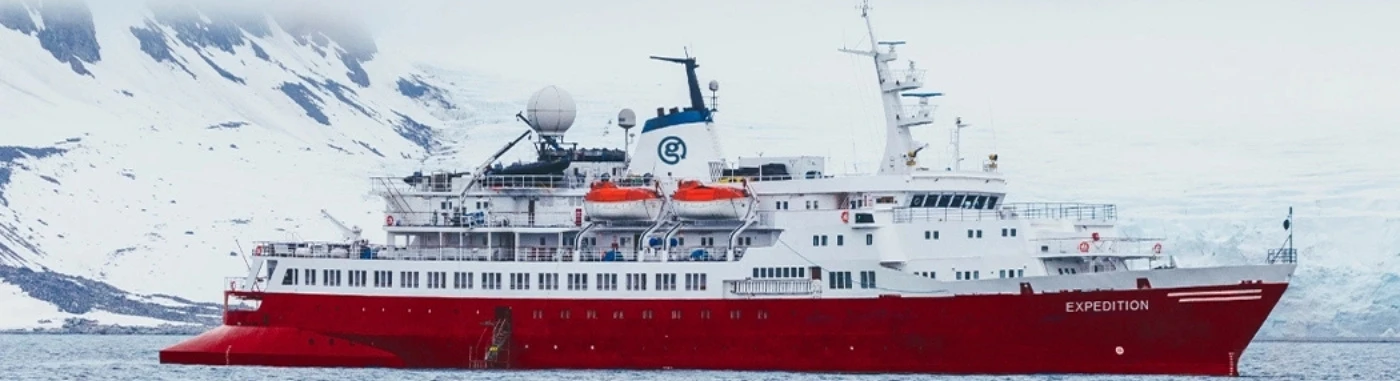
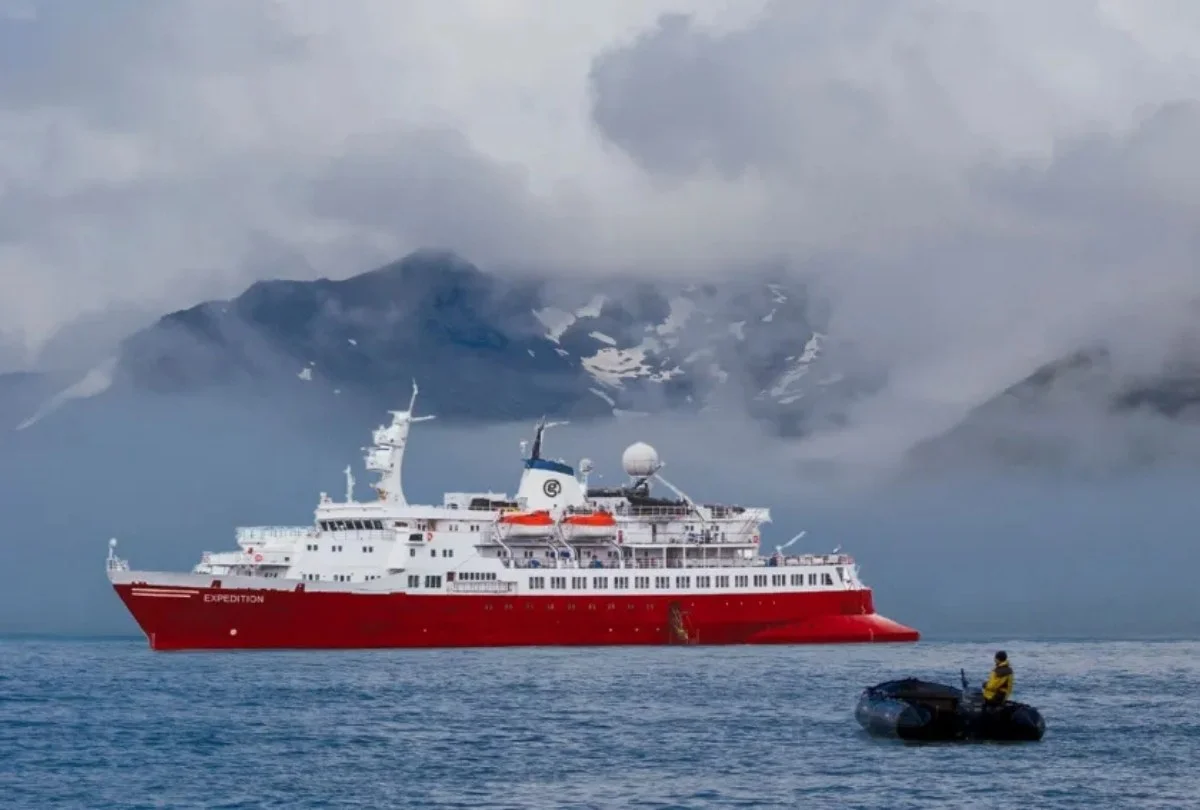
Discover immense penguin colonies and thriving seal habitats on this unforgettable journey to Antarctica, South Georgia, and the Falkland Islands. Over 21 days, you’ll follow in the footsteps of Ernest Shackleton and learn about his extraordinary expeditions across the frozen south. The route includes historic sites linked to early explorers and a visit to Shackleton’s final resting place in wildlife-rich South Georgia. From towering ice landscapes to untouched horizons, Antarctica is a place that defies imagination—perfect for those seeking a genuine adventure to the most remote wilderness on Earth.
21 Day Antarctica Itinerary
Day 1: The End of the World Ushuaia
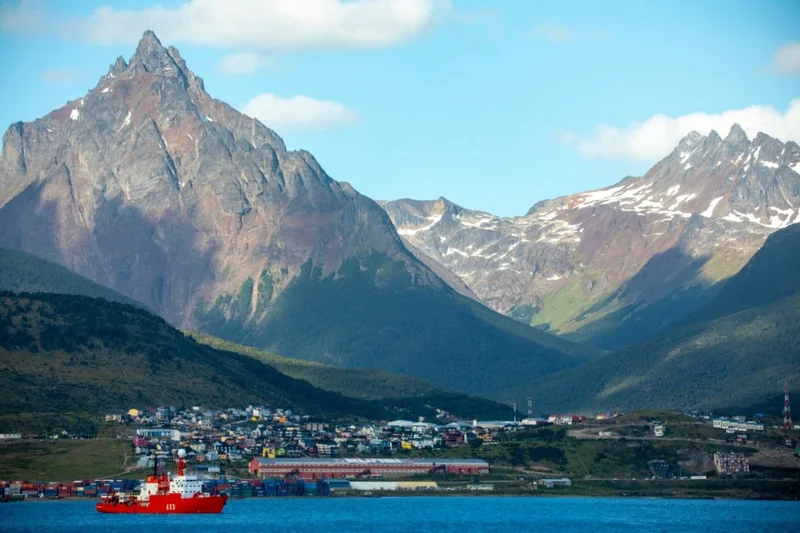
Your journey begins in Ushuaia, Argentina, often called the “End of the World” due to its position at the southernmost tip of South America. Upon arrival, you will have time to absorb the unique atmosphere of this remote city, surrounded by the snow-dusted Martial Mountains and the cold waters of the Beagle Channel. Ushuaia has a rich maritime and explorer history, which can be felt in its small museums, waterfront promenades, and bustling port. This day is ideal for strolling through town, enjoying Patagonian cuisine, or simply relaxing and preparing mentally for the extraordinary adventure ahead. The crisp southern air and long daylight hours create a sense of anticipation as you stand on the threshold of one of the world’s last true wilderness journeys.
Day 2: Ushuaia and the Beagle Channel: Embarkation Day
The morning is free to further explore Ushuaia at your own pace. Many travelers choose to wander through local markets, visit cultural sites, or admire the surrounding landscapes that blend forests, mountains, and sea. In the afternoon, you make your way to the port for embarkation. As the ship departs, it sails through the historic Beagle Channel, a waterway named after Charles Darwin’s famous expedition vessel. This scenic passage is lined with rugged coastlines and small islands, often home to seabirds and marine life. As evening approaches, you settle into life on board, begin meeting fellow travelers, and watch the lights of Ushuaia fade into the distance, signaling the true start of your polar expedition.
Day 3-4: Drake Passage: Crossing into the Antarctic Realm
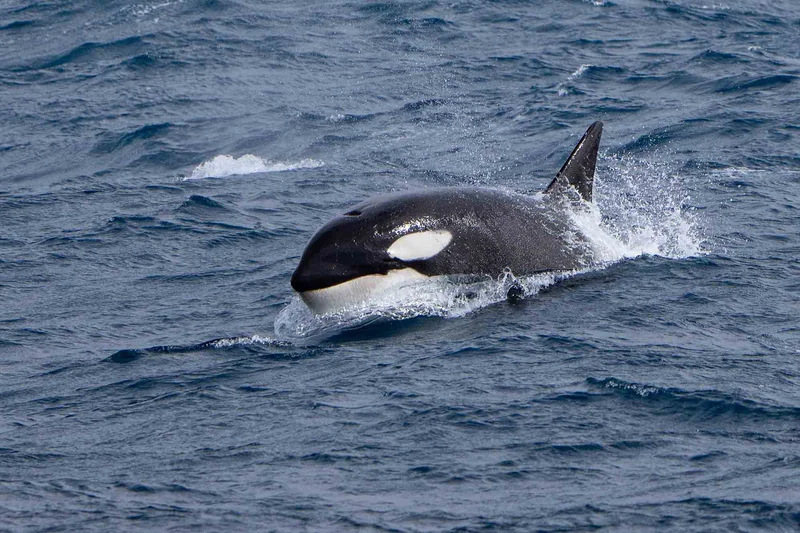
Over the next two days, the ship navigates the legendary Drake Passage, a roughly 1,000-kilometer stretch of ocean separating South America from Antarctica. Known for its powerful winds and rolling seas, this passage has challenged explorers for centuries. During the crossing, you become familiar with the ship’s facilities and daily routines, spending time in shared spaces such as lounges and lecture halls. Educational sessions introduce the geography, wildlife, and human history of Antarctica, enriching your understanding of the region you are approaching. Keep watch on deck for seabirds like albatross gliding effortlessly above the waves, as well as the first sightings of icebergs and whales, which often signal that Antarctica is drawing near.
Day 5-7: South Shetland Islands and Antarctic Peninsula: The White Continent
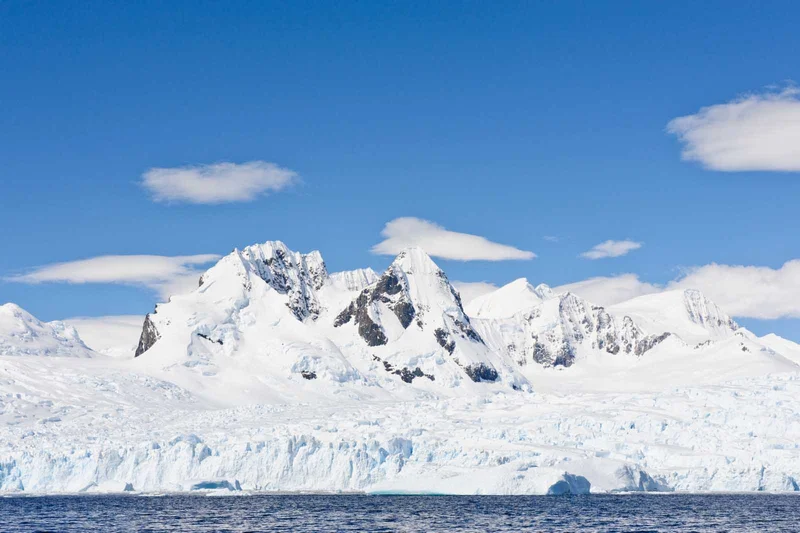
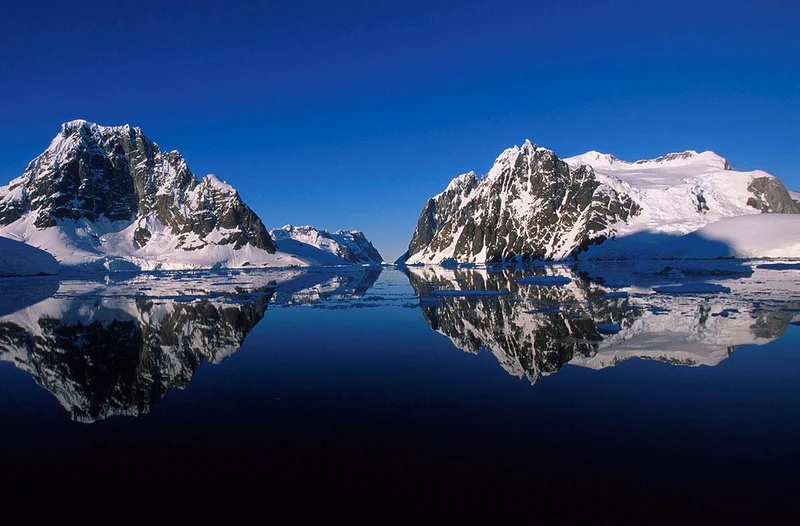
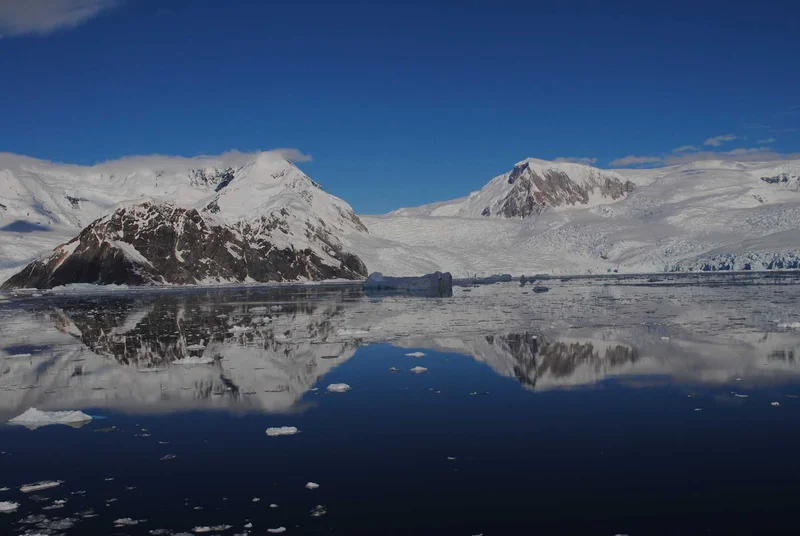
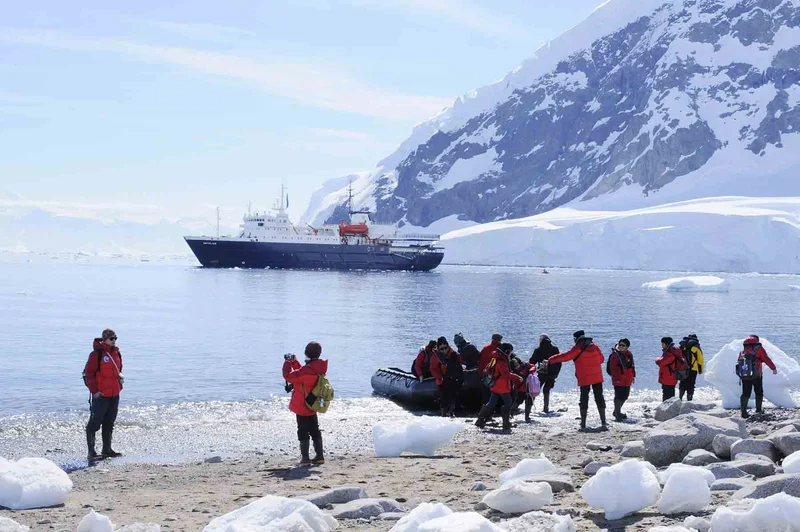
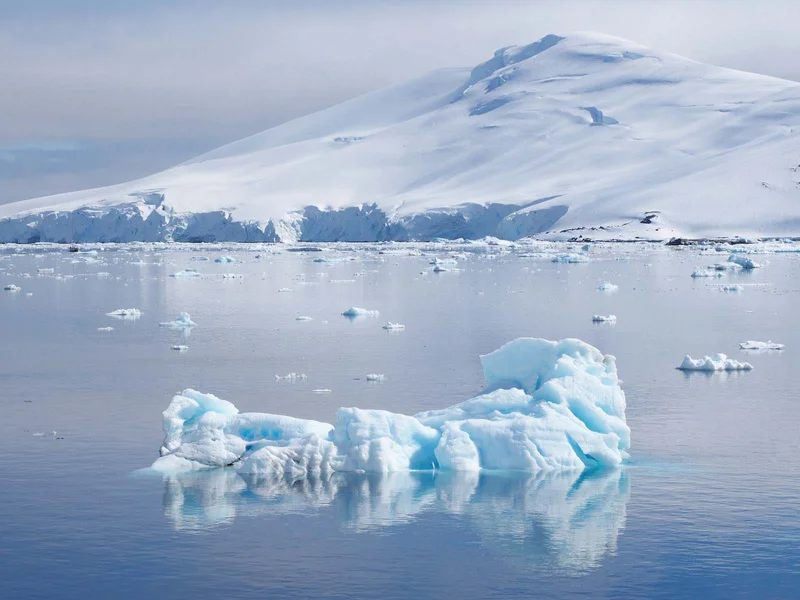
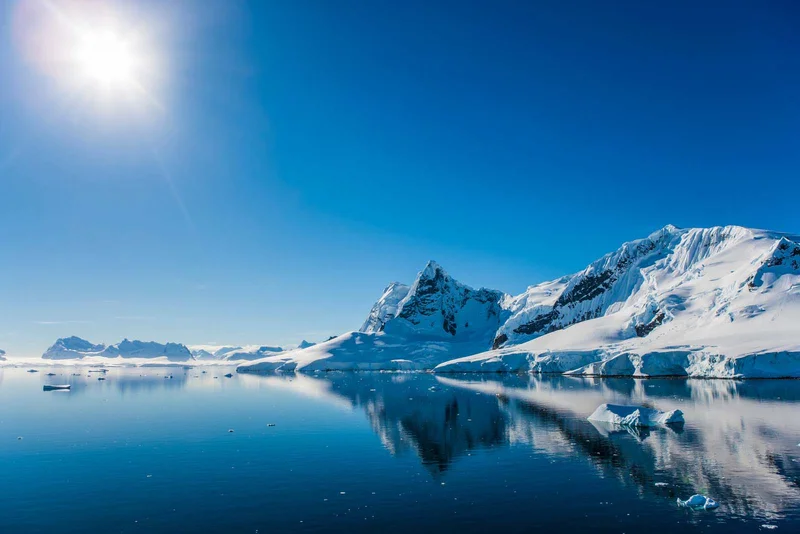
These days are dedicated to exploring the South Shetland Islands and the Antarctic Peninsula, one of the most biologically rich regions of Antarctica. Weather and ice conditions guide daily activities, but the goal is to make frequent shore landings that allow you to step onto the Antarctic continent itself. The landscape is defined by towering glaciers, jagged mountains, and vast expanses of ice, creating a surreal and humbling environment. Wildlife encounters are a central highlight, with opportunities to observe penguin colonies, seals resting on ice floes, and whales feeding in icy waters. Between landings, time is spent cruising through ice-filled channels, listening to talks on Antarctic exploration history, and absorbing the profound silence and scale of this remote world.
Day 8-9 : Southern Ocean / South Georgia: Preparing for Landings
Spend two days at sea en route to South Georgia. Participate in lectures on the island’s ecology and history while keeping watch for whales and seabirds from the deck. These days offer time to appreciate the vastness of the Southern Ocean, prepare for upcoming landings, and enjoy the camaraderie of fellow explorers. The endless horizon and dramatic ocean scenery provide a prelude to the rich wildlife encounters awaiting in South Georgia.
Day 10-11: Antarctic Peninsula to the Scotia Sea: In the Wake of Explorers
Leaving the Antarctic Peninsula, the ship enters the Scotia Sea, retracing parts of the historic route taken by legendary explorer Ernest Shackleton. These two days at sea offer a chance to reflect on the Antarctic experience while continuing to encounter rich marine life. The nutrient-dense waters support a complex ecosystem, making whale sightings increasingly common. Long daylight hours illuminate vast seascapes, and educational lectures delve into polar survival stories, oceanography, and wildlife behavior. This segment of the journey bridges Antarctica with the subantarctic islands ahead, maintaining a strong sense of exploration as you follow paths once taken by some of history’s most daring adventurers.
Day 12-15: South Georgia: Wildlife and Polar History
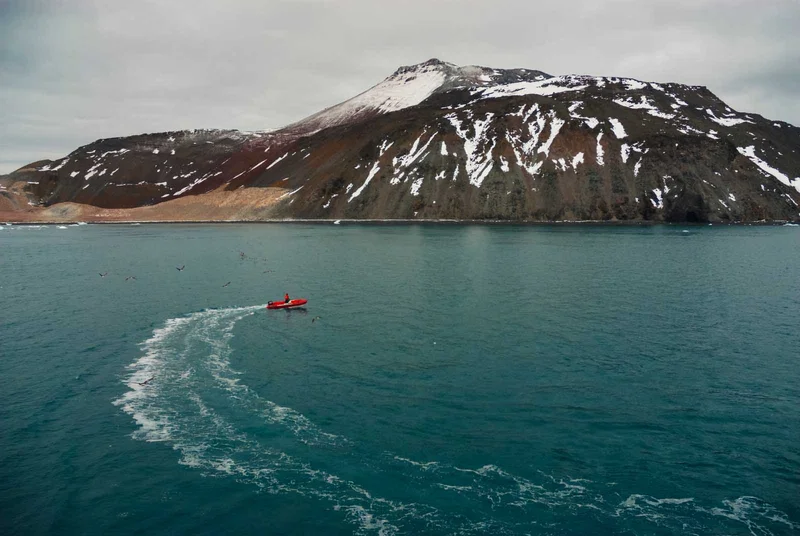
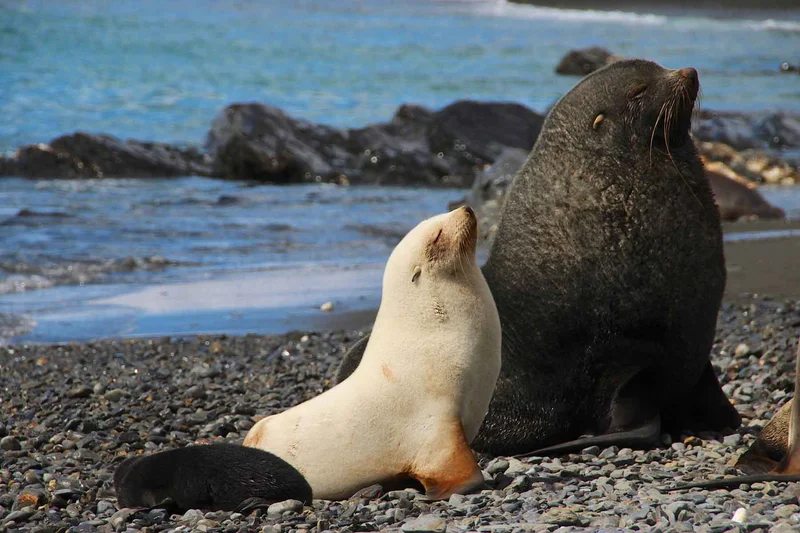
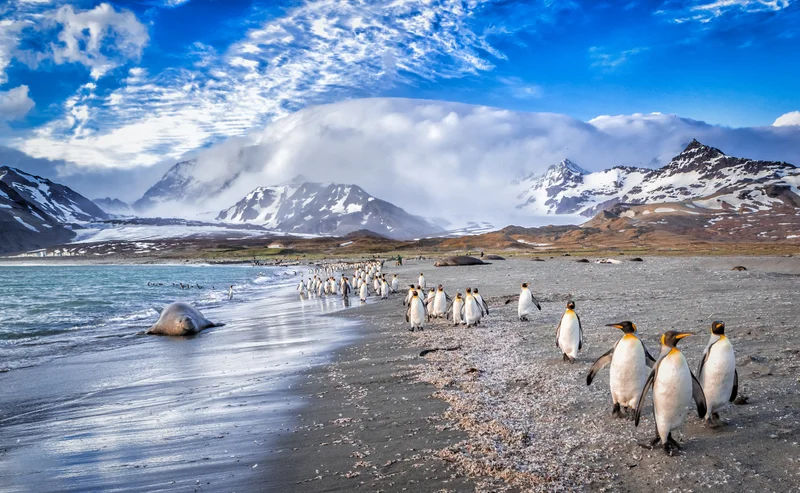
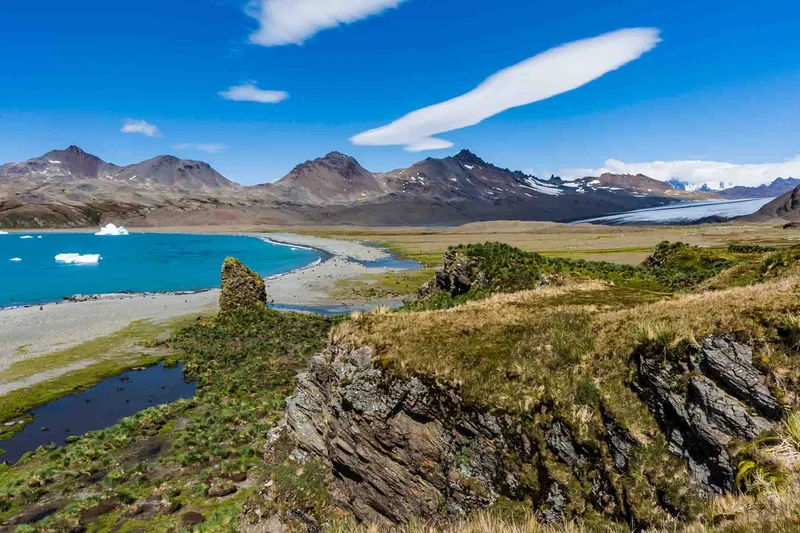
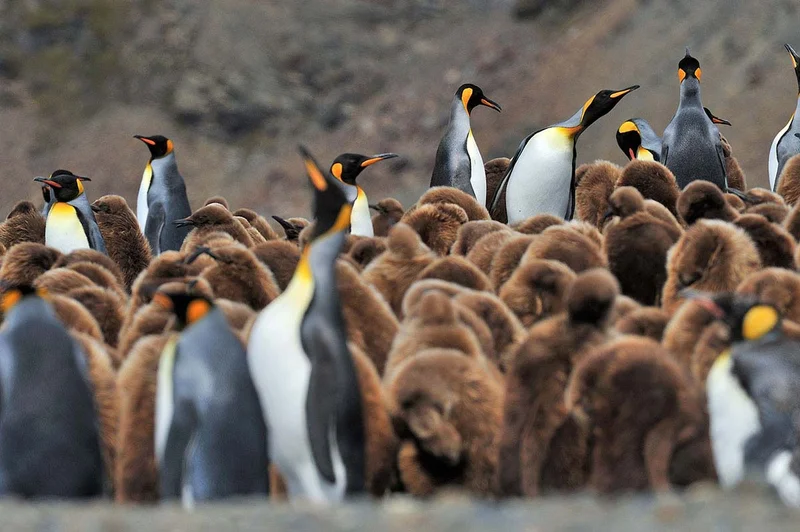
South Georgia is a dramatic island of towering mountains, glaciers, and teeming wildlife. Over several days, weather permitting, you explore this extraordinary place, known for its deep connection to the Heroic Age of Antarctic exploration. The island is home to vast colonies of king penguins, whose numbers and constant motion create an unforgettable spectacle. Fur seals, elephant seals, and numerous seabird species are also abundant. South Georgia’s history is equally compelling, with sites linked to early exploration and the final resting place of Ernest Shackleton. Each day combines wildlife observation with storytelling that brings the island’s past to life, making this one of the most emotionally powerful segments of the voyage.
Day 16-17: South Georgia to the Southern Ocean: Westward Across Open Seas
As the ship departs South Georgia, it sails westward across the Southern Ocean toward the Falkland Islands. These days at sea are marked by a rhythm of observation, learning, and relaxation. Lectures and briefings provide context for upcoming landings while expanding on the natural systems of the Southern Ocean. The waters here are known for frequent whale activity, and time on deck often rewards travelers with sightings of these majestic animals. The vastness of the ocean reinforces the remoteness of the journey, offering moments of quiet reflection as you continue through one of the planet’s least-traveled maritime regions.
Day 18-19 : Falkland Islands (Islas Malvinas): Remote Island Life
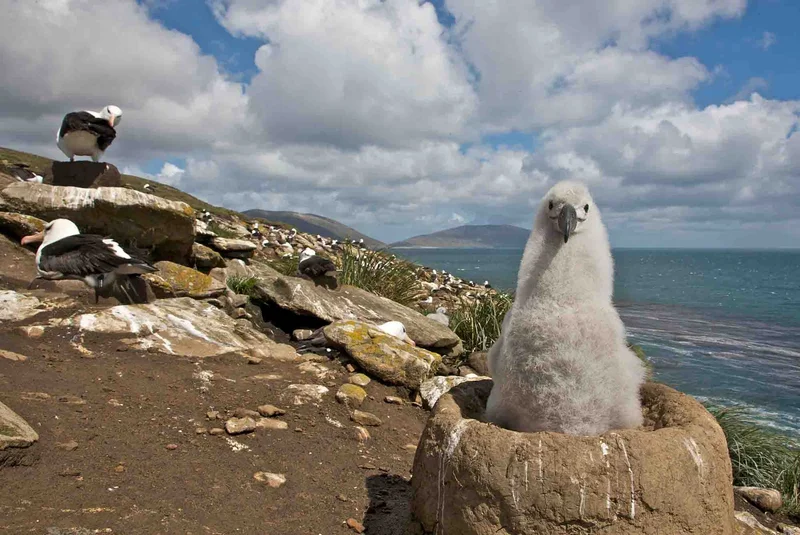
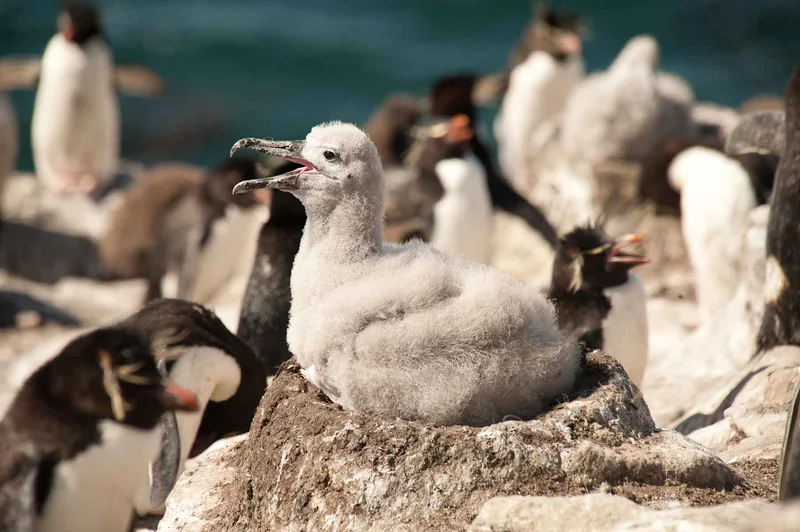
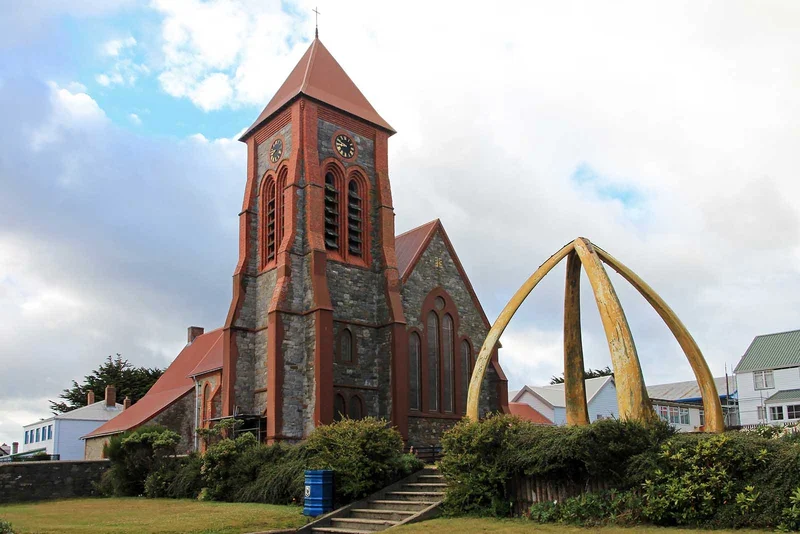
The Falkland Islands present a striking contrast to Antarctica, blending rolling landscapes with abundant wildlife and human settlement. Penguins of several species gather along the shores, while seabirds fill the skies, including one of the world’s largest colonies of black-browed albatross. Visits to the capital, Stanley, reveal a small but resilient community shaped by isolation and maritime heritage. Colorful houses and quiet streets reflect a way of life adapted to harsh conditions. These days offer final opportunities to observe diverse wildlife in a subantarctic setting, rounding out the biological richness of the expedition.
Day 20: Beagle Channel: Journey’s Reflection
The ship begins its return toward Ushuaia, sailing once more through the Beagle Channel. This final full day is a time for reflection, as lectures and informal discussions revisit the highlights of the journey. Travelers share memories of wildlife encounters, dramatic landscapes, and personal moments of discovery. The familiar outline of Tierra del Fuego gradually reappears, bringing a sense of closure to the expedition. As the voyage nears its end, there is a collective appreciation for having experienced some of the most remote and awe-inspiring places on Earth.
Day 21: Ushuaia: Disembarkation
Disembark in Ushuaia after breakfast and conclude the expedition. Take in the final sights of this southernmost city before departing, carrying memories of one of the planet’s most remote and wildlife-rich regions.
21 Day Antarctica Itinerary Includes
- Accommodation aboard the Expedition
- Arrival and departure transfers
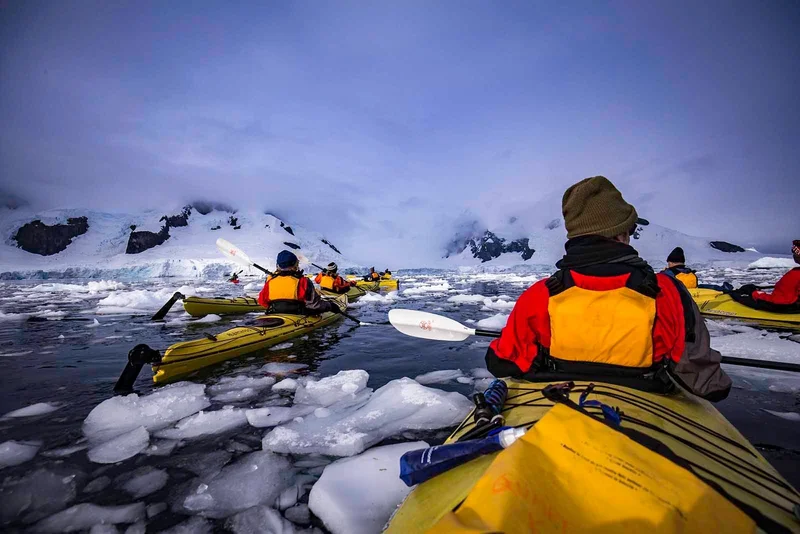
- Zodiac excursions with our expert expedition team
- Lectures and educational programs
- Waterproof boots supplied for USA sizes 4 - 16
- Expedition parka
- One expedition team member per 10 guests
- Bilingual guide
- Activities
- Meals
- Wifi
- Medical Center with a licensed Doctor
- 24 hour beverage station - tea and coffee available
21 Day Antarctica Itinerary Does not Include
- International flights
- Personal Expenses
- Tips
- Laundry Service
21 Day Antarctica Itinerary Highlights
- Step onto the Antarctic continent and explore the Antarctic Peninsula
- Witness massive king penguin colonies in South Georgia
- Follow historic exploration routes across the Drake Passage and Scotia Sea
- Observe whales, seals, and seabirds in some of the world’s richest marine ecosystems
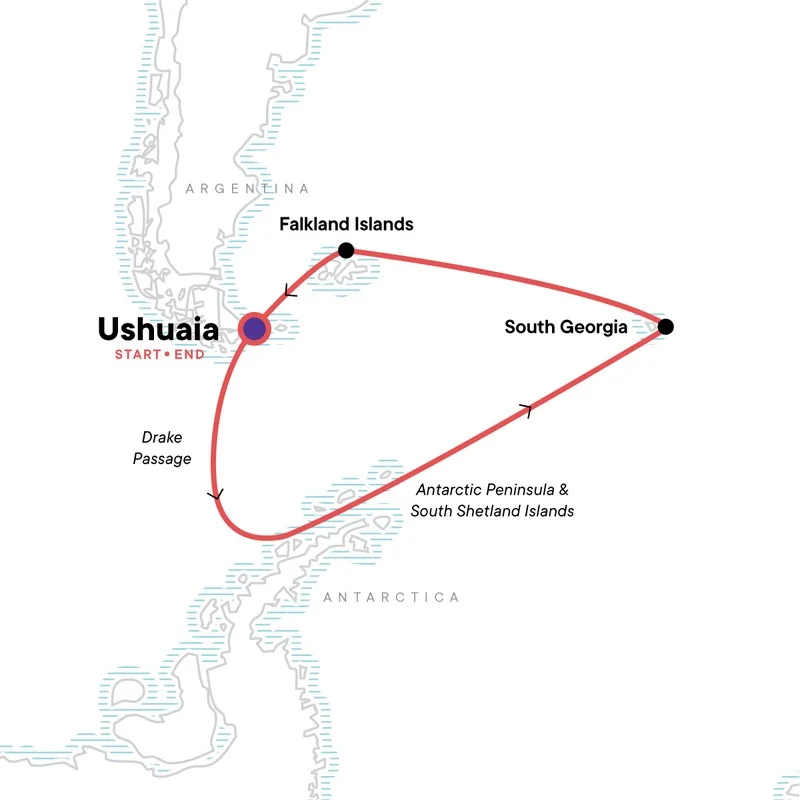
Itinerary Map
21 Day Antarctica cruise activities
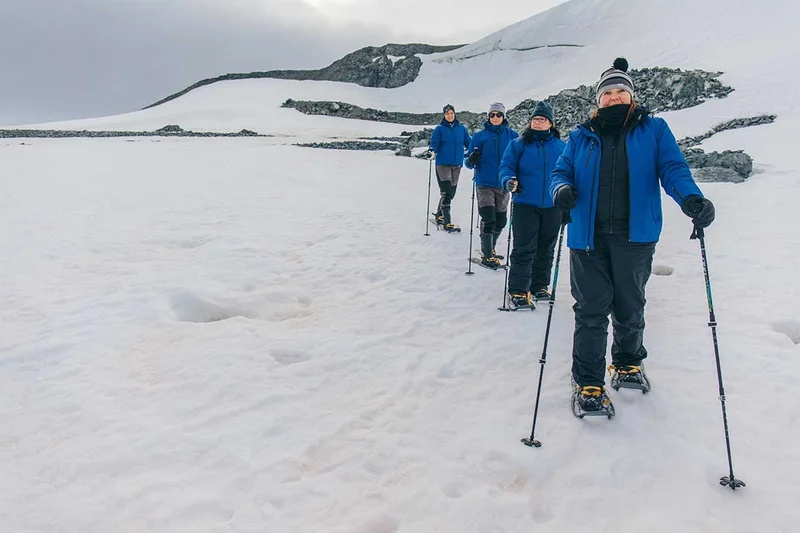
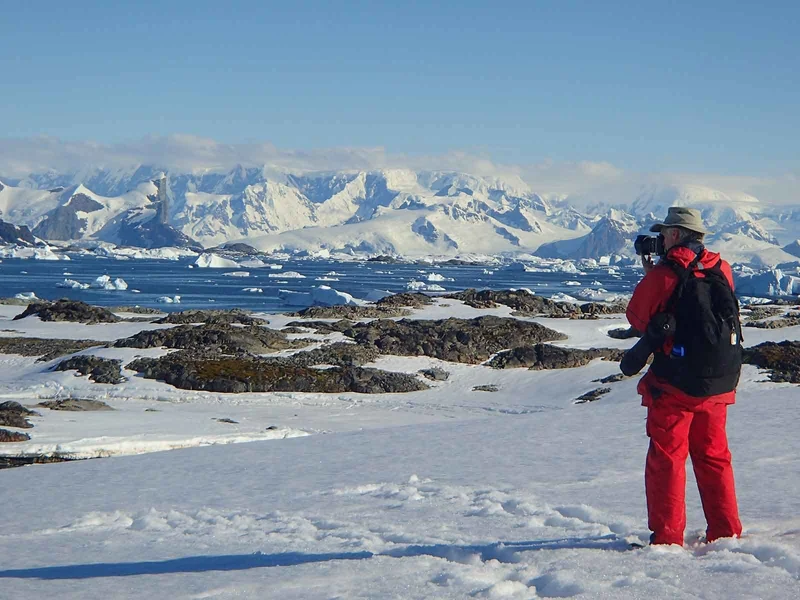
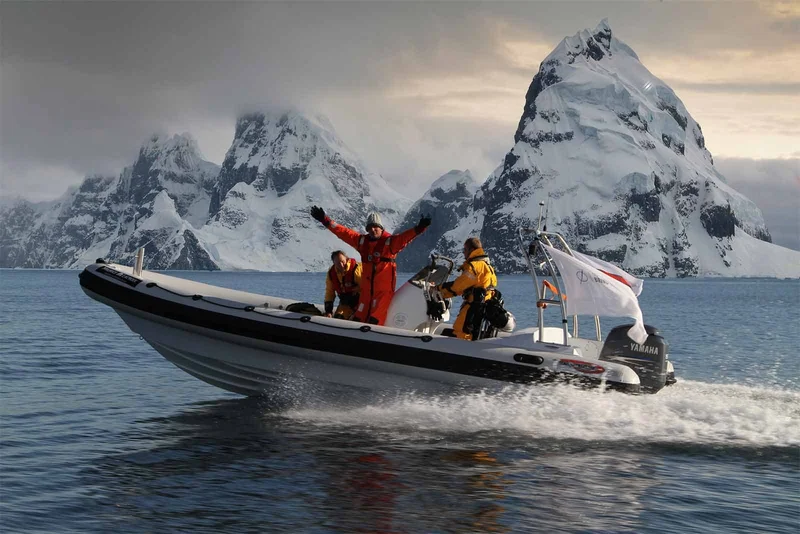

Animals you might see on this itinerary
Shakelton´s Spirit
Why travel with us?
 Over 22 years of experience
%20--%3e%3csvg%20version='1.1'%20id='Layer_1'%20xmlns='http://www.w3.org/2000/svg'%20xmlns:xlink='http://www.w3.org/1999/xlink'%20x='0px'%20y='0px'%20viewBox='0%200%20512%20512'%20style='enable-background:new%200%200%20512%20512;'%20xml:space='preserve'%3e%3cg%3e%3cg%3e%3cpath%20d='M424.18,200.763c-1.558,0-3.124,0.043-4.685,0.125c-20.129-42.954-56.688-76.736-101.546-93.182V64%20c0-34.157-27.79-61.947-61.947-61.947c-34.157,0-61.947,27.79-61.947,61.947v43.707c-44.86,16.447-81.419,50.231-101.548,93.186%20c-1.56-0.083-3.125-0.129-4.685-0.129C39.396,200.763,0,240.16,0,288.583c0,5.633,4.566,10.199,10.199,10.199h66.648%20c4.678,39.071,21.888,74.34,47.486,101.669c-9.018,15.386-13.176,33.319-11.773,51.284c1.626,20.824,10.666,40.436,25.454,55.225%20c1.992,1.992,4.602,2.987,7.212,2.987s5.221-0.995,7.212-2.987l55.753-55.753c15.234,4.19,31.263,6.441,47.809,6.441%20c17.145,0,33.738-2.405,49.461-6.893l56.205,56.205c1.992,1.992,4.602,2.987,7.212,2.987c2.61,0,5.221-0.995,7.212-2.987%20c14.789-14.789,23.828-34.403,25.454-55.229c1.444-18.5-3.024-36.957-12.609-52.643c24.899-27.134,41.617-61.883,46.218-100.306%20h66.649c5.633,0,10.199-4.566,10.199-10.199C512,240.16,472.604,200.763,424.18,200.763z%20M75.551,277.199%20c0,0.397,0.012,0.789,0.015,1.185H21.168c4.765-31.266,31.086-55.537,63.273-57.134C78.68,238.873,75.551,257.677,75.551,277.199z%20M214.452,64c0-22.909,18.638-41.549,41.548-41.549S297.549,41.09,297.549,64v37.587c-13.345-3.157-27.253-4.835-41.549-4.835%20c-14.295,0-28.204,1.679-41.548,4.835V64z%20M120.411,362.142c-15.487-24.634-24.462-53.757-24.462-84.942%20c0.001-31.989,9.439-61.81,25.669-86.84l22.637,22.637c1.992,1.992,4.602,2.987,7.212,2.987s5.221-0.995,7.212-2.987%20c3.983-3.983,3.983-10.441,0-14.425l-24.755-24.756c29.381-34.641,73.201-56.669,122.075-56.669%20c48.875,0,92.694,22.028,122.075,56.669l-42.909,42.909l-68.966-39.817v-11.484c0-5.633-4.566-10.199-10.199-10.199%20c-5.633,0-10.199,4.566-10.199,10.199v11.484l-76.655,44.257c-3.156,1.822-5.1,5.188-5.1,8.833v88.508L120.411,362.142z%20M145.763,484.786c-15.009-20.324-17.359-47.248-6.136-69.797c14.036,11.873,29.899,21.646,47.107,28.826L145.763,484.786z%20M246.835,436.98c-45.946-2.606-86.773-24.675-114.332-58.082l42.362-42.362l71.97,41.552V436.98z%20M184.444,318.512v-82.625%20L256,194.574l71.556,41.313v82.625L256,359.825L184.444,318.512z%20M267.234,436.849v-59.957l69.244-39.979l42.545,42.545%20C351.888,412.049,312.077,433.724,267.234,436.849z%20M368.341,484.788l-41.594-41.594c17.233-7.373,33.095-17.35,47.087-29.439%20C385.773,436.55,383.627,464.09,368.341,484.788z%20M391.19,362.777l-43.236-43.236v-86.753l42.428-42.428%20c16.23,25.029,25.668,54.851,25.668,86.839C416.05,308.652,406.925,338.011,391.19,362.777z%20M436.434,278.384%20c0.003-0.396,0.015-0.789,0.015-1.185c0-19.522-3.129-38.326-8.891-55.949c32.187,1.597,58.508,25.869,63.273,57.134H436.434z'/%3e%3c/g%3e%3c/g%3e%3cg%3e%3cg%3e%3cpath%20d='M256,125.212c-5.633,0-10.199,4.566-10.199,10.199v2.07c0,5.633,4.566,10.199,10.199,10.199%20c5.633,0,10.199-4.566,10.199-10.199v-2.07C266.199,129.778,261.633,125.212,256,125.212z'/%3e%3c/g%3e%3c/g%3e%3cg%3e%3c/g%3e%3cg%3e%3c/g%3e%3cg%3e%3c/g%3e%3cg%3e%3c/g%3e%3cg%3e%3c/g%3e%3cg%3e%3c/g%3e%3cg%3e%3c/g%3e%3cg%3e%3c/g%3e%3cg%3e%3c/g%3e%3cg%3e%3c/g%3e%3cg%3e%3c/g%3e%3cg%3e%3c/g%3e%3cg%3e%3c/g%3e%3cg%3e%3c/g%3e%3cg%3e%3c/g%3e%3c/svg%3e "South America & Antarctica Specialists") South America & Antarctica Specialists
South America & Antarctica Specialists Set and Tailor-made packages
 The best last-minute cruise deals
%20--%3e%3csvg%20version='1.1'%20id='Capa_1'%20xmlns='http://www.w3.org/2000/svg'%20xmlns:xlink='http://www.w3.org/1999/xlink'%20x='0px'%20y='0px'%20viewBox='0%200%20489.679%20489.679'%20style='enable-background:new%200%200%20489.679%20489.679;'%20xml:space='preserve'%3e%3cg%3e%3cg%3e%3cg%3e%3cpath%20d='M487.768,218.844c-14.5-134.2-135.2-232-269.4-217.4c-72.9,8.3-137.4,47.8-179,109.2c-6.2,9.4-3.1,21.8,6.2,28.1%20s21.8,3.1,28.1-6.2c34.3-51,88.4-84.3,148.8-90.5c112.4-11.5,213.3,69.6,224.7,182c11.4,111.3-69.7,212.2-181,223.7%20c-74.7,7.9-147.5-26-189.5-86.8l39.7,8.7c10.4,2.1,21.8-4.2,23.9-15.6c2.1-10.4-4.2-21.8-15.6-23.9l-81.1-17.7%20c-17.3-2.2-23.9,10.4-25,15.6l-17.7,82.2c-2.1,10.4,4.2,21.8,15.6,23.9c13.6,1.1,21.8-7.3,25-16.6l6-27.1%20c89.3,115.2,214.6,98.9,222.9,97.9C404.568,473.744,502.368,353.044,487.768,218.844z'/%3e%3c/g%3e%3cg%3e%3cpath%20d='M171.168,268.944h-38l30.6-31.1c0.4-0.4,0.8-0.8,1.1-1.3c5.7-7.5,8.8-16.5,8.8-26c0-23.7-19.3-43-43-43s-43,19.3-43,43%20c0,7.4,6,13.4,13.4,13.4s13.4-6,13.4-13.4c0-8.9,7.2-16.1,16.1-16.1c8.9,0,16.1,7.2,16.1,16.1c0,3.3-1,6.5-2.9,9.2l-52.4,53.3%20c-3.8,3.9-4.9,9.6-2.8,14.6s7,8.2,12.4,8.2h70.1c7.4,0,13.4-6,13.4-13.4S178.568,268.944,171.168,268.944z'/%3e%3cpath%20d='M271.668,240.144h-6.1v-59.2c0-5.7-3.5-10.7-8.9-12.6c-5.3-1.9-11.3-0.3-14.9,4l-60.4,72.6c-3.3,4-4,9.6-1.8,14.3%20c2.2,4.7,6.9,7.7,12.2,7.7h47v15.4c0,7.4,6,13.4,13.4,13.4c7.4,0,13.4-6,13.4-13.4v-15.4h6.1c7.4,0,13.4-6,13.4-13.4%20C285.068,246.144,279.068,240.144,271.668,240.144z%20M238.668,240.144h-18.4l18.4-22.1V240.144z'/%3e%3cpath%20d='M344.068,212.044c-6.6,0-12.9,1.4-18.5,4v-35.1c0-7.4-6-13.4-13.4-13.4s-13.4,6-13.4,13.4v101.4c0,7.4,6,13.4,13.4,13.4%20s13.4-6,13.4-13.4v-24.9c0-10.2,8.3-18.5,18.5-18.5s18.5,8.3,18.5,18.5v24.9c0,7.4,6,13.4,13.4,13.4s13.4-6,13.4-13.4v-24.9%20C389.468,232.444,369.068,212.044,344.068,212.044z'/%3e%3c/g%3e%3c/g%3e%3c/g%3e%3cg%3e%3c/g%3e%3cg%3e%3c/g%3e%3cg%3e%3c/g%3e%3cg%3e%3c/g%3e%3cg%3e%3c/g%3e%3cg%3e%3c/g%3e%3cg%3e%3c/g%3e%3cg%3e%3c/g%3e%3cg%3e%3c/g%3e%3cg%3e%3c/g%3e%3cg%3e%3c/g%3e%3cg%3e%3c/g%3e%3cg%3e%3c/g%3e%3cg%3e%3c/g%3e%3cg%3e%3c/g%3e%3c/svg%3e "Galapagos trips") 24/7 Customer service during your trip
24/7 Customer service during your trip Multi-Destination packages
Would you like to know why booking with us is the best choice?
Discover the BenefitsSimilar Itineraries