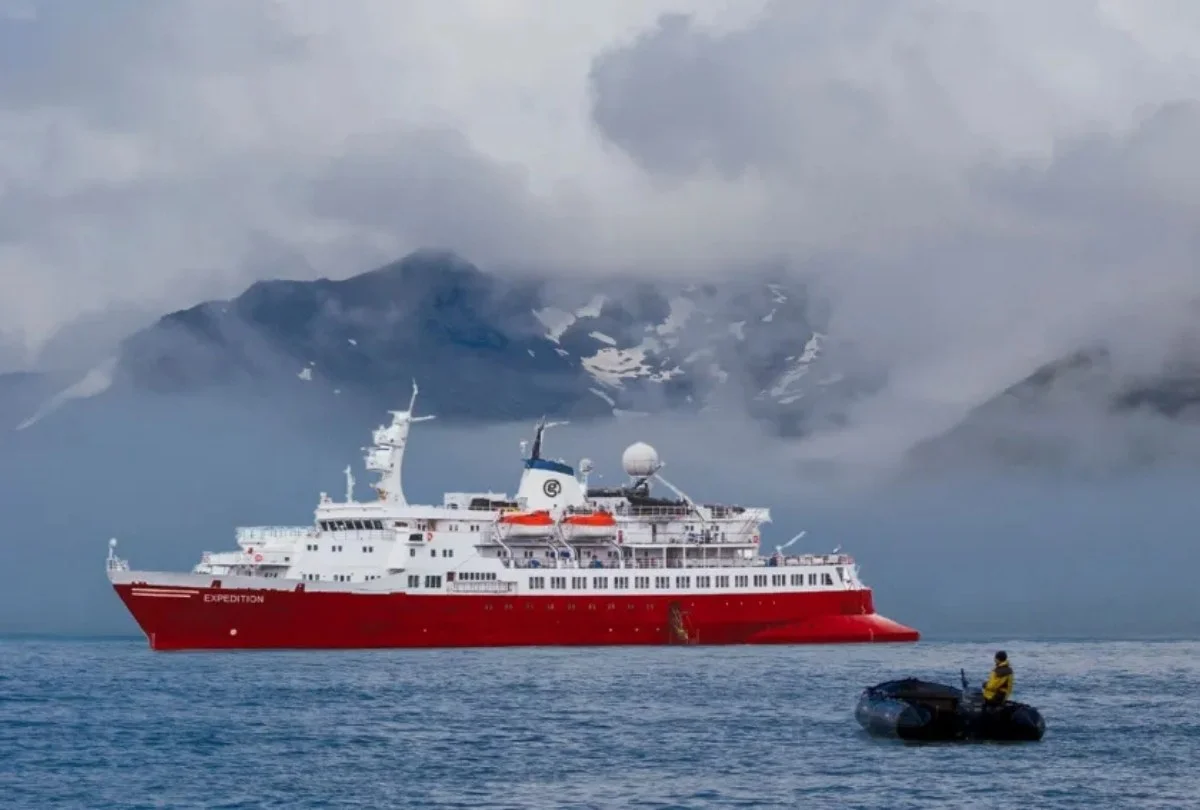
15 Day Artic Itinerary
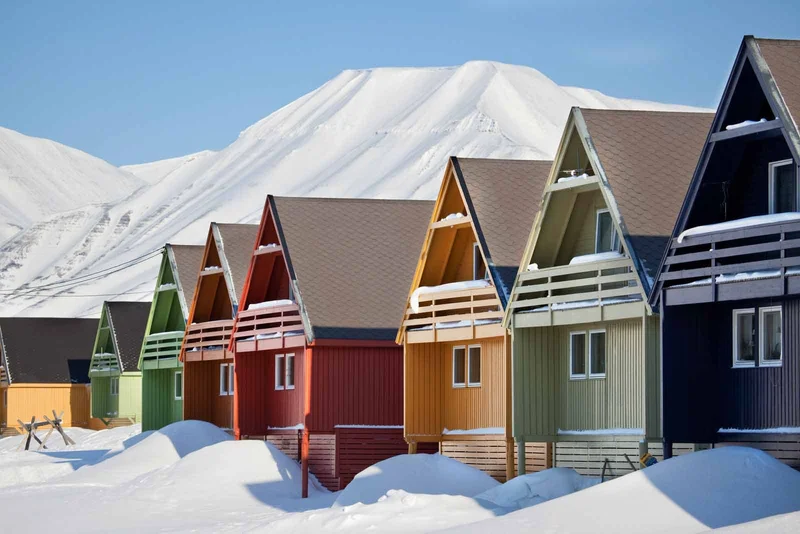
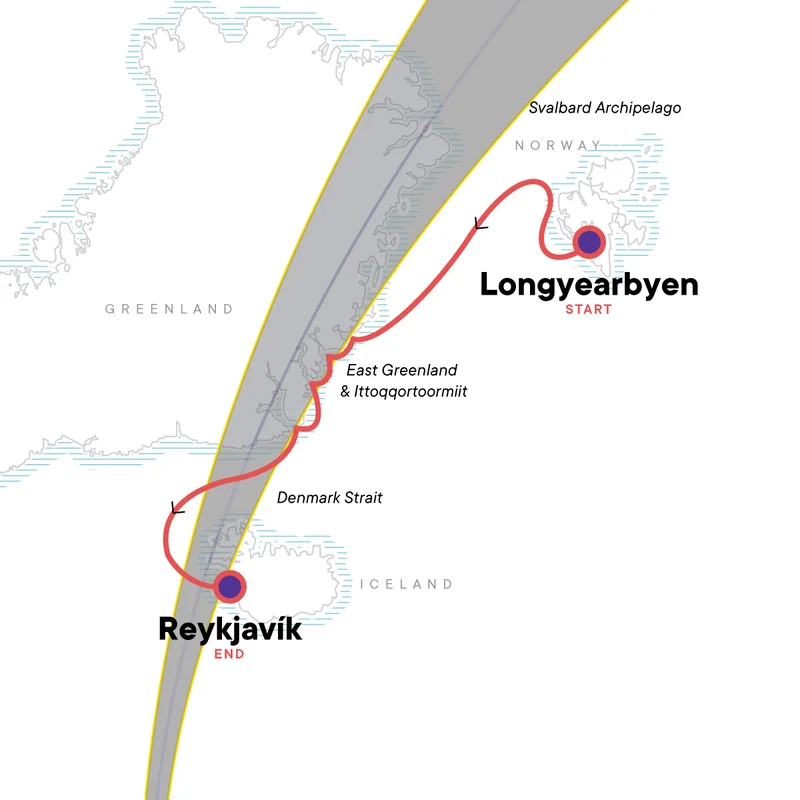
Day 1: Longyearbyen, Gateway to the Arctic
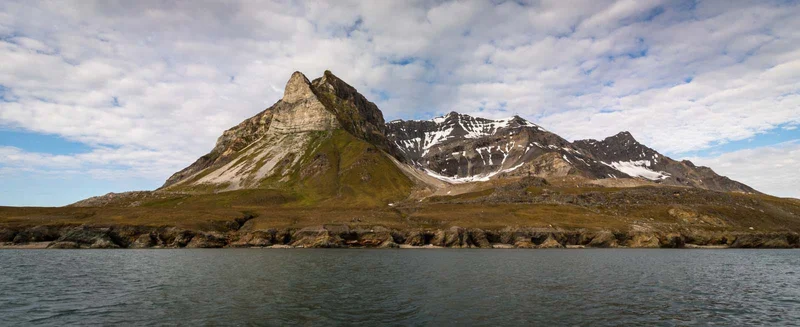
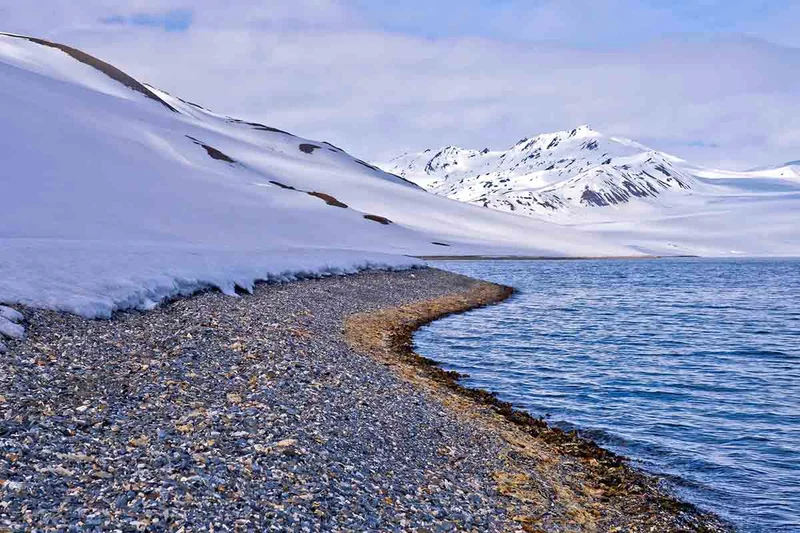
Day 2 - 5: Sailing Along Svalbard’s Wild Coast
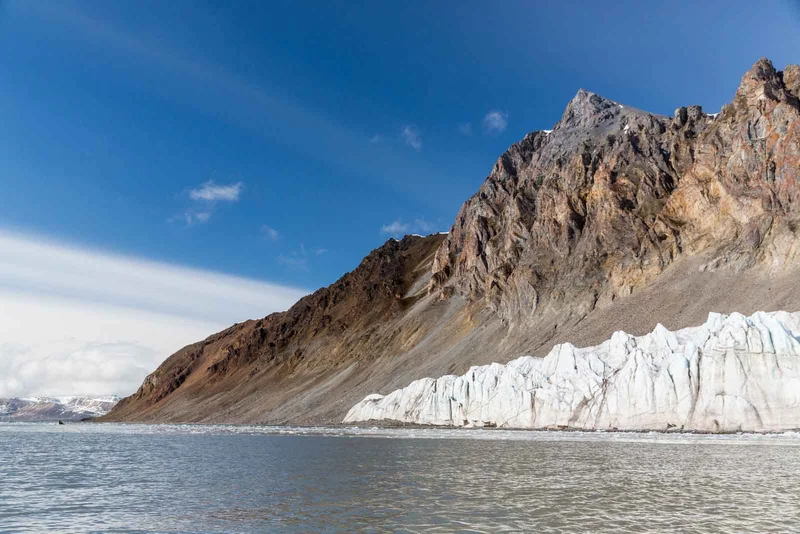
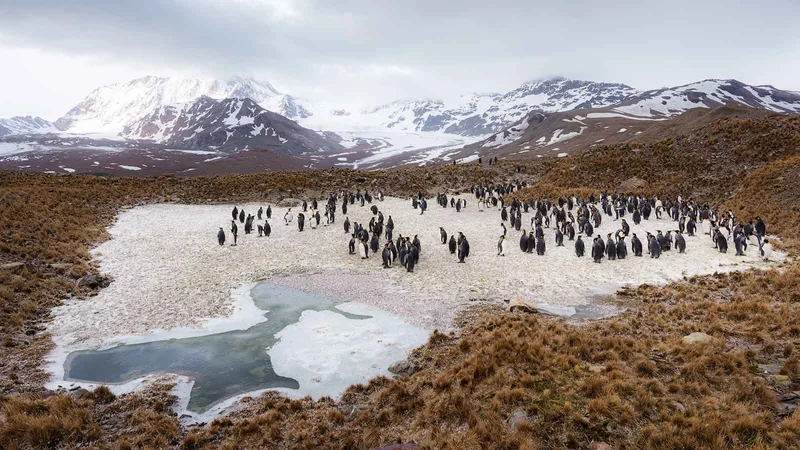
Travelers who sail along Svalbard’s western coast get to witness stunning views of deep fjords which connect with extensive glaciers that stretch out into the frozen ocean. The sea ice undergoes continuous transformation which creates a living system that supports various animal species. Explorers dedicate their entire day to finding distant locations while they watch Arctic wildlife and examine the natural environment which shows nature's strength. The Arctic stays mostly quiet except for the movement of ice and the sounds of seabirds which create a complete wilderness experience.
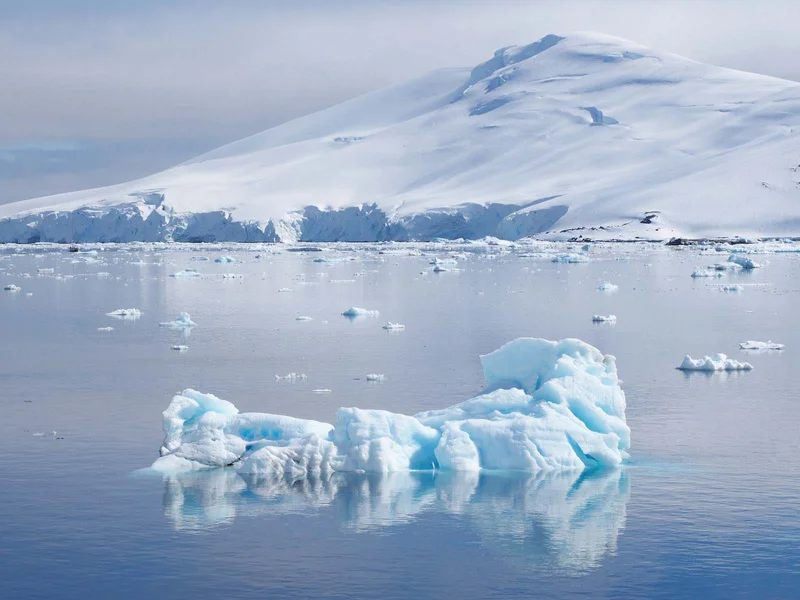
The team needs to move through the area which shows the pack ice boundary because this boundary shifts between frozen ocean and accessible water during different times of the day. The Arctic hosts an ecosystem which produces high productivity levels and supports numerous marine species in this area. The deep blue ocean forms an intense contrast with the white ice which produces stunning visual patterns. The expedition reveals its complete frozen area because this unspoiled wilderness reveals itself more with every passing moment.
The expedition team continues its journey through Svalbard's distant territories which display a landscape that seems to have existed since ancient times without any human interference. The ocean receives glacial ice which moves through mountain valleys to create towering ice formations. The day focuses on wildlife observation and understanding the delicate balance of the Arctic ecosystem. Scientists examine new data which shows how organisms choose survival methods while facing extreme environmental conditions.
The final full day in Svalbard allows for deeper exploration of its rugged coastline. The expedition team adjusts its plans according to weather patterns and ice movement which creates different experiences for every expedition. The three elements of light with ice and water create an ever-changing environment which forms an unforgettable ending for our trip.
Day 6 - 7: Crossing the Greenland Sea
The Greenland Sea becomes the new area of exploration after passing Svalbard. The Arctic presents a unique environment because its endless open water stretches all the way to the distant horizon. The ship maintains its southern course as the ocean spans all directions which becomes the main focus of the day. The remote area shows its power through its ability to create unexpected weather changes which affect the ocean surface patterns.
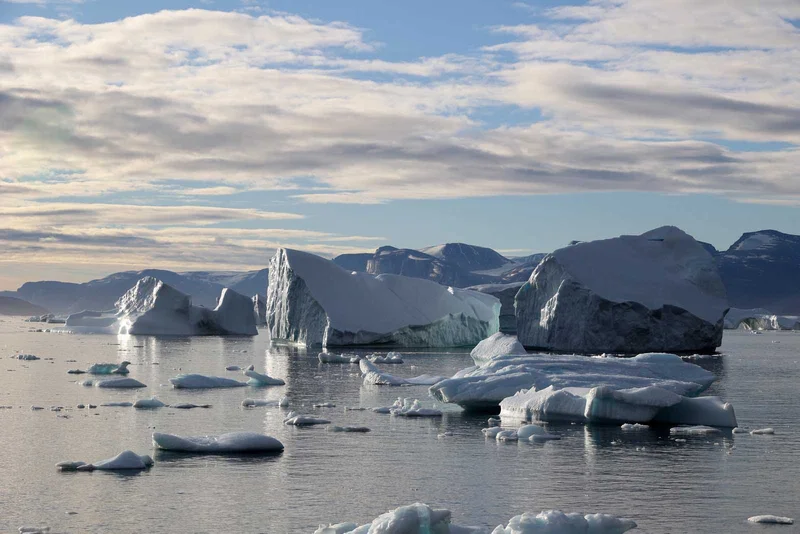
The expedition continues along the edge of the Greenland Sea’s pack ice. The area supports abundant marine life, offering opportunities to observe wildlife alongside drifting icebergs. The ice formations constantly change, creating new natural scenes at every moment. The Arctic shows its complete isolation because the expedition has moved beyond all signs of human presence during their exploration.
The expedition continues along the edge of the Greenland Sea’s pack ice. The area supports abundant marine life, offering opportunities to observe wildlife alongside drifting icebergs. The ice formations constantly change, creating new natural scenes at every moment. The Arctic shows its complete isolation because the expedition has moved beyond all signs of human presence during their exploration.
Day 8 - 12: Entering Northeast Greenland National Park
Northeast Greenland National Park serves as a destination for visitors who want to visit the most isolated region which exists on Earth. The sea gives way to majestic mountains which reach their peak while fjords stretch their length through the central area. The region displays a majestic beauty that creates a strong sense of calm through its vast scale. The exploration of this wilderness area requires understanding its geological features alongside its pristine natural surroundings.
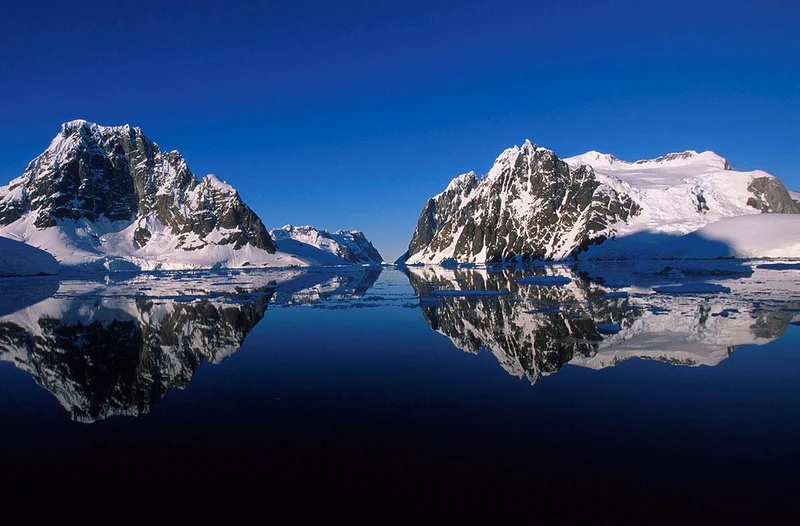
The journey continues through the fjords of Scoresby Sund, a vast and scenic waterway known as the largest fjord system in the world. The route passes through wide channels bordered by steep cliffs on both sides. Icebergs float through the fjords without making any noise which produces a mystical environment. The day is dedicated to exploring these remarkable natural formations.
The team experiences their most exciting moment during their journey when they reach Kejser Franz Joseph Fjord for the solar eclipse viewing. The Arctic landscape undergoes a complete transformation when twilight replaces daylight during the fading of daylight. The uncommon occurrence creates a permanent memory which shows the area through an extraordinary and eye-catching perspective. The event creates a single instant which shows scientific data while it shows the beauty of nature.
After the eclipse, the journey continues through Greenland’s extensive network of fjords. The environment presents towering mountains which stand beside glacial terrain to show the region's intense geological structure. The Arctic reveals its core character because of its large size and total human absence.
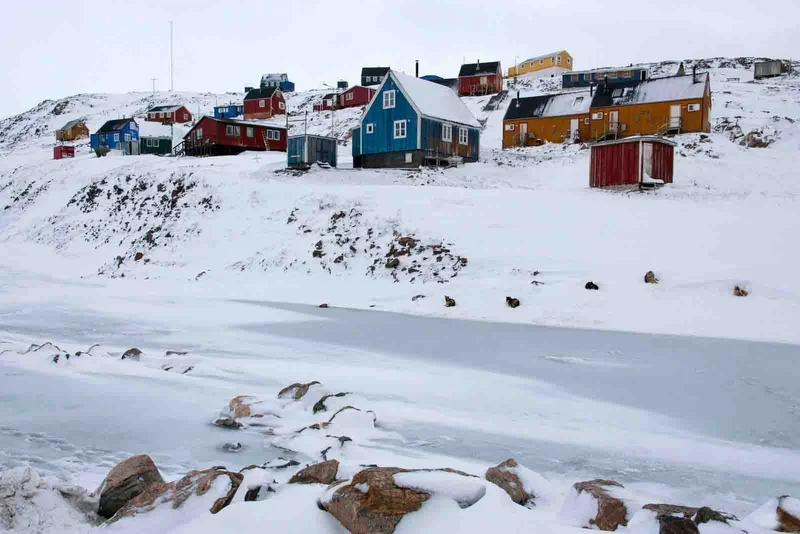
The expedition then reaches Ittoqqortoormiit, a remote northern settlement. The community exists in wilderness surroundings while it protects its cultural heritage during its survival under difficult circumstances. The visit shows two opposing worlds because it presents human society against the vastness of the surrounding wilderness which helps people understand how Arctic residents maintain their traditions and survive in this environment
Day 13 - 14: Crossing the Denmark Strait
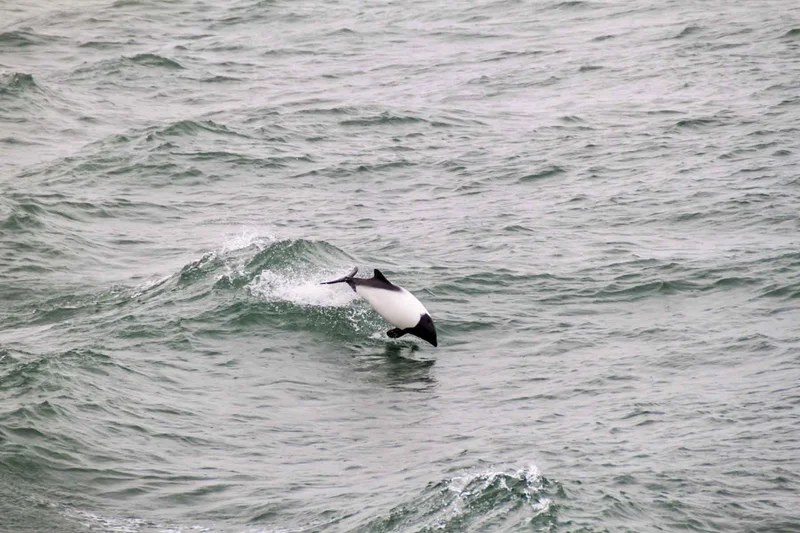
The expedition moves southward through the Denmark Strait on its way to Iceland. The ocean habitat contains numerous sea creatures which create chances for people to watch seabirds and various marine animals. The North Atlantic environment shows signs which prove the Arctic region exists near this area.
Iceland comes into view as the ship sails toward its destination while the environment starts to change. The expedition team discovers volcanic formations which stand apart from the icy surroundings they encountered during their earlier exploration. The path to Reykjavík presents a combination of untouched landscapes and contemporary city structures which signal the end of the expedition.
Day 15: Reykjavík
15 Day Artic Itinerary Includes
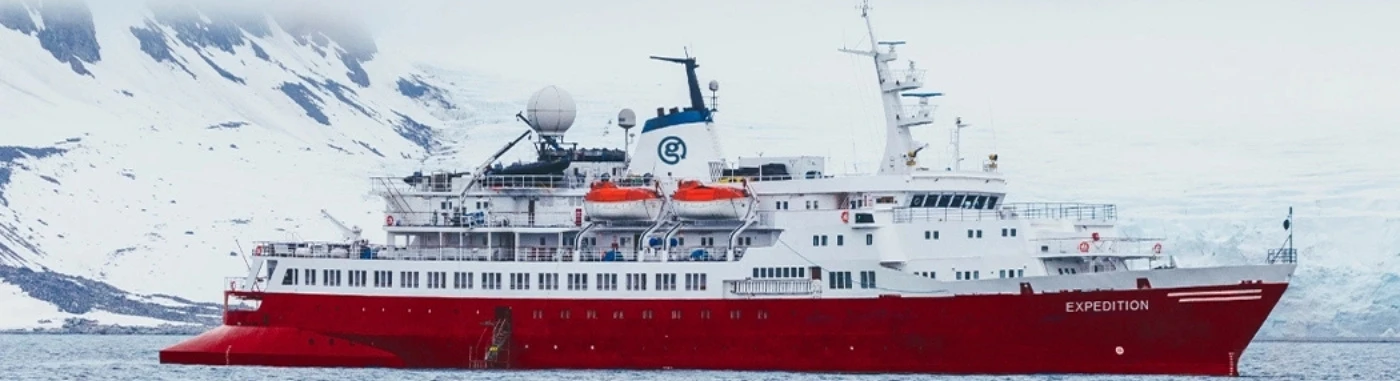
- Accommodation aboard the Expedition
- Arrival and departure transfers
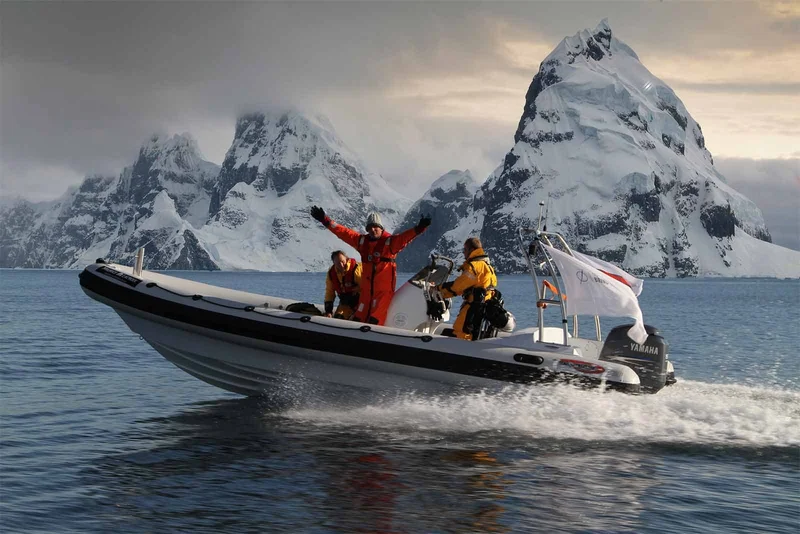
- Zodiac excursions with our expert expedition team
- Lectures and educational programs
- Waterproof boots supplied for USA sizes 4 - 16
- Expedition parka
- One expedition team member per 10 guests
- Bilingual guide
- Activities
- Meals
- Wifi
- Medical Center with a licensed Doctor
- 24 hour beverage station - tea and coffee available
15 Day Artic Itinerary Does not Include
- International flights
- Personal Expenses
- Tips
- Laundry Service
15 Day Artic Itinerary Highlights
- Witness a rare solar eclipse in Kejser Franz Joseph Fjord
- Discover the Arctic wilderness of Svalbard through its glaciers and wild nature
- Northeast Greenland National Park presents an extensive network of fjords which you can explore
- Visit the remote settlement of Ittoqqortoormii
Itinerary Map
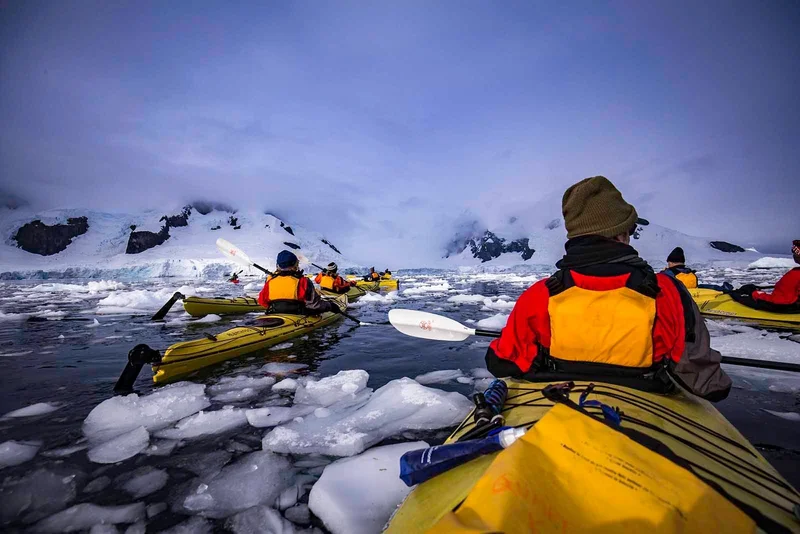
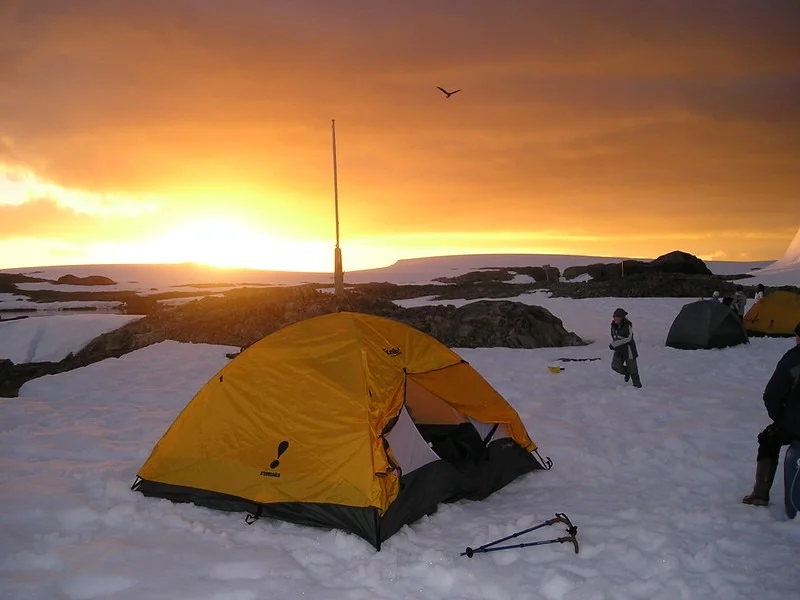
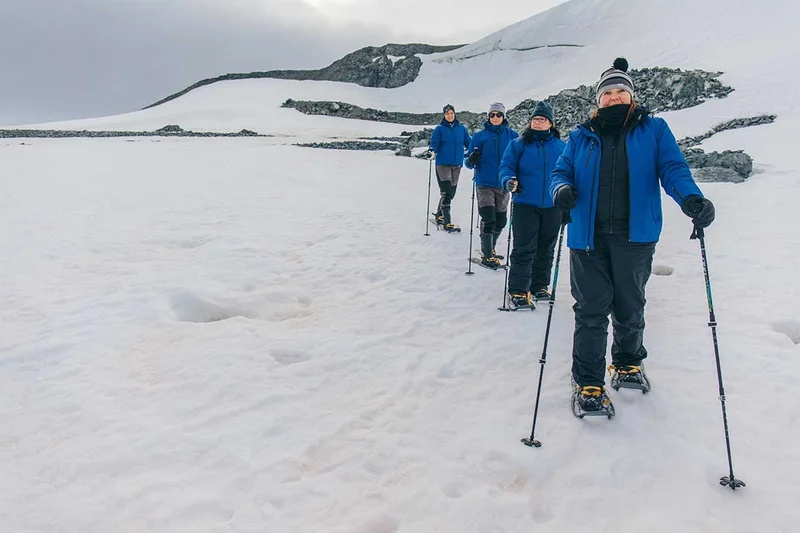
15 Day Arctic cruise activities

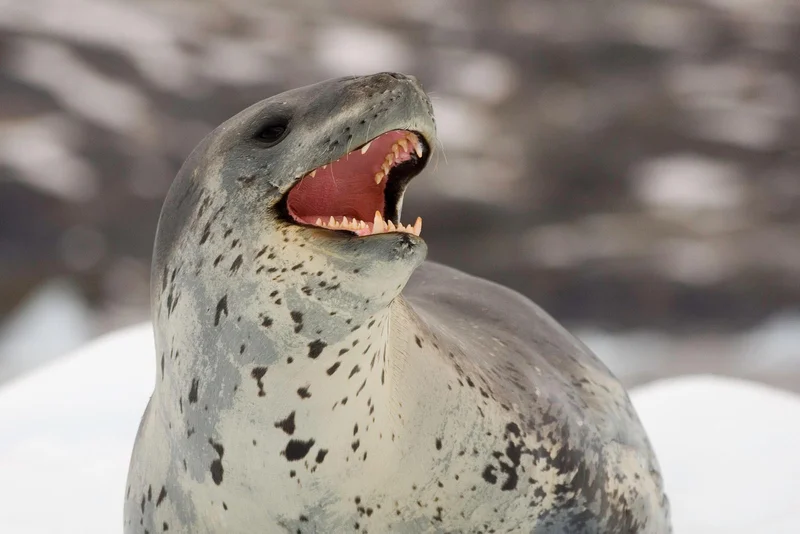
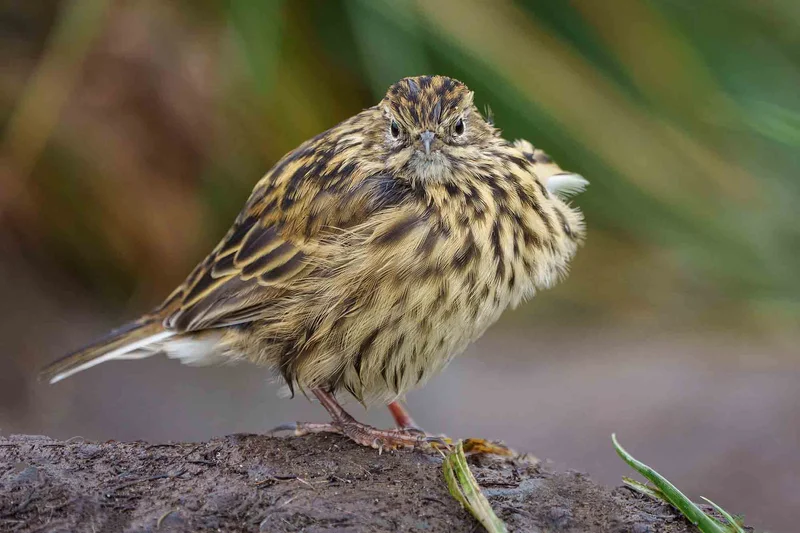
Animals you might see on this itinerary
Why travel with us?
 Over 22 years of experience
%20--%3e%3csvg%20version='1.1'%20id='Layer_1'%20xmlns='http://www.w3.org/2000/svg'%20xmlns:xlink='http://www.w3.org/1999/xlink'%20x='0px'%20y='0px'%20viewBox='0%200%20512%20512'%20style='enable-background:new%200%200%20512%20512;'%20xml:space='preserve'%3e%3cg%3e%3cg%3e%3cpath%20d='M424.18,200.763c-1.558,0-3.124,0.043-4.685,0.125c-20.129-42.954-56.688-76.736-101.546-93.182V64%20c0-34.157-27.79-61.947-61.947-61.947c-34.157,0-61.947,27.79-61.947,61.947v43.707c-44.86,16.447-81.419,50.231-101.548,93.186%20c-1.56-0.083-3.125-0.129-4.685-0.129C39.396,200.763,0,240.16,0,288.583c0,5.633,4.566,10.199,10.199,10.199h66.648%20c4.678,39.071,21.888,74.34,47.486,101.669c-9.018,15.386-13.176,33.319-11.773,51.284c1.626,20.824,10.666,40.436,25.454,55.225%20c1.992,1.992,4.602,2.987,7.212,2.987s5.221-0.995,7.212-2.987l55.753-55.753c15.234,4.19,31.263,6.441,47.809,6.441%20c17.145,0,33.738-2.405,49.461-6.893l56.205,56.205c1.992,1.992,4.602,2.987,7.212,2.987c2.61,0,5.221-0.995,7.212-2.987%20c14.789-14.789,23.828-34.403,25.454-55.229c1.444-18.5-3.024-36.957-12.609-52.643c24.899-27.134,41.617-61.883,46.218-100.306%20h66.649c5.633,0,10.199-4.566,10.199-10.199C512,240.16,472.604,200.763,424.18,200.763z%20M75.551,277.199%20c0,0.397,0.012,0.789,0.015,1.185H21.168c4.765-31.266,31.086-55.537,63.273-57.134C78.68,238.873,75.551,257.677,75.551,277.199z%20M214.452,64c0-22.909,18.638-41.549,41.548-41.549S297.549,41.09,297.549,64v37.587c-13.345-3.157-27.253-4.835-41.549-4.835%20c-14.295,0-28.204,1.679-41.548,4.835V64z%20M120.411,362.142c-15.487-24.634-24.462-53.757-24.462-84.942%20c0.001-31.989,9.439-61.81,25.669-86.84l22.637,22.637c1.992,1.992,4.602,2.987,7.212,2.987s5.221-0.995,7.212-2.987%20c3.983-3.983,3.983-10.441,0-14.425l-24.755-24.756c29.381-34.641,73.201-56.669,122.075-56.669%20c48.875,0,92.694,22.028,122.075,56.669l-42.909,42.909l-68.966-39.817v-11.484c0-5.633-4.566-10.199-10.199-10.199%20c-5.633,0-10.199,4.566-10.199,10.199v11.484l-76.655,44.257c-3.156,1.822-5.1,5.188-5.1,8.833v88.508L120.411,362.142z%20M145.763,484.786c-15.009-20.324-17.359-47.248-6.136-69.797c14.036,11.873,29.899,21.646,47.107,28.826L145.763,484.786z%20M246.835,436.98c-45.946-2.606-86.773-24.675-114.332-58.082l42.362-42.362l71.97,41.552V436.98z%20M184.444,318.512v-82.625%20L256,194.574l71.556,41.313v82.625L256,359.825L184.444,318.512z%20M267.234,436.849v-59.957l69.244-39.979l42.545,42.545%20C351.888,412.049,312.077,433.724,267.234,436.849z%20M368.341,484.788l-41.594-41.594c17.233-7.373,33.095-17.35,47.087-29.439%20C385.773,436.55,383.627,464.09,368.341,484.788z%20M391.19,362.777l-43.236-43.236v-86.753l42.428-42.428%20c16.23,25.029,25.668,54.851,25.668,86.839C416.05,308.652,406.925,338.011,391.19,362.777z%20M436.434,278.384%20c0.003-0.396,0.015-0.789,0.015-1.185c0-19.522-3.129-38.326-8.891-55.949c32.187,1.597,58.508,25.869,63.273,57.134H436.434z'/%3e%3c/g%3e%3c/g%3e%3cg%3e%3cg%3e%3cpath%20d='M256,125.212c-5.633,0-10.199,4.566-10.199,10.199v2.07c0,5.633,4.566,10.199,10.199,10.199%20c5.633,0,10.199-4.566,10.199-10.199v-2.07C266.199,129.778,261.633,125.212,256,125.212z'/%3e%3c/g%3e%3c/g%3e%3cg%3e%3c/g%3e%3cg%3e%3c/g%3e%3cg%3e%3c/g%3e%3cg%3e%3c/g%3e%3cg%3e%3c/g%3e%3cg%3e%3c/g%3e%3cg%3e%3c/g%3e%3cg%3e%3c/g%3e%3cg%3e%3c/g%3e%3cg%3e%3c/g%3e%3cg%3e%3c/g%3e%3cg%3e%3c/g%3e%3cg%3e%3c/g%3e%3cg%3e%3c/g%3e%3cg%3e%3c/g%3e%3c/svg%3e "South America & Antarctica Specialists") South America & Antarctica Specialists
South America & Antarctica Specialists Set and Tailor-made packages
 The best last-minute cruise deals
%20--%3e%3csvg%20version='1.1'%20id='Capa_1'%20xmlns='http://www.w3.org/2000/svg'%20xmlns:xlink='http://www.w3.org/1999/xlink'%20x='0px'%20y='0px'%20viewBox='0%200%20489.679%20489.679'%20style='enable-background:new%200%200%20489.679%20489.679;'%20xml:space='preserve'%3e%3cg%3e%3cg%3e%3cg%3e%3cpath%20d='M487.768,218.844c-14.5-134.2-135.2-232-269.4-217.4c-72.9,8.3-137.4,47.8-179,109.2c-6.2,9.4-3.1,21.8,6.2,28.1%20s21.8,3.1,28.1-6.2c34.3-51,88.4-84.3,148.8-90.5c112.4-11.5,213.3,69.6,224.7,182c11.4,111.3-69.7,212.2-181,223.7%20c-74.7,7.9-147.5-26-189.5-86.8l39.7,8.7c10.4,2.1,21.8-4.2,23.9-15.6c2.1-10.4-4.2-21.8-15.6-23.9l-81.1-17.7%20c-17.3-2.2-23.9,10.4-25,15.6l-17.7,82.2c-2.1,10.4,4.2,21.8,15.6,23.9c13.6,1.1,21.8-7.3,25-16.6l6-27.1%20c89.3,115.2,214.6,98.9,222.9,97.9C404.568,473.744,502.368,353.044,487.768,218.844z'/%3e%3c/g%3e%3cg%3e%3cpath%20d='M171.168,268.944h-38l30.6-31.1c0.4-0.4,0.8-0.8,1.1-1.3c5.7-7.5,8.8-16.5,8.8-26c0-23.7-19.3-43-43-43s-43,19.3-43,43%20c0,7.4,6,13.4,13.4,13.4s13.4-6,13.4-13.4c0-8.9,7.2-16.1,16.1-16.1c8.9,0,16.1,7.2,16.1,16.1c0,3.3-1,6.5-2.9,9.2l-52.4,53.3%20c-3.8,3.9-4.9,9.6-2.8,14.6s7,8.2,12.4,8.2h70.1c7.4,0,13.4-6,13.4-13.4S178.568,268.944,171.168,268.944z'/%3e%3cpath%20d='M271.668,240.144h-6.1v-59.2c0-5.7-3.5-10.7-8.9-12.6c-5.3-1.9-11.3-0.3-14.9,4l-60.4,72.6c-3.3,4-4,9.6-1.8,14.3%20c2.2,4.7,6.9,7.7,12.2,7.7h47v15.4c0,7.4,6,13.4,13.4,13.4c7.4,0,13.4-6,13.4-13.4v-15.4h6.1c7.4,0,13.4-6,13.4-13.4%20C285.068,246.144,279.068,240.144,271.668,240.144z%20M238.668,240.144h-18.4l18.4-22.1V240.144z'/%3e%3cpath%20d='M344.068,212.044c-6.6,0-12.9,1.4-18.5,4v-35.1c0-7.4-6-13.4-13.4-13.4s-13.4,6-13.4,13.4v101.4c0,7.4,6,13.4,13.4,13.4%20s13.4-6,13.4-13.4v-24.9c0-10.2,8.3-18.5,18.5-18.5s18.5,8.3,18.5,18.5v24.9c0,7.4,6,13.4,13.4,13.4s13.4-6,13.4-13.4v-24.9%20C389.468,232.444,369.068,212.044,344.068,212.044z'/%3e%3c/g%3e%3c/g%3e%3c/g%3e%3cg%3e%3c/g%3e%3cg%3e%3c/g%3e%3cg%3e%3c/g%3e%3cg%3e%3c/g%3e%3cg%3e%3c/g%3e%3cg%3e%3c/g%3e%3cg%3e%3c/g%3e%3cg%3e%3c/g%3e%3cg%3e%3c/g%3e%3cg%3e%3c/g%3e%3cg%3e%3c/g%3e%3cg%3e%3c/g%3e%3cg%3e%3c/g%3e%3cg%3e%3c/g%3e%3cg%3e%3c/g%3e%3c/svg%3e "Galapagos trips") 24/7 Customer service during your trip
24/7 Customer service during your trip Multi-Destination packages
Would you like to know why booking with us is the best choice?
Discover the BenefitsSimilar Itineraries