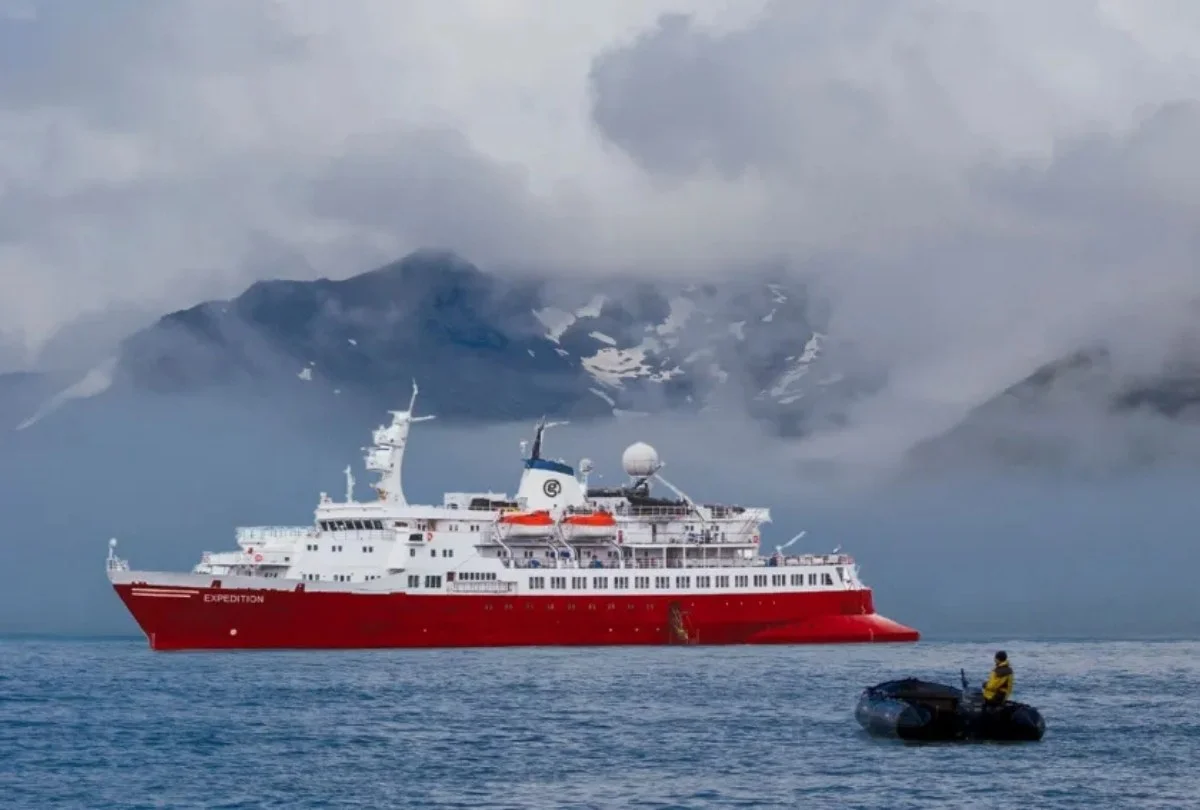
15 Day Artic Itinerary
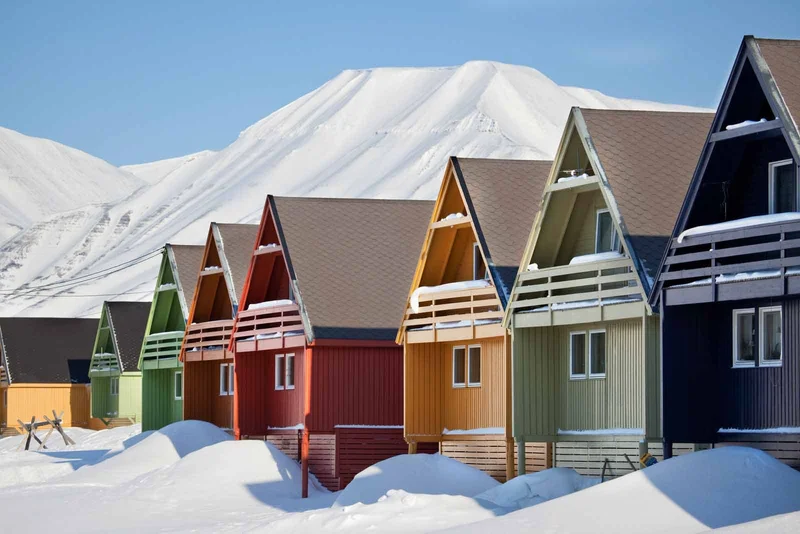
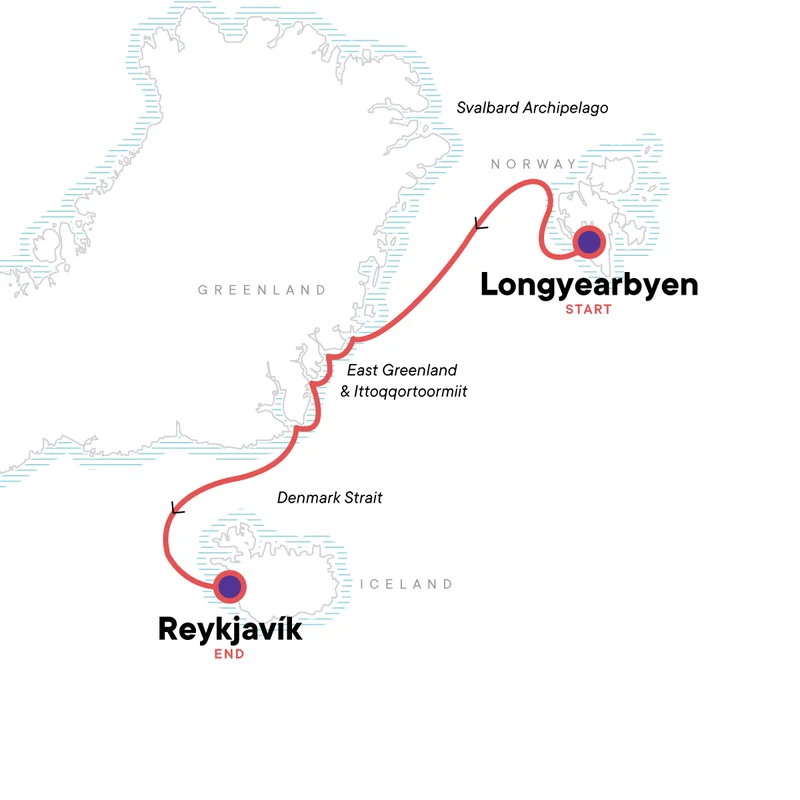
Day 1: Longyearbyen Embarkation
Day 2 - 5: Svalbard
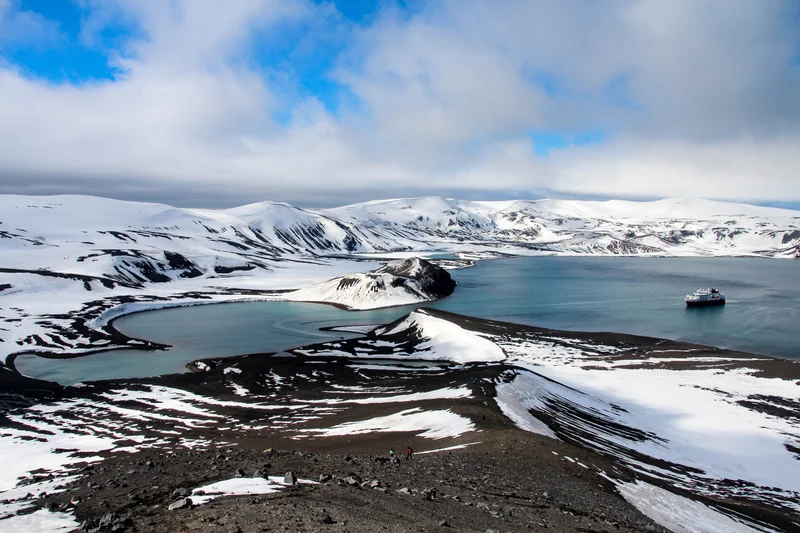
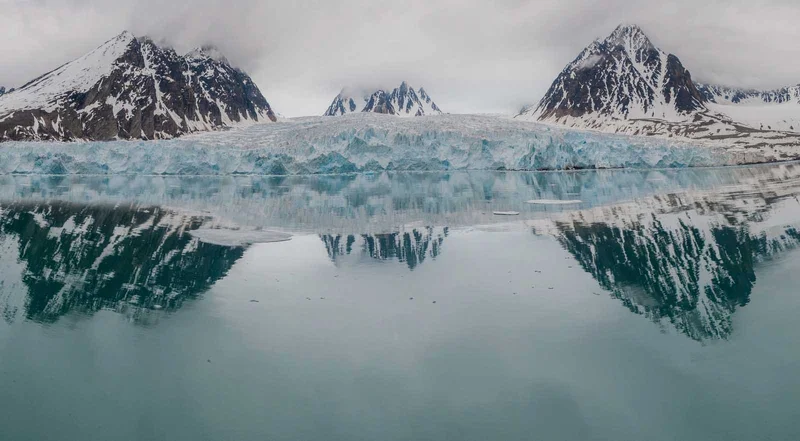
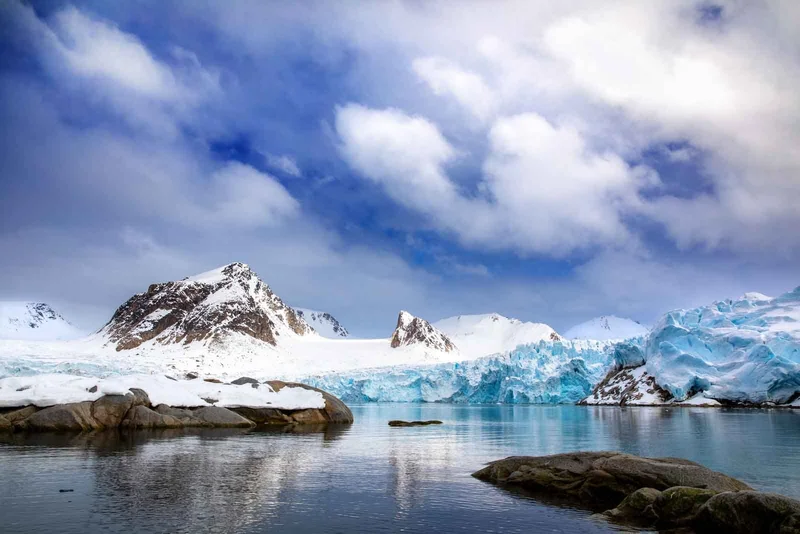
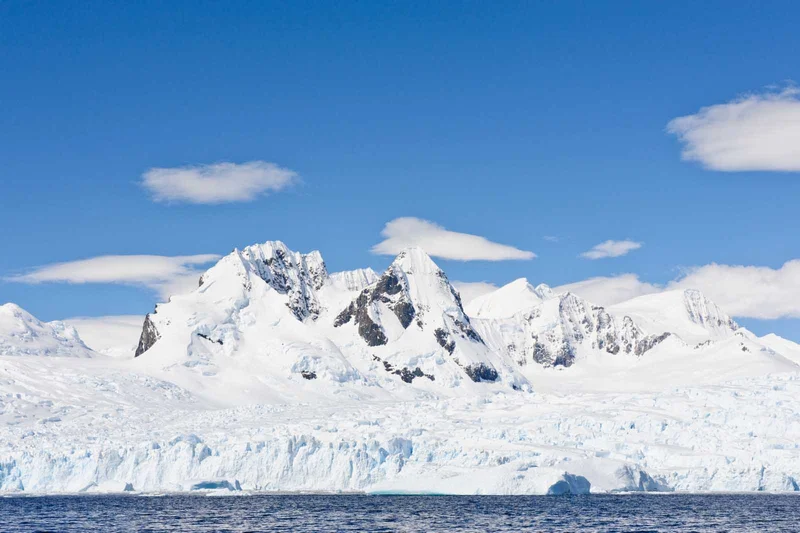
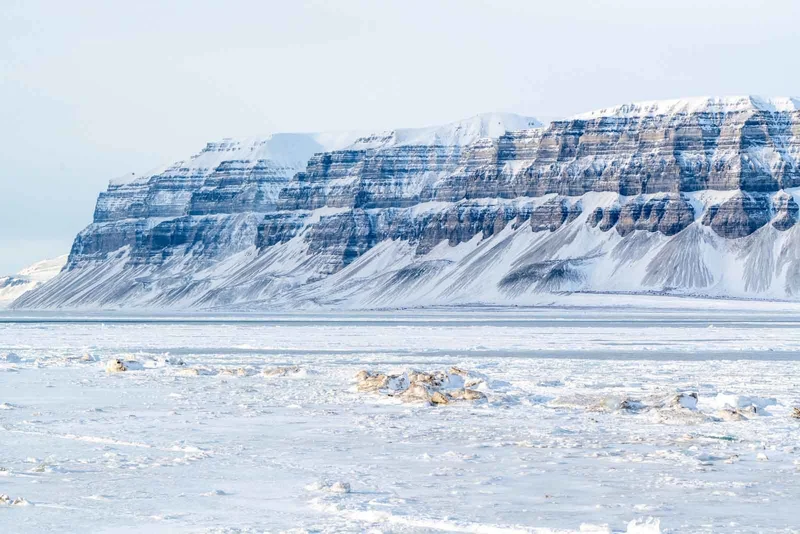
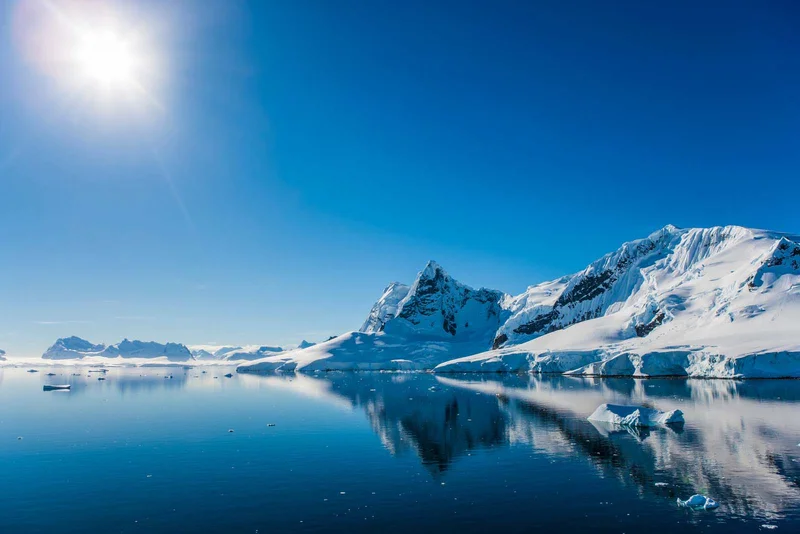
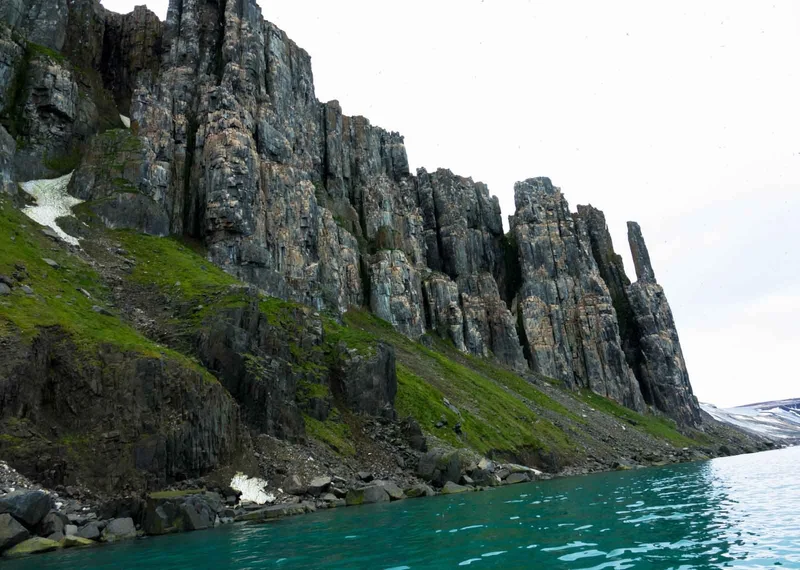
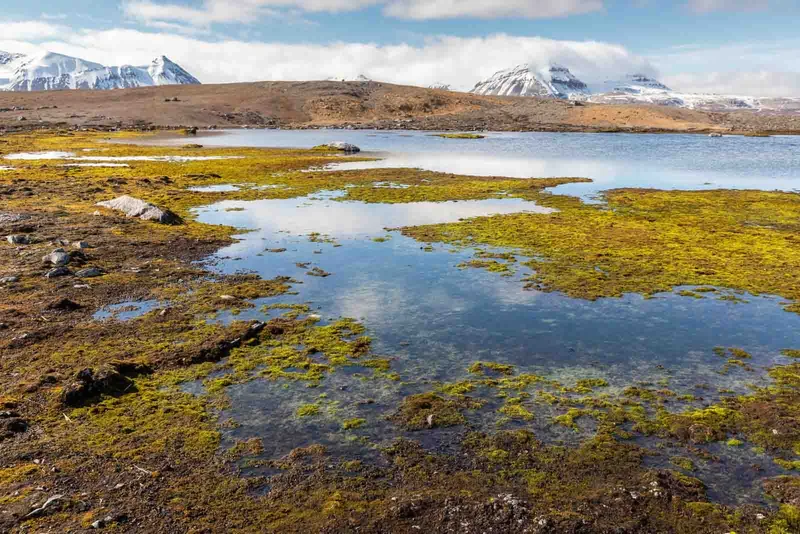
The expedition team proceeds to Northwest Spitsbergen National Park which features towering fjords and frozen mountain summits and wide-open tundra landscapes. People can discover different sections of this untouched wilderness every day because the natural environment determines present conditions. The region shows a broad system of natural elements because glaciers have created deep valleys and ice floes move across the ocean surface. The Arctic environment exists through Svalbard's remote wilderness because you need to visit its most distant areas which provide complete solitude.
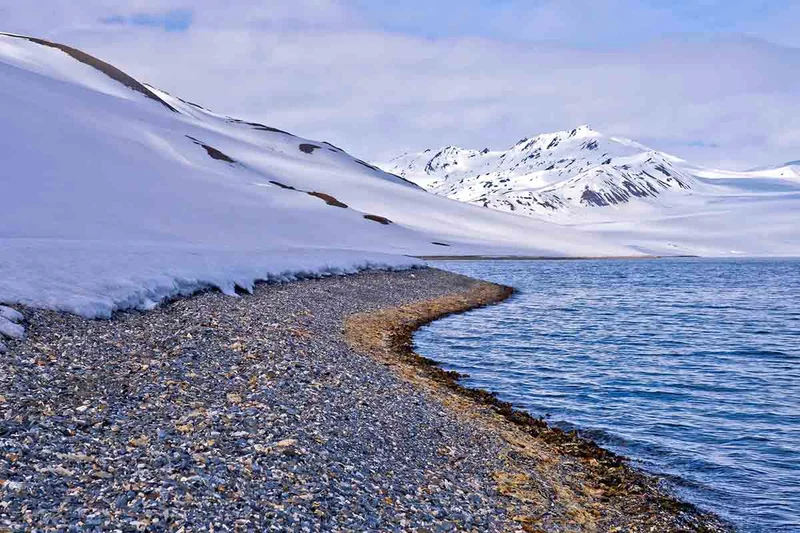
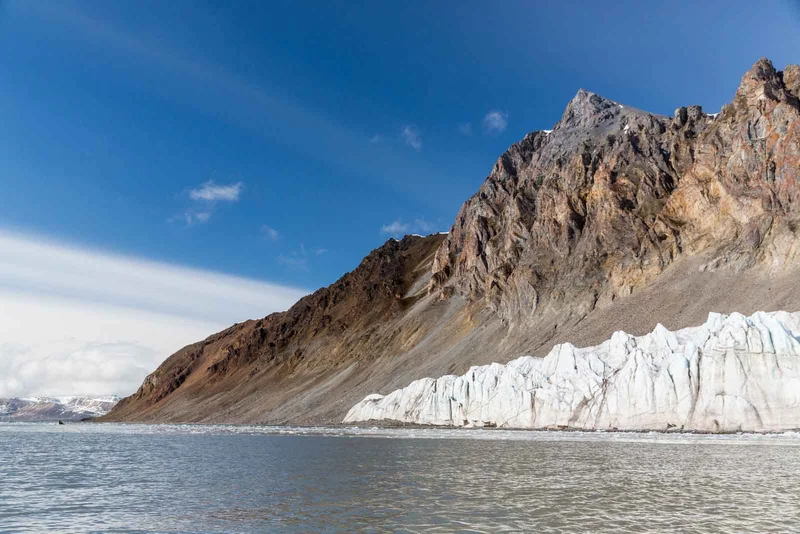
Spitsbergen starts its day with natural beauty that reveals various patterns which combine frozen ice surfaces and solid ground areas. The Arctic animals depend on frozen waterways which run beside towering cliffs to move through their natural habitat during their seasonal migrations. The research team keeps exploring this region because scientists have spent numerous years studying this area to understand its natural environment and its historical development. The environment creates a deep impact on me because it remains motionless while showing its complete appearance.
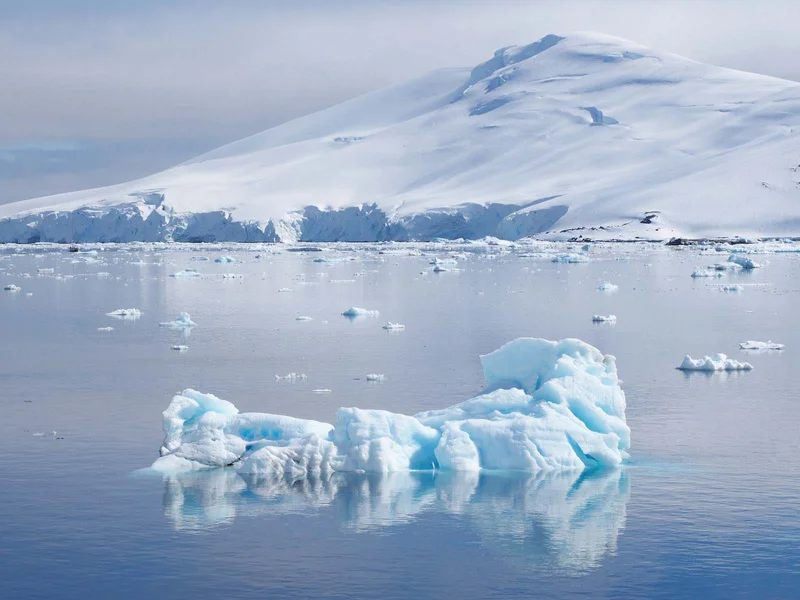
Svalbard's frozen environment receives further examination because its glaciers serve as the primary natural elements which spread their brightness throughout the nearby waters. The Arctic remains silent except for the sounds which ice produces when it moves and the faraway animal noises. The remote ecosystem shows different views at every moment because its survival needs depend on their ability to handle severe environmental conditions. The environment undergoes constant transformation which produces distinct experiences every day thus each exploration mission becomes unique from its predecessors.
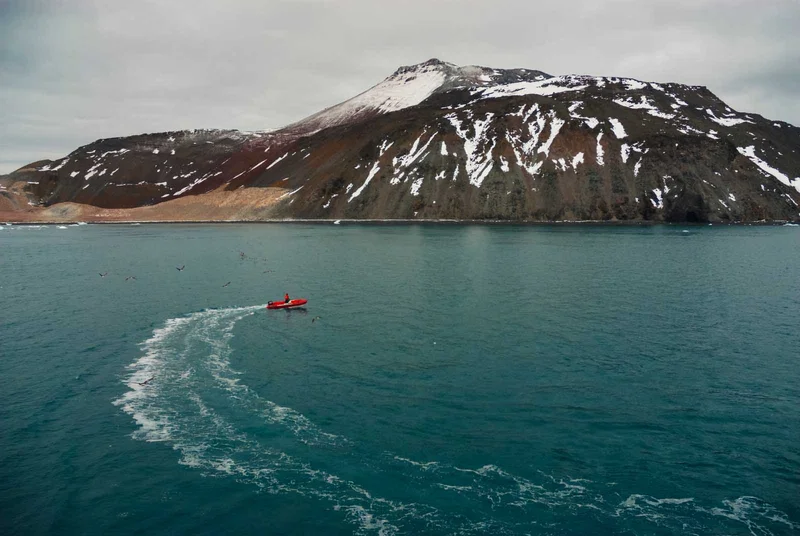
The last day in the Svalbard region allows visitors to explore its stunning natural scenery before their departure. The jagged coastlines together with drifting ice and boundless skies produce a strong visual opposition. The team will depart from this northern extremity but their memories of its pristine wilderness and distant location will stay with them as they continue their southern expedition
Day 6 - 7: Crossing the Greenland Sea
The Greenland Sea becomes the new area of exploration after leaving Svalbard, as open ocean replaces the previous coastline. The ocean supports various marine species which allow people to watch whales and seabirds in an environment that contains abundant nutrients. The Arctic appears distant because the ocean extends across great distances while the changing weather creates an active environment during the entire journey.
The Greenland Sea provides visitors with ongoing chances to view its marine species throughout the day. The horizon extends endlessly, and the natural movement of the ocean creates an immersive experience for travelers. The environment shows small changes which demonstrate the area will soon reach the southern parts of the region. The research of these waters shows how polar ecosystems link together as a single system
Day 8 - 12: East Greenland: Scoresbysund, Ittoqqortoormiit and Remote Fjord Exploration
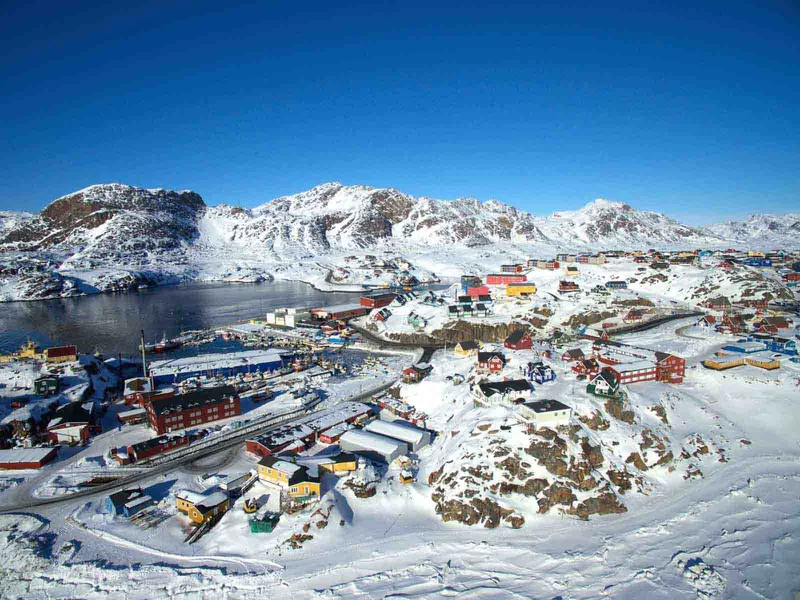
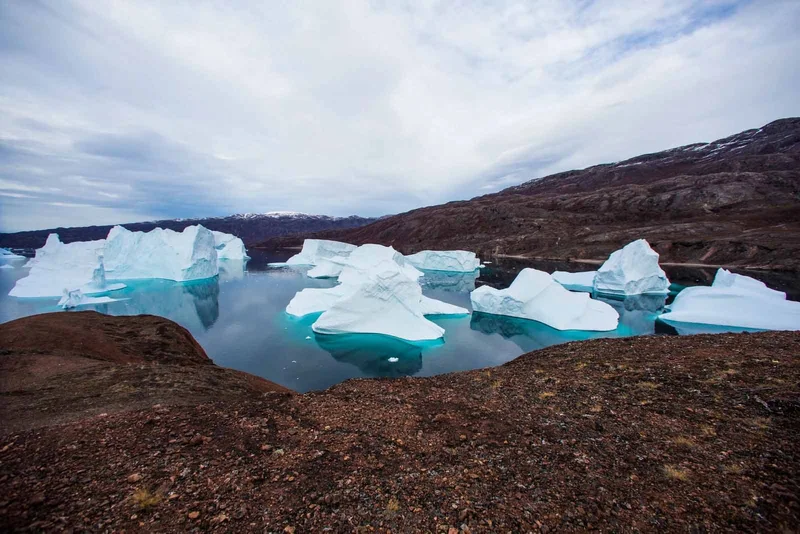
Spend several days exploring the dramatic fjords and remote coastline of East Greenland. Sail through waters surrounded by towering mountains, glacier shaped valleys, Arctic tundra, and striking icebergs. Each day, the expedition team selects activities based on local conditions and opportunities.
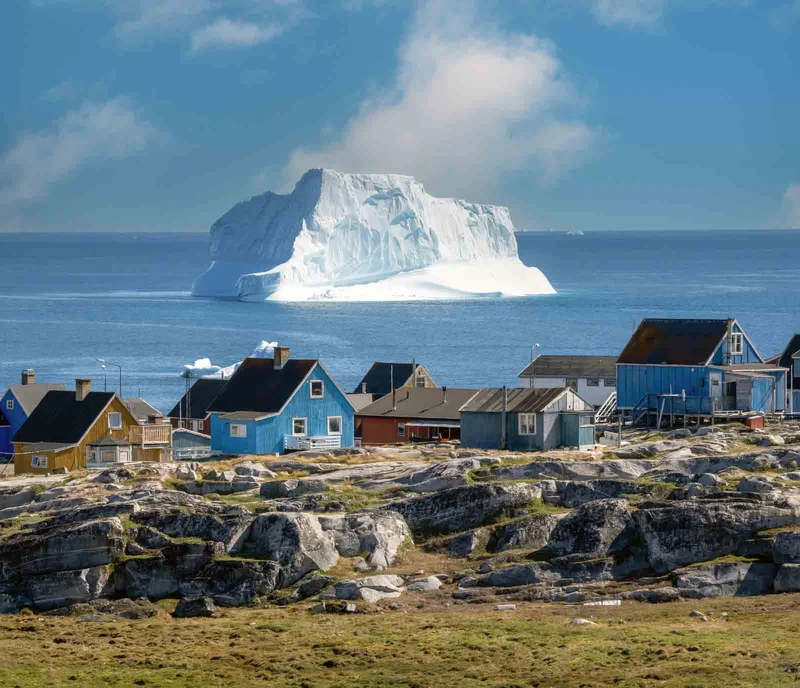
Visit Ittoqqortoormiit to discover the history, culture, and daily life of one of Greenland's most isolated communities. Depending on conditions, the expedition may also include hiking, coastal exploration, Zodiac cruises, and scenic sailing through Scoresbysund and remote fjords along the East Greenland coast.
Day 13 - 14: Sailing the Denmark Strait
The vessel passes Greenland while sailing across the Denmark Strait which creates a natural boundary between these two territories. The area contains abundant marine life which lets visitors view whales and seabirds during their last opportunity to do so. The journey toward Iceland brings a changing environment because volcanic landscapes start to appear at faraway points.
The ship's arrival at Iceland brings an immediate change to the surrounding environment which becomes distinctly different. The Arctic environment transforms into volcanic landscapes which developed through geothermal energy from underground heat. The path to Reykjavík shows two separate environments which present opposing elements between the frozen northern territories and Iceland's volcanic and geothermal active terrain.
Day 15: Keflavik Disembarkation
Disembark shortly after breakfast at the Port of Keflavik. Transfer details will be confirmed onboard before departure. Guests flying out on disembarkation day can use the complimentary 8:00am transfer to Keflavik International Airport provided by G Adventures.
Those staying in Keflavik or Reykjavik can arrange a taxi from the pier to their accommodation. Please do not book onward travel before 12:00pm.
15 Day Artic Itinerary Includes
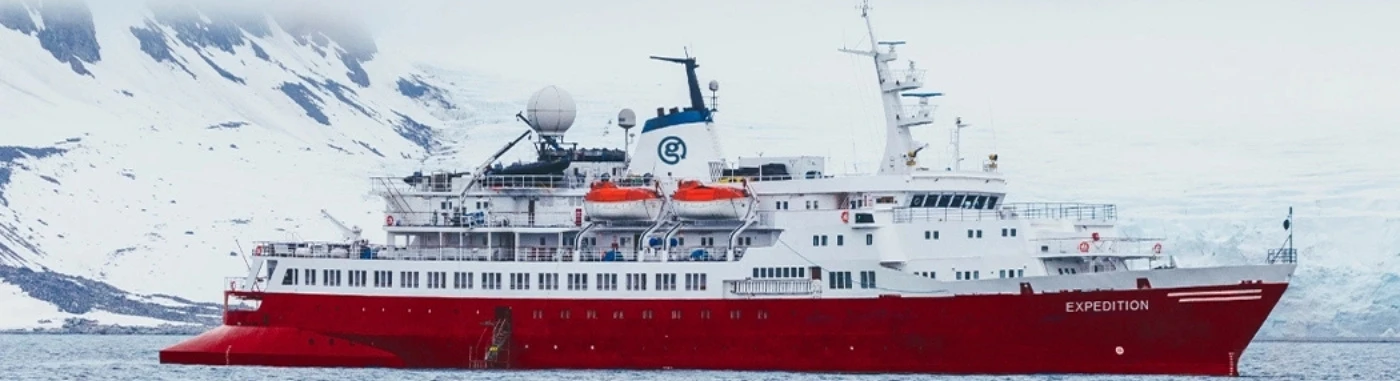
- Accommodation aboard the Expedition
- Arrival and departure transfers
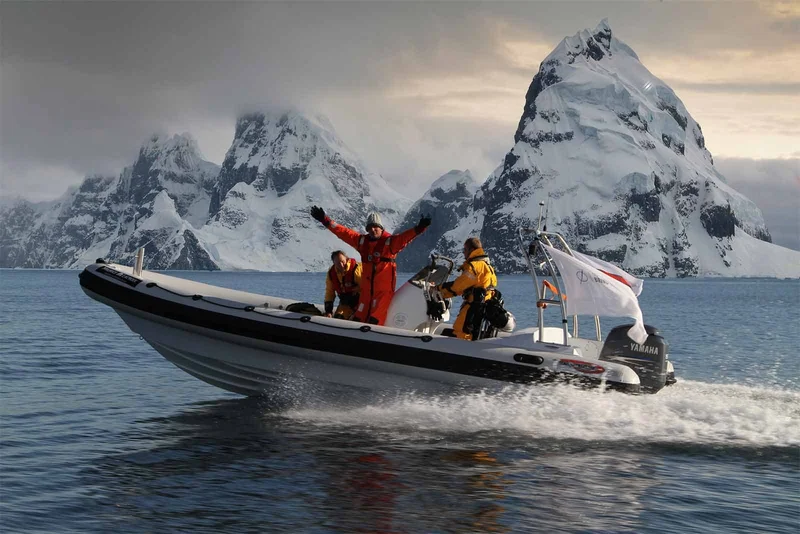
- Zodiac excursions with our expert expedition team
- Lectures and educational programs
- Waterproof boots supplied for USA sizes 4 - 16
- Expedition parka
- One expedition team member per 10 guests
- Bilingual guide
- Activities
- Meals
- Wifi
- Medical Center with a licensed Doctor
- 24 hour beverage station - tea and coffee available
15 Day Artic Itinerary Does not Include
- International flights
- Personal Expenses
- Tips
- Laundry Service
15 Day Artic Itinerary Highlights
- Explore Northwest Spitsbergen National Park in Svalbard
- Discover the fjords of Northeast Greenland National Park
- The distant village of Ittoqqortoormiit exists as a place which you should visit.
- Sail through the wildlife-rich Greenland Sea and Denmark Strait
Itinerary Map
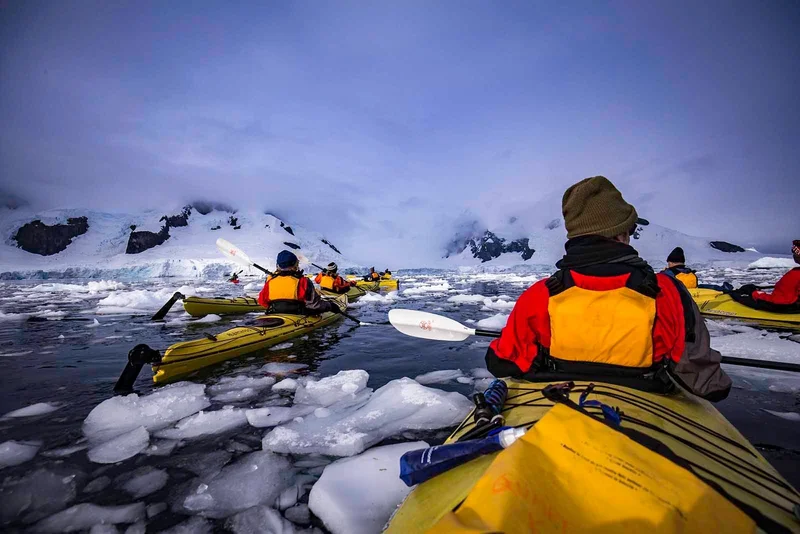
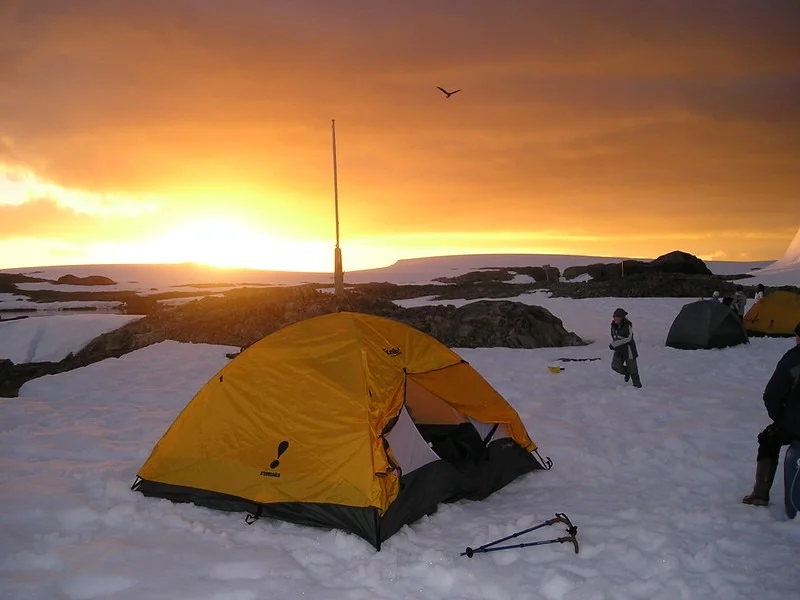
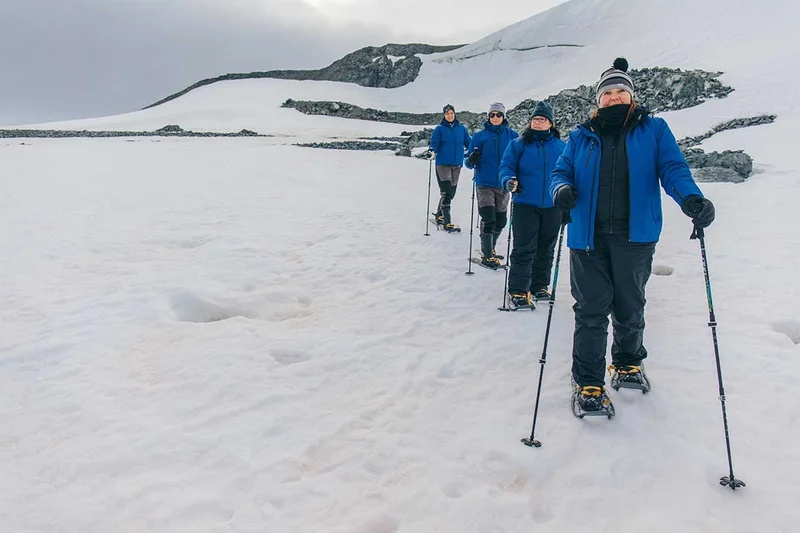
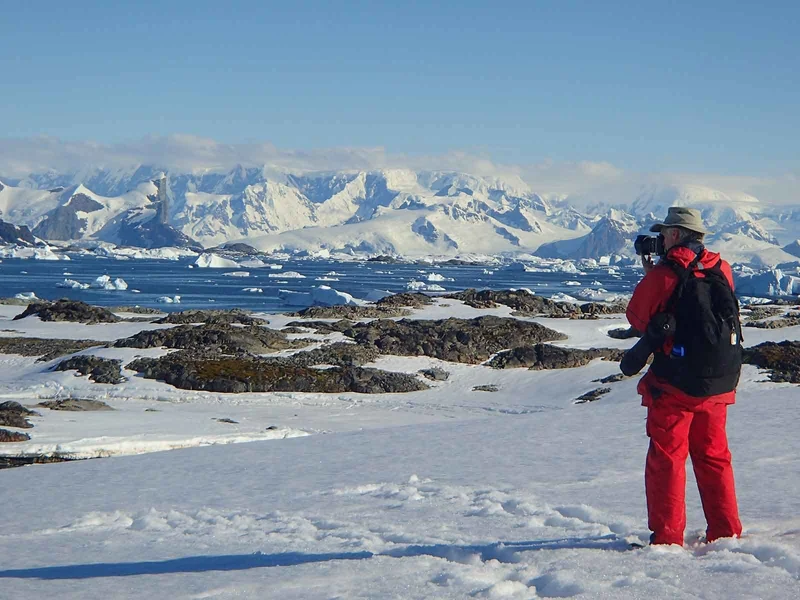
15 Day Arctic cruise activities

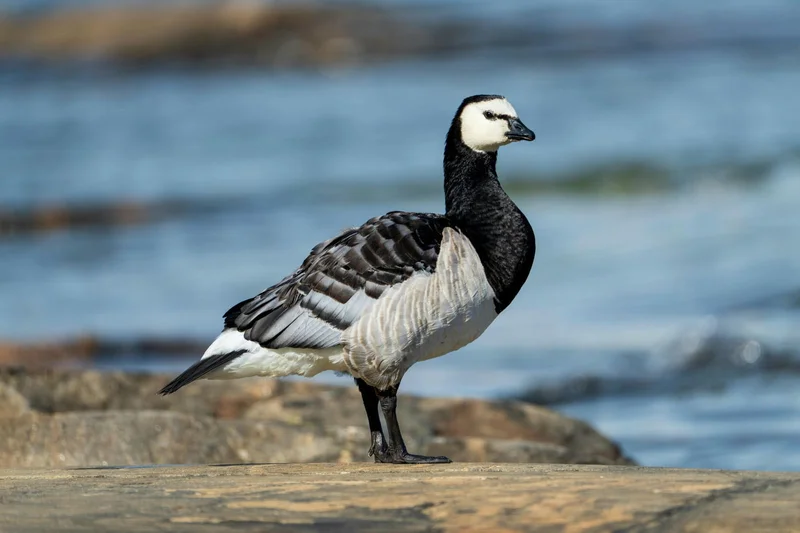
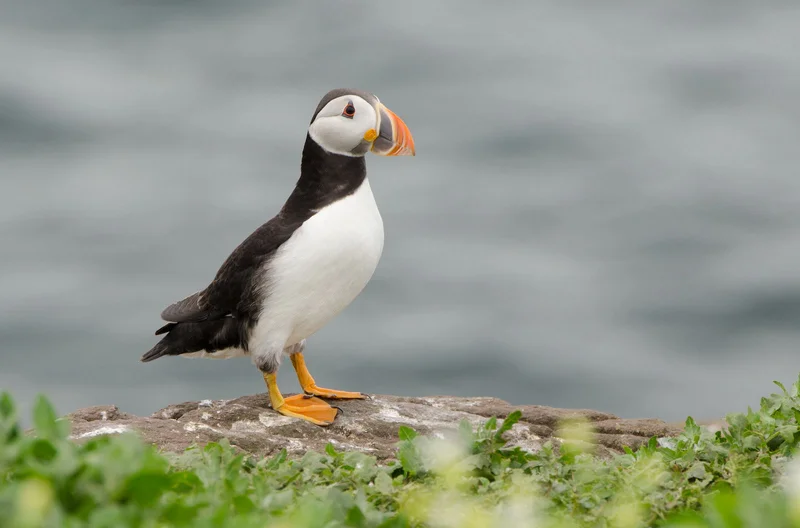
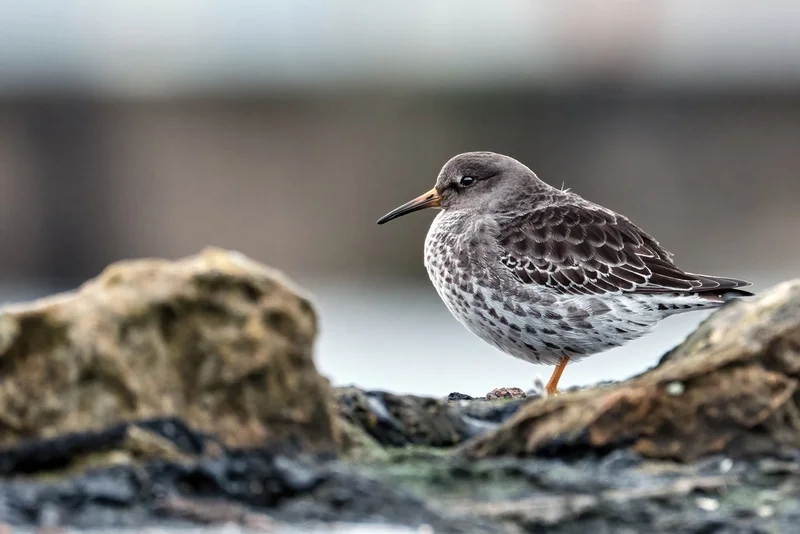
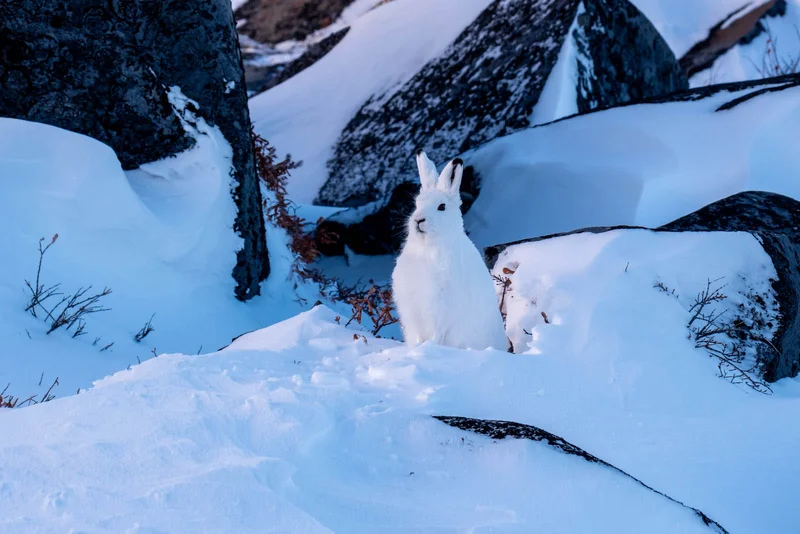
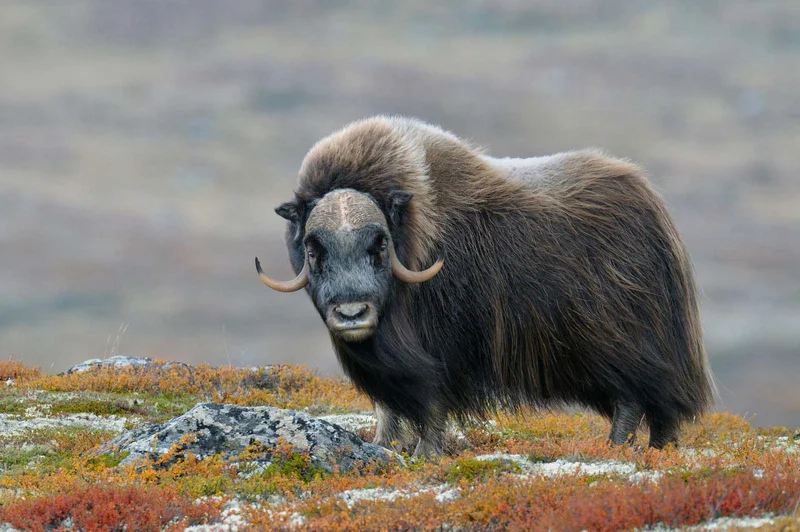
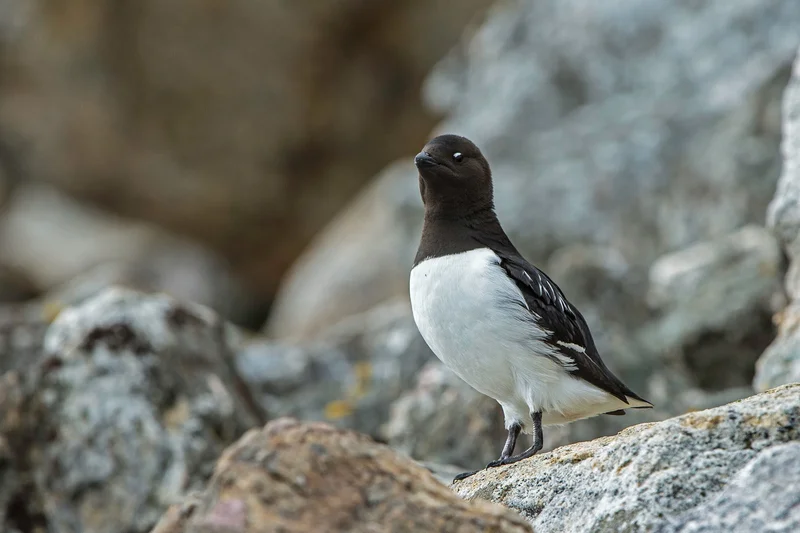
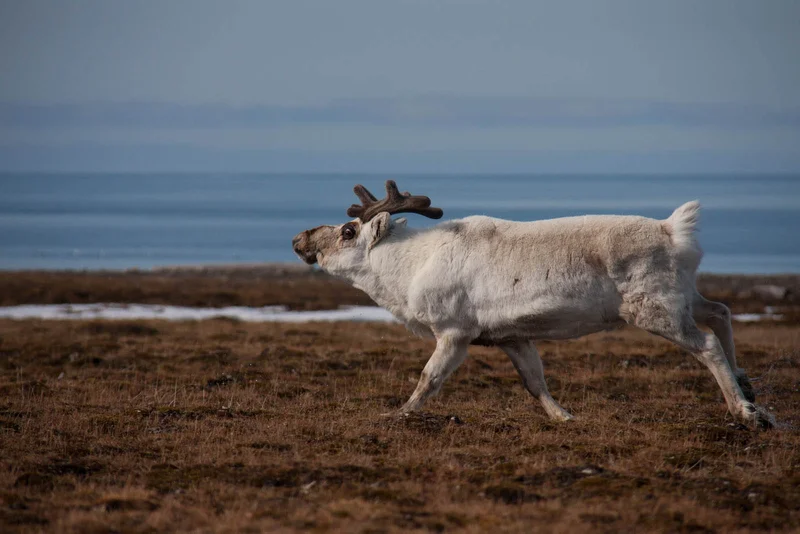
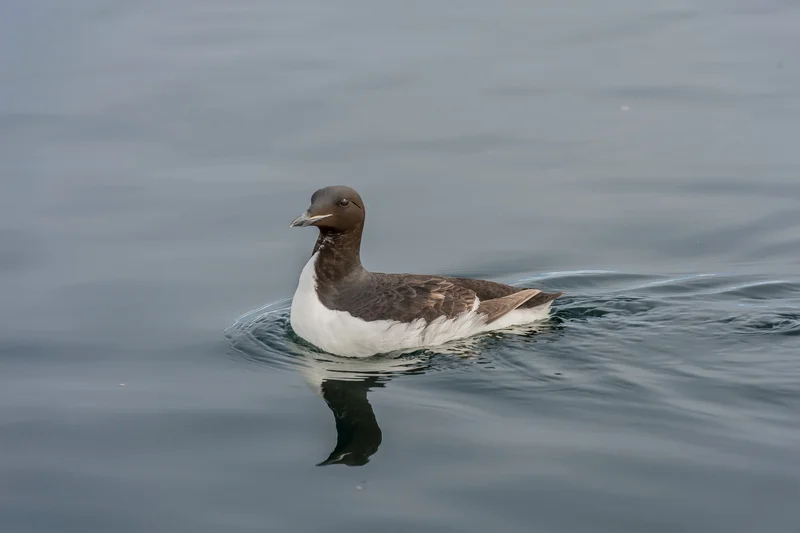
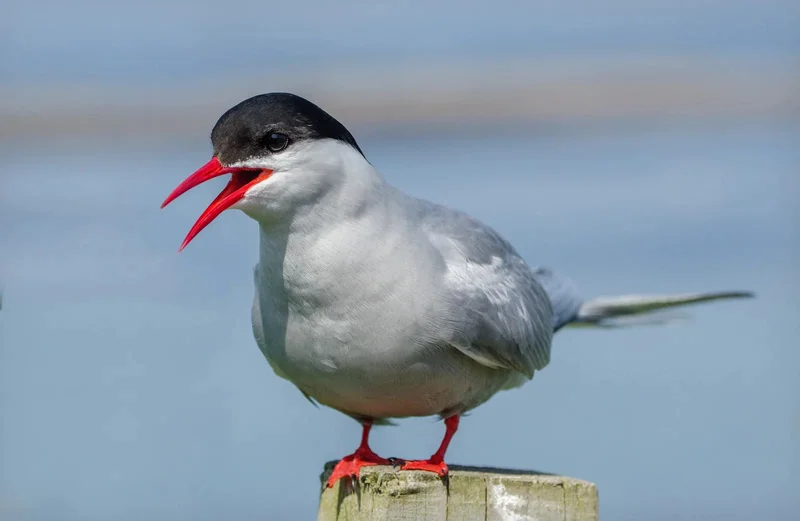
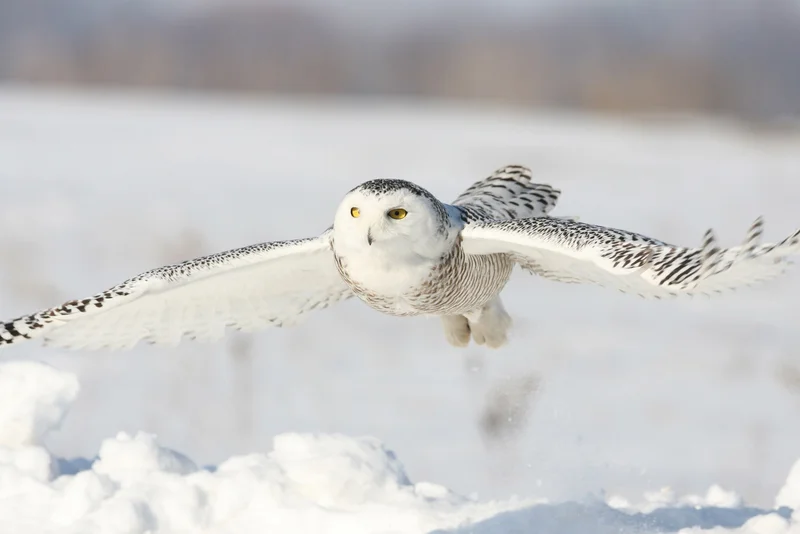
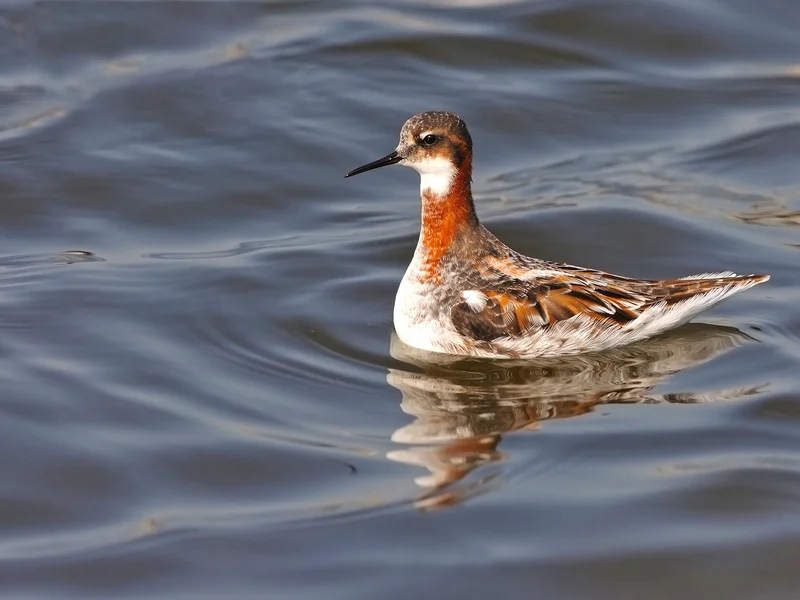
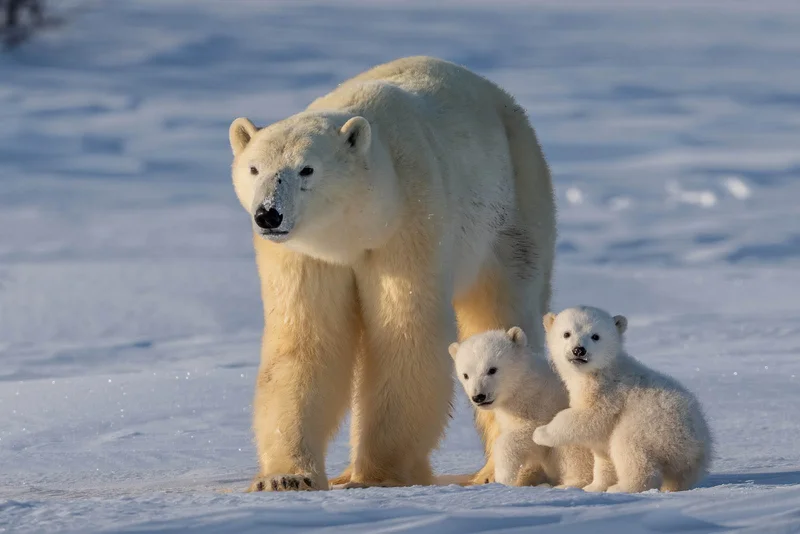
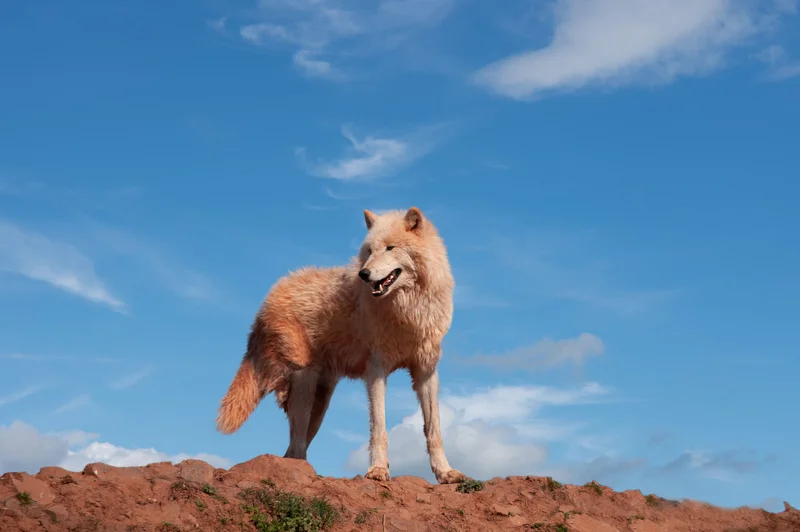
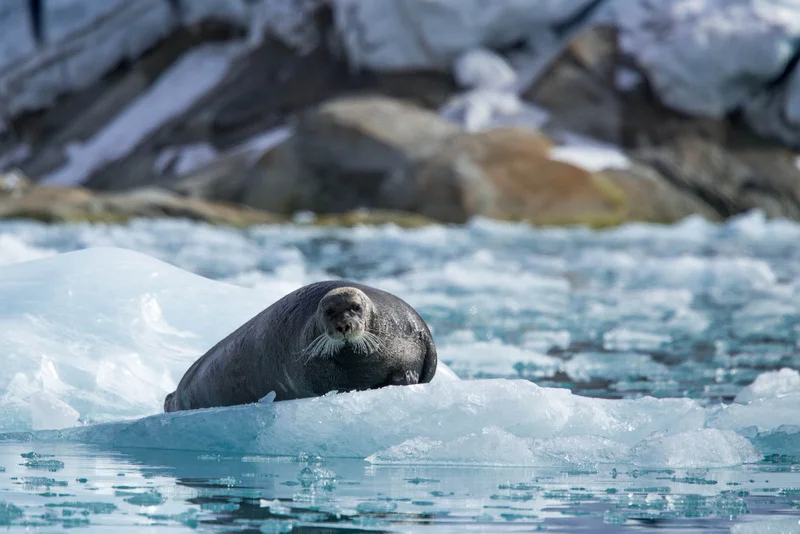
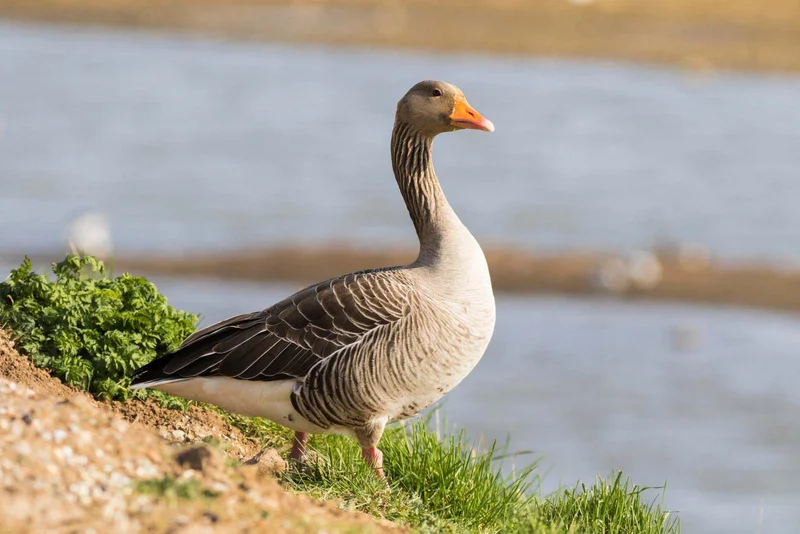
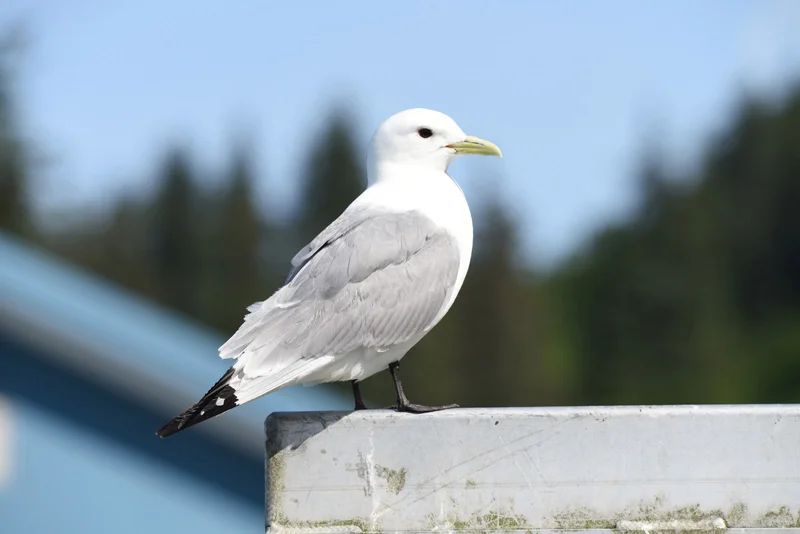
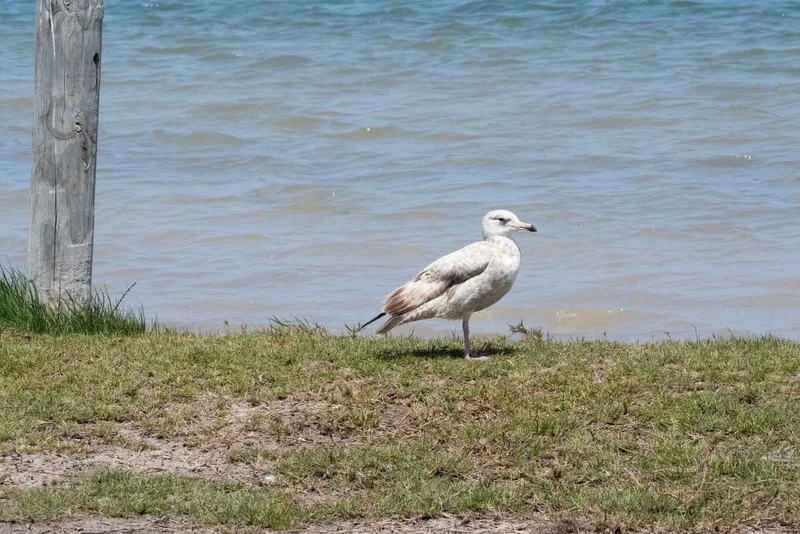
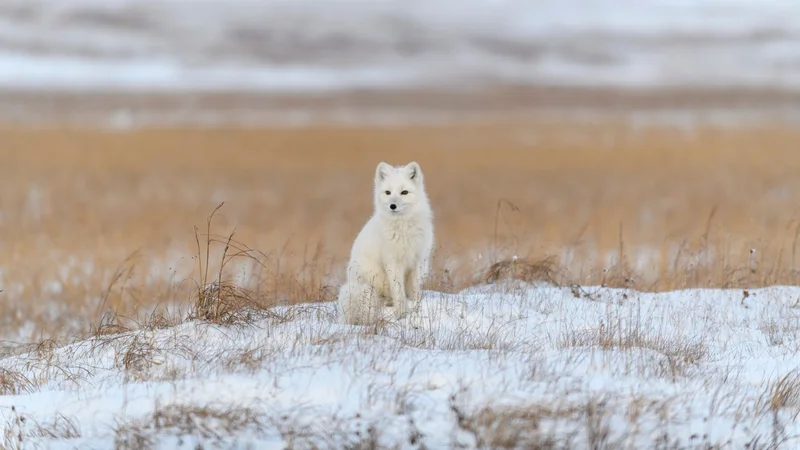
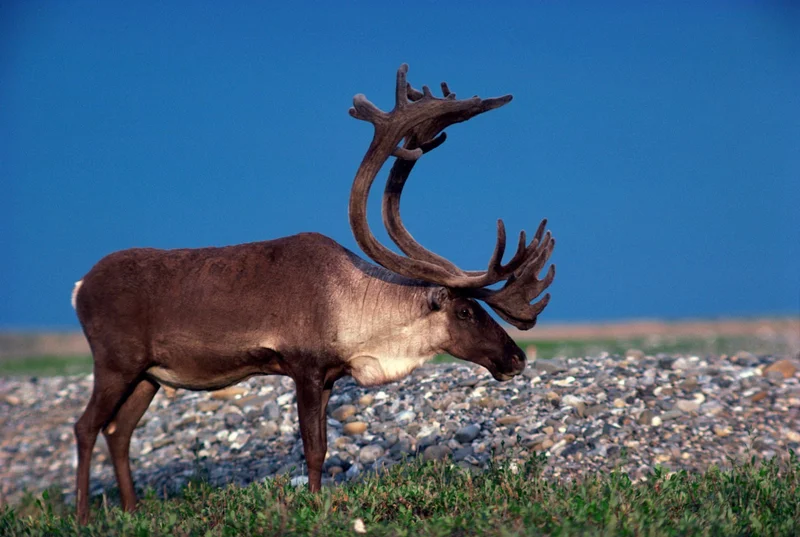
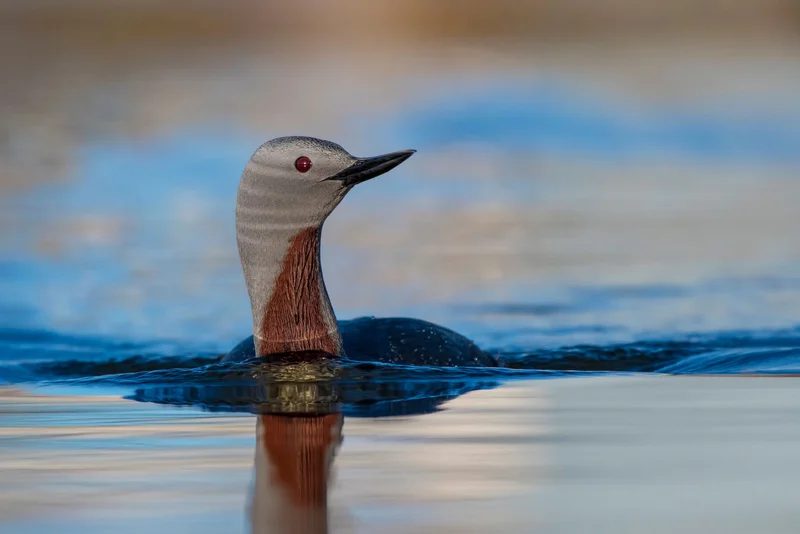
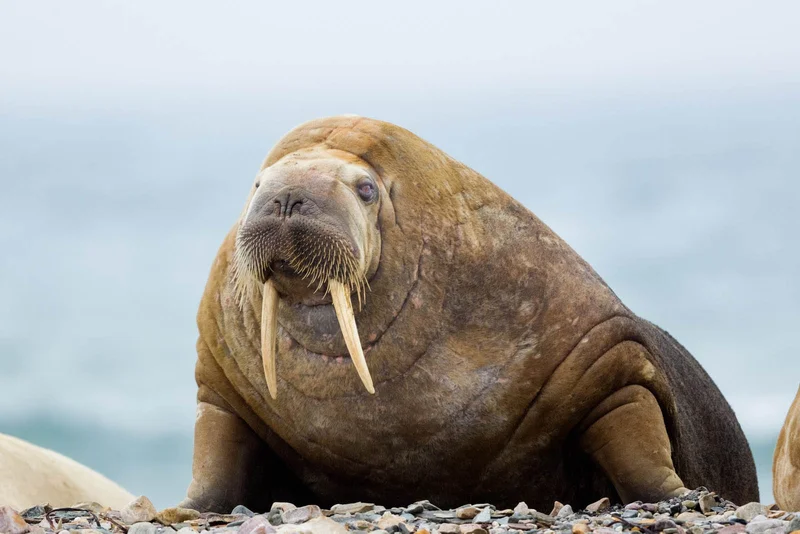
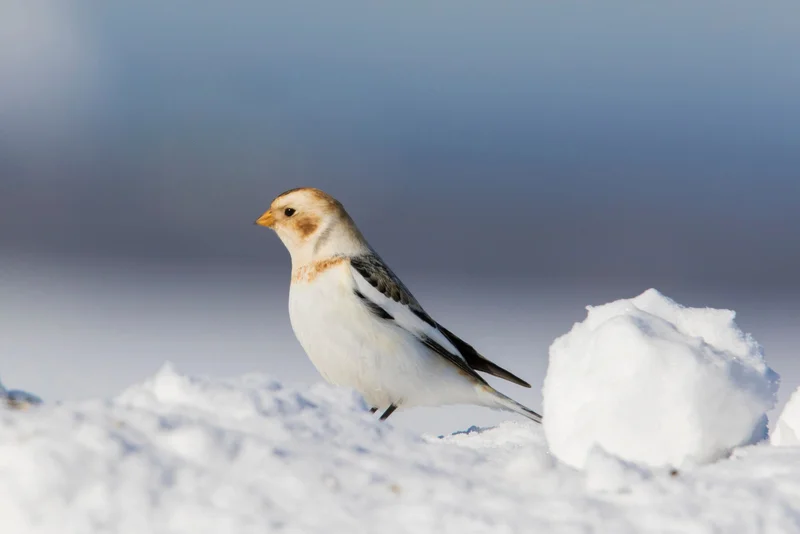
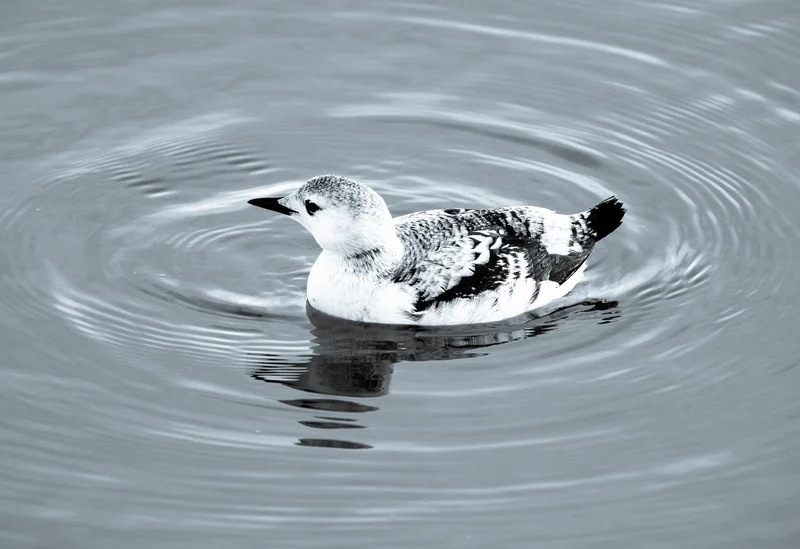
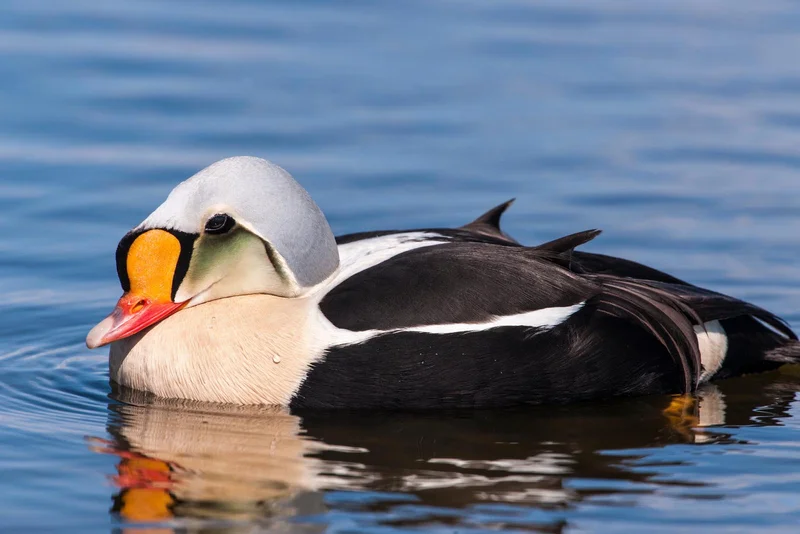
Animals you might see on this itinerary
Why travel with us?
 Over 22 years of experience
%20--%3e%3csvg%20version='1.1'%20id='Layer_1'%20xmlns='http://www.w3.org/2000/svg'%20xmlns:xlink='http://www.w3.org/1999/xlink'%20x='0px'%20y='0px'%20viewBox='0%200%20512%20512'%20style='enable-background:new%200%200%20512%20512;'%20xml:space='preserve'%3e%3cg%3e%3cg%3e%3cpath%20d='M424.18,200.763c-1.558,0-3.124,0.043-4.685,0.125c-20.129-42.954-56.688-76.736-101.546-93.182V64%20c0-34.157-27.79-61.947-61.947-61.947c-34.157,0-61.947,27.79-61.947,61.947v43.707c-44.86,16.447-81.419,50.231-101.548,93.186%20c-1.56-0.083-3.125-0.129-4.685-0.129C39.396,200.763,0,240.16,0,288.583c0,5.633,4.566,10.199,10.199,10.199h66.648%20c4.678,39.071,21.888,74.34,47.486,101.669c-9.018,15.386-13.176,33.319-11.773,51.284c1.626,20.824,10.666,40.436,25.454,55.225%20c1.992,1.992,4.602,2.987,7.212,2.987s5.221-0.995,7.212-2.987l55.753-55.753c15.234,4.19,31.263,6.441,47.809,6.441%20c17.145,0,33.738-2.405,49.461-6.893l56.205,56.205c1.992,1.992,4.602,2.987,7.212,2.987c2.61,0,5.221-0.995,7.212-2.987%20c14.789-14.789,23.828-34.403,25.454-55.229c1.444-18.5-3.024-36.957-12.609-52.643c24.899-27.134,41.617-61.883,46.218-100.306%20h66.649c5.633,0,10.199-4.566,10.199-10.199C512,240.16,472.604,200.763,424.18,200.763z%20M75.551,277.199%20c0,0.397,0.012,0.789,0.015,1.185H21.168c4.765-31.266,31.086-55.537,63.273-57.134C78.68,238.873,75.551,257.677,75.551,277.199z%20M214.452,64c0-22.909,18.638-41.549,41.548-41.549S297.549,41.09,297.549,64v37.587c-13.345-3.157-27.253-4.835-41.549-4.835%20c-14.295,0-28.204,1.679-41.548,4.835V64z%20M120.411,362.142c-15.487-24.634-24.462-53.757-24.462-84.942%20c0.001-31.989,9.439-61.81,25.669-86.84l22.637,22.637c1.992,1.992,4.602,2.987,7.212,2.987s5.221-0.995,7.212-2.987%20c3.983-3.983,3.983-10.441,0-14.425l-24.755-24.756c29.381-34.641,73.201-56.669,122.075-56.669%20c48.875,0,92.694,22.028,122.075,56.669l-42.909,42.909l-68.966-39.817v-11.484c0-5.633-4.566-10.199-10.199-10.199%20c-5.633,0-10.199,4.566-10.199,10.199v11.484l-76.655,44.257c-3.156,1.822-5.1,5.188-5.1,8.833v88.508L120.411,362.142z%20M145.763,484.786c-15.009-20.324-17.359-47.248-6.136-69.797c14.036,11.873,29.899,21.646,47.107,28.826L145.763,484.786z%20M246.835,436.98c-45.946-2.606-86.773-24.675-114.332-58.082l42.362-42.362l71.97,41.552V436.98z%20M184.444,318.512v-82.625%20L256,194.574l71.556,41.313v82.625L256,359.825L184.444,318.512z%20M267.234,436.849v-59.957l69.244-39.979l42.545,42.545%20C351.888,412.049,312.077,433.724,267.234,436.849z%20M368.341,484.788l-41.594-41.594c17.233-7.373,33.095-17.35,47.087-29.439%20C385.773,436.55,383.627,464.09,368.341,484.788z%20M391.19,362.777l-43.236-43.236v-86.753l42.428-42.428%20c16.23,25.029,25.668,54.851,25.668,86.839C416.05,308.652,406.925,338.011,391.19,362.777z%20M436.434,278.384%20c0.003-0.396,0.015-0.789,0.015-1.185c0-19.522-3.129-38.326-8.891-55.949c32.187,1.597,58.508,25.869,63.273,57.134H436.434z'/%3e%3c/g%3e%3c/g%3e%3cg%3e%3cg%3e%3cpath%20d='M256,125.212c-5.633,0-10.199,4.566-10.199,10.199v2.07c0,5.633,4.566,10.199,10.199,10.199%20c5.633,0,10.199-4.566,10.199-10.199v-2.07C266.199,129.778,261.633,125.212,256,125.212z'/%3e%3c/g%3e%3c/g%3e%3cg%3e%3c/g%3e%3cg%3e%3c/g%3e%3cg%3e%3c/g%3e%3cg%3e%3c/g%3e%3cg%3e%3c/g%3e%3cg%3e%3c/g%3e%3cg%3e%3c/g%3e%3cg%3e%3c/g%3e%3cg%3e%3c/g%3e%3cg%3e%3c/g%3e%3cg%3e%3c/g%3e%3cg%3e%3c/g%3e%3cg%3e%3c/g%3e%3cg%3e%3c/g%3e%3cg%3e%3c/g%3e%3c/svg%3e "South America & Antarctica Specialists") South America & Antarctica Specialists
South America & Antarctica Specialists Set and Tailor-made packages
 The best last-minute cruise deals
%20--%3e%3csvg%20version='1.1'%20id='Capa_1'%20xmlns='http://www.w3.org/2000/svg'%20xmlns:xlink='http://www.w3.org/1999/xlink'%20x='0px'%20y='0px'%20viewBox='0%200%20489.679%20489.679'%20style='enable-background:new%200%200%20489.679%20489.679;'%20xml:space='preserve'%3e%3cg%3e%3cg%3e%3cg%3e%3cpath%20d='M487.768,218.844c-14.5-134.2-135.2-232-269.4-217.4c-72.9,8.3-137.4,47.8-179,109.2c-6.2,9.4-3.1,21.8,6.2,28.1%20s21.8,3.1,28.1-6.2c34.3-51,88.4-84.3,148.8-90.5c112.4-11.5,213.3,69.6,224.7,182c11.4,111.3-69.7,212.2-181,223.7%20c-74.7,7.9-147.5-26-189.5-86.8l39.7,8.7c10.4,2.1,21.8-4.2,23.9-15.6c2.1-10.4-4.2-21.8-15.6-23.9l-81.1-17.7%20c-17.3-2.2-23.9,10.4-25,15.6l-17.7,82.2c-2.1,10.4,4.2,21.8,15.6,23.9c13.6,1.1,21.8-7.3,25-16.6l6-27.1%20c89.3,115.2,214.6,98.9,222.9,97.9C404.568,473.744,502.368,353.044,487.768,218.844z'/%3e%3c/g%3e%3cg%3e%3cpath%20d='M171.168,268.944h-38l30.6-31.1c0.4-0.4,0.8-0.8,1.1-1.3c5.7-7.5,8.8-16.5,8.8-26c0-23.7-19.3-43-43-43s-43,19.3-43,43%20c0,7.4,6,13.4,13.4,13.4s13.4-6,13.4-13.4c0-8.9,7.2-16.1,16.1-16.1c8.9,0,16.1,7.2,16.1,16.1c0,3.3-1,6.5-2.9,9.2l-52.4,53.3%20c-3.8,3.9-4.9,9.6-2.8,14.6s7,8.2,12.4,8.2h70.1c7.4,0,13.4-6,13.4-13.4S178.568,268.944,171.168,268.944z'/%3e%3cpath%20d='M271.668,240.144h-6.1v-59.2c0-5.7-3.5-10.7-8.9-12.6c-5.3-1.9-11.3-0.3-14.9,4l-60.4,72.6c-3.3,4-4,9.6-1.8,14.3%20c2.2,4.7,6.9,7.7,12.2,7.7h47v15.4c0,7.4,6,13.4,13.4,13.4c7.4,0,13.4-6,13.4-13.4v-15.4h6.1c7.4,0,13.4-6,13.4-13.4%20C285.068,246.144,279.068,240.144,271.668,240.144z%20M238.668,240.144h-18.4l18.4-22.1V240.144z'/%3e%3cpath%20d='M344.068,212.044c-6.6,0-12.9,1.4-18.5,4v-35.1c0-7.4-6-13.4-13.4-13.4s-13.4,6-13.4,13.4v101.4c0,7.4,6,13.4,13.4,13.4%20s13.4-6,13.4-13.4v-24.9c0-10.2,8.3-18.5,18.5-18.5s18.5,8.3,18.5,18.5v24.9c0,7.4,6,13.4,13.4,13.4s13.4-6,13.4-13.4v-24.9%20C389.468,232.444,369.068,212.044,344.068,212.044z'/%3e%3c/g%3e%3c/g%3e%3c/g%3e%3cg%3e%3c/g%3e%3cg%3e%3c/g%3e%3cg%3e%3c/g%3e%3cg%3e%3c/g%3e%3cg%3e%3c/g%3e%3cg%3e%3c/g%3e%3cg%3e%3c/g%3e%3cg%3e%3c/g%3e%3cg%3e%3c/g%3e%3cg%3e%3c/g%3e%3cg%3e%3c/g%3e%3cg%3e%3c/g%3e%3cg%3e%3c/g%3e%3cg%3e%3c/g%3e%3cg%3e%3c/g%3e%3c/svg%3e "Galapagos trips") 24/7 Customer service during your trip
24/7 Customer service during your trip Multi-Destination packages
Would you like to know why booking with us is the best choice?
Discover the BenefitsSimilar Itineraries