16 Day Artic Itinerary
Day 1: Glasgow & Embarkation via Leith
Day 2 - 3: Orkney Islands Exploration
The Orkney Islands attract visitors through their ancient historical value which exists alongside their unspoiled coastal landscapes that run along the coast. The area contains vital archaeological locations which consist of historical stone circles and untouched ancient villages from various time periods. The landscape shows a permanent existence because it features rolling green fields which reach up to towering coastal cliffs that form a dramatic visual difference. Visitors can explore historic sites during the day which protect ancient human settlements to learn about life between the Stone Age and the Viking Era. Visitors can experience coastal wildlife through their encounters with seabirds and marine creatures which add depth to the natural environment.
The focus then shifts to Kirkwall, often considered the cultural heart of Orkney. The day focuses on the region's historical background by showing visitors two main archaeological sites which include Skara Brae and the Ring of Brodgar. The landmarks show how first settlers built their homes by following the natural environment of their area. The experience of walking through these ancient sites proves that time flows in the same way from past to present. The experience reaches completion through its natural setting which shows open skies and rugged sea cliffs and quiet rural areas. The day becomes especially memorable because nature reveals its beauty alongside historical depth
Day 4 - 5: Shetland Islands Arrival
The journey northward brings travelers to the Shetland Islands which lie in a region that shows Scottish and Scandinavian cultural influences. The coastline transforms into an extreme natural setting which shows both steep cliffs and vast ocean views that stretch toward the horizon. The exploration focuses on Lerwick and its surrounding protected coastal areas, where wildlife populations are preserved. The islands reveal their Viking past through cultural traditions and archaeological discoveries. Visitors can experience the historical period through ancient sites and neighboring towns yet they can also watch seabirds and marine creatures in their natural surroundings.
Further exploration of Shetland’s history highlights two major Viking settlement sites, Jarlshof and Old Scatness. These archaeological sites let visitors explore the remains which belong to ancient Viking settlements that used to exist. The day brings together historical knowledge with the natural environment to demonstrate human survival techniques which developed during severe environmental challenges. The environment between coastal cliffs and open ocean waters creates a strong visual backdrop. The islands maintain their Norse heritage through local traditions which museums use to show their cultural background.
Day 6 - 10: Journey to the Faroe Islands
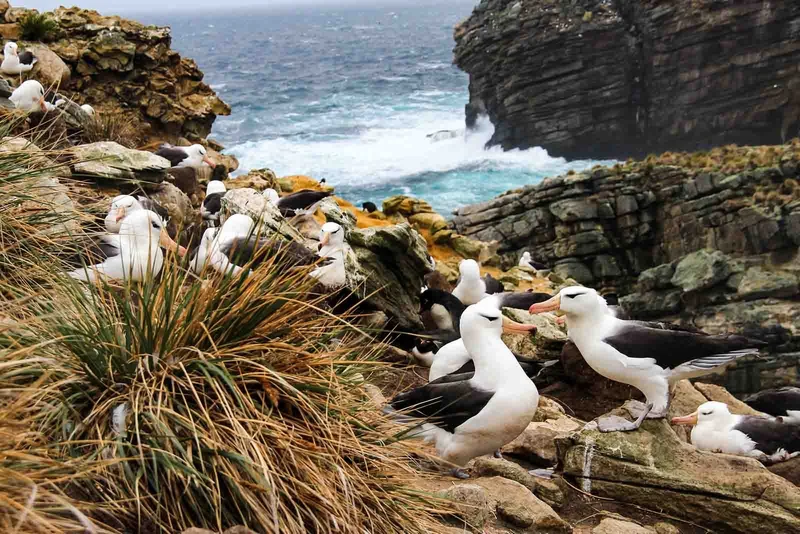
The journey leads toward distant ocean regions that must be crossed before reaching the Faroe Islands. The landscape shows users what to expect through rising steep cliffs which emerge from the ocean surface. The group's adventure develops into a more challenging expedition which causes travelers to feel more isolated from the outside world. The voyage presents chances for wildlife observation because seabirds and marine mammals appear during the journey. The Faroe Islands show their unique blend of natural beauty and cultural heritage when they appear on the horizon during the approach.
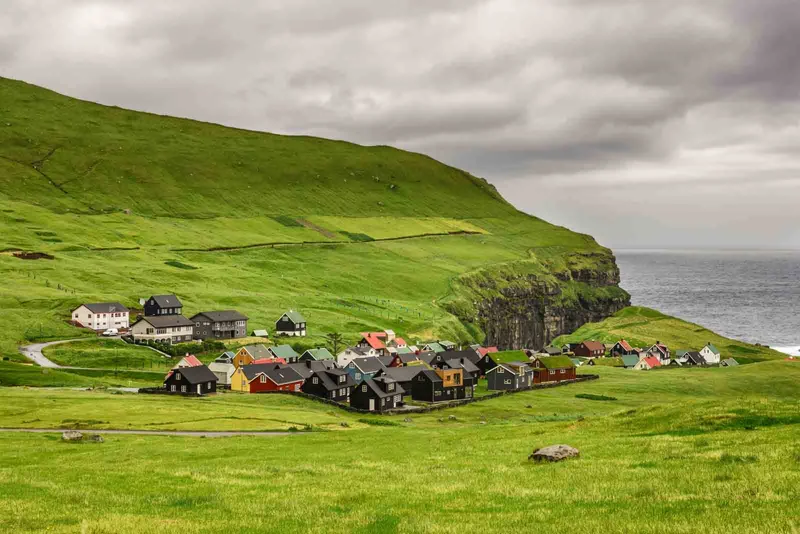
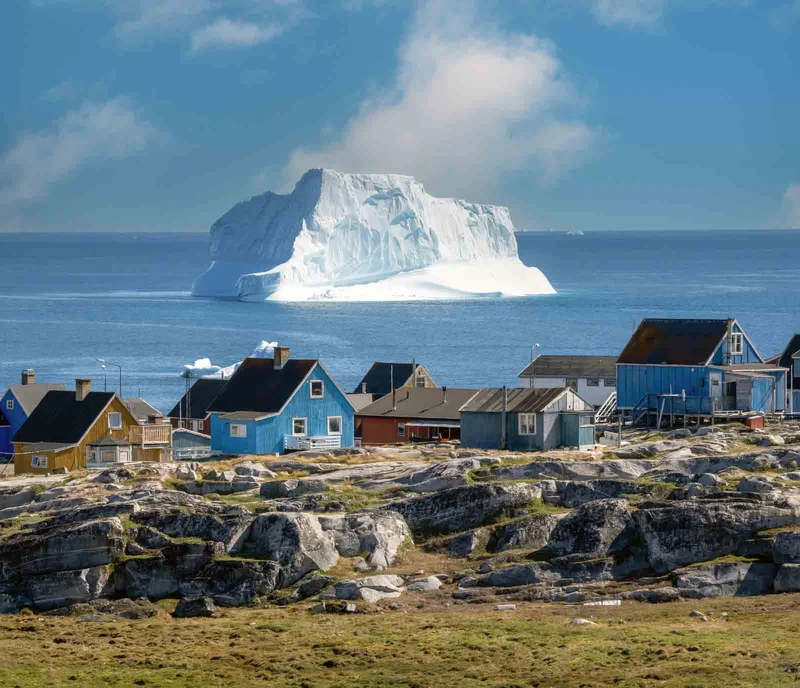
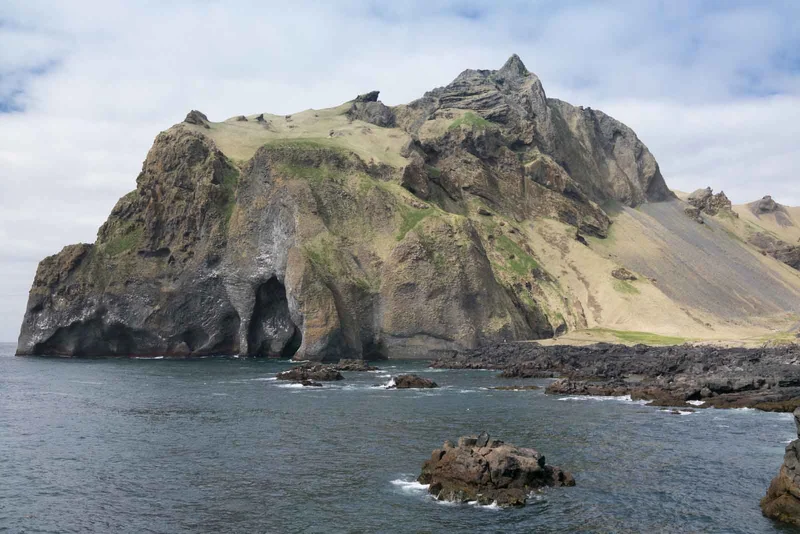
The Faroe Islands welcome visitors with dramatic cliffs, flowing waterfalls, and lush green landscapes. The islands protect their traditional lifestyle because they consist of small settlements which developed from their seafaring history. The architectural design of villages shows distinct features because their buildings contain roofs which people have covered with natural grass. The day focuses on exploration and connection, allowing visitors to experience life in this remote North Atlantic region.
The islands reveal their artistic and cultural identity through additional research which becomes necessary for further investigation. The area combines natural beauty with peacefulness through its fishing villages and scenic viewpoints and quiet harbors. The environment undergoes continuous changes because it consists of both land and ocean which respond to shifting weather patterns and different times of day. Visitors can learn about local customs through interactions with residents who maintain traditional crafts and oral storytelling practices. Visitors develop stronger connections to the environment because they experience the original Faroe Islands landscape which has remained unspoiled.
Visitors can explore the Faroe Islands for a second day to discover additional natural beauty and cultural traditions. The hiking trails reveal ocean cliffs which stretch across the sea but village visits reveal how people live their daily lives. The remote location of these islands protects their natural ability to maintain peacefulness which exists nowhere else in the world. The experience becomes more valuable through wildlife encounters because it strengthens my bond with the natural environment which surrounds me.
Day 11 - 12: Sailing Toward Norway
The expedition begins with the Faroe Islands before it continues its path toward Norway. The open sea allows me to evaluate my previous experiences while I experience the boundless North Atlantic ocean. Passengers can experience the surrounding environment through scheduled activities which improve their overall experience during the day. The changing environment starts to reveal the spectacular fjords which will appear soon so we can look forward to our following expedition segment.
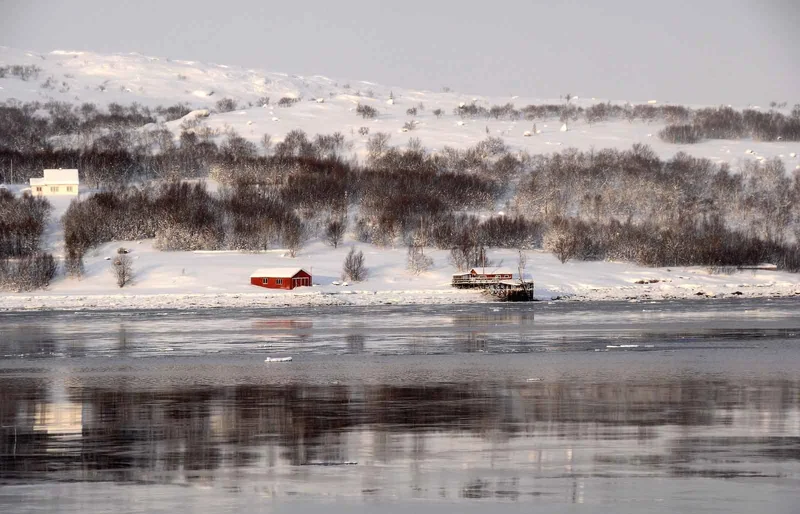
The Norwegian coastline reveals its famous fjords and tall cliffs which define this region. The area shows its natural beauty through mountains which create dramatic ocean shorelines when they touch the water. The team concentrates on waterway navigation to study waterfalls and their multiple geological structures. The environment shows its large size while Viking culture from history creates a deeper experience for visitors.
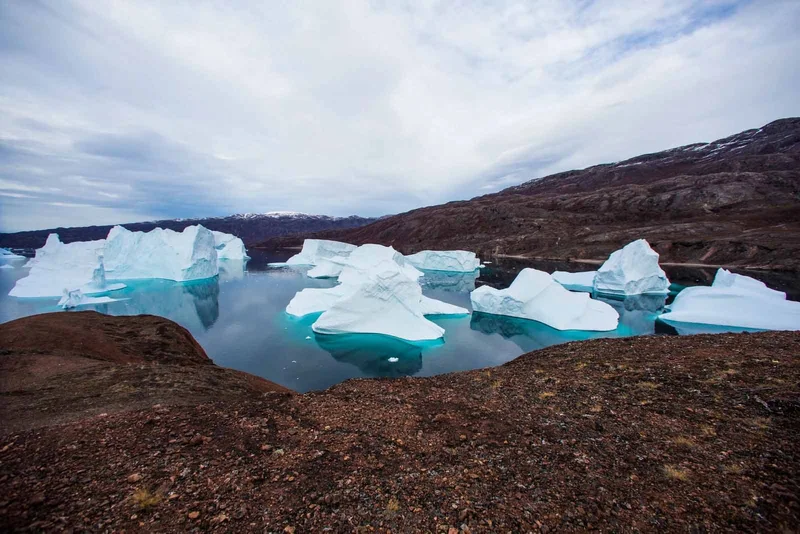
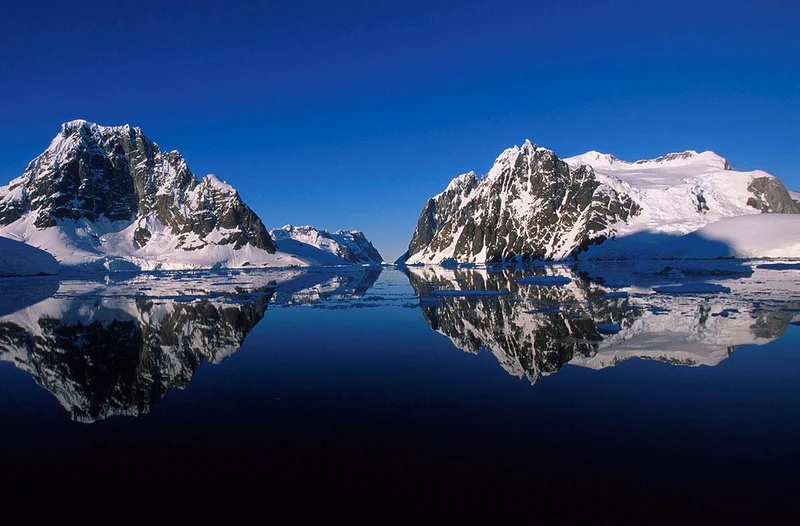
The day continues with full exploration of Norway’s fjords, revealing some of the most impressive views of the journey. The landscape shows glacial formations which exist alongside deep blue waters and steep rock faces. The scenery undergoes continuous changes because sunlight and darkness create different patterns during various times of the day. The expedition reaches its peak when nature displays its full power which creates a lasting memory of Norway's unique and striking natural scenery.
Day 13 - 15: Coastal Norway Exploration
The exploration journey extends across Norway because its coastline offers access to both fjords and coastal regions which display distinct views of the surrounding environment. The coastal communities show how maritime traditions have shaped their culture while visitors can experience the region through boat tours which reveal natural beauty and local traditions during daytime activities.
The journey into northern territories reveals Arctic characteristics which become visible through the region's natural environment. The area develops into an isolated environment which shows no signs of human existence while people experience complete separation from urban areas. The team members experience growing excitement about their expedition while their bond with nature strengthens until they finally reach their final destination which lies in Tromsø.
Tromsø serves as the main entry point for visitors who want to explore its vibrant Arctic cityscape which stands against its breathtaking natural landscape. The city functions as an entrance point to the Arctic because it unites contemporary city living with its natural areas which remain free from human impact. The last phase provides travelers with their final chance to discover local traditions and natural settings which marks the end of their expedition.
Day 16: Departure from Tromsø
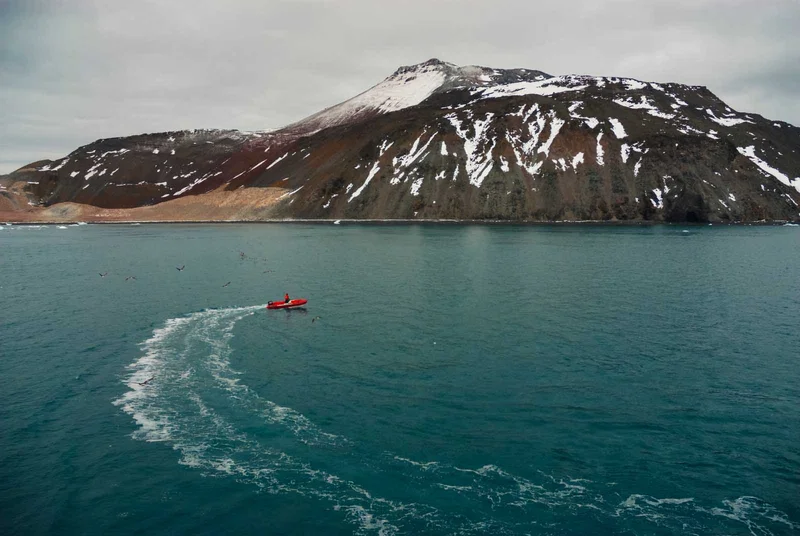
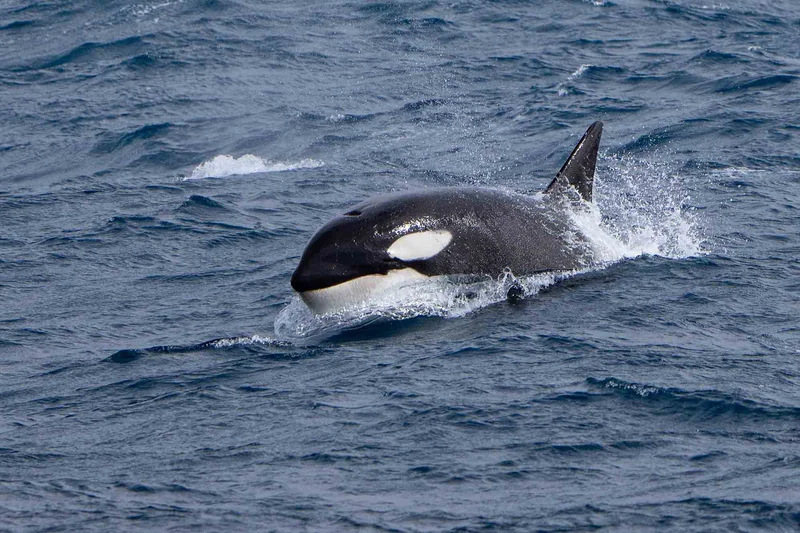
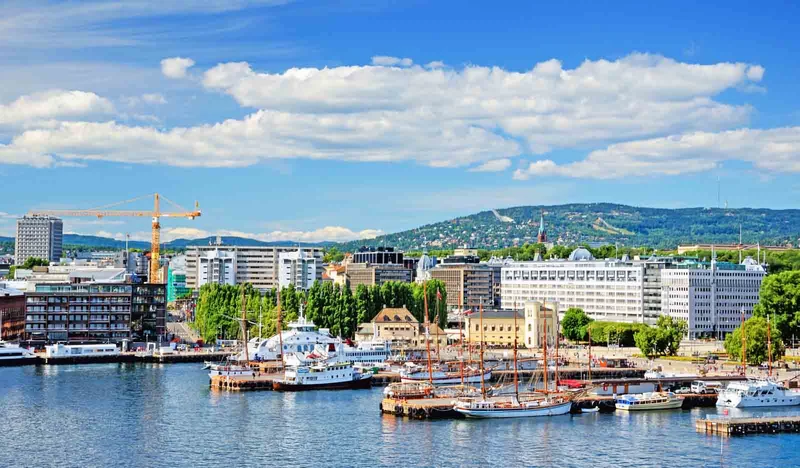
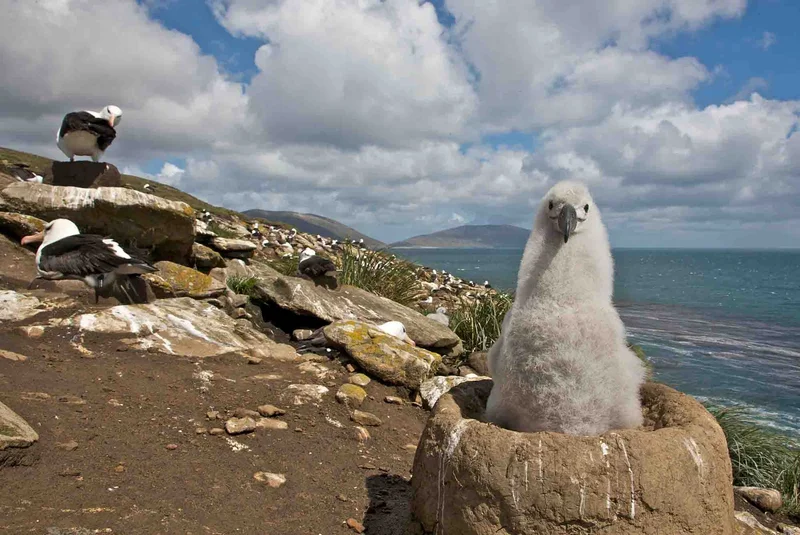
16 Day Artic Itinerary Includes
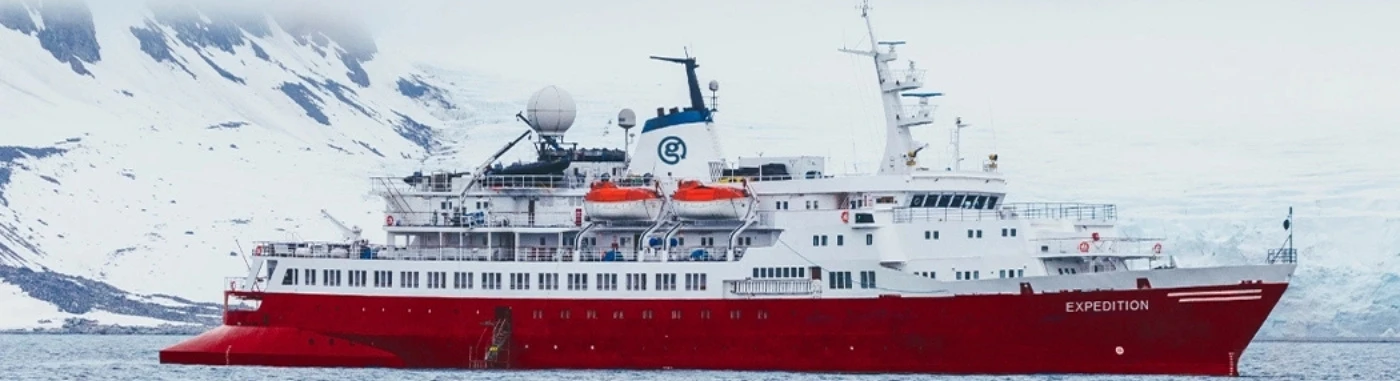
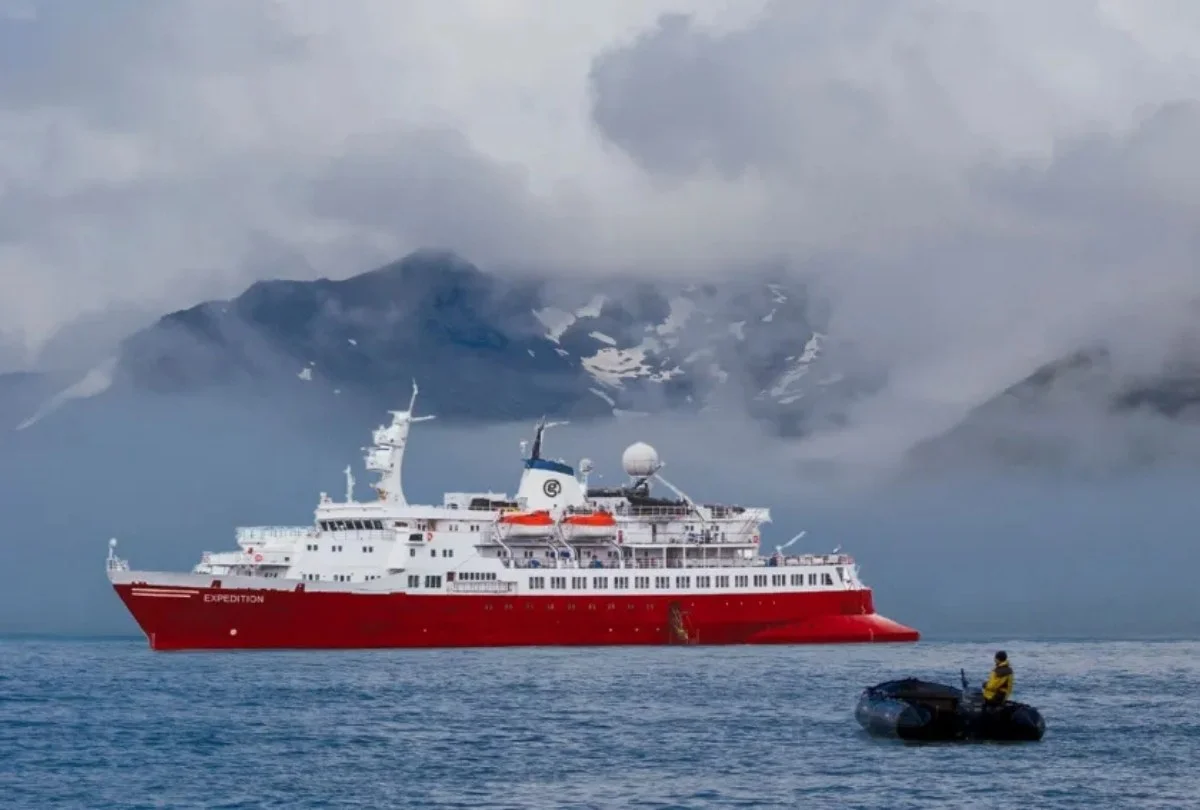
- Accommodation aboard the Expedition
- Arrival and departure transfers
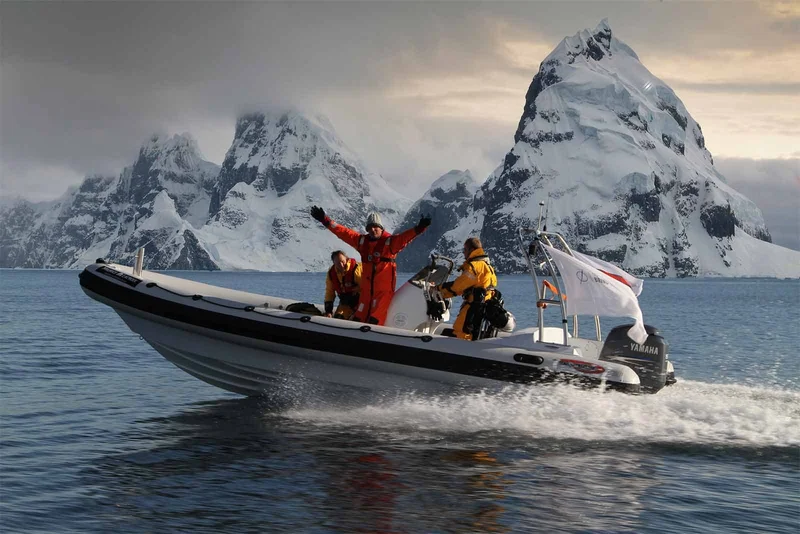
- Zodiac excursions with our expert expedition team
- Lectures and educational programs
- Waterproof boots supplied for USA sizes 4 - 16
- Expedition parka
- One expedition team member per 10 guests
- Bilingual guide
- Activities
- Meals
- Wifi
- Medical Center with a licensed Doctor
- 24 hour beverage station - tea and coffee available
16 Day Artic Itinerary Does not Include
- International flights
- Personal Expenses
- Tips
- Laundry Service
16 Day Artic Itinerary Highlights
- The ancient Viking and Neolithic archaeological sites spread across Orkney and Shetland islands
- The Faroe Islands present visitors with stunning cliffs together with their traditional village settlements
- The Norwegian fjords together with their wild coastal areas become accessible through cruise ship travel
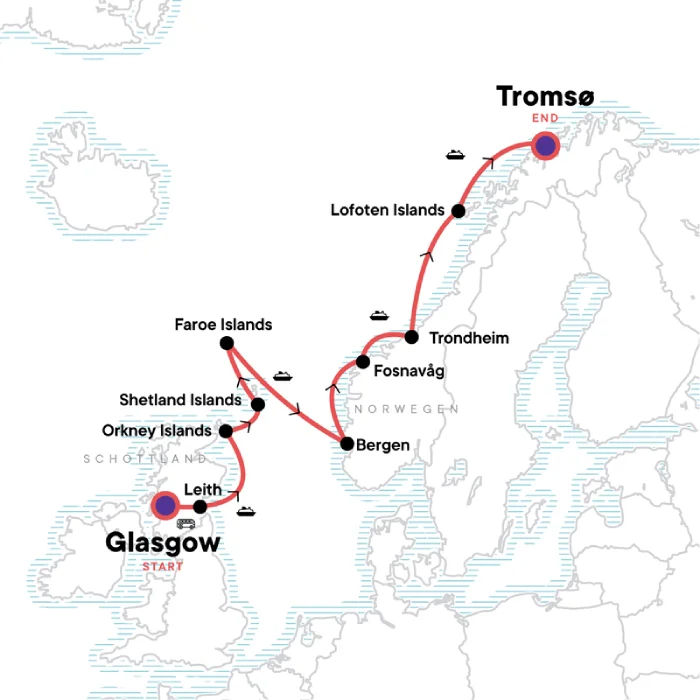
Itinerary Map
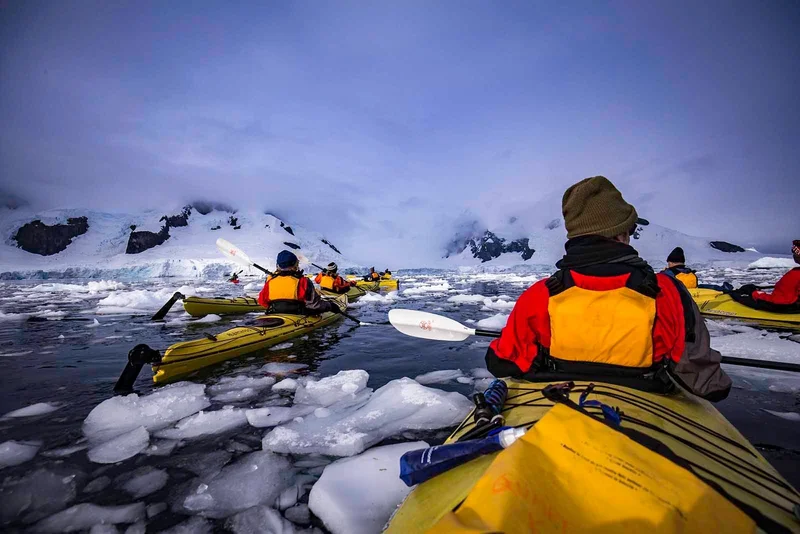
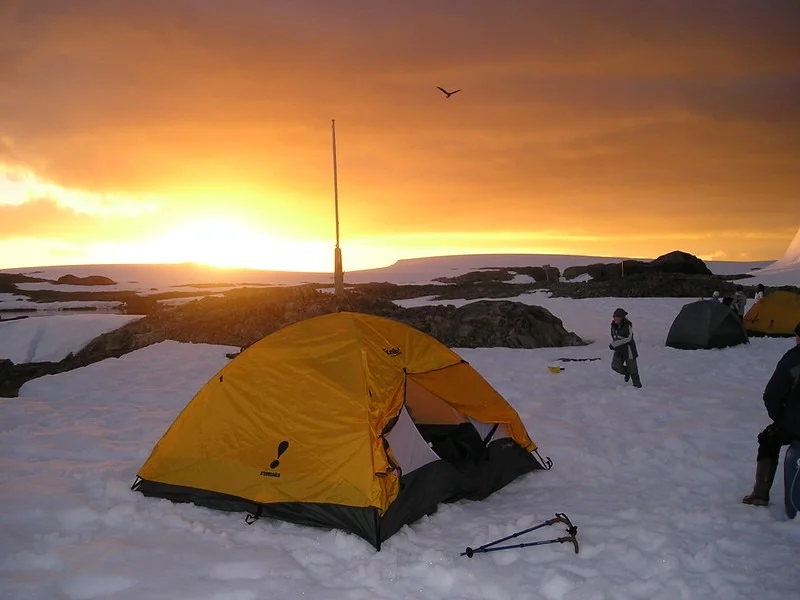
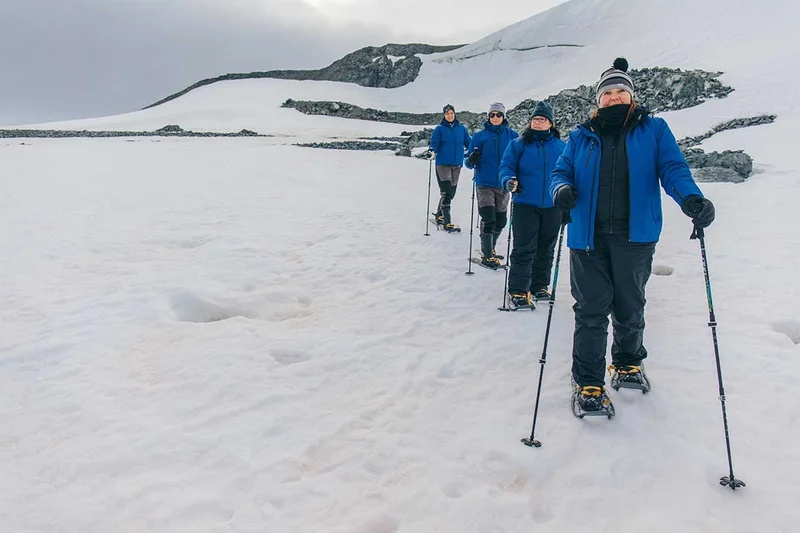
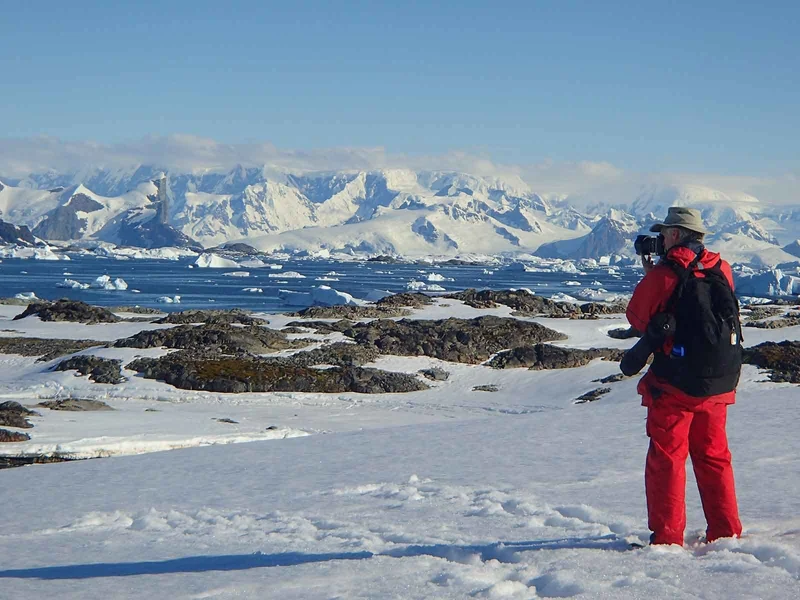
16 Day Arctic cruise activities

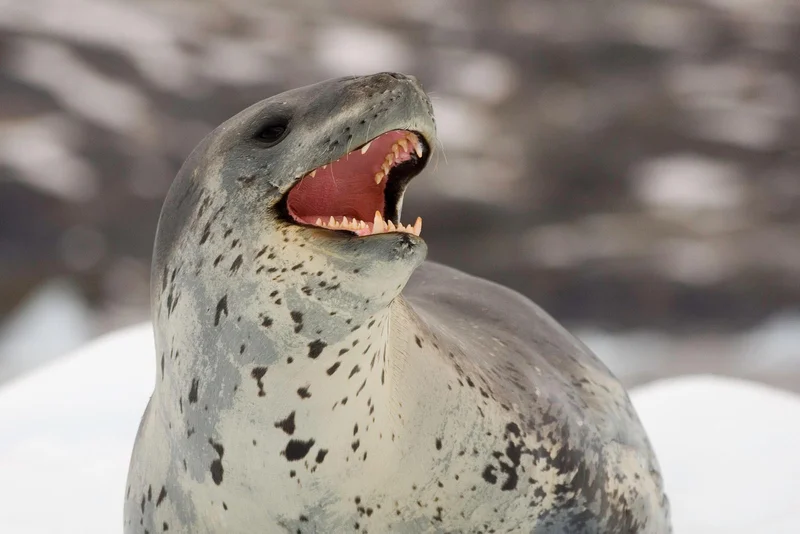
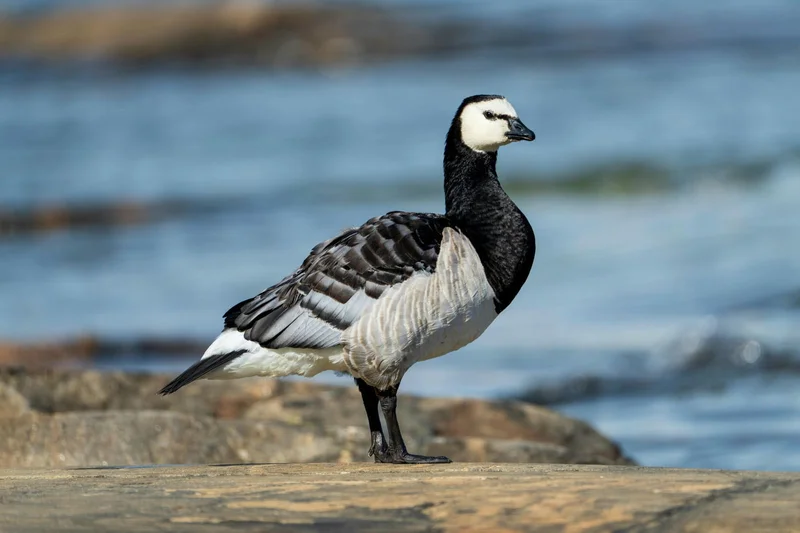
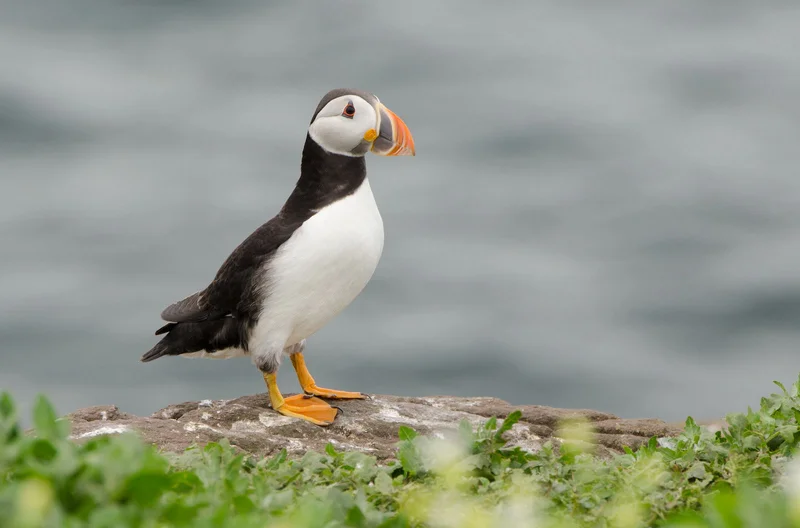
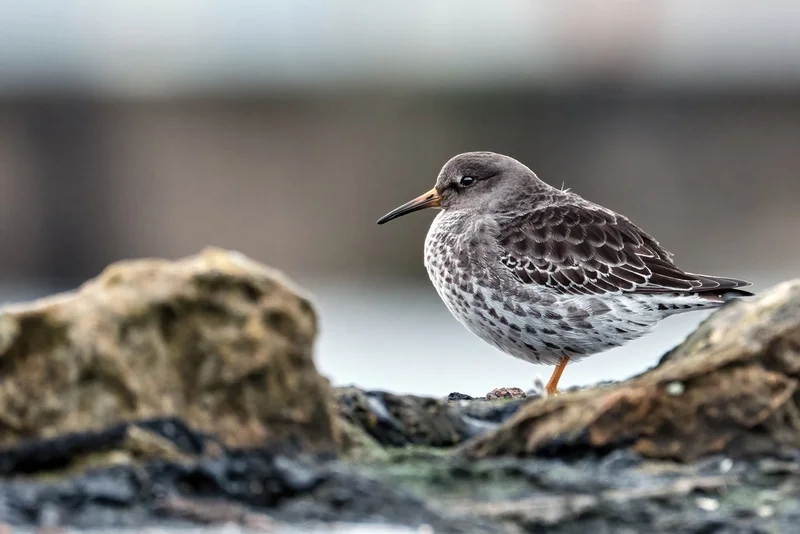
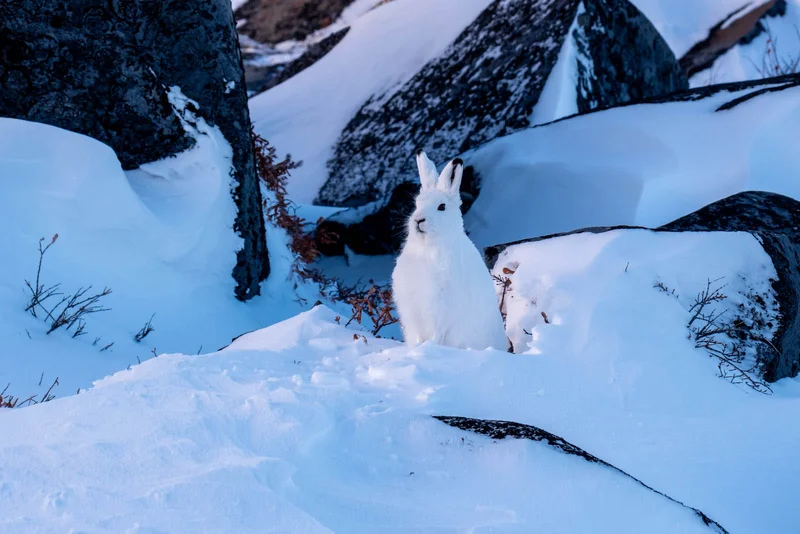
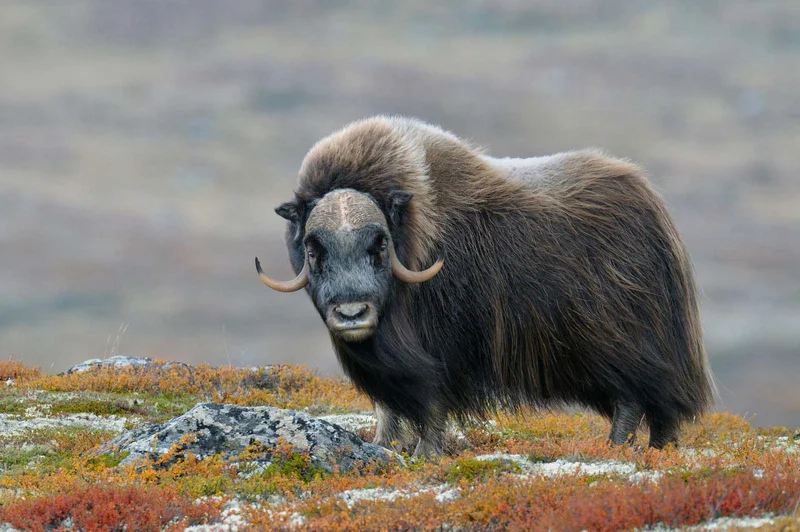
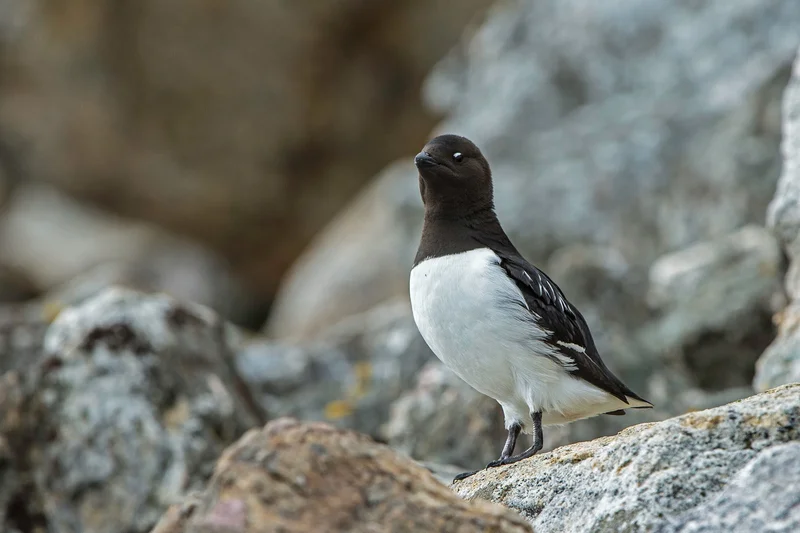
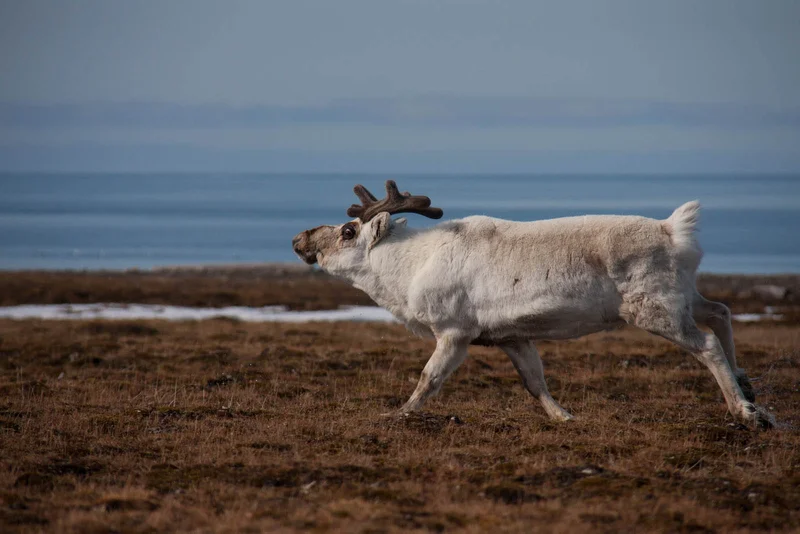
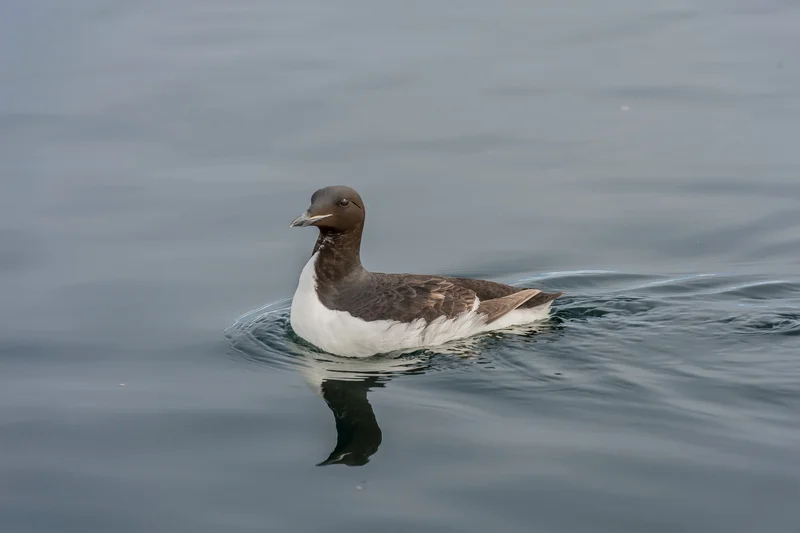
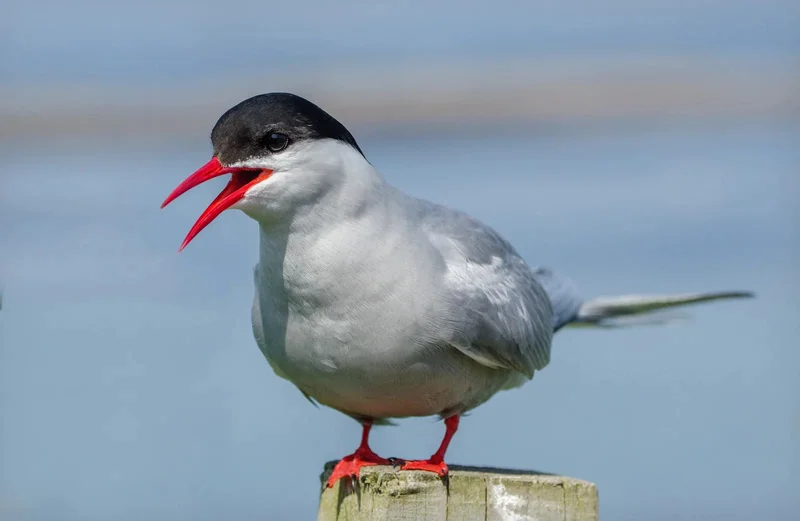
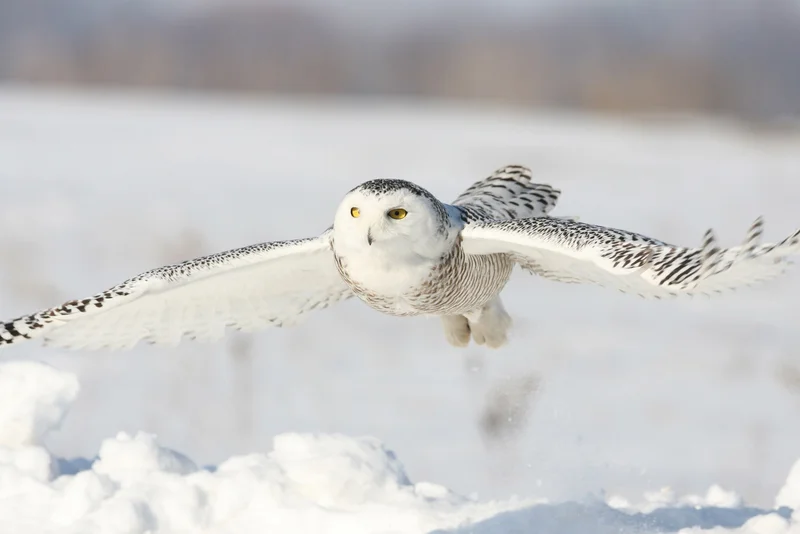
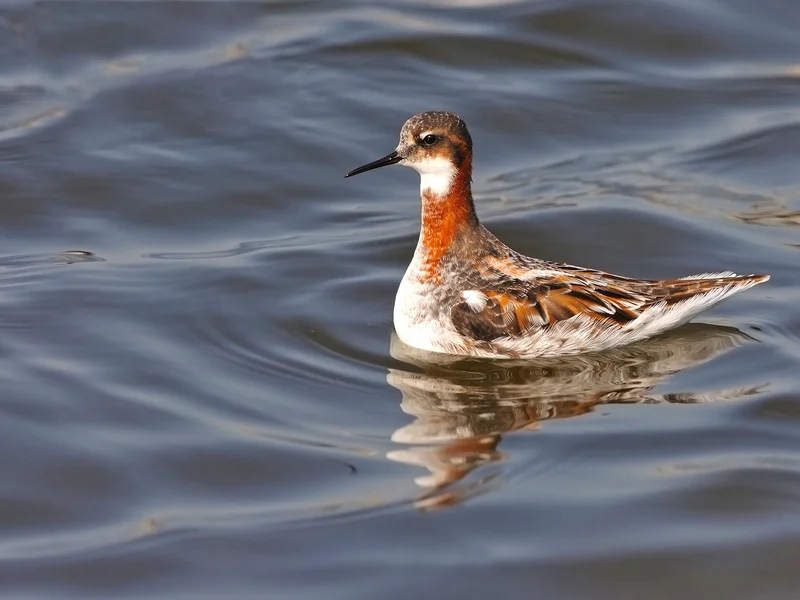
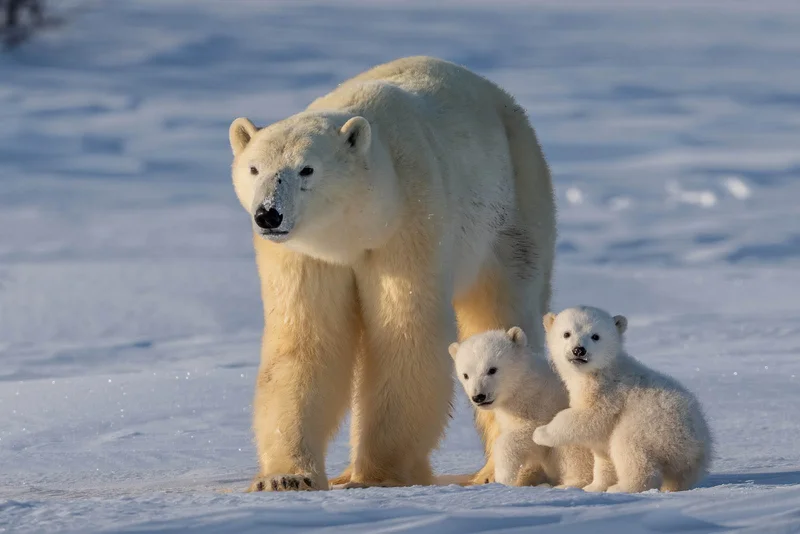
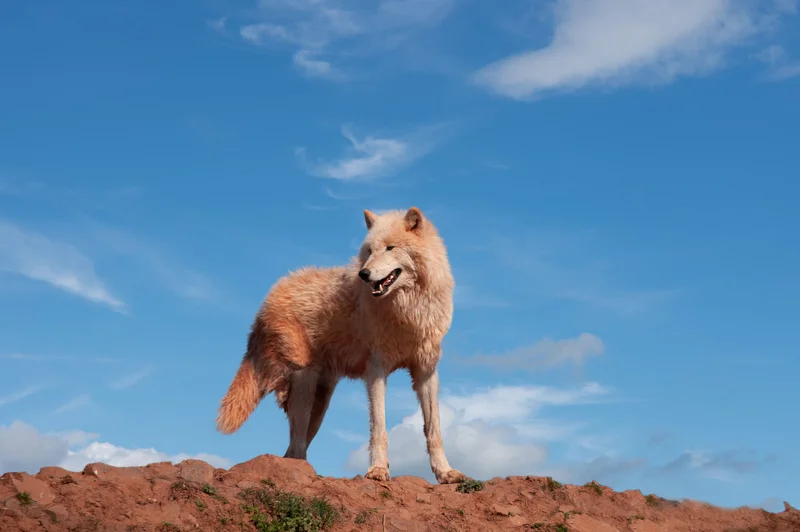
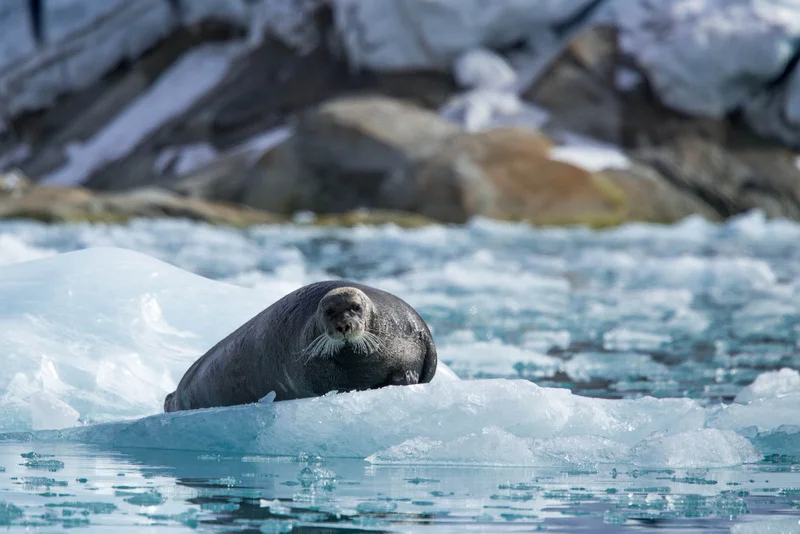
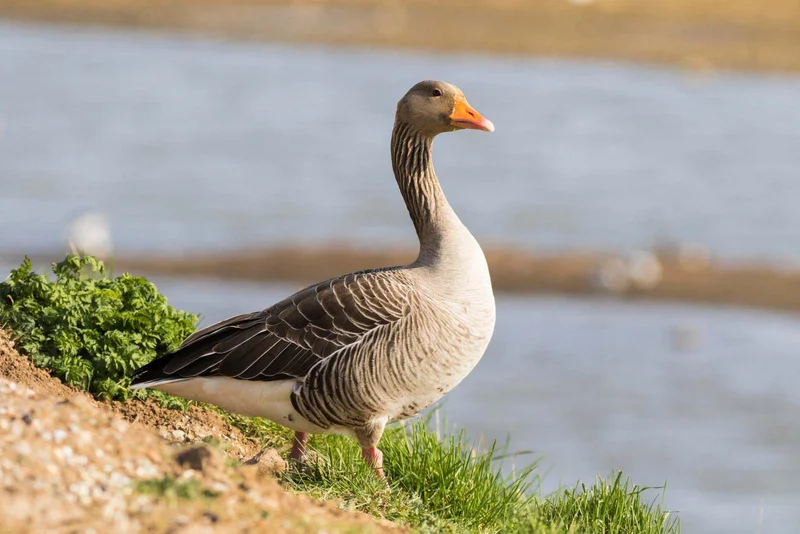
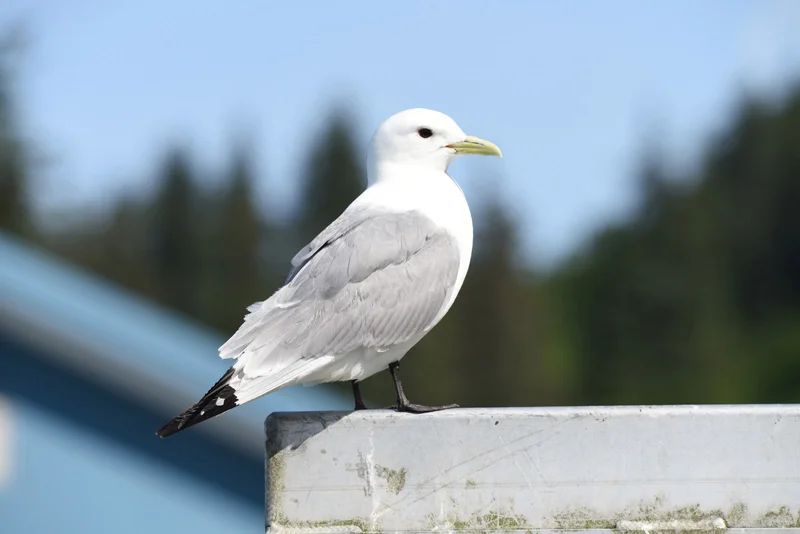
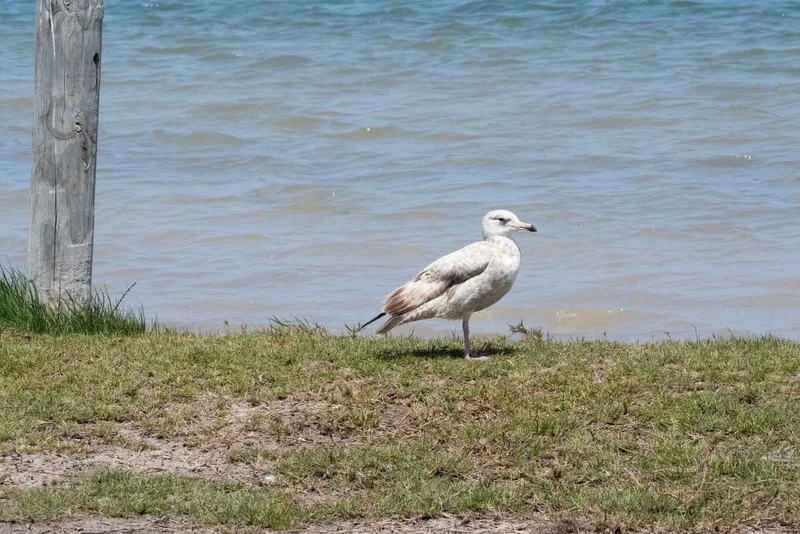
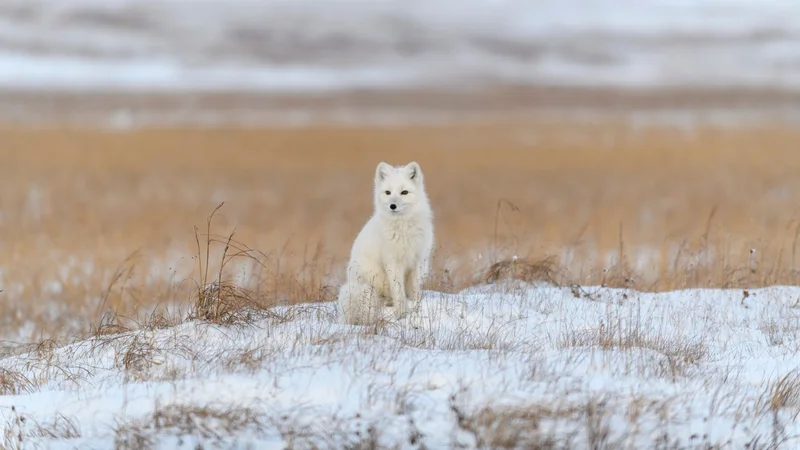
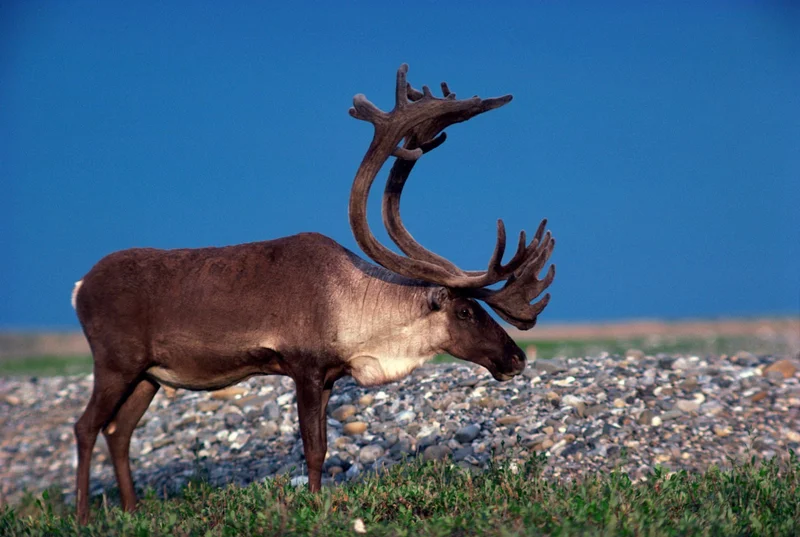
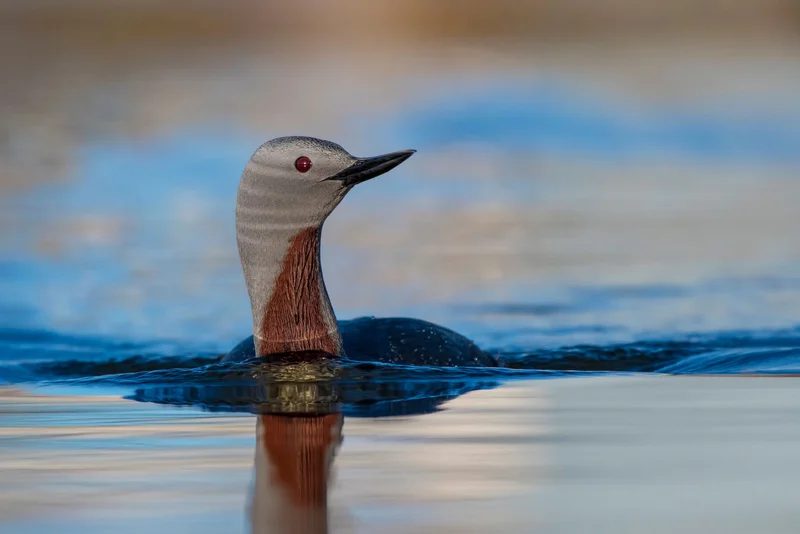
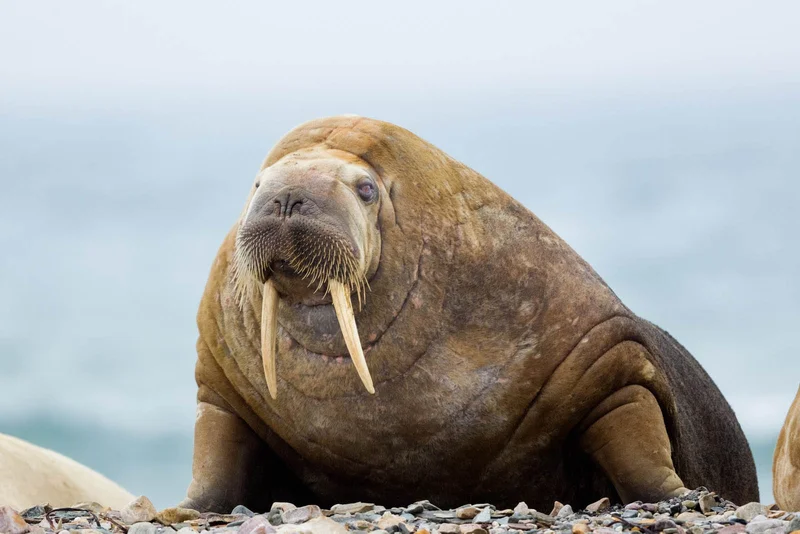
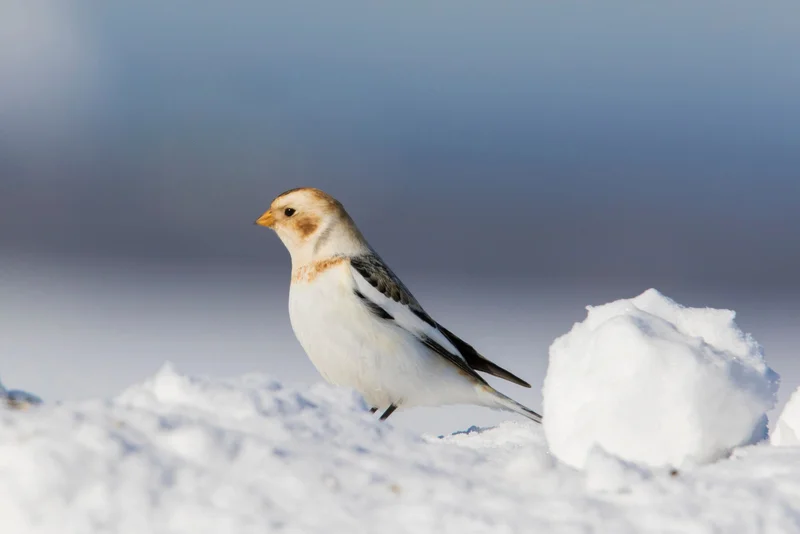
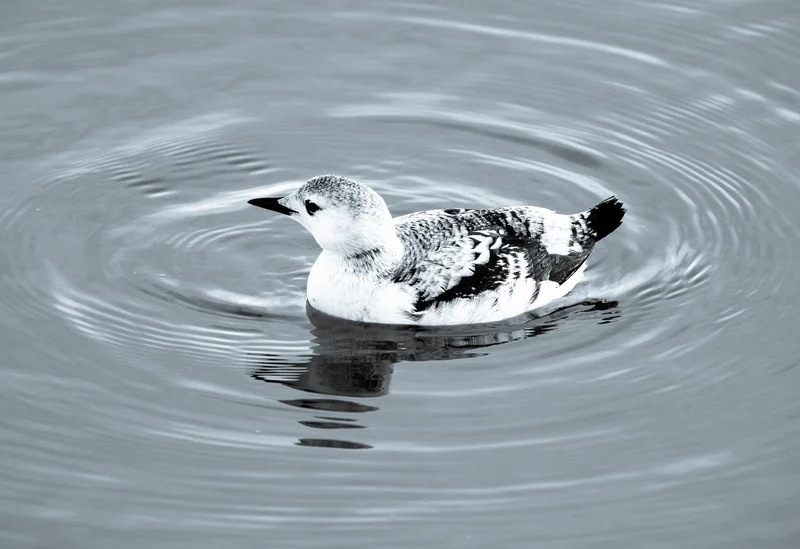
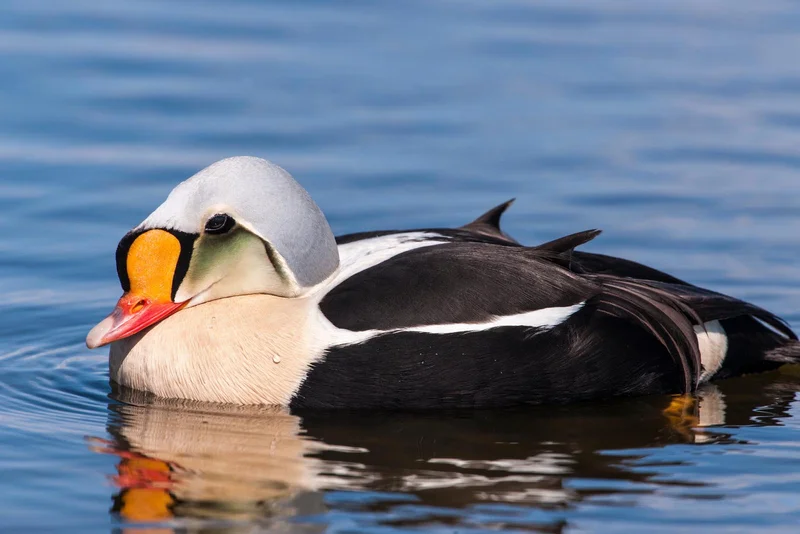
Animals you might see on this itinerary
Why travel with us?
 Over 22 years of experience
%20--%3e%3csvg%20version='1.1'%20id='Layer_1'%20xmlns='http://www.w3.org/2000/svg'%20xmlns:xlink='http://www.w3.org/1999/xlink'%20x='0px'%20y='0px'%20viewBox='0%200%20512%20512'%20style='enable-background:new%200%200%20512%20512;'%20xml:space='preserve'%3e%3cg%3e%3cg%3e%3cpath%20d='M424.18,200.763c-1.558,0-3.124,0.043-4.685,0.125c-20.129-42.954-56.688-76.736-101.546-93.182V64%20c0-34.157-27.79-61.947-61.947-61.947c-34.157,0-61.947,27.79-61.947,61.947v43.707c-44.86,16.447-81.419,50.231-101.548,93.186%20c-1.56-0.083-3.125-0.129-4.685-0.129C39.396,200.763,0,240.16,0,288.583c0,5.633,4.566,10.199,10.199,10.199h66.648%20c4.678,39.071,21.888,74.34,47.486,101.669c-9.018,15.386-13.176,33.319-11.773,51.284c1.626,20.824,10.666,40.436,25.454,55.225%20c1.992,1.992,4.602,2.987,7.212,2.987s5.221-0.995,7.212-2.987l55.753-55.753c15.234,4.19,31.263,6.441,47.809,6.441%20c17.145,0,33.738-2.405,49.461-6.893l56.205,56.205c1.992,1.992,4.602,2.987,7.212,2.987c2.61,0,5.221-0.995,7.212-2.987%20c14.789-14.789,23.828-34.403,25.454-55.229c1.444-18.5-3.024-36.957-12.609-52.643c24.899-27.134,41.617-61.883,46.218-100.306%20h66.649c5.633,0,10.199-4.566,10.199-10.199C512,240.16,472.604,200.763,424.18,200.763z%20M75.551,277.199%20c0,0.397,0.012,0.789,0.015,1.185H21.168c4.765-31.266,31.086-55.537,63.273-57.134C78.68,238.873,75.551,257.677,75.551,277.199z%20M214.452,64c0-22.909,18.638-41.549,41.548-41.549S297.549,41.09,297.549,64v37.587c-13.345-3.157-27.253-4.835-41.549-4.835%20c-14.295,0-28.204,1.679-41.548,4.835V64z%20M120.411,362.142c-15.487-24.634-24.462-53.757-24.462-84.942%20c0.001-31.989,9.439-61.81,25.669-86.84l22.637,22.637c1.992,1.992,4.602,2.987,7.212,2.987s5.221-0.995,7.212-2.987%20c3.983-3.983,3.983-10.441,0-14.425l-24.755-24.756c29.381-34.641,73.201-56.669,122.075-56.669%20c48.875,0,92.694,22.028,122.075,56.669l-42.909,42.909l-68.966-39.817v-11.484c0-5.633-4.566-10.199-10.199-10.199%20c-5.633,0-10.199,4.566-10.199,10.199v11.484l-76.655,44.257c-3.156,1.822-5.1,5.188-5.1,8.833v88.508L120.411,362.142z%20M145.763,484.786c-15.009-20.324-17.359-47.248-6.136-69.797c14.036,11.873,29.899,21.646,47.107,28.826L145.763,484.786z%20M246.835,436.98c-45.946-2.606-86.773-24.675-114.332-58.082l42.362-42.362l71.97,41.552V436.98z%20M184.444,318.512v-82.625%20L256,194.574l71.556,41.313v82.625L256,359.825L184.444,318.512z%20M267.234,436.849v-59.957l69.244-39.979l42.545,42.545%20C351.888,412.049,312.077,433.724,267.234,436.849z%20M368.341,484.788l-41.594-41.594c17.233-7.373,33.095-17.35,47.087-29.439%20C385.773,436.55,383.627,464.09,368.341,484.788z%20M391.19,362.777l-43.236-43.236v-86.753l42.428-42.428%20c16.23,25.029,25.668,54.851,25.668,86.839C416.05,308.652,406.925,338.011,391.19,362.777z%20M436.434,278.384%20c0.003-0.396,0.015-0.789,0.015-1.185c0-19.522-3.129-38.326-8.891-55.949c32.187,1.597,58.508,25.869,63.273,57.134H436.434z'/%3e%3c/g%3e%3c/g%3e%3cg%3e%3cg%3e%3cpath%20d='M256,125.212c-5.633,0-10.199,4.566-10.199,10.199v2.07c0,5.633,4.566,10.199,10.199,10.199%20c5.633,0,10.199-4.566,10.199-10.199v-2.07C266.199,129.778,261.633,125.212,256,125.212z'/%3e%3c/g%3e%3c/g%3e%3cg%3e%3c/g%3e%3cg%3e%3c/g%3e%3cg%3e%3c/g%3e%3cg%3e%3c/g%3e%3cg%3e%3c/g%3e%3cg%3e%3c/g%3e%3cg%3e%3c/g%3e%3cg%3e%3c/g%3e%3cg%3e%3c/g%3e%3cg%3e%3c/g%3e%3cg%3e%3c/g%3e%3cg%3e%3c/g%3e%3cg%3e%3c/g%3e%3cg%3e%3c/g%3e%3cg%3e%3c/g%3e%3c/svg%3e "South America & Antarctica Specialists") South America & Antarctica Specialists
South America & Antarctica Specialists Set and Tailor-made packages
 The best last-minute cruise deals
%20--%3e%3csvg%20version='1.1'%20id='Capa_1'%20xmlns='http://www.w3.org/2000/svg'%20xmlns:xlink='http://www.w3.org/1999/xlink'%20x='0px'%20y='0px'%20viewBox='0%200%20489.679%20489.679'%20style='enable-background:new%200%200%20489.679%20489.679;'%20xml:space='preserve'%3e%3cg%3e%3cg%3e%3cg%3e%3cpath%20d='M487.768,218.844c-14.5-134.2-135.2-232-269.4-217.4c-72.9,8.3-137.4,47.8-179,109.2c-6.2,9.4-3.1,21.8,6.2,28.1%20s21.8,3.1,28.1-6.2c34.3-51,88.4-84.3,148.8-90.5c112.4-11.5,213.3,69.6,224.7,182c11.4,111.3-69.7,212.2-181,223.7%20c-74.7,7.9-147.5-26-189.5-86.8l39.7,8.7c10.4,2.1,21.8-4.2,23.9-15.6c2.1-10.4-4.2-21.8-15.6-23.9l-81.1-17.7%20c-17.3-2.2-23.9,10.4-25,15.6l-17.7,82.2c-2.1,10.4,4.2,21.8,15.6,23.9c13.6,1.1,21.8-7.3,25-16.6l6-27.1%20c89.3,115.2,214.6,98.9,222.9,97.9C404.568,473.744,502.368,353.044,487.768,218.844z'/%3e%3c/g%3e%3cg%3e%3cpath%20d='M171.168,268.944h-38l30.6-31.1c0.4-0.4,0.8-0.8,1.1-1.3c5.7-7.5,8.8-16.5,8.8-26c0-23.7-19.3-43-43-43s-43,19.3-43,43%20c0,7.4,6,13.4,13.4,13.4s13.4-6,13.4-13.4c0-8.9,7.2-16.1,16.1-16.1c8.9,0,16.1,7.2,16.1,16.1c0,3.3-1,6.5-2.9,9.2l-52.4,53.3%20c-3.8,3.9-4.9,9.6-2.8,14.6s7,8.2,12.4,8.2h70.1c7.4,0,13.4-6,13.4-13.4S178.568,268.944,171.168,268.944z'/%3e%3cpath%20d='M271.668,240.144h-6.1v-59.2c0-5.7-3.5-10.7-8.9-12.6c-5.3-1.9-11.3-0.3-14.9,4l-60.4,72.6c-3.3,4-4,9.6-1.8,14.3%20c2.2,4.7,6.9,7.7,12.2,7.7h47v15.4c0,7.4,6,13.4,13.4,13.4c7.4,0,13.4-6,13.4-13.4v-15.4h6.1c7.4,0,13.4-6,13.4-13.4%20C285.068,246.144,279.068,240.144,271.668,240.144z%20M238.668,240.144h-18.4l18.4-22.1V240.144z'/%3e%3cpath%20d='M344.068,212.044c-6.6,0-12.9,1.4-18.5,4v-35.1c0-7.4-6-13.4-13.4-13.4s-13.4,6-13.4,13.4v101.4c0,7.4,6,13.4,13.4,13.4%20s13.4-6,13.4-13.4v-24.9c0-10.2,8.3-18.5,18.5-18.5s18.5,8.3,18.5,18.5v24.9c0,7.4,6,13.4,13.4,13.4s13.4-6,13.4-13.4v-24.9%20C389.468,232.444,369.068,212.044,344.068,212.044z'/%3e%3c/g%3e%3c/g%3e%3c/g%3e%3cg%3e%3c/g%3e%3cg%3e%3c/g%3e%3cg%3e%3c/g%3e%3cg%3e%3c/g%3e%3cg%3e%3c/g%3e%3cg%3e%3c/g%3e%3cg%3e%3c/g%3e%3cg%3e%3c/g%3e%3cg%3e%3c/g%3e%3cg%3e%3c/g%3e%3cg%3e%3c/g%3e%3cg%3e%3c/g%3e%3cg%3e%3c/g%3e%3cg%3e%3c/g%3e%3cg%3e%3c/g%3e%3c/svg%3e "Galapagos trips") 24/7 Customer service during your trip
24/7 Customer service during your trip Multi-Destination packages
Would you like to know why booking with us is the best choice?
Discover the BenefitsSimilar Itineraries