11 Day Artic Itinerary
Day 1: Arrival in Tromsø and Embarkation
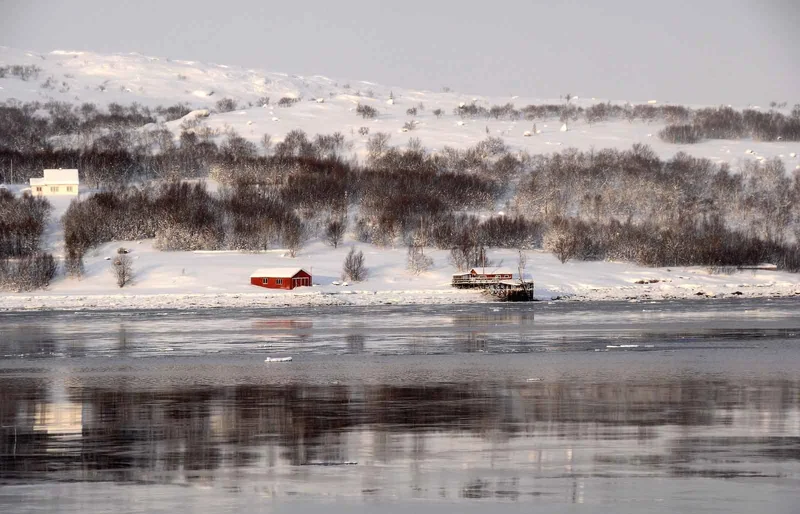
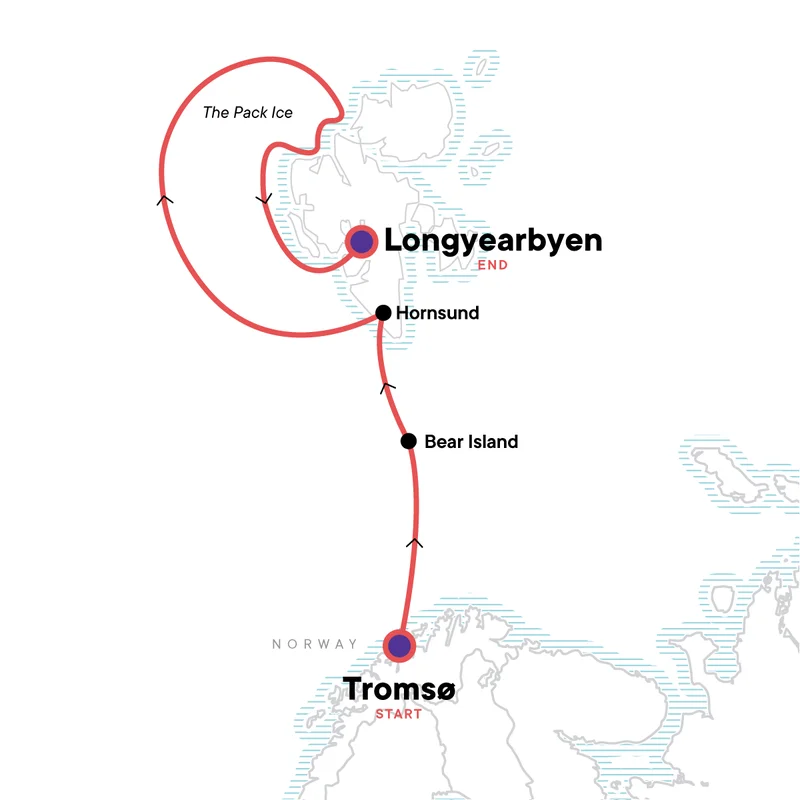
Day 2 - 3: Sailing Norway’s Northern Coastline
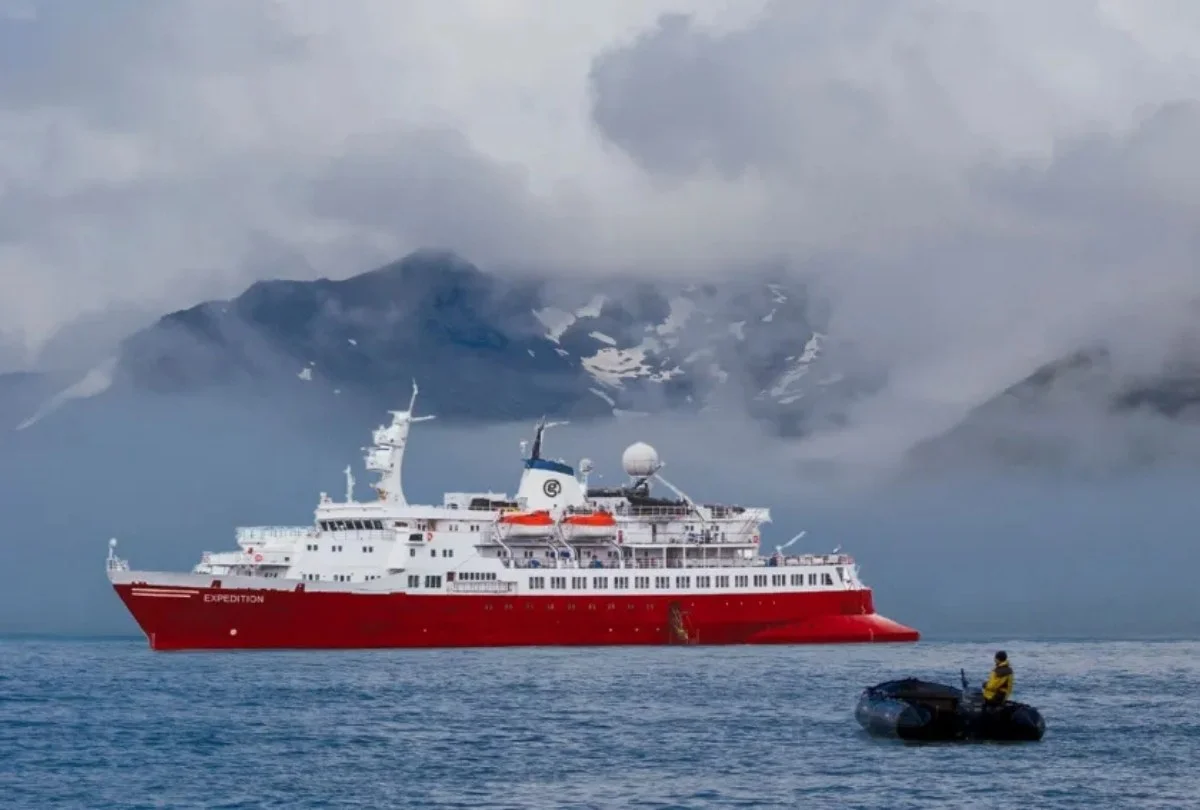
The vessel moves northward along Norway's northern coast which displays fjords that interrupt the landscape while islands float on the sea until the ship arrives at the faraway Arctic zone. The path between Norway's mainland and Svalbard requires passage through Bear Island which functions as an essential checkpoint because this remote island contains towering cliffs and provides crucial seabird nesting habitat. The ship navigates beyond Bear Island which lets passengers observe huge bird populations that construct their homes on the island's rugged coastline to create an exceptional natural setting during their sea journey. The ship's travel across the ocean lets passengers observe Arctic natural systems while the expedition staff members provide educational sessions about native animals and physical features and past events which increase their understanding of their present location. The ocean holds seabirds which fly above its surface while the ship sails away from land until people start feeling like they have entered an Arctic wilderness.
The water temperature decreases during the journey while the ocean expands into an endless expanse which shows no signs of human activity throughout its wide area. The natural environment supports human wildlife interactions which lets people watch both ocean animals and winged creatures that live in this area near Bear Island. The wide Arctic waters stretch before the team as they sail across them because this unpopulated region shows how far they have traveled from any human settlement. The team needs to monitor environmental changes because they must reach frozen areas before they can start their first period of direct exploration.
Day 4 - 5: Approaching Svalbard’s Southern Reaches
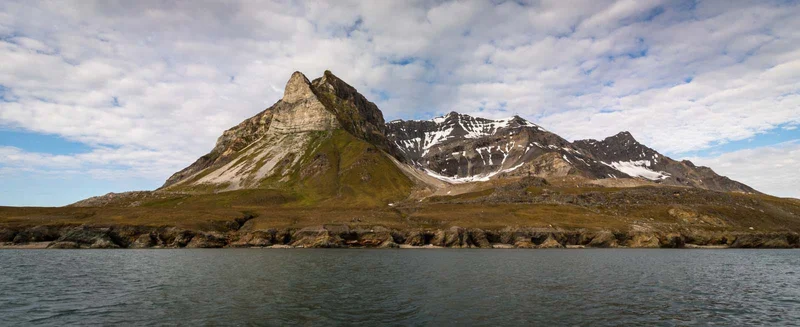
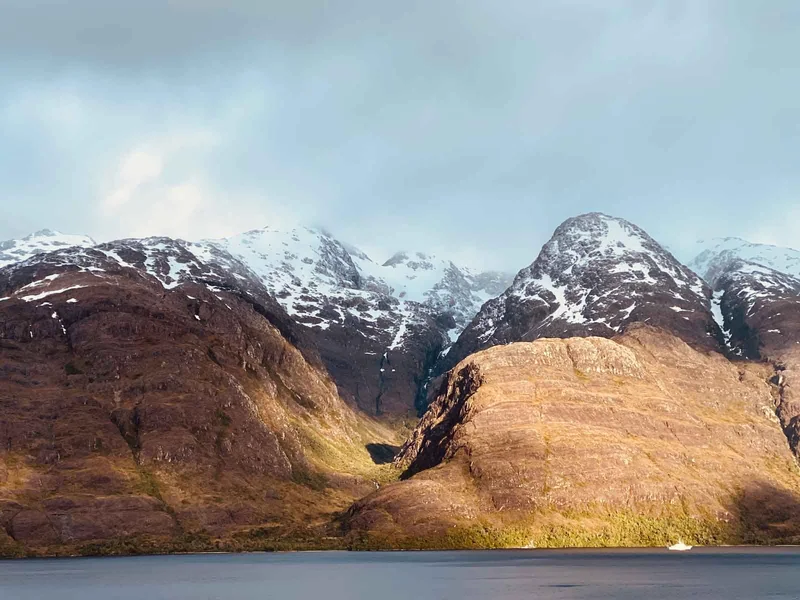
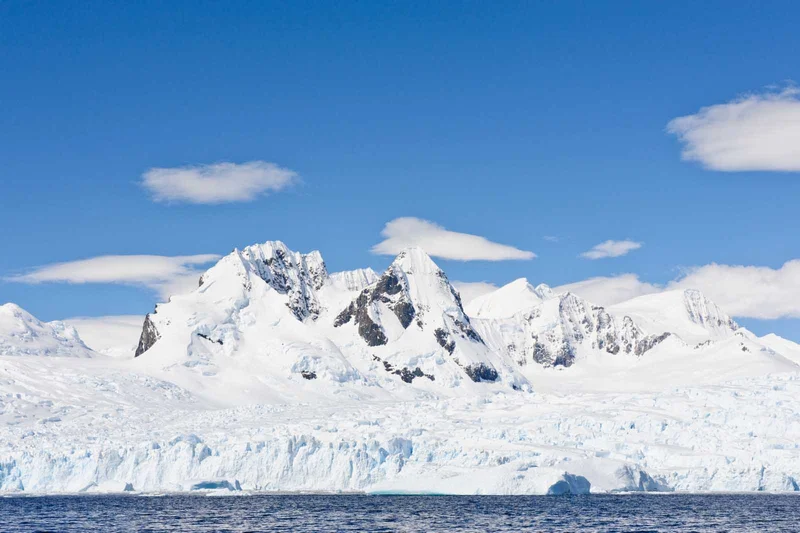
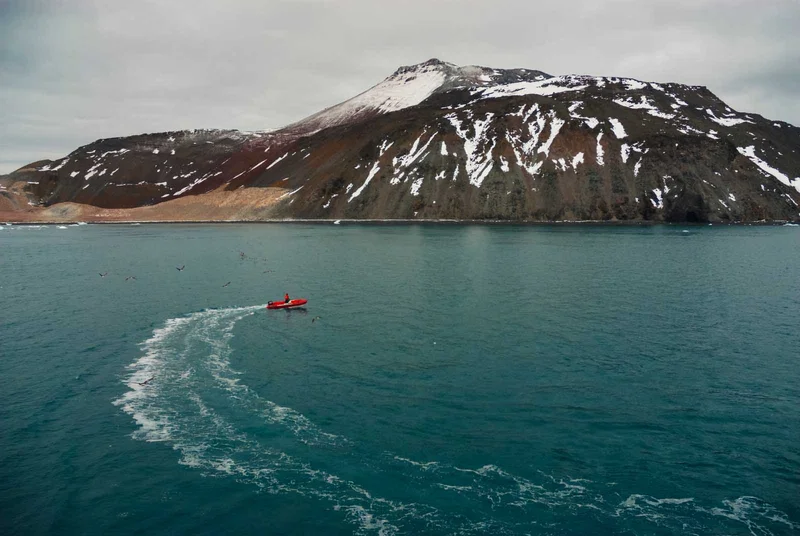
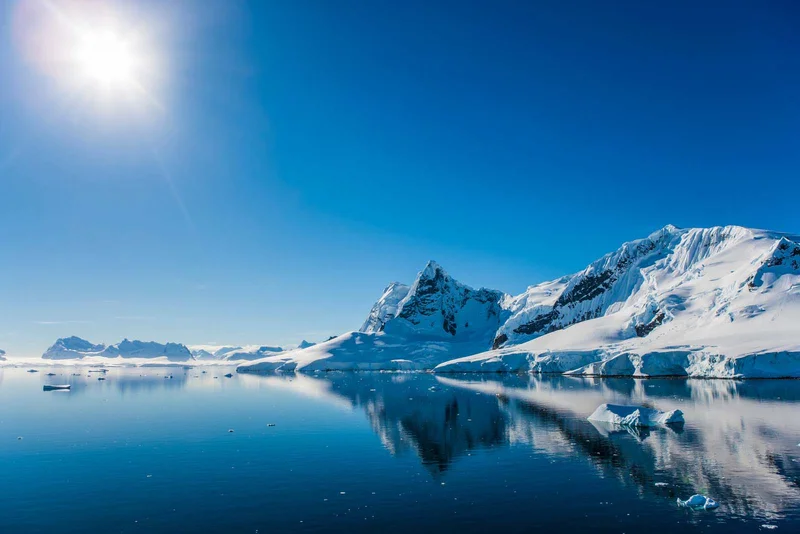
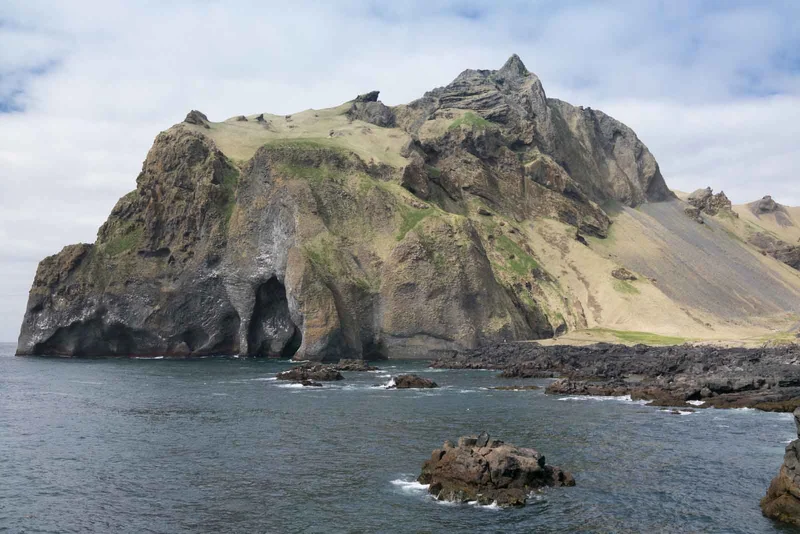
The ship moves toward Svalbard during an impressive transformation of the environment because the snowy peaks of mountains reach down to ocean waters while glaciers dominate the distant view of South Spitsbergen National Park which protects its extensive glaciers and its wild Arctic animals. The Arctic shows its natural beauty through an untouched landscape which made me feel deep awe when I first noticed these islands from far away. The expedition team starts its exploration through Zodiac boat trips which allow them to land on land whenever conditions become suitable for wildlife observation and Arctic animal discovery.
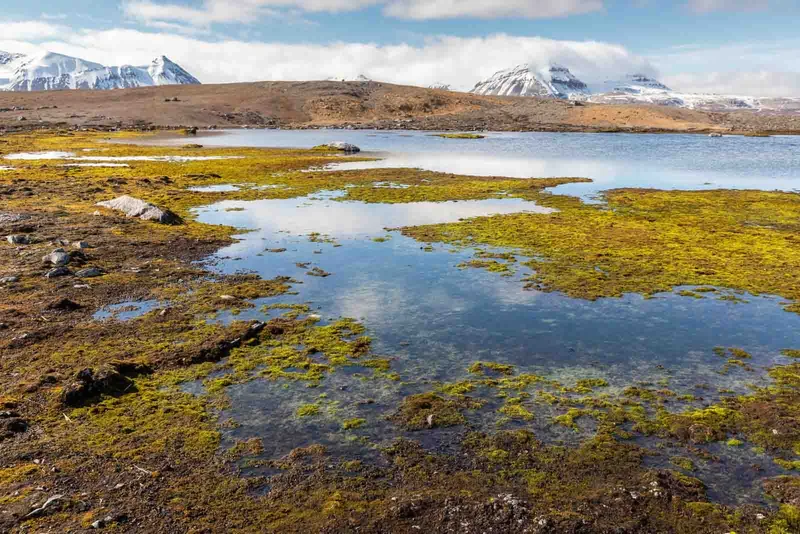
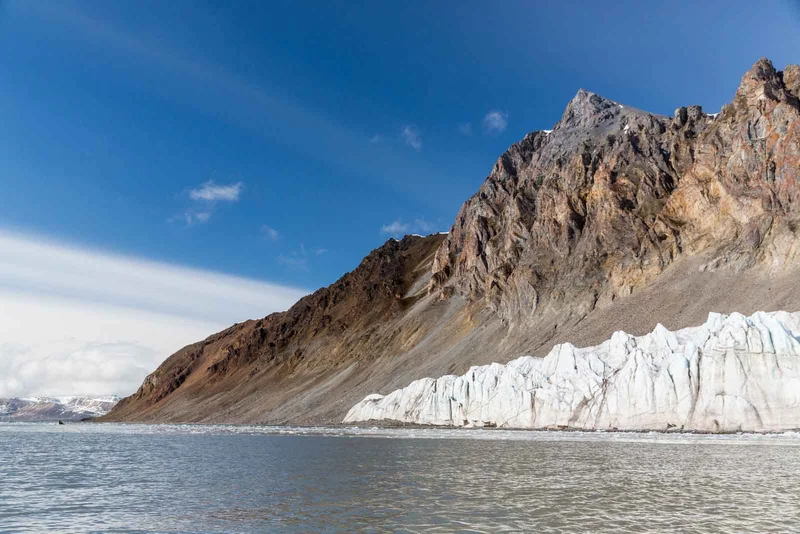
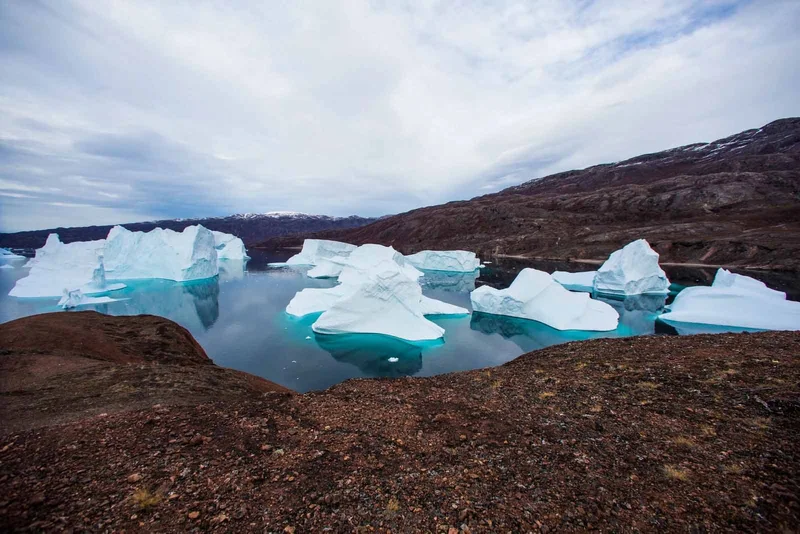
The expedition team started their full-scale investigation of Svalbard through their examination of the complex fjord system which stretches across the region together with its extensive glacial formations in South Spitsbergen National Park which protects its natural environments. The ship moves through water that contains blue and white icebergs which form a stunning view as the vessel approaches to examine these natural ice formations. The tundra serves as a landing site which enables visitors to experience the Arctic environment because its plants and animals thrive under harsh environmental conditions while different areas display their unique combination of natural beauty and exploration adventure
Day 6 - 8: Wildlife Encounters in the High Arctic
The ship moves toward Svalbard during an impressive transformation of the environment because the snowy peaks of mountains reach down to ocean waters while glaciers dominate the distant view of South Spitsbergen National Park which protects its extensive glaciers and its wild Arctic animals. The Arctic shows its natural beauty through an untouched landscape which made me feel deep awe when I first noticed these islands from far away. The expedition team starts its exploration through Zodiac boat trips which allow them to land on land whenever conditions become suitable for wildlife observation and Arctic animal discovery.
The expedition team started their full-scale investigation of Svalbard through their examination of the complex fjord system which stretches across the region together with its extensive glacial formations in South Spitsbergen National Park which protects its natural environments. The ship moves through water that contains blue and white icebergs which form a stunning view as the vessel approaches to examine these natural ice formations. The tundra serves as a landing site which enables visitors to experience the Arctic environment because its plants and animals thrive under harsh environmental conditions while different areas display their unique combination of natural beauty and exploration adventure
Day 9 - 10: Final Exploration in Svalbard
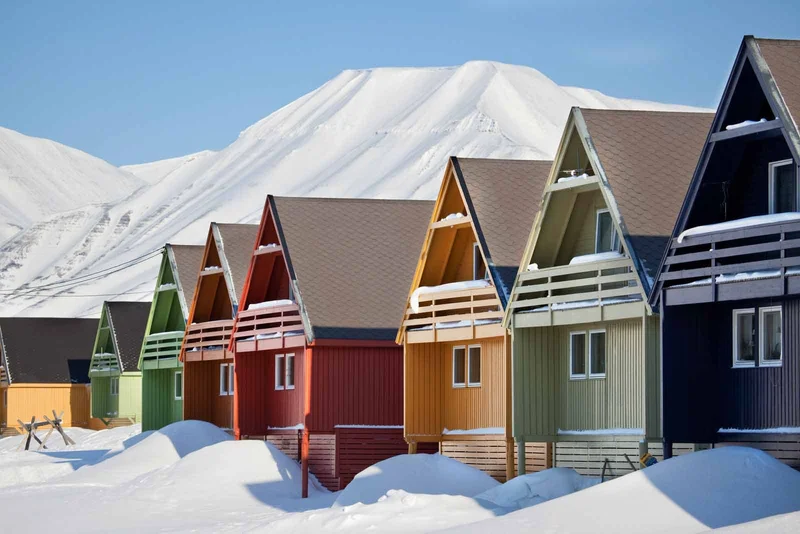
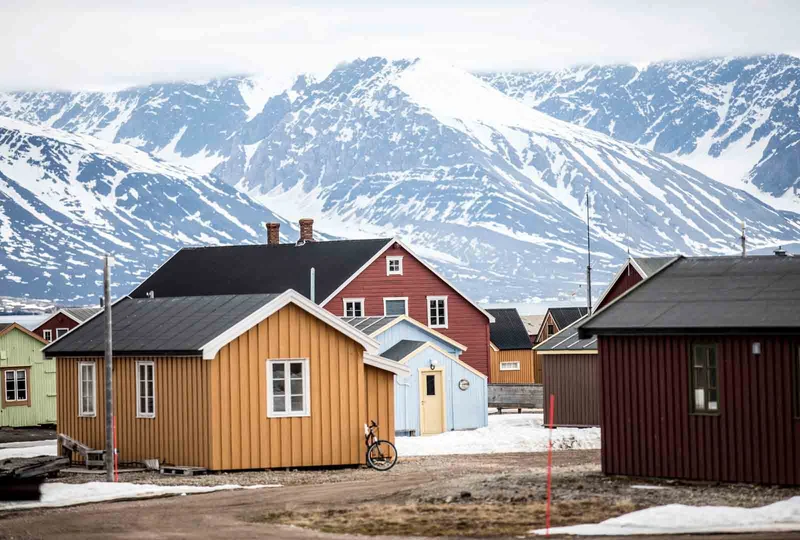
The expedition concludes in Longyearbyen, the main settlement of Svalbard. The journey ended when we returned to solid ground after spending several days exploring the secluded fjords and frozen sea areas. The town’s location within this dramatic landscape provides a fitting conclusion to the experience. The memories of glaciers and wildlife and Arctic silence will follow you after you leave the ship.
Day 11: Disembarkation in Longyearbyen
11 Day Artic Itinerary Includes
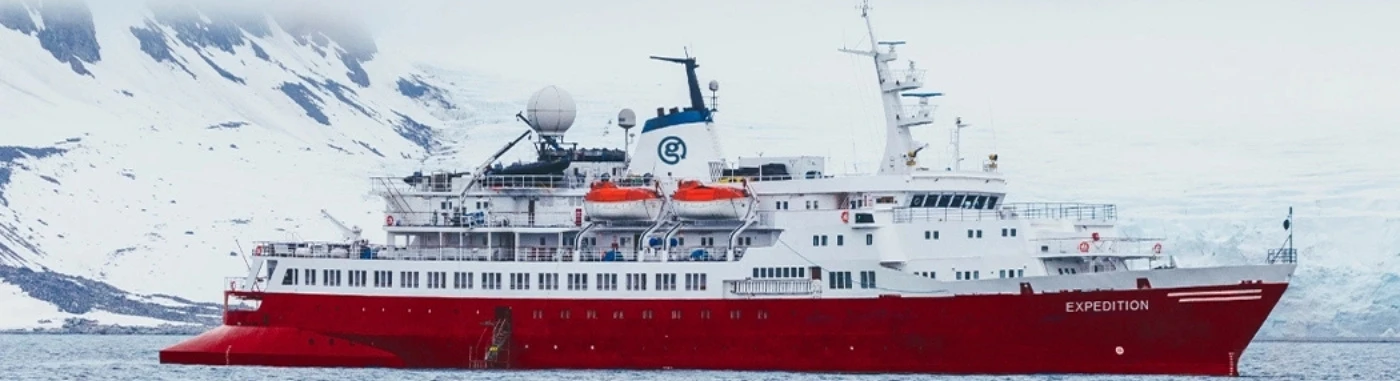
- Accommodation aboard the Expedition
- Arrival and departure transfers
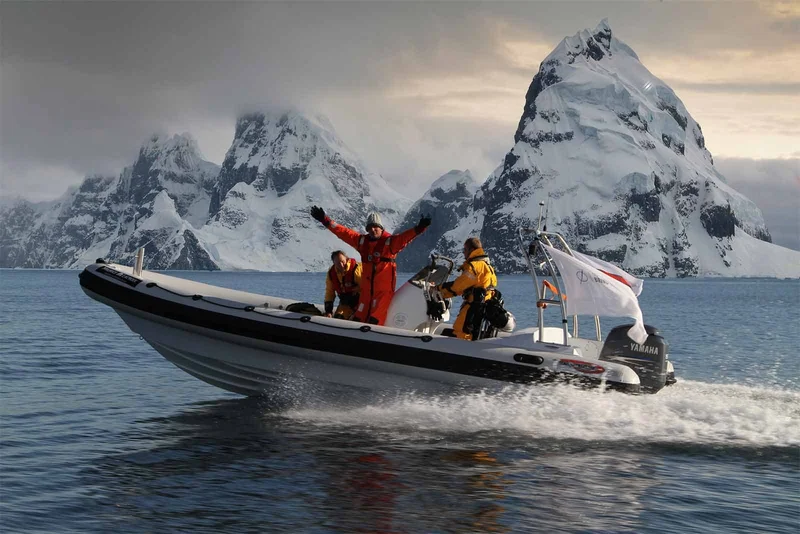
- Zodiac excursions with our expert expedition team
- Lectures and educational programs
- Waterproof boots supplied for USA sizes 4 - 16
- Expedition parka
- One expedition team member per 10 guests
- Bilingual guide
- Activities
- Meals
- Wifi
- Medical Center with a licensed Doctor
- 24 hour beverage station - tea and coffee available
11 Day Artic Itinerary Does not Include
- International flights
- Personal Expenses
- Tips
- Laundry Service
11 Day Artic Itinerary Highlights
- Sail from Tromsø into the remote wilderness of Svalbard.
- The cold Arctic region features fjords, glaciers, and pack ice ready to be explored.
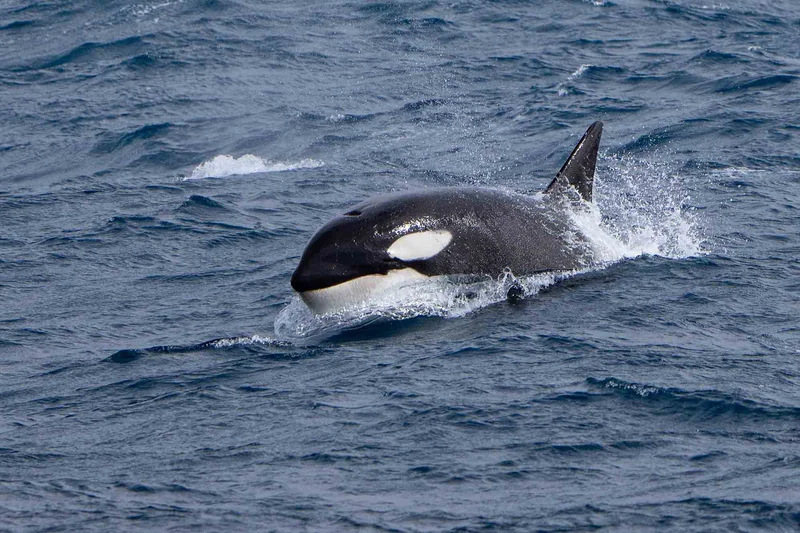
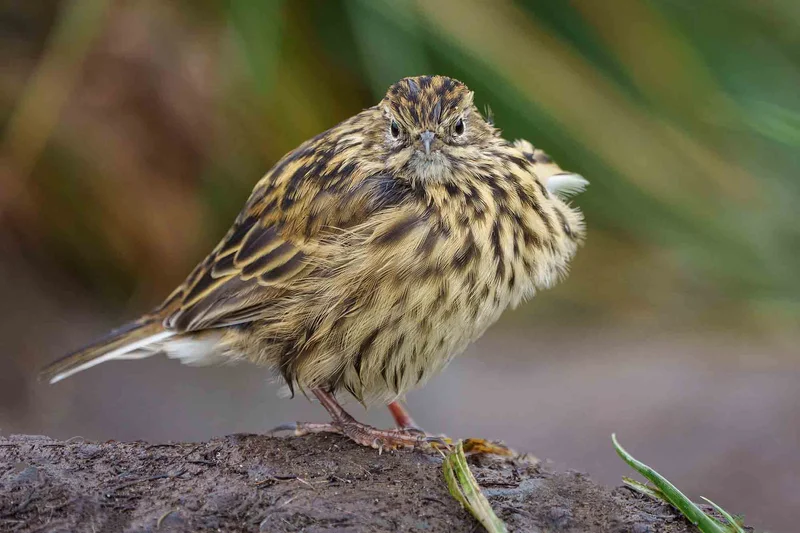
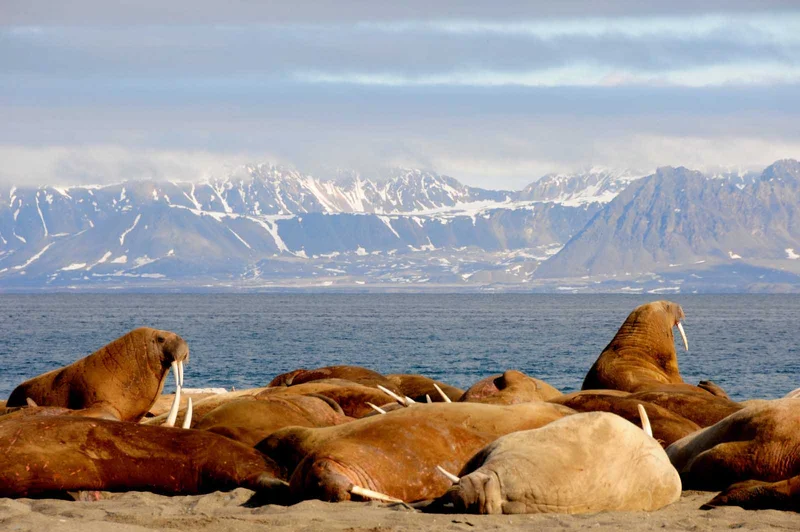
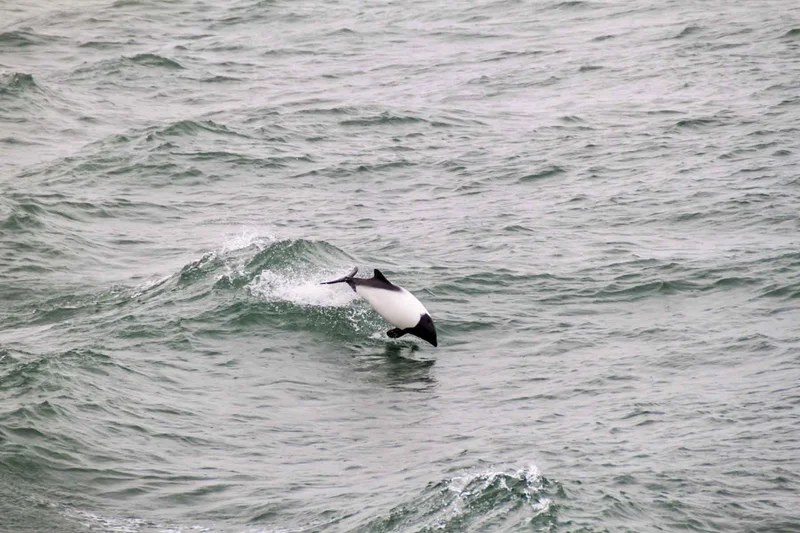
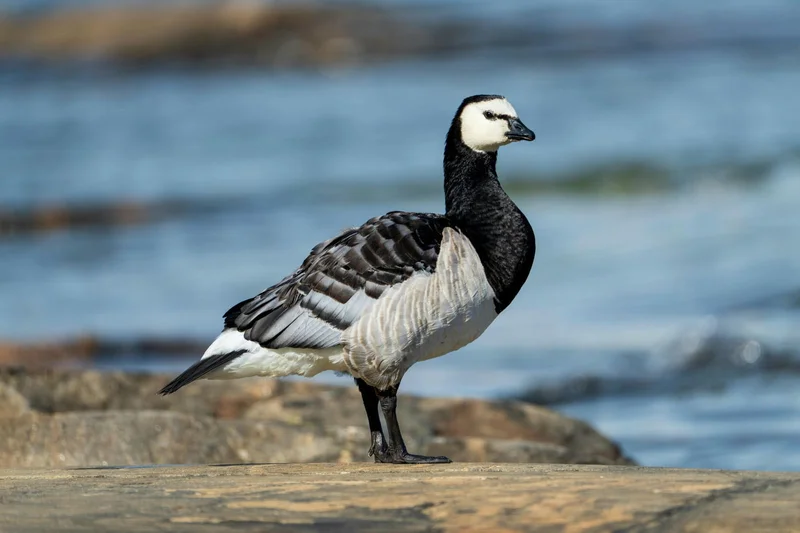
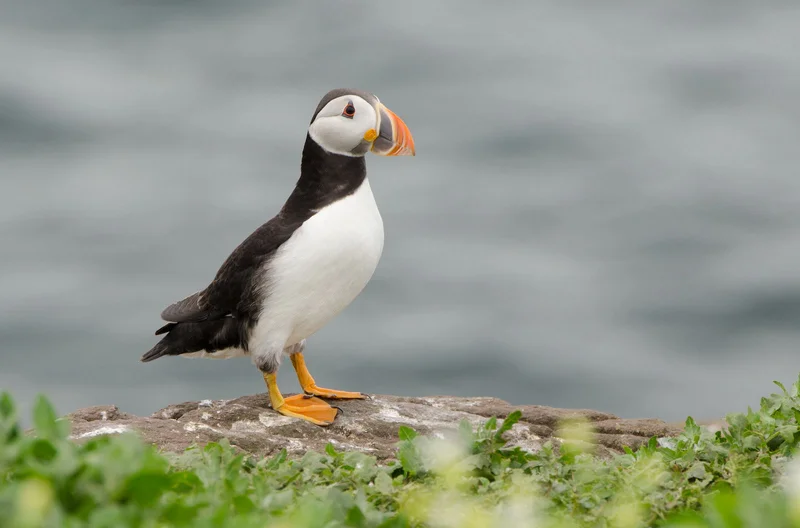
- The wildlife includes polar bears, seals, and a variety of seabird species.
Itinerary Map
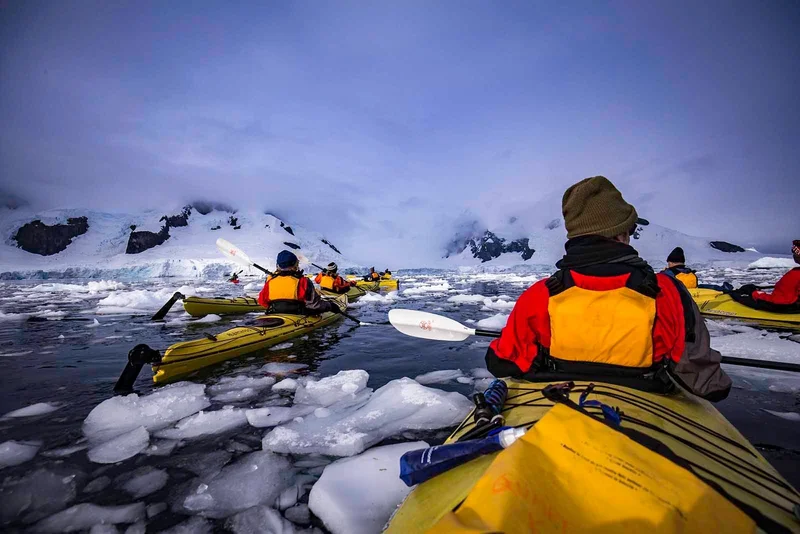
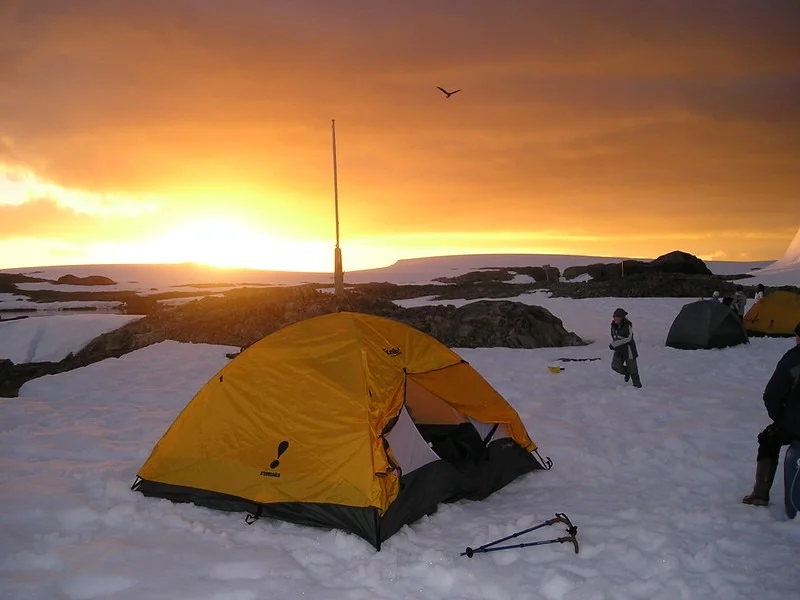
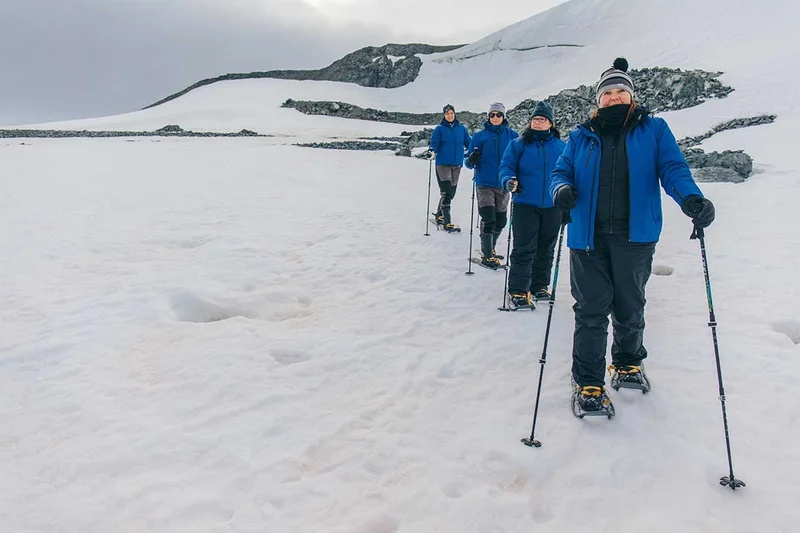
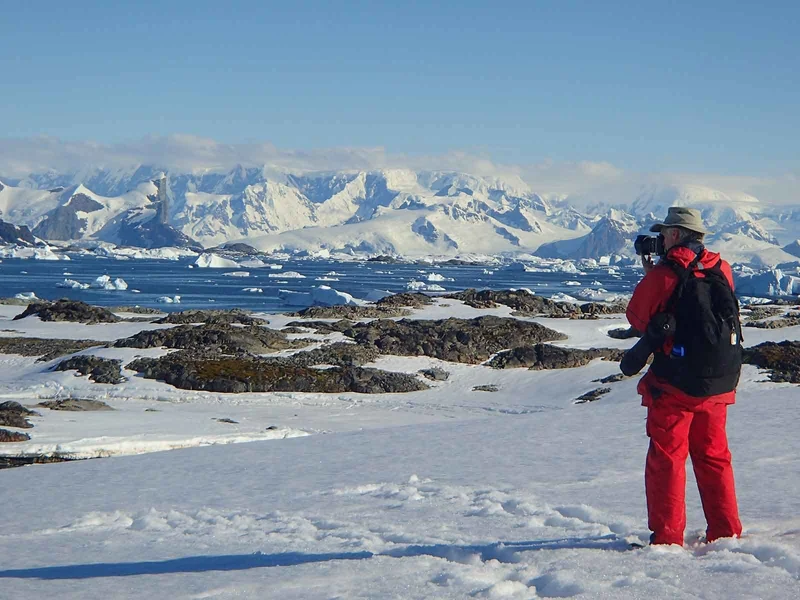
11 Day Arctic cruise activities

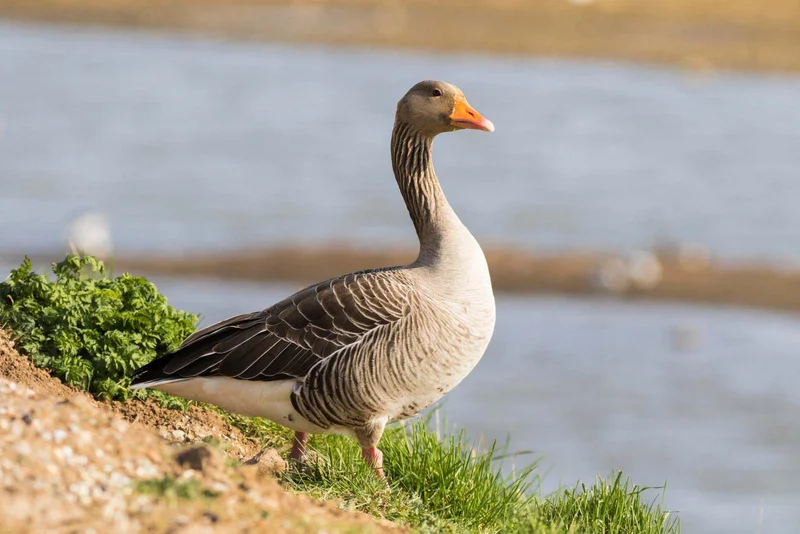
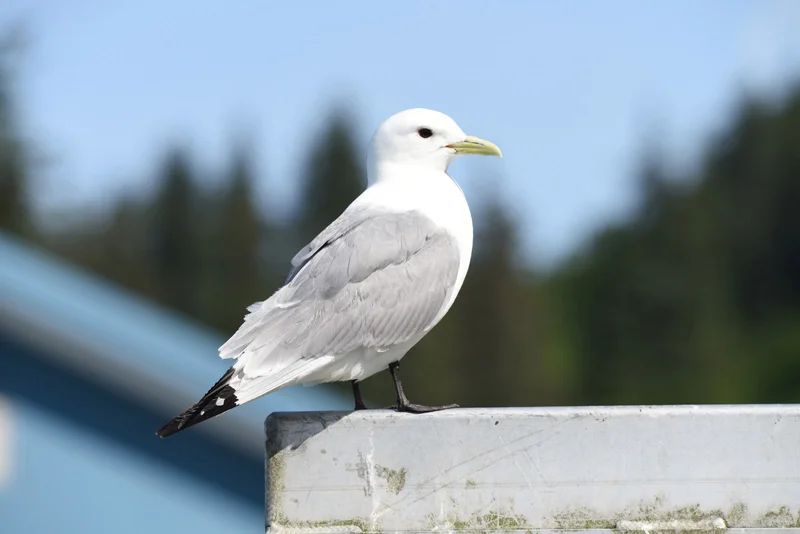
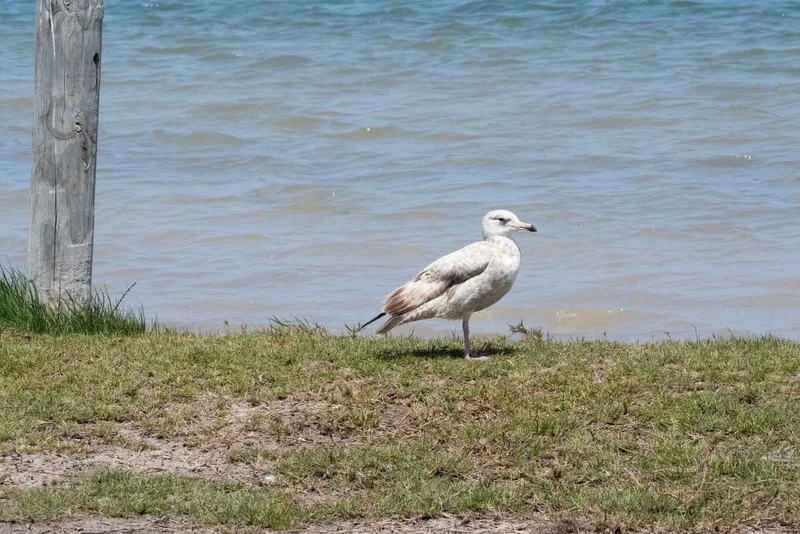
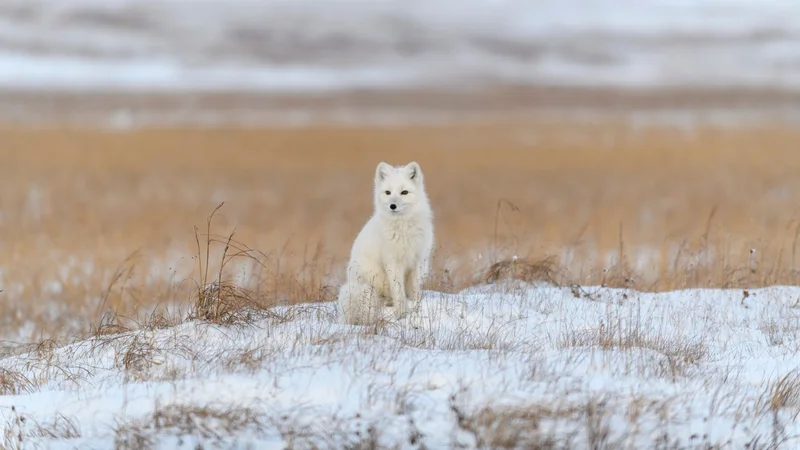
Animals you might see on this itinerary
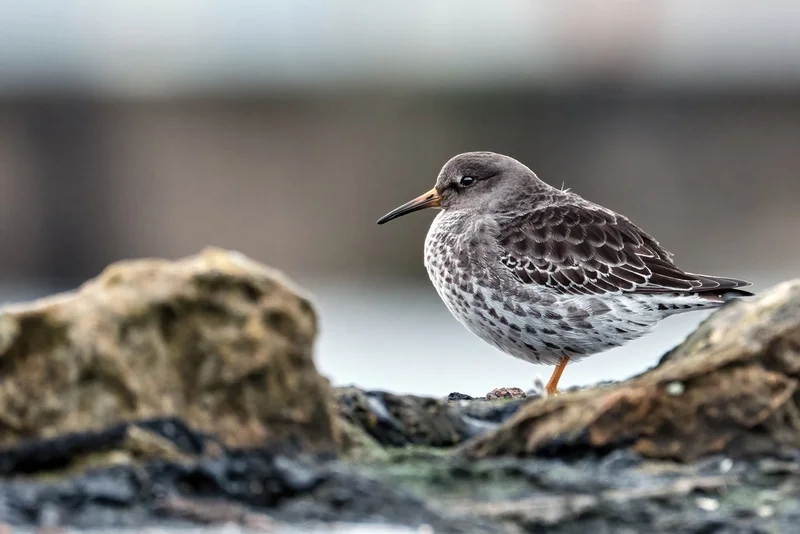
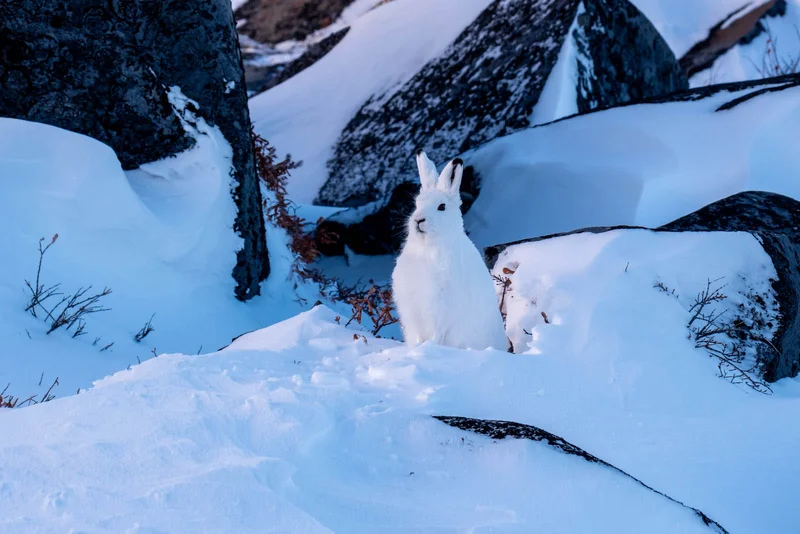
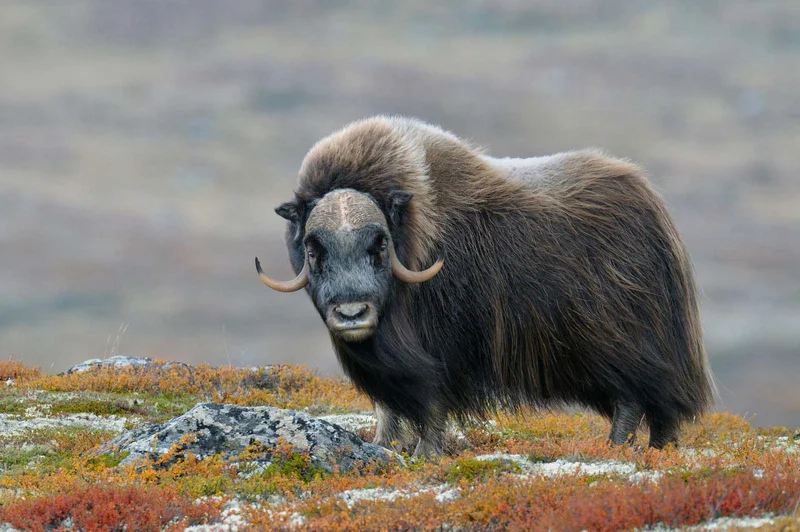
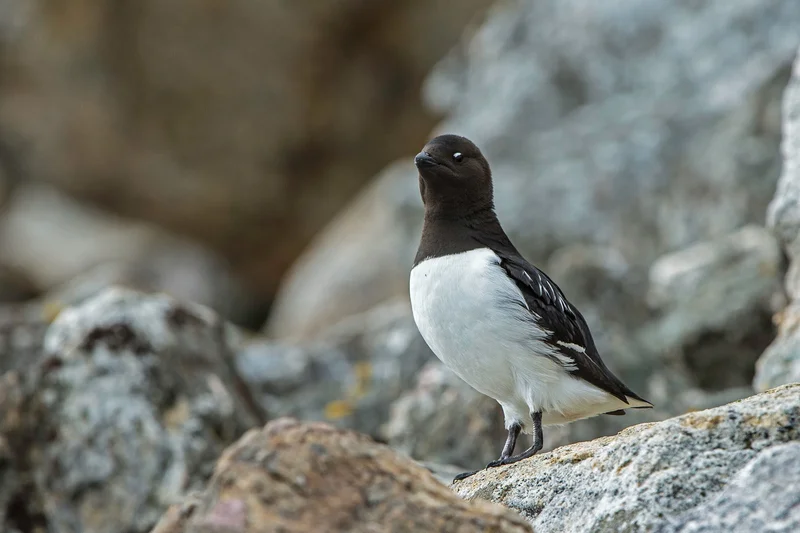
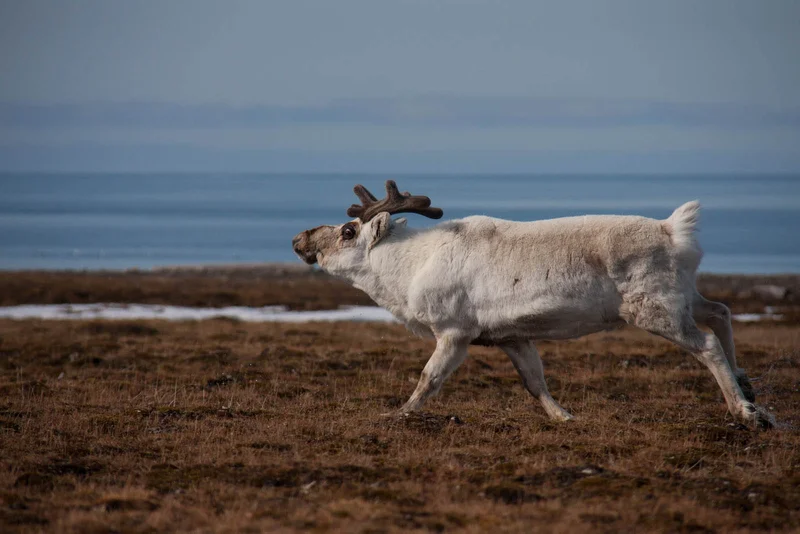
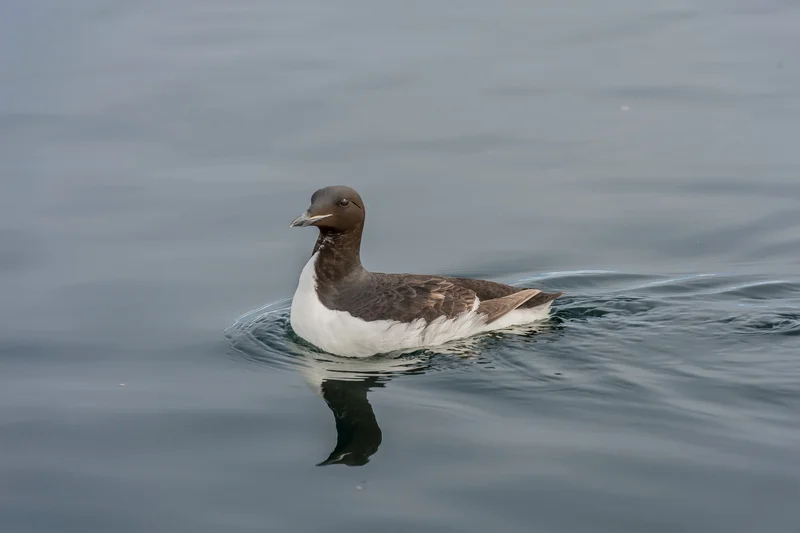
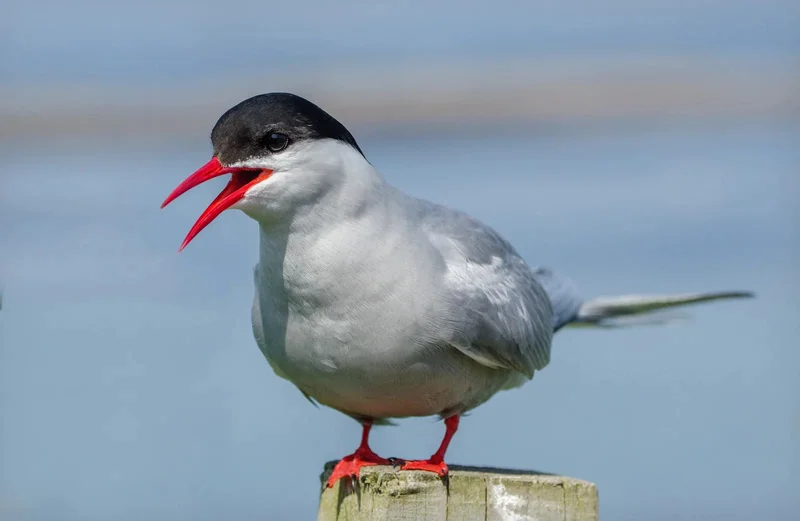
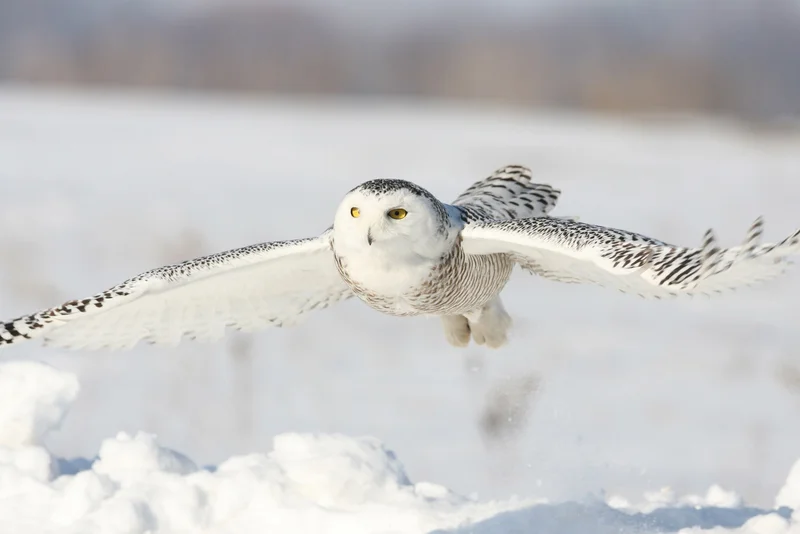
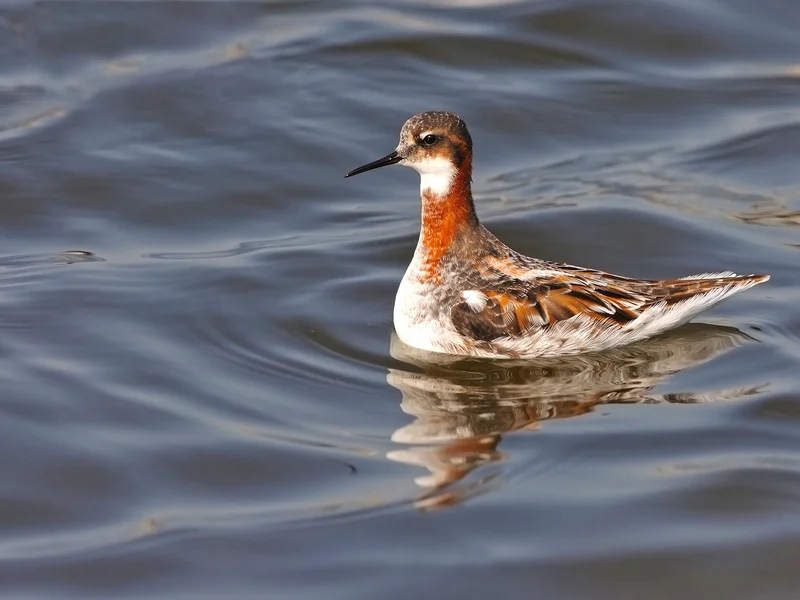
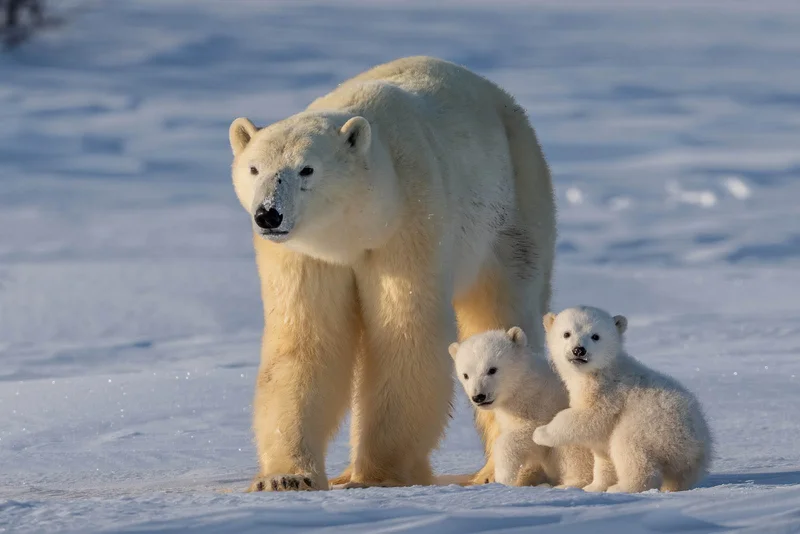
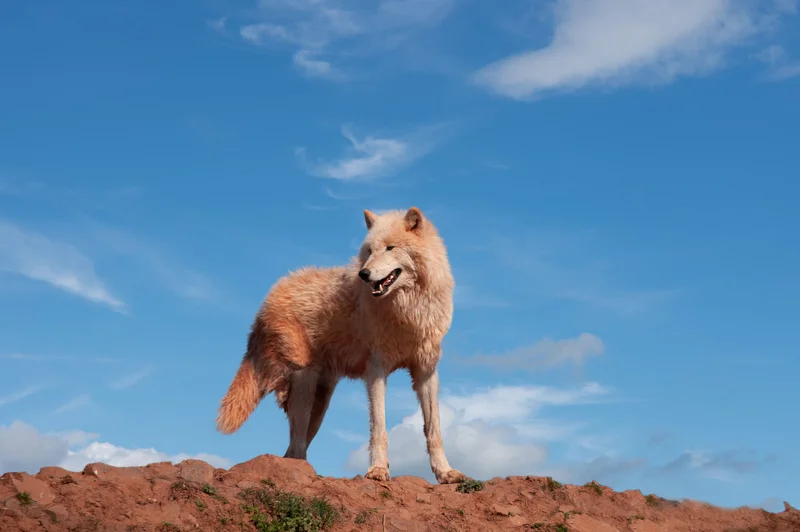
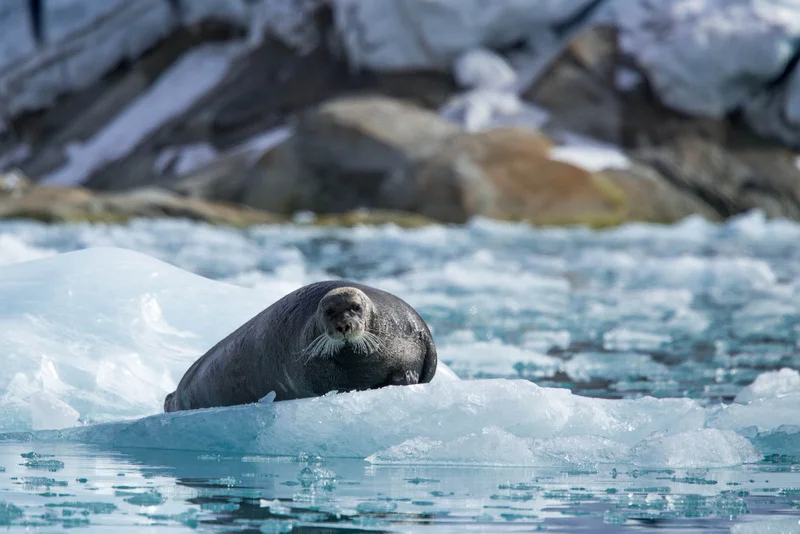
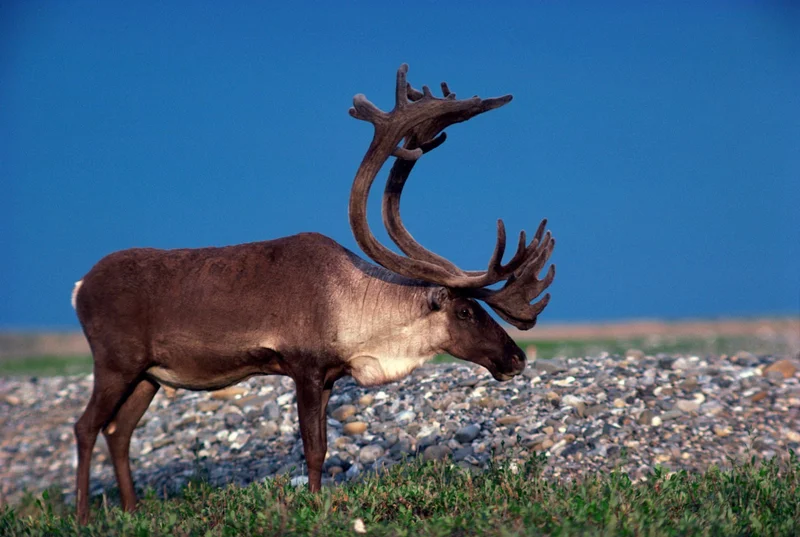
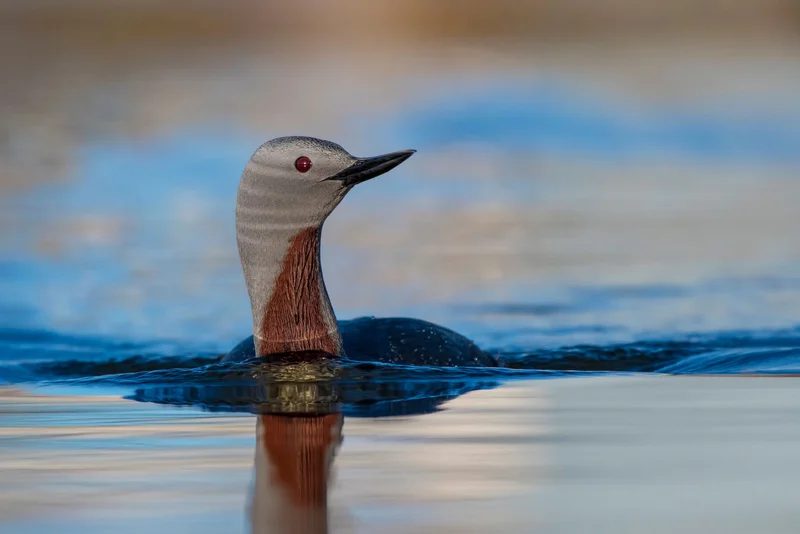
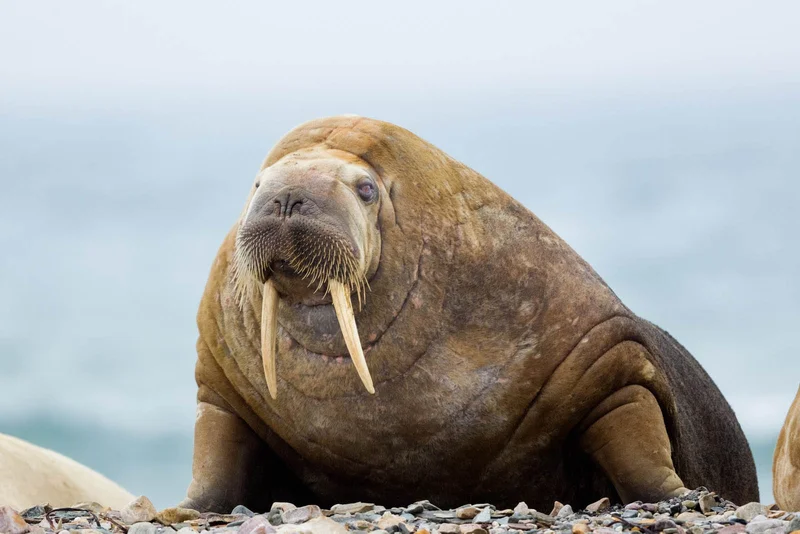
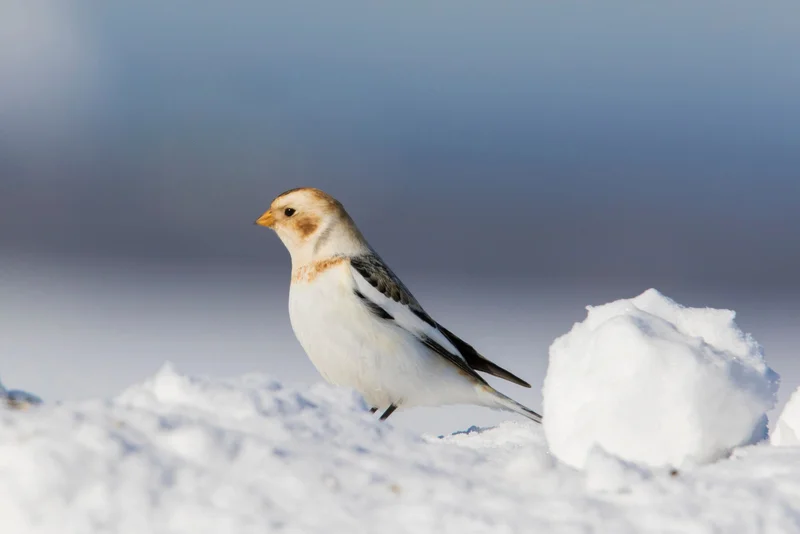
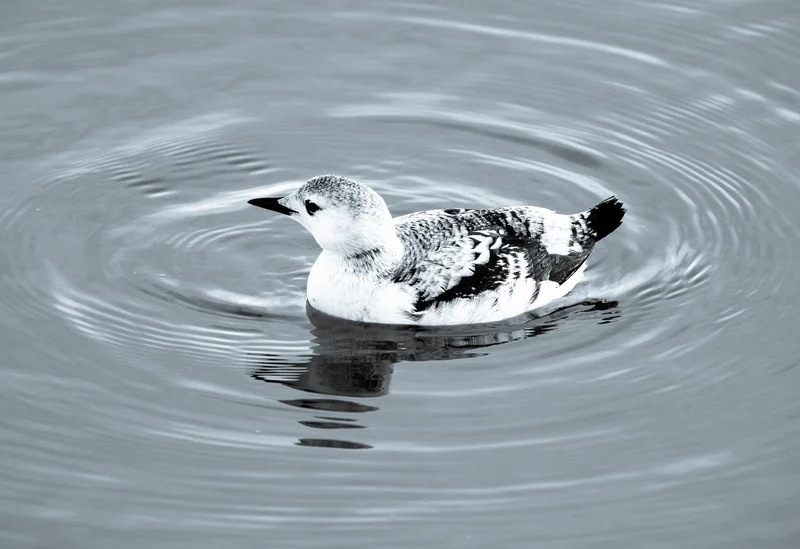
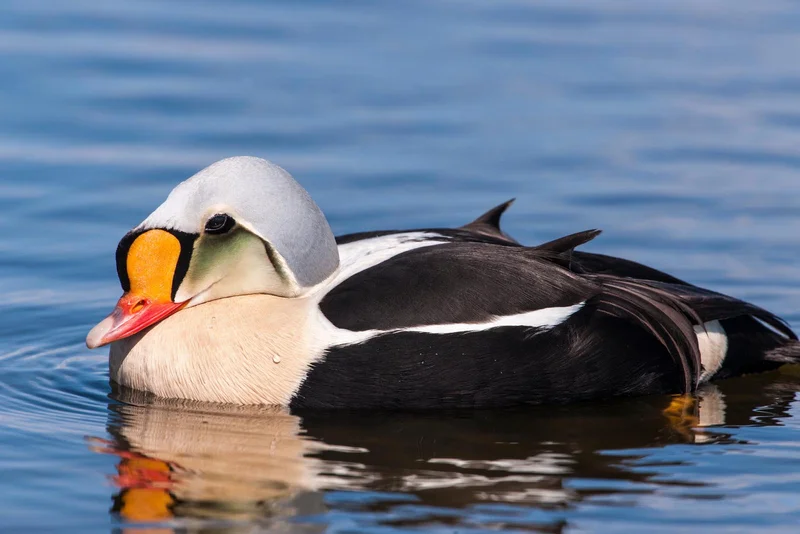
Beyond the Arctic Circle: Tromsø to Svalbard
Why travel with us?
 Over 22 years of experience
%20--%3e%3csvg%20version='1.1'%20id='Layer_1'%20xmlns='http://www.w3.org/2000/svg'%20xmlns:xlink='http://www.w3.org/1999/xlink'%20x='0px'%20y='0px'%20viewBox='0%200%20512%20512'%20style='enable-background:new%200%200%20512%20512;'%20xml:space='preserve'%3e%3cg%3e%3cg%3e%3cpath%20d='M424.18,200.763c-1.558,0-3.124,0.043-4.685,0.125c-20.129-42.954-56.688-76.736-101.546-93.182V64%20c0-34.157-27.79-61.947-61.947-61.947c-34.157,0-61.947,27.79-61.947,61.947v43.707c-44.86,16.447-81.419,50.231-101.548,93.186%20c-1.56-0.083-3.125-0.129-4.685-0.129C39.396,200.763,0,240.16,0,288.583c0,5.633,4.566,10.199,10.199,10.199h66.648%20c4.678,39.071,21.888,74.34,47.486,101.669c-9.018,15.386-13.176,33.319-11.773,51.284c1.626,20.824,10.666,40.436,25.454,55.225%20c1.992,1.992,4.602,2.987,7.212,2.987s5.221-0.995,7.212-2.987l55.753-55.753c15.234,4.19,31.263,6.441,47.809,6.441%20c17.145,0,33.738-2.405,49.461-6.893l56.205,56.205c1.992,1.992,4.602,2.987,7.212,2.987c2.61,0,5.221-0.995,7.212-2.987%20c14.789-14.789,23.828-34.403,25.454-55.229c1.444-18.5-3.024-36.957-12.609-52.643c24.899-27.134,41.617-61.883,46.218-100.306%20h66.649c5.633,0,10.199-4.566,10.199-10.199C512,240.16,472.604,200.763,424.18,200.763z%20M75.551,277.199%20c0,0.397,0.012,0.789,0.015,1.185H21.168c4.765-31.266,31.086-55.537,63.273-57.134C78.68,238.873,75.551,257.677,75.551,277.199z%20M214.452,64c0-22.909,18.638-41.549,41.548-41.549S297.549,41.09,297.549,64v37.587c-13.345-3.157-27.253-4.835-41.549-4.835%20c-14.295,0-28.204,1.679-41.548,4.835V64z%20M120.411,362.142c-15.487-24.634-24.462-53.757-24.462-84.942%20c0.001-31.989,9.439-61.81,25.669-86.84l22.637,22.637c1.992,1.992,4.602,2.987,7.212,2.987s5.221-0.995,7.212-2.987%20c3.983-3.983,3.983-10.441,0-14.425l-24.755-24.756c29.381-34.641,73.201-56.669,122.075-56.669%20c48.875,0,92.694,22.028,122.075,56.669l-42.909,42.909l-68.966-39.817v-11.484c0-5.633-4.566-10.199-10.199-10.199%20c-5.633,0-10.199,4.566-10.199,10.199v11.484l-76.655,44.257c-3.156,1.822-5.1,5.188-5.1,8.833v88.508L120.411,362.142z%20M145.763,484.786c-15.009-20.324-17.359-47.248-6.136-69.797c14.036,11.873,29.899,21.646,47.107,28.826L145.763,484.786z%20M246.835,436.98c-45.946-2.606-86.773-24.675-114.332-58.082l42.362-42.362l71.97,41.552V436.98z%20M184.444,318.512v-82.625%20L256,194.574l71.556,41.313v82.625L256,359.825L184.444,318.512z%20M267.234,436.849v-59.957l69.244-39.979l42.545,42.545%20C351.888,412.049,312.077,433.724,267.234,436.849z%20M368.341,484.788l-41.594-41.594c17.233-7.373,33.095-17.35,47.087-29.439%20C385.773,436.55,383.627,464.09,368.341,484.788z%20M391.19,362.777l-43.236-43.236v-86.753l42.428-42.428%20c16.23,25.029,25.668,54.851,25.668,86.839C416.05,308.652,406.925,338.011,391.19,362.777z%20M436.434,278.384%20c0.003-0.396,0.015-0.789,0.015-1.185c0-19.522-3.129-38.326-8.891-55.949c32.187,1.597,58.508,25.869,63.273,57.134H436.434z'/%3e%3c/g%3e%3c/g%3e%3cg%3e%3cg%3e%3cpath%20d='M256,125.212c-5.633,0-10.199,4.566-10.199,10.199v2.07c0,5.633,4.566,10.199,10.199,10.199%20c5.633,0,10.199-4.566,10.199-10.199v-2.07C266.199,129.778,261.633,125.212,256,125.212z'/%3e%3c/g%3e%3c/g%3e%3cg%3e%3c/g%3e%3cg%3e%3c/g%3e%3cg%3e%3c/g%3e%3cg%3e%3c/g%3e%3cg%3e%3c/g%3e%3cg%3e%3c/g%3e%3cg%3e%3c/g%3e%3cg%3e%3c/g%3e%3cg%3e%3c/g%3e%3cg%3e%3c/g%3e%3cg%3e%3c/g%3e%3cg%3e%3c/g%3e%3cg%3e%3c/g%3e%3cg%3e%3c/g%3e%3cg%3e%3c/g%3e%3c/svg%3e "South America & Antarctica Specialists") South America & Antarctica Specialists
South America & Antarctica Specialists Set and Tailor-made packages
 The best last-minute cruise deals
%20--%3e%3csvg%20version='1.1'%20id='Capa_1'%20xmlns='http://www.w3.org/2000/svg'%20xmlns:xlink='http://www.w3.org/1999/xlink'%20x='0px'%20y='0px'%20viewBox='0%200%20489.679%20489.679'%20style='enable-background:new%200%200%20489.679%20489.679;'%20xml:space='preserve'%3e%3cg%3e%3cg%3e%3cg%3e%3cpath%20d='M487.768,218.844c-14.5-134.2-135.2-232-269.4-217.4c-72.9,8.3-137.4,47.8-179,109.2c-6.2,9.4-3.1,21.8,6.2,28.1%20s21.8,3.1,28.1-6.2c34.3-51,88.4-84.3,148.8-90.5c112.4-11.5,213.3,69.6,224.7,182c11.4,111.3-69.7,212.2-181,223.7%20c-74.7,7.9-147.5-26-189.5-86.8l39.7,8.7c10.4,2.1,21.8-4.2,23.9-15.6c2.1-10.4-4.2-21.8-15.6-23.9l-81.1-17.7%20c-17.3-2.2-23.9,10.4-25,15.6l-17.7,82.2c-2.1,10.4,4.2,21.8,15.6,23.9c13.6,1.1,21.8-7.3,25-16.6l6-27.1%20c89.3,115.2,214.6,98.9,222.9,97.9C404.568,473.744,502.368,353.044,487.768,218.844z'/%3e%3c/g%3e%3cg%3e%3cpath%20d='M171.168,268.944h-38l30.6-31.1c0.4-0.4,0.8-0.8,1.1-1.3c5.7-7.5,8.8-16.5,8.8-26c0-23.7-19.3-43-43-43s-43,19.3-43,43%20c0,7.4,6,13.4,13.4,13.4s13.4-6,13.4-13.4c0-8.9,7.2-16.1,16.1-16.1c8.9,0,16.1,7.2,16.1,16.1c0,3.3-1,6.5-2.9,9.2l-52.4,53.3%20c-3.8,3.9-4.9,9.6-2.8,14.6s7,8.2,12.4,8.2h70.1c7.4,0,13.4-6,13.4-13.4S178.568,268.944,171.168,268.944z'/%3e%3cpath%20d='M271.668,240.144h-6.1v-59.2c0-5.7-3.5-10.7-8.9-12.6c-5.3-1.9-11.3-0.3-14.9,4l-60.4,72.6c-3.3,4-4,9.6-1.8,14.3%20c2.2,4.7,6.9,7.7,12.2,7.7h47v15.4c0,7.4,6,13.4,13.4,13.4c7.4,0,13.4-6,13.4-13.4v-15.4h6.1c7.4,0,13.4-6,13.4-13.4%20C285.068,246.144,279.068,240.144,271.668,240.144z%20M238.668,240.144h-18.4l18.4-22.1V240.144z'/%3e%3cpath%20d='M344.068,212.044c-6.6,0-12.9,1.4-18.5,4v-35.1c0-7.4-6-13.4-13.4-13.4s-13.4,6-13.4,13.4v101.4c0,7.4,6,13.4,13.4,13.4%20s13.4-6,13.4-13.4v-24.9c0-10.2,8.3-18.5,18.5-18.5s18.5,8.3,18.5,18.5v24.9c0,7.4,6,13.4,13.4,13.4s13.4-6,13.4-13.4v-24.9%20C389.468,232.444,369.068,212.044,344.068,212.044z'/%3e%3c/g%3e%3c/g%3e%3c/g%3e%3cg%3e%3c/g%3e%3cg%3e%3c/g%3e%3cg%3e%3c/g%3e%3cg%3e%3c/g%3e%3cg%3e%3c/g%3e%3cg%3e%3c/g%3e%3cg%3e%3c/g%3e%3cg%3e%3c/g%3e%3cg%3e%3c/g%3e%3cg%3e%3c/g%3e%3cg%3e%3c/g%3e%3cg%3e%3c/g%3e%3cg%3e%3c/g%3e%3cg%3e%3c/g%3e%3cg%3e%3c/g%3e%3c/svg%3e "Galapagos trips") 24/7 Customer service during your trip
24/7 Customer service during your trip Multi-Destination packages
Would you like to know why booking with us is the best choice?
Discover the BenefitsSimilar Itineraries