Penguins | Antarctic Wildlife
Table of content
 

The Penguins, one of the favourite birds to spot on Voyagers Trips

Penguin spotting and spending a little time surrounded by thousands of these amazing birds is an activity on the top of our traveler bucket lists. Voyagers Travel offers wildlife encounter trips to Antarctica, nature cruises in the Galapagos Islands and other itineraries to natural areas where travelers can spot Penguins and other amazing wildlife. The one thing our travel clients rave about is how many penguins they spot on a trip.
 

(Colocar 3 tarjetas de tour – 1 https://www.voyagers.travel/wildlife-vacations 2 https://www.voyagers.travel/antarctica/itineraries/the-emperor-penguins-of-weddell-sea

https://www.voyagers.travel/galapagos/cruises/angelito-galapagos-cruise/itinerary-b-angelito )

Falklands, South Georgia & Antarctic Peninsula Falklands, South Georgia & Antarctic Peninsula

Embark on an extraordinary expedition exploring Subantarctic islands, the Antarctic Peninsula, and Falklands~Malvinas

From $23,595.00
South Georgia and Antarctic Peninsula: Penguin Safari

Penguin Safari, the quickest route to reach South Georgia Island and step onto the 7th continent.

From $18,490.00
South Shetland Islands and Antarctic Peninsula

South Shetland Islands and Antarctic Peninsula

Experience the beauty and wonders of Antarctica and learn about the history and science of Antarctica.

From $7,090.00
Penguins: What and Where Are They?

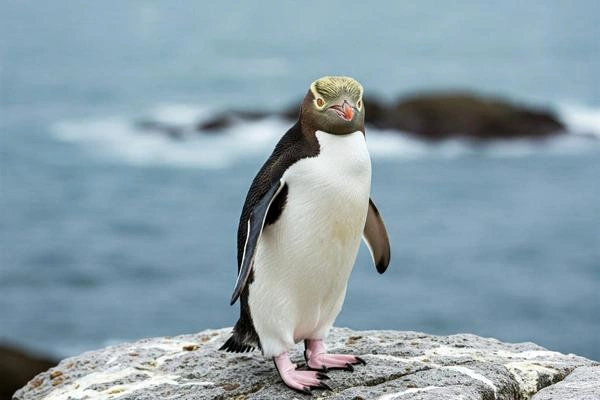
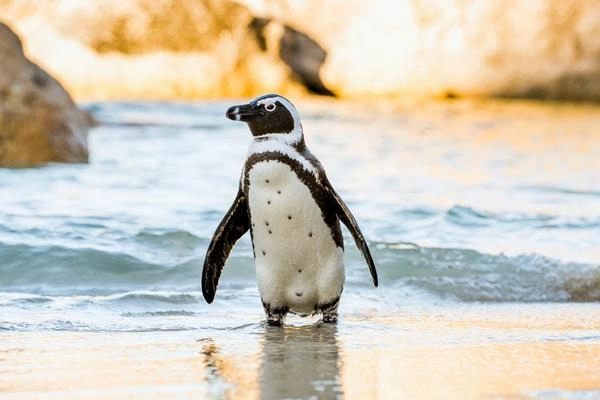
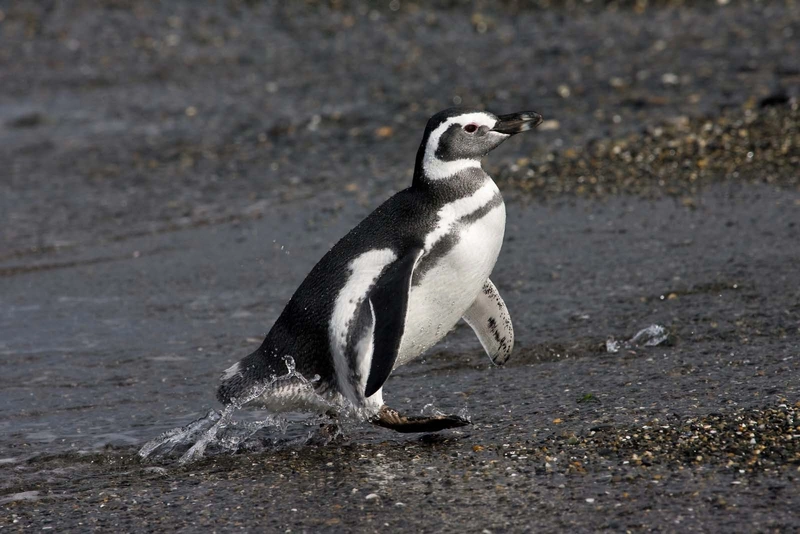
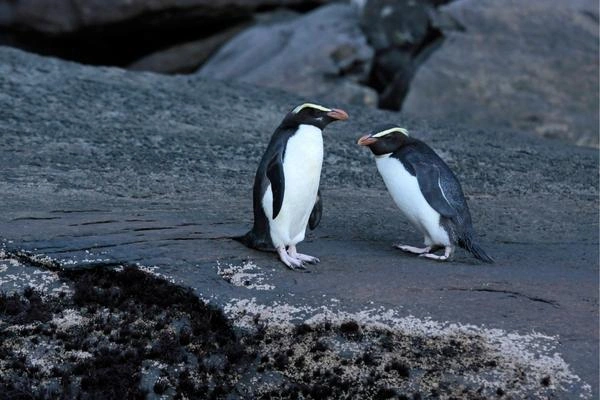
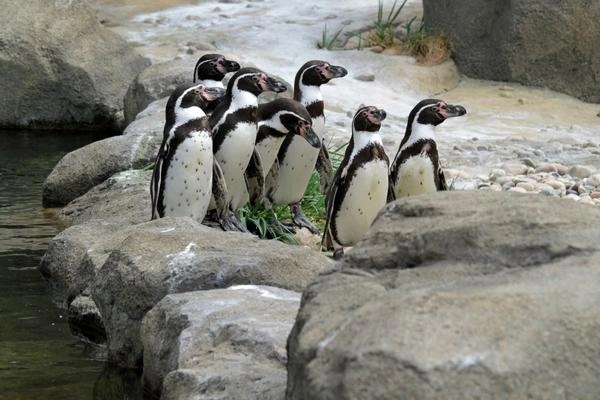
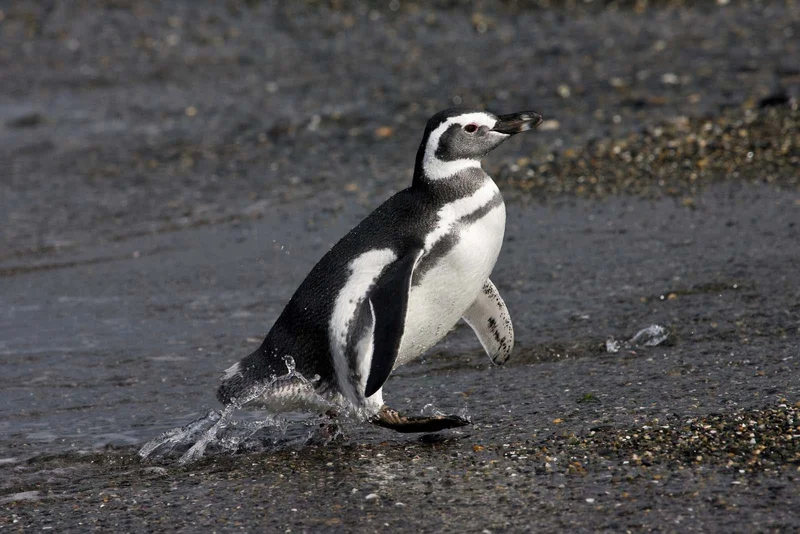
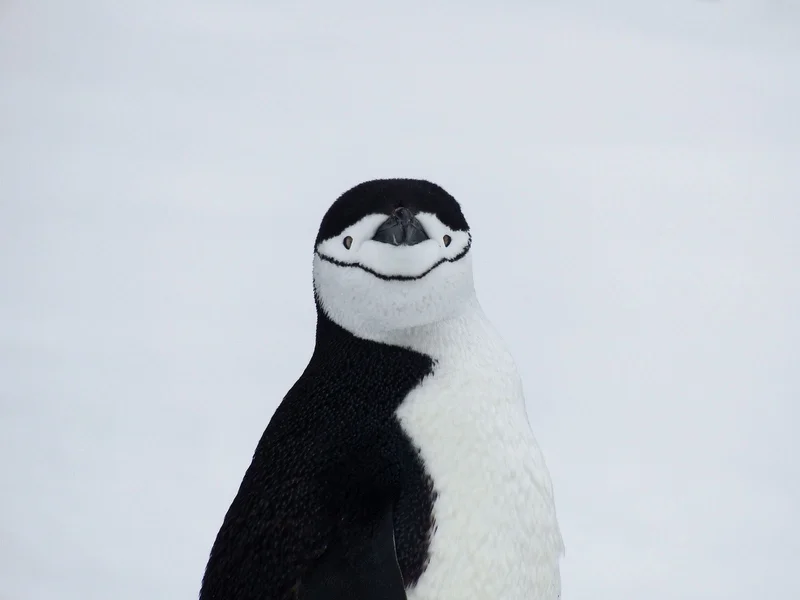
Penguins are birds that cannot fly, they can swim and even march or slide on snow, The smaller ones can waddle on lava rocks. They spend most of their lives at sea, they feed on fish and krill. The majority live in the coldest place on earth, in Antarctica, while some are tropical and live in places like Paracas in Peru and the Galapagos islands in Ecuador.

  • All penguins live between the Equator and the South Pole. While some live where it’s very cold (Antarctica), others live in warmer places like the coasts of Africa or Australia.
  • Penguins live on islands, coasts, and icebergs. They depend on the ocean for sourcing food, so they are always found near water by the coast.

Penguins are not Just Any Bird

Penguins are naturally designed for life at sea. If we examine their build we will notice:

Their bodies have a sleek shape for speed.

A layer of blubber under their feathers keeps them warm.

They have stiff flippers that act like boat paddles to push and steer when they swim.

  • Big webbed feet help with steering.
  • Big eyes help them see underwater and spot predators as well as food.
  • Soft feathers trap heat and allow them to withstand icy temperatures.
  • Stiff, oily feathers keep out water. They are insulated.

A Penguins Life on Land

  • Penguins live together in large colonies. Some of these can have thousands or millions of individuals. Throughout the southern cone winter, Penguins huddle together when it’s cold and take turns on the outside of the huddle.
  • When the long Antarctic winter is coming to an end Penguins march to nesting grounds. Penguins wave, strut, shake, call, dance, and sing as part of a mating ritual and to attract a mate. Almost all penguins are monogamous and stay with the same mate for many years.

Reproductive cycle: Eggs and Chicks

Most penguins lay two eggs, but often only one egg survives. Responsibility for the chick is shared, mother and father take turns keeping the egg warm and later feeding the newborn hatchlings.

Parents, in most cases the mothers go out to sea to find food. Chicks wait together while parents find food. During this period of time the chicks are in danger from birds and other predators.

  • Baby birds sing special songs to help parents find them, parents can recognize the song of their chicks amongst thousands of individuals. When the chick is fully grown the whole family returns to the sea and juveniles return to their nesting site several years later.

The Famous Emperor Penguins

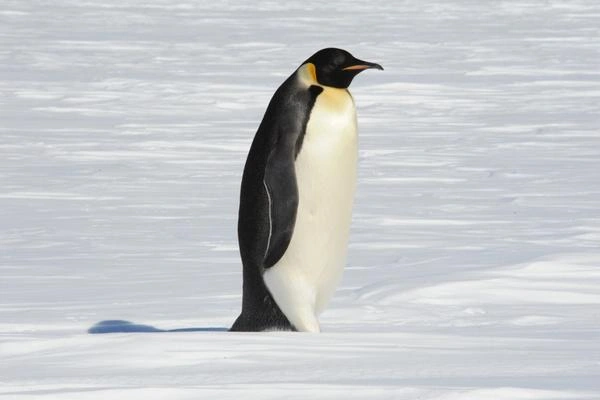
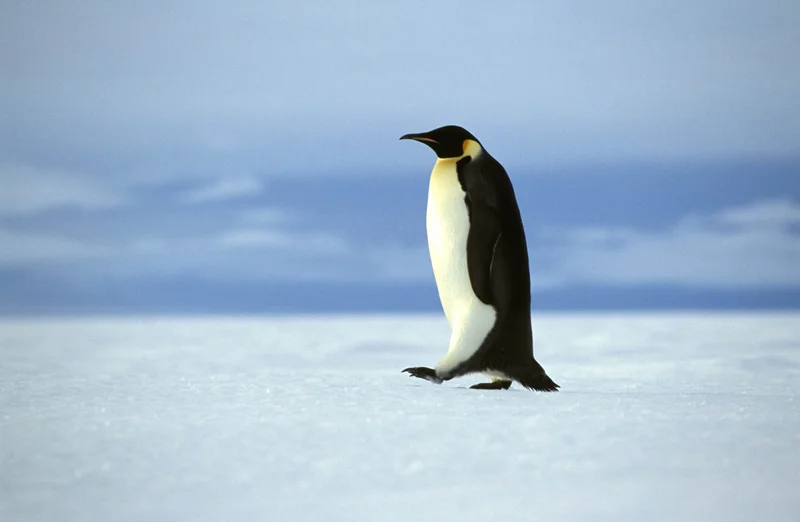
  • Emperor penguins live deep in the southernmost part of Antarctica, mostly in the Ross sea and some colonies found in the wedel sea specifically at Snow Hill Island . They are the only birds that can survive the coldest place on Earth even throughout the -72 degree winters. Ironically, Emperor penguins nest far from the ocean. They march and slide for days and nights through snow and wind. The female lays the egg and gives it to the male to care for. While the mother is heads out into the ocean in search of food, the male keeps the egg warm under his belly.
  • The mother is usually gone for more than four months. The father does through a tremendous fast to the point of almost being a sacrifice, as he eats nothing but snow. The colony father's huddle with other males as they wait for the return of their female maits with the food.
  • Only When the mother returns, after many months, usually around July, the father goes to the ocean to feed. The food that the mother brings back is only for the Chick. She regurgitates it down it´s throat. By December (Antarctic summer), the family is ready to go out into the ocean.

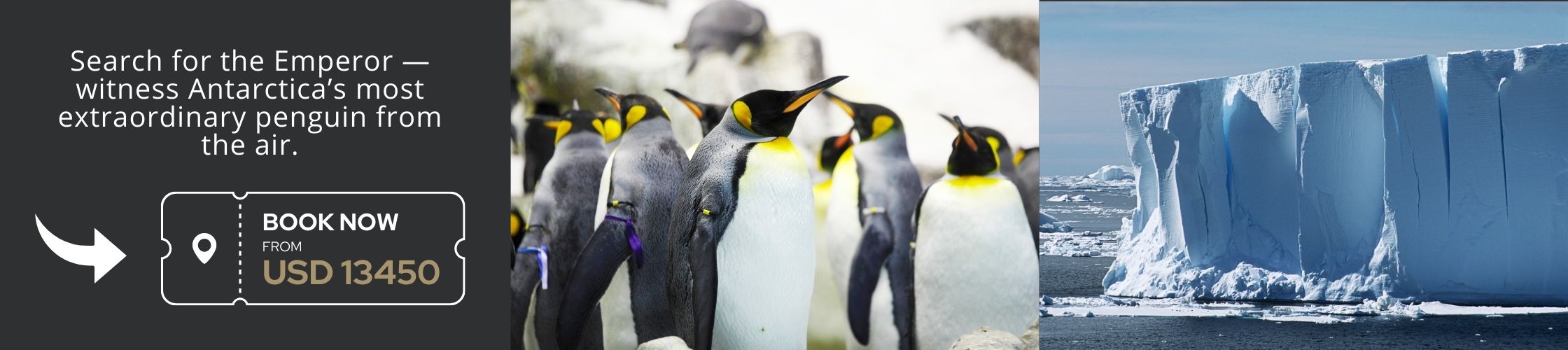
(Colocar banner promocionando el siguiente crucero: https://www.voyagers.travel/antarctica/itineraries/otl22-26-weddell-sea-in-search-of-the-emperor-penguin-incl-helicopters)

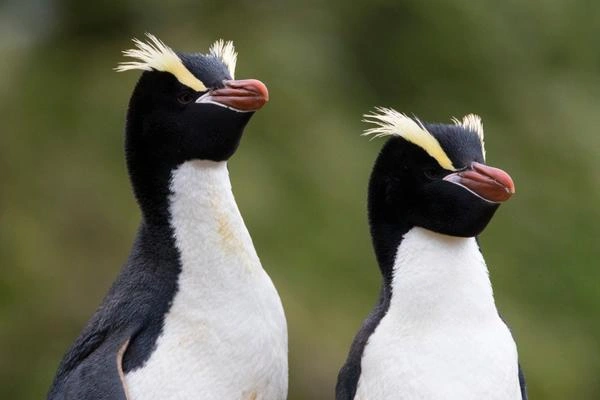
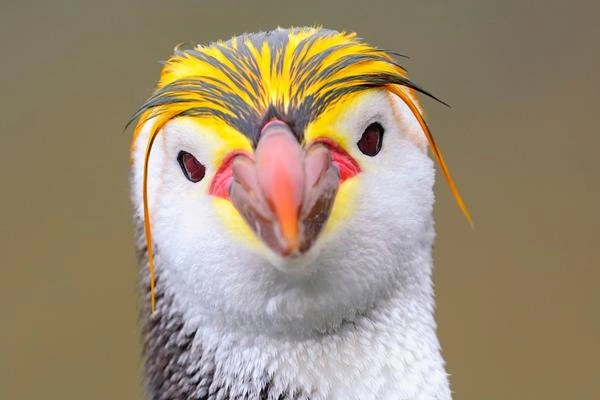
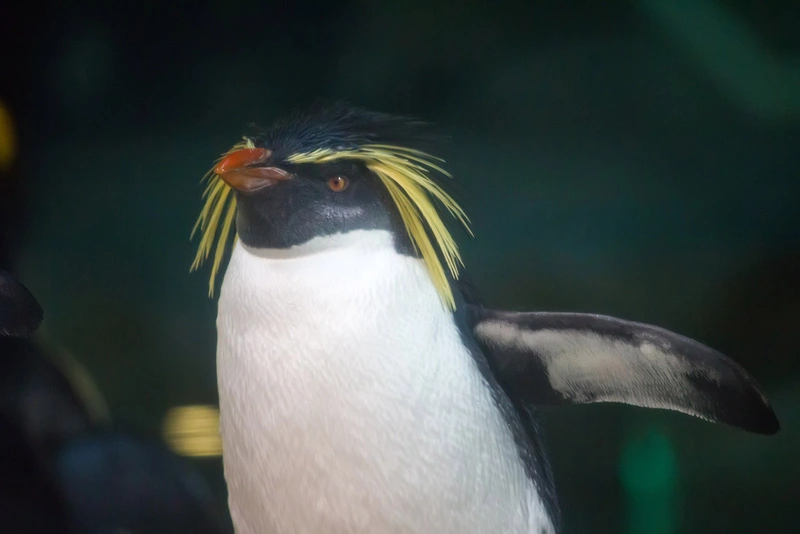
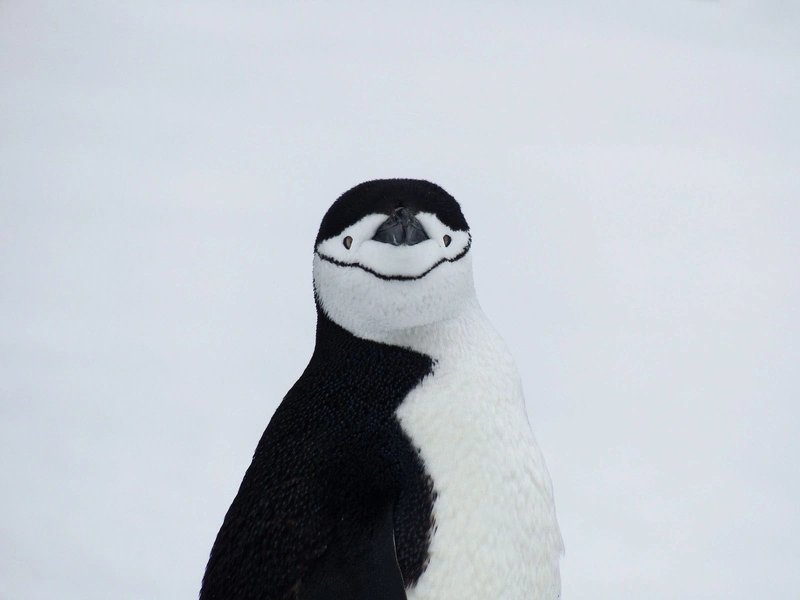
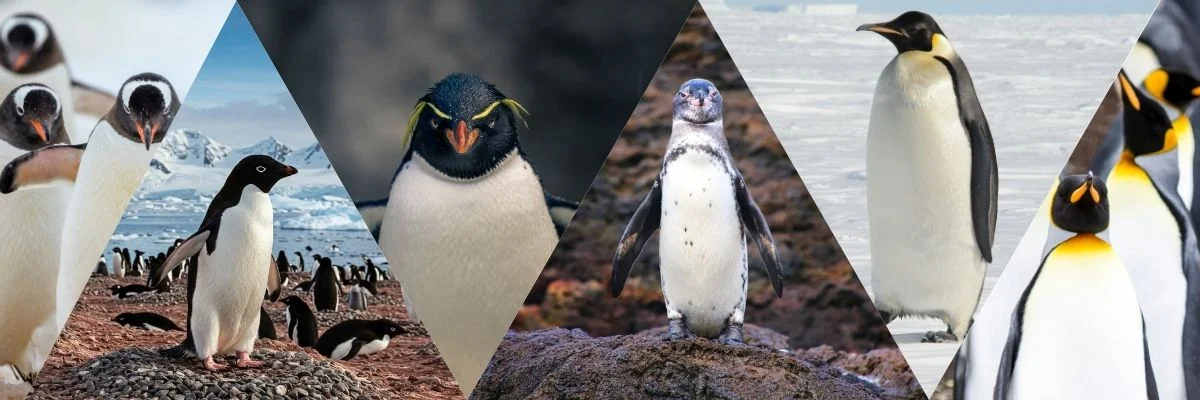
Penguin Parade (17 Species)

Favourite Species of Penguins

Penguin

Size

Measurements

Where to find them

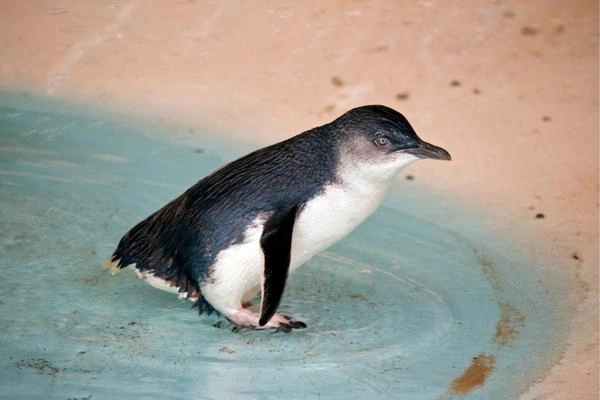
Fairy

Smallest

10 to 13 inches (25-33 cm)
Australia, New Zealand, Tasmania

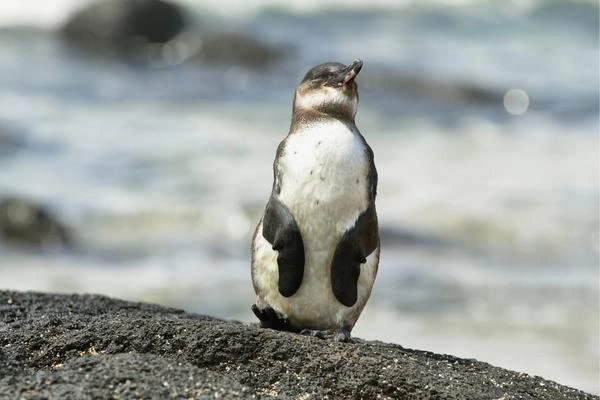
Galapagos

Small

19–21 inches (48–53 cm)

Galapagos Islands

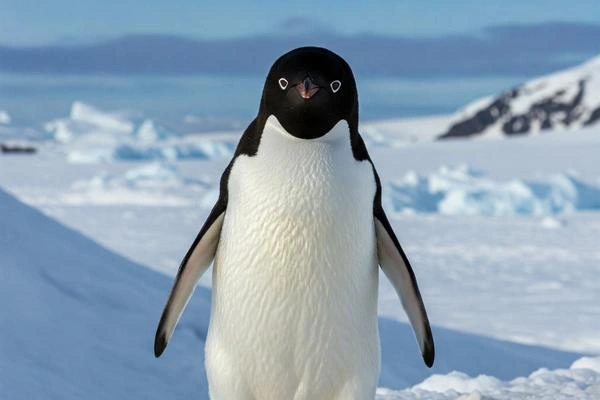
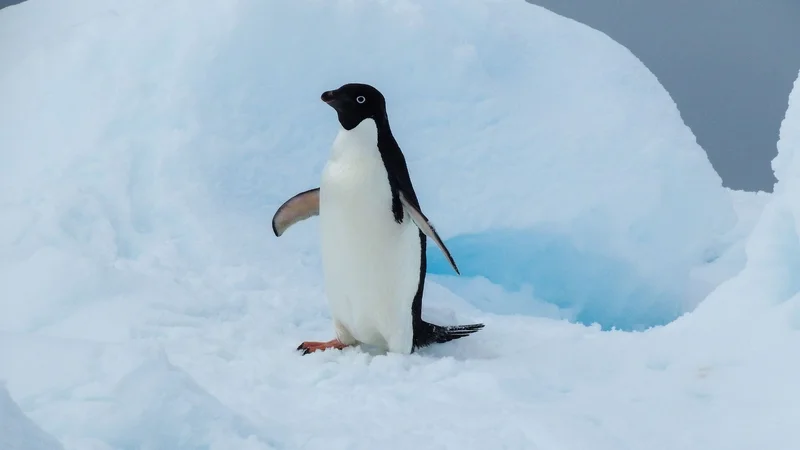
Adelie

Medium

27-29 inches (70-73 cm)

Antarctic Peninsula, Ross Sea

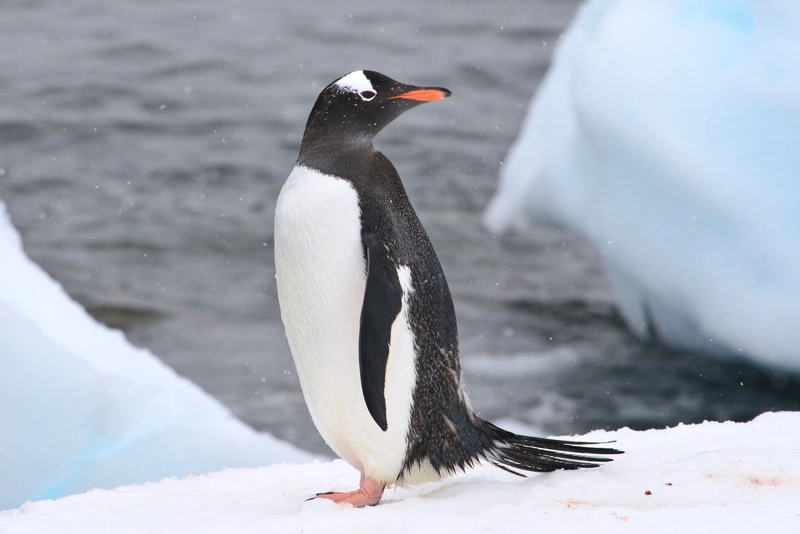
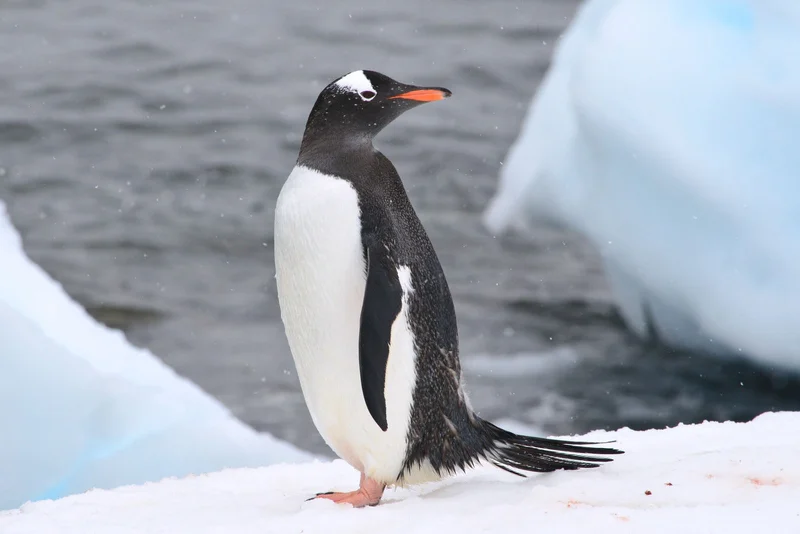
Gentoo

Medium

70-90 cm (28-35 inches)

Antarctic Peninsula, Falkland islands, South Georgia

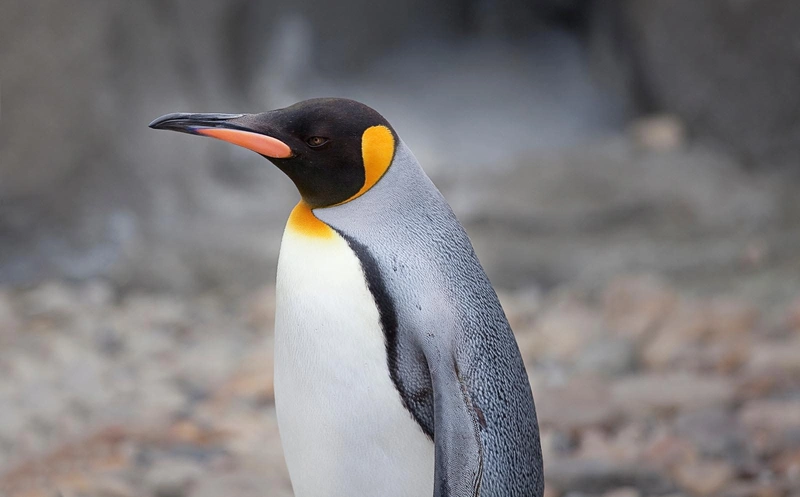
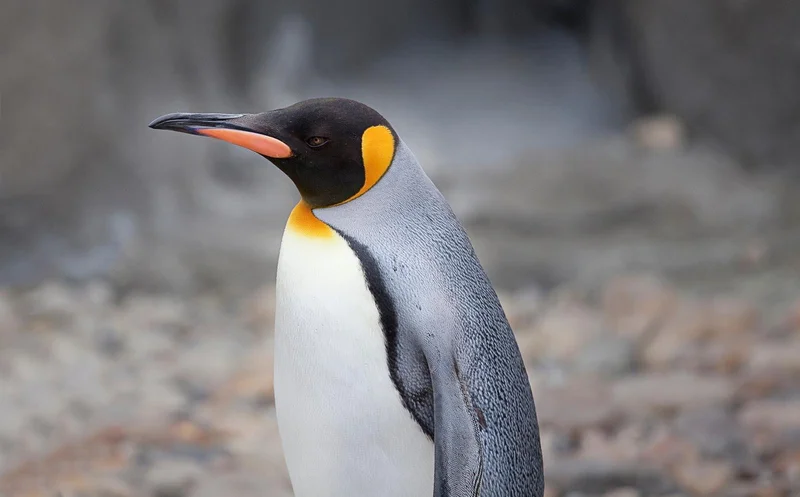
King

Large

70-100 cm (28-39 inches)

Falkland islands, South Georgia

Emperor

Largest

Up to 1.2 meters (4 feet)

Ross sea, Snow Hill Island

Fun Penguin facts:

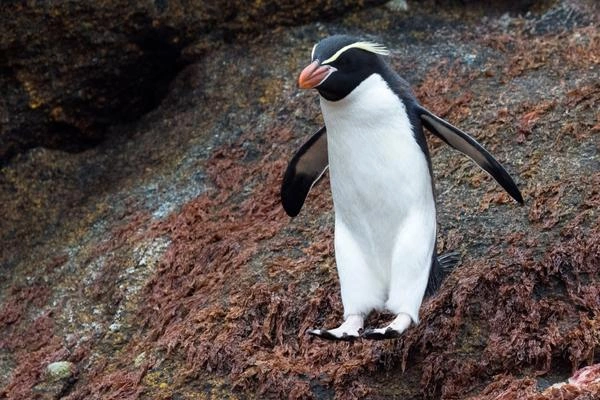
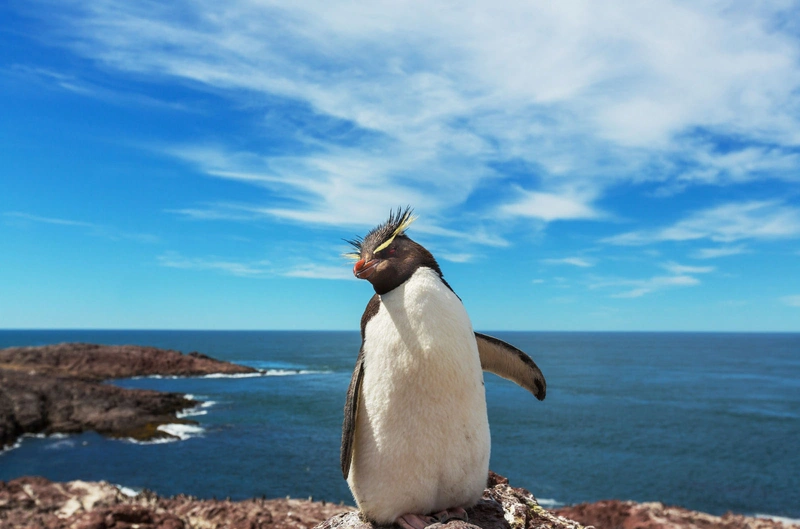
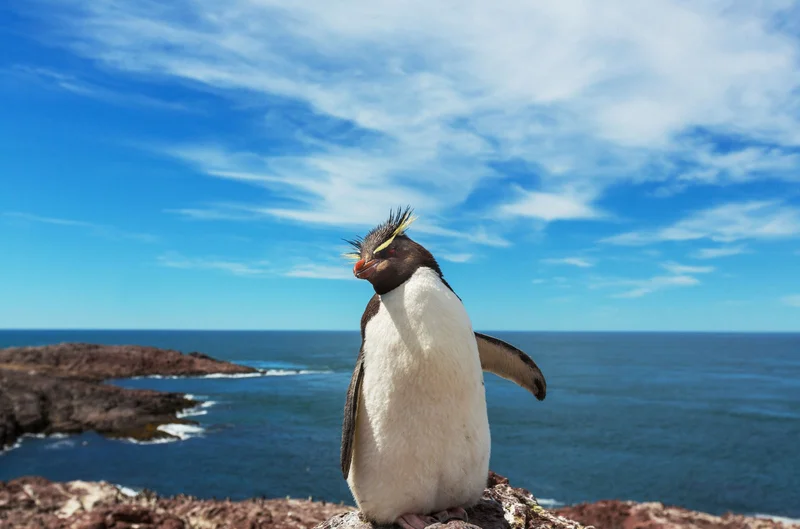
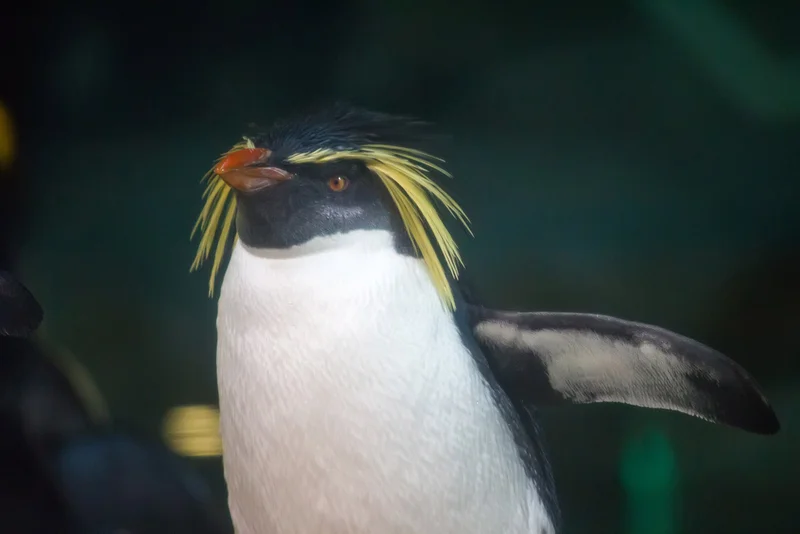
  • Rockhoppers hop five feet high.
  • Penguins can slide down like sledding on snowy hills.
  • Penguins surf through waves.
  • Penguins sing to mates and chicks. This is how they find each other amongst millions of individuals.

QUICK FACTS (Crear un infográfico)

  • Penguins are birds.
  • Penguins cannot fly.
  • Penguins swim fast.
  • Penguins eat fish.
  • Penguins live in colonies.
  • Penguins huddle for warmth.
  • Penguins sing.
  • Penguins stay with mates.
  • Emperor penguins live in Antarctica.
 

Experience a Frozen World of Wonder in Antarctica
Cruise past towering icebergs, walk among thousands of penguins, and witness the raw beauty of Earth’s most remote continent.

Book Now

Antarctic Wildlife