
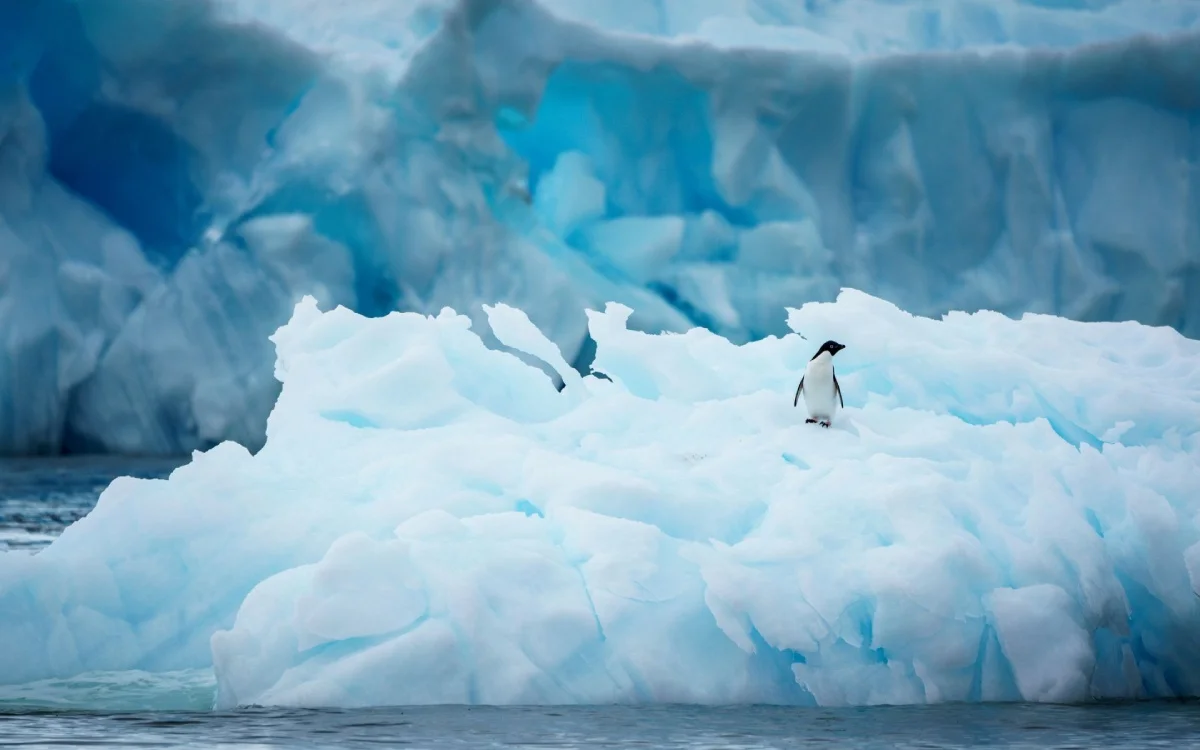
Antarctica 2026 Is Already Becoming a Tight Booking Game | Travel Blog
Planning a trip to Antarctica has never been a last-minute decision. But 2026 is different. At Voyagers Travel, we're seeing Antarctic departures fill up earlier than in any previous season, not because demand suddenly spiked overnight, but because travelers are arriving more prepared, more specific about what they want, and more focused on the ships and routes that actually match their expectations.
Table of contents
- Why the 2026 Antarctica Calendar Is Tightening
- The Cost of Waiting Is Not Only Financial
- Choosing the Right Vessel and Route
- What “Early Planning” Really Means
- A Market Shaped by Limits
- The Role of an Advisor in a Crowded Season
- The Travelers Most Affected by the Narrowing Window
- Planning Without Panic
- FAQs
Antarctica isn't going away. But the right departure, the right ship, the right timing, the right route, will.
Key Takeaways
- Antarctica 2026 departures are filling earlier because travelers are planning sooner and demand is concentrating on well-regarded ships, suitable routes, and popular travel windows.
- Antarctic expedition availability is limited by a short season, a fixed number of vessels, and ships with fixed passenger capacity.
- Waiting too long can affect more than price; travelers may lose access to their preferred vessel, cabin category, travel date, or route.
- Voyagers Travel helps travelers compare vessels, operators, routes, and inclusions to match them with the right expedition rather than promoting one specific ship.
- Early planning does not mean booking immediately; it means reviewing route length, vessel style, cabin type, physical demands, timing, insurance, gear, and logistics before the best-fit options disappear.
Expedition travel has a quiet scheduling problem: availability looks open until it isn't. By the time most travelers begin comparing options, the combinations that truly work, vessel, itinerary, departure window, are already gone.
Why the 2026 Antarctica Calendar Is Tightening
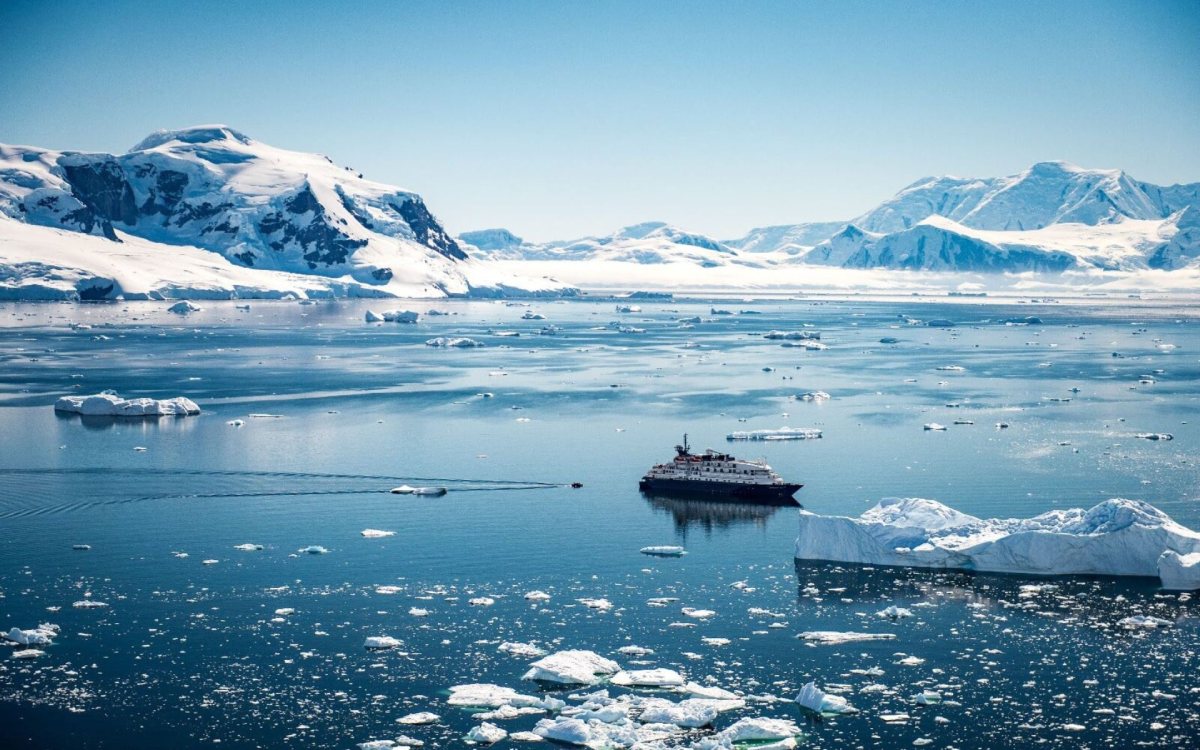
The pandemic years reshaped how people think about remote travel. Expedition-style destinations, Antarctica chief among them, moved from bucket list to actual plan for a much larger group of travelers. The result has been visible in booking patterns: the 2025–2026 season began filling earlier than any we've tracked at Voyagers, and the pressure concentrates on the same departures every time, the well-regarded ships, the reasonable time windows, the itineraries that balance wildlife access with manageable voyage length.
The supply side of this equation doesn't flex. A limited number of ships operate in Antarctic waters during a short season, and those ships carry a fixed number of passengers. When demand increases, availability doesn't expand to meet it, it tightens. Travelers who plan on a familiar timeline may find that the cabin category they wanted, on the ship they preferred, during the month that worked for them, has already gone to someone who started earlier.
The Cost of Waiting Is Not Only Financial
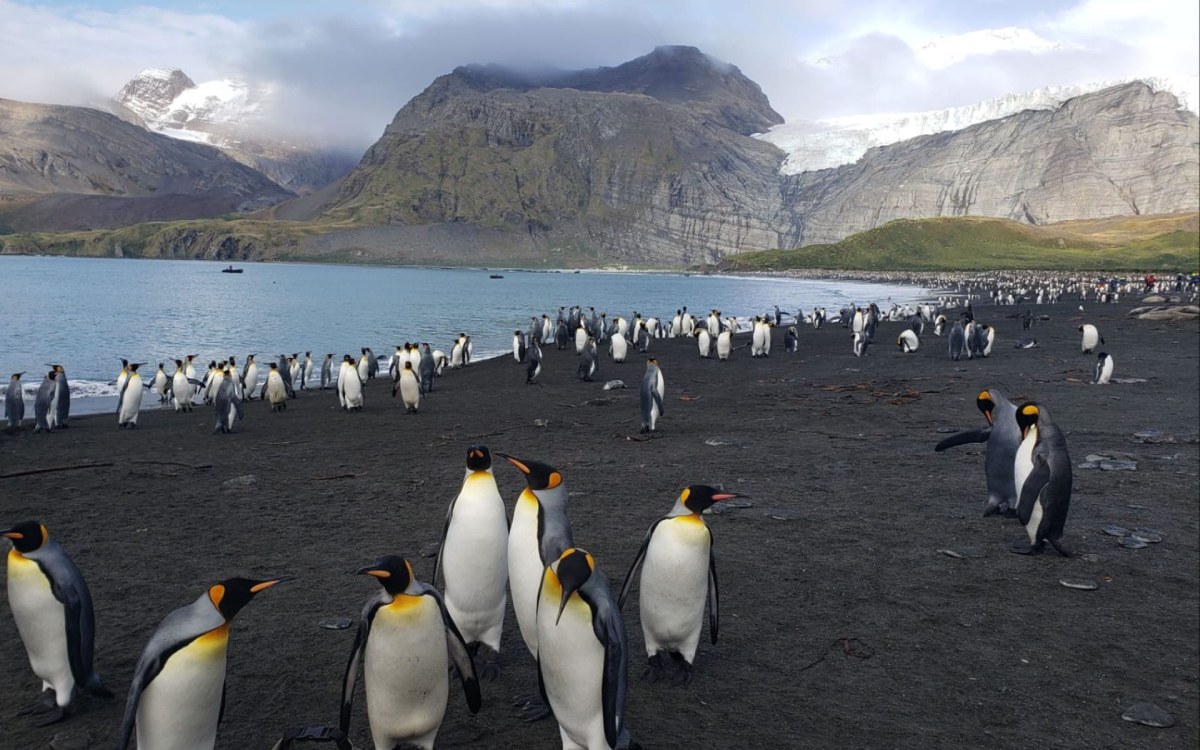
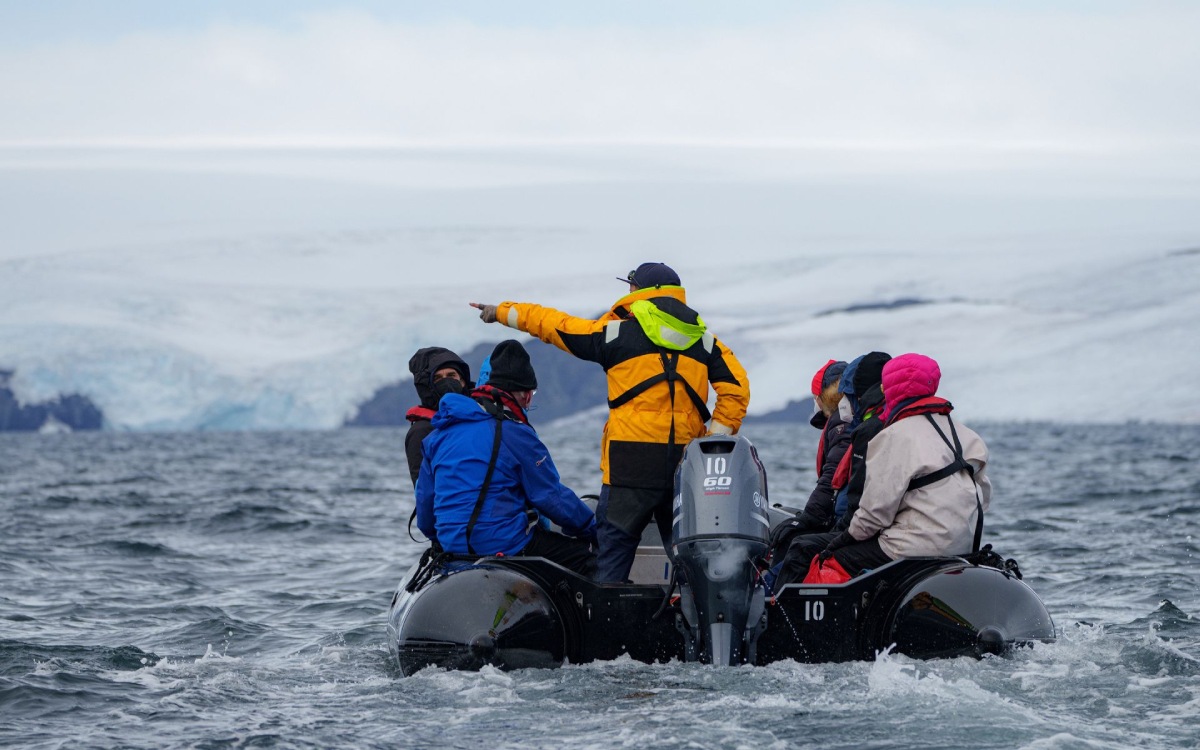
When options narrow, the trade-off isn't just price. It's fit. A traveler who needs extended time ashore for photography has different requirements than one who prioritizes a comfortable vessel and a route through South Georgia for the wildlife density. These aren't small preferences; they shape the entire experience, from how mornings unfold before a Zodiac landing to how much patience a journey demands when weather closes in.
This is why early consultation matters in Antarctic travel more than almost anywhere else. Two trips can look similar on paper and be genuinely different in practice: vessel size affects landing access, itinerary length affects the physical demands of the journey, and the route itself determines what you actually see. The Peninsula offers classic Antarctic exposure in a shorter timeframe. South Georgia extends both the distance and the experience, more sea time, more wildlife, more waiting when conditions require it. Neither is better in the abstract; both require honesty about what a traveler is actually ready for.
Choosing the Right Vessel and Route
At Voyagers Travel, we help travelers find the expedition operator and departure that fits, not by promoting a particular ship, but by working through the real questions first.
The vessel matters more than most first-time Antarctic travelers expect. It's where you spend the hours between landings, where briefings happen, where you recover from a rough crossing. Smaller ships typically offer greater access to landing sites; larger ones can provide more stability and onboard space. Neither is universally better. The right choice depends on what the traveler values and what they can genuinely handle.
The itinerary carries the same weight. The Antarctic Peninsula is the standard entry point, crossing the Drake Passage, reaching the Peninsula, experiencing ice and wildlife within a contained trip length. South Georgia routes are longer, more demanding, and for travelers who are willing to extend both their timeline and their tolerance for unpredictable conditions, genuinely extraordinary. A good advisor walks through those differences clearly, including the unglamorous ones.
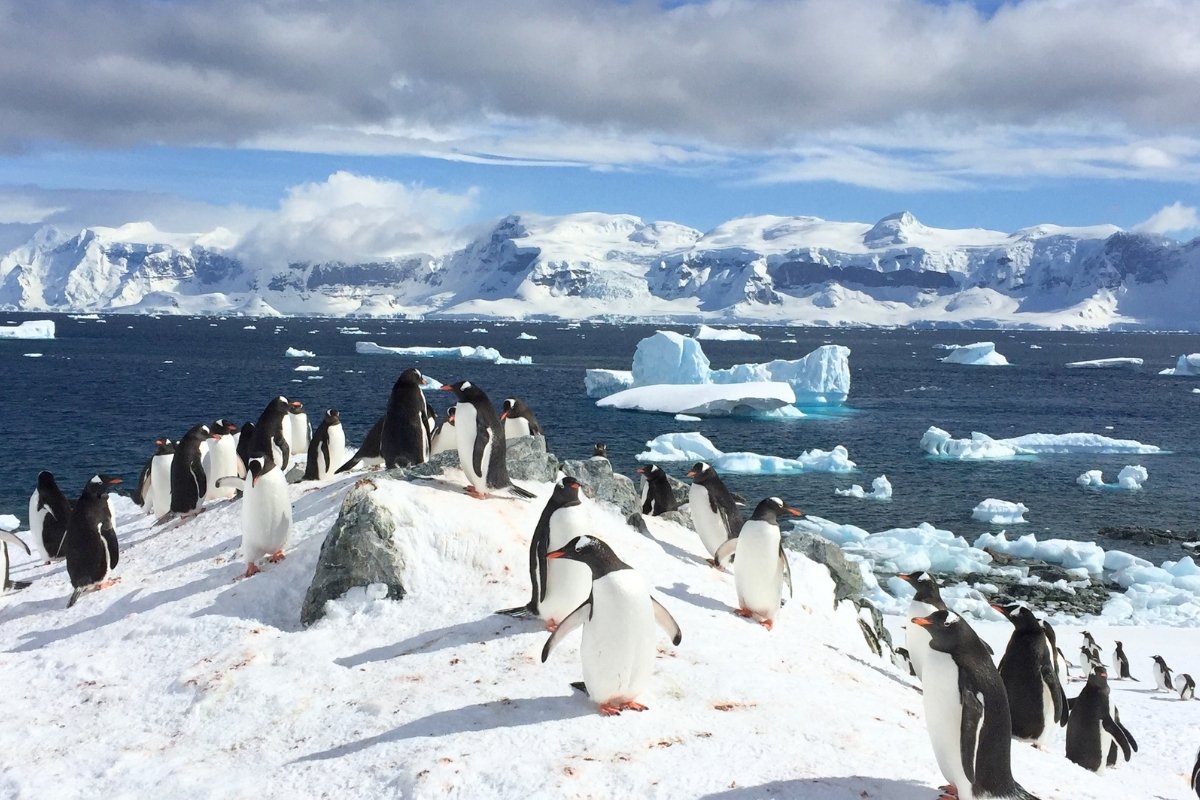 Antarctica Direct: Sail and Fly the Drake Passage
Antarctica expedition with Drake Passage sailing, wildlife encounters, and a return flight to Patagonia.
Request a quote
What “Early Planning” Really Means
Early planning doesn't mean rushing into a booking. It means having a real conversation before the market eliminates the options that would have been the right ones.
We encourage travelers to approach Antarctica as an expedition destination with limited availability, not as a trip that can be assembled after flights and vacation days are confirmed. The decisions that matter, travel month, route duration, vessel type, cabin category, physical comfort level, insurance, gear, pre- and post-trip logistics, are interconnected. Making them in sequence, with time and information, produces a different result than making them under pressure.
For travel agents, this dynamic is equally important. Clients often arrive with a clear desire for the experience, penguins, ice, somewhere genuinely remote, but without a clear sense of how quickly the most suitable options disappear. Advisors who begin with education, not urgency, help clients understand how timing, ship selection, and route planning connect before the window closes.

A Market Shaped by Limits
Antarctica resists the logic of ordinary travel expansion. The continent is remote, environmentally protected, and operationally constrained in ways that aren't going to change. Ships run on seasonal schedules shaped by weather, ice conditions, and the practical realities of the Southern Ocean. Wildlife doesn't follow a timetable. Landings depend on conditions on the day.
Travelers who understand this tend to plan better, not because they're more experienced, but because they've accepted that some variables aren't negotiable. Good guidance means helping clients reach that understanding early, working through what their trip actually requires before they find themselves choosing between what's left rather than what fits.
Voyagers Travel works across South America and Antarctica with regional expertise and a focus on building itineraries around the traveler rather than the inventory. That process, matching clients to the right vessel, route, operator, and departure, takes time to do well. It also produces better journeys.
The Role of an Advisor in a Crowded Season
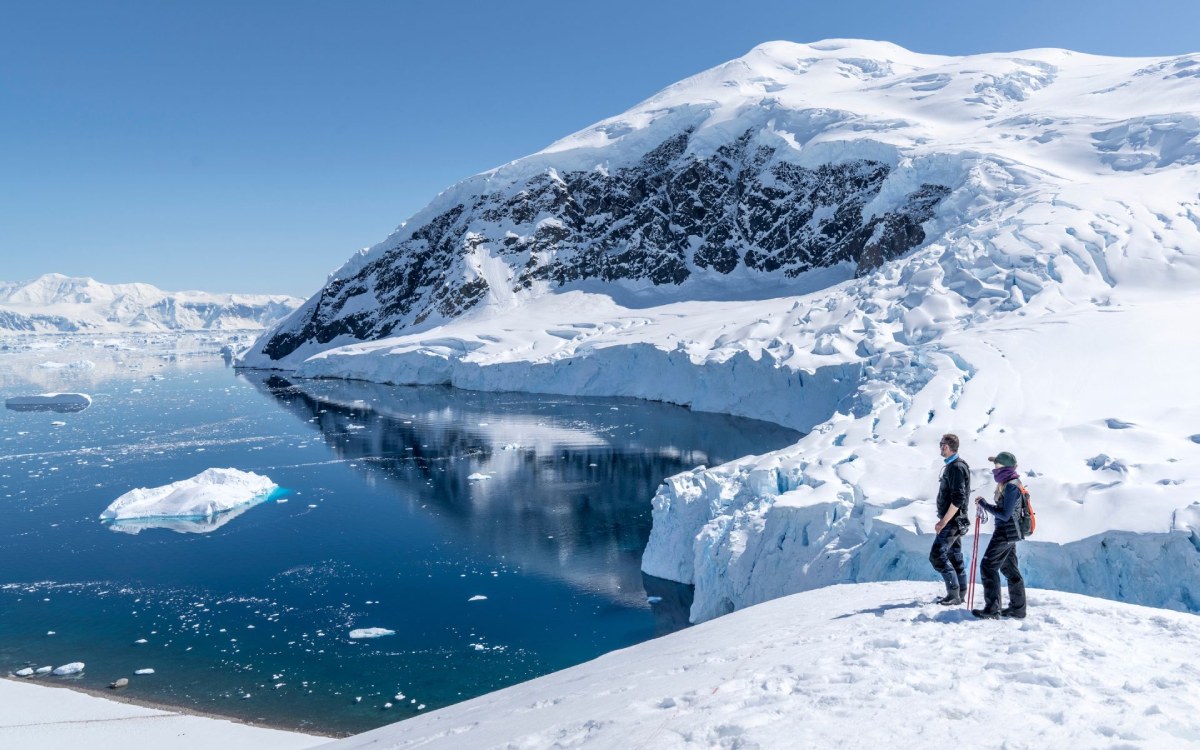
Marco Sancho, CEO of Voyagers Travel, describes what's happening as a genuine acceleration in a destination that has always required forward planning. His point is simple: travelers who rely on the old booking rhythm may find that the ships and departures they had in mind are no longer available. And the loss is concrete, not theoretical, it can mean a cabin near the engine room instead of a quieter deck, a date that doesn't quite work, or a route that cuts out the places that made the trip worth considering in the first place.
A good advisor doesn't make Antarctica sound easier than it is. They make the decisions clearer. They ask about motion sickness, photography goals, walking ability, cold tolerance, interest in wildlife, and how much time a traveler can realistically be away. They should also be honest about what happens when weather disrupts a planned landing, because it will. The sound of a ship working through rough water and the wet approach of a Zodiac to shore are not inconveniences. They are the environment the traveler has chosen to enter.
The Travelers Most Affected by the Narrowing Window
The tightening market hits some travelers first. Those tied to school holidays, fixed work schedules, anniversaries, or multi-generational family calendars have less flexibility when their preferred dates sell out. Travelers seeking specific cabin categories, single occupancy, or higher-comfort vessels face early pressure as well. So do those planning South Georgia or other extended itineraries, where fewer departures and longer time commitments naturally limit the options available.
Flexible travelers have more room, but flexibility has real limits. Being open to different dates helps, until the ship itself is full. Being open to different vessels can work too, as long as the traveler understands what actually changes between them. A smaller ship typically offers a more immersive expedition experience and better landing access; a larger or more comfortable vessel may reduce certain physical demands of the journey. Neither is the right answer in the abstract. The best choice depends on what kind of trade-off the traveler is willing to make.
Planning Without Panic
The practical takeaway from Voyagers Travel's 2026 outlook isn't urgency for its own sake. It's the suggestion to stop treating Antarctica as a vague future idea and start turning it into a set of actual decisions. Which month works? How many days are realistically available? Is the goal the Peninsula, South Georgia, or something more expansive? How much motion, cold, shared ship life, and genuine unpredictability can the traveler handle?
These questions are less appealing than the images that make Antarctica so compelling, but they're the ones that determine whether the trip actually fits the person taking it.
Antarctica rewards preparation more than spontaneity. It asks travelers to accept early mornings, boots that stay damp, itineraries interrupted by weather, and long stretches of open ocean. It also operates within a market that has hard limits, a fixed number of ships, a short season, and landing opportunities that depend entirely on conditions on the day. Voyagers Travel's message for 2026 is practical: the booking window is closing earlier, and travelers who begin the planning process now will have a better chance of finding a departure that genuinely works for them. In a place where nature doesn't accommodate last-minute changes, the calendar is starting to reflect the same reality.
FAQs
Why are Antarctica 2026 departures filling earlier than usual?
Voyagers Travel says demand for remote expedition travel has risen while the number of Antarctic vessels and departure slots remains limited. The effect is strongest on popular routes, respected vessels, and travel dates that fit common holiday or work schedules.
Does early planning mean booking immediately?
No. Early planning means starting the comparison process before the best-fit options disappear. Travelers should review route length, vessel style, cabin type, physical demands, and timing before making a commitment.
Which Antarctica itineraries are most affected by limited availability?
Classic Antarctic Peninsula voyages and extended South Georgia expeditions are especially sensitive to early demand. South Georgia routes can be harder to secure because they involve fewer departures, longer trips, and more complex scheduling.
How does Voyagers Travel help travelers choose an Antarctica trip?
Voyagers Travel compares vessels, operators, routes, and inclusions to match travelers with a suitable expedition. The company focuses on advisory guidance rather than promoting one specific ship or operator.
What happens if travelers wait too long to book Antarctica 2026?
They may still find available trips, but their preferred date, vessel, cabin category, or route may no longer be open. Waiting can also lead to higher costs or a compromise that affects comfort, logistics, and overall fit.

Marco Sancho
Travel Blogger
Credentials
- ✓Voyagers Travel Contributor