
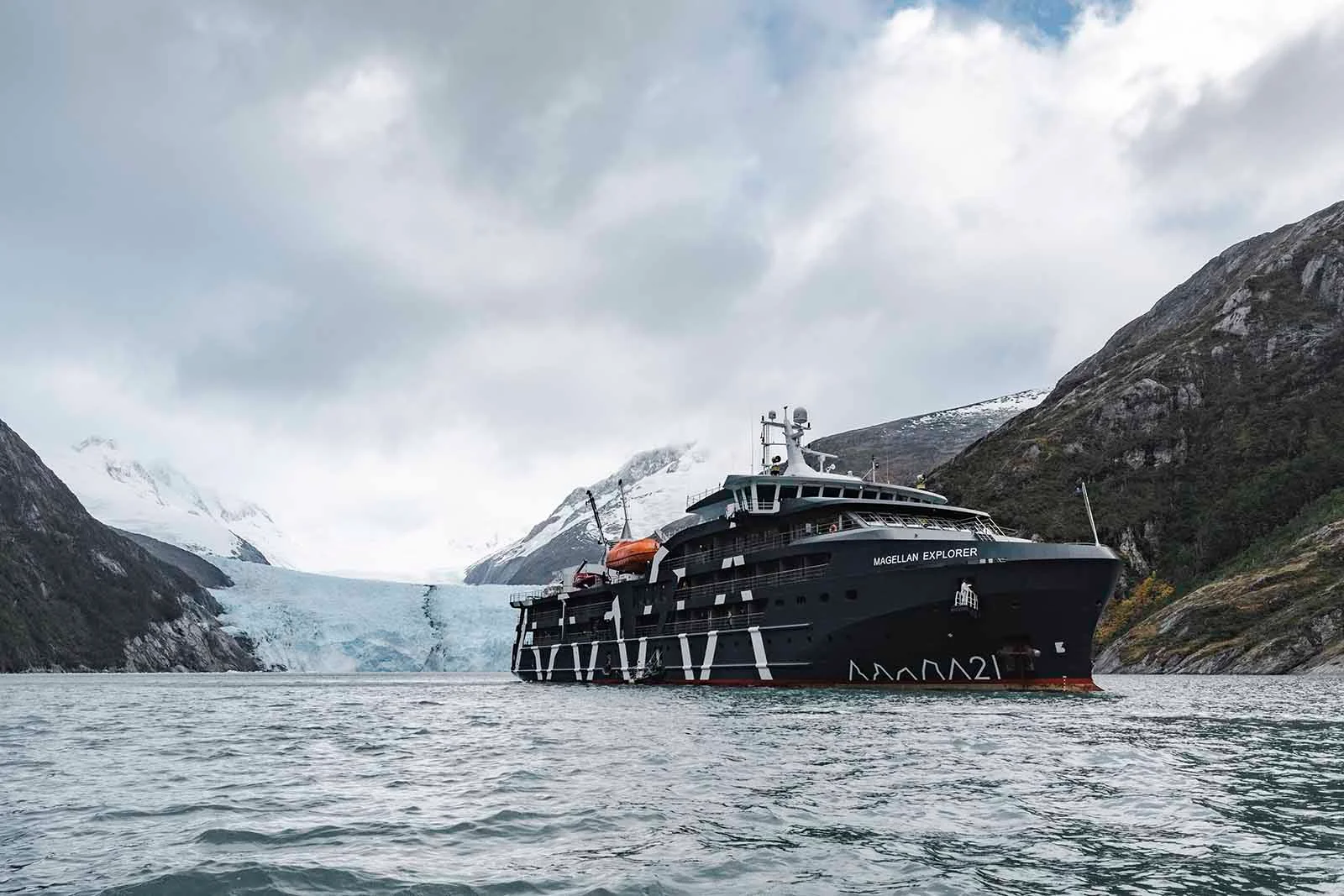
Antarctica Ship Inspection - The Magellan Explorer | Travel Blog
An Antarctic expedition is unlike any other trip and is definitely a rare opportunity to come by. The brisk winds and massive swells make the voyage demanding, which makes choosing the right ship essential. It’s not only about reaching the destination safely, but it’s also about your experience on board and whether the expedition team is good enough that you can get the most out of the sea and ice.
The Magellan Explorer is a polar cruise ship built for Antarctica fly-cruises. Travelers set off from Punta Arenas, land at King George Island, and start the expedition from there without crossing the Drake Passage. It has amenities to cater to the travelers’ comfort, as well as a highly experienced crew to ensure safety.
Named after the renowned Portuguese explorer who led the first circumnavigation of the globe, the Magellan Explorer lives up to its namesake. As seasoned travel writers with over a decade of experience in reviewing expedition ships, we were eager to find out for ourselves.
To give you a firsthand account of what the ship is actually like, we personally inspected and sailed aboard the Magellan Explorer. Below is a review of their cabins, food, excursion equipment, guides, and even the captain’s approach to navigation and landing decisions.
Key Takeaways
- The Magellan Explorer is a state-of-the-art expedition cruise ship custom-built for Antarctic air-cruises, offering cozy cabins, inviting social areas, and a luxurious experience for travelers exploring the White Continent.
- The ship boasts an exceptional fine dining experience with skilled chefs preparing delicious meals using fresh ingredients, as well as an engaging lecture series conducted by knowledgeable guides to enrich passengers' understanding of Antarctica's unique wildlife and landscapes.
- The Magellan Explorer is equipped with top-of-the-line excursion gear, including sturdy Zodiac boats, high-quality kayaks, snowshoes, and hiking poles, ensuring safe and enjoyable adventures in the polar regions.
- The experienced captain and crew carefully consider landing decisions based on weather conditions and prioritize the safety and well-being of passengers, utilizing the ship's state-of-the-art navigation system, ice-detecting radar, stabilizers, and bow thrusters to navigate through challenging waters with ease.
- The Magellan Explorer is a strong candidate for travelers who want a structured, full-service Antarctic expedition without a Drake Passage crossing. It matches well with those who prioritize comfort but want the guidance of experts.
Overview of the Magellan Explorer
Purpose-built for Antarctic air-cruises
The Magellan Explorer was specifically made for Antarctic air-cruises. Its purpose is apparent in the way the ship is configured, with how its observation areas give passengers plenty of space to watch the icy landscape and how its mudroom provides a well-equipped area for transitioning between the ship and shore excursions. After a day outside, travelers return to a vessel that offers both comfort and function.
Social areas and amenities
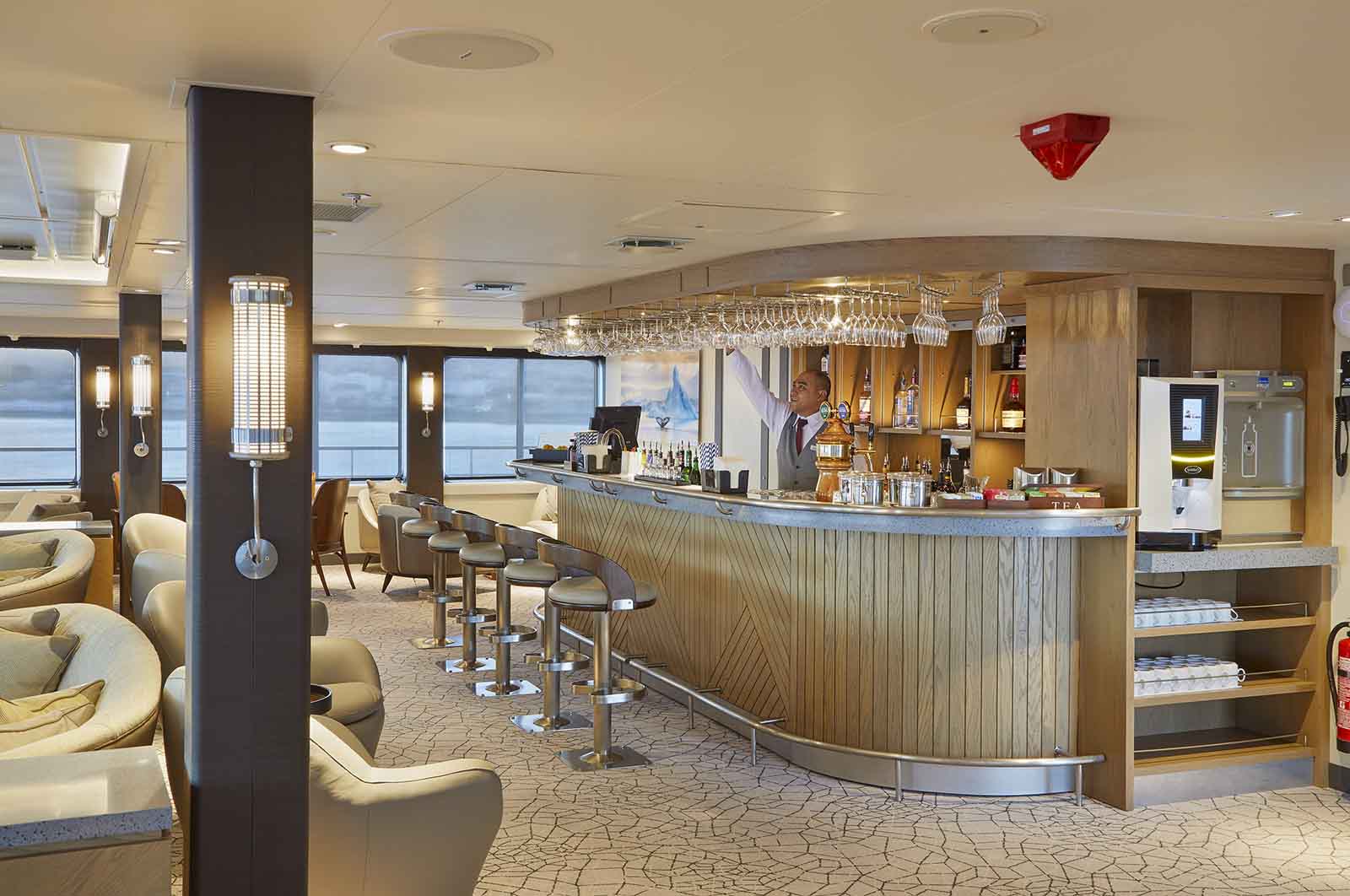
We spent a good amount of time in the glass-enclosed observation lounge, which quickly became one of our preferred places to sit. Panoramic views of the Antarctic landscape made it our favorite place to unwind, sometimes through catching the onboard lecture series or swapping stories with passengers after a day out on the ice.
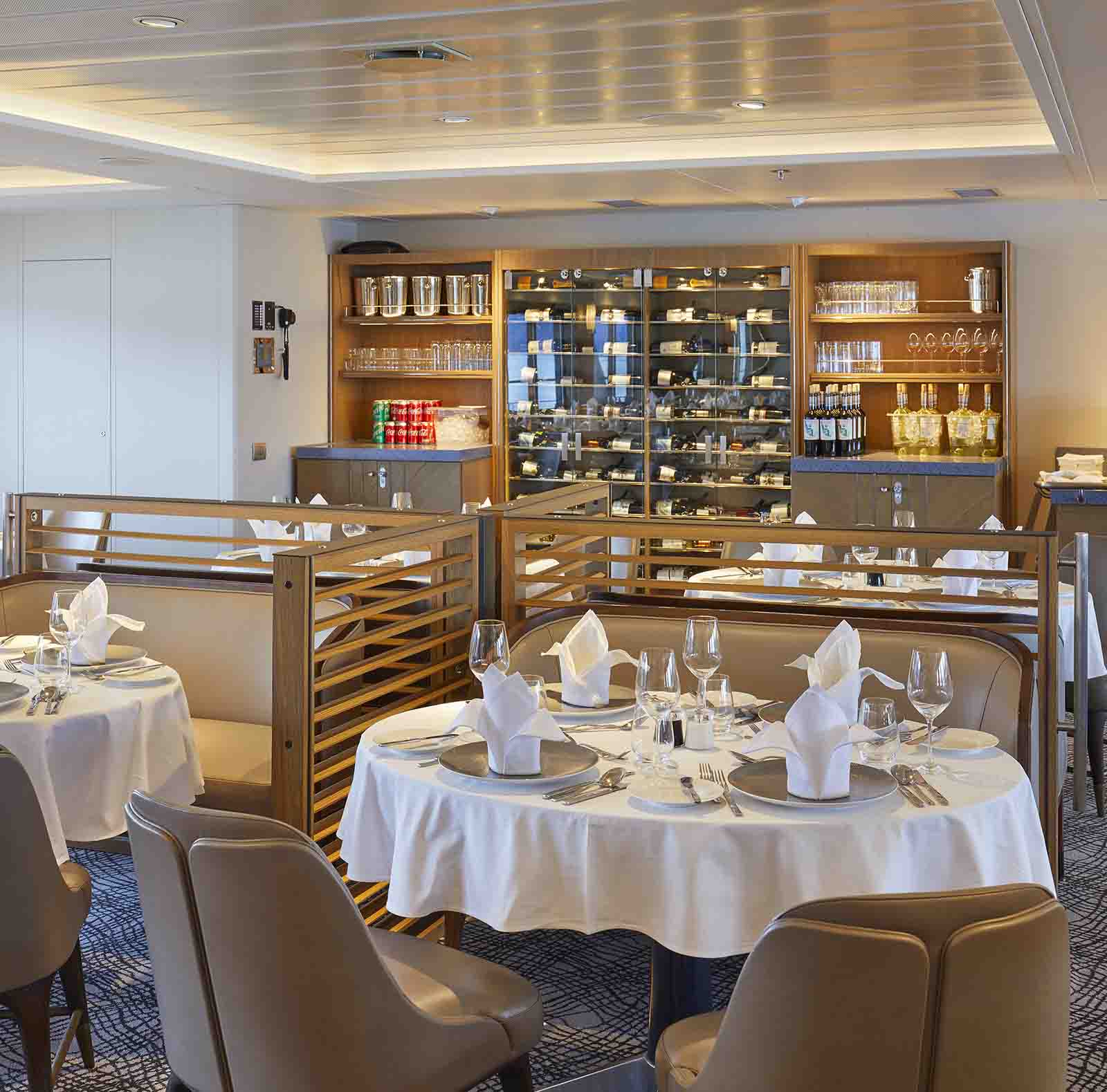
The ship’s other shared areas included an expansive and inviting dining room, with room for all guests that didn’t give off a crowded feeling. A lovely end to most evenings was carried out in a bar that had a solid selection of Chilean wines and pisco. There was also a library and a meeting room, for those who sought quieter alternatives. However, for those who wanted some movement, an onboard gym, built and designed by Anytime Fitness, provided the basic needs. Lastly, the sauna offered a welcome respite after cold days outside.
Throughout the journey, we observed that the Magellan Explorer's social areas and amenities effectively fostered a sense of community with our fellow guests.
Cozy and comfortable cabins
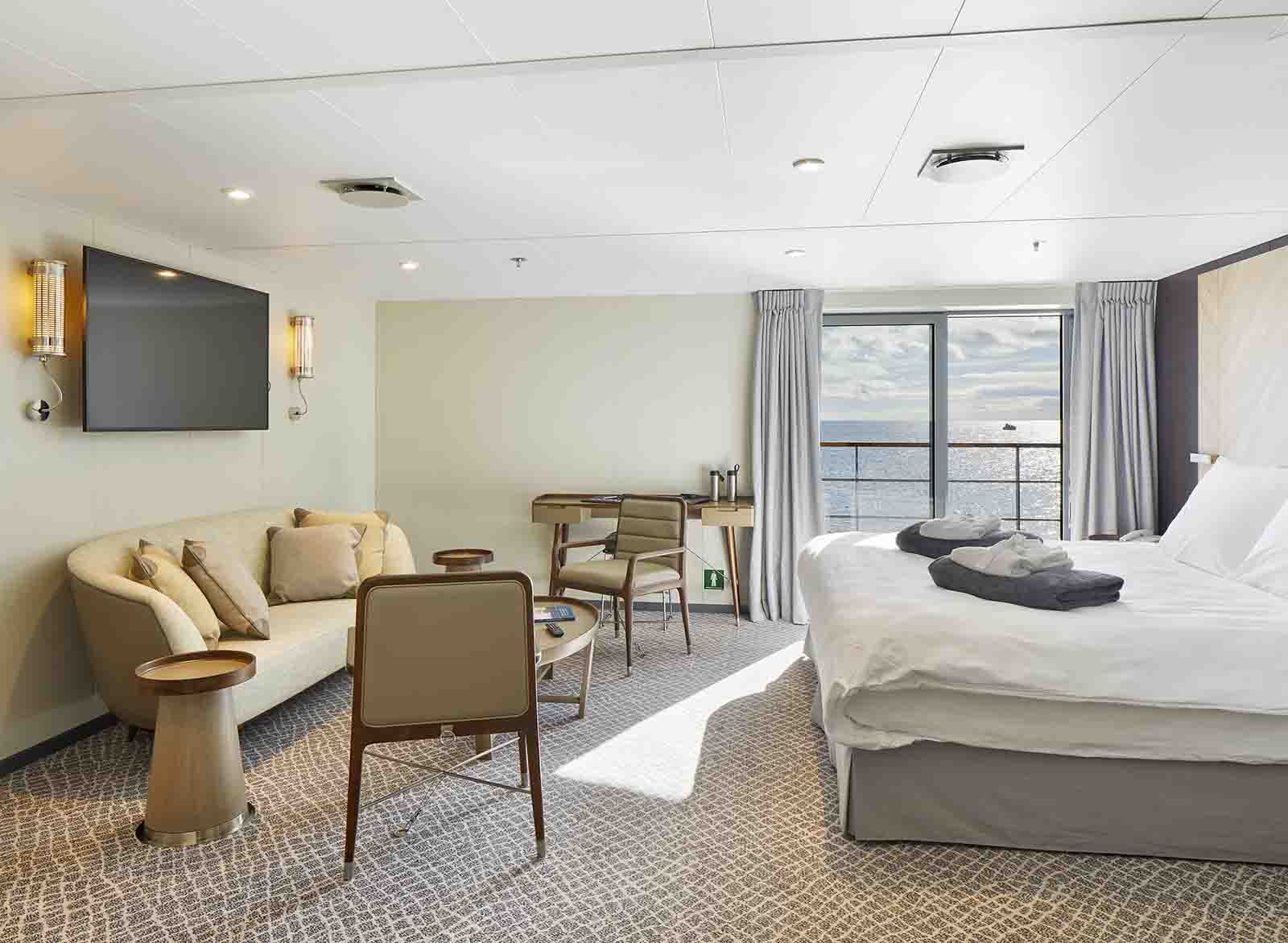
The Magellan Explorer has several options for cabins, from porthole rooms to suites with private balconies.
Each room features luxurious bedding, plush furnishings, and modern amenities like flat-screen TVs and USB charging ports. The interiors are a mix of classic and contemporary, creating an environment that is comfortable and not too overwhelming, the ideal characteristic for an expedition vessel.
Dining and Excursions
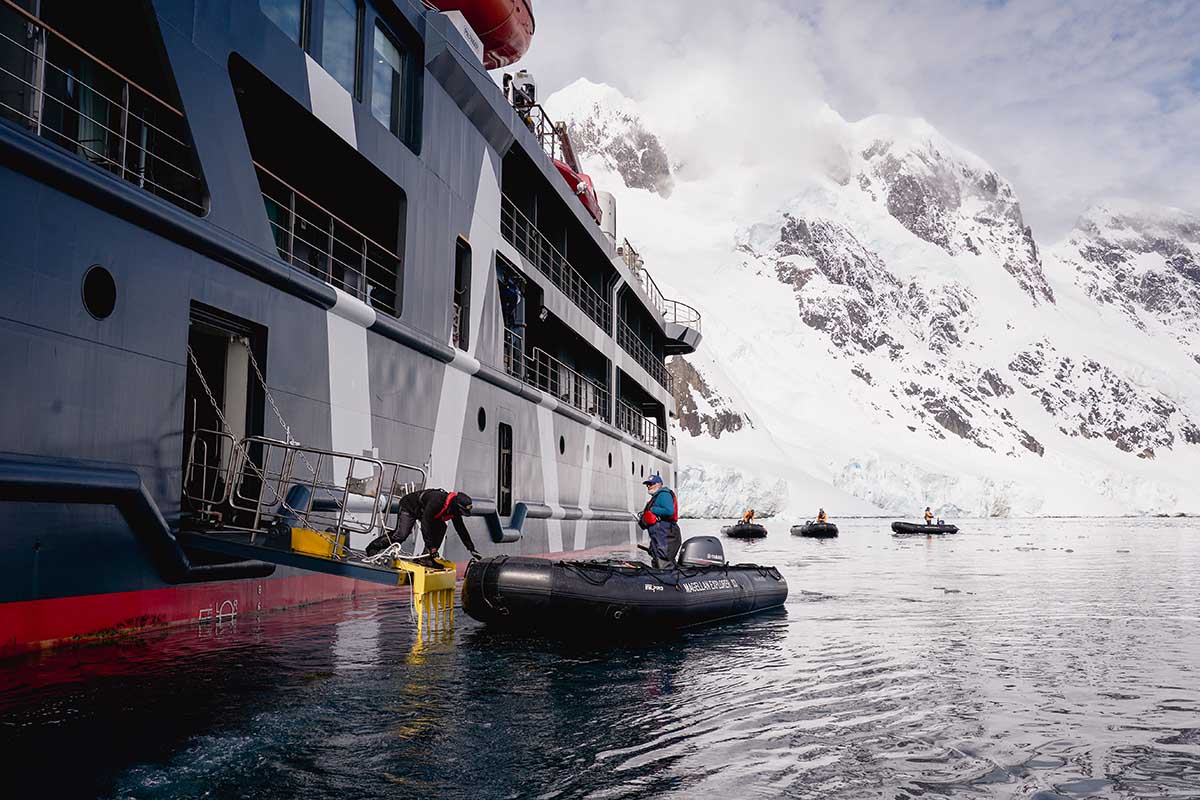
Dining aboard the Magellan Explorer surpassed our expectations, considering it’s an expedition ship. Skilled chefs prepare your meals using fresh ingredients, and all seafood is sustainably sourced. The excursions were well-planned, with all equipment, such as kayaks, snowshoes, hiking poles, and Zodiac boats, provided by the ship for every guest.
Fine dining experience
The Magellan Explorer featured a remarkable fine dining experience. Meas were buffet-style, a practical choice to allow passengers to eat quickly before heading out on excursions. For breakfast, there were fresh fruit, eggs prepared to order, pancakes, and French toast. Lunch offered a salad bar alongside vegetarian, fish, and meat options.
Chilean wines, soft drinks, coffee, and tea were made sure to be included in all meals. When the weather was good, the crew set up a barbeque on the outdoor deck. Passengers enjoyed grilled meat along with the Antarctic scenery.
Dinner was a different meal enitrely, taking a slower pace, with a three- to four-course menu every evening. Options served included tofu dishes for vegetarians, wild boar, salmon cream soup, and king crab legs.

The culinary team used fresh, high-quality ingredients that made dishes not only visually-appealing but also rich in flavors. What more, the dining staff were very attentive and accommodated the special requests of passengers.
Lecture series and knowledgeable guides
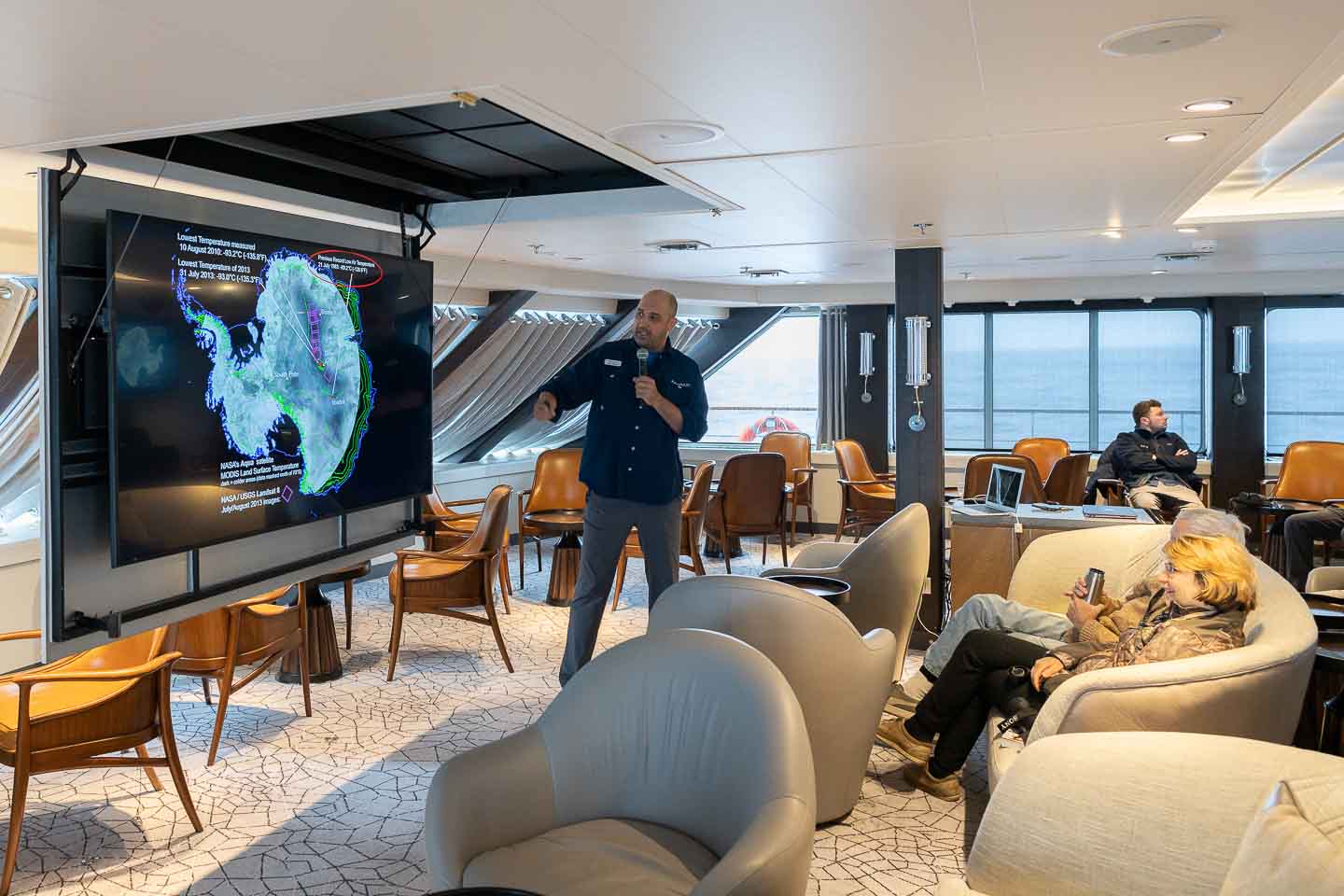
The expedition team gave lectures that covered the history of Antarctic exploration, along with regional wildlife and ecology. The talks during our Antarctic expedition were really useful for putting what we saw during landings into context, allowing knowledge to come to life. The guides were also available during excursions to answer questions and point out details that could easily be missed, such as the distinctive markings on a leopard seal or the subtle differences between Adélie and gentoo penguins.
There is one honest note, however. On rare wildlife sightings, guides and expedition leaders occasionally prioritized getting their own shots over passengers’. It happened on times whenever there were rare sightings, like when a leopard seal was feeding on a penguin. Although a few seconds later, we were given the vantage point. Otherwise, most of the time they made the best of each landing.
Excursion Equipment
The Magellan Explorer provides top-notch equipment that are designed for Antarctic excursions. There are Zodiac boats, kayaks, snowshoes, and hiking poles. Passengers were also provided with life jackets and survival suits.
Each expedition team leader stays in contact with the ship by radio and carries a satellite phone for an extra layer of coordination during shore excursions.
As a side note, the onboard library had been a useful resource between outings, offering books that covered Antarctic wildlife, history, and geology.
The Captain and Navigation
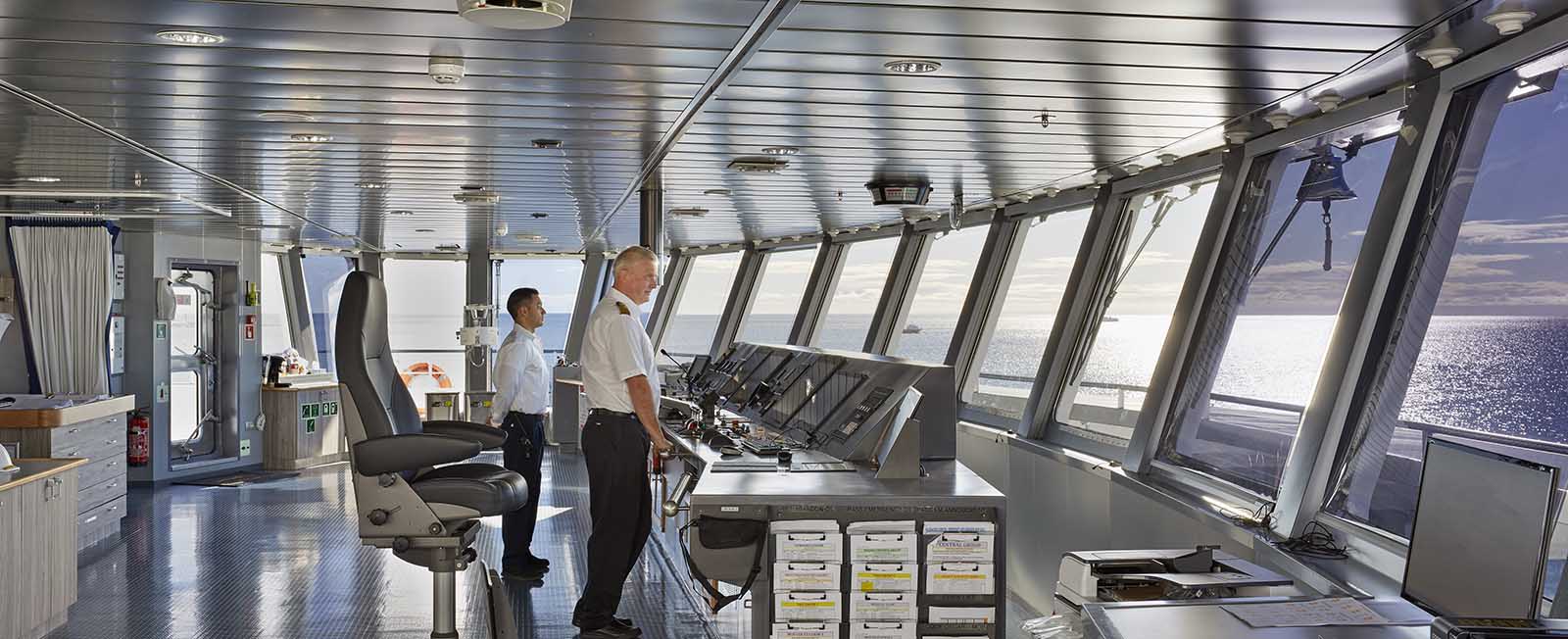
Captain Kjetil and the crew navigated the Magellan Explorer with great competence and care. Their expertise became especially evident when weather became difficult, also taking sea conditions and ice formations into account when planning the ship’s movements and landing sites.
During our voyage, we also had the chance to tour the engine room and learn more about the systems used for operating the vessel. The captain shared that the Magellan Explorer has an LR PC6 ice-class rating, along with ice-detecting radar, stabilizers, and bow thrusters, systems that support navigation through polar waters, particularly when situations at sea pose greater challenges than normal.
Careful consideration of landing decisions
Landing decisions in Antarctica did not just depend on simply reaching the site, but also on weather, ice conditions, and wildlife activity.
The captain’s experience seamlessly translates into these crucial decisions, which we witnessed firsthand during the expedition. The captain and expedition team had to assess changing conditions before determining which sites were safe to visit. The ship's hull that was built for the ice and the cutting-edge navigation equipment gave the crew additional flexibility while operating in Antarctic conditions.
Even with rough seas, the crew ensured that the passengers sailed smoothly through the polar waters.
State-of-the-art navigation system
We're impressed by the Magellan Explorer's cutting-edge navigation system. It boasts an ice-detecting radar that helps the ship safely navigate through polar waters. The vessel is also equipped with stabilizers and bow thrusters, ensuring a smooth ride even in choppy seas.
These advanced tools, along with the ship's LR PC6 ice class rating, give us confidence in the Magellan Explorer's ability to handle the challenging conditions of Antarctica.
Is the Magellan Explorer Worth It?
The Magellan Explorer stands out because of its details. The fly-in format may be its distinguishing feature, but what really mattered most was the consistency in its food quality, the quality of the expedition guides, the captain’s careful consideration of landing decisions, and the ship’s ability to access sites that larger vessels can’t reach.
If you’re comparing the Magellan Explorer with a traditional sea voyage, your choice will depend on whether you want to skip the Drake Passage. For many travelers, this choice matters. For others, the crossing is part of the experience. Whether you’re looking to chase the adrenaline or prefer to travel on the smoother side, a Voyagers Antarctica specialist can help you work out
FAQs
1. What is the Magellan Explorer?
The Magellan Explorer is an expedition ship designed for cruising in Antarctica. It offers fly-cruise options from Punta Arenas and Ushuaia to the Antarctic Peninsula.
2. Who was Ferdinand Magellan and why is the ship named after him?
Ferdinand Magellan was a Portuguese explorer who led the first expedition to circumnavigate the globe in the 16th century. He discovered the strait at the southern tip of South America, which was later named the Strait of Magellan in his honor.
3. What are some key advantages of booking an Antarctica trip on board the Magellan Explorer?
One of the main advantages of choosing the Magellan explorer is to skip the drake passage. Some of the roughest seas on earth keep many travelers from joining a trip to Antarctica, with flights from Punta Arenas in Chile to the landing site at King George island make it a unique luxury option.
4. Is the Magellan Explorer ship safe and suitable for Antarctica cruising?
Yes, the Magellan Explorer undergoes regular inspections to ensure its shipworthiness for the challenging Antarctica environment. Experienced expedition leaders and crew are present to safely guide passengers through the itinerary and any unexpected situations during the journey.
5. What makes the Magellan Explorer different from other Antarctica cruise ships?
The Magellan Explorer is purpose-built for fly-cruise expeditions to Antarctica. Rather than sailing from Ushuaia through the Drake Passage, a two-day crossing each way, passengers fly from Punta Arenas in Chile to King George Island and begin the expedition on arrival. This format adds roughly four days of time on the Antarctic Peninsula compared to a traditional sea voyage of the same total duration.
6. What cabin types are available on the Magellan Explorer?
Cabins range from porthole cabins to suites with private balconies. All cabins include en-suite bathrooms, comfortable bedding, flat-screen TVs, and USB charging ports.
7. What is included in the Magellan Explorer fare?
All meals onboard are included, along with Chilean wines and soft drinks with meals. Shore excursions, Zodiac cruising, kayaks, snowshoes, hiking poles, and safety equipment are all provided. Flights from Punta Arenas to King George Island are typically included in fly-cruise packages. Confirm with your Voyagers specialist at booking.

Andre Robles
South America Travel Specialist
Credentials
- ✓Travel Writer
- ✓Voyagers Travel Contributor