
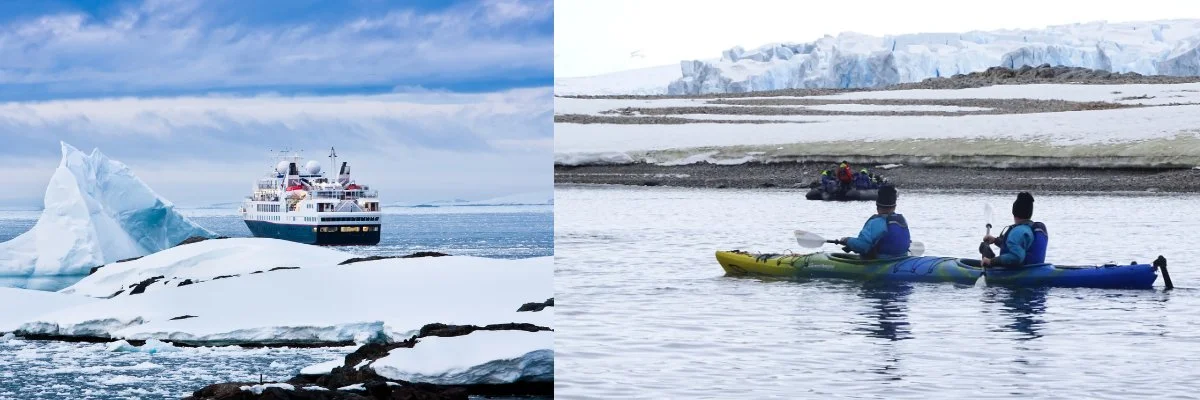
Join the Polar Citizen Science Adventure | Travel Blog
This guide helps travelers evaluate whether participating in polar citizen science through the Polar Citizen Science Collective aligns with their interests, stamina, and expectations for an expedition cruise. Specifically, it targets those weighing the balance between actively contributing to research and pursuing a more traditional sightseeing itinerary. If you care most about directly supporting research on-site, choose a voyage that integrates data collection through the Collective. The main tradeoff is between the hands-on, purpose-driven experience of citizen science (which can require learning protocols, early starts, and flexibility) versus the pace and comfort of a conventional cruise, where science activities are optional or absent.
Table of contents
- The Read on the Polar Citizen Science Collective
- A Simple Plan for First-Timers
- Context: What Guides Are Explaining (Antarctic Snow Algae Study)
- Best For / Not For (Based on Together) in the Polar Citizen Science Coll
- How Booking Typically Works in the Polar Citizen Science Collective
- FAQ: What Changes by Itinerary
Travelers considering the Collective should note that participating means adhering to specific research schedules and sometimes making tradeoffs in free time or comfort. This overview details the mission, structure, and logistical hurdles facing the Polar Citizen Science Collective, then clarifies what types of travelers will gain the most, and least, from this model of engagement.
Key Takeaways
- Established in 2017 by experienced polar guides, the Collective directly connects international tourists with structured science efforts during expedition cruises.
- Polar research in remote areas is constrained by high transport costs, short field seasons, and extremely limited site access for scientists alone.
- By joining designated trips, travelers can gather samples, track species, and record observations that researchers otherwise could not obtain at scale.
- Jumping into citizen science activities builds practical environmental awareness, but expecting a leisurely cruise experience is a common mistake.
The Read on the Polar Citizen Science Collective
The Polar Citizen Science Collective operates by using expedition cruise itineraries as rare logistical springboards for climate and ecosystem monitoring projects. Rather than running stand-alone research trips, the Collective incorporates standardized data-gathering, such as water sampling or plant surveys, directly into the passenger experience on selected vessels navigating Antarctic or Arctic routes. If maximizing the scientific impact of your presence in polar regions is your main criterion, prioritize cruises listing active Collective collaboration. However, recognize that integrating research tasks may mean swapping unstructured shore time for data protocols set by scientific partners.
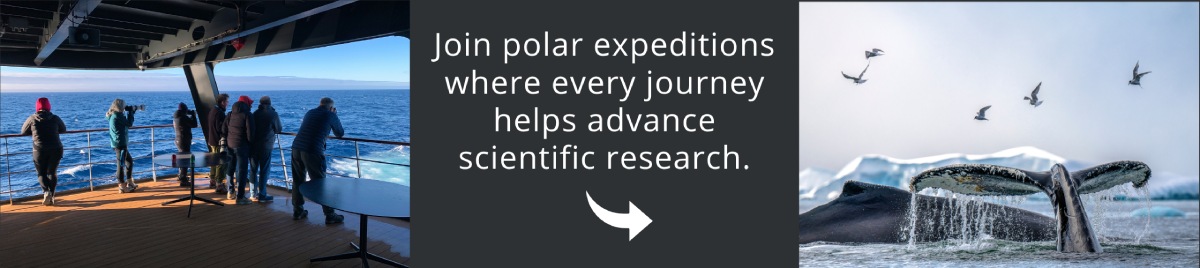
Expedition routes vary, but the Collective’s impact depends on high traveler participation during flexible landings and shipboard sessions. For example, in the Antarctic Peninsula, rough weather can force schedule changes, meaning planned survey landings for species counts or environmental sampling might require swift adaptation from both guides and guests. The tradeoff is that while you support large-scale, multi-season data efforts that individual researchers could never achieve solo, you may face early wake-ups or missed opportunities for full leisure at some locations.
A Simple Plan for First-Timers
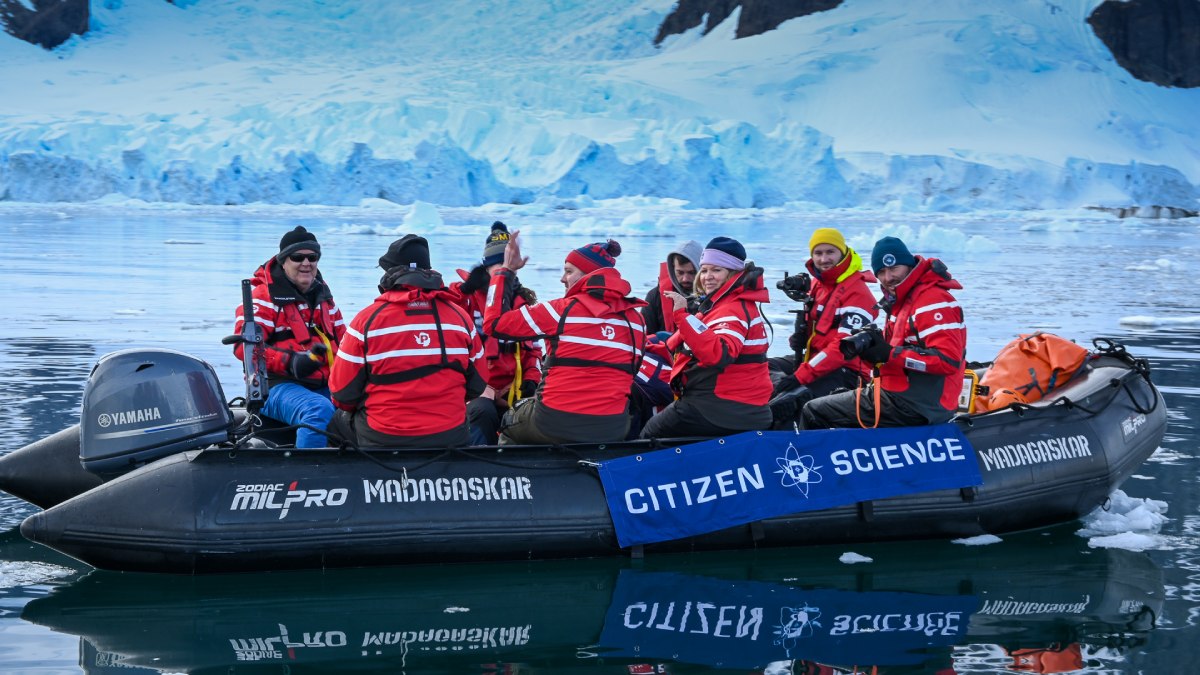
If you’re deciding whether to join a citizen science voyage as a newcomer to polar travel, consider both your interest in hands-on data work and your comfort with unpredictable conditions (e.g., boat transfers amidst shifting sea ice or participating in wet landings on unstable terrain). Here’s a structured plan for realistic involvement:
- Research Your Options: Specifically identify expedition cruises with the Polar Collective on board, as not all routes or vessels support formal citizen science. Double-check which scientific activities are planned at which stops (such as snow algae mapping on the Antarctic Peninsula vs. intertidal seaweed surveys in South Georgia).
- Prepare for Participation: Review the actual sampling, photography, or recording methods before departure. Expect briefings that cover protocol for algae sample collection, GPS marking, or behavioral observations, and know that accuracy is strongly valued over mere enthusiasm.
- Engage Actively: Offer to help guides during specific onshore or deck-based data collection sessions, which may involve moderate physical effort, such as trekking in cold conditions or steady hands for camera work. Participation may be time- and weather-dependent on certain days; flexibility is a must.
- Spread the Word: Upon return, clarify to other potential travelers what involvement actually looked like: addressing misconceptions and helping set realistic expectations about the scientific and logistical routines.
The decision heuristic is clear: if you are keen to learn data protocols and contribute during both landings and transit days, this involvement will enrich your sense of purpose; otherwise, a non-scientific cruise may better suit your priorities.
Context: What Guides Are Explaining (Antarctic Snow Algae Study)
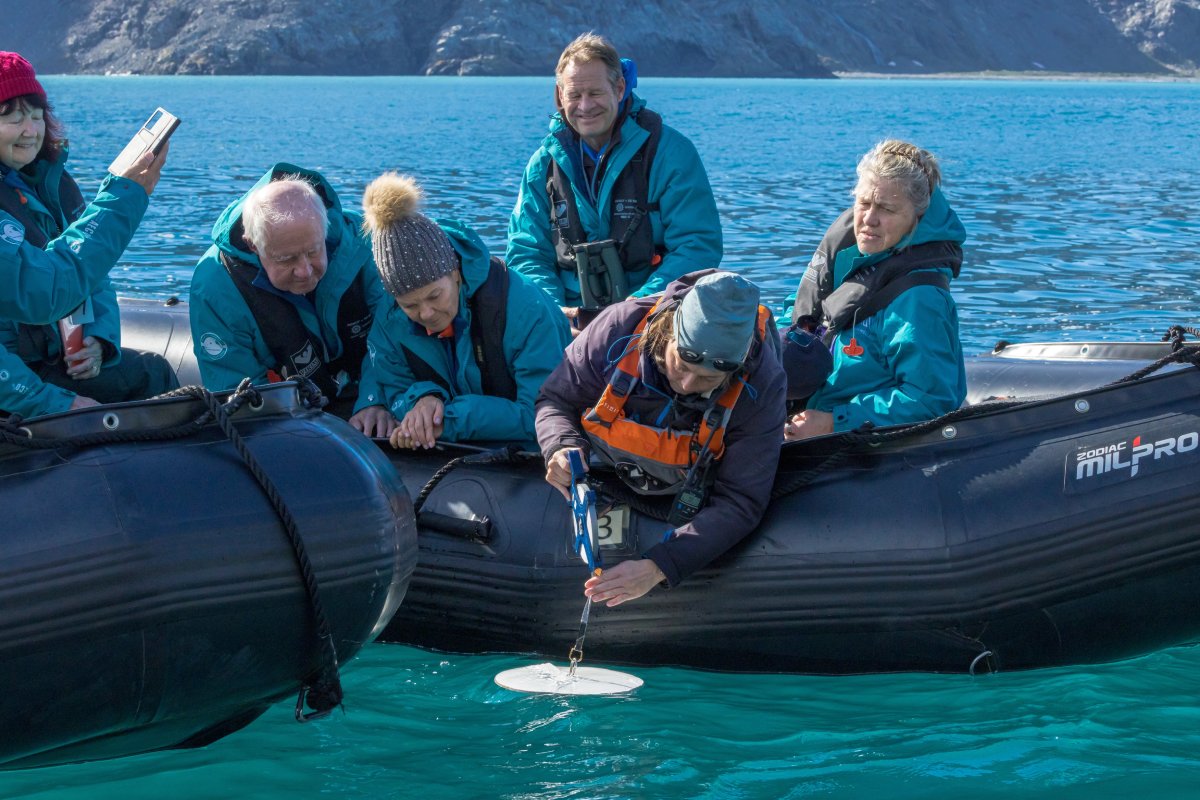
Field guides working with the Collective frequently explain research projects such as the Antarctic Snow Algae Study by demonstrating techniques for mapping, sampling, and identifying patches of red and green algae during shore excursions. These algae function as early indicators of climate shifts, requiring samples from many coastal landing sites over a single cruise season. If you’re traveling on smaller vessels that focus on the western Antarctic Peninsula, your contribution is especially valuable since some locations are only accessible at certain tidal windows or under benign ice conditions, creating real limitations for both guides and researchers.
Tradeoff: Guides often need to reallocate time at shore between regular sightseeing and sample collection, so you may spend part of your outing focused on standardized documentation rather than pure photography or hiking. The value added is that, by syncing traveler activity across multiple ships and tour operators, the project gains data coverage that scientific teams could never achieve alone with short research permits.
If your priority is learning about climate-driven biological shifts first-hand and you’re willing to accept schedule fluidity (landings cut short due to weather, for example), then being part of these Collective-supported missions offers access to real field research otherwise unavailable to tourists or solo travelers.
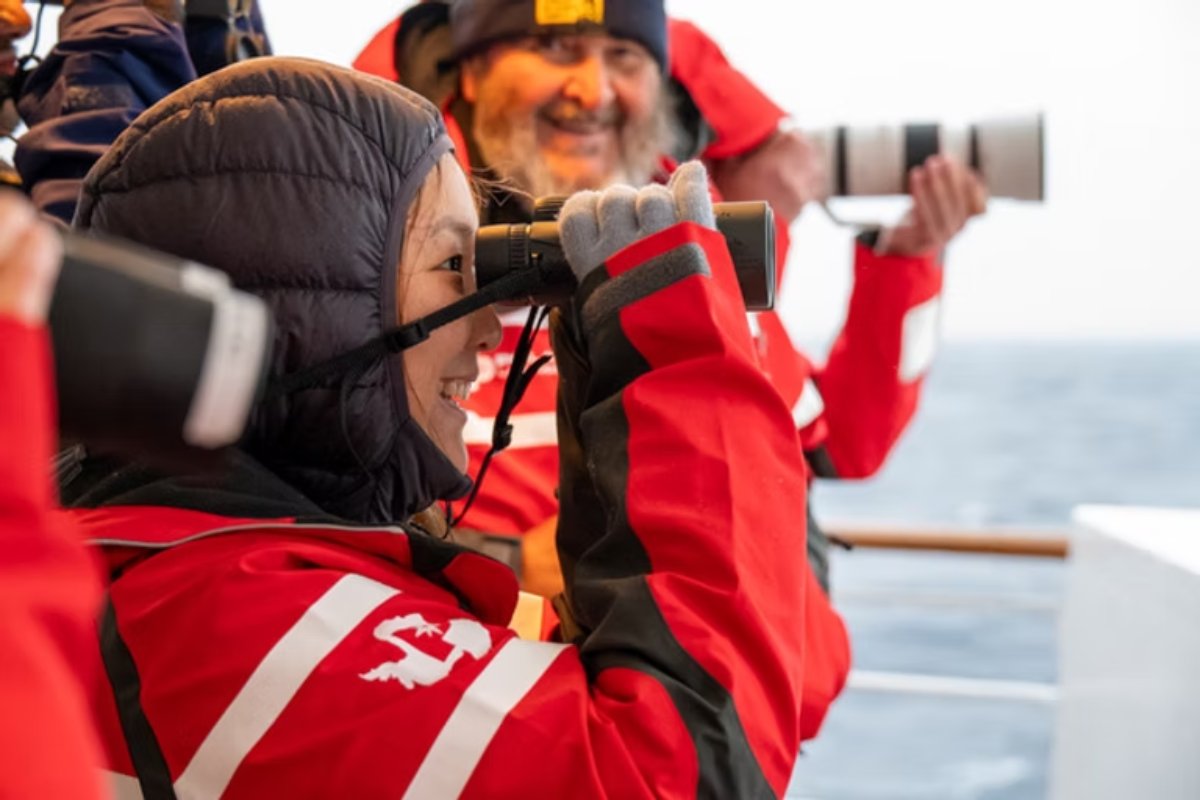
Best For / Not For (Based on Together) in the Polar Citizen Science Coll
Assess your expectations carefully before joining a Polar Collective voyage:
- Most Suited To: Travelers who favor tangible impact:such as those who want to document seaweed diversity in South Georgia or map algal blooms on the Antarctic Peninsula: will get the most from participation. Willingness to follow detailed protocols and adapt to shifting site access reflects the reality of science in dynamic environments.
- Adventure Travelers with Specific Interests: If you value structured activities that make your journey meaningful, especially in destinations only accessible via rigid schedules or where environmental science is part of the daily agenda, this platform suits you best.
Not recommended for:
- Leisure-First Travelers: If your priority is maximizing rest, on-board comfort, or unplanned exploration, the extra commitment required for consistent data collection, sometimes at the expense of free time or with physical exertion in mind, may feel burdensome.
- Guests Not Interested in Science: Those uninterested in tracking, sampling, or learning research protocols will find the Collective’s pace and focus a poor match, especially where itinerary adjustments are made for data-gathering at conservation-critical stops.
Decision heuristic: If your main goal is immersion in daily science with flexibility for unpredictable access due to weather or ice, prioritize these itineraries; otherwise, opt for more conventional cruises.
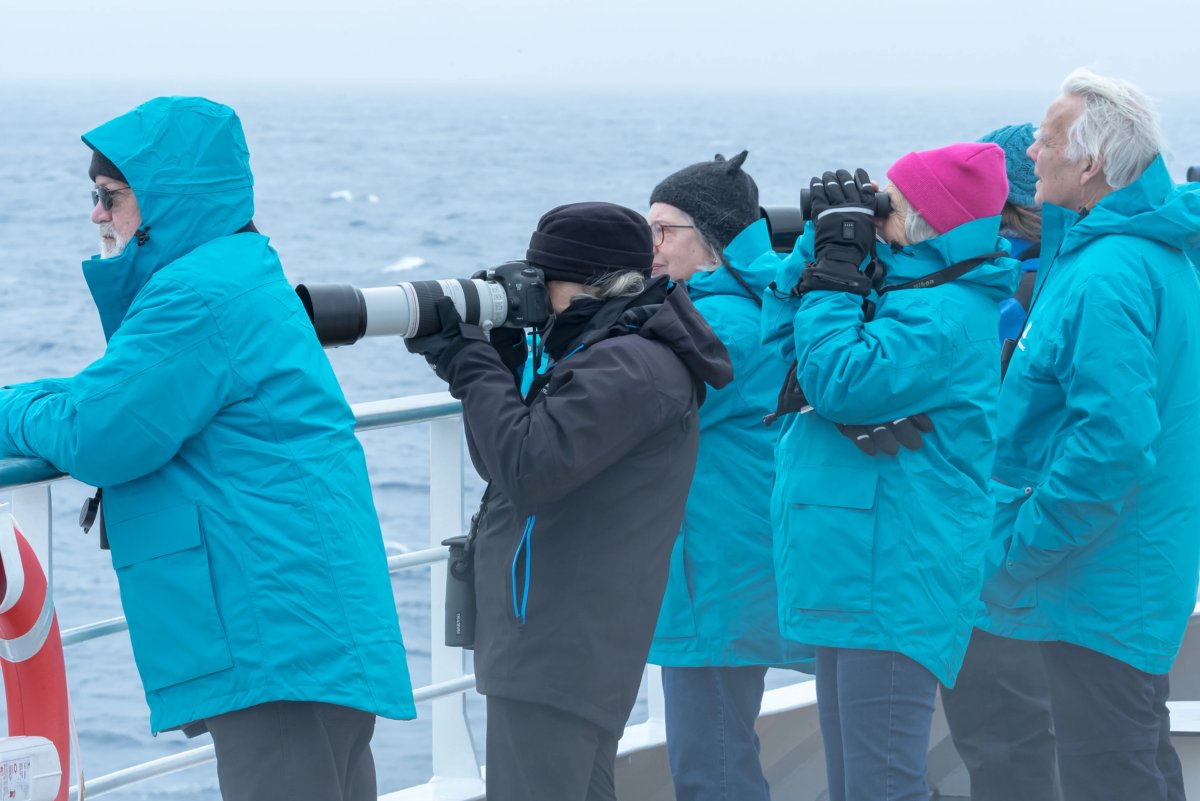
How Booking Typically Works in the Polar Citizen Science Collective
Booking a Collective-affiliated voyage requires several specific checks to avoid mismatched expectations or missed opportunities to contribute:
- Selecting a Cruise: Consult operator details to confirm that the trip supports citizen science, as not all departures feature active research projects. Focus on itineraries listing specific tasks, such as seaweed surveys or algae mapping, tailored to the regions on your route plan.
- Understanding the Itinerary: Review not just the destinations but also the scheduled data collection blocks, which may mean forgoing some free time or adapting to early-morning sessions when conditions are best for sampling.
- Making a Reservation: Secure your spot through channels that guarantee Collective partnership, and clarify pre-departure details as capacity for some hands-on activities may be capped due to guide or permit constraints.
- Engaging with Guides: On board, attend orientation briefings to understand your responsibilities, knowing that guides may call for quick participation during narrow landing windows or when weather rapidly shifts.
Be prepared for the reality that participating in science means less predictability and possible physical demands: such as dressing for wet landings or helping carry gear. If you value focused field learning over standard sightseeing routines, this involvement is well matched to your goals. Otherwise, consider a traditional, non-science-focused cruise experience for maximized relaxation and flexibility.
FAQ: What Changes by Itinerary
What are the key projects of The Polar Citizen Science Collective?
The major projects: including the Antarctic Snow Algae Study and the South Georgia Big Seaweed Search, target concrete research needs such as mapping the prevalence of snow algae as a climate marker or documenting seaweed distribution in difficult-to-reach shore zones. Choose your trip based on which ecosystems you wish to directly assist monitoring.
How can tourists contribute to polar research through The Polar Collective?
Travelers participate by following exact instructions for tasks like water sampling, algae documentation, or species logging at each site visited. Willingness to carefully follow scientific protocols during sometimes rushed or weather-affected landings determines the usefulness of your contribution and directly influences research quality.
What partnerships does The Polar Collective have with tour operators?
The Collective forms working agreements with specific expedition providers to embed research into scheduled itineraries. Prioritize ships and routes where guide teams receive joint training, making sure your participation is fully supported by both scientists and logistical leaders during the journey.
What challenges does The Polar Collective help overcome in polar research?
The Collective bridges the access gap for scientists by embedding data collection within regular cruise operations, which circumvents limited research permits and unpredictable site access. The main constraint remains: activities must adapt constantly to changing ice, weather, and ship schedules, requiring flexibility from all involved.
How do the initiatives of The Polar Citizen Science Collective impact conservation efforts?
By standardizing and expanding long-term data collection across multiple cruises and seasons, these initiatives help identify emerging environmental trends and inform site-specific conservation strategies in polar zones where data are rarely gathered at scale. The usefulness of your efforts is highest in areas with recurrent monitoring needs, such as tracking snow algae progress over multiple year cycles.

Andre Robles
South America Travel Specialist
Credentials
- ✓Travel Writer
- ✓Voyagers Travel Contributor