Chile's Cape Froward: A New National Park by 2026 | Travel News
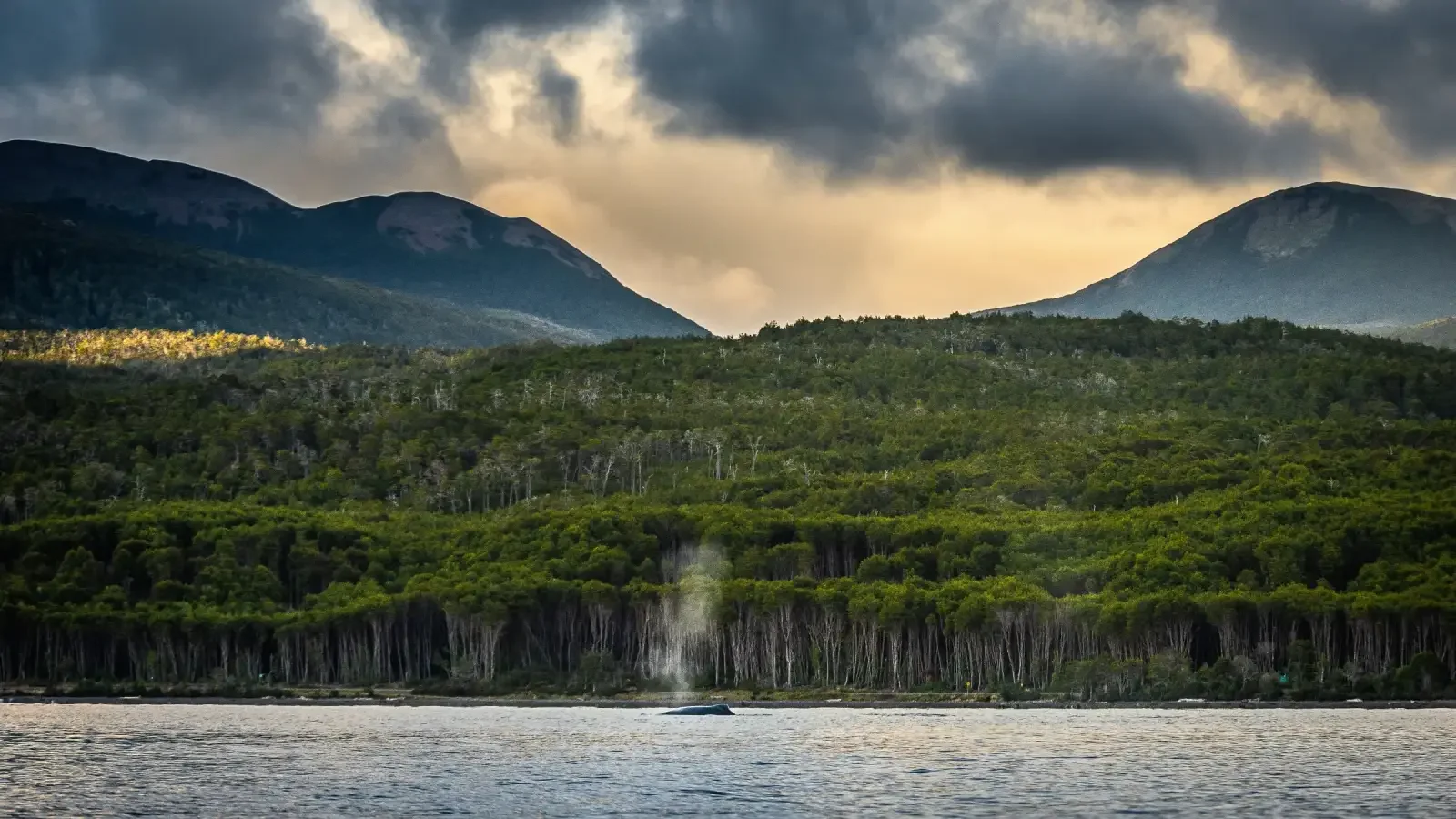
In a significant conservation effort, Chile is set to establish Cape Froward as its newest national park. This initiative, expected to be finalized in spring 2026, will protect nearly 400,000 acres in the Brunswick Peninsula of the Magallanes Region. The area was historically evaluated negatively by Charles Darwin during his visit in 1834, but modern explorations reveal a thriving environment ripe for preservation.
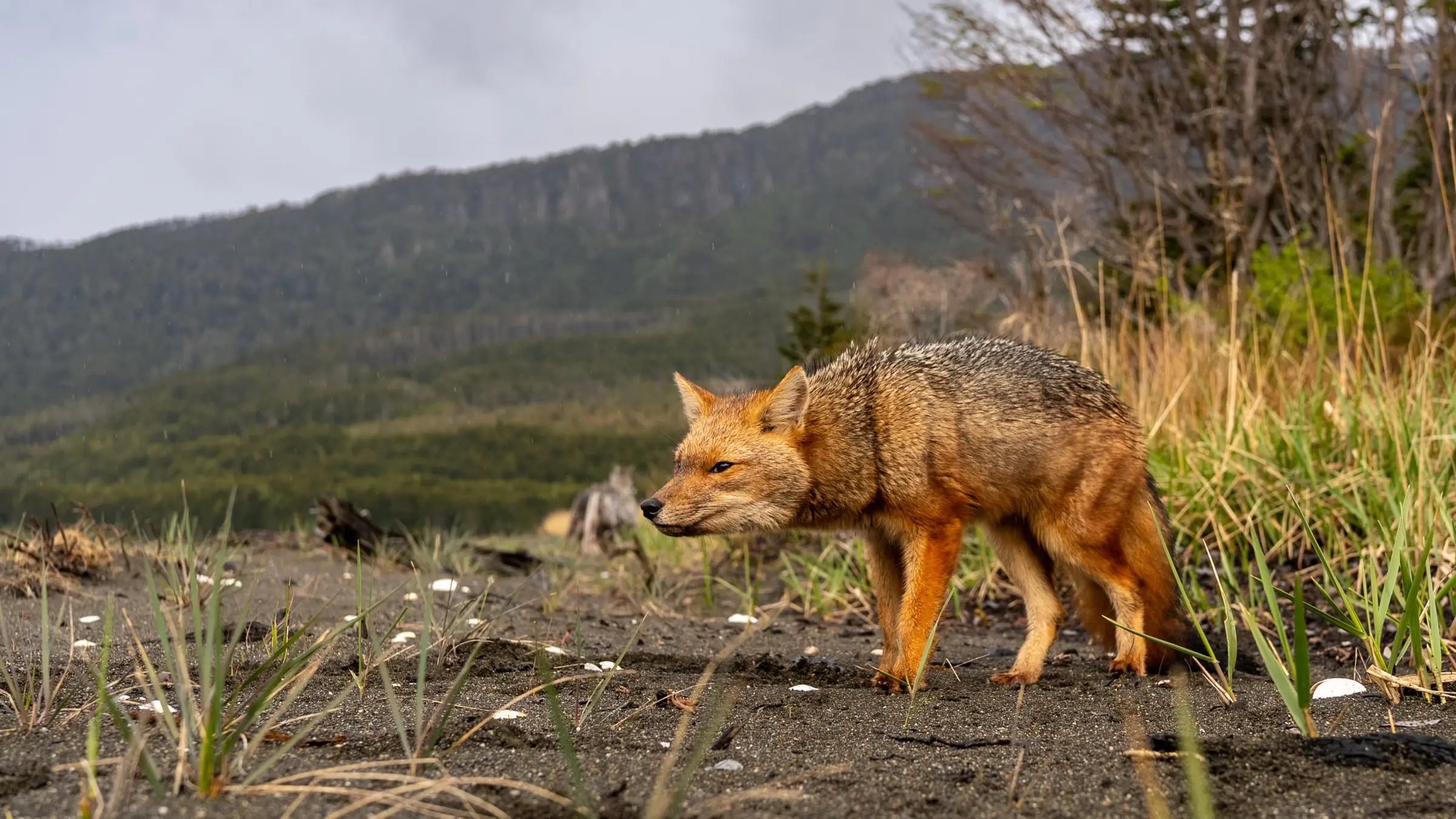
The park will form part of Chile’s Route of the Parks and represents the first park to be donated by the NGO Rewilding Chile, a project backed by Tompkins Conservation, founded by American philanthropists Doug and Kris Tompkins. Cape Froward will provide habitat for endangered species such as southern river otters, huemul deer, and ruddy-headed geese.
What Changed
This initiative gained momentum when Chile’s outgoing president, Gabriel Boric, greenlit the project in 2024. The national forestry commission is currently concluding administrative processes, which include consultations with the Indigenous Kawésqar people, for whom the area holds cultural significance. It is anticipated that Cape Froward will officially become a protected area before Boric departs from office.
What Happens Next
The plan for Cape Froward involves improvements to existing infrastructure, including enhanced hiking paths and ranger stations, to better manage visitor impact and safety. Marine biologist Benjamín Cáceres and other local stakeholders envision developing a natural history museum near the San Isidro Lighthouse. Nevertheless, much of Cape Froward may appeal primarily to seasoned backpackers due to its challenging terrain and lack of developed trails.
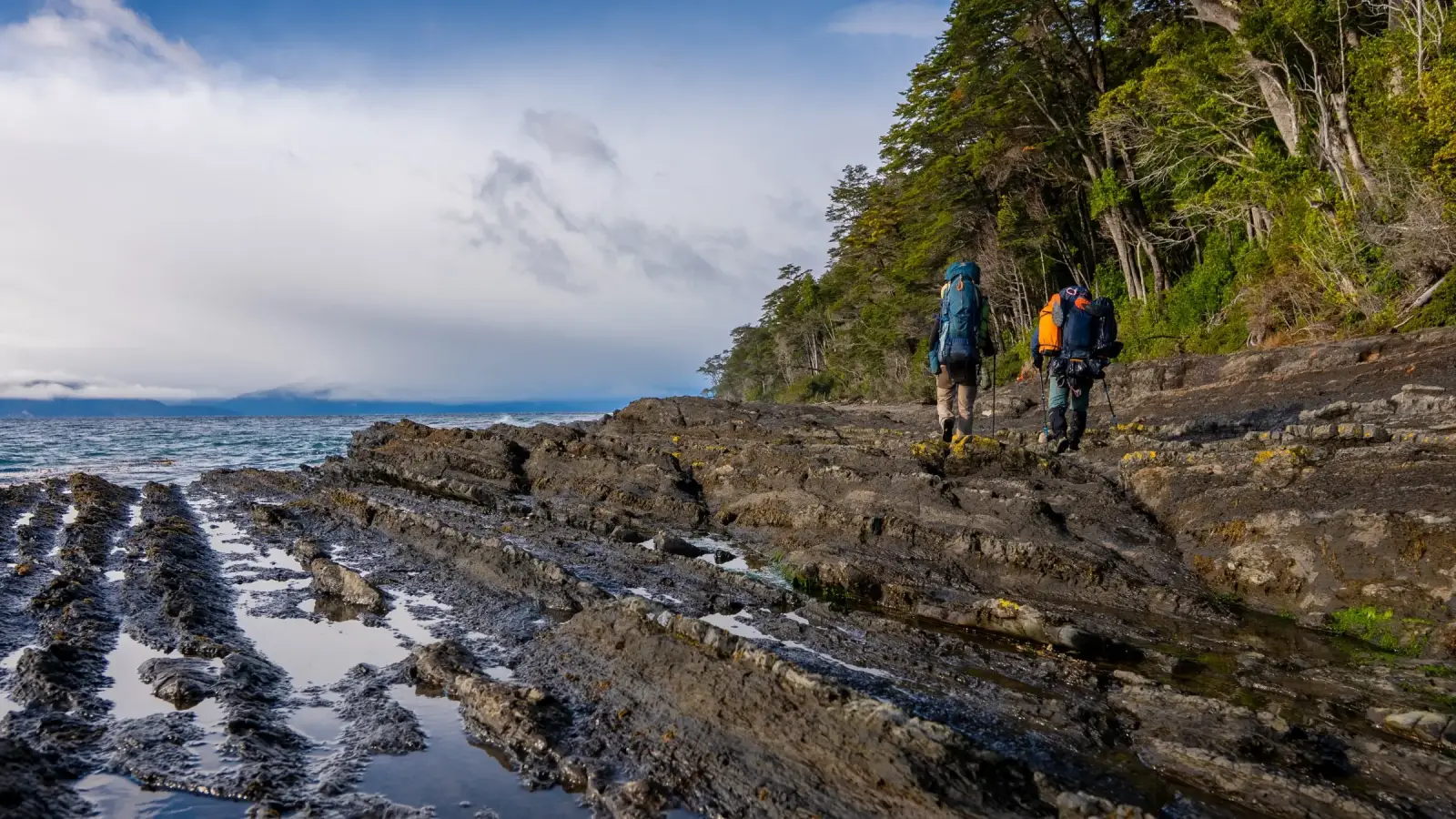
The remote landscape, characterized by its subantarctic forests and coastline, is expected to attract ecotourists looking for rugged natural experiences. Following initial explorations, Rewilding Chile aims to bolster local populations of wildlife and restore native flora, such as pilgerodendron, the southernmost conifer.
- Official designation of Cape Froward as a national park is expected in spring 2026.
- The park will protect approximately 400,000 acres of diverse ecosystems.
- Collaboration with the Indigenous Kawésqar people is underway to incorporate their heritage perspective.
- Infrastructure improvements will enhance visitor safety and education.
- Plans include habitat restoration for native wildlife and flora.
Ultimately, Cape Froward is not only a vital conservation achievement but also a new frontier for adventure tourism in Chile, with the potential to contribute significantly to local economies. As natural areas face increasing pressures, this national park aims to foster both ecological balance and sustainable visitation. The transformation from Darwin's description of a “death-like scene of desolation” to a protected wilderness awaits realization.