Discover the Raw Beauty of Patagonia and Beyond | Travel News
The jagged peaks of Patagonia loom in the distance like uninvited guests at a party, shunning the crowd and daring you to engage. Here, amidst the cold bite of the wind and the grating crunch of gravel underfoot, travelers are stripped of the pretenses that sometimes accompany more polished destinations. Patagonia is a land that doesn’t seek your approval; it lays bare its raw, unfiltered reality-where glaciers groan and calve into cerulean lakes, and the silence is as palpable as the mountain air, fresh but laced with the musty aroma of centuries-old glaciers.
The Call of Patagonia
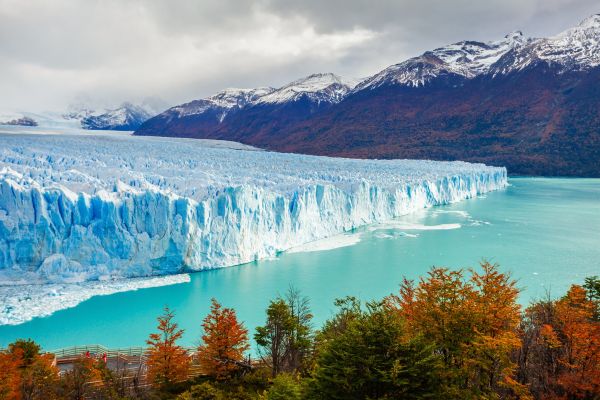
El Calafate is often the gateway into this wild expanse, a winter coat thrown over the landscape. Travelers congregate here in anticipation of witnessing one of nature’s mightiest spectacles: the Perito Moreno Glacier, a massive river of ice that moves with an eerie grace. The thundering claps of icebergs breaking free echo like distant cannons, vibrating through your chest. You inhale sharply, your lungs filling with the biting chill that bites at your cheeks. The coffee served in this town-likely instant-will have you missing the steady buzz of caffeine to stave off the chill.
Just up the trail at El Chaltén, hikers bound up the mountainous paths leading to breathtaking views of Mount Fitz Roy. But don’t let the advertised glory fool you; the trail is a grueling slog, mud-caked shoes and protesting calves are par for the course. As you reach the lookout, the satisfaction of conquering your fatigue is often accompanied by the reality of nausea from post-hike hunger. The taste of overpriced sandwiches offers little reprieve. This is no cushy retreat; it’s personalization of suffering blended with nature’s indiscriminate beauty.
Cultural Threads of the Coffee Triangle
As we flit northward to Colombia’s Coffee Triangle, the narrative shifts, but the struggle with discomfort remains a constant travel companion. The UNESCO World Heritage Site is a sprawling testament to a life in symbiosis with the environment, yet the landscape is peppered with anthropogenic scars. The buoyant fragrance of roasting coffee beans wafts through towns like Salento and Manizales, a siren call loathed by more perfumed places. This is not the disposable coffee of fatigue; it demands reverence. Here, locals sip their tinto, a potent black brew, without any of the pretentious coffee shop flair. It is an everyday ritual that cuts through the heavy humidity of the lush hills, grounding journeys that begin in green highlands and inevitably pull you onward toward louder cities and deeper histories.
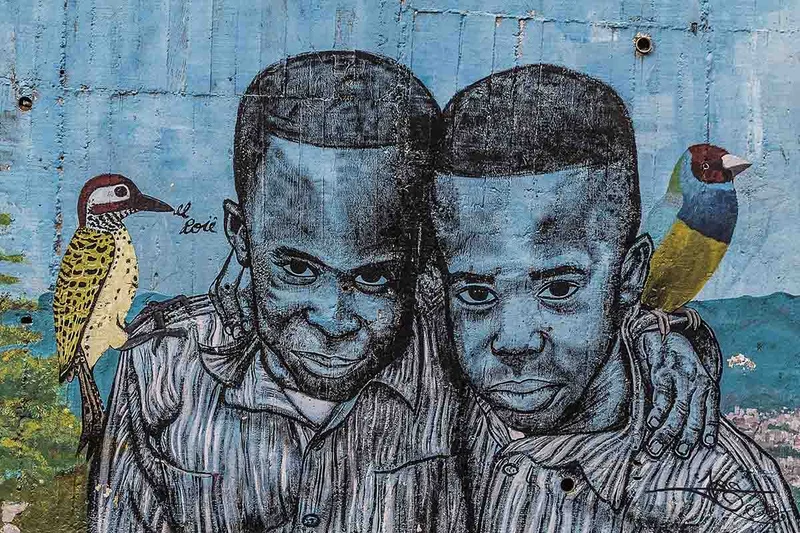 Colombia Odyssey: Coffee, Culture, and Coastal Marvels
Experience Colombia like never before on a 13-day adventure filled with stunning coffee regions, rich culture, and breathtaki
RequestBeyond the aromatic allure, the region offers waterfalls and wildlife, wrapped in a paradox of serenity and bustle. Remote cascades invite exploration, yet navigating the trails often means stepping over indifferent goats or avoiding mudslides. The crew of cutthroat insects, buzzing incessantly, is keen to remind you of nature’s untamed pulse. As the landscape slowly gives way, from river corridors and jungle edges to sun-bleached colonial streets closer to the coast, only in the presence of this constant struggle does the beauty reveal itself in its rawest form: limited, yet boundless.
Contrasting Ecuador: Cotacachi’s Artisan Narrative
Over in Ecuador, the small town of Cotacachi whispers stories through its leather shops, enticing the industrious traveler to slow down. Yet the roads are unforgiving, and the weather can shift from sun to downpour within minutes, leaving you drenched and cold. The distinct aroma of wet earth mixes with the rich scents of tanned hides. As you dodge tourists and navigate through slow-paced markets, the rush of large cities feels like a distant memory. Here, life is unhurried, a not-so-subtle reminder that not everywhere needs to be Instagrammable.
The allure of the Andes lies in more than just its landscapes; it reveals itself gradually, through shared conversations with artisans, long walks across historic city centers, and moments spent tracing the quiet legacy of artists and communities that shaped the country long before you arrived. From highland markets humming with ancestral trade to workshops where hands still honor tradition, Ecuador unfolds best when followed patiently, step by step, far from rigid itineraries.
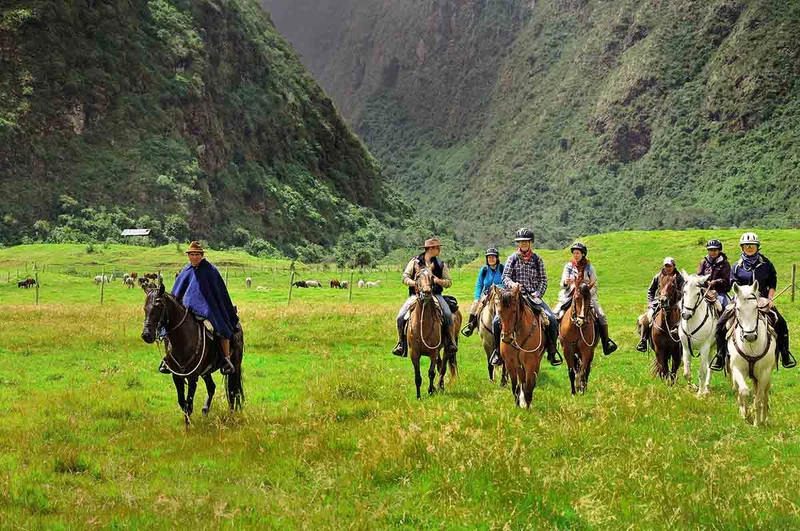 Culture and art in the middle of the world
Explore Ecuador's vibrant culture in 6 days, from the historic streets of Quito to the artistic legacy of Guayasamín and the
RequestThe silence of the hills is filled with sounds, the creak of the leather being shaped, the rumble of the wind hurrying down the slopes, and often the ungrateful crowing of a lone rooster, indifferent to your scheduling. This community thrives a world apart, often missed by the hurried footsteps of typical tourists.
The Caribbean Alternative: Roatán’s Secret Beach Vibe
Moving over to Honduras, Roatán lays claim to the waters surrounding it, boasting stunning beaches amidst swathes of untouched wilderness. With a scenery more pristine than polished, this spot is often left off travelers' radar-despite its claim to the second-largest barrier reef globally. Here, the oceanic air is heavy with salt, and the sound of the waves is intermittently punctuated by the laughter of locals. It is the Garífuna culture that thrives, reminding visitors that beauty is freed from the constraints of aesthetics.
Yet, for all its charm, reaching the island requires effort-bumpy roads and a persevering spirit mark the journey. Each disjointed leg leads you deeper into an experience that feels increasingly removed from mass-produced tourism. You’ll find no hotel chains here, just small houses where locals offer fresh fish marinated in coconut and lime, and pride swells at the mention of their quiet little paradise. This is a moment marked not by grandeur, but by the simple, savory taste of life’s offerings.
Nicaragua’s Corn Islands: Disconnected yet Connected
The rugged charm of the Corn Islands feels like an escape from reality, wrapped in the warmth of its lapping waves and the distant chatter of fishermen. As you approach Little Corn Island, you realize the pace is unhurried. The touch of the sand feels like a soft embrace on weary toes, contrasting starkly with the often abrasive experience of travel. Here, the dive spots are populated more by turtles than tourists, their indifference echoing the spirit of the island. You can lose hours exploring shallow reefs, chased by schools of fish darting in and out of view.
Life here is slow, with simple pleasures-fishing boats bobbing gently in the distance, children playing in the shallow water, and the smell of fresh catch grilling under the sun. Conversations flow easily with locals; they impart stories that are as soothing as the sunset that melts into the Caribbean, splendid but unimposing. Deep connection exists, entwined in laughter over shared meals, every bite humbling you.
Final Thoughts on America’s Hidden Treasures
As you weave through the of lesser-known destinations across the Americas, there’s a seductive pull toward what lies unsung and overlooked. The thrill of finding the unexpected amidst the chaos feels far more rewarding than superficial beauty found in tourist traps. Every stop packs the potential to shift your perspective-a reminder that the Americas, with their rich landscapes and history, still have so much more to teach those who venture off the well-trodden paths.
For those willing to embrace discomfort, each destination cultivates a unique cultural identity that thrives just beneath the surface. As temperatures fluctuate and skies shift, consider the journey not merely about the destination, but rather the myriad sensations that color your experience. In the end, it’s the fatigue in your legs and the enduring taste of coffee or salt that ground you; the subtle nuances of life are what make travel a rich , layered and complex.