
The World’s Most Biodiverse Countries and Why They Matter | Travel News
Wildlife biodiversity describes the variety of plant and animal species, ecosystems and genetic resources found within a nation. Countries with exceptional biodiversity are essential for maintaining ecological balance, regulating climate systems and supporting long-term sustainability. Based on species abundance and ecosystem diversity, the following countries stand out globally for their extraordinary natural wealth, listed in no particular order.
10. Democratic Republic of the Congo
Home to vast Central African rainforests, the Democratic Republic of the Congo provides critical habitat for endangered wildlife such as mountain gorillas, bonobos and okapis. Its forests are often described as the planet’s second most important “lung” after the Amazon.
9. Ecuador
Despite its relatively small size, Ecuador ranks among the most biodiverse nations per square kilometre. The combination of the Galapagos Islands, Amazon rainforest and Andean highlands supports an exceptional concentration of unique species.
Travellers can experience this diversity firsthand on an immersive multi-region journey that connects the cultural heritage of the Andes, the wildlife-rich Amazon, the Pacific coast and the iconic Galapagos Islands, offering a complete perspective of Ecuador’s natural wealth.
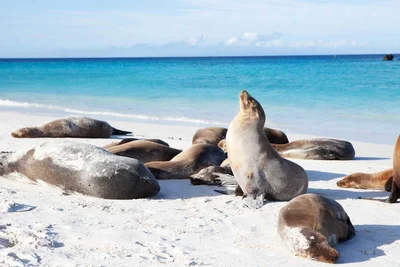 Ecuador 360 Tour: Andes, Amazon, and Galapagos Exploration
his journey blends cultural discovery, natural wonders, and wildlife encounters, providing an unforgettable experience of Ecuador’s rich ecosystems and heritage. From the historic charm of Quito to the wildlife treasures of the Galapagos, this tour showcases the country’s best, making it an ideal option for lovers of nature and culture.
Request8. Peru
Situated within the Amazon basin, Peru is one of the world’s leading countries for bird, mammal and butterfly diversity. Its ecological richness is shaped by rainforests, high-altitude Andes landscapes and coastal environments.
A carefully designed journey through Peru allows visitors to explore its contrasts, from the historic streets of Lima to the depths of the Amazon near Iquitos, combining cultural discovery with close encounters with one of the planet’s most biodiverse ecosystems.
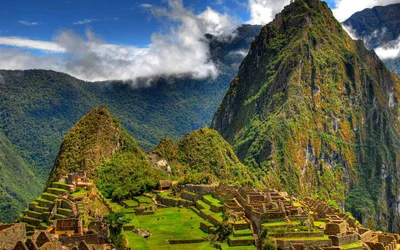 Discover the wonders of Peru
Discover Peru over ten unforgettable days filled with culture, adventure, and breathtaking scenery. We will explore vibrant cities, immerse ourselves in ancient history, and marvel at nature’s beauty. Each destination will offer unique highlights, leaving us with cherished memories.
Request7. India
Recognised as one of the planet’s megadiverse countries, India hosts a wide range of ecosystems, from Himalayan forests to mangroves and coral reefs. The country supports iconic species such as tigers, elephants, leopards and one-horned rhinoceroses.
6. China
China’s vast territory and varied climate zones allow for remarkable species diversity. From tropical forests in the south to alpine regions in the north and west, the country is known for emblematic wildlife including giant pandas and snow leopards.
5. Mexico
Located between North and South America, Mexico benefits from both Nearctic and Neotropical biodiversity. Its deserts, rainforests and marine ecosystems make it one of the world’s officially recognised megadiverse nations.
4. Australia
Australia is distinguished by its high levels of endemism, with many species found nowhere else on Earth. Marsupials, monotremes and rich marine life around the Great Barrier Reef define its unique natural heritage.
3. Colombia
Consistently ranked among the most biodiverse countries, Colombia is especially rich in bird and amphibian species. Its landscapes range from Amazonian jungles and Andean mountains to coastal ecosystems on both the Pacific and Caribbean.
Exploring Colombia through a journey that blends coffee landscapes, vibrant cities, tropical national parks and historic Caribbean ports offers an authentic way to understand how culture and biodiversity coexist across the country.
 Colombia Odyssey: Coffee, Culture, and Coastal Marvels
Explore the natural wonders of Tayrona and the Don Diego River, culminating in historic Cartagena, and get ready for an unforgettable experience full of culture, history and spectacular scenery in Colombia!
Request2. Indonesia
Spanning thousands of islands, Indonesia encompasses rainforests, mangroves and coral reefs. It is home to globally significant species such as orangutans, Komodo dragons and a vast array of marine life.
1. Brazil
Brazil leads the world in overall biodiversity, largely due to the Amazon Rainforest, the Pantanal wetlands and the Atlantic Forest. The country contains the highest number of known plant and animal species, including countless endemic forms of life.
Why Biodiversity Matters
Countries with high wildlife biodiversity play a crucial role in global conservation, carbon storage and ecosystem resilience. Protecting these regions is essential not only for wildlife survival, but also for climate stability and human well-being worldwide.