Explore Torres del Paine: Trekking Paradise in Patagonia | Travel News
Torres del Paine National Park in Chile’s Patagonia region offers visitors a striking landscape marked by towering granite peaks, turquoise lakes, and diverse wildlife. The UNESCO biosphere reserve stands as a top trekking location because of its traveler-friendly design which makes it easy to explore.
The town of Torres del Paine functions as a vital operational center which supports all visitors who enter the park through its various access points that stretch about 50 miles from Puerto Natales. The location offers travelers basic necessities and equipment rental services and transportation options which enable them to explore the stunning wilderness area of the Southern Hemisphere.
The Landscape and Ecosystems
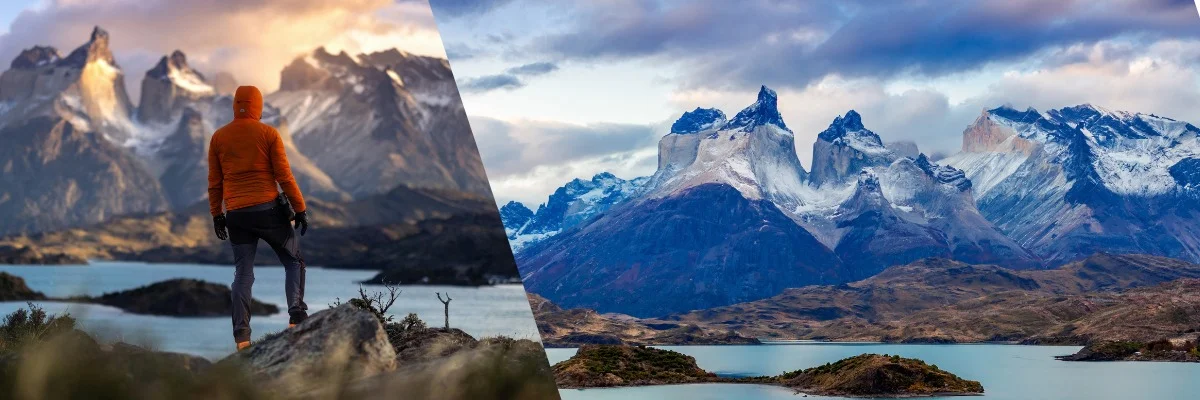
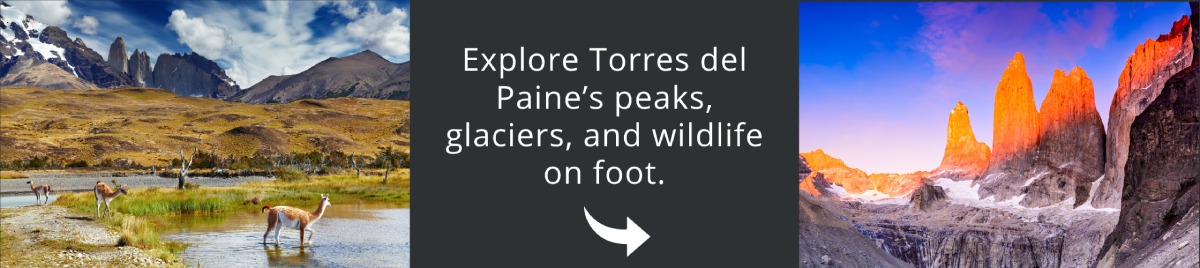
The park spans a variety of ecosystems, from semi-arid pampas to lush lenga forests and glacial valleys, all within a compact area. Wildlife is abundant, with species such as guanacos, Andean condors, pumas, and the endangered huemul deer. The park’s iconic rock formations include the Paine Towers and the Cuernos del Paine, noted for their distinct geological features shaped over millions of years.
The park provides opportunities for various hiking experiences. The popular “W” Circuit takes approximately four to five days and covers essential highlights like the Base of the Towers and Grey Glacier, while the longer “O” Circuit may require more than a week for a complete traverse around the mountain massif.
Access and Visitor Information
Visiting Torres del Paine typically involves multiple travel stages. Most U.S. travelers fly into Santiago, then take a domestic flight to Punta Arenas, followed by a road transfer to Puerto Natales and ultimately to the park entrances. This journey can span several hours and often incorporates layovers, making careful planning essential.
The park is open year-round, but conditions vary significantly with the seasons. The peak tourism season runs from December to February, offering mild temperatures and extended daylight. Shoulder months such as November and March may afford fewer crowds and favorable weather but can still bring unpredictable conditions.
- Location: Magallanes Region, Chile.
- Access: Fly to Santiago, then to Punta Arenas, followed by a road transfer to Puerto Natales.
- Admission: Various fees for international visitors; advance reservations recommended for trekking routes.
Travelers should account for unpredictable weather typical of the Patagonian region, which necessitates packing layered clothing suitable for varying conditions. Additionally, visitors may encounter regulations aimed at conserving the park's fragile ecosystems, including restrictions on open fires and designated camping areas.
Trekking in Torres del Paine offers not only majestic scenery but also a glimpse into the rich cultural history of the region, marked by ancient Indigenous groups and later European settlers. Today, the park represents a collaborative effort between conservation authorities and local communities to protect its unique landscape while accommodating tourism.
As interest in Torres del Paine continues to grow, prospective visitors should prioritize about three to four days for a substantial experience in the area, with longer stays recommended for those aiming to undertake extensive hikes. Bookings for lodging and campsites during high season should be made well in advance to ensure access.