
Antarctic Cruising Rules: What Expedition Operators Must Navigate | Travel Blog
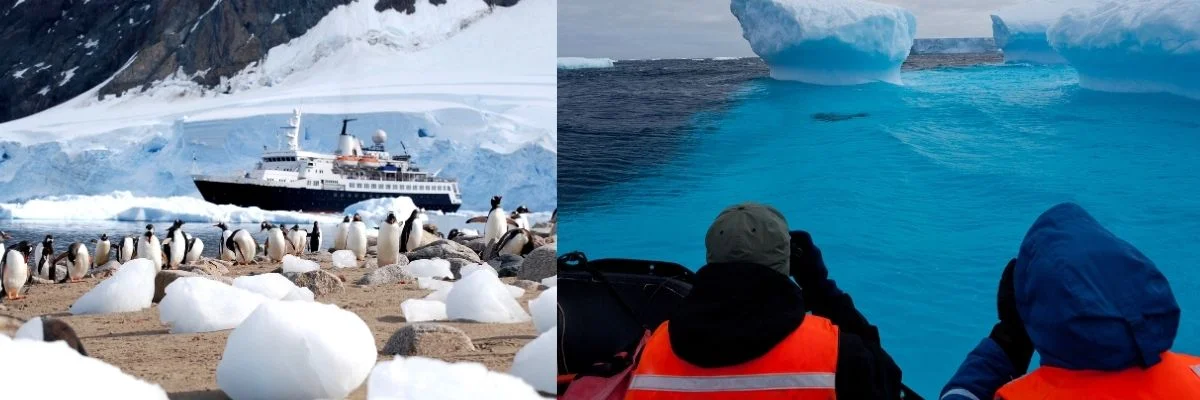
Antarctic tourism now operates at a scale that would have seemed improbable when passenger voyages were largely associated with converted ships and uncertain schedules. During the 2025–2026 season, 85,195 visitors went ashore, while another 27,217 traveled on cruise-only voyages, according to statistics cited from the International Association of Antarctica Tour Operators, or IAATO. Air-cruise operations through King George Island added nearly 12,000 passengers, increasing pressure on infrastructure built for a place where wind, cold and distance still dictate what happens. The experience may involve the rubbery smell of Zodiac gear, the slap of water against a hull and long stretches when weather decides the schedule. Behind those practical realities sits an unusually complicated system of rules that passengers rarely see.
There is no single Antarctic tourism authority issuing one permit under one universal code. Operators instead work across the Antarctic Treaty System, International Maritime Organization rules, vessel flag-state requirements, national authorization processes and voluntary IAATO standards. Those layers matter because the legal position of a ship can change according to where its operator is based, which flag it flies and which country authorized the expedition. Even two ships moving through the same cold swell can therefore operate under somewhat different enforcement systems. For expedition companies, compliance is less a certificate to file away than a season-by-season exercise in keeping several moving parts aligned.
The Antarctic Treaty System and the 60° South Line
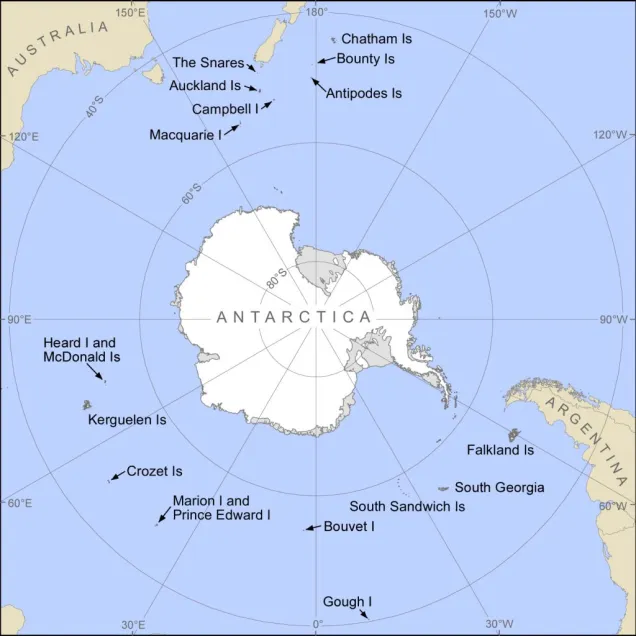
The Antarctic Treaty of 1959 provides the foundation, while the 1991 Protocol on Environmental Protection, commonly called the Madrid Protocol, adds much of the environmental framework relevant to tourism. The protocol first entered into force in 1998, and planned activities within the Antarctic region south of 60 degrees South latitude require environmental impact assessment. Treaty Parties are responsible for regulating relevant expeditions organized in their territory, departing from their territory or conducted by their nationals. That means paperwork completed thousands of kilometers from the ice can determine what happens after a vessel crosses 60°S and the air begins to feel sharper on an exposed deck. Operating without the necessary authorization can carry serious penalties.
The Antarctic Treaty Consultative Meetings add another layer because Consultative Parties can adopt binding Measures by consensus, although those Measures require approval through each Consultative Party's domestic processes before entering into force. They also adopt resolutions that are not legally binding but can still influence operating expectations and standards of care. This distinction is more consequential than the dry terminology suggests. A rule can command considerable institutional attention yet remain short of binding international law for years. Operators therefore need to know whether a requirement is legally in force, incorporated through national regulation, reflected in contracts or insurance conditions, or functioning primarily as an influential operational standard.
Why a Ship’s Flag Matters
Once ships enter polar waters, maritime regulation becomes just as important as the Treaty framework. The IMO Polar Code, effective since January 2017, supplements the International Convention for the Safety of Life at Sea and addresses matters including vessel construction, survival equipment, crew competence and planning for navigation in ice. Enforcement falls primarily to the vessel's flag state, which means ships sailing alongside each other can encounter different inspection and enforcement practices. The practical concerns are tangible: machinery must work in bitter temperatures, crews need appropriate training, and emergency equipment has to remain useful when hands are numb and help may be far away. A polished expedition lounge does not compensate for weaknesses in the systems below deck.
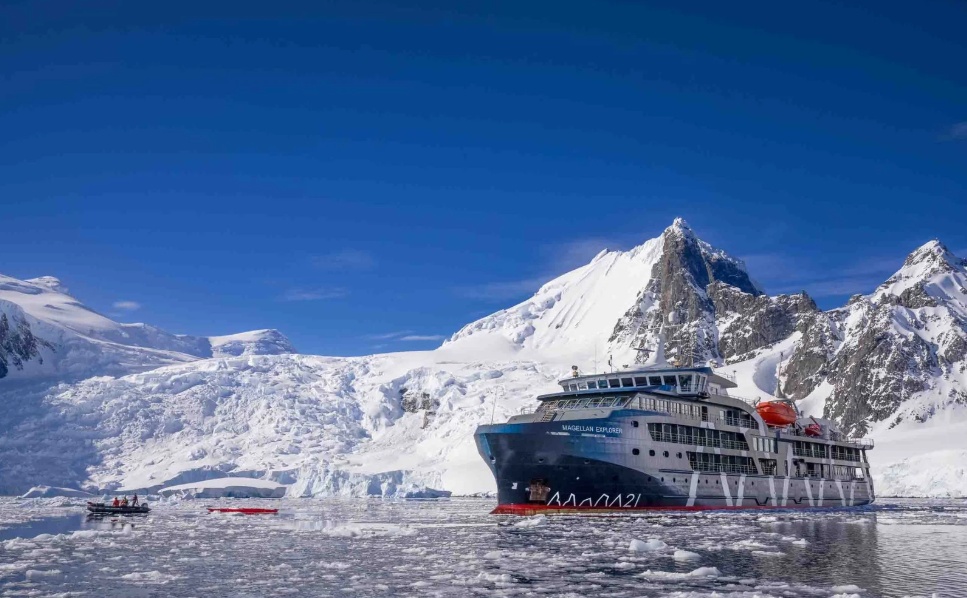
Classification societies also sit quietly inside this structure, surveying ships, assigning ice-class ratings and issuing Polar Ship Certificates. Those classifications help define the conditions in which a vessel is certified to operate, making them significant both before a voyage and after an accident. A hull breach or ice-related casualty can bring close scrutiny of survey deficiencies, certification limits and whether the ship was operating near the edge of its approved capability. There is no completely uniform ice-strengthening standard across classification societies, so similar-looking designations do not necessarily mean two vessels have identical capabilities. When metal meets ice with the low grinding and vibration familiar to polar navigation, the details buried in technical certificates suddenly stop looking academic.
IAATO and the Limits of Voluntary Regulation
IAATO addresses some of the spaces left between treaty obligations and national maritime regulation, but membership is voluntary. Its member standards include emergency planning, coordination of ship schedules and landing sites, a guide-to-visitor ratio of 1:20, a maximum of 100 visitors ashore at one time and no landings from vessels carrying more than 500 fare-paying passengers. These rules affect the rhythm of an expedition: passengers may wait aboard while another group is ashore, guides must manage rotations, and Zodiac operations can become a careful sequence of wet boots, engine noise and cold fingers gripping handrails. Such limits are operational controls rather than decorative environmental promises. They influence staffing, scheduling and the number of people who can physically occupy a landing site.
The weakness is jurisdiction. Antarctic tourist ships have historically included substantial numbers of vessels flagged in states outside the Antarctic Treaty System, even when the companies operating them have links to Treaty countries. Research cited in the source material found that more than 44 percent of tourist-carrying vessels analyzed across the 2011–2012 to 2013–2014 seasons were flagged by non-Treaty states. A non-IAATO operator without an effective jurisdictional connection to a Treaty Party can therefore expose gaps between nominal requirements and practical enforcement. For passengers watching ice drift past in near silence, these distinctions are invisible, but for operators, insurers and lawyers they can shape questions of contractual compliance, liability and applicable standards after something goes wrong.
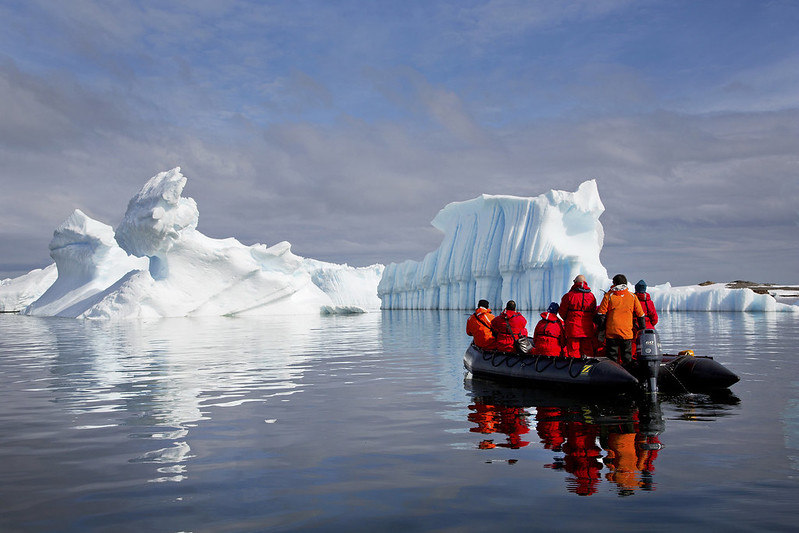
Insurance and emergency planning expose another unresolved part of the system. ATCM Measure 4, adopted in 2004, was intended to establish binding requirements in these areas, yet the source material states that it still had not entered into force more than two decades later because several Consultative Parties had not completed domestic approval. IAATO standards and nonbinding guidance cover part of that space, but they are not equivalent to a universally enforceable international regime. This matters in Antarctica because a routine injury can become a major logistical event when evacuation involves rough water, biting wind and immense distance from advanced medical facilities. An incident that begins with a slip during a Zodiac transfer may quickly involve permits, insurance wording, emergency procedures, maritime law and evidence preservation.
Four Categories, Different Operational Pressures
IAATO divides member vessels into four activity categories, and those categories help determine what passengers can actually do. Category C1 covers expedition cruises carrying 13 to 200 passengers, while C2 covers ships carrying 201 to 500; both may conduct landings and must work within applicable landing limits and site rules. The YA category applies to vessels carrying 12 or fewer passengers, which can also make landings, while CR describes cruise-only vessels carrying more than 500 passengers that do not put passengers ashore. Size therefore changes more than the atmosphere at dinner or the sound level in a corridor. It can determine the complexity of landing rotations and whether stepping onto Antarctic ground is permitted at all.
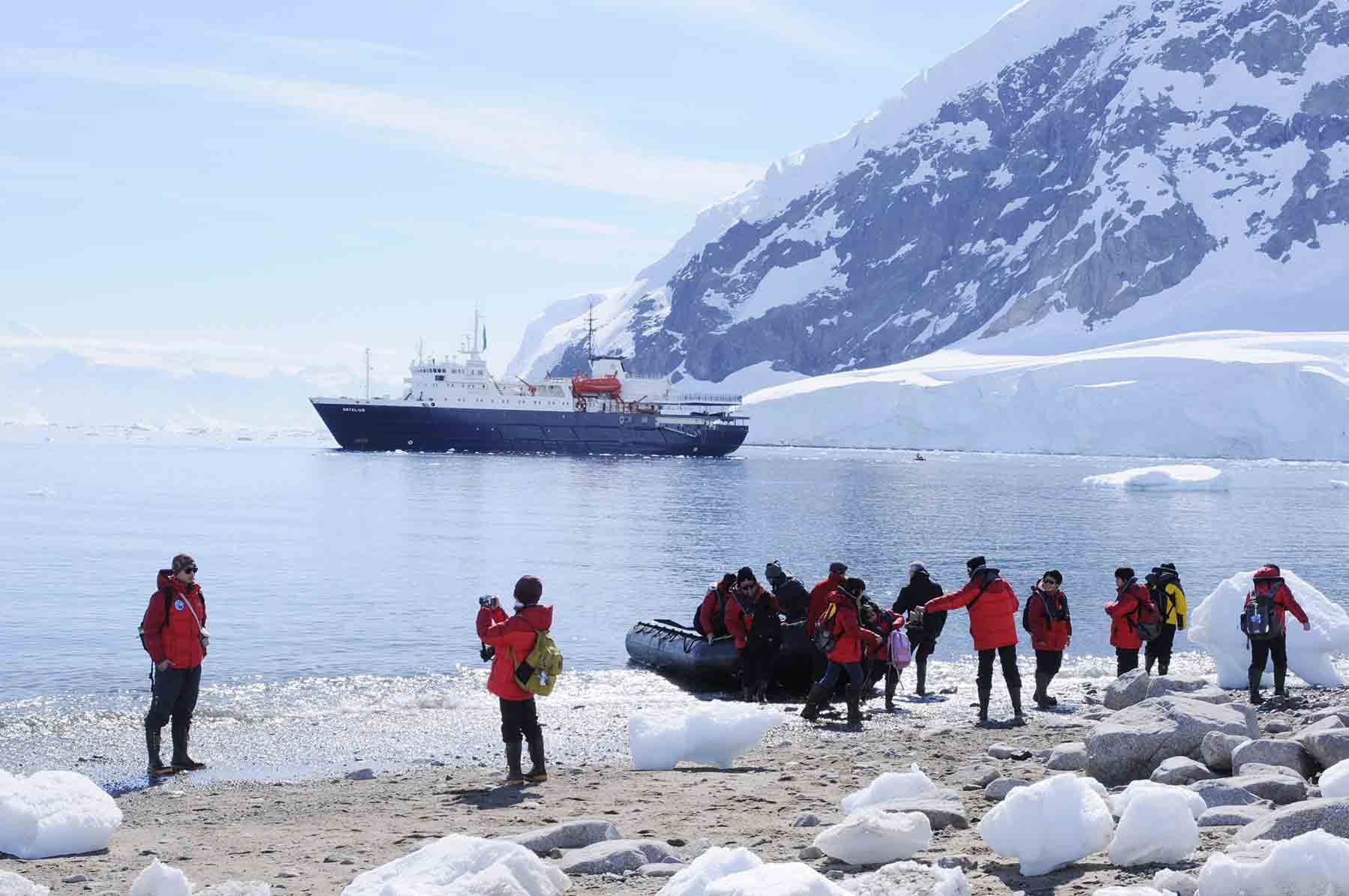
C1 and C2 operations carry substantial shore-side responsibilities because passengers leave the relative control of the ship. Larger C2 vessels face an obvious scheduling problem when no more than 100 people may be ashore simultaneously under IAATO standards, meaning groups must rotate while others wait. Small yacht operations have fewer passengers but still face environmental and site requirements, and their scale can complicate oversight or investigation after an incident. Cruise-only vessels avoid most landing-site obligations, yet they remain subject to maritime safety, environmental, SOLAS, Polar Code and flag-state requirements. Nobody becomes exempt from cold-water risk simply because their boots never touch the shore.
Rules That Can Change Between Seasons
Compliance also has a shelf life. ATCM resolutions and IAATO guidance are revised regularly, meaning procedures considered adequate during one Antarctic season may require changes before the next. Resolution 4 from ATCM 47 in 2025 updated general visitor guidance, while Resolution 3 from ATCM 48 in 2026 revised guidelines for frequently visited sites, including matters such as approach distances, time restrictions, site boundaries and visitor capacities. These details influence where a Zodiac can approach, how long groups may remain and how guides manage people around wildlife that is generally indifferent to the human schedule. On a windy beach filled with engine hum, bird calls and the smell of guano, a seemingly minor guideline can determine the entire landing plan.
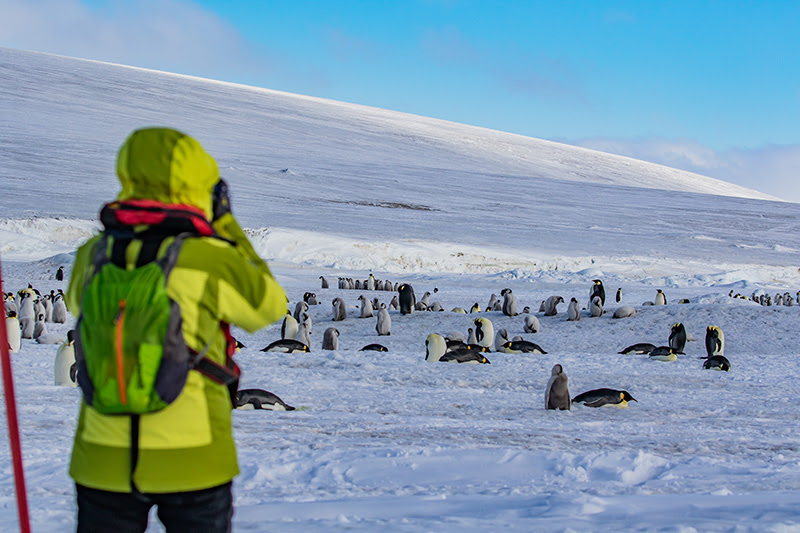
The 2026 discussions also reflected the growth of fly-cruise travel through King George Island, where rising passenger numbers have prompted calls for more specific treatment of infrastructure and safety. This matters because flying across part of the traditional sea route changes transportation logistics without eliminating Antarctic operational risk. Weather can still interfere, schedules can still unravel, and the cold remains unconcerned with carefully timed connections. At the same time, expedition fleets are adding polar-capable ships with ice-related capabilities, Zodiac platforms, science facilities and, on some vessels, helicopter pads. Growth in equipment and reach therefore creates more regulatory questions rather than fewer.
What Operators Need to Check Before Sailing
Before a season begins, the basic compliance work is decidedly unromantic: permits, environmental assessments, certificates, inspection records, crew qualifications, insurance terms and contingency procedures all need scrutiny. Operators should confirm that national authorizations match the planned itinerary, especially when new landing sites have been added, and check the current versions of ATCM and IAATO guidance rather than relying on last season's files. Polar Code certification, SOLAS compliance, classification status and flag-state inspections need the same attention, along with guide ratios and landing limits for IAATO members. Medical and evacuation resources deserve particular care because distance turns small failures into larger problems, often amid cold spray, fatigue and unreliable timing. In Antarctica, regulatory preparation is ultimately part of practical seamanship: knowing what the ship, crew and expedition team are permitted and equipped to do when conditions refuse to cooperate.
Frequently Asked Questions
Why does the vessel’s flag matter on an Antarctic cruise?
The flag state is responsible for enforcing important maritime requirements, including compliance with the IMO Polar Code. Inspection practices and enforcement can vary between flag states, so two expedition ships operating in the same Antarctic waters may not face identical regulatory oversight.
Can ships carrying more than 500 passengers make Antarctic landings?
Under the IAATO standards described in the source material, vessels carrying more than 500 fare-paying passengers do not conduct landings. They operate as cruise-only vessels, although maritime safety, environmental, Polar Code, SOLAS and flag-state requirements still apply.
How many passengers can be ashore at one time on an IAATO expedition?
IAATO operating standards limit landings to 100 visitors ashore at one time and specify a guide-to-visitor ratio of 1:20. For ships carrying several hundred passengers, this requires rotations and makes landing schedules more complicated.
Are IAATO rules legally binding on every Antarctic operator?
No. IAATO membership is voluntary, although its standards address significant operational areas such as emergency planning, visitor ratios, ship scheduling and landing limits. Operators can also be subject to separate Treaty-related national requirements, flag-state regulation and international maritime rules.
Why must operators review Antarctic regulations every season?
ATCM resolutions, site guidelines and IAATO operating guidance can be updated regularly. A procedure used during one season may therefore need adjustment during the next, particularly regarding visitor capacities, wildlife approach distances, landing boundaries, timing restrictions and other site-specific conditions.

Andre Robles
South America Travel Specialist
Credentials
- ✓Travel Writer
- ✓Voyagers Travel Contributor