Parque Patagonia: Puma Tracking Among the Canyons of Santa Cruz | Travel News
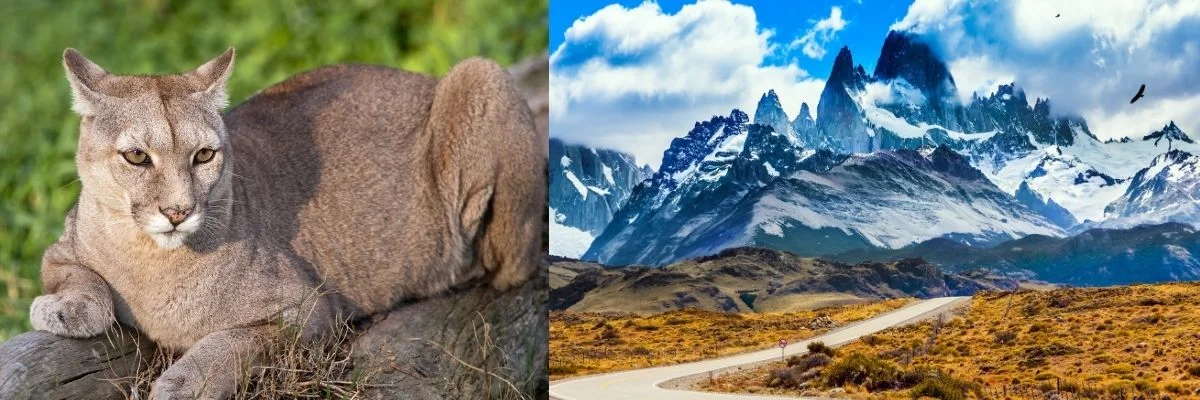
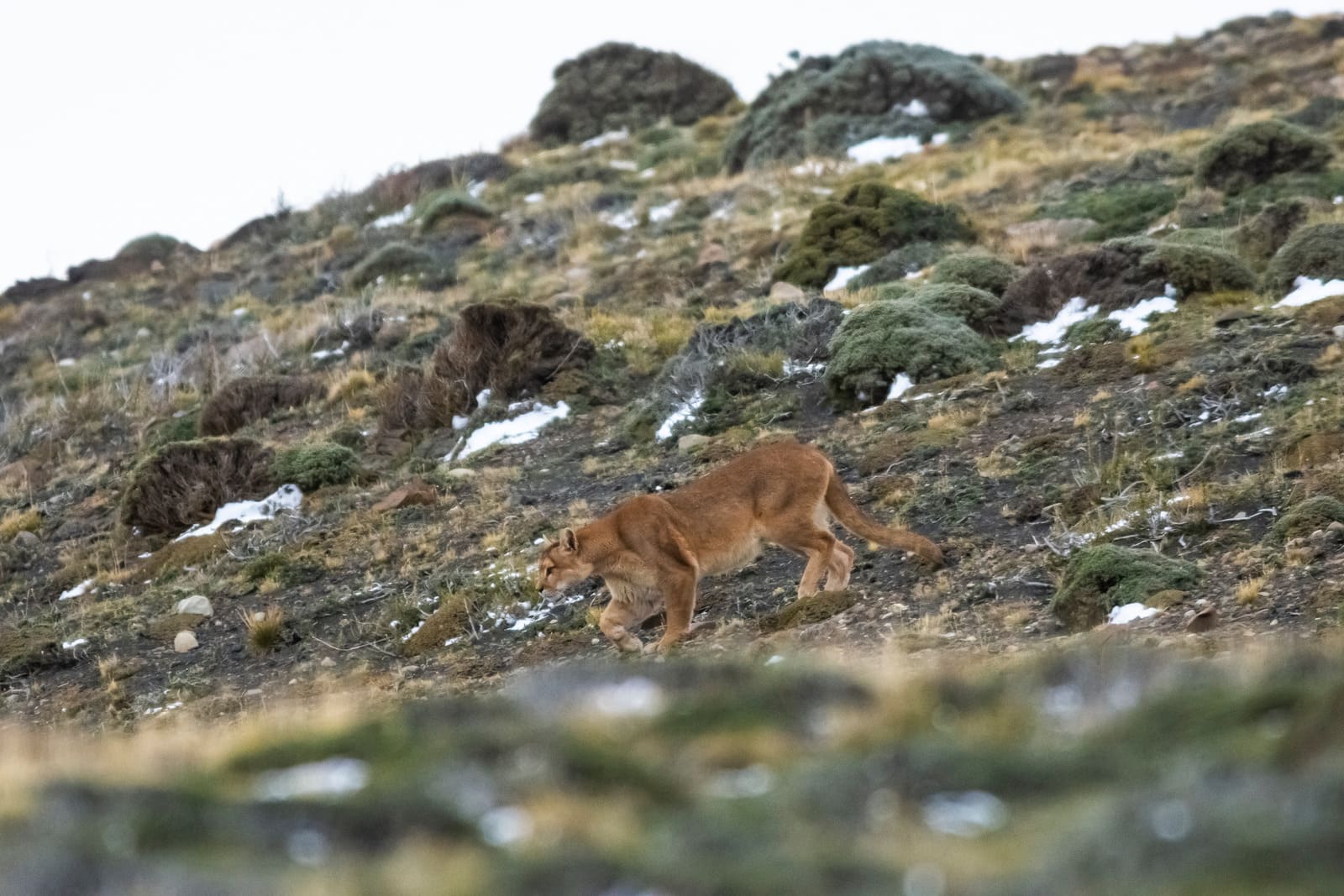
Parque Patagonia, in northwestern Santa Cruz, offers an alternative for travelers interested in puma tracking in Argentina. Guided outings combine wildlife tracking with a landscape of canyons, red-rock formations and basalt cliffs, alongside opportunities for hiking, archaeology and sightings of other Patagonian species.
Local guides have been tracking pumas in the region for more than a decade. During excursions, they look for fresh tracks, scratches, scat and signs of prey activity, supplementing field observations with tracking technology and camera traps when available.
According to the information provided, guided outings currently report a sighting success rate of around 75%. Unlike the open terrain associated with puma watching in Torres del Paine, animals here use canyons, rocks and changes in elevation as natural cover, shaping both the tracking process and the sightings themselves.
The puma and the ecosystem
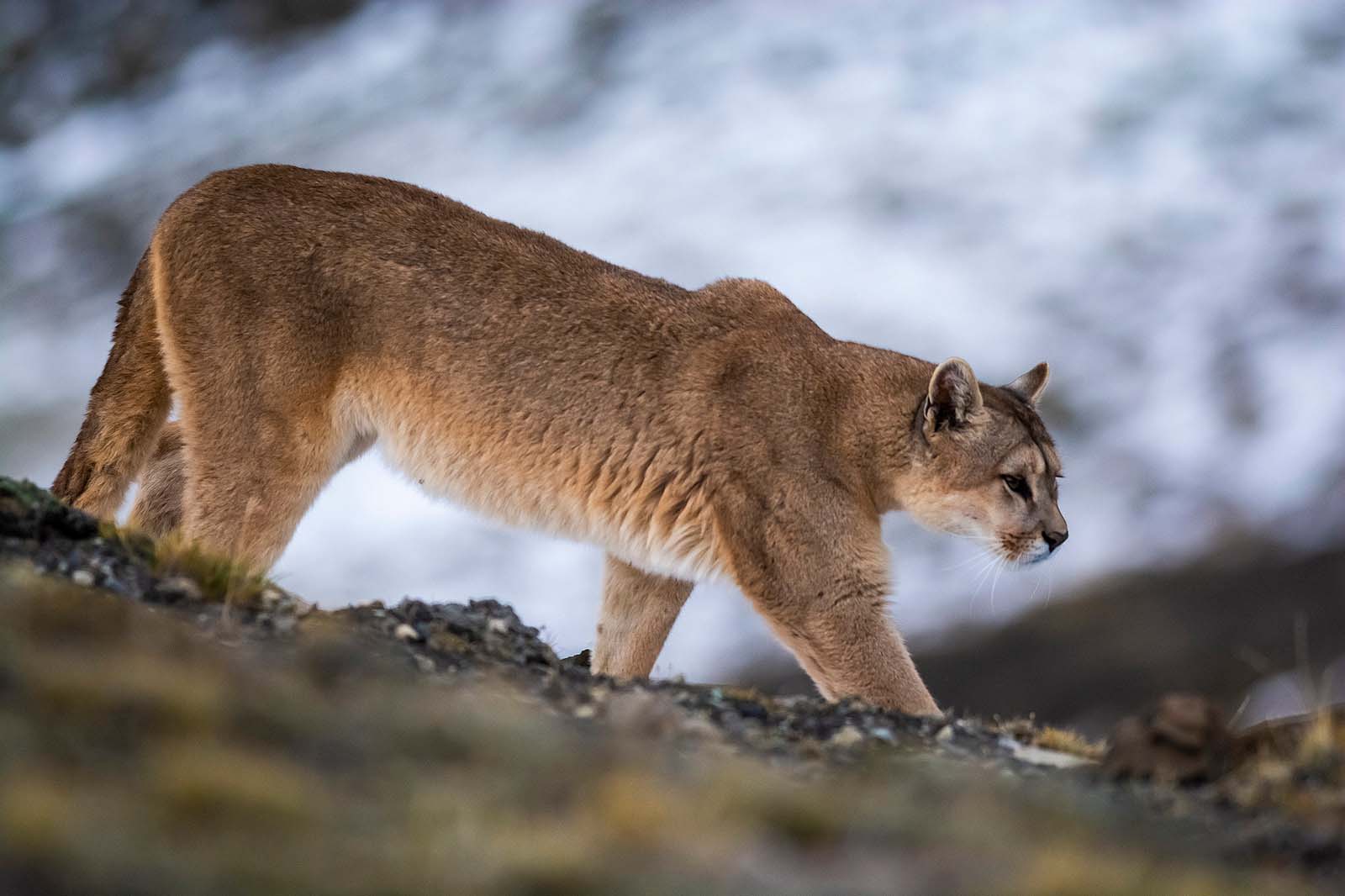
The puma, Puma concolor, is the largest carnivore in Parque Patagonia. A solitary and adaptable predator, it can reach around 90 kilograms. Rather than pursuing prey over long distances, pumas typically use rocks, vegetation and changes in elevation to approach before launching a short attack.
Although pumas are particularly active around dusk and at night, activity can also be observed during the day in Parque Patagonia. Females use caves and hard-to-reach cracks in the canyons as dens for raising their young, which eventually become independent and establish territories of their own.
Guanacos account for around 72% of the puma's diet in the area, while choiques make up approximately 13%, according to the information provided. Puma kills also provide food for scavengers such as Andean condors. The predator's presence is also part of the wider effort to restore native habitats and wildlife in the park.
- Guided tracking outings report a sighting success rate of around 75%.
- The main operating season runs from October to April.
- March to May and October to November are highlighted as particularly interesting periods for puma watching.
- A puma-focused program can be organized as a three- to four-night wildlife extension.
- The area also combines wildlife watching with hiking, geology and archaeological sites.
A base for exploring Parque Patagonia
Beyond pumas, wildlife in the park includes guanacos, choiques, Andean condors, Patagonian foxes and armadillos. Guanacos are particularly relevant during tracking excursions because they are one of the puma's main prey species, while their behavior can provide clues to the presence of a predator nearby.
One of the main areas for exploring on foot is Cañadón del Río Pinturas, known for its cliffs, valleys and colorful rock formations. A network of trails provides hikes at different levels of difficulty, while Cueva de las Manos, a UNESCO World Heritage Site, adds an archaeological component to nature-focused itineraries.
Inside the park, La Posta de los Toldos can serve as a base in the Cañadón Pinturas Portal. Located around 54 kilometers south of Perito Moreno along Route 40, the lodge has nine rooms with private bathrooms, common areas and a restaurant. Guided wildlife outings depart from the property, and guests also have access to local trails and an on-site star observatory.
The same portal provides camping and yurt alternatives. El Mollar, near La Posta, has facilities for motorhomes, while La Señalada offers campsites and Patagonian yurts accommodating up to four guests.
Access can be arranged through a combination of air and overland travel. According to the information provided, American Jet operates a direct service between Aeroparque in Buenos Aires and Perito Moreno approximately every 15 days. Another option is to travel one way through Comodoro Rivadavia, using the overland journey to include a visit to Sarmiento Petrified Forest Park.
For longer itineraries, Parque Patagonia can be combined with Route 40 and Los Antiguos, followed by a journey into Chile toward the Marble Caves, or extended east toward the Atlantic coast. Puerto Deseado, Isla Pingüino and Bahía Bustamante are among the options mentioned for adding coastal and marine wildlife to the trip.
The main season runs from October to April, when daylight hours are longer and temperatures are milder. From June through August, snow pushes guanacos down from the higher plateaus into the valleys, with pumas following their prey. Winter conditions can also make tracks easier to identify in the snow, while the warmer months are better suited to combining wildlife tracking with hiking in the park.