Overview of Darwin's Finches
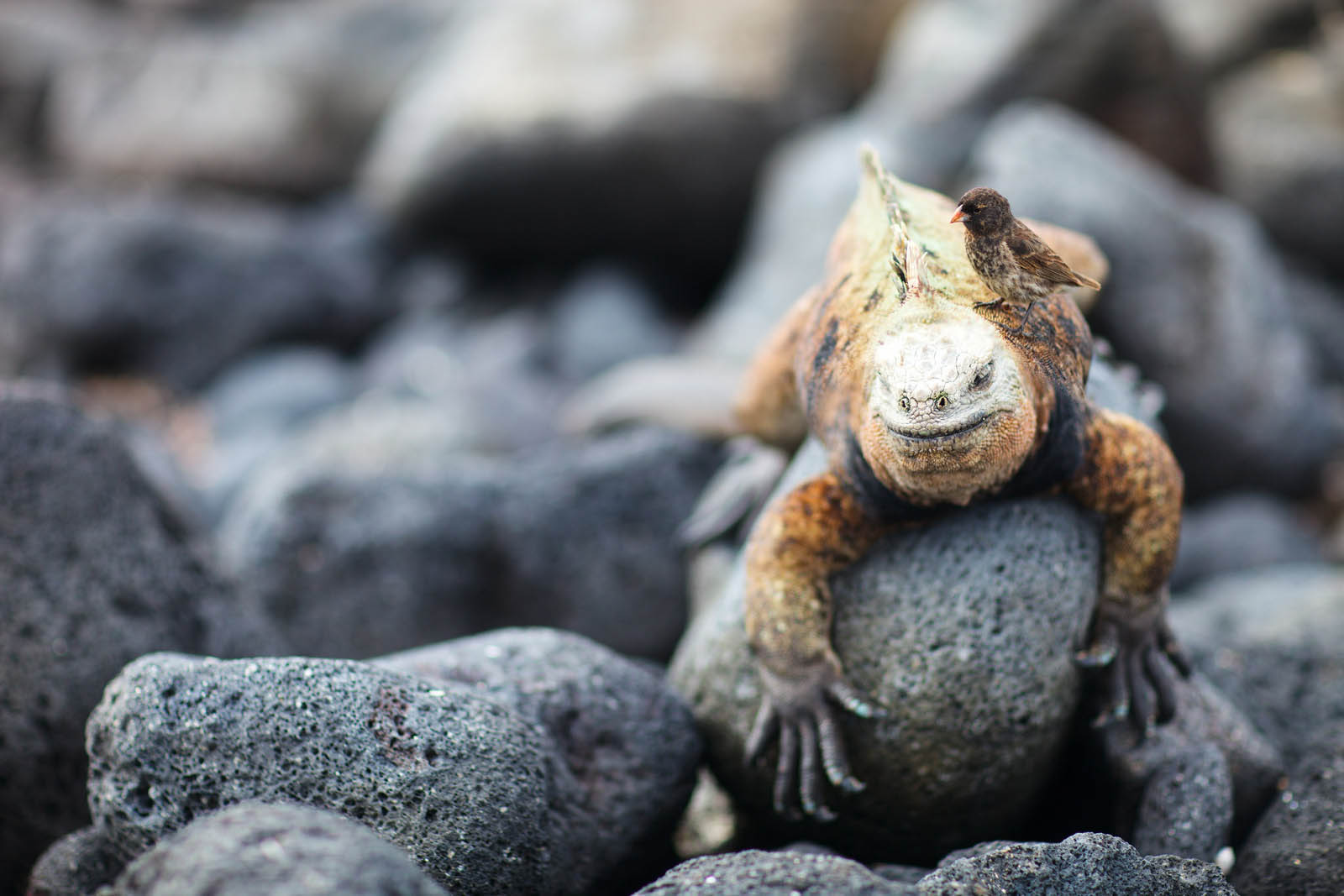
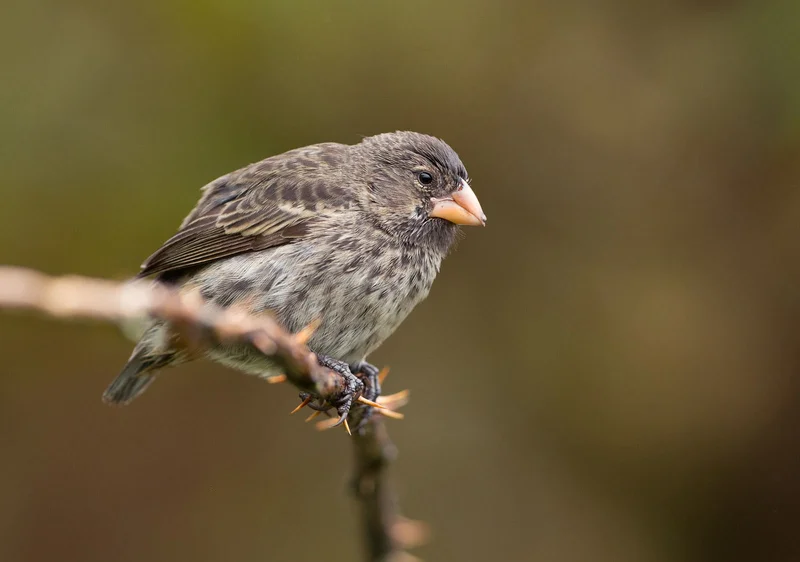
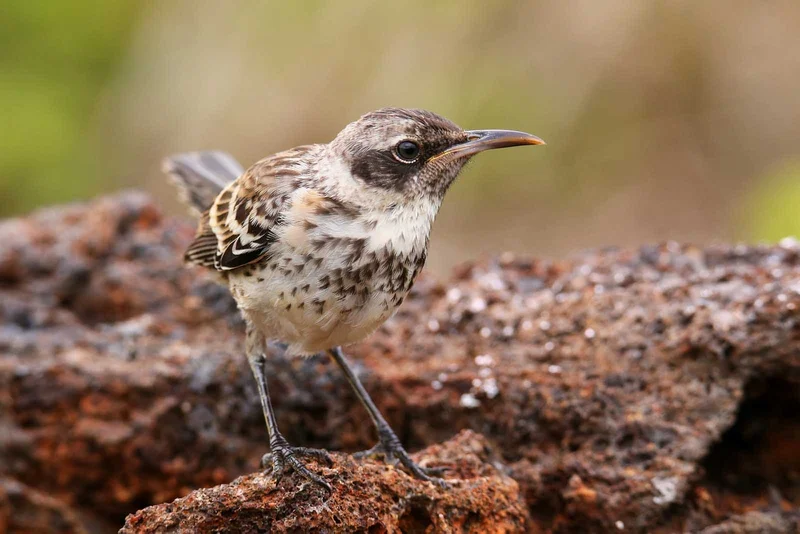
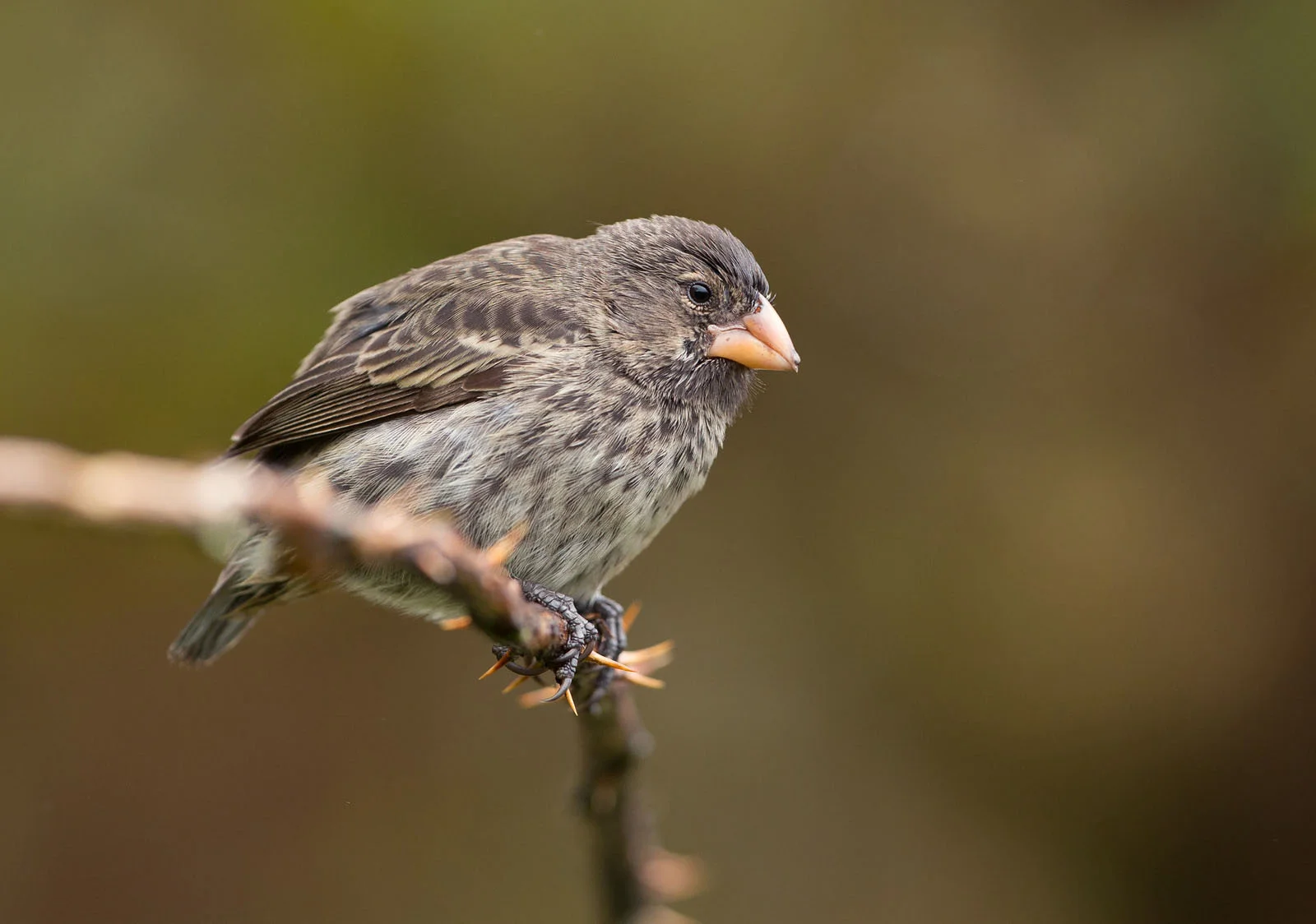
Darwin's Finches show us how nature works in the Galapagos Islands. These birds changed their beak shapes to eat different foods, showing us a clear example of natural changes over time.
Habitat and distribution in Galapagos
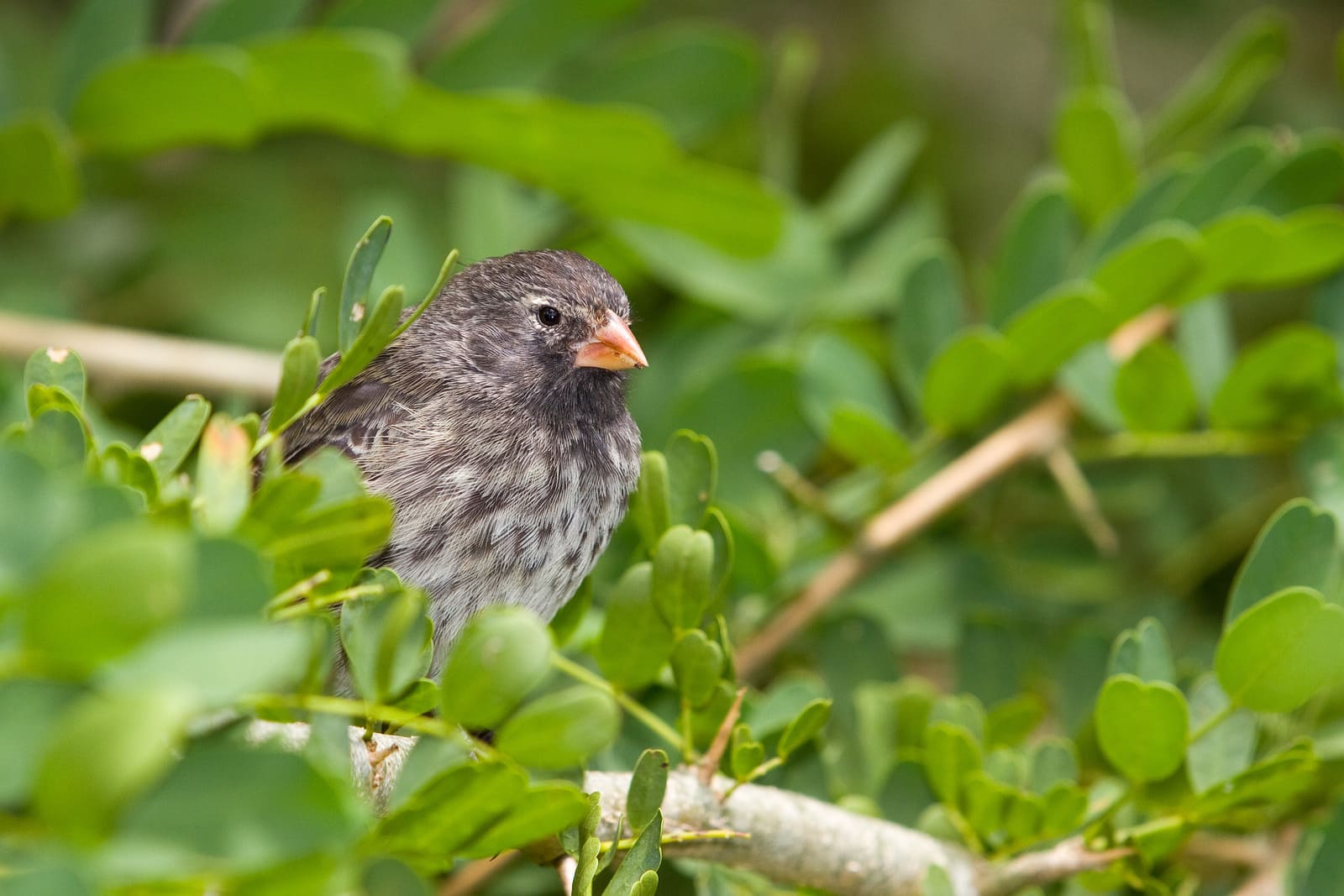
Galapagos Islands are unique, filled with diverse habitats that Darwin's finches call home. Many species share the same space, yet they don't get in each other's way. They have found their niche — from dry lowlands to moist highlands.
Some prefer the thick forests while others choose the barren lava fields or shrubby vegetation zones as their playgrounds. The islands offer a rich tapestry of ecological zones, allowing these birds to thrive.
Populations of these finches are not just limited to one island but spread across many in the Galapagos archipelago. This fact fascinated Charles Darwin and later scientists like Peter and Rosemary Grant, who spent about 30 years studying these little birds' evolution.
From observing them closely, they noticed changes over generations, especially in beak size and shape—key traits for survival linked directly to their habitat and available food sources.
In 1835, Darwin presented his study of finches to the Zoological Society of London; 25 out of the 26 land birds were unique to Galapagos.
Our journey through spotting all species of Darwin’s Finch must take us beyond beaches into mangroves and up scaling heights where different kinds tell apart by how they've adapted - some dig for seeds while others might tap trees mimicking woodpeckers or sip on nectar like hummingbirds do.
Each island serves as a living laboratory displaying nature's experiment with life.
Genetic diversity and adaptive radiation
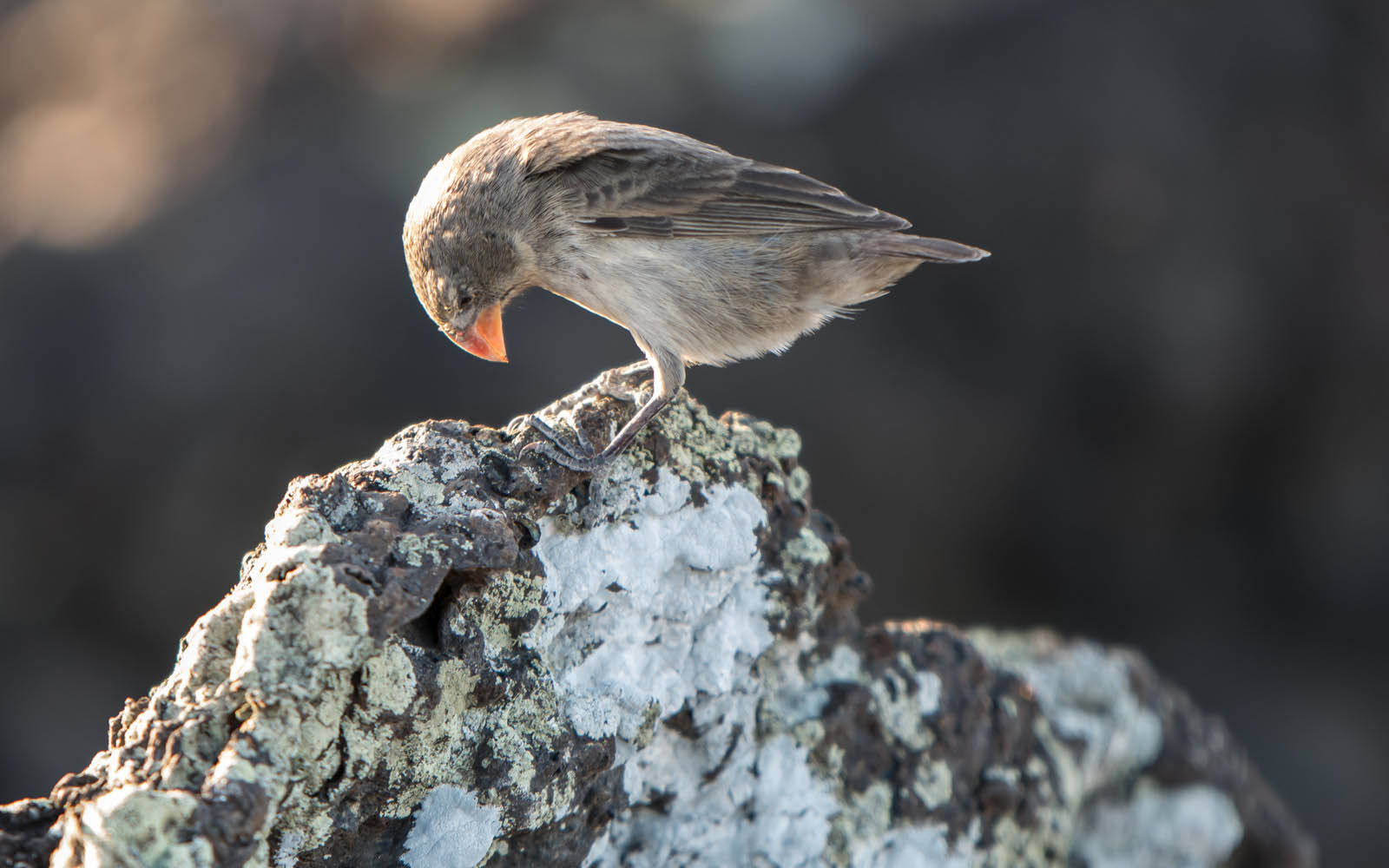
We admire how Darwin's finches show off nature's talent for variety. These birds, found across the Galapagos Islands, evolved from a common ancestor into 15 distinct species. Each type of these finches has beaks that look different from each other.
Why? Because their beaks changed to help them eat different kinds of food on the islands.
Our journey through understanding these finches gets exciting with modern science tools. Researchers have genotyped both modern and old samples of these birds. Their work shows us how much biodiversity we've lost over time but also teaches us about survival.
Genes like BMP4, CaM, and ALX1 didn't just pop up out of nowhere. They played key roles in changing the shape and size of the finches' beaks over generations.
Peter and Rosemary Grant spent years observing these changes among the finches on Daphne Major, one Galapagos Island. They noticed something thrilling - finch beak sizes could change pretty quickly because of weather patterns like El Niño/La Niña cycles! This discovery was massive because it showed evolution happening faster than many people thought possible.
These tales from our feathered friends are not just fascinating stories; they're reminders of Earth's incredible power to adapt and thrive against odds—fueling our passion for exploring every birding hotspot in Galapagos more deeply.