Machu Picchu Tickets Sell Out: What You Need to Know | Travel News
The growing interest in Machu Picchu led to the complete sell-out of 1,000 tickets which will be available on April 4, 2026 during the Holy Week. The demand for travel to Peru's Cusco region reaches its highest point because people want to visit the famous citadel during their traditional religious vacation period. The Ministry of Culture of Peru has upraised ticket limits because they need to protect archaeological sites and control visitor numbers for sustainable tourism practices at this UNESCO World Heritage site.
The Science of Preservation
The Decentralized Directorate of Culture of Cusco established a time-based entry system to protect the environment while they continue to host their current tourist numbers. The ancient terraces along with their structures require visitors to follow specific paths which protect the site from physical deterioration. The facility allows visitors to stay for four hours while their movements receive complete monitoring through digital scanning technology which operates at both the entrance and exit locations. The regulatory system restricts visitors from using professional photography equipment and carrying specific personal items because these items could cause soil damage and harm to historical structures. The established protocols create a peaceful environment which enables visitors to experience their time in the area while they absorb its historical value.
Alternatives for Visitors
The Regional Management of Foreign Trade and Tourism (GERCETUR) recommends visitors to explore other cultural destinations in the Cusco area because Machu Picchu operates at its maximum visitor capacity during busy periods. The citadel stands as the main tourist draw but visitors can explore Sacsayhuamán stone fortress and Moray agricultural site and Maras salt ponds to learn about the region's historical background. The addition of new tourist activities will spread economic benefits throughout different towns while it protects the environment at Machu Picchu.
Enhanced Tourist Security Measures
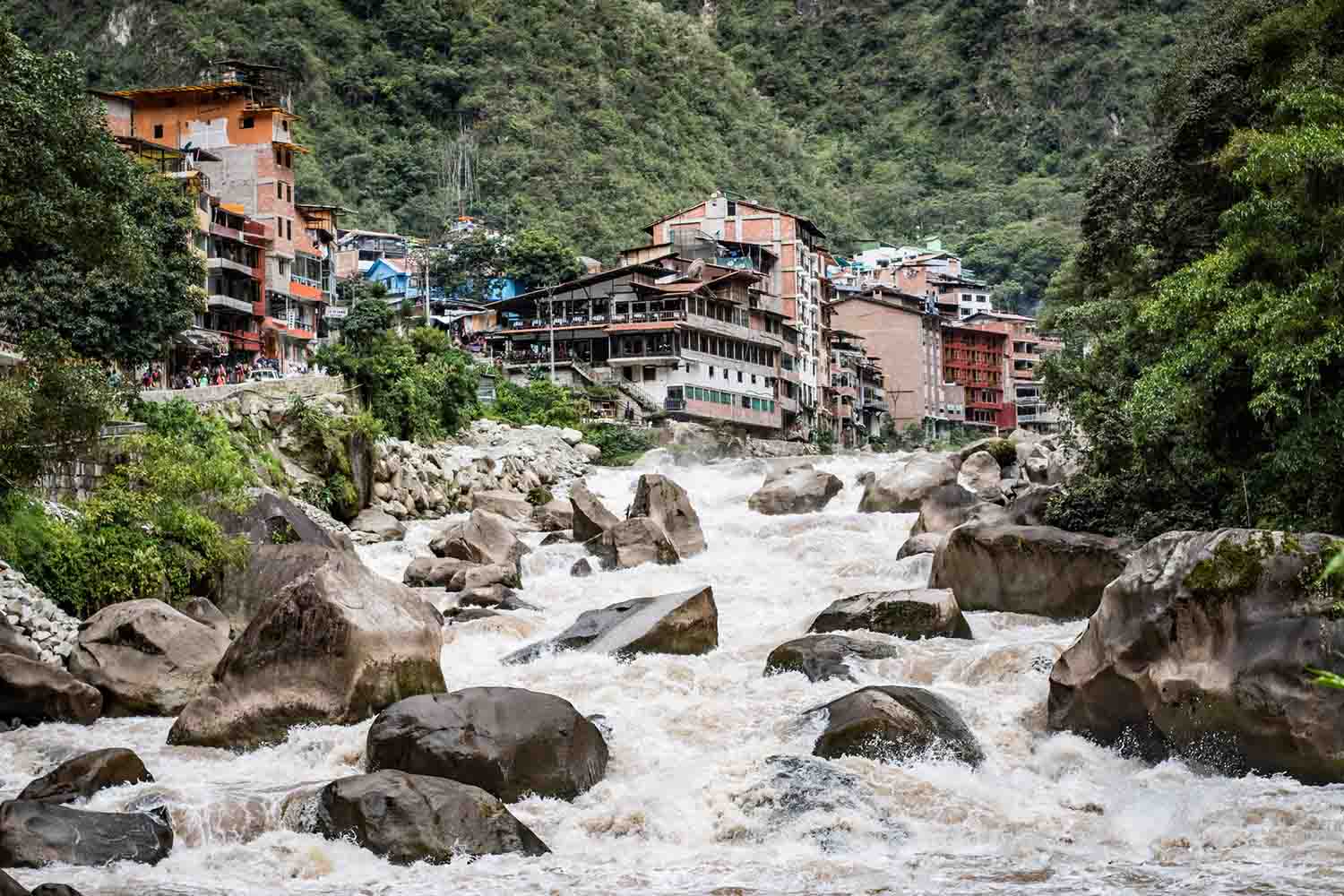
The 2026 holiday season will see security system upgrades which will protect all main entry points that include the rail track which runs between Ollantaytambo and Aguas Calientes. Medical response teams and tourism police maintain their positions to provide visitor support through their emergency medical care and their policing activities which protect visitors. The official ticketing platform tuboleto.cultura.pe serves as the only official system for ticket purchases because it protects consumers from fraud through unauthorized ticket sales. The Cusco region maintains its status as a safe destination because the on-site identification verification system allows visitors to take responsibility for their actions.
Cultural Engagement Opportunities
The travel experience in Cusco region receives major contributions from both its archaeological sites and its active cultural practices of the present day. The streets come alive during Holy Week with traditional processions and artisanal markets which display the combined cultural heritage of the Andes region. Visitors have the chance to taste local dishes which combine quinoa and alpaca meat through traditional cooking methods that date back to ancient times. The experience of visiting San Blas and San Pedro Market neighborhoods reveals the daily existence of residents who follow their traditional customs which makes the trip more meaningful.
- 1,000 tickets for Machu Picchu sold out quickly.
- Visitors must stay within their assigned time slot of four hours to enter through the timed-slot entry system.
- The text suggests different historical sites for visitor exploration to reduce the damage which tourism causes to these areas.
People need to build their travel strategies at the beginning because peak seasons create problems for their Machu Picchu exploration and their discovery of Cusco's cultural heritage.