Protecting the Taricaya Turtle in the Amazon | Travel News
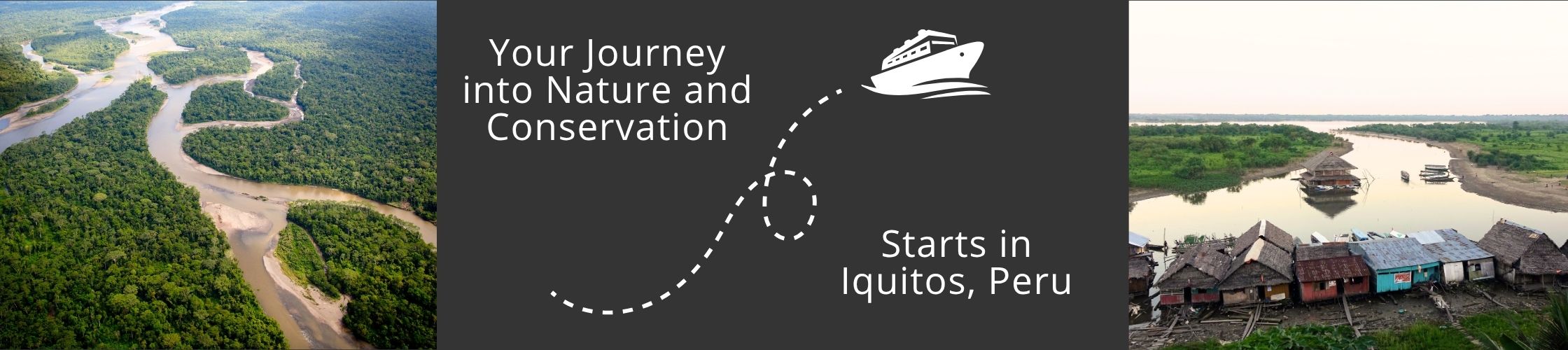
The conservation of the taricaya turtle in the Peruvian Amazon highlights the impact of community engagement and responsible tourism on environmental protection. Iquitos, the capital of the Loreto region, serves as a gateway to one of the world’s most biodiverse areas, where tourism has become essential for conservation efforts.
Historically, the taricaya has been integral to the Amazon’s ecosystem and local livelihoods, but declining populations due to egg harvesting and habitat degradation have raised alarm. Conservation initiatives in areas like the Pacaya Samiria National Reserve-known for its stunning reflections on waterways-now focus on protecting this turtle species from further decline.

The rescue and protection of the taricaya
As nesting season commences annually, local park rangers and residents conduct riverbank patrols to locate taricaya nests. Once detected, eggs are meticulously collected and transported to safe hatcheries, protecting them from predation and illegal harvesting. This restoration process is closely monitored until hatchlings are nurtured and prepared for release back into their natural habitat.
Watching these young turtles return to the rivers symbolizes a renewed chance for ecological balance within these fragile environments.

Local communities: Guardians of biodiversity
Local communities play a crucial role in these conservation programs. Previously reliant on the Amazon’s resources, many residents now actively engage in sustainable practices. The "Adopt a taricaya, conserve Pacaya" initiative empowers them to oversee nesting sites and monitor turtle populations, transforming local residents into custodians of biodiversity.
- Communities use traditional knowledge to enhance conservation efforts.
- Responsible tourism initiatives create economic opportunities.
- Active participation fosters long-term sustainability.

This shift not only aids in wildlife protection but also provides alternative livelihoods, illustrating a model of conservation that benefits both nature and local economies.
Travelers can contribute to these efforts by participating in conservation-focused activities offered by Amazonian lodges and tour operators in Iquitos. These experiences often include guided excursions and the chance to assist in turtle releases, deepening appreciation for the Amazon's biodiversity and conservation challenges.

By engaging in these initiatives, visitors can help promote environmental education and awareness within local communities, ensuring a shared commitment to the region's rich ecological heritage. Protecting vulnerable species like the taricaya underscores the notion that tourism, when responsibly managed, can serve as a powerful tool for conservation.
In Iquitos and surrounding areas, each traveler can make a meaningful contribution, driving support for sustainable tourism practices while respecting the delicate ecosystems of the Amazon. As conservation efforts continue, the collaborative work of local communities, authorities, and eco-conscious tourists remains vital for safeguarding the future of the taricaya and its habitat.