
Inkaterra Cabo Blanco Announces 2026 Opening on Peru’s Pacific Coast | Travel News
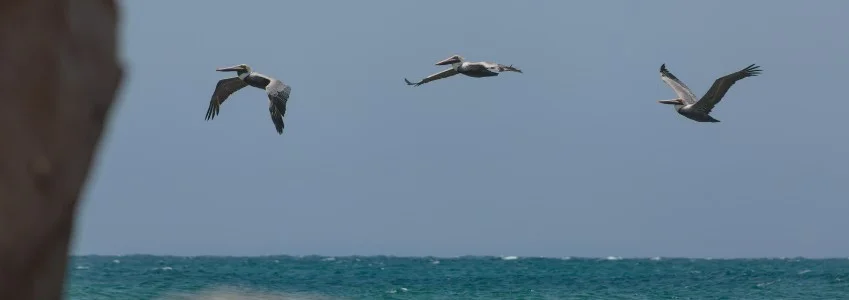
Inkaterra has set a 2026 opening date for Inkaterra Cabo Blanco, its eighth property and the company’s first hotel on Peru’s Pacific coast, as the brand marks its 50th anniversary. The project is in Cabo Blanco, a fishing village on the country’s northern coast long associated with sportfishing records and a surge of international attention in the mid-20th century.
Cabo Blanco’s reputation was built in the 1950s, when the area became known for outsized billfish catches. Among the best-known records cited by Inkaterra is a 1,560-pound black marlin (Istiompax indica) landed in August 1953. The destination also drew Ernest Hemingway, who visited in April 1956 after being drawn to the waters and the sportfishing culture tied to the area.
In recent months, international lifestyle and travel outlets have highlighted Inkaterra Cabo Blanco as one of the notable luxury hotel debuts slated for 2026. The coverage has centered on the property’s coastal setting, its link to the area’s sportfishing history, and a positioning that emphasizes nature-focused travel.
What the international coverage is emphasizing
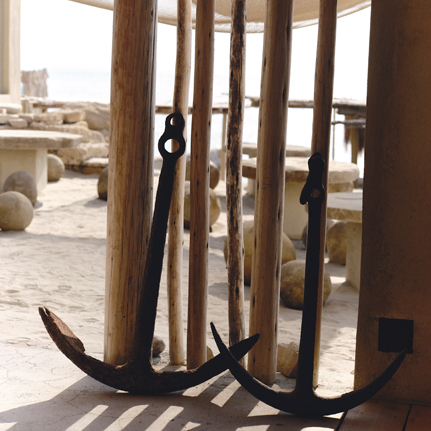
Vogue included Inkaterra Cabo Blanco on a list of 16 luxury hotels expected to open in 2026, pointing to its location in what it described as a former fishing village in northwestern Peru. The outlet framed the project as a “nature-sensitive” approach to tourism, and noted a mix of coastal landscapes, cultural storytelling, and “conscious” hospitality aimed at travelers looking beyond more conventional routes.
Vogue also referenced experiences connected to the restored Miss Texas yacht, associated in the material with Hemingway and the filming of The Old Man and the Sea.
Robb Report likewise listed Inkaterra Cabo Blanco among the most anticipated luxury hotel openings, describing Inkaterra as a brand that has been recognized for decades for resource-conscious luxury lodges in Peru. Its write-up highlighted the company’s move beyond established hubs such as Machu Picchu and Cusco, and tied Cabo Blanco’s appeal to the history of giant marlin fishing and the longstanding world-record narrative that continues to shape the destination’s identity.
In Europe, Le Figaro presented Inkaterra as an early mover in sustainable hospitality in Peru, citing the company’s better-known properties in Machu Picchu and the Sacred Valley. The newspaper focused on Inkaterra’s arrival in what it described as one of South America’s best-known fishing sites, closely linked in the story to Hemingway, and framed the hotel as a nature-immersed coastal retreat that could function as a beach interlude after the country’s classic cultural circuits.
 Family Adventure Tour | Highlights of Peru | Amazing Adventure
Embark on an unforgettable journey through Peru's Inca Empire with your family. Discover rich history, stunning landscapes, and create lasting memories together
Request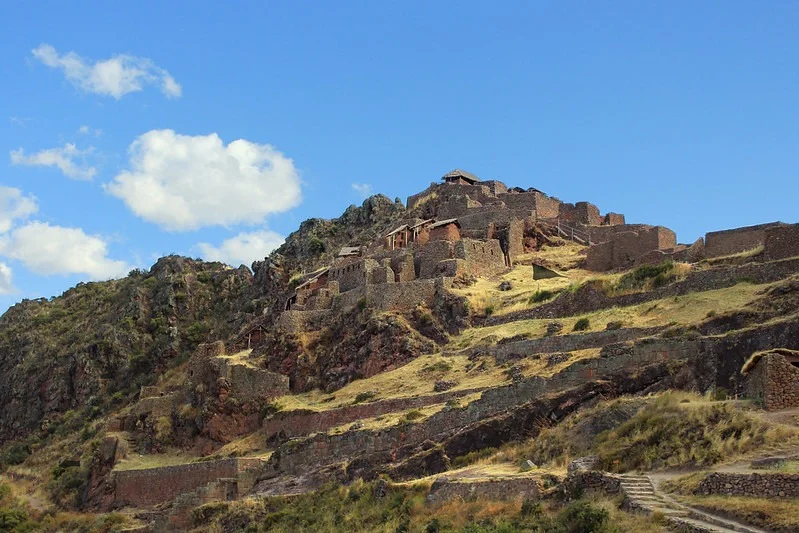 Following the Path to the Sacred Sun Gate | Voyagers Travel
Embark on a cultural journey through the Sacred Valley, exploring majestic Inca ruins and savoring delectable Peruvian cuisine along the way.
Request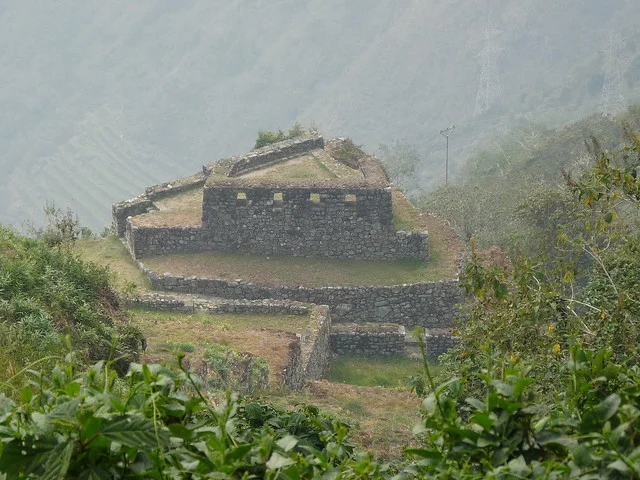 Sacred Valley's uphill ascent to the Machu Picchu adventure
Embark on a multi-day hike through Peru’s Sacred Valley, exploring remote villages and breathtaking landscapes, all leading to the iconic Machu Picchu.
Request
Inkaterra’s broader plan for Cabo Blanco
Inkaterra says the project is designed as more than a hotel launch, tying the opening to a wider effort aimed at restoring parts of the marine and coastal landscape in northern Peru. The company describes the initiative as a blend of science, culture, and tourism, intended to reposition Cabo Blanco as an ecotourism hub for the region and as a conservation model within the Tropical Pacific.
According to Inkaterra, the Cabo Blanco project is structured around four pillars: high-quality ecological infrastructure; research and conservation led by Inkaterra Asociación; ecotourism experiences shaped by local identity; and sustainable development strategies intended to strengthen resilience in coastal communities.
The company also points to work with Cabo Blanco’s artisanal fishing community, which was declared National Cultural Heritage in 2018 following an initiative led by Inkaterra Asociación. Inkaterra says it has restored the Miss Texas yacht as a symbol of ocean recovery and a new relationship among culture, conservation, and tourism.
- Opening: Inkaterra Cabo Blanco is scheduled to open in 2026 as Inkaterra’s eighth property.
- Location: Cabo Blanco, on Peru’s Pacific coast, a destination historically linked to sportfishing and black marlin records.
- International attention: Vogue, Robb Report, and Le Figaro have flagged the opening, focusing on the setting and nature-forward positioning.
- Community and conservation: Inkaterra says the project includes research, conservation, and support tied to the local artisanal fishing community.
- Heritage link: The restored Miss Texas yacht is being used to anchor experiences and storytelling connected to Cabo Blanco’s mid-century fame.
Inkaterra positions Inkaterra Cabo Blanco as a coastal refuge built around ecotourism and conservation goals, with a 2026 opening that aims to revive Cabo Blanco’s legacy while anchoring future tourism development in community-focused initiatives along Peru’s Tropical Pacific coast.
.jpg?alt=media&token=e5af32ee-3ac6-420c-950b-f70a93582e48)