Peruvian Machu Picchu’s Archaeological Revival | Travel News
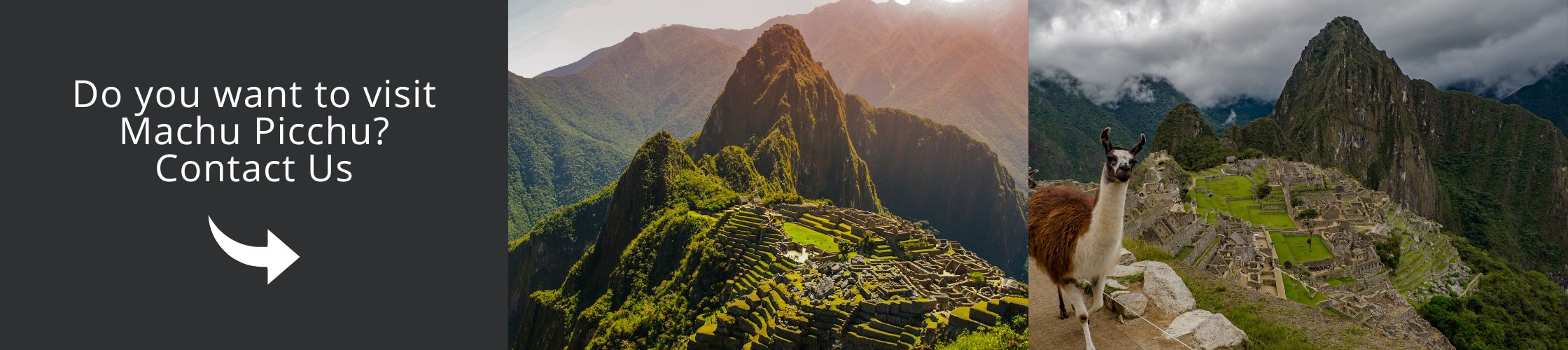
Peruvian archaeologists resumed investigations at Machu Picchu in 2024 after an eight-year pause, and the conservation assessment continues to inform preservation priorities in 2026. The goal of the project is to gain new insights into the historical significance and preservation needs of the monument.
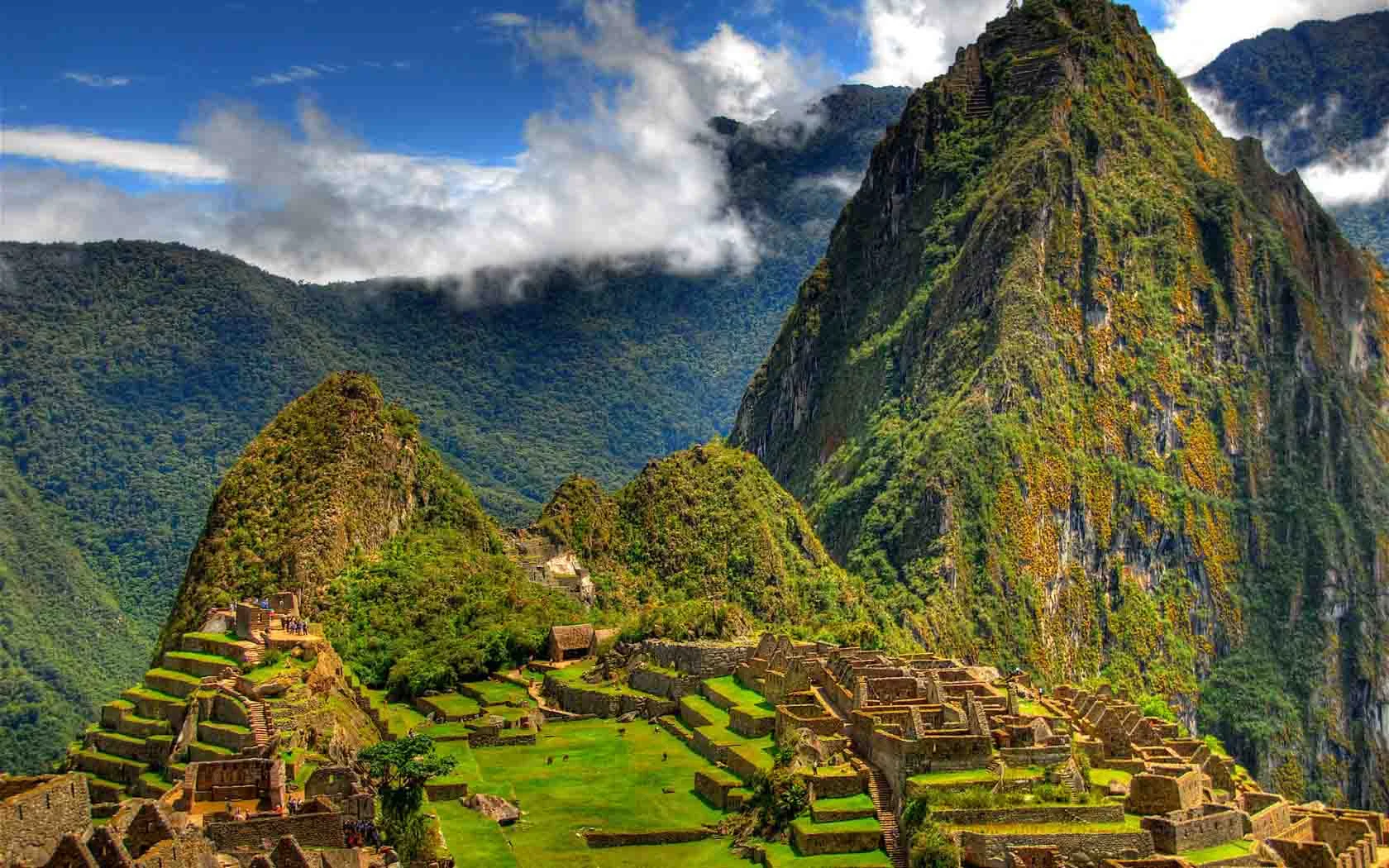
In 2024, a team of Peruvian archaeologists led a new research phase at Machu Picchu, the first since 2016. Funded by the Ministry of Culture, this initiative is part of the “part of the Ministry of Culture’s archaeological and interdisciplinary conservation research program for the Machu Picchu Historical Sanctuary.” The program covers 19 archaeological sites, with a specific focus on Machu Picchu’s Sector III, including the central and sunken plaza.
The renewed investigation is driven by the need to assess the condition of the site's structures and cultural artifacts, which have faced centuries of weathering and the impact of millions of visitors. The 2024 phase included an investment of approximately 100,000 soles, supporting fieldwork focused on conservation assessment and documentation. The research phase was designed to proceed without disrupting visitor access, allowing tourism to continue while conservation teams gathered updated condition data.
This research is particularly significant due to Machu Picchu's status as a major cultural and historical landmark. The findings are expected to offer valuable data on Inca construction techniques and the current state of the site’s architecture, contributing to ongoing conservation efforts.
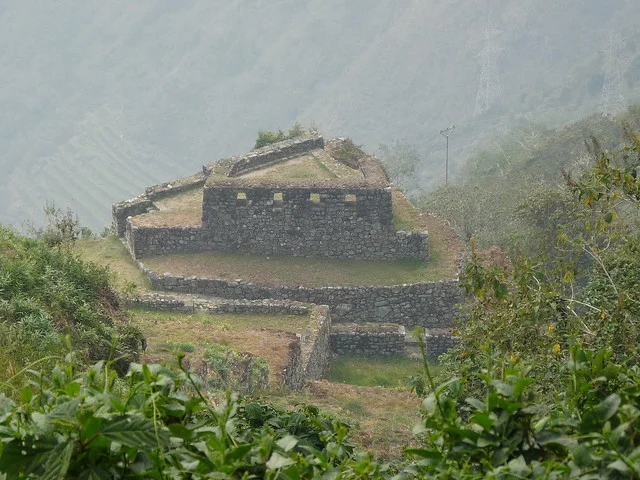 Sacred Valley's uphill ascent to the Machu Picchu adventure
Embark on an unforgettable multi-day hike through the Sacred Valley, exploring vibrant Andean culture and breathtaking views while journeying to Machu Picchu.
Request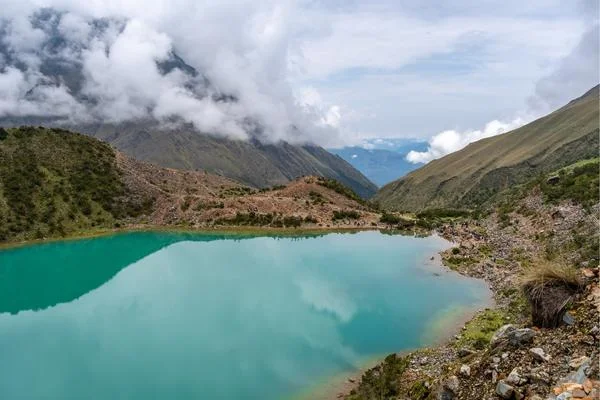 Grand Andean Experience to Machu Picchu | 10-Day Andean Journey
Embark on a 10-day Andean adventure filled with breathtaking treks, rich culture, and a guided exploration of Machu Picchu in the Sacred Valley.
Request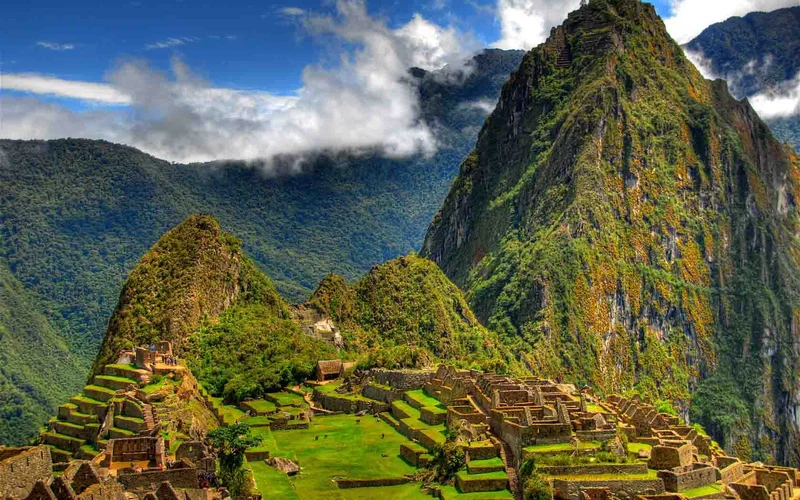 The cultural wonders of Peru: Machu Picchu and Lake Titicaca
Embark on a 10-day journey through Peru’s breathtaking landscapes, from historic Lima to the majestic Machu Picchu and serene Lake Titicaca, embracing luxury an
Request
Machu Picchu has been a focal point of archaeological interest since American explorer Hiram Bingham "rediscovered" it in 1911. While local Indigenous people always knew about the site, Bingham’s expedition brought it to global attention, initiating a century of archaeological exploration. Over time, researchers have uncovered extensive information about the site’s construction, purpose, and daily life of its inhabitants.
Key archaeological projects in the 20th century, including those led by Peruvian archaeologist Luis E. Valcárcel in the 1940s and later efforts in the 1980s and 1990s, have deepened understanding of Inca society and contributed to Machu Picchu's designation as a UNESCO World Heritage Site in 1983.
The current project builds on this legacy by investigating the site’s physical state to ensure its preservation for future generations. It highlights the challenge of balancing conservation with the demands of being a major tourist destination. Each year, millions visit Machu Picchu, raising concerns about the site's preservation amidst the influx.

The project, overseen by the Ministry of Culture and the Dirección Desconcentrada de Cultura de Cuzco, aims to ensure that all interventions follow strict guidelines to protect the site's historical integrity. Maintaining the authenticity of Machu Picchu while addressing deterioration involves using materials and techniques similar to those originally used by the Incas.
This ongoing research also underscores the importance of regular monitoring and maintenance to prevent further damage and plan effective conservation strategies. Machu Picchu's global significance as a UNESCO World Heritage Site reflects its universal value and the importance of the research and conservation work being conducted.
The current project not only contributes to a deeper understanding of Inca culture but also offers potential insights for preserving other Inca sites in the Andean region. By sharing new findings with the public, the researchers aim to enhance visitor experiences and foster greater appreciation for the site's cultural value.
The resumption of archaeological work at Machu Picchu represents a significant step in protecting and understanding this iconic site, ensuring it continues to inspire and educate future generations.
Updated for 2026: The 2024 conservation research phase continues to shape monitoring priorities as authorities balance preservation with visitor access.