
Peru can be visited year-round, with experiences that vary by region and climate.
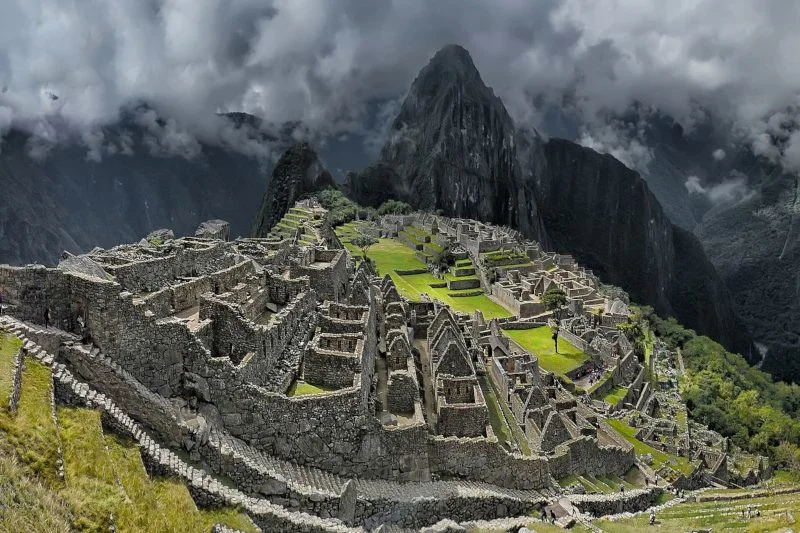

Peru is considered as one of the most diverse and culturally charming countries in the World; its rich History takes us back to the incredible thrive of the powerful Inca Empire that chose this wonderful country as their Capital to reign over most of South America. The natural beauty of the Amazon Rainforest, the Sacred Valley, the Andean Cordillera and of course, the charm and friendliness of its local Indigenous Communities all together makes your Peru Vacation package an unforgettable experience.
From USD 4569,00 pp
Peru
12 Days
Luxury Peru
Explore Peru in 12 days: Amazon cruises, gourmet dining, Machu Picchu, and guided tours blending adventure, culture, and relaxation.
From USD 7350,00 pp
Peru
10 Days
The Cultural Wonders Of Peru: Machu Picchu And Lake Titicaca
Explore Peru's highlights in 10 days, from Lima to Machu Picchu and Lake Titicaca, with luxury stays, rich history, and vibrant culture.
From USD 4475,00 pp
Peru
10 Days
Peru Itinerary 10 Days Peru Travel Itinerary
Embark on a 10-day luxury tour of Peru, exploring Lima, the Amazon, Cusco, Sacred Valley, and Machu Picchu with expert guides.
From USD 2449,00 pp
Peru
9 Days
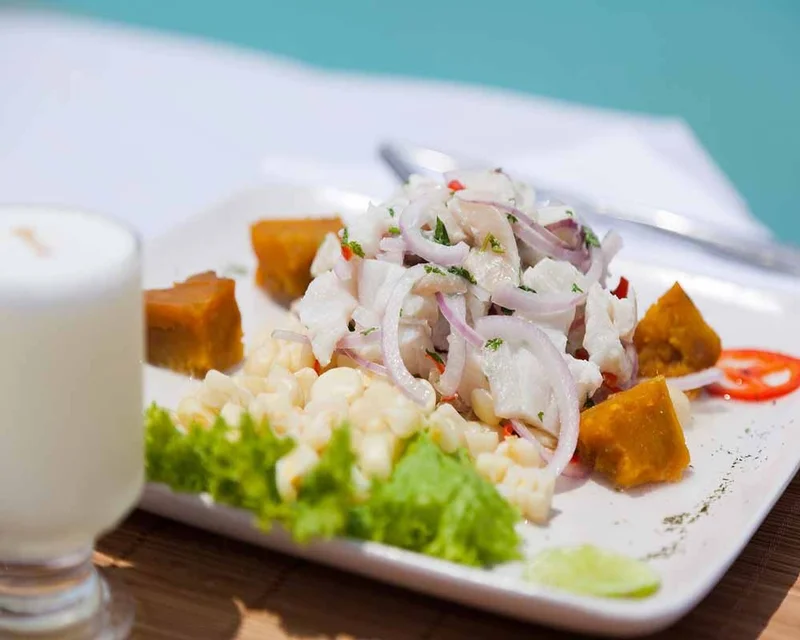
Peru Gastronomic Tour
Explore Peru's flavors on a 9-day tour with gourmet dining, market tours, pisco tastings, and a visit to breathtaking Machu Picchu!
Request a quote
Peru
8 Days
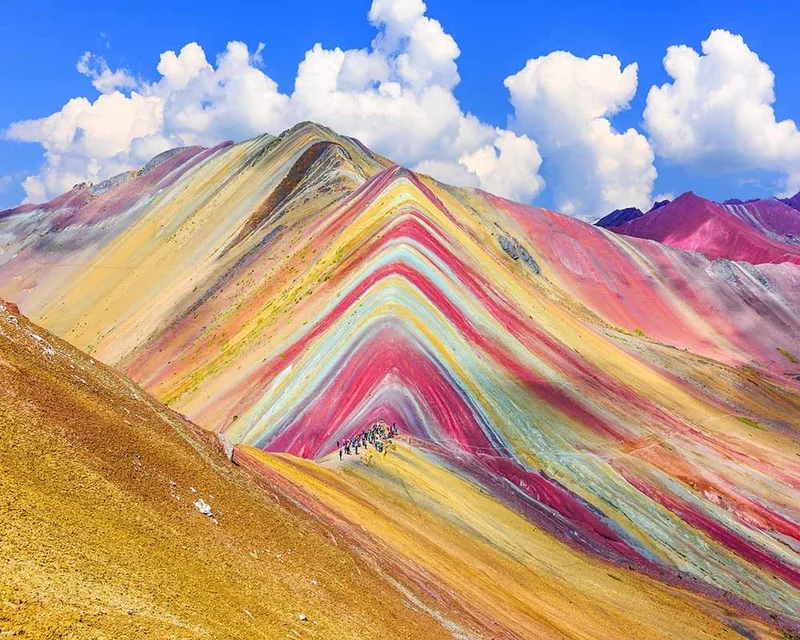
Family Adventure Tour
Discover Peru in 8 days! Visit Lima’s highlights, explore the Sacred Valley, trek to Machu Picchu, and tour Cusco’s Inca sites. Adventure and history await in this unforgettable journey.
From USD 6337,00 pp
Peru
8 Days
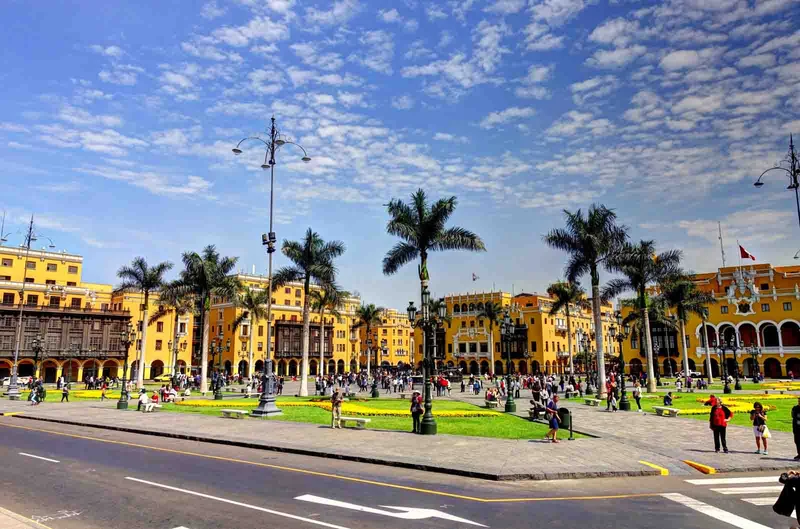
Peru By Belmond Tour
Experience an 8-day luxury tour through Peru, exploring Inca history, vibrant markets, and stunning landscapes with top amenities.
From USD 1495,00 pp
Peru
7 Days
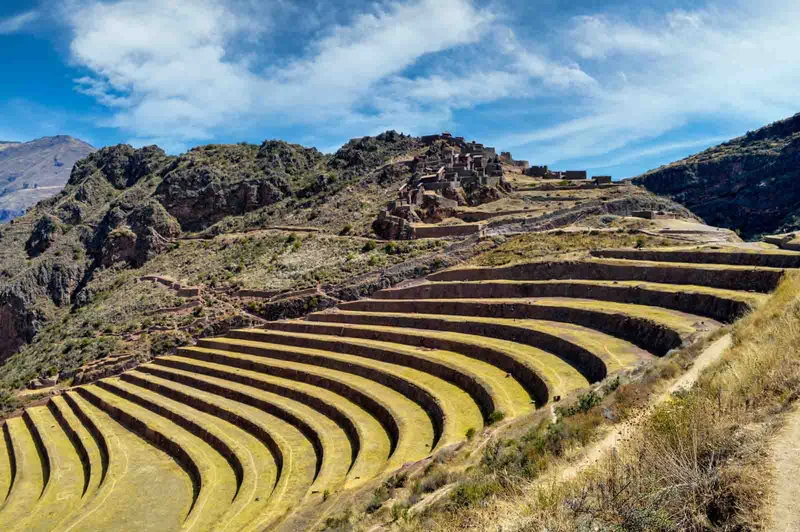
The Inca's Trail
Explore Peru's history, culture, and scenery on a 7-day tour from Lima to Machu Picchu, Sacred Valley, and Lake Titicaca's floating islands.
From USD 2026,00 pp
Peru
6 Days
Machu Picchu Tour Package Cusco To Salar De Uyuni
Explore Peru and Bolivia in 6 days: Cuzco, Machu Picchu, Lake Titicaca, and the stunning Salar de Uyuni. A journey of culture and nature!
The Definitive Peru Travel Guide
The South American continent of Peru is a very popular travel destination, from its popular rain forests and jungles to the many different landscapes and scenery. It’s a truly breathtaking country, which attracts many first-time visitors seeking to explore everything it has to offer.
Aside from the amazing scenery and ancient architecture, many tourists are also attracted to Peru because of its affordability, being one of the most cost-friendly countries in South America to visit. When you combine affordability and must-see destinations like Machu Picchu, it’s no wonder why there is an abundance of interest in planning vacations and long-term travel expeditions.
Traveling to Peru, or any foreign country for that matter, can be overwhelming and filled with questions and concerns, even to seasoned travelers. If you are planning a trip to Peru then you are in luck, because we have created the most definitive Peru travel guide, complete with the most important details and answers to frequently asked questions, like how to get from Cusco to Machu Picchu and more.
This one-stop Peruvian travel guide will help you plan a trip that will be memorable and one of the best experiences of your life.
An Introduction to Peru
Peru is the third largest country in South America, with three regions that make up its nearly 1,300,000 square kilometers. These include:
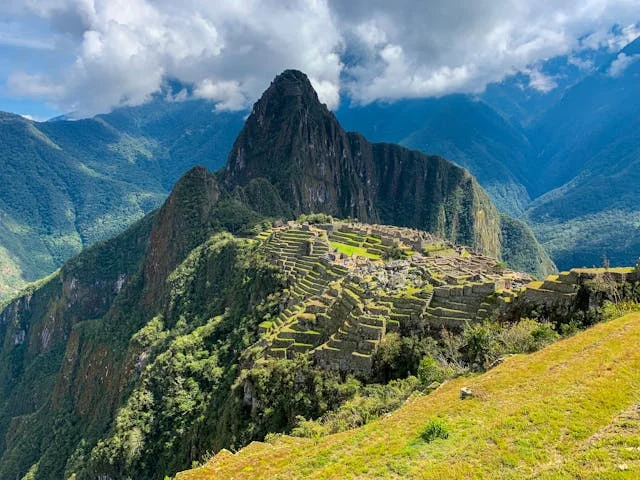
Central (Andean Region)
The central region of Peru is defined by the dramatic Sierra Andes and is home to Machu Picchu, the country’s most globally recognized landmark. Despite occasional natural events such as landslides or seasonal flooding, it remains one of the most visited and culturally rich areas in Peru.
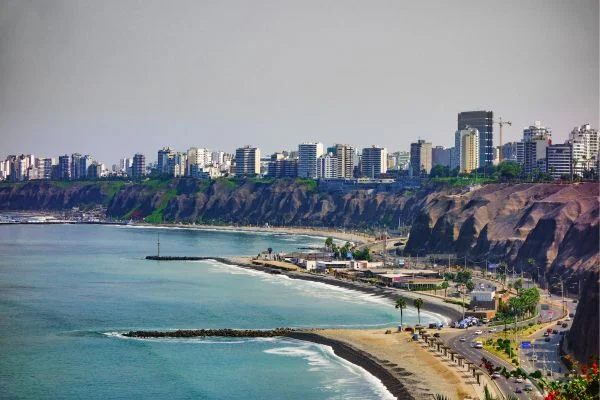
Coastal Region
Peru’s coastal region is characterized by cooler temperatures influenced by cold ocean currents and warm desert landscapes, often creating a light coastal fog. Lima, the capital city, is located here and serves as the country’s main cultural and culinary hub.
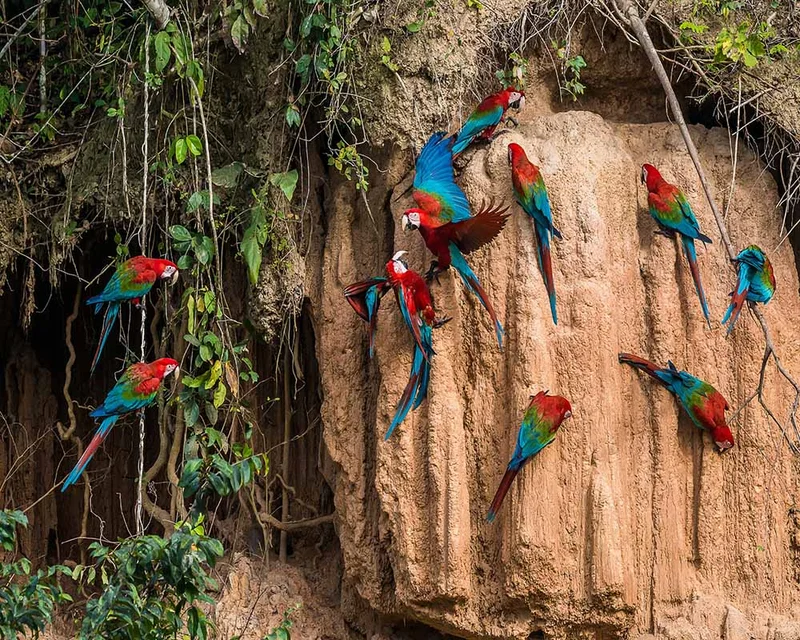
Amazon Forest
The Amazon region covers a vast and remote portion of Peru, much of it accessible only by boat or small aircraft. Due to its isolation and dense rainforest environment, guided exploration is strongly recommended for travelers.
Best Places to Visit in Peru: Top Destinations You Shouldn’t Miss
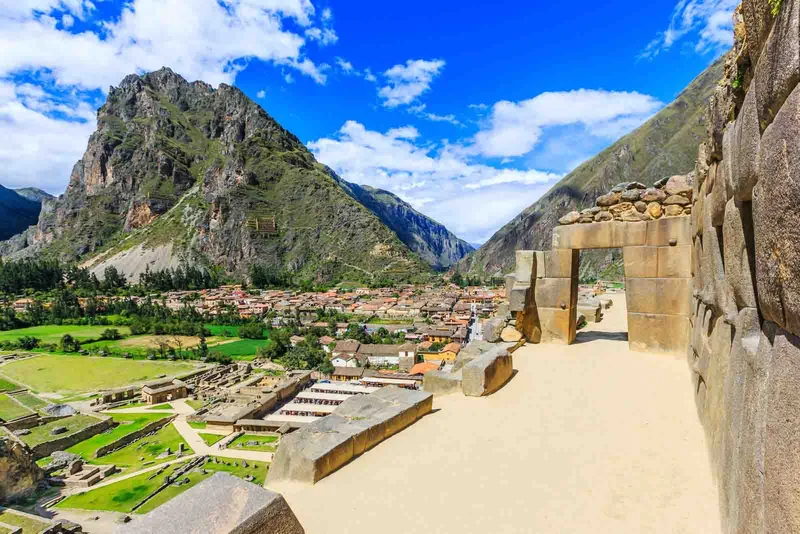
Here we share with you our top natural and cultural destinations to visit as part of a guided tour package. Let us know the places you would like us to include in your travel package. The Peruvian landscape is full of attractions, from the andes mountain range to the Amazon jungle in the east and the green Lima coast to the west. Each location filled with its own charm and enchantment ready to fulfill your adventurous spirit. A visit to Peru is much more than a Machu Picchu Peru Vacation Package, many other sites are worthy of a visit, to name a few: Cusco, Ollantaytambo incan empire ruins, Pisac, Arequipa And The Colca Canyon, the pre-incan Nazca lines, Kuelap, the desert dunes at la Huacachina Oasis, Lake Titicaca and much more.

Photo: martythelewis
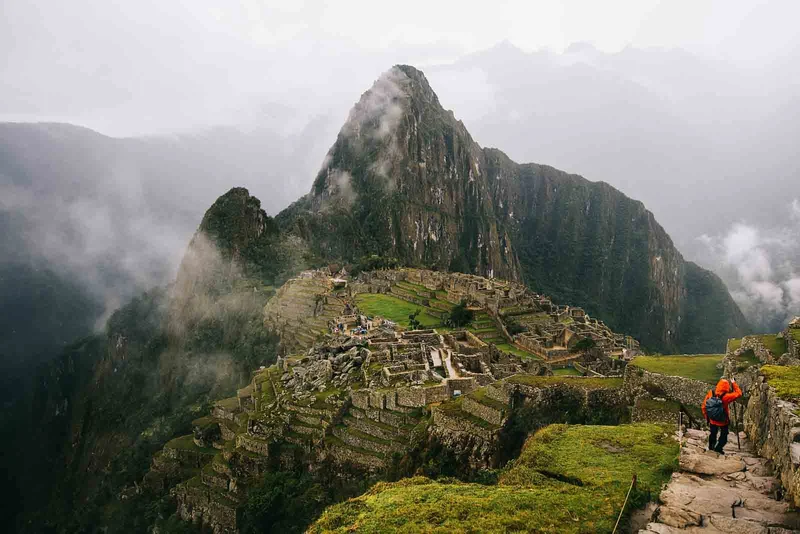
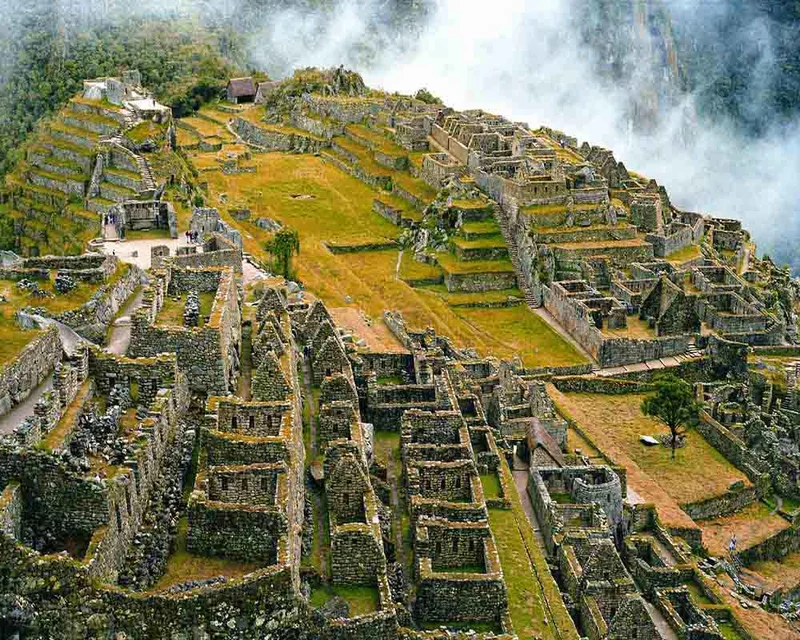
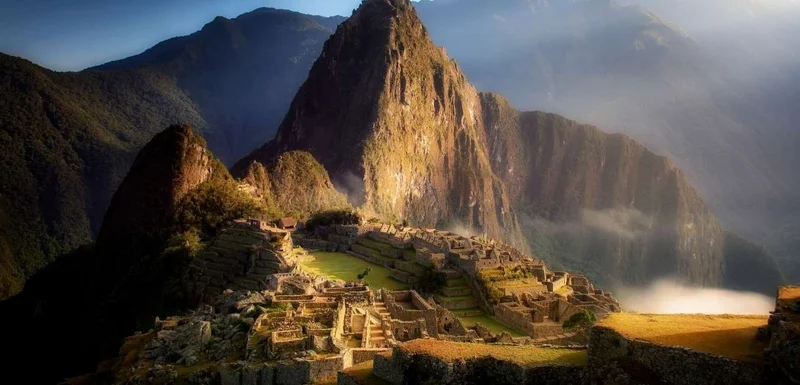
Machu Picchu
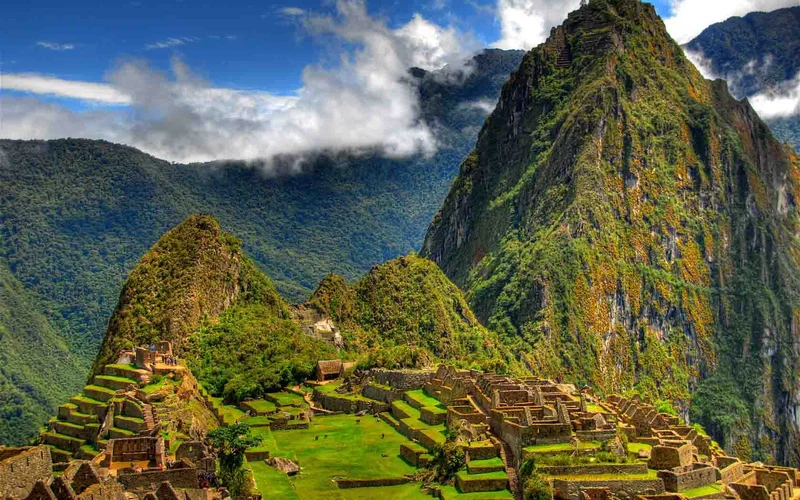
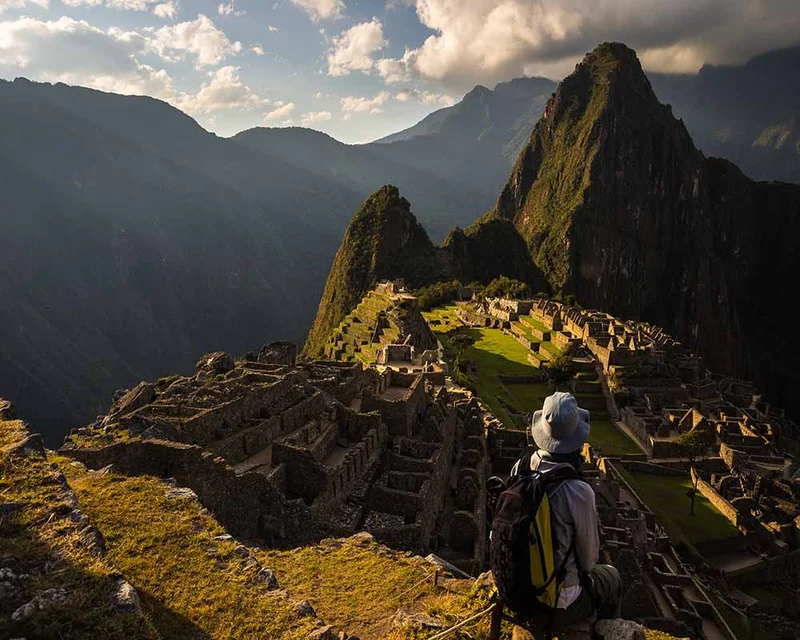
Machu Picchu is Peru’s most iconic destination, set high above the Urubamba River in the Andes. Accessible by scenic train or multi-day treks such as the Inca Trail, the ancient Inca citadel combines dramatic mountain landscapes with extraordinary archaeological significance. Its preserved stone structures and mystical atmosphere make it an essential highlight of any Peru travel itinerary.
Lima
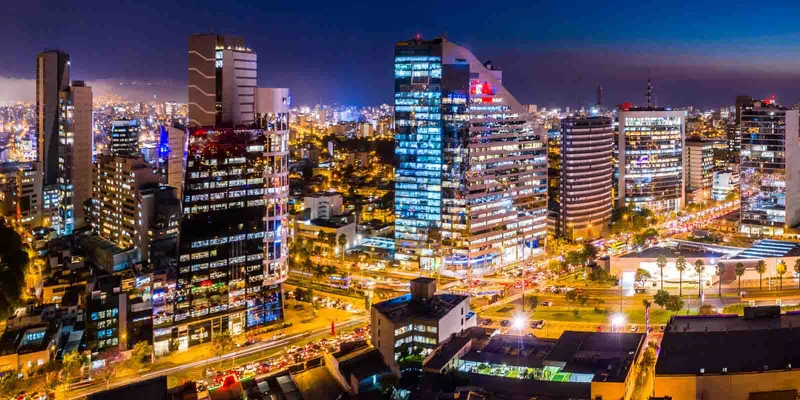
Lima, the capital of Peru, blends colonial history with modern coastal living. Overlooking the Pacific Ocean, the city is known for its historic center, vibrant neighborhoods, and dynamic culinary scene. Recognized as the gastronomic capital of South America, Lima offers world-class ceviche, cultural attractions, museums, markets, and lively nightlife experiences.
Nazca
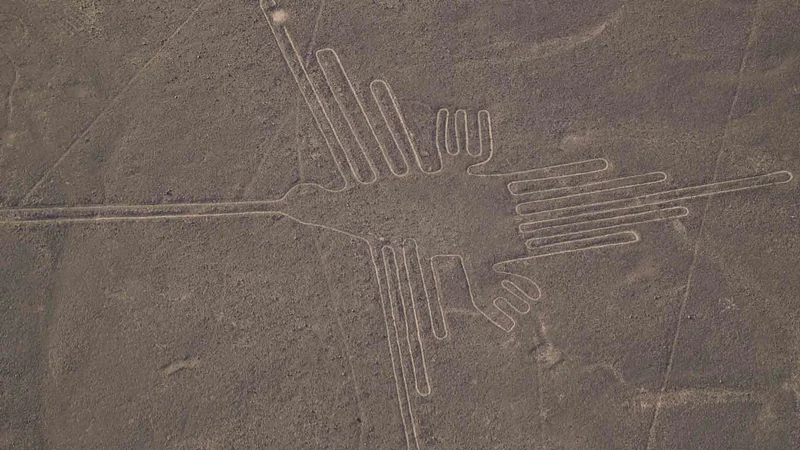
Nazca is world-renowned for its mysterious desert geoglyphs, massive figures etched into the arid landscape centuries ago. Best viewed from the air, the Nazca Lines showcase astonishing precision and scale, with shapes depicting animals and geometric patterns. Their unknown origin continues to intrigue historians, making Nazca one of Peru’s most fascinating archaeological destinations.
Lake Titicaca
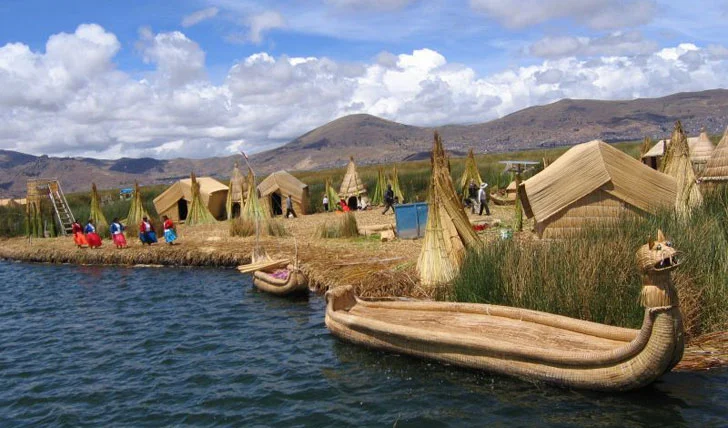
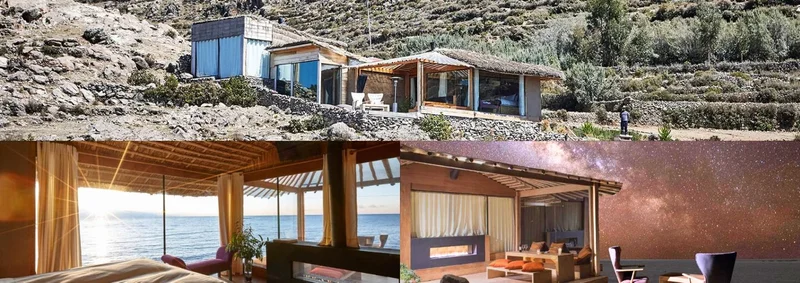
Lake Titicaca sits high in the Andes and is often referred to as the birthplace of the sun in Inca mythology. As one of the world’s highest navigable lakes, it offers breathtaking views and rich cultural heritage. Visitors can explore traditional communities like Taquile Island and experience authentic Andean customs and lifestyles.
Colca Canyon
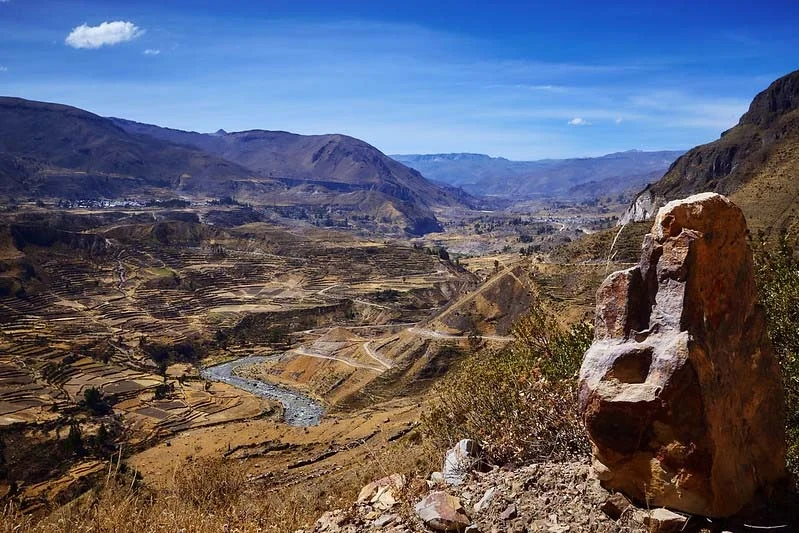
Colca Canyon, located near Arequipa, is one of Peru’s most spectacular natural landscapes. Twice as deep as the Grand Canyon, it features dramatic cliffs, terraced valleys, and scenic viewpoints. The region is also famous for sightings of the majestic Andean Condor, offering travelers a striking alternative to Peru’s more crowded attractions.
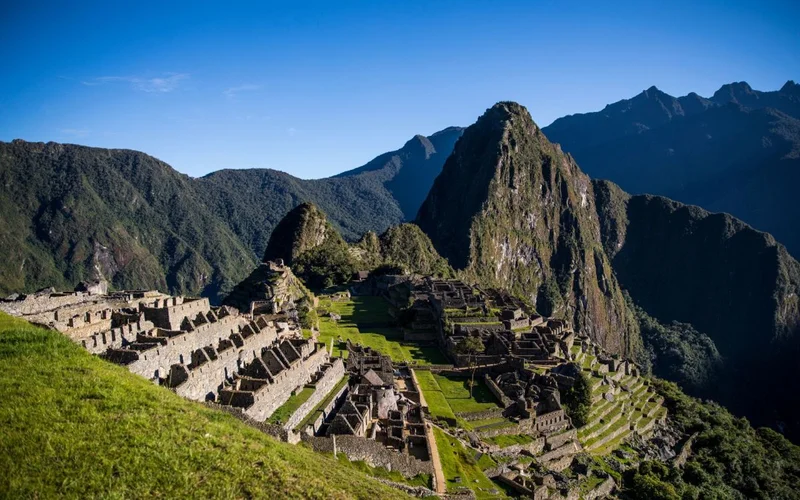
Photo: Dale Gu
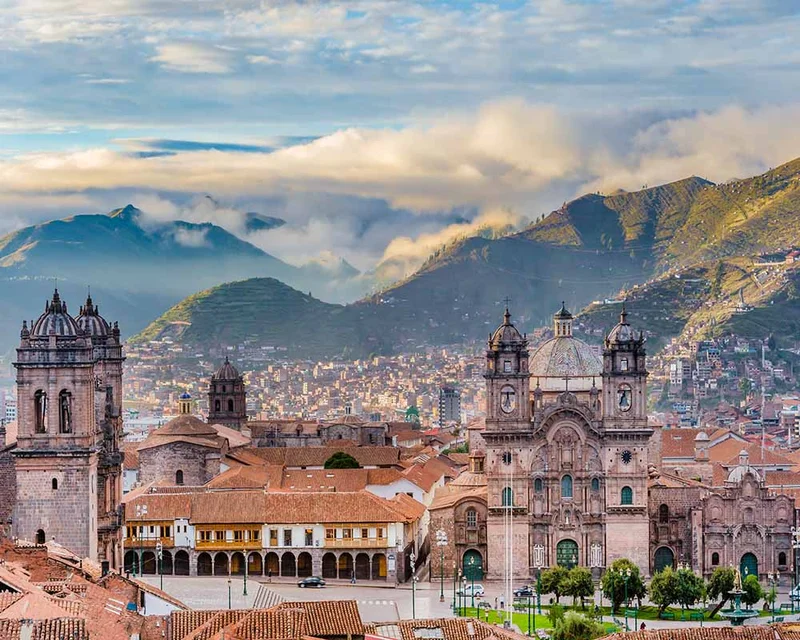
Cusco
Cusco, once the capital of the Inca Empire, is the cultural heart of Peru and the main gateway to Machu Picchu. This historic Andean city blends impressive Inca stonework with Spanish colonial architecture, creating a unique atmosphere found nowhere else in South America. Visitors can explore nearby ruins such as Sacsayhuamán and Qorikancha, stroll through the lively Plaza de Armas, and wander narrow cobblestone streets filled with markets, museums, and traditional cuisine.
Best Things to Do in Peru: Top Experiences and Activities
When most people think about taking a trip to Peru there are a couple tourism staples that come to mind — Machu Picchu and the Inca Trail. These are the two most talked about destinations, and while amazing and must-see, there are so many other experiences that Peru offers.
There are many hidden gems and destinations that are not openly talked about in the mass media. The sand dunes to the rain forests — Peru features a wide range of terrain and sights.
It’s a massive country with so many options, which is why many organized trips are typically around the 10 to 14-day mark, allowing for the visitors to take in as much as possible.
Even at the two-week mark you will not be able to experience all Peru has to offer. So, in an effort to help you maximize your trip to Peru, we decided to put together a list of the top twenty must-do experiences while visiting the country.
Peru Tourist Activities
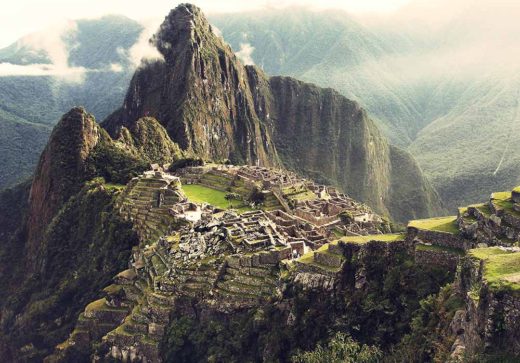
- Trekking: Trekking and Hiking: Peru is land of great contrast and its Andean cordillera is one of the most amazing sites for trekking fans: from moderate effort up to the biggest challenge of them all: the exhilarating Inca Trail Trek following the steps of the Incas all the way to the lost city. There are many other places you can reach by foot volcanic craters, lagoons, Inca ruins & vestiges, Indigenous Towns & Markets and primary/secondary forest in the Amazon region. Of course, there is a lot of magnificent hiking within famous locations, you can reach the summit of Machu Picchu mountain or Huayna Picchu.
- Rafting: The Country is thoroughly crossed by white-water rivers where the adventurous traveler can enjoy the adrenaline along the challenging waters. There are also tours for beginners and families to enjoy the best river exploration ever!
- Biking: Mountain-Biking is very popular among Peruvians and travelers who wish to explore the Country side in a more exciting manner crossing through amazing off-the-beaten trails while discovering the charm of each small town they cross.
- Climbing: The Andean region of this part of South America is home to the most amazing and challenging mountains and snow-capped volcanoes, perfect for beginner and professional climbers. The famous cordillera blanca with the famous Huascaran is one of the planets most acclaimed mountain ranges.
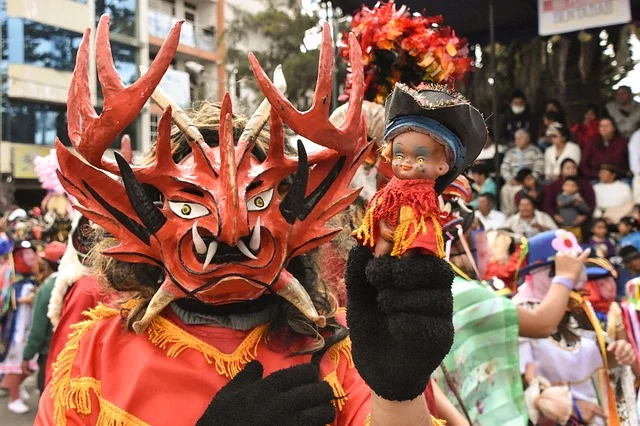
- Cultural Activities: Peruvian Cuisine is famous around the world for its diverse flavors, a unique blend of ingredients from the coast, the andes and the amazon infused by both afro and asian heritage have placed the country's gastronomy at the top of the chart - who hasn't heard of ceviche. There are many museums, art galleries, live music venues and traditional dances. Puno in the south of the country is known as the folkloric capital of South America.
Top Experiences in Peru: 20 Must-Do Activities
0 / 0
Best Time to Visit Peru: Weather and Travel Seasons
The dry season, which occurs from May through October, is known as the best time to visit Peru. These months typically have the brightest blue skies and sunny days. Because of this, these months book full quickly, so if you want to book a trip to Peru at the best time of the year you will need to plan in advance.
January and February are the wettest months, making them the cheapest in terms of hotel rates, with dates between November through April also having a high likelihood of rain. While the rates are lower, you also have to understand that you might not be able to partake in all of the outdoor activities and adventures due to them being rained out.
In terms of temperatures, coastal towns will always be a bit cooler, while some areas, like Machu Picchu, will remain a consistent temperature throughout the year.
How Much Does It Cost to Travel to Peru?
Traveling to Peru can fit a wide range of budgets, from backpacker-style trips to fully customized luxury experiences. For travelers covering basic expenses such as accommodation, meals, and local transportation, daily costs can start at approximately $35–$55 USD per person. These estimates reflect essential travel only and do not include premium lodging, guided excursions, or private services.
For those seeking a more refined experience — including boutique or luxury hotels, private transfers, curated excursions, and fine dining — costs increase accordingly, but so does comfort and convenience. Peru offers exceptional value at every level, allowing travelers to tailor their experience based on priorities, whether that means adventure-focused exploration or high-end personalized travel.
Smart Ways to Manage Travel Expenses in Peru
-
Confirm transportation pricing in advance, especially when using taxis or private services.
-
Book tours and experiences directly with reputable operators to avoid intermediaries and ensure quality.
-
Explore local dining options for authentic cuisine at better value.
-
Plan transportation and activities ahead of time to secure better availability and rates.
Best Hotels in Peru: Where to Stay in Cusco, Lima, and Beyond
When booking your stay in Peru you will be presented with several options when it comes to hotels. While it’s always best to read recent reviews and price-shop, we felt it would be beneficial to highlight three hotels, ranging from luxury and boutique to budget-friendly, in six of the most commonly traveled to cities throughout the country.
In our opinion, these are the best hotels in Peru, and most definitely worth looking into for your lodging needs.
0 / 0
Practical Travel Information for Peru: Essentials to Know Before You Go
Is Peru Safe to Visit? Travel Safety Tips for Tourists
Peru is an amazingly beautiful country to visit, and with a few common-sense precautions you can travel confidently and comfortably. As with any international destination, staying aware of your surroundings and planning ahead will help you avoid most issues and enjoy your trip.
- Pack Immune Boosters: A new climate and environment can impact your immune system, so consider daily support to help prevent minor colds from disrupting your itinerary.
- Know Your Routes: Always know where you are going and the best way to get there, especially when using taxis or private drivers, to avoid unnecessary detours and higher fares.
- Watch Your Valuables: Tourist hot-spots can attract pickpockets, so keep passports, wallets, and phones secure and avoid displaying valuables in crowded areas.
Consider Travel Insurance: Even if you don’t expect to need it, having coverage can be helpful in case of delays, theft, or unexpected medical situations.
What to Pack for Peru: Essential Clothing for Your Trip
If you are planning a long trip to Peru, make sure you pack enough clothing for the duration of your stay. Comfort should be your priority, as many activities involve walking, sightseeing, and hiking throughout the day.
Because you may be active and change outfits more than once daily, plan accordingly. Evenings can be breezy, especially in coastal areas, so packing layers is recommended. Most hotels offer laundry services, which can help you avoid overpacking.
Essential Clothing Items
- Comfortable cotton t-shirts and shorts
- Long pants or jeans for cooler temperatures
- Extra socks and underwear for active days
- Warm layers for breezy evenings
- Athletic sneakers for hiking
- Comfortable walking shoes (cobblestone-friendly)
- Lightweight jacket
- Swimsuit and sandals
- One or two dressy outfits for restaurants
This combination will keep you prepared for hiking, city exploration, and Peru’s varying climates.
Recommended Books and Travel Guides for Peru
Want to do a little reading prior to your vacation to Peru? There are several great books available, with these three being our top recommendation.
- Turn Right at Machu Picchu: Rediscovering the Lost City One Step at a Time
This book by Mark Adams dates back nearly ten years, but it’s still a great read for those interested in Machu Picchu and plan on visiting the lost Incan city. Machu Picchu’s rich history is explained very well and it’s a great book to read before, which will perfectly prepare you for the experience.
- The Heights of Machu Picchu
This book written by Pablo Neruda is another great read for those planning on visiting Machu Picchu, which is a destination the majority of travelers to Peru take in. A poet, Neruda’s book is a 12-part story of his journey to the Inca city. It’s a classic piece of literature that comes highly recommended.
- The Conquest of Incas
John Hemming wrote this book back in 1970, and it’s one that will take you through the journey of the Incas — a nine day trip along the famous Inca trail. Since it’s a place you are more than likely to visit on your trip to Peru, it’s a great cultural tuneup that will give you insight on that journey prior to seeing it first-hand.
Recommended Travel Guide
John Hemming wrote this book back in 1970, and it’s one that will take you through the journey of the Incas — a nine day trip along the famous Inca trail. Since it’s a place you are more than likely to visit on your trip to Peru, it’s a great cultural tuneup that will give you insight on that journey prior to seeing it first-hand.
Peru is an amazing country with so much to see and experience. We suggest that you prepare for your trip by reading a travel guide — but also bring it with you as a resource. With so many on the market we felt it would be beneficial to highlight the most comprehensive one, in our opinion, available:
Lonely Planet’s Peru Travel Guide (ISBN: 9781786573827)
It’s nearly 600 pages and highlights everything from Machu Picchu and the Inca Trail, to Lake Titicaca and the famous nightlife found in Cuzco. It can be found at all major bookstores as well as online in both physical print and digital download.
Aside from its information, it also has plenty of images and maps — all in full color. There are unbiased tips, insight and reviews as well. It’s a great tool that can help make your trip to Peru even more satisfying.
Why choose Voyagers to travel to Peru?
Voyagers Travel's Team are experts in arranging personalized services for your vacation. We have excellent options for couples, families, seniors and groups all throughout the regions of the country. We take pride in working with and hiring local providers - each tour guide, hotel, river cruise, lodge and restaurant choices are all handpicked - to bring authenticity to our trips so our customers can live a true and lively experience on this beautiful Country, from greeting you at the airport all the way to your farewell dinner, we are with you every step of the way. As experts in Latin America travel we can also book optional excursions to other highlights like: Galapagos Islands, Uyuni Salt Flats, Iguassu falls and more.
Latest News in Peru
Related Destinations
Explore Peru your way! 🌍✨ Fill out our form for a tailor-made tour and let us make your travel dreams come true!