Up Close With Andean Deer at Inkaterra Hacienda Urubamba | Travel Blog
Table of contents
The first thing you notice in the gardens at Inkaterra Hacienda Urubamba isn’t the view. It’s the sound: a thin rush of wind through eucalyptus, the soft clink of irrigation, and the occasional bark from a dog somewhere down-valley that never quite finds its target. The air carries that high-Andes dryness: dust, sun-warmed stone, and crushed herbs when you brush past a border of muña. You’re walking like you always do at altitude, a little slower than you want to admit, lungs working harder than your pride. Then the garden stops being a garden and becomes a crossing, one of those quiet moments that makes traveling in Peru feel less like sightseeing and more like being inside a living landscape.
They appear without ceremony: a family of tarucas—Andean deer—stepping from cover as if the hedge were a curtain they’ve used before. You hear it first, the faint click of hooves on hard ground, a small percussion under the breeze, then the gentle tear of grass as they feed. Their coats look practical up close, not romantic—coarse hair meant for cold nights and sudden rain, the kind that leaves your fingertips numb if you’ve forgotten gloves. One adult lifts its head and chews, jaw working steadily, eyes calm in that way wild animals are when they’ve decided you’re background noise. No drama. Just presence.
If you’ve spent time in the Andes, you learn quickly that wildlife sightings aren’t guaranteed, and the rare ones don’t arrive with cinematic timing. Tarucas (Hippocamelus antisensis) are considered Vulnerable on the IUCN Red List, and they’re not a species most travelers casually tick off between cocktails and dinner reservations. Yet here they are, in the Hacienda’s cultivated edges, treating the property like a safe corridor rather than a boundary. The moment has a texture to it—the cool of late afternoon, the faint metallic taste altitude gives you, the hush that falls when people realize they’re watching something that doesn’t perform. The deer don’t pose. They just keep eating.
It’s tempting to turn this into a story about harmony, but the Andes aren’t a greeting card. The Sacred Valley is stitched with roads, farms, construction, and the constant sound of engines climbing grades they don’t enjoy. And still, pockets persist—land that’s managed with enough restraint that a wary species can pass through without panic. When a taruca family chooses to step into the gardens, it suggests more than luck; it suggests the surrounding habitat hasn’t been hammered into silence. You can smell damp soil where the garden beds are turned, and you can feel the drop in temperature as sun slips behind cloud. The deer are telling you, quietly, that the edges still work.
.jpg?alt=media&token=cc3a9bcf-e0f0-473c-9c9a-44f279c446a8)
Up Close, Without the Myth
Watching them at close range is a lesson in what “wild” actually looks like: alert but not theatrical, cautious but not frantic. One youngster hangs back, ears twitching at every new sound—the zip of a jacket, a camera shutter, a laugh someone tries and fails to swallow. An adult shifts its weight and you hear the faint scuff of hoof against earth, then a soft exhale, warm breath in cold air. Their bodies look built for uneven terrain—compact, muscular, made for slopes that leave your calves burning. If you’re expecting something delicate, you’ll be corrected fast. These are animals designed for abrasion.
And there’s the cultural gravity of them, too, which locals don’t need to explain with flowery language. The taruca is an Andean native, part of a landscape where animals aren’t mascots—they’re food, story, symbol, and sometimes competition for pasture. That history is present even in a quiet garden moment, carried in the distant clatter of tools from a neighboring plot, or the smell of smoke when someone burns brush at the end of the day. To see tarucas this close isn’t just “cute.” It’s rare. It’s complicated. It’s a reminder that conservation isn’t a slogan; it’s a daily negotiation with land use.
The Hacienda’s setting in the Sacred Valley helps explain why this happens here more than you’d expect. The valley funnels movement—of people, yes, but also of animals following water, forage, and cover. If the property is managed with habitat in mind—less noise, fewer barriers, thoughtful restoration—then it can function like a soft landing rather than a hard stop. You can hear the river in the distance on a quiet morning, a low steady note under birdsong, and you can taste the sharpness of coca tea if you’re taking the edge off altitude. In that layered environment, a deer family passing through becomes plausible, not miraculous. Still, it hits you in the chest.
Want to experience Peru beyond the highlights—where landscapes still feel wild and the details matter? Explore our Peru tours below, from the Sacred Valley and Cusco to the Amazon, designed for travelers who value nature, culture, and low-impact exploration.
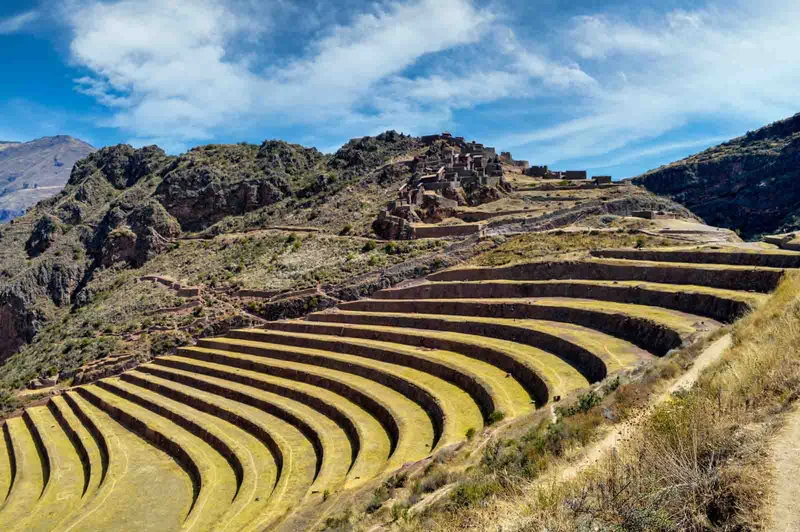 The Inca's Trail | 7 Days Tour | Voyagers Travel
Embark on a 7-day journey through Peru, discovering the vibrant culture, stunning landscapes, and rich history from Lima to Machu Picchu and Lake Titicaca.
Request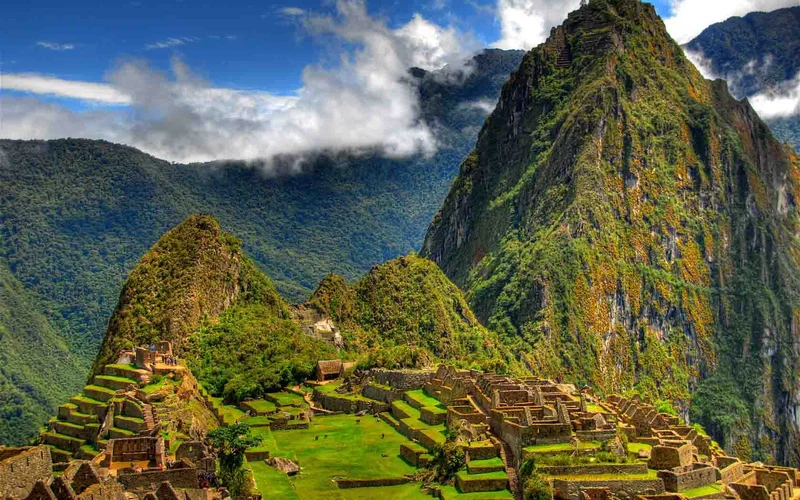 The cultural wonders of Peru: Machu Picchu and Lake Titicaca
Embark on a 10-day journey through Peru, experiencing the luxury, rich history, and vibrant culture from Lima to the breathtaking Machu Picchu and serene Lake T
Request Grand Andean Experience to Machu Picchu | 10-Day Andean Journey
Embark on a 10-day adventure through the Andes, blending trekking, culture, and breathtaking landscapes as you explore the Sacred Valley and visit Machu Picchu.
RequestWhat a Garden Sighting Really Indicates
A sighting like this isn’t proof that everything is fine. It’s a signal—one data point in a larger, messier picture—suggesting that the habitat around the Hacienda remains functional enough to support a species that doesn’t tolerate constant disturbance. Vulnerable status isn’t a mood; it’s a warning backed by declines and pressures, including habitat loss. When tarucas show up near human spaces, it can mean they’re squeezed elsewhere, or it can mean they’ve found a relatively safe pocket. The truth is usually a blend. The air smells of cut grass and wet stone after a brief valley shower, and you can feel mud tug at your shoes if you wander off path. This is not a controlled environment, no matter how manicured parts of it look.
Travelers often ask how to “get” the moment—how to make it happen again, how to photograph it, how close is too close. The answer is: you don’t get it. You receive it, briefly, and then you do the one thing that makes it more likely to happen again for someone else—keep your distance, lower your voice, don’t corner them into a performance. The deer are listening long before you notice they’re there. A zipper, a clumsy step, the high-pitched beep of a phone—those sounds travel cleanly in thin air. If you want the experience to feel honest, let it stay quiet. Let your heartbeat be the loudest thing you bring.
Down in the Lowlands, a Different Kind of Proof
Far from the Sacred Valley gardens, in the Amazon basin of Madre de Dios, the story of wildlife presence is often told in another language: the mute, time-stamped evidence of camera traps. You don’t hear the animal at the moment the image is taken; you hear the forest instead—rain drumming on leaves, insects whining like faulty wiring, distant thunder that never seems to arrive on schedule. Camera traps are less romantic than people imagine. They’re humid, finicky, and forever one bad seal away from failure, but they do something important: they record what doesn’t want to be seen.
In recent fieldwork near a Brazil nut concession area, camera traps captured something that lands with weight even if you’re sitting safely in the Andes reading about it: jaguars. A jaguar is not an “attraction.” It’s a top predator that needs big, connected forest, prey it can actually find, and minimal human pressure to reproduce. One of the most meaningful records wasn’t just an adult passing through, but a big cat moving with its young—an image that suggests the forest isn’t only being used as a hallway, but as a place where life cycles can continue. You can almost imagine the soundless padding on leaf litter, the heavy wet smell of lowland earth, the night air thick enough to drink. The camera doesn’t dramatize it. That’s the point.
Then there’s the short-eared dog (Atelocynus microtis), the so-called “ghost dog,” a canid so elusive most people working in the region will never see one with their own eyes. Classified as Near Threatened by the IUCN, it’s sensitive to deforestation and tends to stick to well-conserved primary forest. When a camera trap catches it, the significance isn’t the thrill of rarity for rarity’s sake; it’s what it implies about intact habitat. No soundtrack, no triumphant narration—just an animal slipping through the frame as if it’s late for something. If you’ve ever stood in Amazon humidity, sweat rolling down your spine, you understand how much effort it takes to gather even one clean record.
And the peccaries—huanganas (Tayassu pecari), listed as Vulnerable—show up like a different kind of weather. When they move in groups, you hear them before you see them: snapping branches, hoofbeats, the huffing churn of many bodies pushing through understory. They tear up soil, disperse seeds, and reshape the forest floor in ways that make new growth possible, the unglamorous engineering work that keeps ecosystems dynamic. Their presence in camera trap footage matters because they’re both ecologically important and heavily impacted by hunting and habitat change. It’s not a nature documentary moment. It’s the forest doing its job, loudly, with a musky animal smell that hangs in the air long after they pass.
Why These Stories Belong Together
It might seem odd to place a quiet garden encounter in Urubamba alongside camera trap images from the Amazon, but the common thread is simple: indicators. In one place, a Vulnerable deer family steps close enough for you to hear them chew. In another, an apex predator and a near-invisible canid pass a sensor in the night, indifferent to our excitement. Both suggest landscapes that still function, at least for now, under the pressure of roads, extraction, and the slow creep of land conversion. The sensory worlds couldn’t be more different—thin, cool Andean air versus warm, wet lowland breath—but the message rhymes. Where habitat remains connected and disturbance is managed, animals still move.
Back at Inkaterra Hacienda Urubamba, the tarucas eventually drift away the same way they arrived—quiet, unhurried, slipping into cover as the temperature drops and evening smells begin to rise from the ground. You’re left with the small human aftermath: a few whispered exclamations, the faint taste of coffee that’s gone lukewarm because nobody wanted to move, the ache in your legs when you remember you’ve been standing too still. The gardens return to being gardens. But you carry the sound of hooves and the soft tearing of grass, a reminder that conservation isn’t always a headline—sometimes it’s a brief crossing, a family moving through, choosing not to bolt. And that choice, in the Andes, is worth paying attention to.