A key part of understanding the unique environment of the Galapagos Islands is gaining an appreciation of how and why they came into existence, the specific circumstances that created them and the Geology that forms this spectacular landscape.
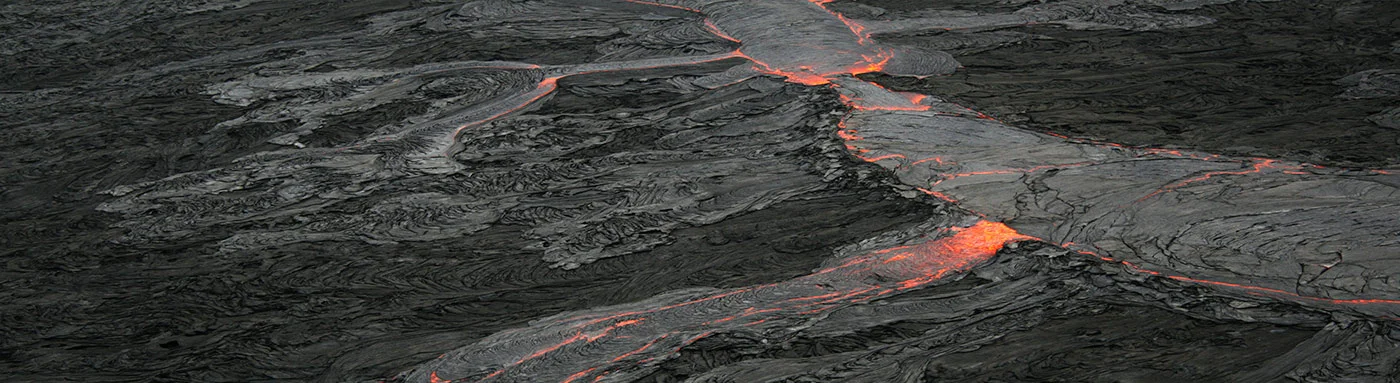
Like many other oceanic islands, the Galapagos Islands are the product of a mantle plume. This happens when a section of rock, deep within the earth’s surface (the exact depth from which the plumes originate is still a matter of debate) becomes superheated, up to 200˚C hotter than normal.
The extreme heat makes the rock less dense than the surrounding Geology, causing it to rise up through the earth’s surface until it reaches the cooler temperatures in the outer layers and is prevented from rising further by the overlying Lithosphere.
As the plume decompresses and cools, it begins to ‘melt’. This melt, or magma, forms in microscopic channels that, as they’re less dense than the surrounding rock, rise rapidly to the surface, forming magma chambers as they meet in the lithosphere.
Generally, the lithosphere extends to around 100km beneath the oceans, and 200km beneath the continents. However, below the Galapagos Islands, the lithosphere is relatively young and only around 15km thick.