Discover Antarctica: A Journey to Earth's Last Frontier | Travel News
Antarctica remains one of the last great frontiers on Earth, drawing adventurers to its dramatic landscapes and unique wildlife. The region is divided into four main areas: South Georgia, the Antarctic Peninsula, Antarctica’s Extreme South, and the Subantarctic Islands, each offering distinct experiences for travelers.
South Georgia features a breathtaking environment dominated by snowy peaks and glaciers, housing one of the largest king penguin colonies. The Antarctic Peninsula serves as a transit point for those crossing the legendary Drake Passage, revealing rich biodiversity along its shores. For those venturing farther south, colossal ice shelves, towering peaks, and emperor penguins await in Antarctica's Extreme South.
 Classic Antarctica Air-Cruise | Voyagers Travel
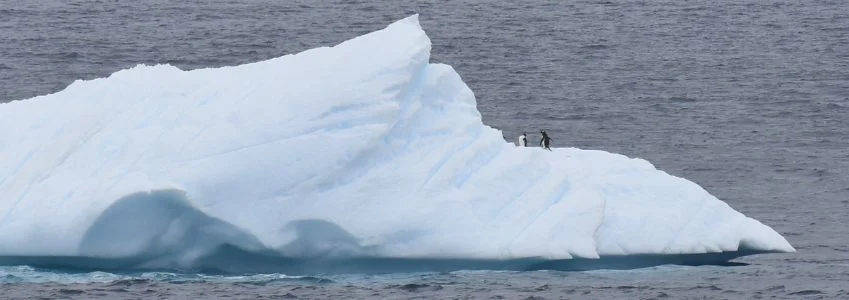
Embark on the Classic Antarctica Air-Cruise and discover breathtaking ice fjords, unique wildlife, and awe-inspiring landscapes aboard our expedition ships.
Request Falklands (Malvinas) & South Georgia | Voyagers Travel
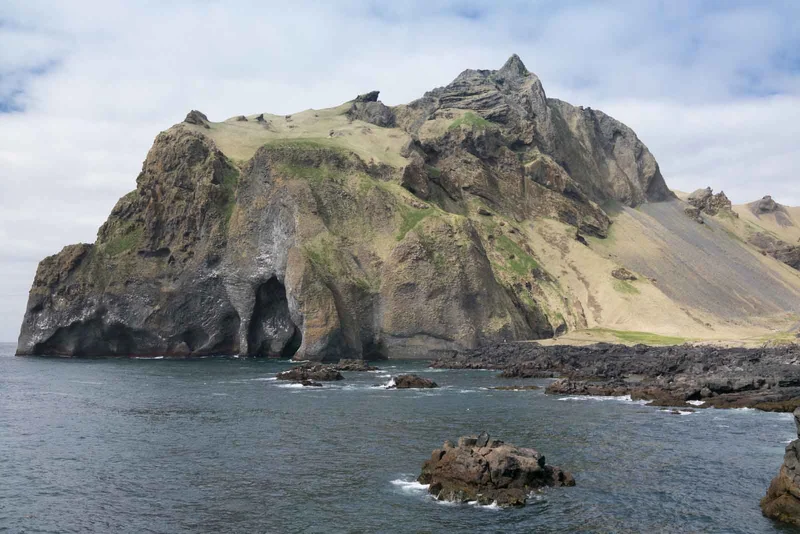
Embark on an unforgettable journey through the Falklands and South Georgia, witnessing majestic penguins, seals, and breathtaking icy landscapes.
Request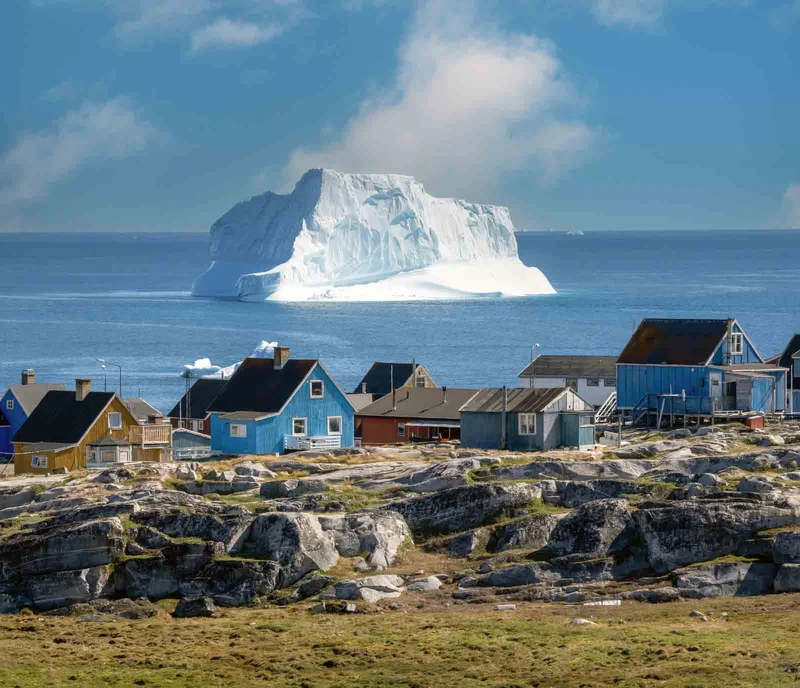 Arctic Ocean - Fair Isle, Jan Mayen, Ice Edge, Spitsbergen, Birding Special
Sailing between the Scottish port of Aberdeen and our most cherished Arctic archipelago, Svalbard, this expedition adventure explores the islands of Fair Isle and Jan Mayen
USD 3300
Ten Surprising Facts About Antarctica
As one of the most unique regions on the globe, Antarctica shelters intriguing phenomena and historical notes:
-
Active Volcano: Mount Erebus on Ross Island is the world’s southernmost active volcano, with its last eruption recorded in the late 1960s.
-
No Time Zones: Due to its sparse population and international governance, Antarctica lacks official time zones; research stations adopt the local time of supporting countries.
-
World’s Largest Desert: With an average precipitation of less than 50 mm, Antarctica is classified as a desert-drier than the Sahara.
-
Birth on the Continent: In 1977, Argentina sent a pregnant woman to Antarctica, where Emilio Marcos Palma became the first known human born there; eight more were born between 1978 and 1983.
-
Mild Temperatures: The Antarctic summer lasts from November to March, with temperatures on the peninsula ranging from -2 °C to 2 °C, though winters can plunge to -92 °C.
-
Chilean Settlement: Villa Las Estrellas is a civilian settlement and research station, hosting around 150 residents in summer.
-
Unfrozen Lakes: Approximately 300 lakes beneath the ice remain unfrozen, heated by geothermal activity from the Earth’s core.
-
Lack of Reptiles: Antarctica is the only continent without reptiles, as these cold-blooded animals cannot survive the icy conditions.
-
Ice Mass: The continent contains about 90% of the world's ice, representing 75% of the global freshwater supply.
-
Ever-Changing Experience: Antarctica offers a variety of seasonal experiences, from penguin mating rituals in November to whale sightings in late summer.
Visitors can only access Antarctica during the summer months, with ongoing plans for more sustainable tourism to help protect its fragile ecosystem while allowing more explorers to experience its wonders.