New Insights from Antarctica's Denman Glacier Robot Study | Travel News
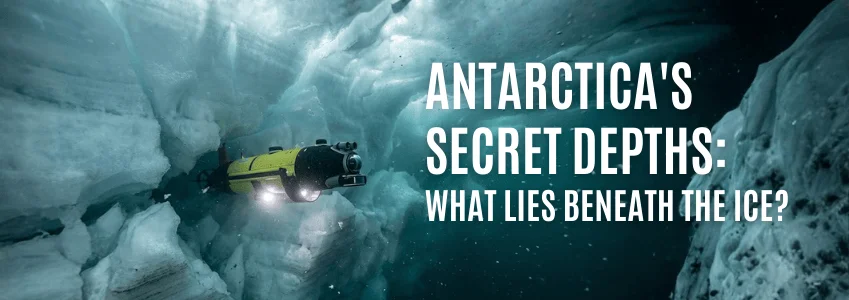
A recent study has unveiled critical data about Antarctica's Denman Glacier, thanks to an unexpected detour by an ocean robot. Originally dispatched by the Australian national science agency CSIRO to gather information from the Totten Glacier, the robot was swept off course and became trapped beneath the Denman Glacier, where it operated undetected for nine months.
The robot, a free-floating device equipped with sensors for measuring water salinity and temperature, was designed to surface every ten days to transmit data to satellites. However, a current redirected its path, preventing it from reaching its intended destination. Instead, it gathered valuable data from an area that is notoriously difficult to study.
Researchers have published their findings in the journal Science Advances, highlighting that the data collected from beneath the Denman Glacier marks the first oceanographic measurements ever documented under an East Antarctic ice shelf. This region is critical as it holds more ice than its West Antarctic counterpart, posing a significant risk to global sea levels if it melts.
Key Findings from the Study
During its time under the Denman Glacier and the Shackleton ice shelf, the robot retrieved essential information about water conditions and iceberg dynamics. It attempted to resurface multiple times, but its efforts were thwarted by the ice shelf's thickness, allowing researchers to compare its measurements with satellite data to deduce its location.
- The Shackleton ice shelf showed no immediate signs of threat to stability.
- In contrast, warm water was detected beneath the Denman Glacier, contributing to its melting.
- Potential global sea level rise from the melting of this glacier could reach nearly 5 feet.
The data yielded from this serendipitous operation underscores the vulnerability of East Antarctica, a region already under pressure from climate change. Future strategies will likely focus on monitoring these effects more closely as the region is identified as critical for understanding broader climatic impacts.
Future Implications
The accidental findings from this robot provide valuable insights into ice melting patterns and water temperatures beneath major ice shelves. These measurements could inform both local and global climate models, allowing for better predictions of sea-level rise and related impacts. Continued research will be essential in the coming years to assess the ongoing changes in these vulnerable ecosystems.