The Evolution of Expedition Cruising: A 1966 Legacy | Travel News
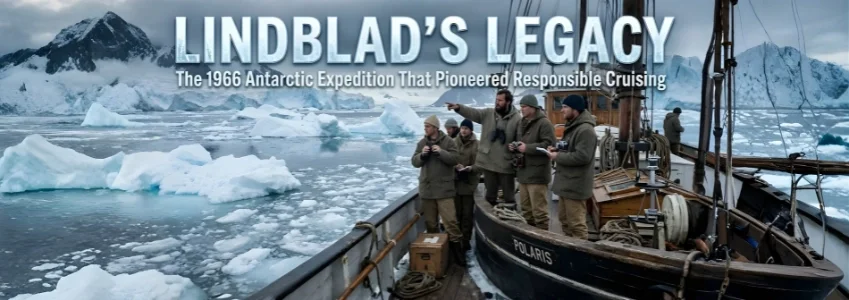
In January 2026, a video was released reflecting on the groundbreaking Antarctic expedition led by Lars-Eric Lindblad in 1966. This voyage is credited with shaping the future of expedition cruising. Sven Lindblad discussed how the journey sparked the growth of the expedition cruising model, which is recognized today for setting the standard in experiential and responsible travel.
This formative expedition not only introduced travelers to the unique and remote landscapes of Antarctica but also emphasized the importance of environmental stewardship. Since then, expedition cruising has evolved, focusing on sustainability and immersive experiences in nature.
Modern itineraries reflect this legacy by combining adventure with thoughtful logistics designed to minimize environmental impact while maximizing meaningful exploration. Some contemporary journeys, for example, begin in Ushuaia at the southern tip of South America, allowing travelers to explore Tierra del Fuego and navigate the historic Beagle Channel before crossing the legendary Drake Passage. After days spent among Antarctic ice landscapes and wildlife such as penguins, seals, and whales, these expeditions may conclude with a return flight from King George Island to Patagonia, offering a seamless way to experience the White Continent while reducing transit time.
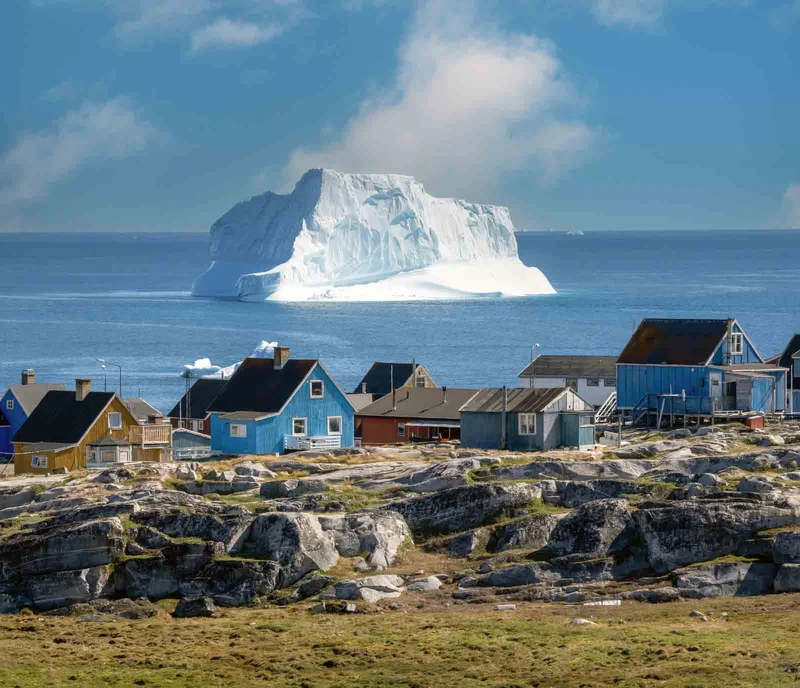 Antarctica Direct: Sail and Fly the Drake Passage Expedition
Embark on an unforgettable sail-and-fly journey to Antarctica. Cross the legendary Drake Passage and encounter stunning wildlife!
Request
What Changed
The 1966 expedition paved the way for a broader acceptance of adventure travel, particularly in pristine and sensitive environments. By combining exploration with education, tour operators began prioritizing conservation efforts to protect these delicate ecosystems. This shift in focus has led to a surge in interest in responsible travel, as more travelers seek authentic experiences that promote awareness and engagement with the environment.
What Happens Next
The conversation around responsible travel continues to grow, with expectations for operators to maintain high standards in sustainability. In the years following the initial voyage, numerous companies have adopted environmentally friendly practices and actively engage in conservation projects. As the industry moves forward, it is likely to see increased pressure to further innovate in ways that balance tourism with ecological integrity.
-
Reflects on a pivotal expedition from 1966.
-
Emphasizes the growth of expedition cruising and its focus on sustainability.
-
Sparks ongoing conversation about responsible travel practices.