Inside a luxury cruise to Antarctica: expeditions, camping trips and penguin colonies | Travel News
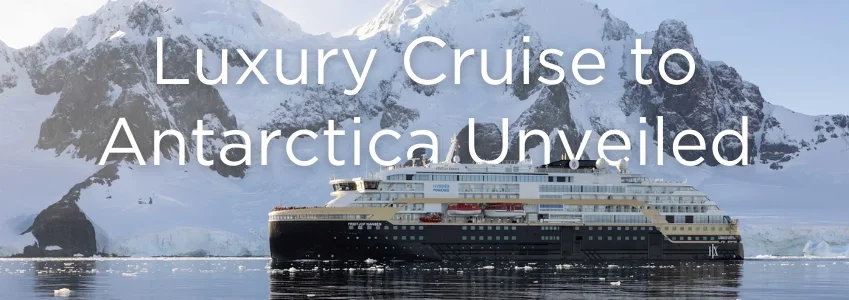
A luxury expedition cruise is offering passengers a way to experience Antarctica that combines wildlife encounters, shore landings and overnight camping with the comforts of a modern ship. A new daily mail documentary episode of Voyagers Travel follows a 12-day Antarctic voyage aboard the hybrid-powered MS Fridtjof Nansen, revealing how these trips operate and what guests can expect.
 Highlights of Antarctica | Voyagers Travel
Join a thrilling 12-day Antarctic journey from Buenos Aires, exploring stunning landscapes and unique wildlife over five unforgettable days in Antarctica.
Request
The ship functions as a floating base camp, allowing passengers to explore glaciers, icebergs and wildlife while returning each day to heated cabins, restaurants and shared spaces. Antarctica, described by crew members as the world’s largest wilderness area, is presented less as a traditional cruise destination and more as a carefully managed expedition.
The journey begins with a crossing of the Drake Passage, typically involving two days at sea. According to expedition leader Torstein Gaustad, conditions during this stretch depend heavily on weather, shaping how active guests can be before reaching Antarctic waters. Sea days are also used for briefings and lectures designed to prepare passengers for landings and wildlife encounters.
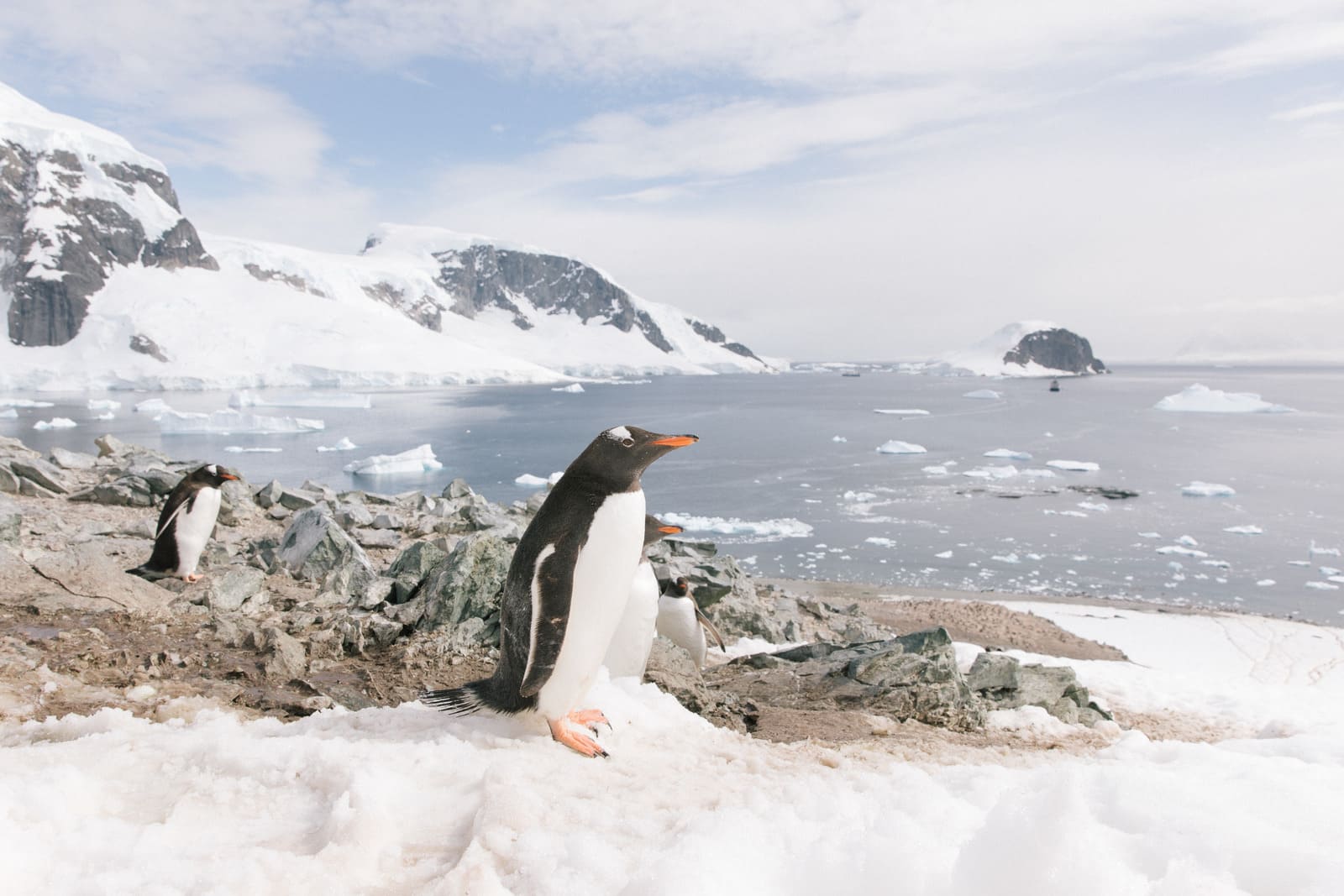
Once on location, excursions may include visits to penguin colonies, guided landings, kayaking among ice floes, ice plunge swims and, for some departures, overnight camping on the continent. Potential stops mentioned in the documentary include Brown Station and Paradise Harbour, though routes remain flexible due to ice and weather conditions.
Life on board the expedition ship
Assistant expedition leader Bob van Beers explains that these voyages are structured more like wildlife safaris than conventional cruises. While the ship provides comfort, the focus is on experiences off the vessel rather than onboard entertainment. The MS Fridtjof Nansen includes a dedicated Science Centre, described by staff as the operational heart of the expedition.
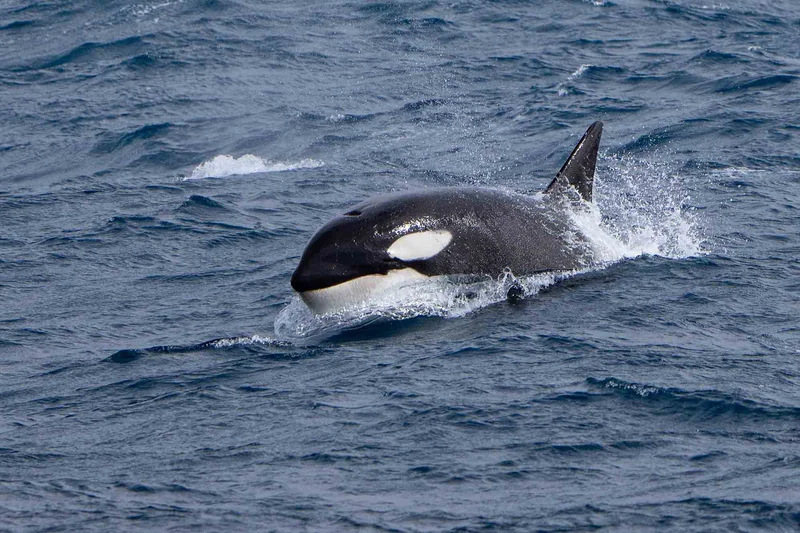
Lectures cover topics such as penguins, whales and citizen science projects, encouraging passengers to observe and document what they see. Staff and guests alike watch for seals and whales during the voyage, with sightings forming a central part of the experience.
-
Typical voyage length: 10 days
-
Transit to Antarctica via the Drake Passage
-
Daily shore landings and small-group excursions when conditions allow
-
Educational briefings and science-focused activities on board
Environmental rules and flexibility
Environmental protection is a recurring theme throughout the trip. Environmental scientist Lois Fleming oversees landings to reduce human impact, noting that footprints in the snow can pose hazards for wildlife, including penguins. Guests are instructed on where and how to walk during excursions.
Plans can change quickly in Antarctica. Glacier ice, wind and visibility regularly affect routes, requiring backup options and a high degree of flexibility. Expedition teams plan alternative landings or activities if conditions prevent access to a scheduled site.
Accommodation ranges from standard polar cabins to larger expedition suites, allowing guests to balance time in harsh conditions with onboard comfort. Hotel manager Mateusz Studzinski notes that the contrast between outdoor landings and returning to a warm, well-equipped ship is central to the appeal.
Dining options include a main restaurant serving buffet-style meals, a casual venue offering street-style food and a fine-dining restaurant. A lounge open throughout the day provides drinks and a shared space to reflect on daily excursions.
For passengers featured in the documentary, the combination of strict environmental rules, close-up wildlife encounters and changing conditions defines the experience. While no two days are guaranteed to be the same, the voyage is shaped by constant attention to safety, science and the challenges of operating in one of the planet’s most extreme environments.