
Ultimate Guide: Patagonia Packing List For Adventure Travelers | Travel Blog
Patagonia’s weather is what makes packing tricky. You can have sun, wind, and rain all in the same afternoon. Our guides have seen storms blow through Torres del Paine in the middle of summer, when conditions should have been calm. That’s why the whole packing list comes down to one thing: a layering system you can add to or strip off throughout the day, with proper windproof and waterproof gear underneath.
We share our Patagonia packing list based on experience and many trips throughout the different seasons. We have also done our homework and consulted with our top guides like Alicia, who has spent five amazing years guiding exploring every nook and cranny of the region.
In this guide we will walk you through all the essential clothing, gear, and considerations you need Patagonia trip. From layered clothing options to keep you warm and dry, to the must-have equipment for trekking and camping under the stars, we've got your back.
Get ready to embark on the adventure of a lifetime with total confidence and preparedness - we can't wait to hear all about it when you get back!
Table of content
Key Takeaways
- Pack layered clothing options like merino wool or synthetic base layers, fleece jackets, and waterproof shells to stay warm and dry in Patagonia's unpredictable weather. Gloves, hats, and thick socks provide extra warmth.
- Invest in high-quality waterproof and windproof gear, such as a GORE-TEX jacket and a waterproof rucksack or backpack with sealed seams and water-resistant zippers, to protect against sudden rain showers and biting winds.
- Bring essential gear for trekking and camping, including sturdy backpacks like the Berghaus Torridon Women's 60-liter rucksack or Osprey packs, a reliable sleeping bag ated down to 25°F (-4°C), and cooking equipment such as a compact stove, fuel, lightweight pots, utensils, and a water filtration system.
- Prepare for Patagonia's variable climates by packing clothes that are light in the sun, heavy rain, biting wind, and even snow. Quality gear like sturdy, waterproof hiking boots with good ankle support, gaiters, trekking poles, and a four-season tent are essential for staying comfortable in harsh elements.
 Argentinean Patagonia
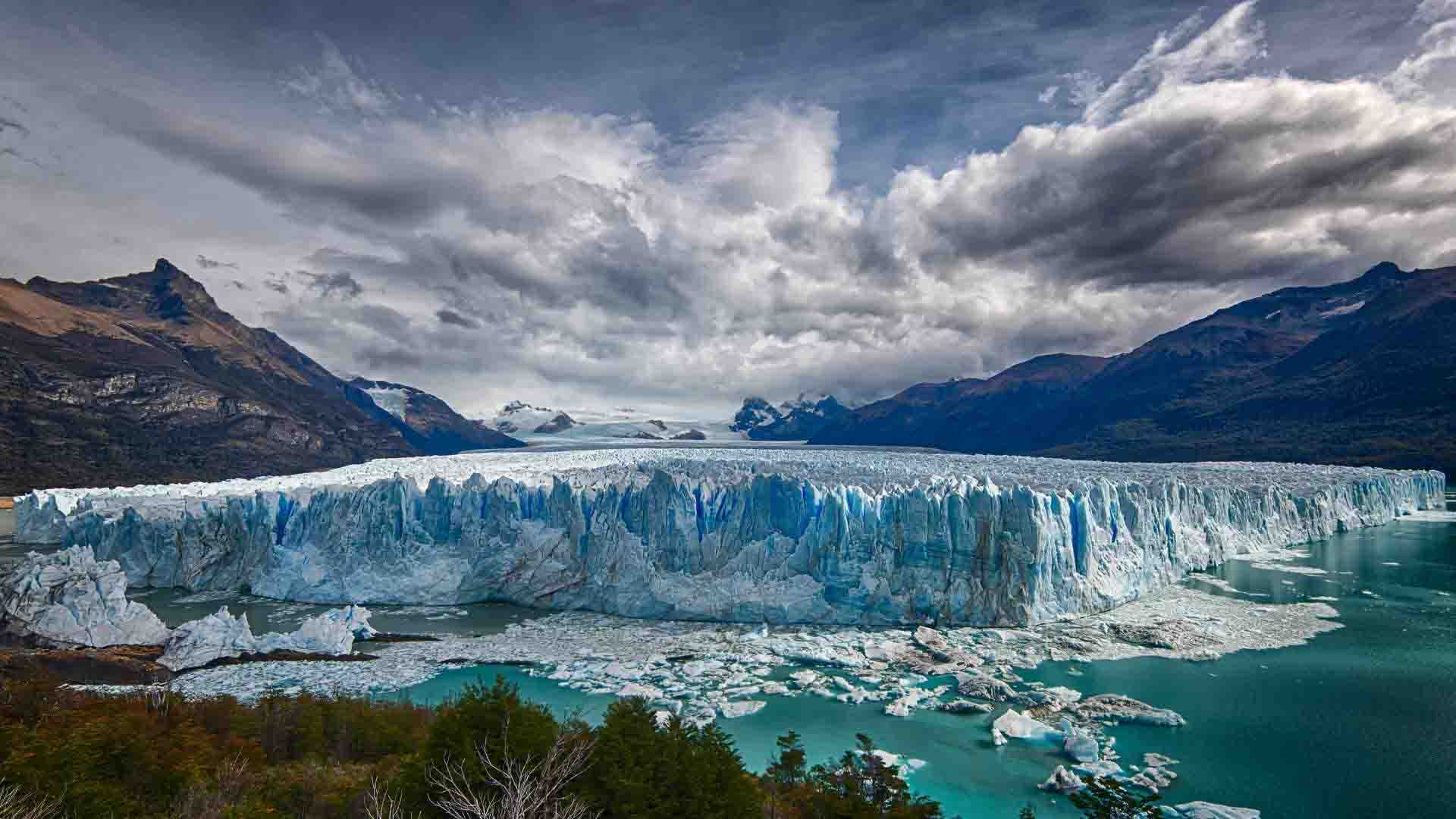
Explore Argentina's Patagonia with stunning glaciers, vibrant landscapes, and iconic wildlife on an adventure-filled tour.
From $1,690.00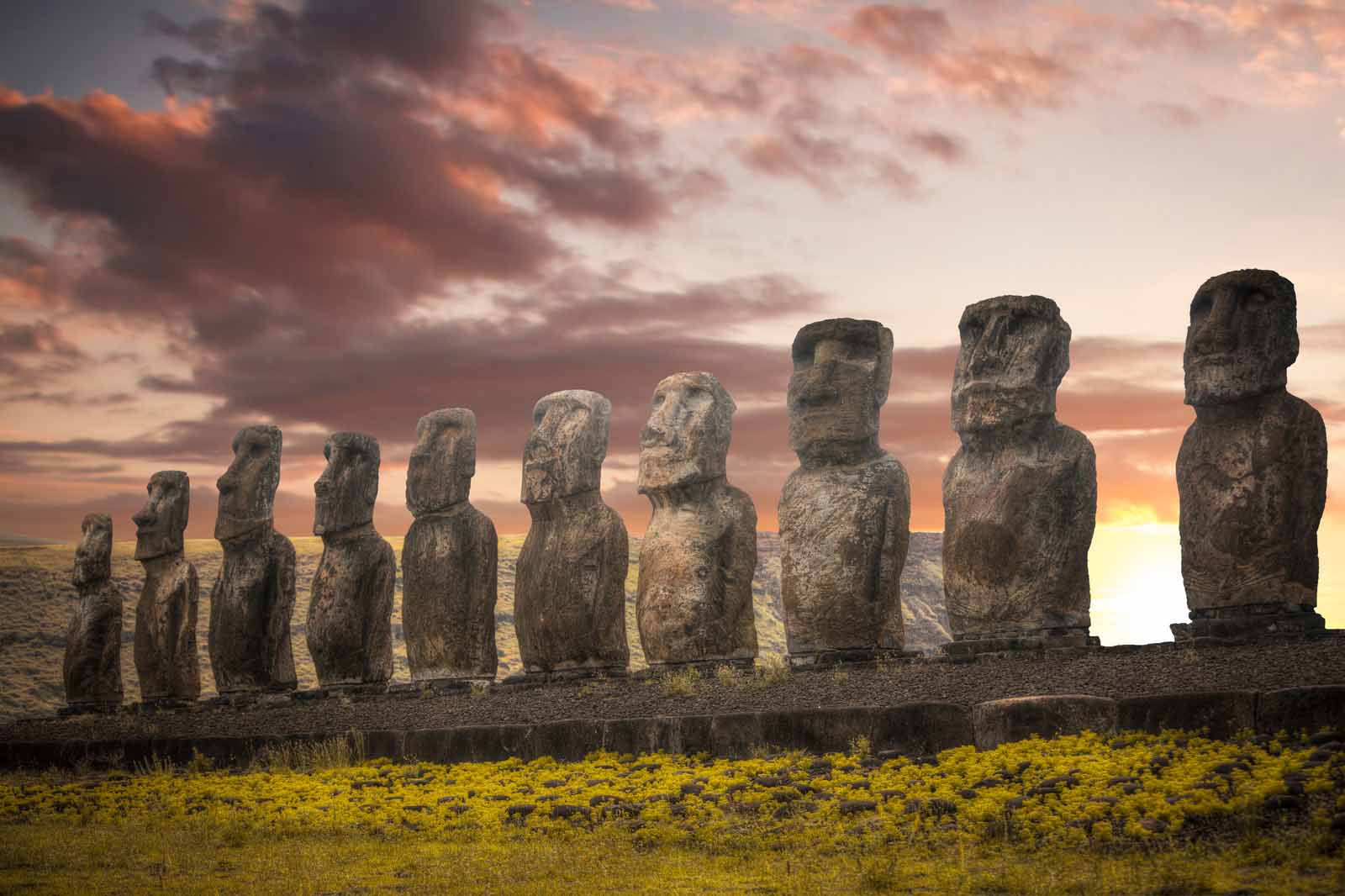 Chilean Patagonia
Explore the breathtaking landscapes of Chilean Patagonia, discovering dramatic fjords, glaciers, and pristine national parks.
From $3,650.00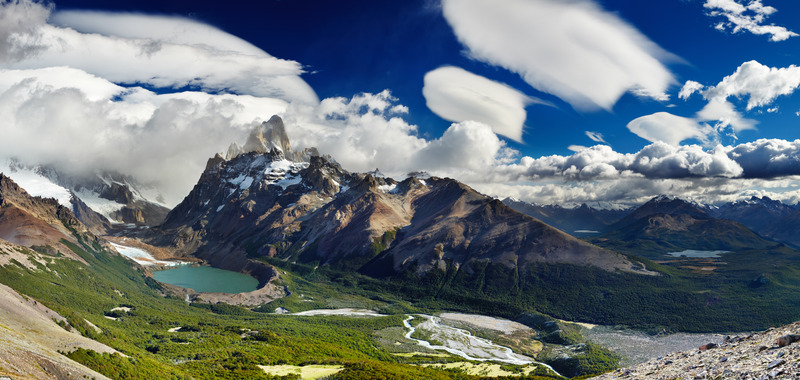 Thrilling Mount Fitz Roy and Torres del Paine Hiking Tour
Experience Patagonia’s stunning landscapes on a challenging hiking tour through the iconic Fitz Roy and Torres del Paine.
Request a quotePacking by trip format
Most packing lists make one mistake. They treat every Patagonia trip the same, even though they aren’t. Match your gear to how you’re actually travelling:
- Small-ship cruise with Zodiac landings. Bring a waterproof, windproof shell, waterproof over-trousers you can pull on quickly, gloves, a warm hat, and footwear that can handle wet-boot landings. Keep your extra layers in a daypack, as you’ll be getting on and off the water throughout the day.
- Refugio or multi-day hike (such as the W in Torres del Paine). This is where the heavier load comes in. You’ll need your full layering system, along with a sturdy backpack and a sleeping bag rated for cold nights. Pack light and use a dry bag or pack liner to protect everything from rain.
- Day hikes from a lodge base. This is the lightest option. A 20–30-litre daypack with water, snacks, a rain cover, and a waterproof, windproof jacket is enough for most days. The heavier gear stays at the lodge.
Essentials change depending on your trip format. Still, the basic rule stays the same: waterproof, windproof, and layered.
Packing for the season you're going
Patagonia’s core season runs from around November to March. Days are longer and generally milder, but it can still be windy, with rain arriving at any time. The layer mentioned above should be enough for most summer days.
Travelling in the shoulder months, heading to higher elevations, or visiting in winter? Add thermal base layers, and don’t skip the warm hat and gloves. Wind can feel especially biting at dawn and dusk. The season mainly determines how much warmth you’ll need. It doesn’t change the fact that you’ll need to pack layers.
What first-timers overpack (and forget)
A few honest lessons from a lot of trips:
- Overpacked: Heavy cotton, one bulky “warm” coat, and too many changes of clothes. Cotton stays wet once it gets soaked, while layers let you adjust as the weather changes.
- Skimped on: The waterproof jacket and a proper dry bag or pack liner. This is not where you want to save weight. Reaching into your pack for a soaked camera is one of the most common first-timer regrets.
- Forgotten: Sun protection. It sounds strange for a cold, windy place, but the UV can be strong. Sunglasses, SPF 50+, and lip balm are worth making room for.
Get the layers and waterproofing right. You’ll end up leaving a surprising amount of stuff at home.
Patagonia’s weather is unpredictable, and the terrain is relentless to those who underpack. Here’s how we’d pack for it, based on real trips across the region in different seasons, not a checklist copied from somewhere else.
We’ve built this Patagonia packing list from years of experience and trips throughout the region in different seasons. We’ve also spoken with our guides, including Alicia, who has spent five years exploring and guiding travelers through the region.
This guide covers the clothing, gear, and small choices that can make a real difference on a Patagonia trip. Start with layers that keep you warm and dry, then add what you’ll need for hiking, camping, and nights out on the trail.
Essential Clothing and Footwear for Patagonia
The right clothing and footwear can make or break a day out here. Layer breathable, quick-drying fabrics like merino wool or polyester so you stay warm when temperatures drop and dry when the weather turns, which it will.
Waterproof hiking boots with good ankle support are essential on rough trails. Add a reliable rain jacket, gloves, and a warm beanie to handle the wind and rain.
Layered clothing options
We recommend packing clothes that you can layer throughout your Patagonia adventure. Start with breathable base layers, such as merino wool or synthetic tops and leggings, to wick away moisture and keep you dry and comfortable on the trails.
Over the base layer, add a fleece jacket or pullover for warmth, then a waterproof, windproof shell to protect you from the elements. A lightweight synthetic down jacket, like the ones from Jack Wolfskin, adds extra warmth without taking up too much space in your pack.
For your lower half, choose quick-drying hiking pants with plenty of stretch, such as the PRANA line for women or REI options for men.
Temperatures can change quickly between day and night. Make sure to pack layers that are easy to add or remove as conditions change.
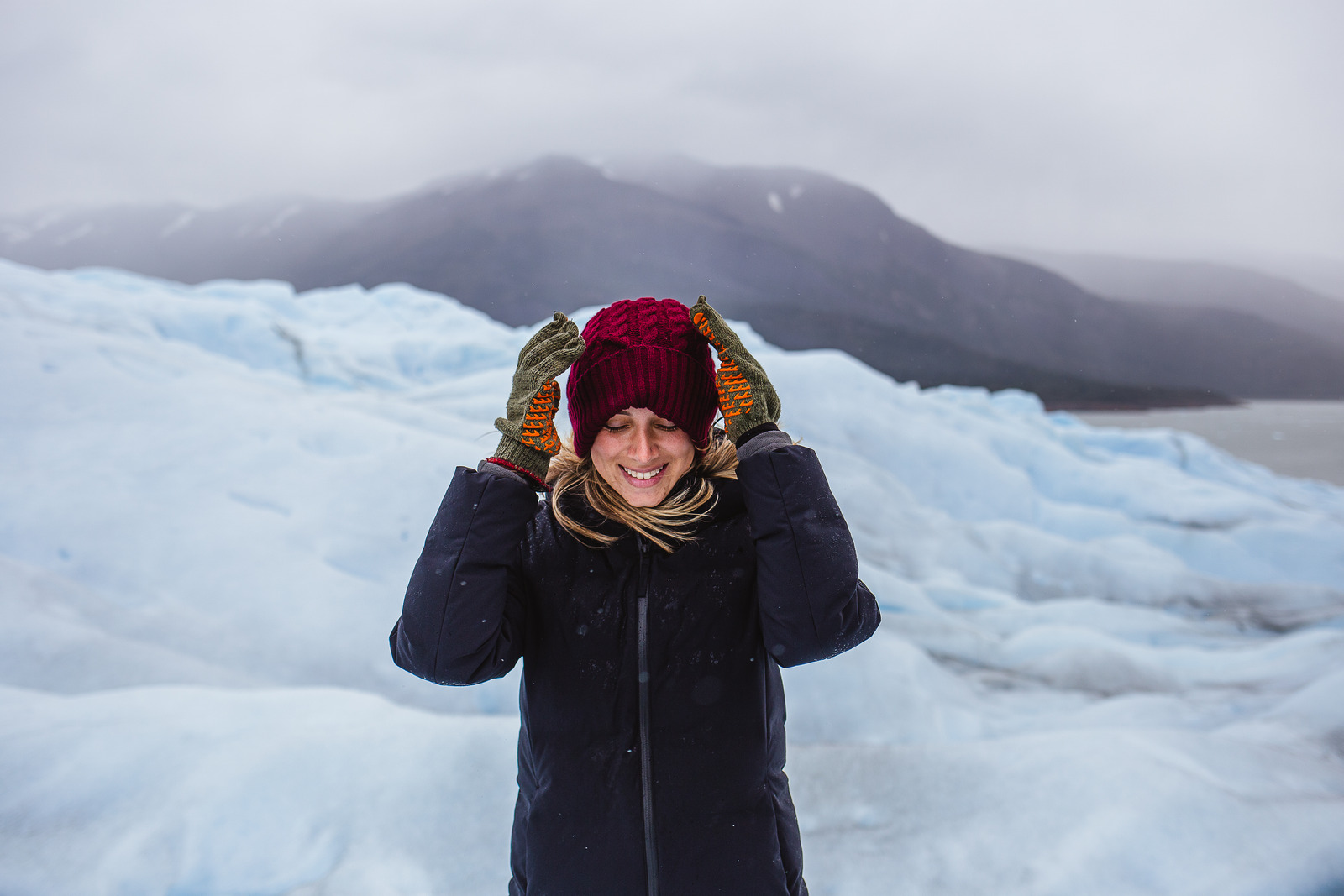
Gloves, a warm hat, and thick socks provide extra warmth when needed. And don’t forget a swimsuit for a dip in the glacial lakes. With a few well-chosen layers, you’ll be ready for Patagonia’s changing weather, from sunny afternoons to rainy mornings on the trail.

Waterproof and windproof gear
Don’t skimp on waterproof and windproof gear. A good GORE-TEX jacket should be included in your pack. It will keep you dry and comfortable when the weather turns nasty. In Patagonia, that can happen quickly.
We’ve seen firsthand how unpredictable the weather can be in places like Torres del Paine and Los Glaciares National Parks, so a good jacket is essential. However, a good jacket isn’t enough. Choose a backpack that can handle rain, ideally with sealed seams and water-resistant zippers.
For extra protection, use a dry bag or pack liner inside your backpack. A sudden shower can soak through quickly. The last thing you want is to reach for your camera or snacks and find them drenched.
Must-Have Gear for Hiking and Camping
Cruising and hiking require different packing strategies. If you’re carrying your camp for several days instead of stepping off a Zodiac, you’ll need a different set of gear. To avoid bringing things you won’t be using, here’s what’s worth carrying on the trails and at camp:
Backpacks, sleeping bags, and cooking equipment
For a Patagonia adventure, you’ll need a sturdy backpack that can carry your gear comfortably on longer treks. We recommend the Berghaus Torridon Women’s 60-liter rucksack or Osprey packs for their durability and support.
A 25-liter Lowe Alpine daypack also works well for shorter hikes. A reliable sleeping bag such as the Nemo Disco 15, rated down to 25°F (-4°C), will help keep you warm on cold nights.
"There is no bad weather, only inappropriate clothing." - Sir Ranulph Fiennes
Cooking under the stars is part of the Patagonia experience. We recommend bringing a compact stove, fuel, lightweight pots and utensils, and a water filtration system. A headlamp or lantern is also essential once the sun goes down.
By packing smartly, you can keep your load under 20 pounds before adding water.
Photo: Kamchatka
Final Recommendations
Layering is key: start with quick-drying, breathable base layers, add fleece or wool for warmth, and top it off with a waterproof, breathable shell. Don’t forget a warm hat, gloves, and extra socks.
When we hiked the W Trek in Torres del Paine, having the right layers made all the difference when a sudden summer storm rolled in.
That’s really all it comes down to. Warm layers, sturdy boots, and gear that can handle the weather. Get it right, and this can be one of the greatest hikes of your life. Get it wrong, and you’ll be cold, wet, and counting the hours.
Summarized Packing List
- Weatherproof Jacket: Patagonia’s weather can change quickly. One minute it’s sunny, and the next it’s raining. Pack a waterproof, windproof jacket to keep you dry and protected from strong winds.
- Layered Clothing: Temperatures can vary throughout the day, so layers are your best friend. Start with a quick-drying base layer, add fleece or wool for warmth, and finish with a waterproof outer layer.
- Quick-Dry Pants: Choose hiking pants that dry quickly and are comfortable and breathable. They’re especially useful on wet and windy trails.
- Thermal Base Layers: If you’re heading to higher elevations or travelling in winter, bring thermal layers to help keep you warm when temperatures drop.
- Sturdy Hiking Boots: Patagonia’s trails can be rough and wet. Waterproof hiking boots with good ankle support provide the traction and stability you’ll need on uneven ground.
- Warm Hat and Gloves: Patagonia’s winds can be fierce, especially at dawn and dusk. A warm hat and gloves help keep you comfortable when temperatures drop.
- Backpack: A 20–30-liter weather-resistant backpack is a good size for Patagonia hikes. It should hold essentials such as water, snacks, a rain cover, and a first-aid kit without weighing you down.
- Water Bottle: Staying hydrated is important on long hikes. Bring a refillable water bottle, and check whether your route has safe places to refill along the way.
- Sun Protection: Cold and windy doesn’t mean weak UV. Bring sunglasses, SPF 50+, and lip balm. Snow and glaciers can reflect strong sunlight, making sun protection important even when it feels too cold to burn.
- Portable Charger: Remote areas of Patagonia can have limited access to electricity. A portable charger keeps your phone and camera ready when you need them.
- Binoculars: Patagonia is home to plenty of wildlife. Binoculars make it easier to spot condors, guanacos, pumas, and other animals from a distance.
- Camera: Bring a camera with extra memory cards and batteries so you don’t run out of space or power when you need it most.
- Snacks and Energy Bars: Long hikes need fuel. Lightweight snacks such as nuts and energy bars are easy to carry and give you a quick energy boost.
- Travel Insurance Details: Choose insurance that covers hiking and remote travel. Also, keep your policy details somewhere that is easy to access. Evacuation coverage is important, too. These parks are far from major towns. Getting out quickly may not always be possible.

FAQs
What should I pack for a Patagonia adventure in Argentina or Chile?
Start with sturdy, broken-in hiking shoes to avoid dealing with blisters on day two. Bring a daypack, a sleeping mat if you’re camping, toiletries, sunglasses, sunscreen with UVA and UVB protection, and insect repellent. And bring layers, as the weather can change quickly on both the Argentine and Chilean sides. You’ll want to add or remove them throughout the day.
What type of camera gear is best for capturing the landscapes of Patagonia?
You don’t need a specific type of camera. Either a DSLR or a point-and-shoot can do the job. The bigger challenge is keeping wind and rain off your camera and lenses, so it’s worth having a weatherproof camera bag. Bring spare memory cards and a lightweight tripod for steady shots. Transfers can be long. If you like to read, a Kindle Paperwhite is an easy addition that doesn’t add much extra weight.
What are some worthwhile destinations in Patagonia for adventure travelers?
El Chaltén in Argentina is a great base for hiking, with exceptional trails. Bariloche offers views of the Andes. El Calafate is known for its glaciers. Ushuaia is the gateway to Antarctica. In Chilean Patagonia, Torres del Paine National Park is worth seeing.
How much cash should I bring for a Patagonia trip?
Bring both cash and cards. Keep some Argentine and Chilean pesos on hand for small purchases and tips, although cards are widely accepted in many places. Before you fly, check whether your bank charges foreign transaction fees and let them know your travel dates so your card doesn’t get blocked when you use it abroad.
What kind of clothing should I pack for Patagonia’s changing weather?
Layers, always. Pack a waterproof and windproof jacket, thermal base layers, a fleece or wool mid-layer, and quick-drying hiking pants. Add a warm hat, gloves, and scarf for colder conditions, along with comfortable socks and underwear, a sun hat, and a bandana. A lightweight microfiber towel is also useful because it dries quickly.
Are there any specific items I should pack for camping in Patagonia?
Camping gear is where it’s easy to overpack or forget something important. Bring a tent and sleeping bag rated for cold nights, then cover the essentials: a headlamp with spare batteries, a multi-tool for basic repairs, a stove with fuel, and a water filter. Insect repellent and sunscreen are a must.
Does what I pack change with the season?
Yes. The core season runs roughly from November through March, when days are longer and generally milder, but wind and rain can still arrive quickly. Your layering system stays the same throughout the year. Travelling in the shoulder months, heading to higher elevations, or visiting in winter? Add thermal layers and make sure you have a warm hat and gloves. The wind can feel especially cold at dawn and dusk.
Do I pack differently for a cruise versus a hike?
Very differently. On a small-ship cruise with Zodiac landings, you’ll want a waterproof shell, waterproof over-trousers you can pull on quickly, gloves, a warm hat, and footwear that can handle wet landings. A multi-day refugio hike means carrying much more, such as a sturdy backpack, a sleeping bag rated for cold nights, your full layering system, and a dry bag or pack liner to keep everything dry. Day hikes from a lodge are simpler. A 20–30-litre daypack with water, snacks, a rain cover, and your waterproof jacket will cover most days.
What clothing should I pack for the varying weather in Patagonia?
Pack a waterproof and windproof jacket, thermal base layers, fleece or wool for warmth, and quick-drying hiking pants. Bring a warm hat, gloves, and scarf for colder conditions, plus comfortable socks and underwear, a sun hat, and a bandana. A lightweight microfiber towel is also very useful because it dries quickly.
How far ahead should I plan my Patagonia trip?
Start early. Refugios and popular hiking dates can fill up months in advance. Book the trip first (dates, route, and travel format) and then finalise your gear. Getting the order backwards can leave you buying equipment for a trip you couldn’t actually book. Our South America advisors can help match the logistics and packing to your itinerary, whether you’re planning a cruise, a refugio hike, or a combination of both.

Andre Robles
South America Travel Specialist
Credentials
- ✓Travel Writer
- ✓Voyagers Travel Contributor