Magellan Discoverer Nears Completion Ahead of Antarctic Debut | Travel News
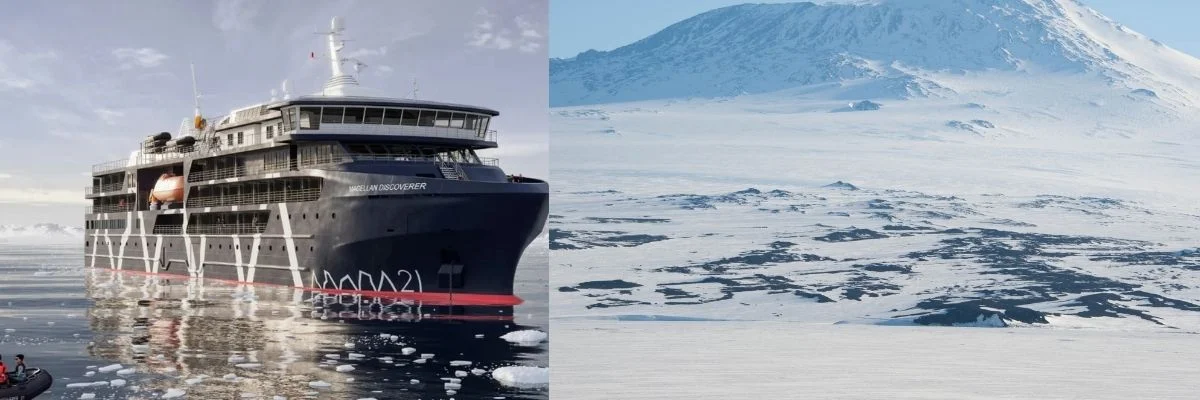
Magellan Discoverer is a new polar expedition ship with capacity for up to 96 passengers. The vessel is in the final stages of construction at the ASENAV shipyard in Valdivia, Chile, and is scheduled to arrive in Punta Arenas on October 25.
The ship's naming ceremony is expected to take place in November, followed by the start of Antarctic operations in December 2026. An earlier delivery date of September 30 had not been publicly confirmed at the time of reporting.

Capacity and technical specifications
Magellan Discoverer is a sister ship to Magellan Explorer, which entered service in 2019. The new vessel measures 94 metres in length and will accommodate up to 88 passengers on Antarctic fly-cruise itineraries and up to 96 passengers on conventional voyages.
The ship will carry 67 crew members and expedition staff. It has a PC6 polar classification, including an ice-strengthened hull, and a reported open-water cruising speed of 14 knots, or about 26 km/h.
- Passenger capacity: up to 88 on fly-cruises and 96 on conventional voyages.
- Crew and expedition staff: 67.
- Length: 94 metres.
- Polar classification: PC6.
- Open-water cruising speed: 14 knots.
- Planned start of Antarctic operations: December 2026.

Its propulsion system combines hybrid-electric technology with two 1,800 kW diesel engines, batteries, an ABB DC electrical grid and Azipod propulsion. The configuration is designed to improve energy efficiency, reduce underwater noise and allow the vessel to operate on battery power for limited periods.
Other technical features include heat-recovery equipment and Tier III emissions controls. Magellan Discoverer will also have wet and dry science laboratories, while passenger accommodation will include private balconies.
More capacity for Antarctic fly-cruises
Magellan Discoverer has been described as the first hybrid-electric polar expedition cruise ship built in the Americas. The designation refers to both its construction location and propulsion system rather than emissions-free operation. Independently verified fuel-consumption data or comparative emissions figures per passenger-night have not been publicly released.
The vessel will add capacity to Antarctic fly-cruise operations connecting Punta Arenas with King George Island. This type of itinerary allows travellers to fly directly to Antarctica before beginning the maritime portion of their expedition, avoiding the traditional sea crossing of the Drake Passage.
For the 2026–2027 season, published plans indicate an extensive programme of voyages and approximately 300 nights in polar waters. Available figures reference 36 air-cruises and eight sea voyages, representing 44 departures in total.