Cruising Is the Only Way to Reach These Remote Islands | Travel News
The world contains various islands which exist at such remote distances that commercial airlines cannot operate flights to reach them. Visitors must take either a cruise ship or expedition vessel or combination cargo-passenger service to reach Fatu Hiva and Pitcairn Island and South Georgia.
These voyages operate differently from standard cruises which visit well-known ports including Athens and Barcelona and San Juan. Remote island travel requires people to spend extensive time at sea while facing insufficient facilities and needing to determine their vessel size for shore access in local regions.
The destinations also offer very different experiences. The island of Fatu Hiva contains small villages which have maintained their traditional crafts through many years while Pitcairn Island hosts fewer than fifty permanent inhabitants and South Georgia exists without any human settlers who create space for penguin populations to reach millions.
Remote islands accessible by ship
Fatu Hiva, French Polynesia
The Marquesas archipelago contains Fatu Hiva which exists as a small island with mountains that sits about 1,000 miles away from Tahiti. The area presents a combination of towering ocean cliffs together with tropical jungle valleys and soft undulating hills which exist at higher altitudes.
The village of Omoa hosts an oceanfront market which displays creations from its local wood carving artists and tapa cloth producers. The island’s limited transportation links mean most outside visitors arrive as part of scheduled voyages from elsewhere in French Polynesia. Aranui V functions as a dual-purpose vessel which transports both cargo and cruise passengers to Fatu Hiva during its scheduled trips between Tahiti and the island.
Paul Gauguin also visits periodically, while other ships serving the island include Windstar’s Star Breeze, Ponant’s Le Jacques Cartier, and Silversea’s Silver Whisper.
Pitcairn Island, South Pacific
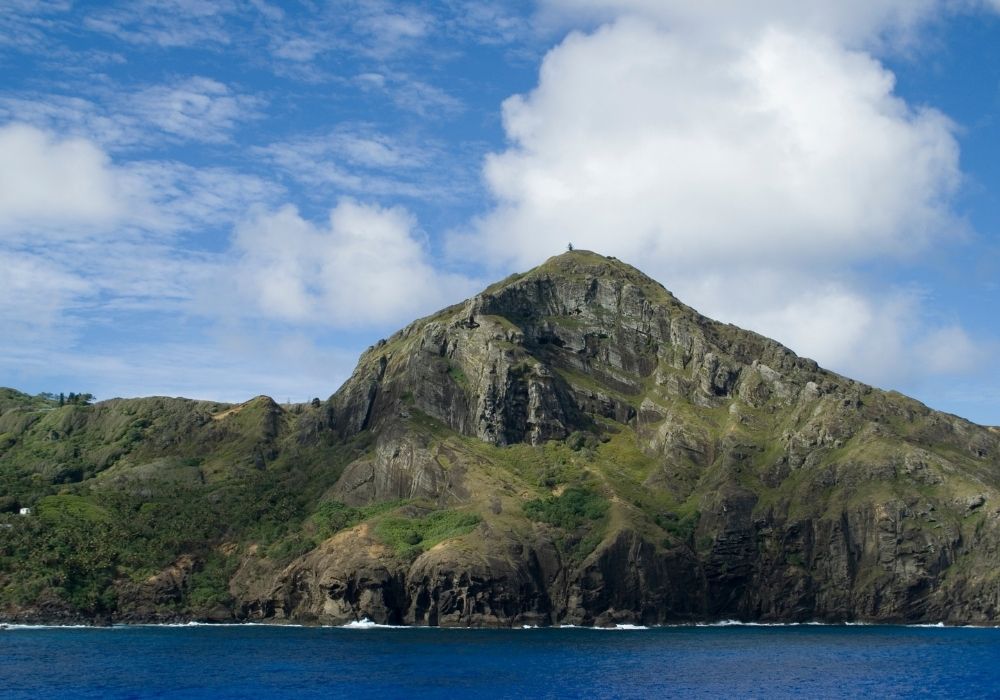
Pitcairn is a British Overseas Territory associated with the Bounty mutineers, who reached the island in 1789 with a small group of Tahitians. A few dozen of their descendants remain there today.
The island’s steep terrain and lack of flat land prevent it from having an airport. That geography also makes access from the sea difficult, particularly for larger vessels.
Some cruises may include scenic cruising near Pitcairn Island as part of broader Pacific itineraries, although these visits do not always include a shore landing. Travelers wishing to go ashore should look for small expedition-style voyages, as these are generally better suited to provide landing opportunities, subject to local conditions and permissions.
South Georgia, South Atlantic
The British Overseas Territory of Pitcairn exists through its connection to the Bounty mutineers who arrived on the island during 1789 with a few Tahitian companions. The group established their base in this location during its active days and their current descendants continue to live in this area.
The island prevents air travel because its extremely hilly landscape eliminates all possibilities for building runways. The geography creates obstacles for sea access because big ships must face difficulties when trying to reach this area. Holland America and Princess ships enable passengers to view Pitcairn from their vessels during their Pacific cruises but they do not grant access to the island.

What travelers should know
- The three destinations do not have commercial airports which serve their areas.
- Some large ships only sail near the islands without putting passengers ashore.
- The smaller size of expedition vessels allows them to make more stops for passenger disembarkation.
- Fatu Hiva is reached mainly through sailings from Tahiti.
- The Southern Hemisphere summer season serves as the primary time frame for visitors to explore South Georgia.
Travelers must follow specific travel plans when visiting islands because they need to understand their destination and their journey route. Travelers need to confirm whether a sailing includes an actual landing, a coastal visit, or only scenic cruising offshore.