Antarctic Exploration, Scientific Research, and Responsible Tourism Shape the Future of Polar Travel | Travel News
Antarctica continues to attract attention as one of the world's most remarkable expedition destinations, combining a rich history of exploration, scientific discovery, and opportunities for responsible tourism. Recent industry discussions in London highlighted the importance of protecting the continent's fragile ecosystems while expanding educational and research opportunities for travellers.
From the historic discovery of Ernest Shackleton's Endurance to the growing role of citizen science aboard expedition vessels, Antarctic tourism is evolving beyond traditional sightseeing. Modern polar expeditions increasingly emphasize environmental awareness, scientific engagement, and meaningful connections with one of the planet's most remote environments.
Antarctic Exploration and the Legacy of Shackleton's Endurance
The history of Antarctic exploration remains a defining element of the continent's appeal. One of the most significant archaeological discoveries in recent years was the identification of Endurance, the vessel used by British explorer Ernest Shackleton during his Imperial Antarctic Expedition.
Marine archaeologist Mensun Bound recently shared insights into the discovery, offering a closer look at the historic ship and its significance in the history of polar exploration.
The presentation included a three-dimensional representation of Endurance, allowing participants to explore details of the vessel and better understand the challenges faced by early Antarctic explorers.
Shackleton's story continues to inspire modern Antarctic expeditions, connecting today's travellers with the extraordinary journeys that shaped our understanding of the southernmost continent.
Scientific Research and Citizen Science in Antarctica
Scientific research is becoming an increasingly important component of Antarctic expedition cruising. Expedition vessels provide opportunities to collect valuable environmental data in remote regions that can be difficult for dedicated research missions to access.
Citizen science initiatives allow passengers to participate in selected research activities under the guidance of specialists. Depending on the programme, these activities may include wildlife observations, marine monitoring, and environmental data collection.
Recent discussions within the polar travel industry have highlighted the potential for greater collaboration between expedition vessels and scientific institutions.

Such initiatives can transform an Antarctic journey into an educational experience, helping travellers develop a deeper understanding of the continent's ecosystems, wildlife, and environmental challenges.
Responsible Tourism and Environmental Protection in Antarctica
As interest in Antarctic travel continues, responsible tourism remains essential to preserving the continent's natural environment.
The Antarctic ecosystem is particularly sensitive to human activity, making careful visitor management, environmental education, and responsible operating practices fundamental to expedition tourism.
Industry discussions have emphasized the importance of improving transparency around environmental commitments and helping travellers better understand how Antarctic expeditions are managed.
Key priorities include minimizing environmental disturbance, following established wildlife observation guidelines, reducing operational impacts, and supporting scientific and conservation initiatives.
These practices are especially important in Antarctica, where protecting wildlife habitats and maintaining the integrity of remote landscapes are central to sustainable tourism.
The Future of Antarctic Expedition Travel
Antarctic expedition travel is increasingly shaped by the relationship between exploration, education, scientific research, and environmental responsibility.
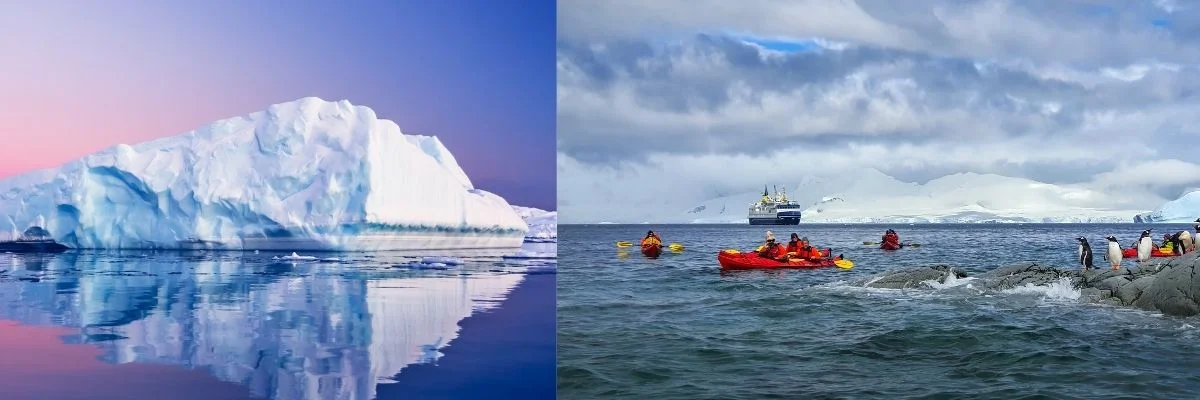
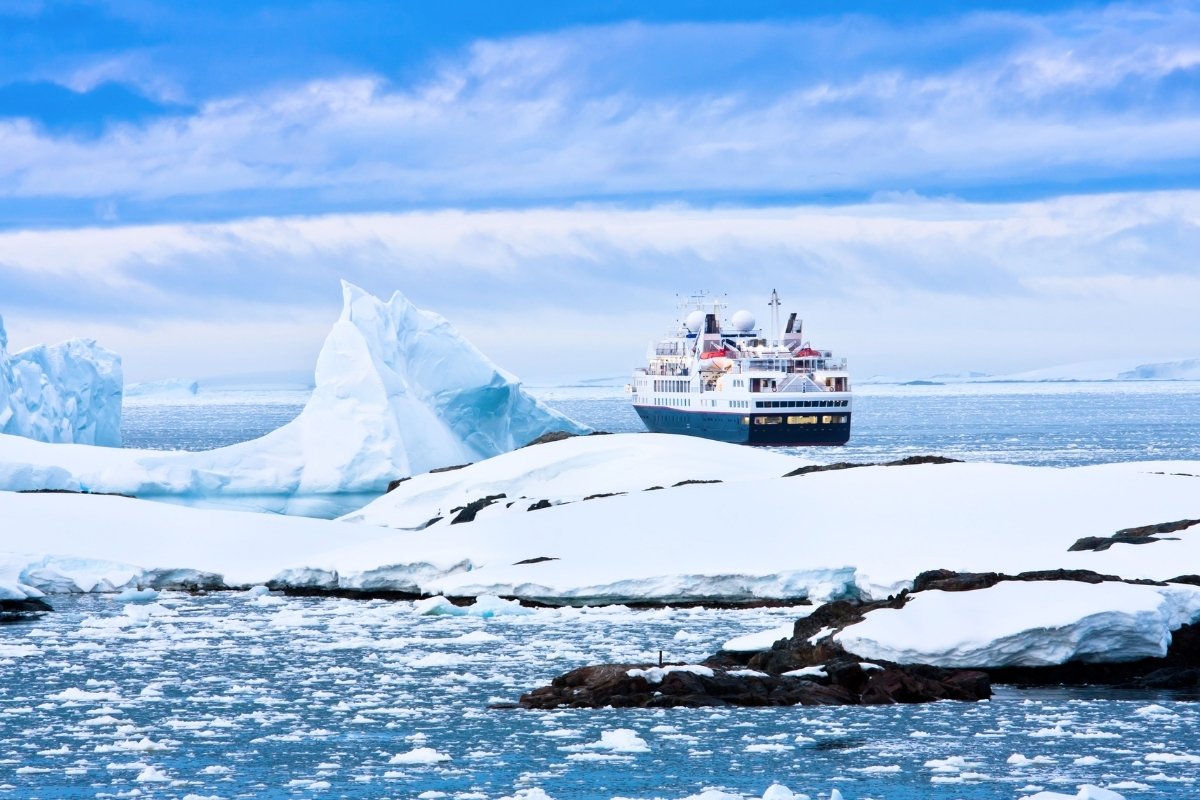
Modern expeditions offer travellers opportunities to discover dramatic ice formations, observe penguins, seals, and whales in their natural habitats, and learn about the scientific importance of the polar regions.
At the same time, advances in research collaboration and responsible tourism practices are helping redefine how visitors experience the continent.
The future of Antarctic tourism will depend on maintaining a balance between providing meaningful exploration experiences and safeguarding the environment for future generations.
By combining the legacy of historic polar exploration with modern scientific knowledge and responsible travel practices, Antarctica remains a destination where adventure, discovery, and conservation come together.