
Discover the Extraordinary Galapagos Islands Experience | Travel News
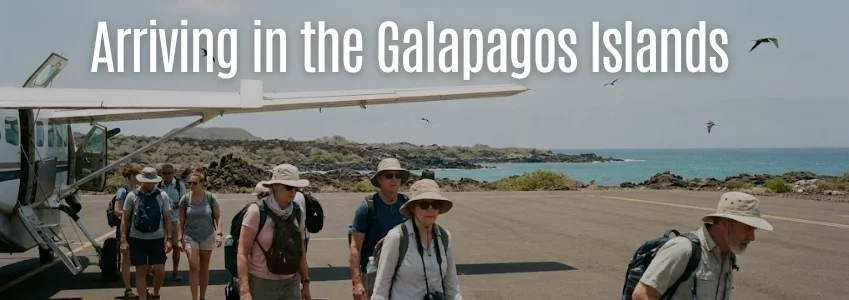
There’s a moment when you step off the plane and into the salty air of the Galapagos Islands that you realize you’ve arrived somewhere extraordinary, yet fantastically real. The scent of brine mingles with the faint musk of sunbaked lava, and your senses are instantly assaulted by the promise of adventure. This volcanic archipelago, 600 miles off the coast of Ecuador, is not merely a destination, it’s a visceral experience. As I stood on the tarmac of Baltra Airport, I could already feel the weight of expectation and excitement-a compelling amalgam of both. But the journey isn’t without its bumps, delays, and the occasional discomfort that accompanies travel to remote locales.
Getting There: The Journey Begins
Reaching this ecological wonderland isn’t as simple as hopping on a direct flight. Instead, expect to navigate a labyrinth of connections. The first leg often involves a long flight to Quito, where the air is thin and the altitude demands a mild acclimatization. You can smell the ozone in the crisp mountain breeze as you emerge from the airport. After a brief layover, another flight, this time to Seymour Airport, takes you over the Pacific, with the islands emerging like dark spots in a turquoise sea. Each phase of this journey, from the Quito streets to the quiet of the islands, adds layers to the experience.
Arriving at Baltra, you’re greeted by the efficient chaos of disembarking. Crowds shuffle toward the pangas-small boats that ferry you to your vessel. The salty spray from the waves hits your face, an invigorating reminder of the ocean all around. Just remember, as your luggage is scanned to prevent the introduction of harmful biological material, every inch of this delicate ecosystem has been meticulously protected. The locals do not take their home’s fragility lightly.
The Islands: A Living Laboratory
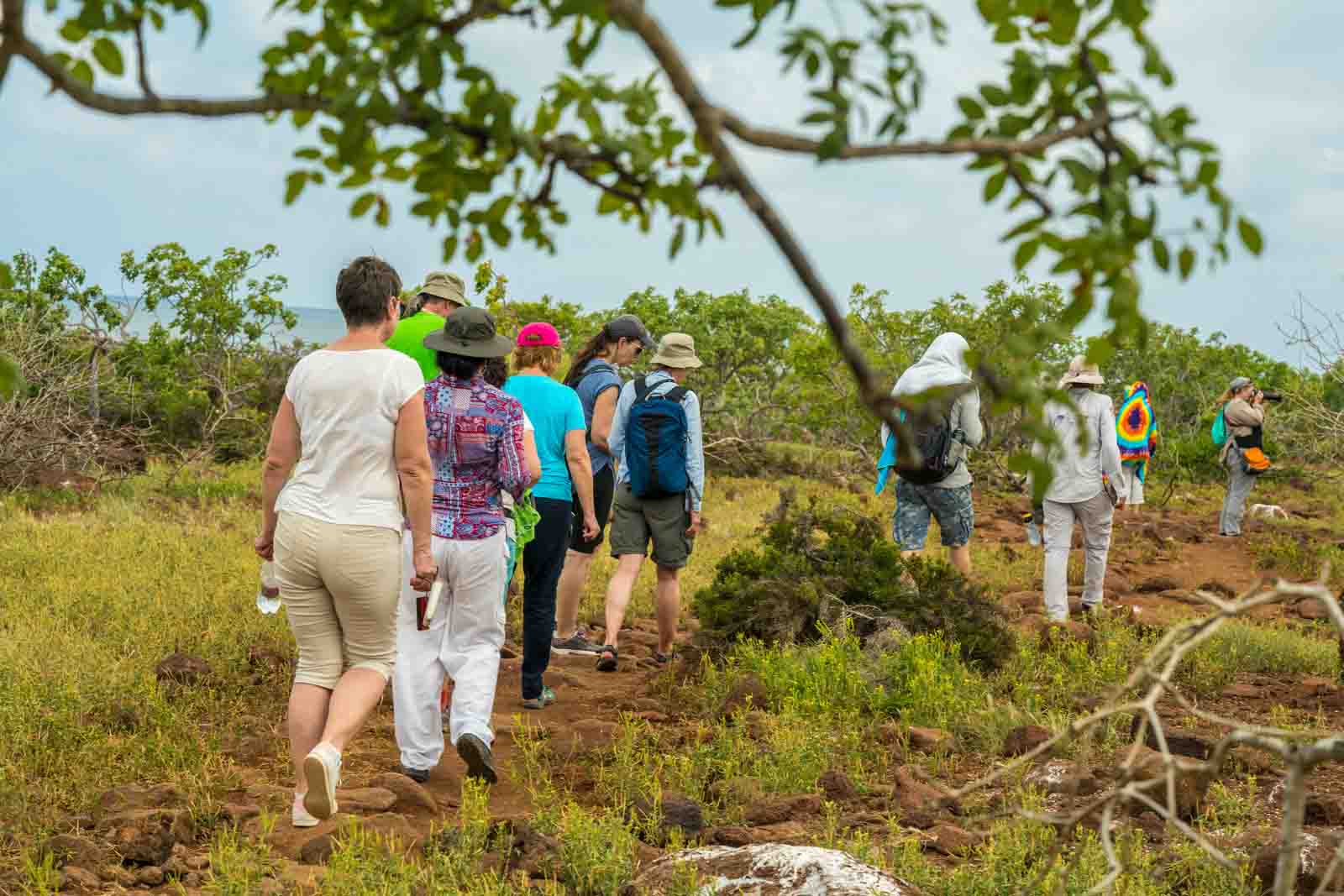
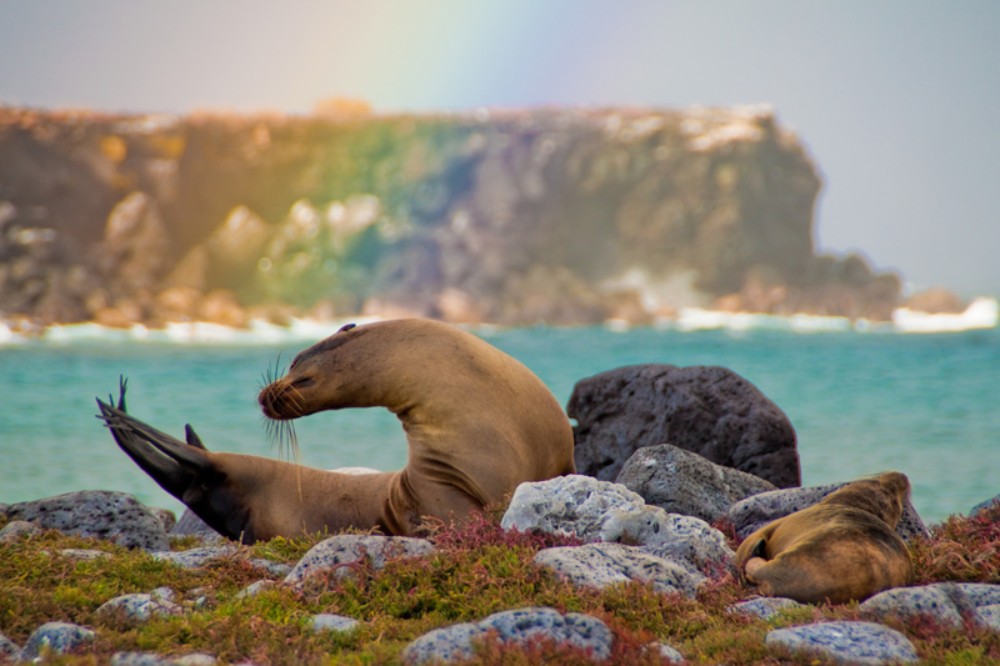
The Galapagos Islands are often billed as a living museum, but that phrase barely scratches the surface. Each island is a unique landscape, from the barren, windswept terrains of Fernandina to the lush highlands of Santa Cruz. You’ll encounter the dry, sun-baked earth and the sharp scent of sulfur from the volcanic formations. On my first day, I found myself on Española Island, where sea lions bask lazily on sun-soaked rocks, their briny breath mingling with the soft crash of waves. Each footstep on the craggy trails is a reminder that the islands are more than a pretty postcard-they’re a biologically rich world that demands your respect.
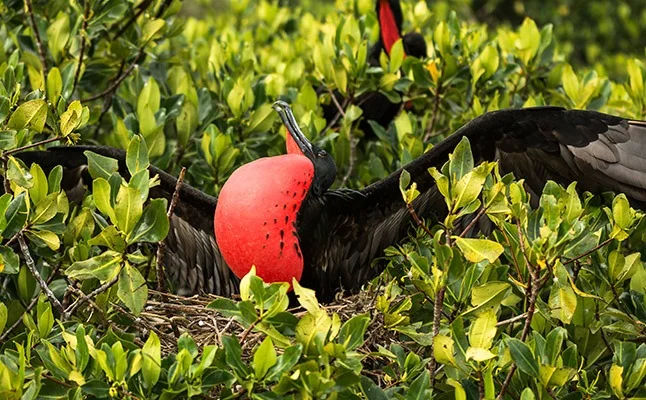
Animal encounters are intimate and often jarring. There’s a peculiar discomfort in getting too close to creatures so unafraid of humans. The marine iguanas, those prehistoric-looking reptiles, lay still against the black lava, occasionally sneezing out salt crystals to hydrate themselves. Their indifference feels unsettling. You’re reminded that you’re merely a visitor in their domain.
Exploring by Sea: The Cruise Experience
The deck of a small boat serves as the starting point for exploration which navigates between islands while maintaining a perfect mix of relaxation and thrilling experiences. The crew maintains a watchful presence which avoids disturbing guests while the ocean continues to sway gently as seabirds fly above. The schedule includes two daily boat trips which start from San Cristóbal before reaching Santa Cruz and then continue to Explore surrounding islands which lack human settlements. The naturalist guides take you through established volcanic area paths and oceanfront trails which produce different sounds between the movement of plants and the faraway ocean surf and the sharp mockingbird vocalizations.
The sensory experience is immersive. The air carries the scent of salt, damp earth, and faint tropical blooms. The snorkeling experience reveals waters which display perfect clarity while showing endless marine activity through the paths of swimming fish and marine creatures that approach close enough to sense the water's cooling touch. The beach shows three different scenes which include people wandering across vast stretches of white sand and others climbing through rocky terrain during daylight hours and visitors who stay to watch nature preservation efforts alongside scientific research activities. The experience offers visitors a specially developed path which manages their experience so they can understand the magic of their environment.
 Galapagos Island Hopping Santa Cruz & San Cristobal
Embark on a 7-day adventure through the Galapagos, exploring San Cristóbal and Santa Cruz, snorkeling with sea life, and encountering unique wildlife.
Request
The crew on the ship operates through a basic pattern of waking up and eating before they begin their exploration which continues throughout the day until they return to their cabins while stunning natural views create lasting impressions that stay with them after sunset. Your body experiences a friendly exhaustion during the ship's last island route because you have been physically active throughout your wilderness and water and natural environment exploration.
Cultural Nuances: The Local Life
The human presence in the Galapagos is minimal but significant, often feeling like an afterthought against the backdrop of wildlife. If you land in Puerto Ayora, you’ll find a town that buzzes with activity but lacks the charm of more tourist-heavy destinations. The din of motors and chatter fills the air, and the mixed aromas of fresh fish and coffee tempt you, though good coffee can be hard to find. Locals carry the rhythm of life here-work, eat, fish, and engage with their surroundings, while tourists rush from one selfie opportunity to another.
Mate, a traditional drink, is often shared among locals, providing a window into their daily lives. As you sip from a shared gourd, you realize how such a simple act can create bonds-even within the confines of a busy café. It’s a moment of connection that stands in stark contrast to the isolation of the islands.
When to Go: Timing Your Visit
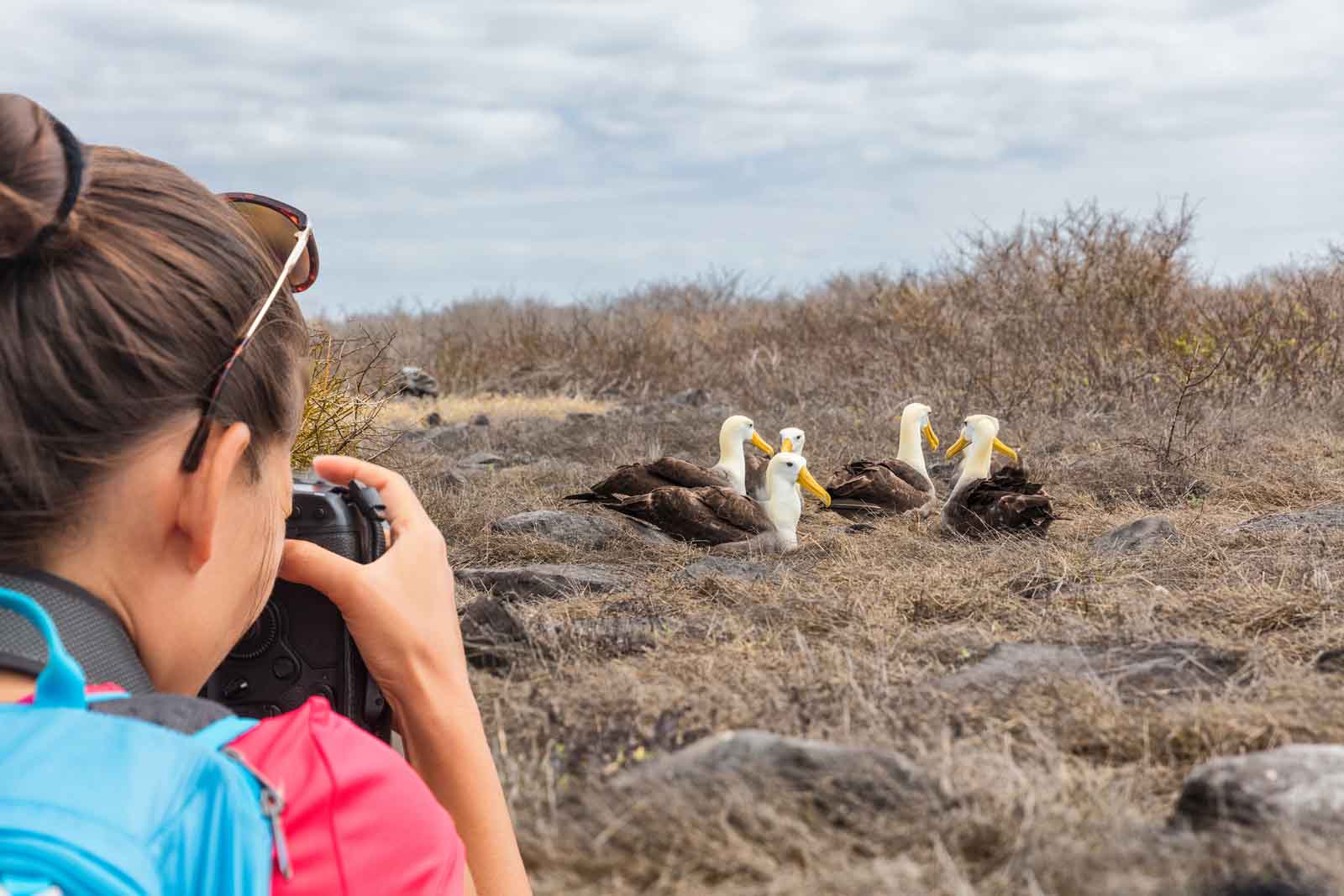
Choosing the right time to visit the Galapagos requires more than just checking a seasonal chart. Wildlife viewing shifts throughout the year, and each island has its own rhythm. In April, sea lion pups frolic on the beaches, their playful yelps echoing off the rocks. By November, the majestic Waved Albatross are tending to their young, and you can hear their calls as they soar overhead, the wind ruffling your hair. Observing these seasonal changes is part of the experience, each month offering a new lens through which to view the islands.
During the warmer, wet season, you might find yourself swimming alongside sea turtles in warm water, while the cooler, dry months provide a stark contrast. Even the air feels different, carrying the scent of the ocean mixed with the chill of the currents drawing in sharks. Each visit brings a new adventure, but it’s essential to plan your trip with an understanding of these natural rhythms.
Cost and Comfort: What to Expect
Let’s talk about the price tag. Cruises in the Galapagos can put a dent in your wallet, with packages often starting around $5,000 per person. Yet, for many, the experience is worth every penny. Unlike larger cruises, which can resemble floating cities, vessels here cater to a maximum of 100 passengers, creating a more intimate atmosphere. Accommodations range from plush to comfortable, but don’t expect the luxuries of a five-star hotel. You’ll likely be sharing space with other curious, eco-conscious travelers, and the conversations at dinner can be as enriching as the excursions themselves.
The Crew: Your Lifeline to Exploration
The expedition team is crucial to your experience. These naturalists are not just guides, they are your lifeline to understanding the complexities of the islands. With degrees in ecology, marine biology, or ornithology, their enthusiasm is palpable, and their knowledge is extensive. Engaging them during meals can often lead to fascinating discussions that enhance your understanding of the ecosystem around you. The camaraderie that builds on board is unmistakable, punctuated by laughter and a shared passion for exploration. Their insights transform what could be a simple cruise into an educational journey.
Traveling to the Galapagos Islands is not just about where you go, it’s about how you move through this space. It’s a lesson in patience, respect, and awareness of the natural world. The journey may test your endurance, from the packing and travel logistics to the physical demands of excursions, but the rewards are staggering. The islands ask for your attention and respect, returning it with experiences that resonate long after you’ve left. When you leave the Galapagos, you’re not just a visitor; you’ve forged a fleeting connection with a place that continues to pulse with life, a world that feels both ancient and achingly relevant. The discomforts and challenges of your travels only amplify the beauty of the moment, solidifying the memory in a way that’s anything but superficial.