Galapagos Tortoises: Evolution, Longevity, and the Legacy of Darwin | Travel News
The Galapagos Islands developed through human exploration and scientific findings which revealed slow-moving giant creatures that transformed our knowledge about evolutionary processes. The world now recognizes Galapagos tours because this area transformed from worthless rocky terrain into a vital natural research facility for scientists.
A Harsh Beginning for a Remote Archipelago
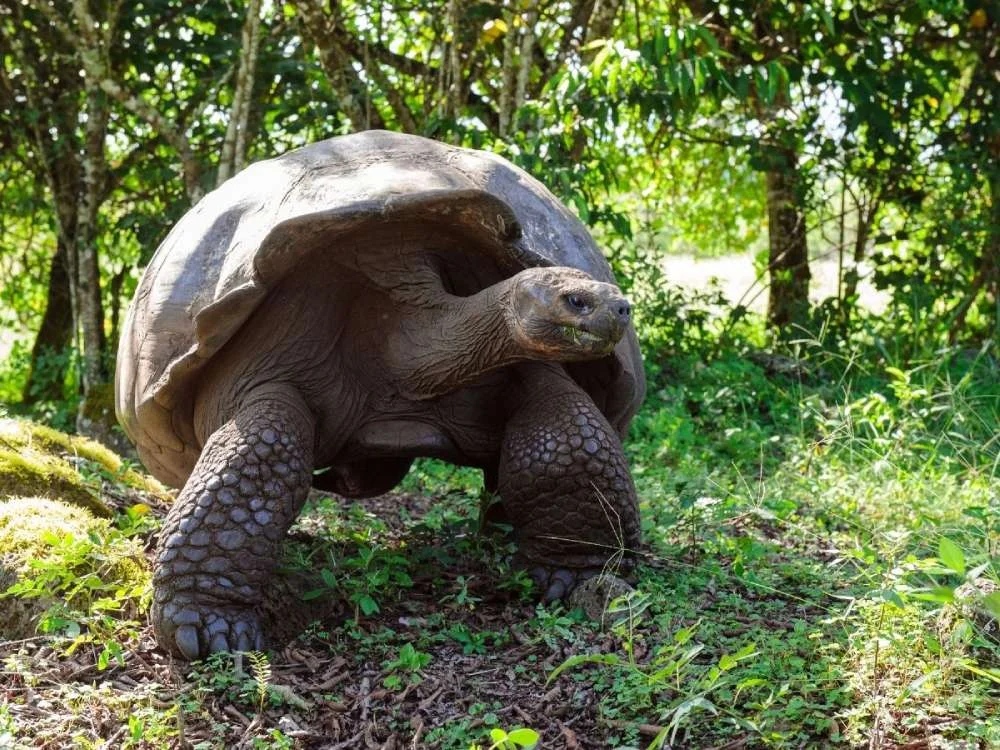
When Gran Colombia dissolved in 1830, Ecuador newly independent and eager to strengthen its maritime presence, claimed the remote Galapagos archipelago. The first explorers found the islands to be hostile environments which housed extraordinary animals. By the time the HMS Beagle arrived in 1835, the islands were being used as a penal colony, and young Charles Darwin encountered the now-famous giant tortoises for the first time. He later wrote that a local governor could identify a tortoise's island of origin simply by its shell shape, an observation that would become a cornerstone of evolutionary science.
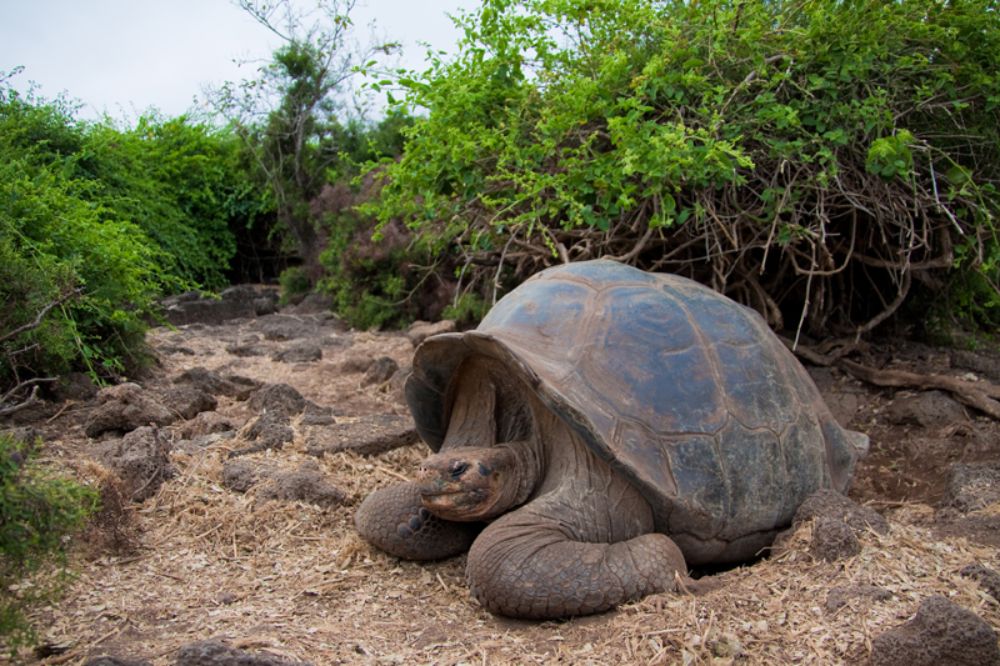
The shell variations of Galapagos tortoises, saddleback shapes on islands with higher vegetation and domed forms on islands with ground-level food provided some of the earliest evidence supporting natural selection. The modern traveler can learn about island evolution through their unique adaptations which become visible when they explore the Galapagos islands on specially designed cruises that display the diverse wildlife and environmental differences of the archipelago.
Discover our top Galapagos programs, offering both flexible island-hopping adventures and exclusive luxury experiences. Choose the style that matches your dream trip.
 Galapagos Photo Tour
Capture the magic of the Galapagos on an expert-led photo journey filled with golden light, wildlife encounters and hands-on guidance to elevate your creative vision.
Request Island Hopping Santa Cruz & San Cristobal
Discover Galapagos with a 7-day island-hopping tour visiting Santa Cruz and San Cristobal, uninhabited islands, top wildlife sites, and unforgettable snorkeling.
Request Luxury Galapagos Escape at Pikaia Lodge
Experience an exclusive 8-day luxury getaway at Pikaia Lodge with yacht excursions, top wildlife encounters, fine dining, and the most refined land-based adventure.
Request
From Darwin’s Table to Global Conservation Icons
The research of Darwin focused on other subjects instead of tortoises. The sailors used them in large numbers as a source of preserved food; the Beagle left port with 45 tortoises on board. Their ability to survive months without food or water made them an essential resource for long sea voyages. The Darwin Research Center along with other institutions worked to save these animals from extinction by running worldwide breeding programs and species reintroduction projects.
Modern science continues to reveal astonishing traits about these ancient creatures. Studies show that Galapagos tortoises possess enhanced cellular repair and self-destruction mechanisms, natural defenses that help them avoid diseases and achieve lifespans exceeding a century. The biological community shows strong interest in studying the exceptional life spans of Gramma from San Diego who lived 141 years and Harriet from Australia who reached 175 years. The best time to view wildlife behavior in the Galapagos can be found through seasonal resources yet travelers who want easy access to the area should check out current Galapagos travel specials.