Conservation Efforts for the Endangered Galápagos Petrel | Travel News
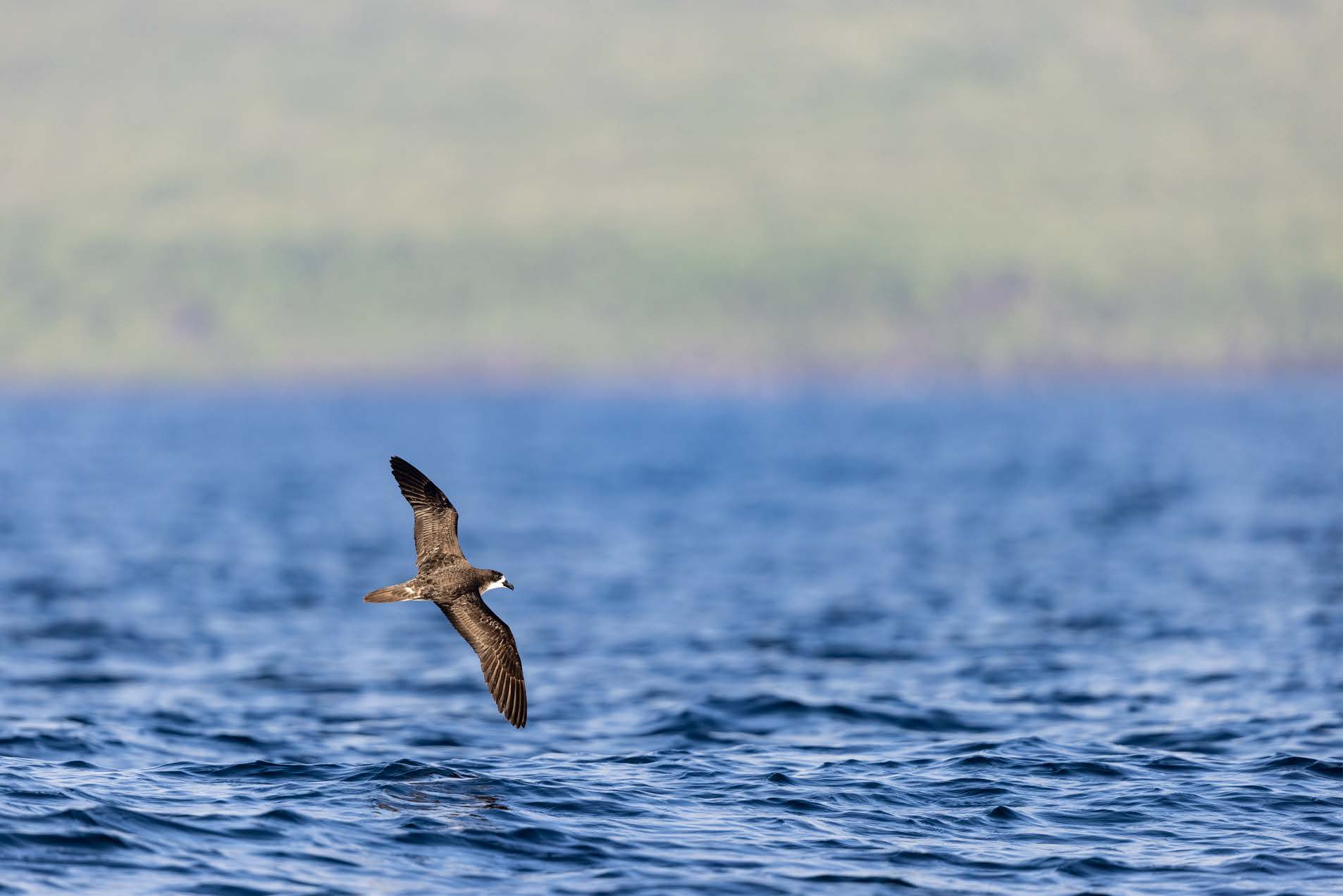
The critically endangered Galapagos petrel (Pterodroma phaeopygia) faces numerous threats as it returns to its breeding grounds in the Galapagos Islands, where only about 15,000 individuals remain, according to the latest IUCN Red List assessment. While recent efforts have identified up to 20,000 individuals due to new colony discoveries, invasive species remain a significant threat to their habitat and survival. Conservation initiatives now aim to engage private landowners in protecting these fragile nesting areas.
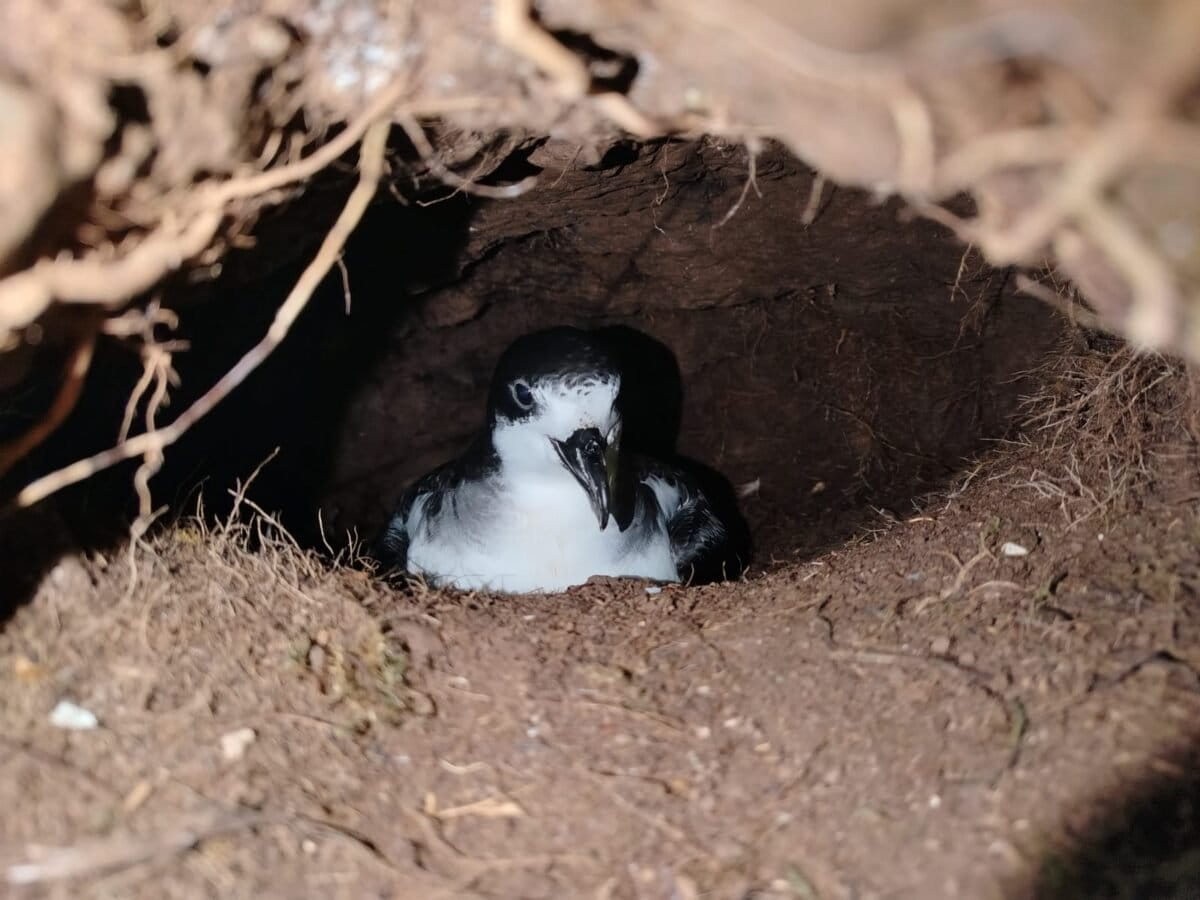
Paola Sangolquí, a marine conservation coordinator at the Ecuadorian NGO Jocotoco, emphasizes that Galapagos petrels are elusive, spending much of their time hunting squid and fish at sea. They return to remote highland areas on the islands of San Cristóbal, Floreana, Santa Cruz, Isabela, and Santiago to nest in burrows or crevices. These locations are generally distant from human settlements and are largely nocturnal, making sightings rare.
These seabirds are essential to the archipelago's ecosystems, returning marine nutrients that boost soil fertility and plant growth. However, human-induced threats abound. More than 1,600 nonnative species have been introduced since the 16th century, with black rats, pigs, dogs, and cats posing the most significant risks by preying on eggs and chicks. Sangolquí's team recently published the first visual evidence of rat predation on petrel nests.
Additionally, livestock trampling, invasive plants such as Himalayan blackberry and Cuban cedar, fishing bycatch, and light pollution further complicate the survival of the petrels. The population's decline has been dramatic; the species was not recognized as distinct from the Hawaiian petrel (Pterodroma sandwichensis) until genetic studies clarified its status in 1997.
In recent decades, concerted conservation efforts have initiated positive changes. Together, organizations like Jocotoco and the Galapagos Conservancy, in collaboration with the Galapagos National Park Directorate, have focused on controlling invasive predators and restoring native environments. On Floreana, comprehensive island restoration projects have even led to the reintroduction of giant tortoises after 180 years.
What Changed
Monitoring and sustained management have shown promising results. In areas like Santa Cruz, long-term rodent control has drastically improved petrel reproductive success. However, sustained funding for these programs remains crucial, as previous lack of resources has directly impacted breeding rates.
A shift towards involving private landowners is pivotal for the conservation of Galapagos petrels. Approximately 97% of the area across the islands is part of the national park, yet many petrel nesting sites are located on private lands. Partnerships are forming with farmers on islands like San Cristóbal to secure nesting areas while also providing benefits like invasive species control, which can reduce crop losses.
What Happens Next
Sangolquí envisions a collaborative model where landowners benefit from conservation efforts, ultimately aiming to apply similar strategies to other seabird species. This approach is designed to be mutually beneficial and adaptable across the region.
To improve monitoring, a unified protocol involving various organizations-such as the Galapagos National Park Directorate and the Charles Darwin Foundation-will help standardize data collection methods, facilitating better conservation decisions.
- Population Assessment: A Red List evaluation for the species is planned for next year.
- Private Land Engagement: Increased collaboration with landowners is crucial for protecting nesting sites.
- Invasive Species Management: Ongoing efforts are necessary to control threats from introduced species.
- Funding and Resources: Continuous support is vital for successful conservation programs.
- Monitoring Protocol: A common methodology will aid in reliable data collection and assessment.
In recognition of her outstanding conservation work, Sangolquí has received a Whitley Award, providing funding to expand initiatives on private land. This award will help raise awareness of the importance of the Galapagos petrel and the collaborative efforts necessary for its conservation.