Galapagos Islands Charter: Wildlife, Seasons and Yachts | Travel News
The Galapagos Islands sit roughly 600 miles off Ecuador’s mainland coast, an isolated Pacific archipelago known for wildlife that evolved with little human interference. Strict protections have allowed animals to remain unusually unafraid, shaping a visitor experience centered on close-range encounters with endemic species on land and at sea.
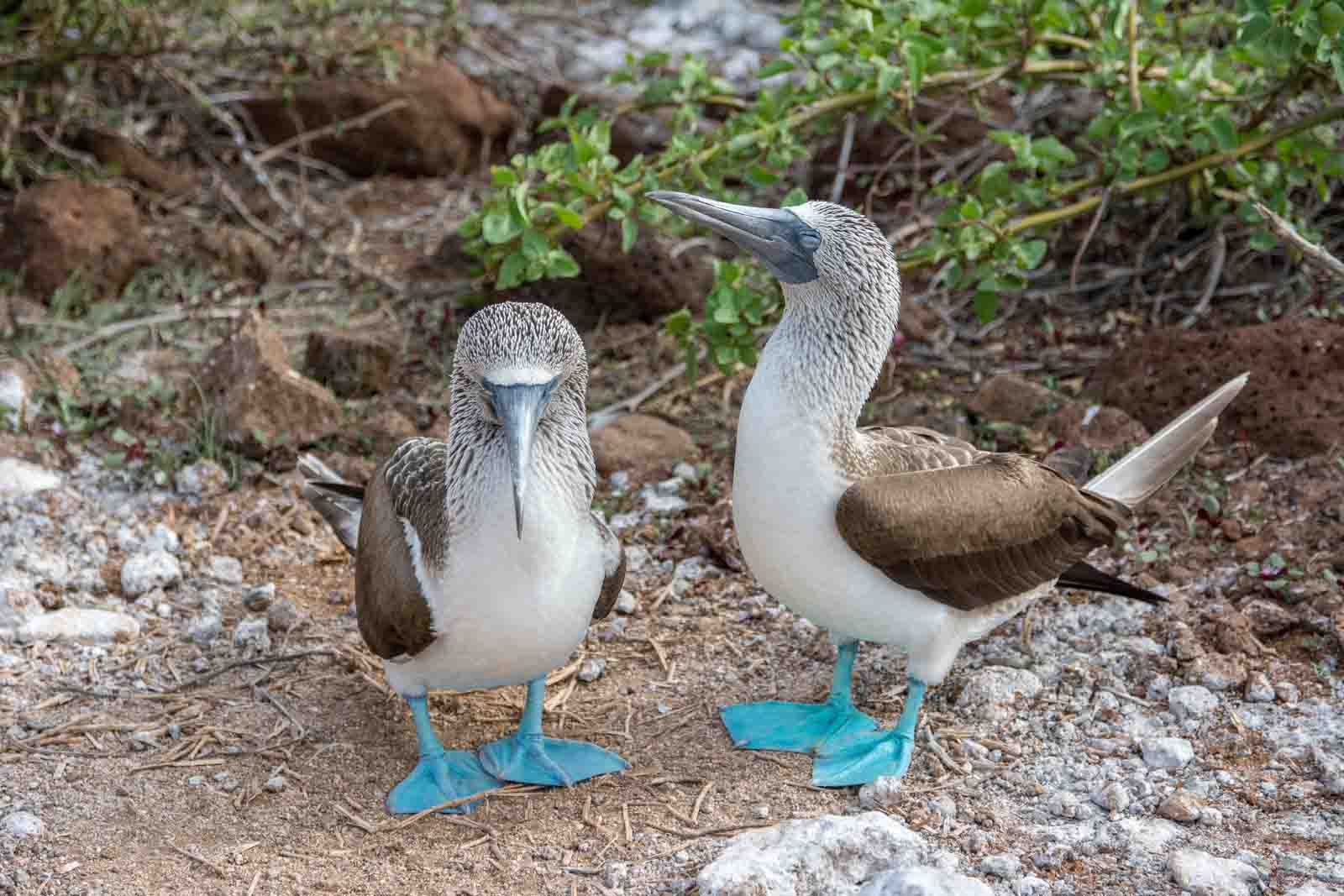
Birdlife is often the first draw. Blue-footed boobies are among the most recognizable residents, nesting openly and remaining still as people pass nearby. Frigate birds add a different dynamic, known for stealing fish from other seabirds midair rather than catching their own. These aerial chases are a regular sight above the islands’ shores.
Along the beaches, sea lions form large colonies, with dominant males defending harems during breeding periods. Adult bulls can weigh up to 800 pounds, making their presence and vocal displays difficult to miss. Encounters typically unfold at close distance, though visitors are required to keep clear of animals and follow park regulations.
Beyond individual species, the appeal of the Galapagos lies in immersion. Wildlife interactions occur throughout the day, whether hiking inland, snorkeling offshore, or moving between islands by boat. The sense of being within an intact ecosystem is what places the archipelago high on many travelers’ long-term destination lists.
Charter operations and seasonal conditions
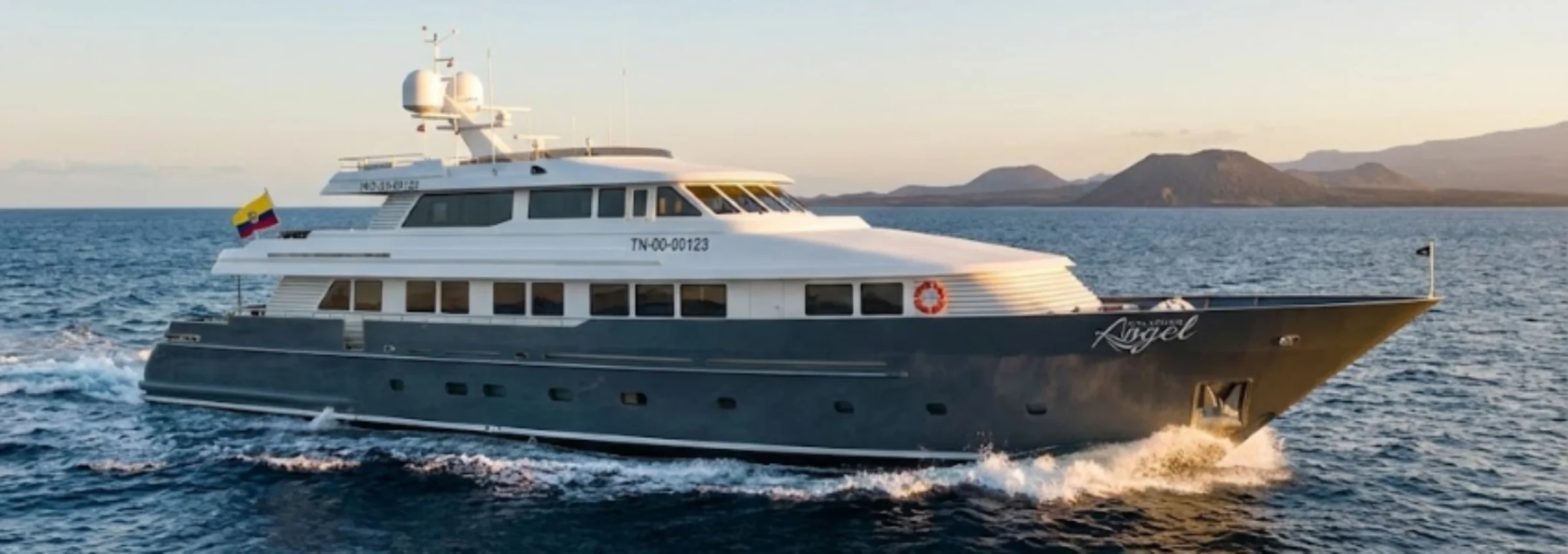
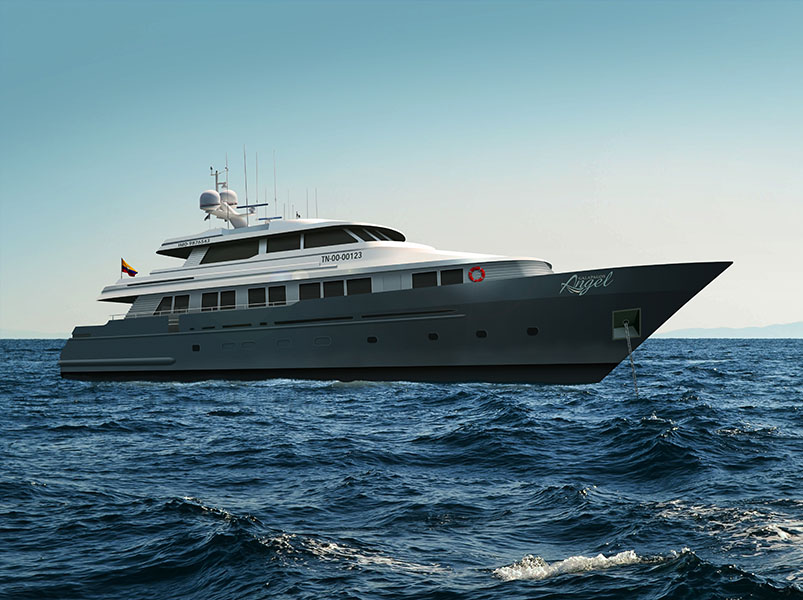
One option for exploring the islands is aboard the 115-foot Galapagos Angel, a yacht currently promoted by 26 North Charter. The vessel accommodates up to 16 guests across eight staterooms and operates with a crew of 10. Cruises are scheduled year-round, with itineraries adjusted to seasonal conditions.
From roughly January through May, waters tend to be warmer and calmer, offering favorable conditions for snorkeling and visibility. The cooler season, typically June through November, coincides with increased sightings of whales, dolphins, penguins, and large numbers of sea lions.
-
Maximum of 16 guests aboard the Galapagos Angel
-
Eight staterooms and a 10-person crew
-
Warm season focused on snorkeling and clear water
-
Cooler season associated with marine mammals and penguins
What itineraries typically include
Land excursions often feature visits to giant tortoise habitats, walks through hardened lava tunnels, and viewpoints overlooking expansive black lava fields formed by ancient eruptions. These landscapes contrast sharply with the surrounding turquoise water.
Wildlife viewing varies by island. Birdwatchers often focus on Darwin’s finches, whose beak variations helped shape early theories of evolution. Reptiles are equally prominent, including marine iguanas that forage underwater and land iguanas distinguished by yellow-orange coloring.
In the water, Galapagos penguins are frequently encountered while snorkeling or diving, moving rapidly just below the surface. Marine life interactions are governed by park rules designed to minimize disturbance and preserve the islands’ ecological balance.
Charter itineraries generally combine guided shore landings with snorkeling and cruising between islands, offering a structured way to experience the Galapagos’ wildlife and geology while adhering to conservation requirements that limit visitor impact.