Lonesome George: The Galapagos Tortoise That Changed Conservation Forever | Travel News
Lonesome George proved to be one of the most influential animals in history because his existence drove worldwide attention to extinction and conservation issues. George existed as the final representative of his subspecies, which demonstrated how vulnerable isolated ecosystems remain to human interference that causes lasting changes to natural habitats. His story continues to resonate far beyond the Galapagos, shaping modern conservation science and responsible travel.
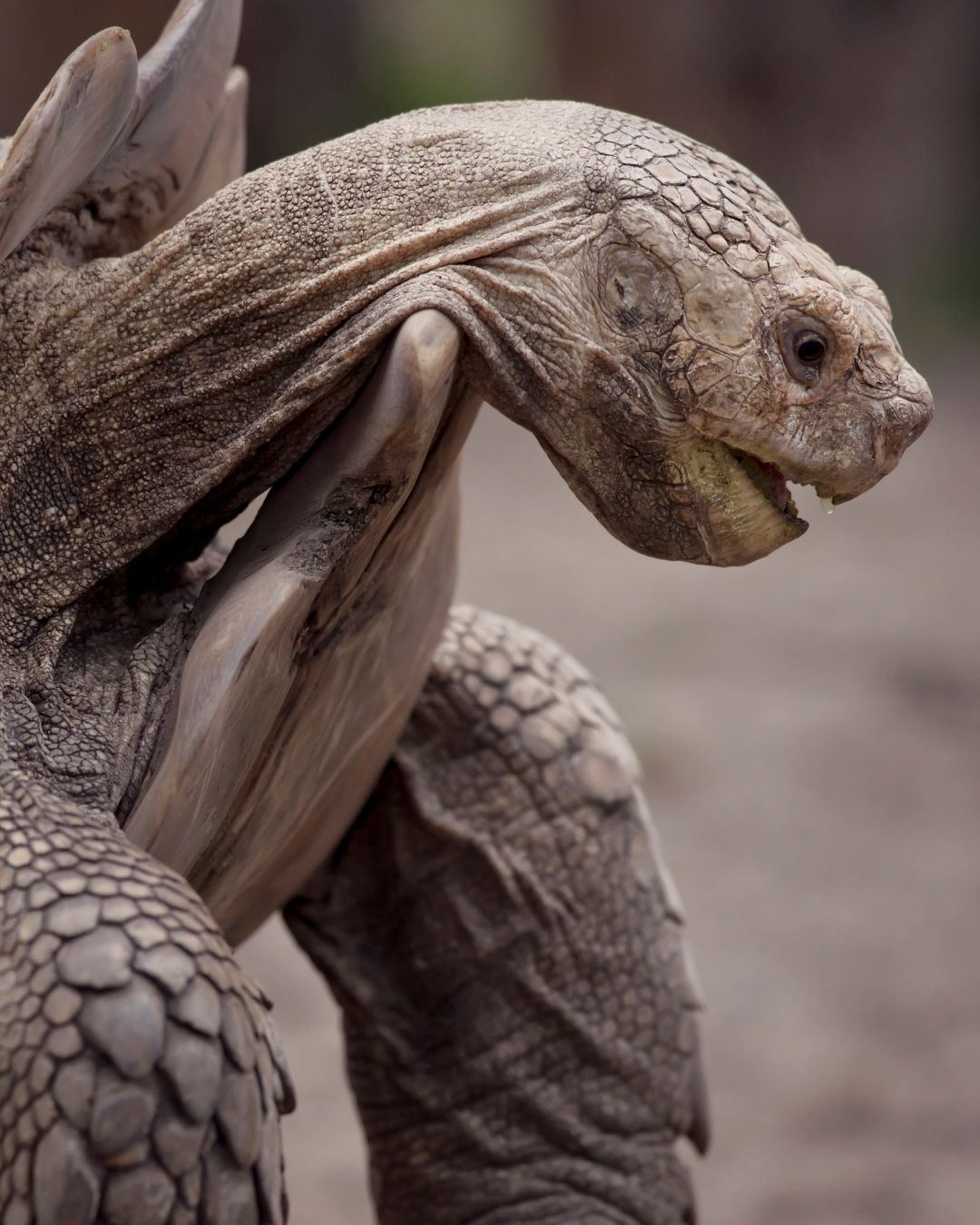
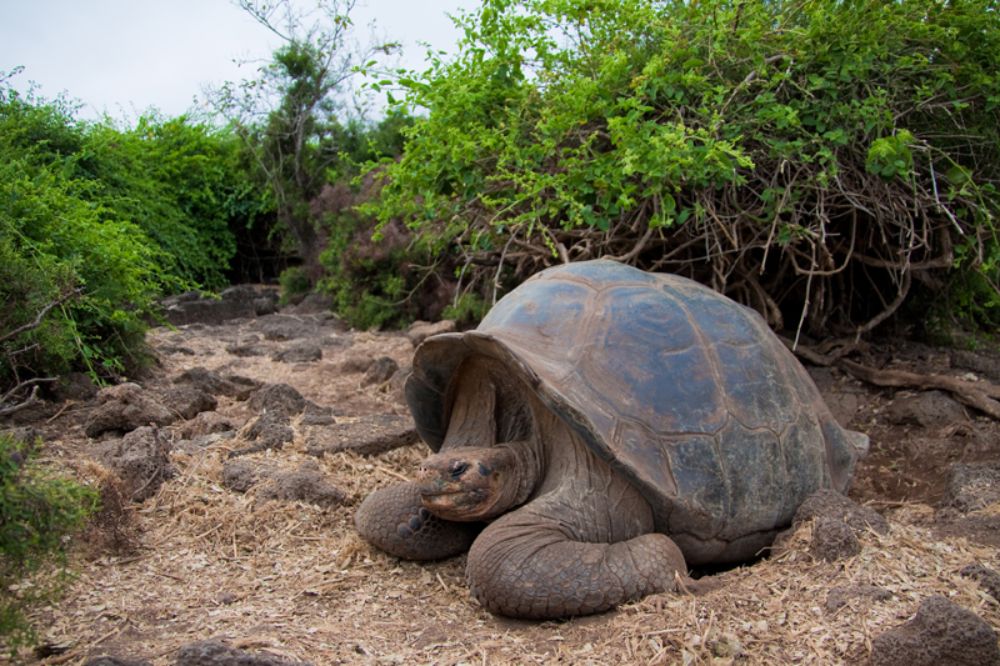
The Pinta Island long-necked tortoise evolved from a unique Galapagos giant tortoise subspecies, which developed through hundreds of thousands of years on Pinta Island. Scientists first discovered him during the early 1970s but people assumed he had vanished because human actions led to his extinction through hunting and habitat elimination in previous centuries. Against all odds, George had survived alone, quietly roaming a landscape forever changed.
A Symbol of Loss and Scientific Hope
The tortoise was discovered by conservationists who moved him to the Charles Darwin Research Station where scientists started searching for a mate to protect his genetic legacy. The breeding efforts failed to produce offspring but his presence in the area triggered worldwide interest which generated funds for conservation initiatives throughout the archipelago. Scientists maintain preserved genetic material from him after his death in 2012 to study biodiversity, aging processes and species resilience.
People can see George in the Galapagos today as an important symbol of what happens when ecosystems reach their breaking point. The large-scale restoration projects along with invasive species control and giant tortoise protection initiatives across multiple islands stemmed from his conservation work which shows that conservation actions can succeed even though extinction remains permanent.
Experiencing the Galapagos With Purpose
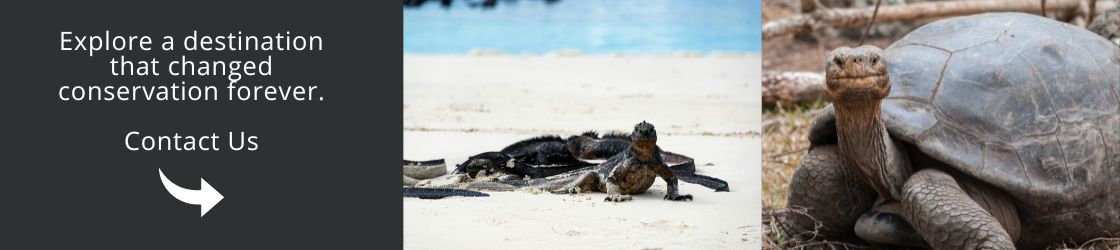
The islands serve as a living demonstration of conservation work for people who feel inspired by George's story to make a journey. The modern Galapagos tours operate with dual objectives to provide wildlife viewing opportunities, while practicing environmental stewardship through their small-ship and land-based island tours with certified naturalist guides. The Galapagos National Park preserves these natural areas which protect giant tortoises, marine iguanas. blue-footed boobies and penguins.
 Luxury Galapagos, Perfectly Balanced
Stay at an exclusive eco-lodge and explore the islands by private yacht. A refined Galapagos journey blending wildlife, comfort, and adventure.
Request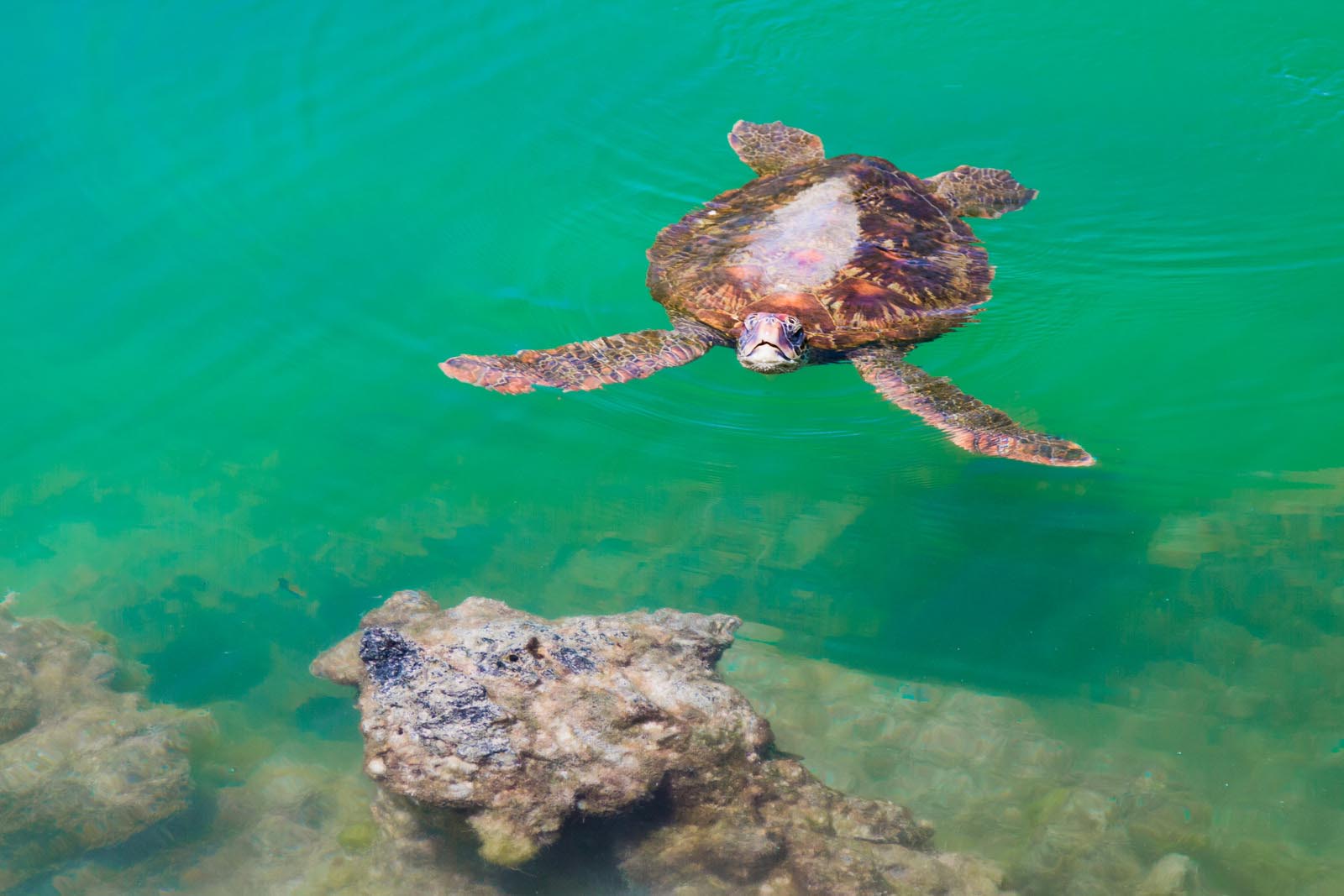 The Ultimate Galapagos Expedition
Sail across the north and south islands, snorkel with sea lions, and witness iconic wildlife on a complete, expertly guided Galapagos voyage.
Request Explore Galapagos, Island by Island
Discover four inhabited islands through hikes, snorkeling, and wildlife encounters, an active, family-friendly way to experience Galapagos on land.
Request
Understanding the best time to visit the Galapagos is also key to shaping a meaningful experience. The changing seasons determine how animals behave and what ocean conditions develop and which hiking trails become accessible so people can choose activities based on their interests by selecting either peaceful snorkeling waters or areas rich in marine life due to ocean nutrients.
From Legacy to Living Conservation
People can fully experience the archipelago's various regions through sea travel which provides the most complete way to explore the area. The selected Galapagos cruises provide travelers with remote island access through daily landings and Zodiac tours and educational programs that show the region's ecological value. The Galapagos deals offer discounted expedition access to travelers who require both cost savings and expedition customization but they maintain strict sustainability standards.
The story of Lonesome George has become an enduring legacy which extends past his disappearance because it functions as a driving force that leads to environmental preservation efforts. His work continues to influence the world through protected environments, growing tortoise populations and environmentally responsible tourists who explore the Galapagos today. The visitors establish an active preservation network which prevents any species from experiencing true isolation.