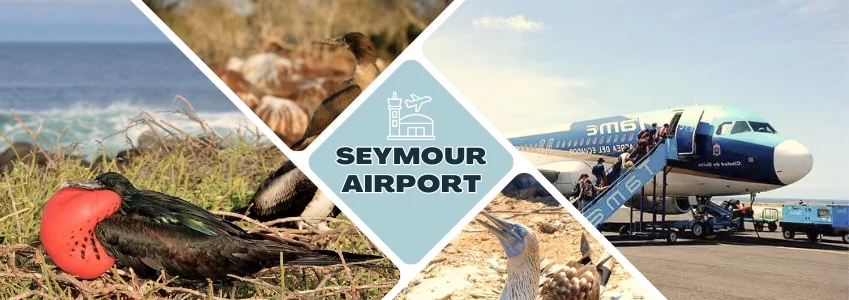
Seymour Airport Overhaul: Boosting Galapagos Tourism | Travel News
In a significant development for tourism in the Galapagos Islands, Ecuador's Seymour Airport, located on Baltra Island, is set to undergo a major overhaul. This initiative is part of an amended concession agreement formalized by Corporación América Airports (CAAP) through its subsidiary, Aeropuertos Ecológicos de Galapagos SA (Ecogal). The changes aim to enhance operational efficiency and address challenges posed by the COVID-19 pandemic, which drastically impacted travel in the region.
Key Changes in the Agreement
The amended agreement focuses on restoring economic stability to the airport's operations while supporting the anticipated recovery of the tourism sector. Key adjustments include an increase in passenger tariffs, an extension of the concession period, and a new investment plan dedicated to improving the airport’s infrastructure.
-
Concession Extension: The duration of the concession has been extended by six years, now set to expire on December 31, 2032. This move is expected to boost confidence among investors and operators in the Galapagos tourism market.
-
Passenger Charges: The Terminal Use Charge (TUC) will see a rise of $5.20, bringing the total to $31.18 per passenger. This adjustment will facilitate ongoing enhancements to airport facilities and services.
-
Runway Improvements: A technical assessment of the runway's condition will take place in 2029, with possible repaving works in 2031, contingent on the study's findings and a maximum budget of $4 million.
Focus on Sustainable Operations
The new concession agreement also emphasizes sustainability, which is vital for maintaining the Galapagos Islands' status as a UNESCO World Heritage site. Seymour Airport has achieved carbon-neutral status since 2017 and continues to pursue environmentally friendly practices. The revised agreement reinforces the airport's commitment to sustainability, getting certified under the Airport Carbon Accreditation program at Level 4+.
Regular reviews of the economic and financial status of the airport, occurring every two years, aim to safeguard operations against unforeseen challenges, thereby enhancing tourism resilience in the face of global uncertainties.
The upgrades at Seymour Airport are expected to significantly bolster the region’s tourism infrastructure, paving the way for increased visitor access to the unique wildlife and pristine ecosystems of the Galapagos Islands. As travel continues to recover, these changes will position the airport as a critical access point for tourists seeking eco-conscious and sustainable travel experiences.