UNC Researchers Explore Marine Ecosystem in Galapagos | Travel News
Researchers from the University of North Carolina (UNC) at Chapel Hill have embarked on a three-week expedition to the Galapagos Islands, focusing on the region's marine ecosystem. Funded by the National Science Foundation and the Galapagos Science Center, Professors Adrian Marchetti and Harvey Seim led the team, which included students and colleagues from various institutions across the U.S. and Canada.
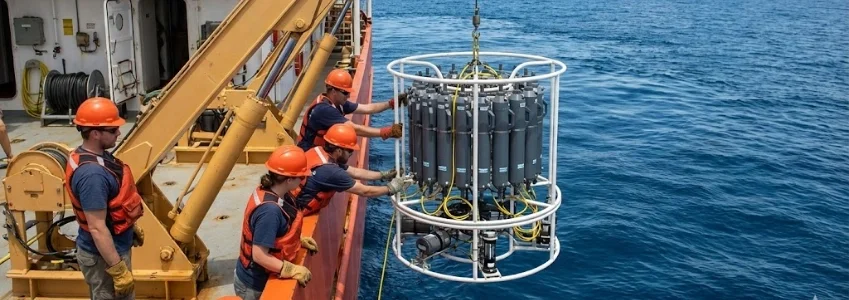
The primary aim of the research was to study phytoplankton, critical components of marine food webs, in this biodiversity hotspot. The team utilized advanced research equipment aboard a U.S. research vessel stationed in the Equatorial Pacific Ocean.
Research Focus
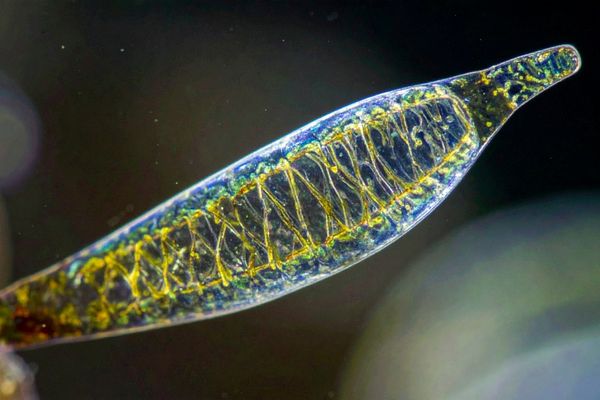
Phytoplankton serve as a foundational resource in marine ecosystems, especially in the Galapagos. The project sought to understand the relationship between ocean physics and the availability of sunlight and nutrients for these organisms. "By examining how changes in water motion affect plankton, we can understand their role and how larger marine species, such as sea turtles and sharks, depend on them" Marchetti noted.
- Duration: Three weeks
- Location: Equatorial Pacific Ocean, near Galapagos Islands
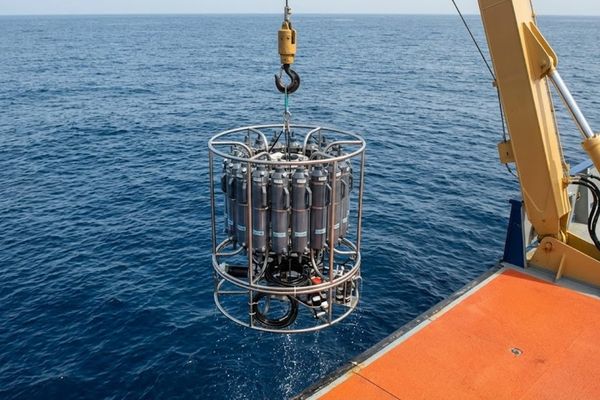
- Main Equipment: CTD-Rosette system and WireWalker
- Primary Research Focus: Phytoplankton adaptation and community variation
Daily Activities and Challenges
The team followed a rigorous daily schedule, waking at 3:45 a.m. to begin their first sampling at 4 a.m. After collecting water samples, processing and filtering these samples occupied much of the morning. They conducted multiple sampling sessions throughout the day.
Despite the project’s successes, the team faced challenges, notably from strong ocean currents, which complicated sampling efforts with their WireWalker device-designed to collect measurements down to 300 meters. Seim remarked on the difficulties of anchoring the equipment, highlighting the unpredictable nature of scientific research: “You learn from your mistakes and make changes as needed to collect the necessary data.”
Students were actively involved in research, with doctoral student Emily Speciale studying phytoplankton's genetic responses to environmental variations. Speciale expressed her newfound enthusiasm for a future in oceanography as a result of the experience.
Following the expedition, the research team plans to analyze the collected samples, which may take several months. The data will contribute to a deeper understanding of marine ecology and support ongoing conservation efforts in the Galapagos Islands.