Floreana’s Giant Tortoises Return After 180 Years | Travel News
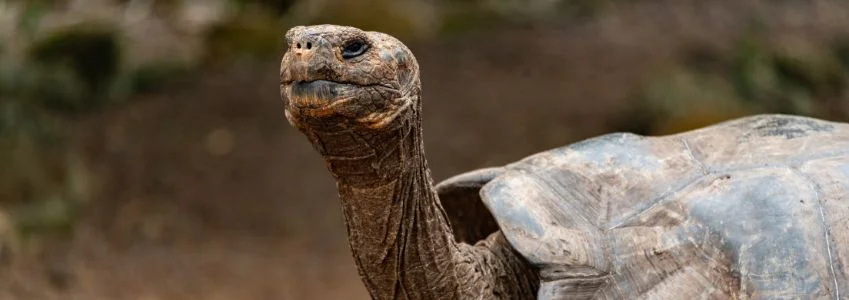
For centuries, giant tortoises shaped the Galapagos landscape through grazing, seed dispersal, and slow but constant movement across volcanic terrain. On Floreana Island, that ecological force disappeared in the 19th century after intensive exploitation by whalers drove the native tortoise lineage to extinction.
This year, after more than 180 years, giant tortoises have returned to Floreana — not as a symbolic gesture, but as part of a carefully designed restoration effort aimed at rebuilding lost ecological functions.
The Lost Architects of Floreana
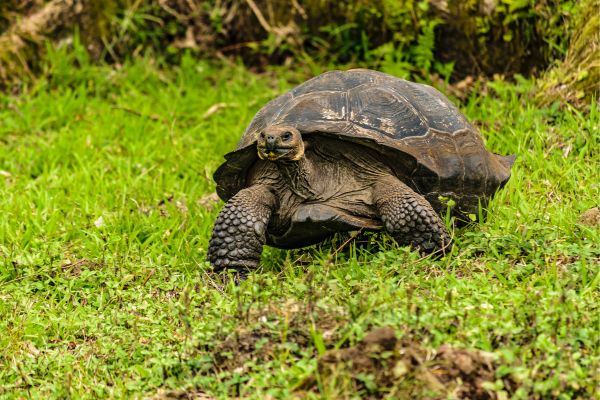
Giant tortoises are more than iconic reptiles; they are ecosystem engineers. Their feeding habits regulate plant growth, maintain open habitats, and influence the distribution of native species. Without them, Floreana’s vegetation patterns shifted over generations.
For more than a century, the Floreana tortoise was believed extinct. That changed when genetic research identified descendants carrying Floreana ancestry on another island, making lineage recovery possible.
 Enchanted Galapagos Southern and Central Islands Cruise
Embark on a 5-day cruise through the Galapagos, discovering its breathtaking wildlife and rich history, all while enjoying a perfect blend of adventure and tran
Request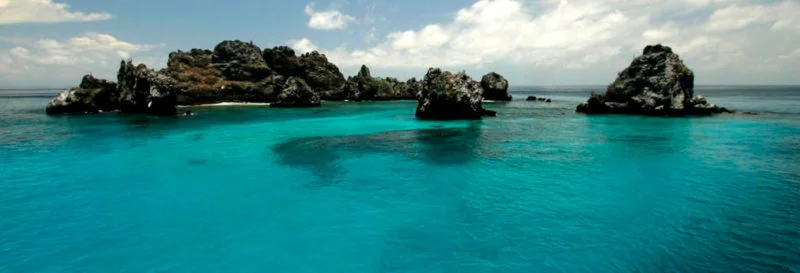 Galapagos Eastern Islands 8 day cruise on board Ocean Spray
Embark on an unforgettable 8-day cruise aboard the M/C Ocean Spray, exploring the stunning wildlife and landscapes of 9 unique Galapagos Islands.
Request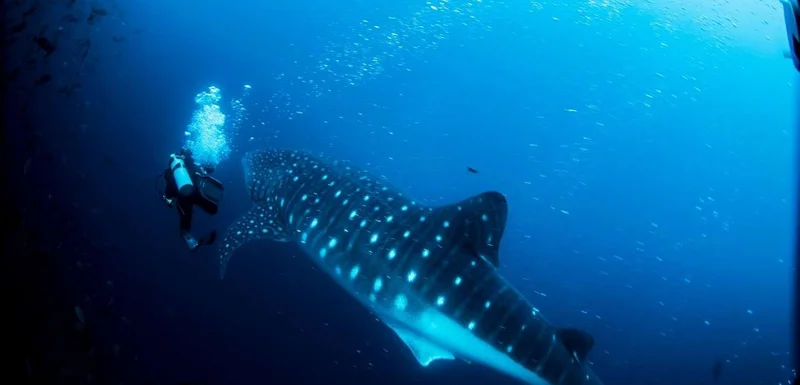 8-Day Galapagos Itinerary | Wildlife & Snorkeling Adventure
Embark on an unforgettable 8-day Galapagos adventure, exploring stunning islands, snorkeling with vibrant marine life, and witnessing unique wildlife up close.
Request
Science Behind the Comeback
Following this discovery, conservation teams launched a selective breeding program to recover as much Floreana genetic identity as possible. Juveniles were raised under controlled conditions until large enough to survive in the wild.
In February, 158 tortoises aged 12 to 14 years were released on Floreana during the rainy season, maximizing survival conditions and forage availability.
Why This Return Matters
The reintroduction is part of a broader ecological restoration plan that includes habitat recovery and invasive species management.
Their impact includes:
-
Restoring natural grazing cycles
-
Supporting seed dispersal and vegetation regeneration
-
Improving habitat diversity for native wildlife
-
Allowing long-term ecological monitoring through GPS tracking
Floreana’s tortoises are not just returning animals — they are restoring a process that has been absent for nearly two centuries.