Dive the Galápagos Islands: A Scuba Adventure Guide | Travel News
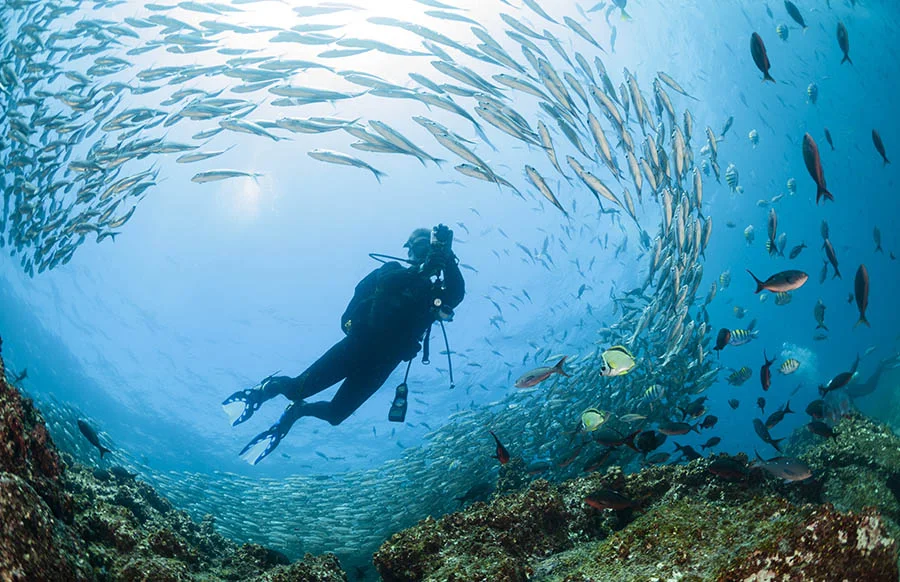
Exploring the Galapagos Islands through scuba diving offers a unique opportunity to engage with one of the world’s most diverse marine ecosystems. The archipelago presents an extraordinary landscape teeming with life, where divers may encounter hammerhead sharks, marine iguanas, and curious sea lions. This guide provides essential insights into diving in the Galapagos, including seasonal conditions, dive styles, key locations, and preparation tips.
Why Dive the Galapagos Islands?
Diving in the Galapagos promises thrilling experiences in a dynamic and pristine environment. Known for its exhilarating encounters with marine life, the archipelago attracts divers with its rich biodiversity, featuring pelagic species like manta rays and schools of hammerhead sharks. The Galapagos is classified as a UNESCO World Heritage Site, reflecting its commitment to conservation and ecological protection.
When to Dive the Galapagos
The diving experience in the Galapagos can vary significantly between two distinct seasons.
- Warm/Wet (December-May): Water temperatures range from 21-27°C, offering calm conditions suitable for beginners. This season features vibrant reef life and ideal visibility of 15-30 meters, ideal for underwater photography.
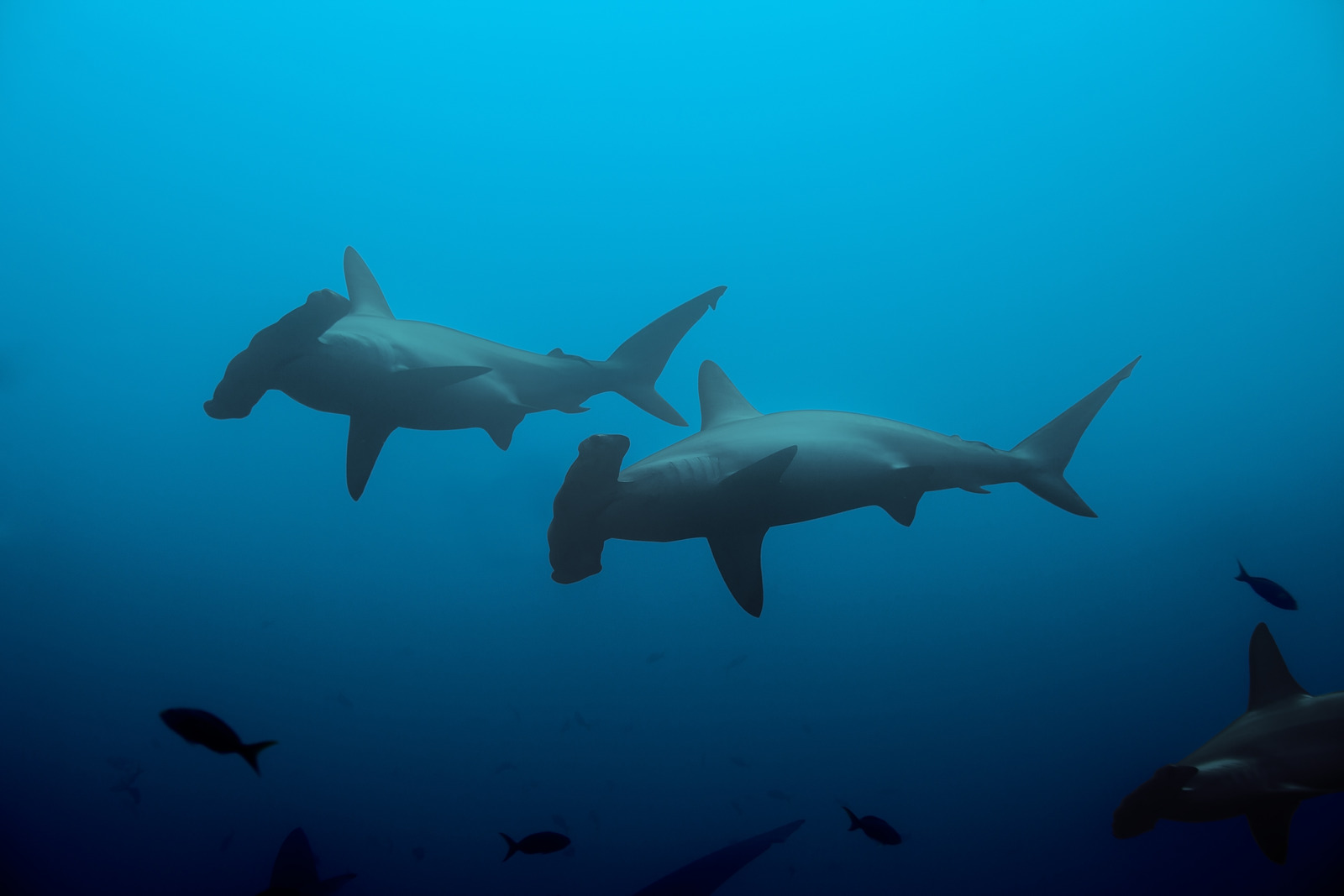
- Cool/Dry (June-November): Water temperatures are cooler, ranging from 16-23°C, and conditions become more challenging with stronger currents. Experienced divers can expect sightings of hammerheads and whale sharks, particularly around Darwin and Wolf Islands.
Strategic planning around these seasons can enhance wildlife encounters and diver comfort. Liveaboard expeditions during the Cool/Dry season provide unparalleled access to premier dive sites.
Choosing Your Dive Style: Liveaboard vs. Land-Based
Divers can choose between liveaboard trips and land-based diving adventures, each offering distinct advantages.
Liveaboard Expeditions
- Pros: Access to remote sites, 3-4 dives per day, and all-inclusive logistics.
- Cons: Higher cost and fixed schedules requiring advanced certification.
Land-Based Adventures
- Pros: Greater flexibility, lower costs, and the opportunity for combined wildlife tours on land.
- Cons: Limited access to remote areas and typically fewer dives per day.
Liveaboards are widely favored for serious exploration, especially around the more remote islands. However, land-based options serve mixed groups and families well.

Iconic Galapagos Dive Sites
Notable dive sites include:
- Darwin Island: Famous for large schools of hammerheads and seasonal whale sharks, accessible only via liveaboard.
- Wolf Island: Known for intense shark activity, with sightings of multiple species including Galapagos and silky sharks.
- Gordon Rocks: Offers exciting encounters with hammerheads amidst strong currents, suitable for both land-based and liveaboard divers.
- Cape Douglas: Unique for sightings of marine iguanas feeding underwater, available only by liveaboard.
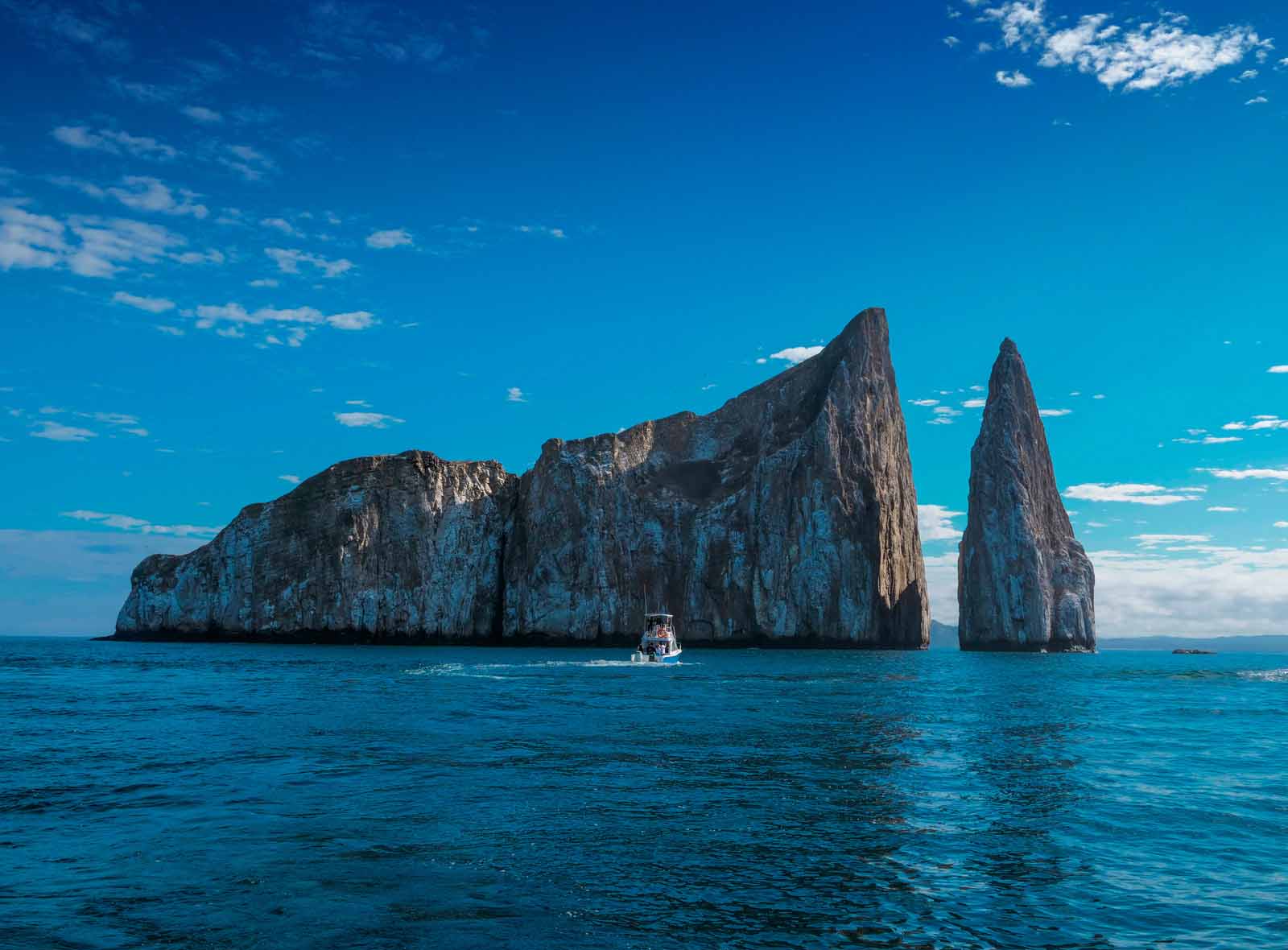
- Kicker Rock: A striking volcanic formation near land, noted for regular shark sightings.
Skill Requirements & Preparation
Diving in the Galapagos demands adequate preparation. Strong currents and cooler waters necessitate an advanced level of certification:
- Advanced Open Water certification is the minimum requirement, with 50+ dives recommended.
- Diving gear should include a 7mm wetsuit, hood, gloves, and specialized equipment such as surface marker buoys.
- Experience with drift dives and current navigation is crucial for safety and enjoyment.
Planning Your Galapagos Dive Trip
Booking 6-12 months in advance is recommended. Key planning steps include:
- Secure travel arrangements, flying into Baltra or San Cristóbal via Quito or Guayaquil.
- Prepare for park entry fees, totaling $220 ($200 for the National Park and $20 for a Transit Control Card).
- Pack necessary gear, including wetsuits and reef-safe materials, and ensure proper travel insurance is in place.
Diving with a Purpose: Conservation
As guardians of this fragile ecosystem, divers are encouraged to practice responsible diving. Maintaining buoyancy control and respectful distances from wildlife aligns with the strict regulations set by the Galapagos National Park, ensuring the preservation of its unique marine environments.
For divers eager to experience this transformative journey, the Galapagos Islands await. Scheduling an expedition aligned with diving skills and seasonal conditions can significantly enhance the adventure, particularly at iconic sites renowned for their rich marine life.