Whale Sharks: Guardians of Galápagos Marine Ecosystem | Travel News
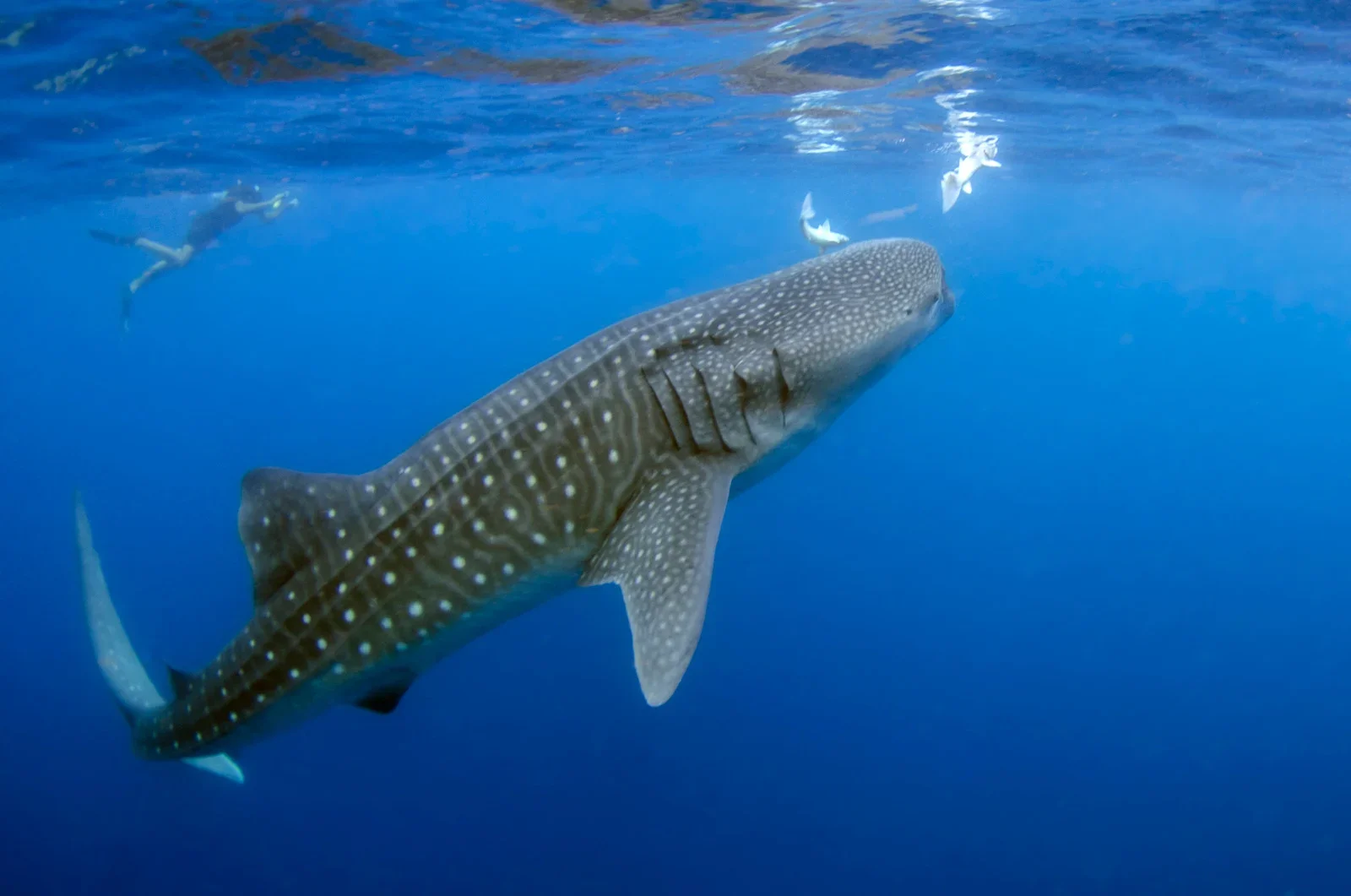
A recent study by the Galapagos Whale Shark Project (GWSP) reveals that whale sharks, traditionally seen as solitary creatures, are often surrounded by a variety of accompanying species while swimming in the Galapagos Islands. These giants can grow up to approximately 40 feet long and attract a range of fishes, indicating a more complex ecosystem than previously understood.
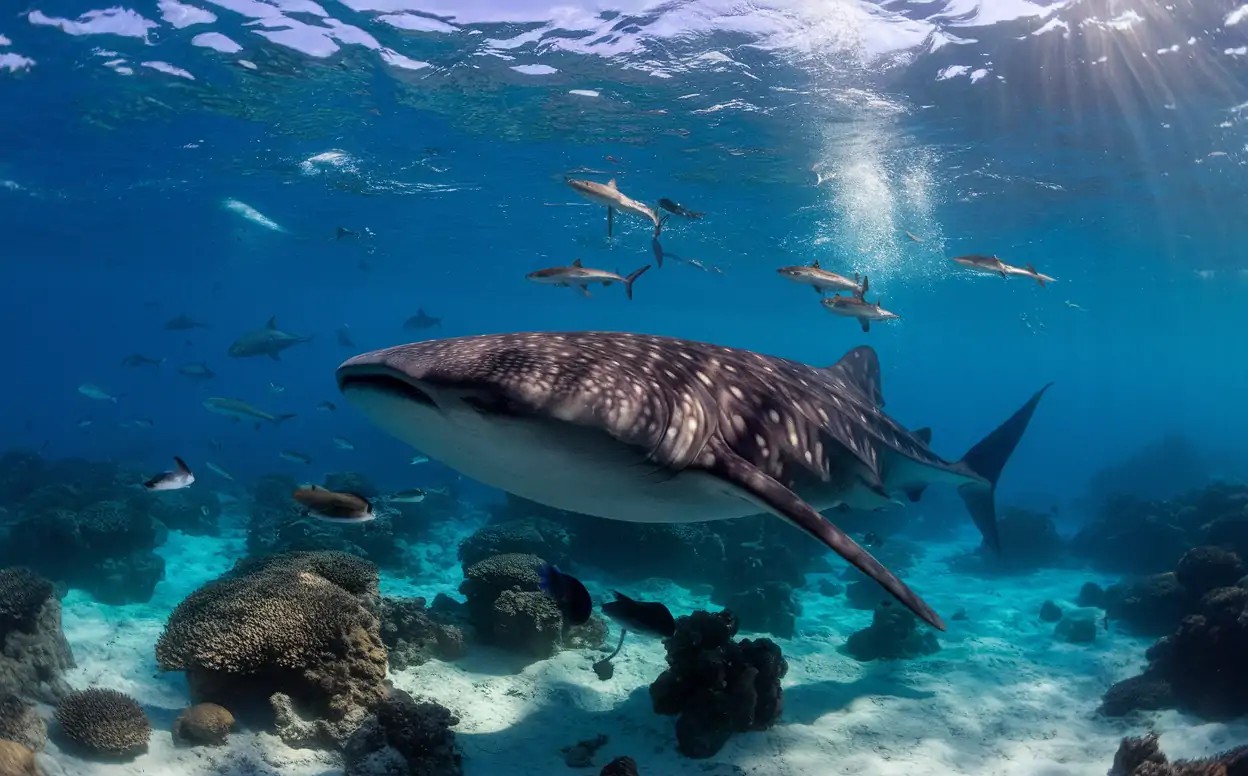
Researchers have observed these sharks moving with a multitude of species, including remoras, jacks, tuna, and even smaller sharks. Remoras, known for their suction capabilities, cling to larger marine animals for both transportation and access to food, while jacks and tuna appear to join the entourage for different reasons. The presence of these fast swimmers suggests that the whale shark's movement creates favorable conditions for feeding, as its bulk can disturb the water and flush out smaller prey.
Benefits of the Whale Shark's Presence
The phenomenon observed presents multiple advantages for the accompanying species. Smaller sharks may find protection from predators by staying near the whale shark, which can alter the dynamics of surprise attacks. Furthermore, the whale shark’s feeding behavior dislodges organisms, making it easier for other marine life to access food. Additionally, these smaller fish may conserve energy by drafting in the wake created by the whale shark as it glides through the water.
However, the implications of these interactions extend beyond individual species. The GWSP's findings suggest that whale sharks could serve as a temporary organizing force within the marine environment, reshaping ecosystems as they move.
Community Dynamics and Conservation Implications
The Galapagos Islands provide an ideal setting for such studies due to their unique oceanographic conditions that attract large pelagic species. These observations, however, raise concerns regarding sustainability and the impact of tourism. Whale sharks are a major draw for scuba divers, and their presence alongside a supporting cast of species enhances the diving experience, generating economic benefits for local operators.
Nevertheless, increased tourism poses risks, including the potential for overcrowding that could disrupt these delicate interactions and negatively affect marine life. Disturbances to the whale shark could disrupt the broader ecosystem, as various species may rely on it for feeding and protection.
While GWSP has made a compelling argument for viewing whale sharks as ecological platforms rather than solitary creatures, further research is needed. Detailed studies regarding the frequency of these encounters, species interactions, and environmental impacts must be conducted to substantiate these claims.
At a glance
- Species reported with whale sharks: Remoras, jacks, tuna, and smaller sharks.
- Key benefits of association: Protection, food availability, and energy conservation.
- Conservation implications: Disturbances to whale sharks can impact broader marine ecosystems and the tourism economy.
The GWSP’s ongoing research highlights the importance of understanding complex marine relationships, which are critical for effective conservation strategies in the Galapagos. More comprehensive data will be necessary to fully comprehend the extent of these dynamic interactions.