Protecting Galapagos Sharks and Rays: Conservation Efforts | Travel News
The Galapagos Marine Reserve must defend its shark and ray species from three major threats which include excessive fishing practices and the destruction of their natural habitats and chemical contamination of their environment. The region supports essential habitats which protect more than fifty marine species by hosting their nursery grounds in the protected mangrove lagoons which span across Isabela and San Cristobal islands. The conservation work continues because it aims to strengthen species protection which starts from their first days of life until they reach full development.
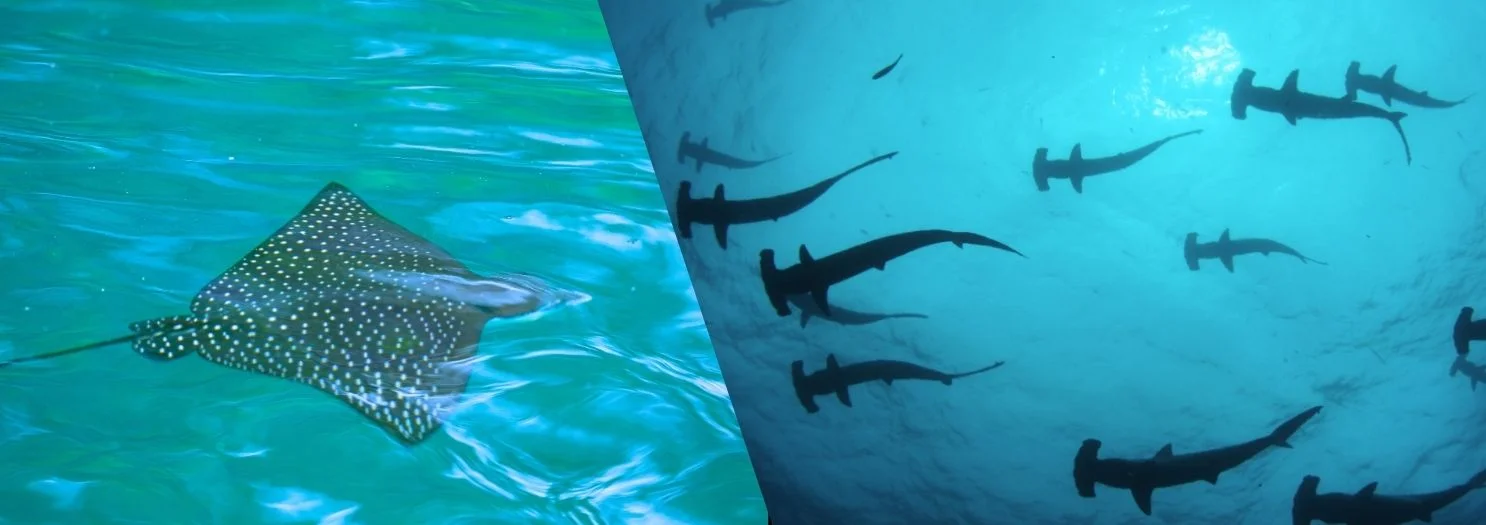
The annual shark harvest reaches more than 100 million individuals across the entire world. The scalloped hammerhead and whale shark species now face extinction because they belong to the critically endangered category. The three species face threats which go beyond fishing because they get caught in fishing nets and they consume plastic debris which harms their health especially in filter-feeding species like manta rays. The Galapagos ecosystem provides an isolated sanctuary which allows these marine species to thrive especially for adult whale sharks who mostly consist of mature female individuals.
Recent Developments
The Galapagos Marine Reserve received Important Shark and Ray Areas (ISRAs) status for particular nursery zones during 2023 because these areas serve as vital habitats which support threatened species during their life cycle. The available data about ray populations proves insufficient to develop proper conservation programs.
The research team works to determine species distribution and identify their breeding environments. Researchers have used drones for monitoring purposes while they also perform acoustic and satellite tagging to collect essential data which helps them create effective conservation plans. Scientists have tracked over 100 whale sharks through tagging efforts which let them follow these creatures across their prime habitats while they collect blood and perform ultrasound examinations to evaluate their health status.
Project Goals
- The project requires assessment of how fishing operations together with tourist activities and environmental contamination affect shark and ray populations.
- Scientists need to locate shark nursery habitats throughout the Galapagos Islands.
- Scientists should investigate the migration routes which connect Galapagos Islands to other Pacific Ocean regions.
- The project needs to back the growth of protected marine areas because it creates marine pathways which link to Costa Rica's Cocos Island.
- The research requires scientists to perform complete examinations of all ray species which exist in this region.
The Galapagos Marine Reserve needs protection because it defends both its special marine life and the worldwide health of ocean ecosystems. The conservation work leads to a future when Ecuador will protect 30% of its marine environment by 2030 to defend its sensitive oceanic species.